Robot Vacuums for Multi Level Homes
Finding the ideal robot vacuum for multi level homes makes keeping every floor spotless easier than ever. With options designed to handle various surfaces and layouts, these smart cleaning devices provide convenience for busy households. Explore a wide range of robot vacuums that can tackle multi-story living spaces, helping you maintain a clean home with minimal effort. Whether you have carpet, hardwood, or tile on different floors, discover solutions tailored to your unique cleaning needs.
Sort
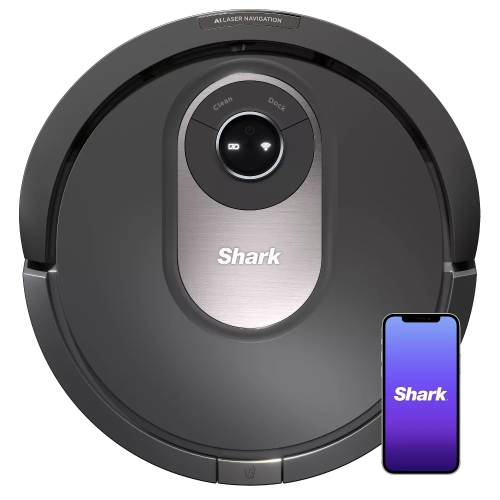

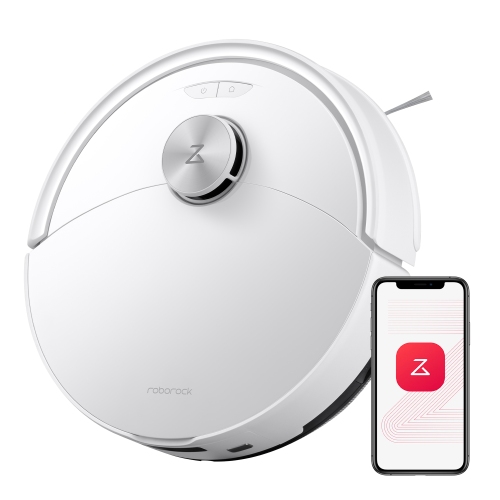
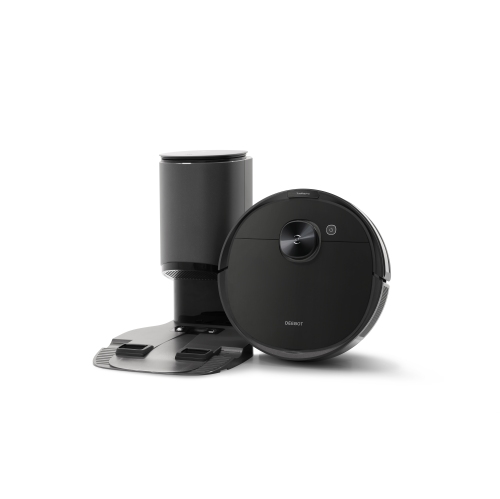
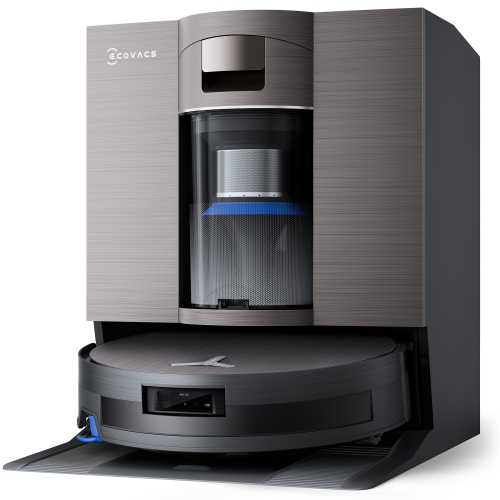
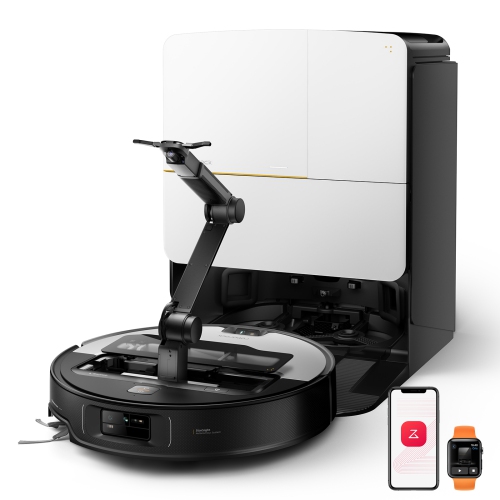
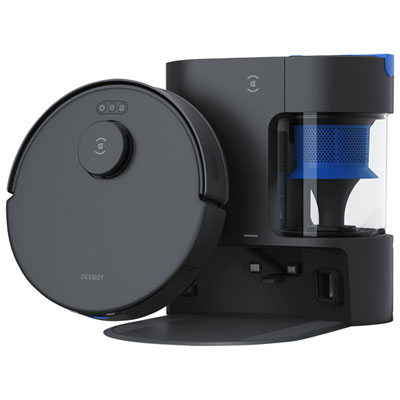
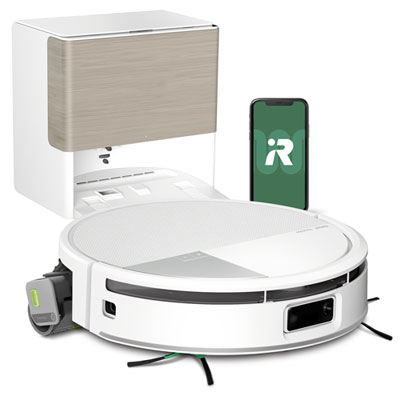
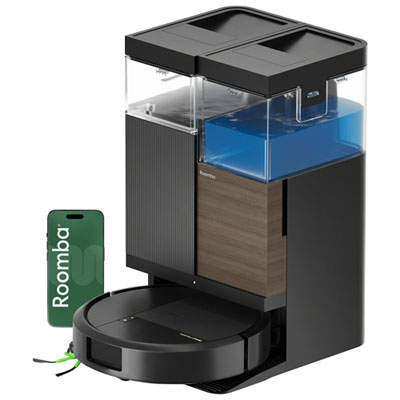
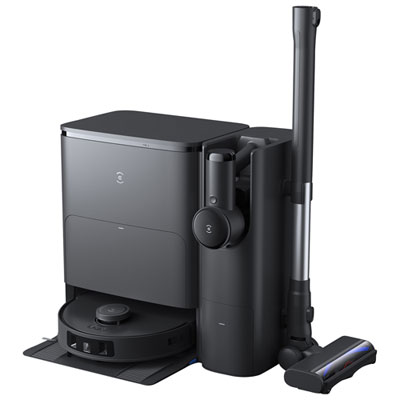
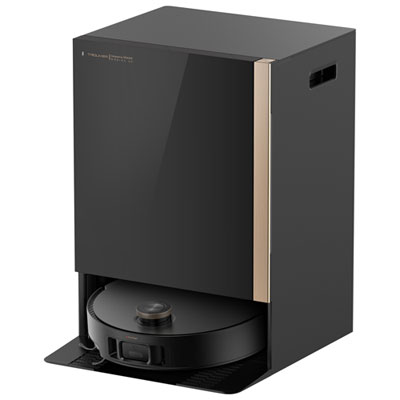
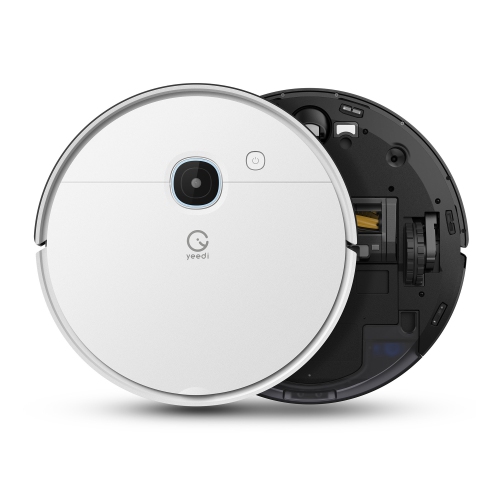
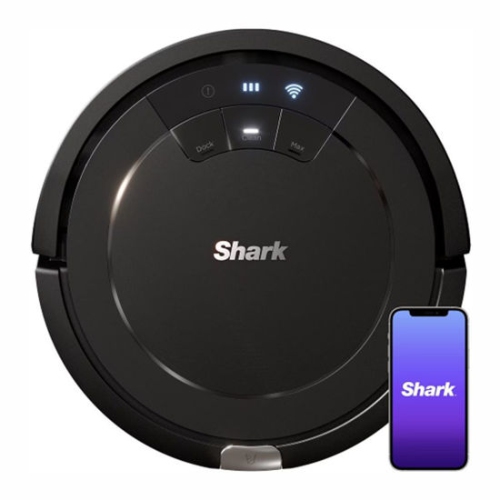
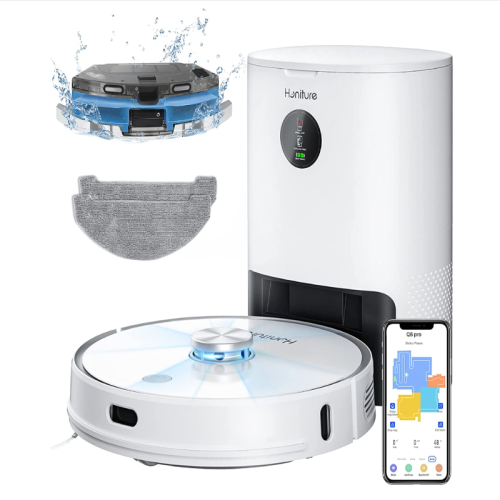
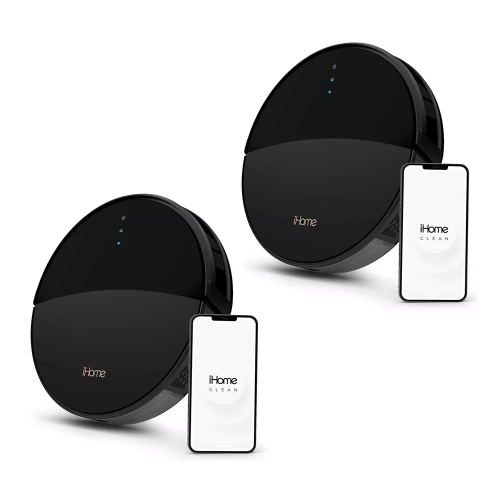
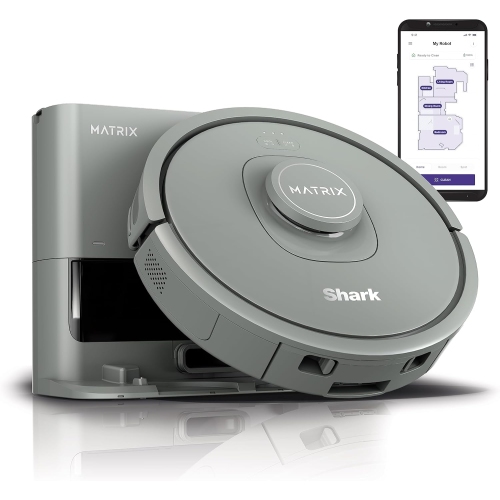
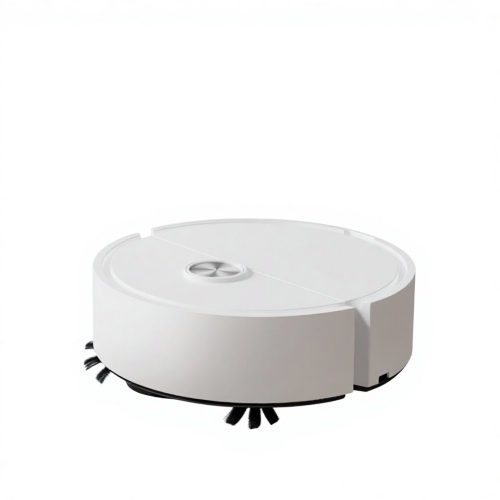
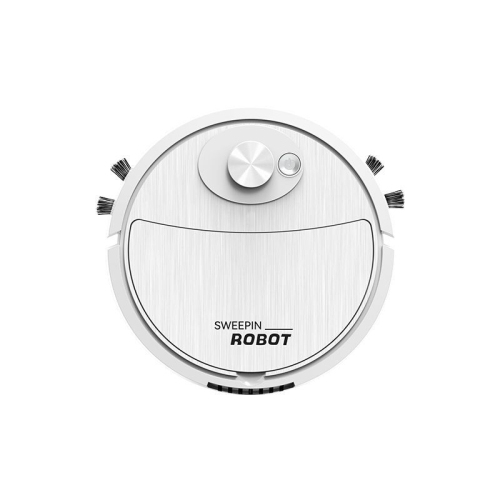
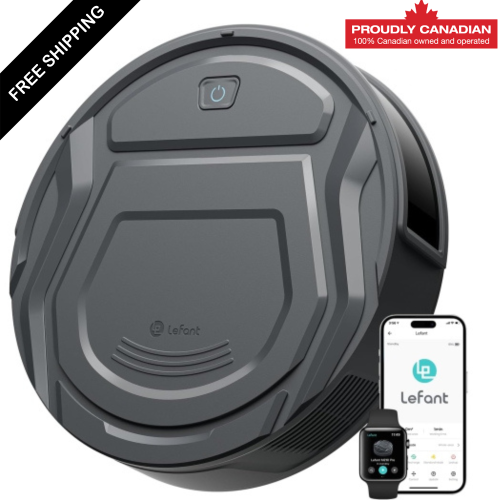
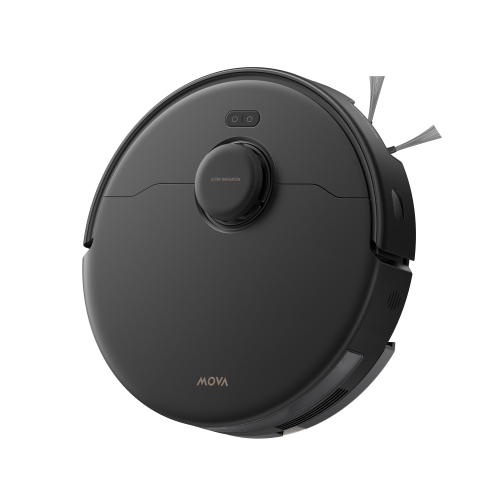
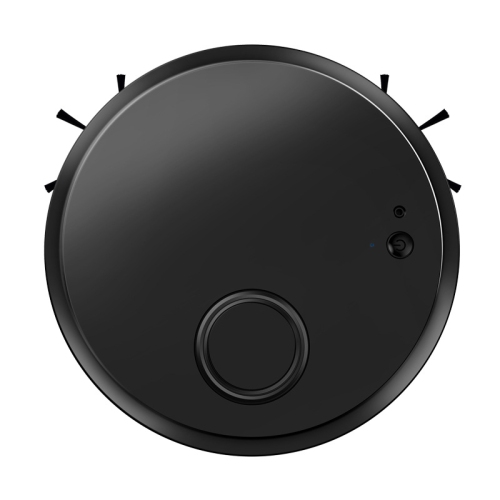
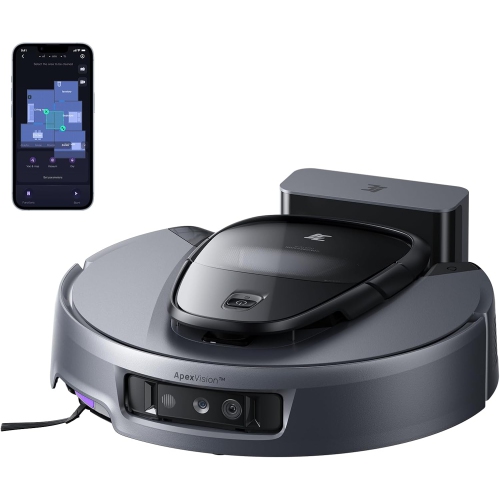
Multiple floor maps, one robot to carry upstairs
Robot vacuums for multi-level homes are designed to make routine floor cleaning easier across separate storeys, but they still need to be carried between levels. Multi-floor mapping lets a compatible robot save distinct layouts for spaces such as a main floor, upstairs bedrooms and a finished basement. Automatic floor recognition, when supported, helps the robot identify a saved layout after it has been moved, rather than treating each trip upstairs as a new space. These features are particularly useful in homes where furniture arrangements, flooring and cleaning priorities differ from one level to another. A kitchen and dining area may need frequent attention to crumbs, while bedrooms may benefit from quieter, less frequent cleaning around beds and dressers. The number of maps a robot can retain matters, as does the ability to keep room names, restricted areas and cleaning preferences separate for each floor. A saved map is not the same as automatic movement throughout the house: robot vacuums do not climb stairs or clean stair treads. Cliff sensors help detect drops, but stair-edge protection should follow the manufacturer’s directions, including any recommended physical barriers. Carrying comfort also deserves attention, especially when the route between floors includes narrow landings or several flights. Consider the robot’s weight, its recommended lifting points and whether it can be moved without tipping loose debris out of the dustbin. Docking arrangements vary, too. Some robots can clean another floor without their dock nearby, while others have particular requirements for positioning, map creation or returning to charge. A second dock is only an option when the robot supports that arrangement; charging and servicing stations are not universally interchangeable. A level location with the required clearance gives the robot a reliable starting point without crowding a hallway. The selection of Robot Vacuums for Multiple Floors brings this practical distinction into focus: separate saved maps can simplify cleaning across storeys, while carrying, charging and dock placement remain part of everyday use.
Flooring differences are often more important than the overall size of a multi-level home. A ground floor with tile and sealed hardwood presents different cleaning demands from an upper floor covered in carpet. On hard surfaces, edge brushes help draw loose debris away from baseboards and furniture legs, while the main brush and suction system collect it beneath the robot. Carpet performance also depends on brush design, pile depth and the robot’s ability to maintain contact with the surface, rather than suction specifications alone. Households with pets may appreciate brush assemblies designed to reduce hair wrapping, although hair and thread can still collect around roller ends and wheels. Long rug fringe, lightweight mats and thick carpet can interrupt movement, so restricted zones or small adjustments to the room may be necessary. Threshold clearance is another useful consideration in older homes or layouts with raised transitions between rooms. A robot that moves easily across one doorway may struggle with a taller, sharply edged transition elsewhere. Physical fit matters just as much: measure the clearance beneath sofas, beds and cabinets, and leave room for the robot to travel rather than judging by its height alone. For vacuum-and-mop combinations, floor care requirements deserve particular attention. Wet cleaning should only be used on surfaces approved for it, with the cleaning solution and water settings specified by the manufacturer. Carpet detection and mop lifting can help manage mixed flooring, but a raised pad may still touch a thick rug; no-mop zones or removing the pad may be necessary. Battery runtime should be considered alongside the amount of accessible floor space, cleaning mode and flooring type. Carpet and higher-power settings can shorten a cleaning session. Recharge-and-resume functions can help complete a larger area when a compatible dock is accessible, but they cannot move the robot back downstairs to charge. Room-by-room controls are useful for prioritizing a busy eating area without repeating an entire floor, and separate schedules can accommodate a home office upstairs and shared living spaces below.
Daily convenience depends on how well the robot fits household routines, not simply how many settings appear in its app. Before a cleaning run, loose charging cables, small toys, socks and pet bowls may need to be moved out of its path. Obstacle recognition can reduce interruptions, but it should not be treated as a guarantee that every object will be avoided. A consistent starting position can help with orientation after moving the robot, and confirming the correct saved floor before starting helps ensure that room selections and restricted areas apply to the intended space. App-based mapping and remote controls may require Wi-Fi, so coverage on each storey and compatibility with the home network are worth considering. Basic cleaning controls may still be available on the robot itself, depending on its design. Noise also affects placement and scheduling: the robot’s cleaning sound may be manageable near a closed office door, while an automatic emptying cycle can be noticeably louder. Self-emptying stations reduce how often the onboard bin needs attention, but station bags or containers still require regular care. Mop-washing stations likewise need clean water, wastewater disposal and tray cleaning as directed. For lasting performance, empty dustbins before they become packed, remove wrapped hair, clear debris from wheels and wipe sensors and charging contacts using the recommended method. Wash only parts identified as washable, and let them dry fully before refitting them. Replace filters, brushes and mop pads according to their condition and the manufacturer’s guidance; access to compatible maintenance parts supports continued use. Robot vacuums suit busy families, pet owners and anyone who wants help keeping open floor areas tidy between more thorough cleans. They remain a complement to, rather than a replacement for, cleaning stairs, upholstery, tight corners and spills. For someone who finds lifting difficult, keeping a cleaning device on each level may be more practical than carrying one robot between floors. The most useful setup is one that matches the home’s surfaces, stair layout and routines without adding awkward handling to the day.
Top selling and popular products
-
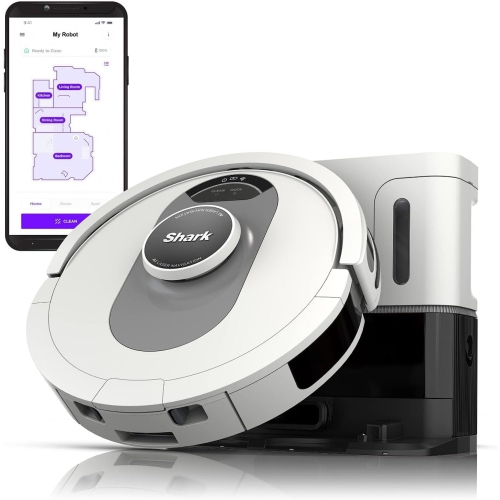 Your price for this item is $699.99
-
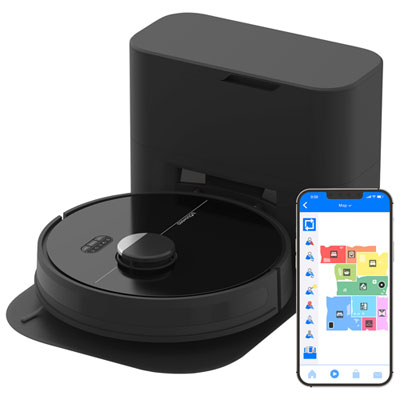 Your price for this item is $199.99
-
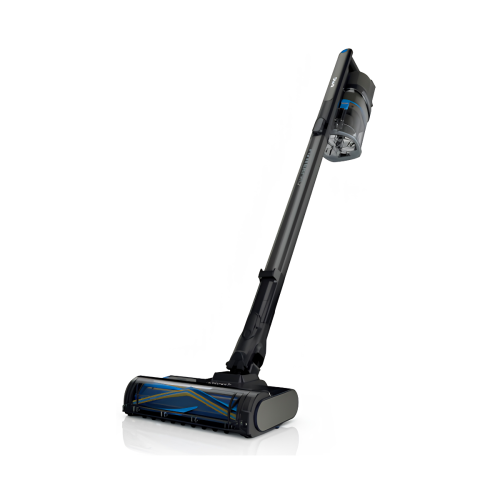 Your price for this item is $399.99
-
 Your price for this item is $999
-
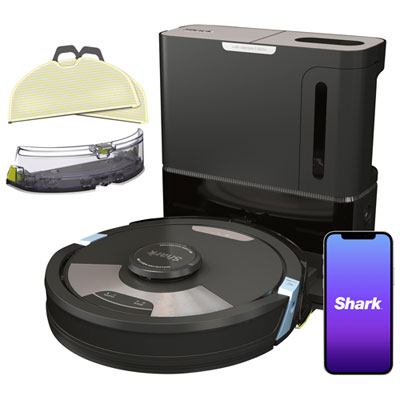 Your price for this item is $399.99
-
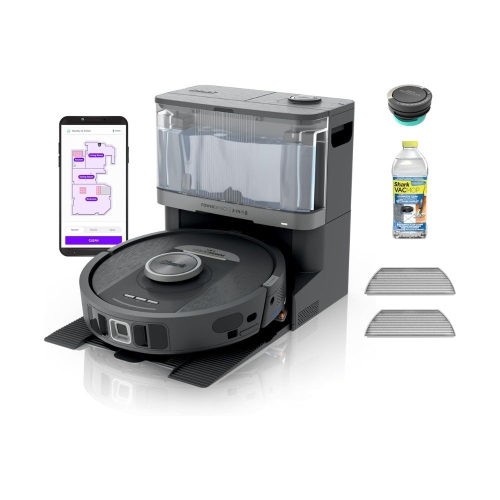 Your price for this item is $1149.99
-
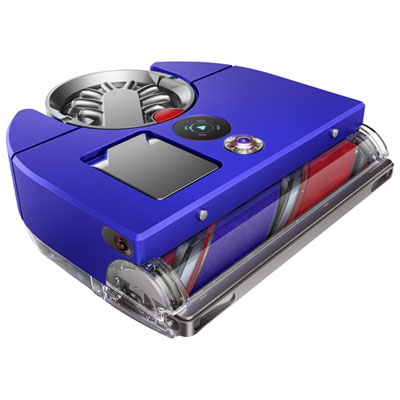 Your price for this item is $1052.95
-
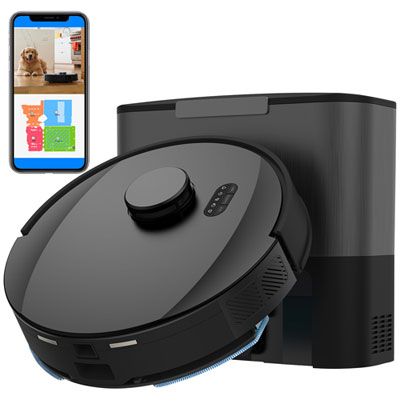 Your price for this item is $1249.99
Discover more categories related to Robot Vacuums for Multi Level Homes
Top Collections:
Best Black Friday Deals This Year, Best Black Friday Deals On Electronics, Kindle Devices, Pokemon Centers, Best Black Friday Deals On Apple Products, Best Cameras for Sports Photography, Dyson Airwrap, Pokémon 30th Celebration Cards, Apple iPhone 17 Pro, Canon G7X Cameras
Some products may be subject to Environmental Handling Fees
(EHF) depending on your province.
Learn more about EHFs.