Robot Vacuums for Multiple Floors
Keeping your multi-level home pristine has never been easier with a robot vacuum designed for multiple floors. These innovative cleaning devices effortlessly navigate different surfaces, making them the perfect solution for busy households. Whether you have carpeted bedrooms, hardwood living areas, or tiled kitchens, a robot vacuum for multiple floors adapts to each environment, offering convenience and efficiency at the touch of a button. Explore options that seamlessly transition between levels and enjoy more free time as these smart vacuums take care of the dirt and debris in your home.
Sort
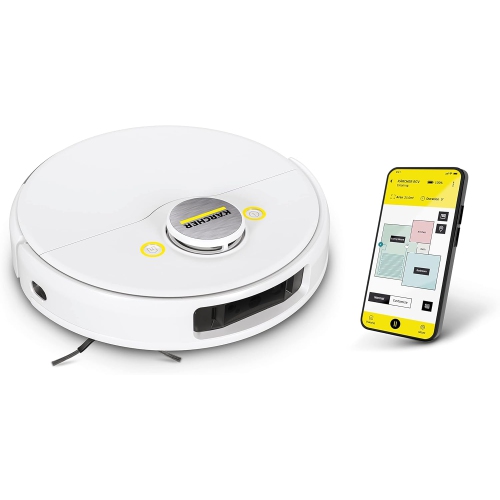
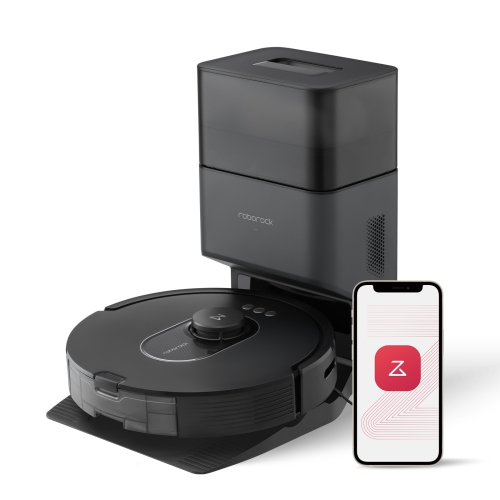
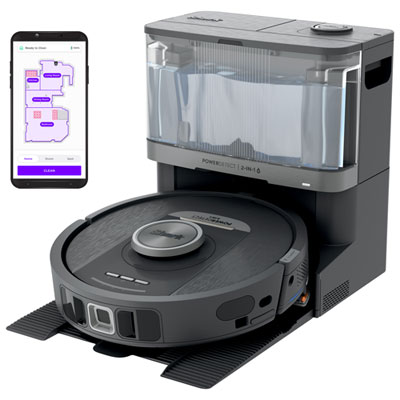
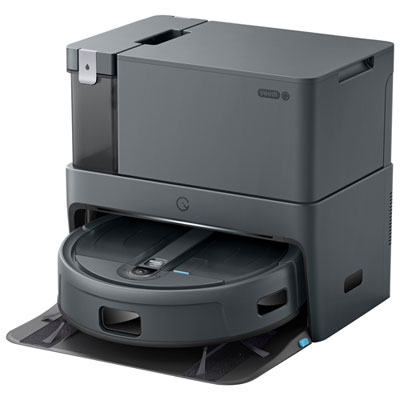
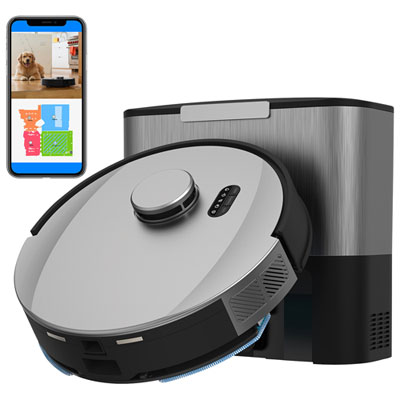
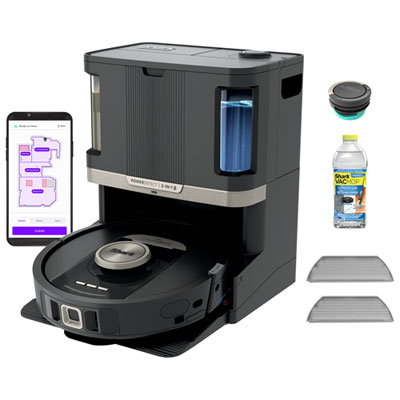
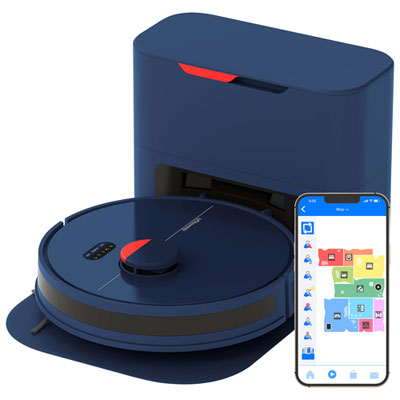
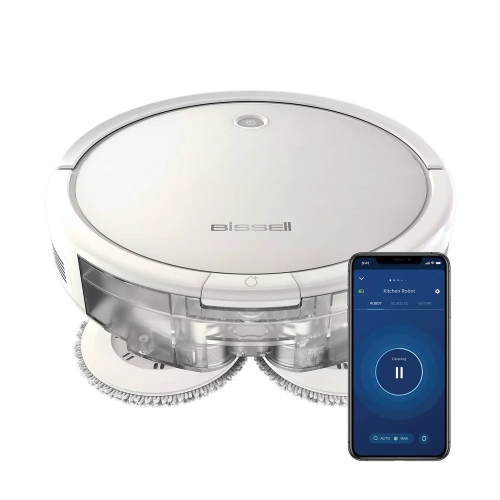
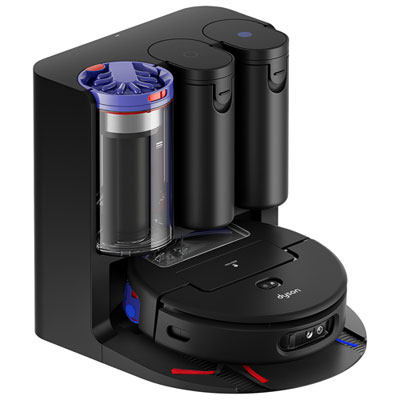
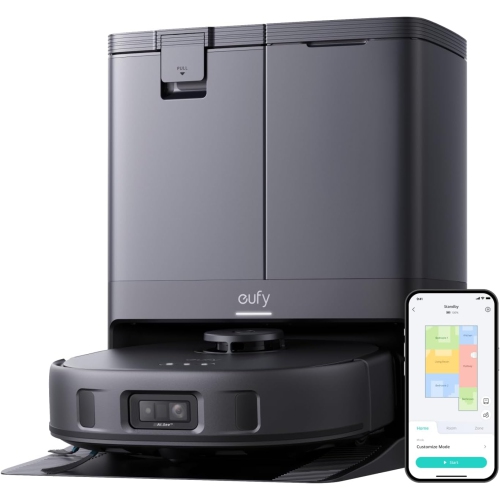
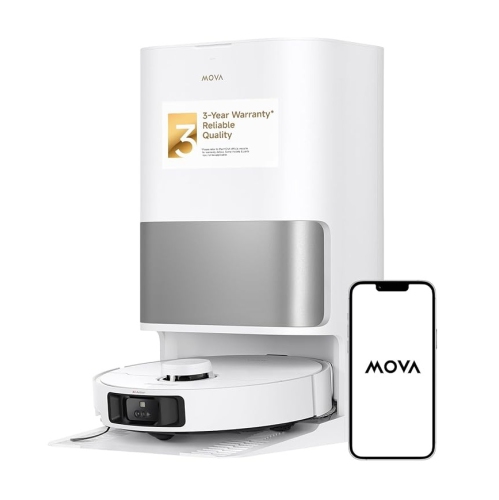
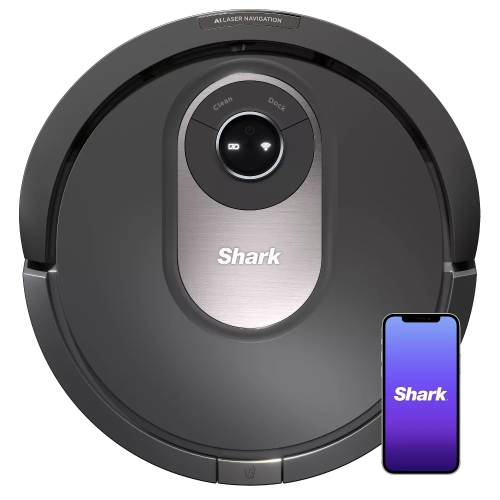
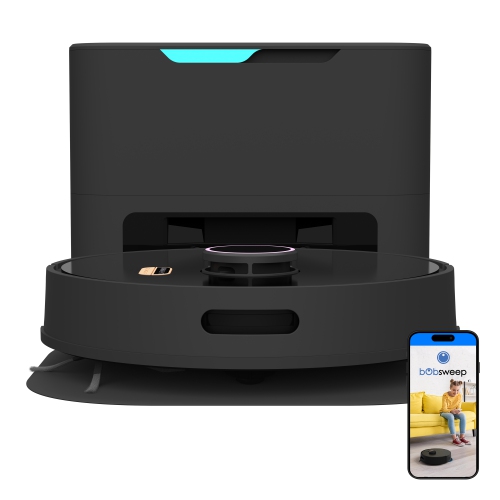
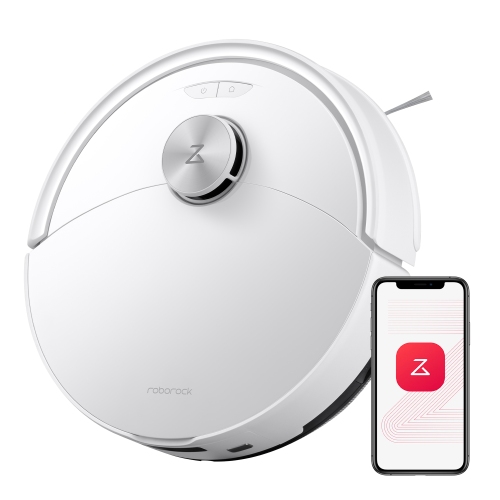
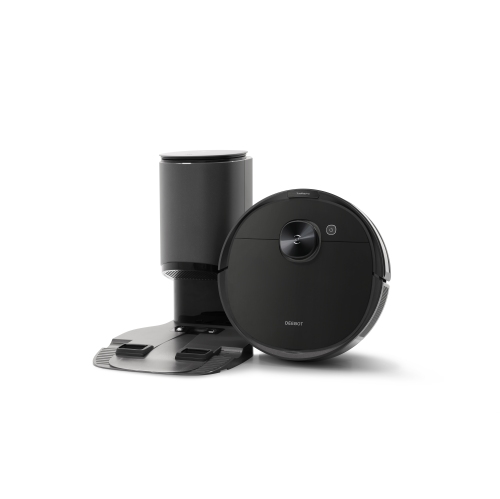
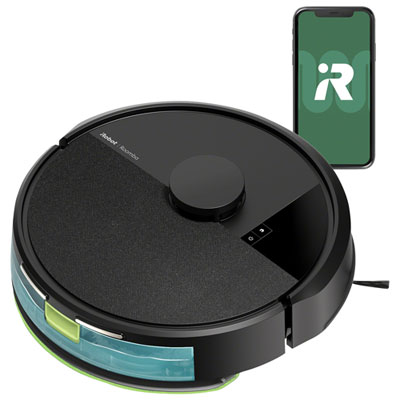

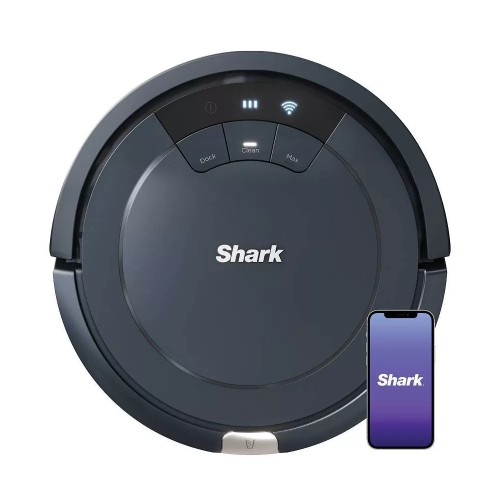
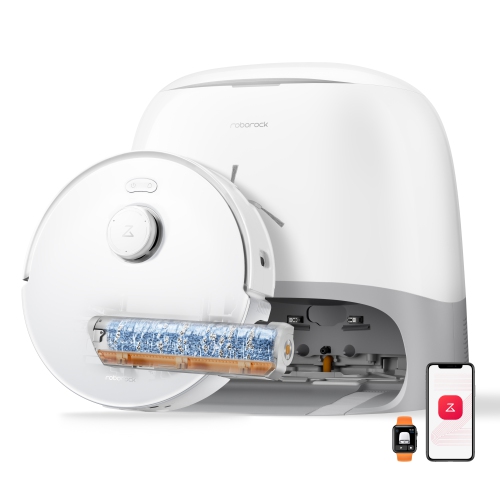
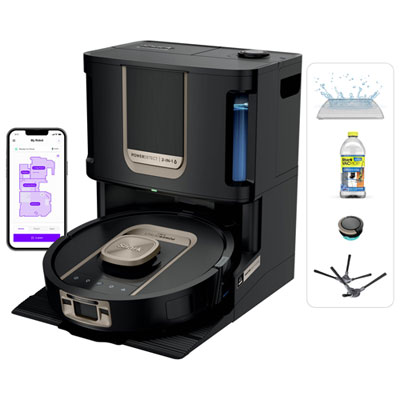
Saved floor maps help tailor cleaning to each storey
Robot vacuums for multiple floors make routine cleaning more manageable in homes where bedrooms, living areas, and workspaces sit on different levels. Multi-floor mapping allows compatible robot vacuums to save a separate layout for each storey, including room divisions and designated cleaning areas. The robot still needs to be carried between floors because it cannot climb stairs. This distinction matters: cleaning several floor surfaces, such as hardwood and carpet, is not the same capability as remembering several storeys. A model may handle both surfaces well without storing more than one map. With supported multi-floor mapping, separate layouts can keep an upstairs bedroom schedule distinct from a downstairs kitchen routine, while saved boundaries help define spaces that should remain untouched. The number of maps, automatic floor recognition, and room-specific settings vary by model, and some require the correct map to be selected in the companion app after the robot is moved. Mapping systems that use laser-based navigation or cameras can help the robot establish its position, although lighting requirements and performance around furniture differ. Charging arrangements are another practical part of multi-storey use. A robot cannot return downstairs to its dock, and automatic emptying, mop washing, or recharging requires access to a compatible station on the same level. Support for additional docks varies, so a second station should not be assumed to work with every robot. Battery capacity is most useful when considered alongside the area being cleaned, the suction setting, and whether mopping is involved; a quoted maximum runtime may reflect less demanding settings. Across townhouses, split-level layouts, and houses with finished basements, Robot Vacuums for Multi Level Homes can support cleaning routines that move between storeys without requiring a separate robot for each one. The most useful features are those that match how each level is actually used, rather than simply treating the entire home as one continuous floor plan.
The surfaces on each storey shape what a robot vacuum needs to do. Downstairs tile may collect crumbs around dining chairs, while upstairs carpet holds lint and pet hair along bedroom edges. Brush design, suction control, wheel traction, and the cleaning head’s contact with the floor all contribute to how well debris is collected. Suction figures alone do not describe performance across this mix of surfaces. Rubber brush rollers can simplify hair removal on some designs, while bristled or combination brushes may need more frequent attention when long hair wraps around them. Side brushes help reach along skirting boards, but corners and narrow gaps can still need occasional cleaning with another tool. Low-pile rugs are generally less demanding than deep pile, loose fringes, or lightweight mats that bunch under moving wheels. Threshold height also matters: a small raised strip between rooms can interrupt an otherwise straightforward route, and the robot’s stated crossing capability needs to suit the home’s transitions. Physical fit is equally important under beds, sofas, and cabinets. The robot’s full height, including any raised navigation sensor, determines whether it can reach beneath furniture without becoming wedged. For models with mopping functions, the floor manufacturer’s care requirements take priority. Damp cleaning is appropriate only for surfaces approved for it, and excess moisture can damage some wood, laminate, or other sensitive finishes. Carpet detection, mop lifting, and no-mop zones can help separate rugs from hard-floor cleaning, but their operation varies and may not protect every rug thickness or edge. A washable pad is useful for routine surface cleaning, not a substitute for treating a sticky spill properly. These differences become particularly relevant when one floor is mostly carpet and another is mostly hard flooring. Separate cleaning preferences let compatible models use a gentler approach in one room and a more intensive vacuuming setting in another, with boundaries tailored to each saved map.
Everyday handling and maintenance influence how comfortably a robot vacuum fits into a multi-floor household. A manageable weight and a secure way to lift the unit matter when it moves regularly between levels, especially if the route includes a narrow staircase. The dock also needs a suitable location, with the clearance specified by the manufacturer and space that does not obstruct a hallway or doorway. A large dustbin or an automatic-emptying station may reduce hands-on emptying, but neither removes the need to check brushes, filters, wheels, and sensors. Hair caught around an axle can affect movement, while dust on navigation or drop sensors can interfere with normal operation. Filters should be cleaned or replaced according to the manufacturer’s directions, and only components identified as washable should be rinsed. Washable parts need to dry fully before refitting; mop pads also benefit from regular cleaning rather than sitting damp between runs. Durability depends partly on accessible maintenance points and replaceable wear parts, including brushes, filters, and pads. Homes with shedding pets, busy kitchens, or several occupants may need more frequent upkeep than lightly used spaces. Robot vacuums are particularly useful for people who want to keep everyday dust and crumbs under control between deeper cleans, including households where cleaning one level at a time fits naturally around work, study, or children’s routines. They still need a reasonably clear path: charging cables, socks, small toys, and pet messes can cause trouble even with obstacle detection. Drop sensors are intended to help detect stairs, but they are not a guarantee against falls; manufacturer-recommended precautions remain important around open stairways and landings. App controls can make room selection and scheduling convenient, while Wi-Fi requirements, account access, and map settings deserve attention before relying on those functions. A well-matched robot handles repeatable floor-cleaning tasks across distinct layouts while leaving stairs, awkward corners, and occasional deep cleaning to other tools.
Top selling and popular products
-
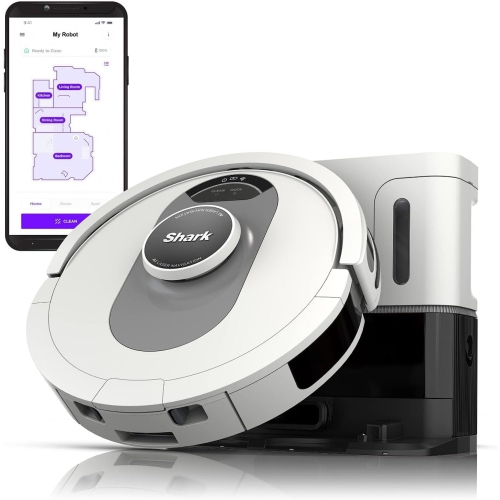 Your price for this item is $699.99
-
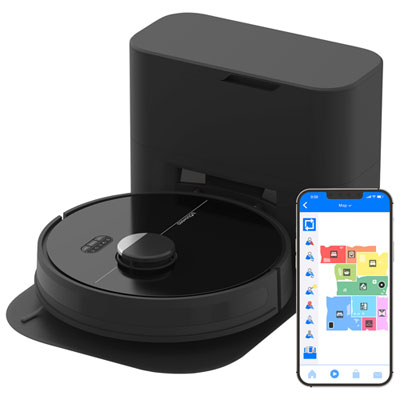 Your price for this item is $199.99
-
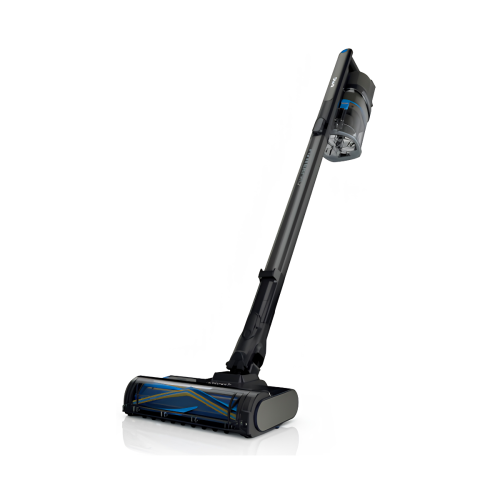 Your price for this item is $399.99
-
 Your price for this item is $999
-
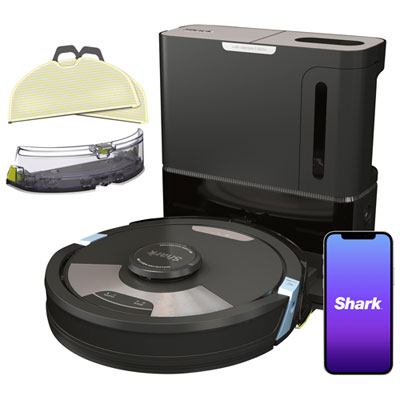 Your price for this item is $399.99
-
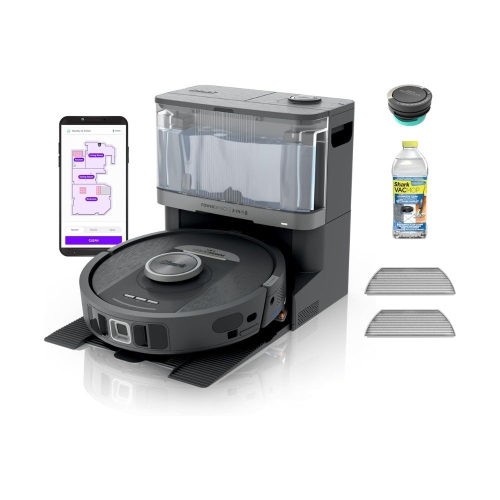 Your price for this item is $1149.99
-
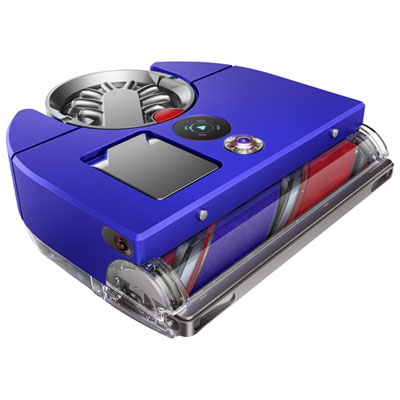 Your price for this item is $1052.95
-
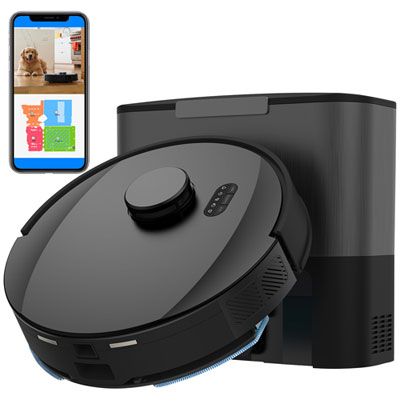 Your price for this item is $1249.99
Discover more categories related to Robot Vacuums for Multiple Floors
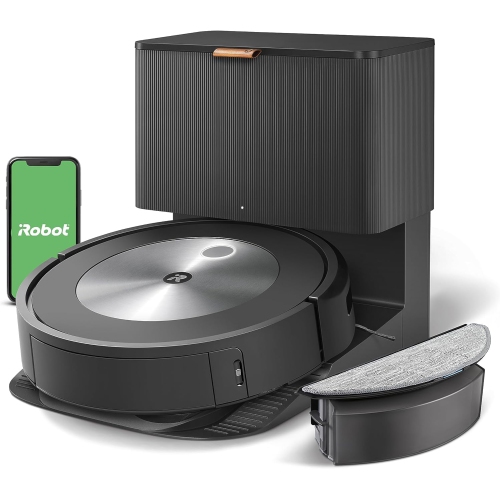
Top Collections:
Best Black Friday Deals This Year, Best Black Friday Deals On Electronics, Kindle Devices, Pokemon Centers, Best Black Friday Deals On Apple Products, Best Cameras for Sports Photography, Dyson Airwrap, Pokémon 30th Celebration Cards, Apple iPhone 17 Pro, Canon G7X Cameras
Some products may be subject to Environmental Handling Fees
(EHF) depending on your province.
Learn more about EHFs.