Robot Vacuums for Pet
Keeping your home clean when you have furry friends can be a challenge, but finding the right robot vacuum for pet owners makes it easier than ever. These innovative cleaning devices are designed to help tackle the messes that come with pets, so you can spend more time enjoying their company and less time worrying about fur and debris. Explore a wide selection of options to find the perfect robot vacuum for pet households, and enjoy a cleaner, more comfortable space every day.
Sort
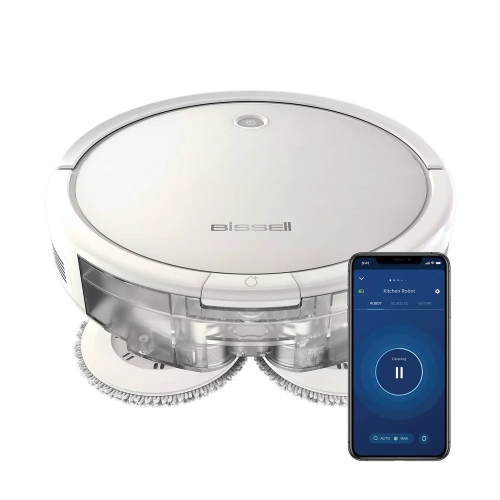
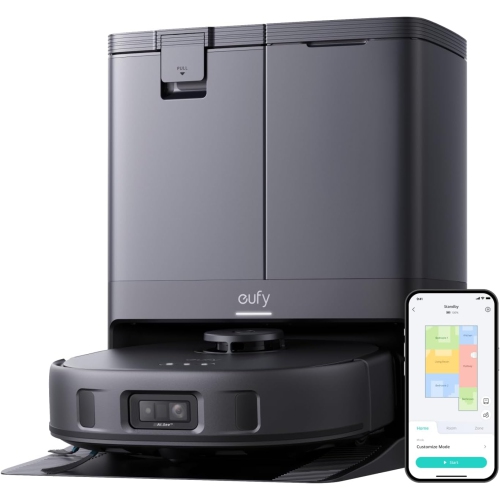
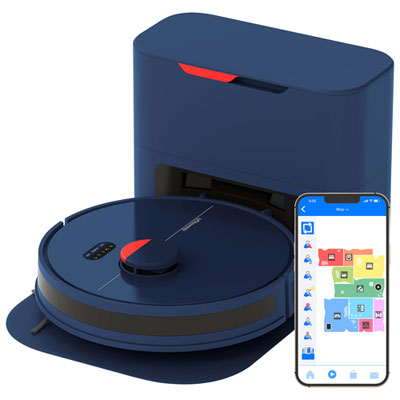
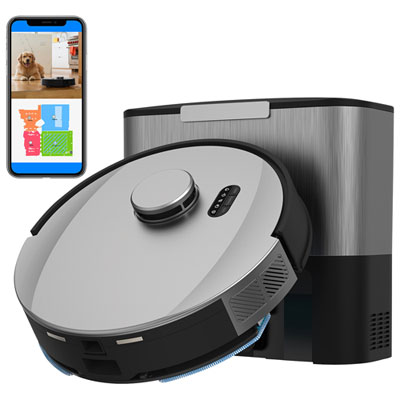

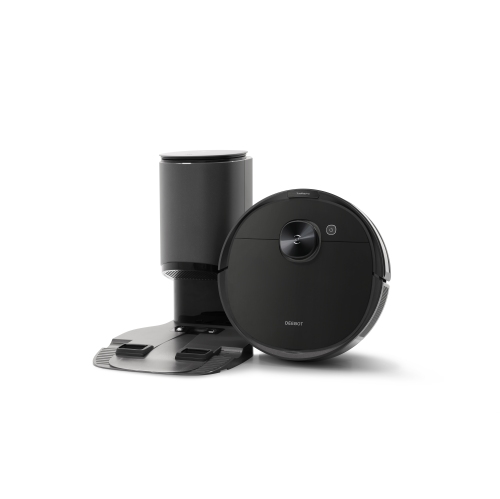

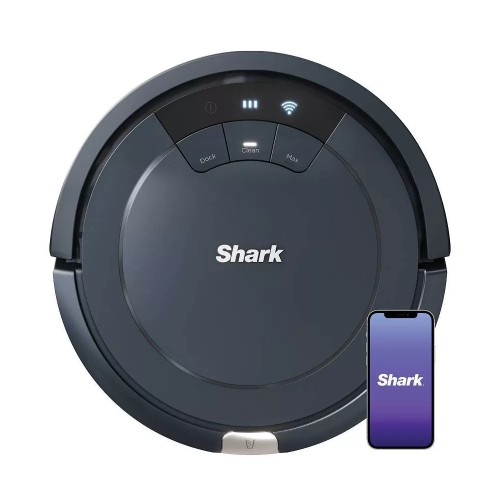
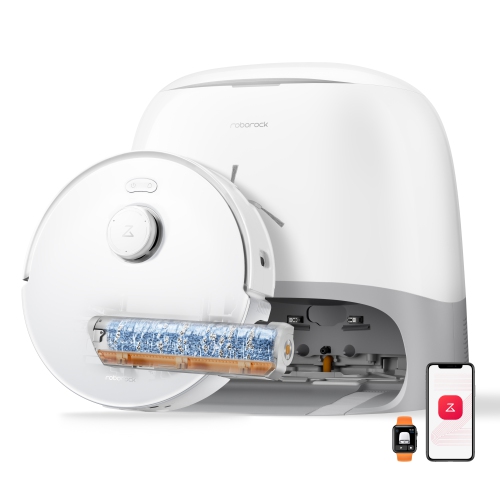
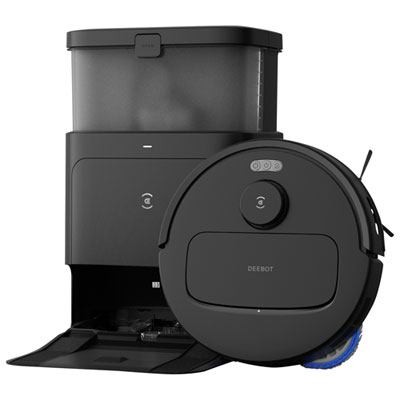
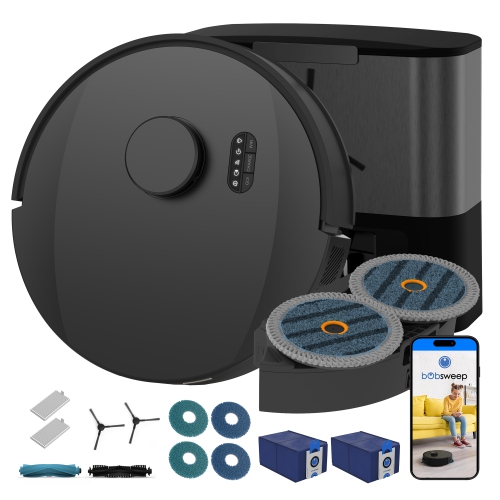
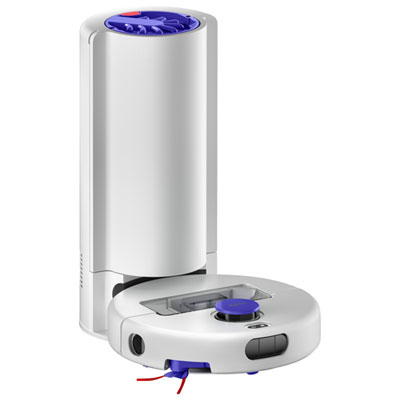
What helps a robot vacuum handle the daily fur trail
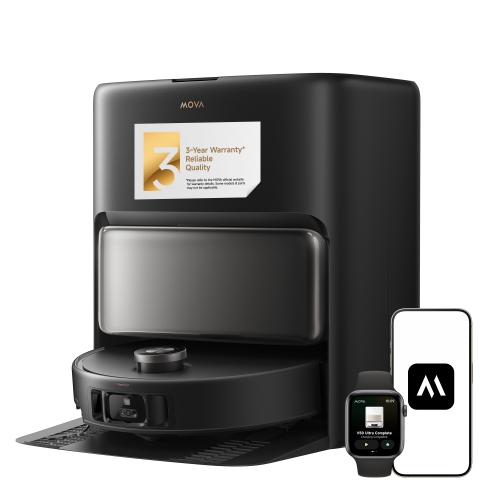
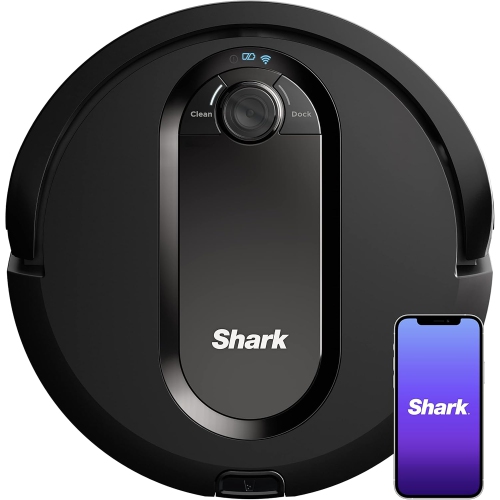
Robot vacuums for pet hair are designed to pick up loose fur, tracked litter and dry crumbs between deeper cleans. The features that matter most depend on where the fur collects, how much the pet sheds and what the vacuum has to cross to reach it. On hardwood, tile or vinyl, an edge brush can sweep wisps of fur away from baseboards and out from around chair legs. On carpet, the main brush roll has more work to do: fine undercoat can cling to the fibres of a low-pile rug even when the surrounding floor looks clean. If a dog spends most of the day stretched out on the living room rug, brush design and carpet pickup are more useful points of comparison than a suction rating alone. Smooth rubber rollers are generally easy to clear of fur, while bristled rolls can help loosen hair from carpet but may need more frequent attention. A tangle-resistant design is especially useful in a home with a long-haired cat or dog, although hair can still wind around the ends of the roller or the side brush. Fit matters as much as the brush. Check the height of the entire unit, including any raised sensor housing, against the clearance under the sofa or bed where fur tends to gather. A low-profile vacuum can reach those spots more often, but it still needs to get over the threshold into the room. Thick rug edges, loose fringe and raised transitions between rooms can interrupt a run, even when the vacuum handles the floor on either side well. In a home with several surfaces, a practical test is the route from the feeding mat across the kitchen floor to the hallway runner. That short stretch often collects kibble crumbs, loose fur and grit, and it shows why a vacuum that can move easily between surfaces is useful for daily upkeep.
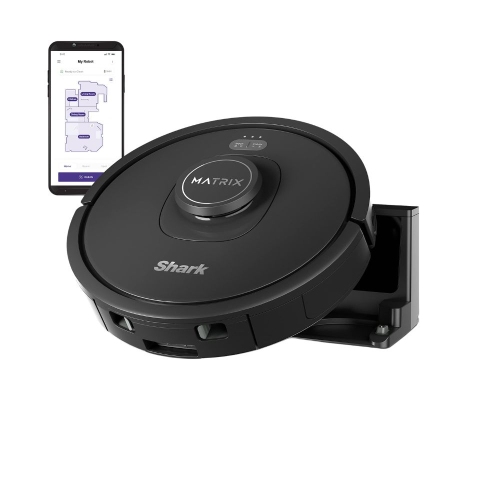
Navigation and obstacle avoidance are separate features worth comparing in a home with pets. Mapping helps a robot vacuum follow a route and return to the spots that need attention, while obstacle detection helps it respond to something left in its path. Room maps and targeted cleaning can be handy when most loose fur settles near a favourite chair or litter scatters just outside the litter box. A short run in that area can take care of the mess without sending the vacuum through every room. No-go zones can keep it away from water bowls, dangling cords and the corner where small toys tend to pile up. Some robot vacuums use cameras or light-based sensors to recognize objects, but the ability to steer around furniture does not necessarily mean a vacuum can recognize pet waste. Models that specifically list pet-waste detection can add a layer of protection, not a guarantee. Small objects, thin cords and some messes may be missed, so pick up anything that could jam the brush and deal with wet spills or pet accidents before starting a run. It can also take a few tries to find a schedule that works for the animal as well as the household. A cat that ignores the vacuum across the room might still move away when it passes close to the litter box, and a dog that naps through the cleaning cycle may react to the louder burst when a self-emptying dock activates. Try the first few runs while someone is home, leaving the pet a quiet spot away from the route. For a household with a puppy or an older pet prone to accidents, starting the vacuum after a quick look around can be more practical than relying on a fixed schedule.
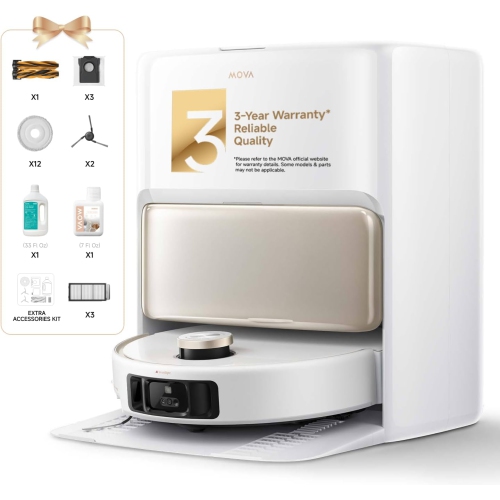
Bin capacity, filtration and upkeep affect how well a robot vacuum fits into a household with pets over time. A compact onboard bin may be enough to collect the daily fur from one short-haired cat, while a heavy-shedding dog can fill it before the vacuum finishes the main floor. A self-emptying dock transfers debris to a larger container, reducing how often the onboard bin needs to be emptied by hand. Check whether the dock uses a replaceable bag or a reusable container, and allow enough space around it for the robot to return and for the bag or bin to be removed easily. If fine dust or dander is a concern, look at where the filtration is located. A filter in the dock serves the emptying system, whereas the filter in the vacuum handles air passing through the unit during a run. Both still need the care specified for the model. Hair wrapped around a wheel or roller can affect movement and pickup before the bin looks full, so it helps to check those spots when emptying the vacuum. Rollers that lift out easily, accessible wheels and replaceable filters and brushes make routine maintenance simpler, especially when the vacuum runs most days. A robot vacuum can be a practical gift for a pet owner who has clear floor space for a dock and would appreciate help keeping up with shedding. It is most useful for the fur that lands on open floors, rather than the hair worked into sofa seams, stair treads or the side of a pet bed. For households deciding where automated cleaning can save time and where a handheld tool still earns its keep, Robot Vacuums vs Stick Vacuums for Pet Hair compares the two approaches. A robot vacuum can handle the recurring trail between a pet’s favourite spots, leaving the stairs, upholstery and tight corners for a more directed clean.
Top selling and popular products
-
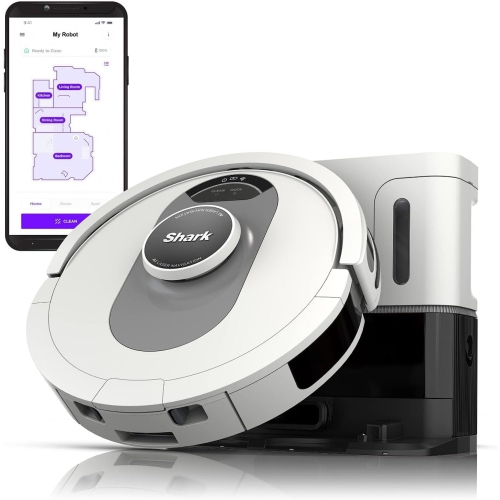 Your price for this item is $699.99
-
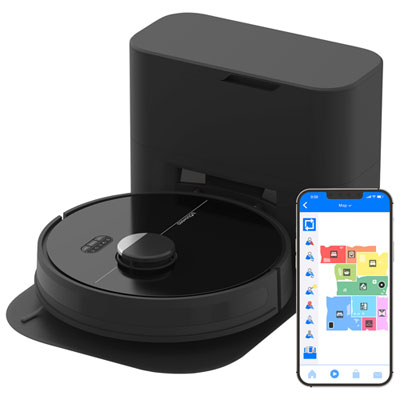 Your price for this item is $199.99
-
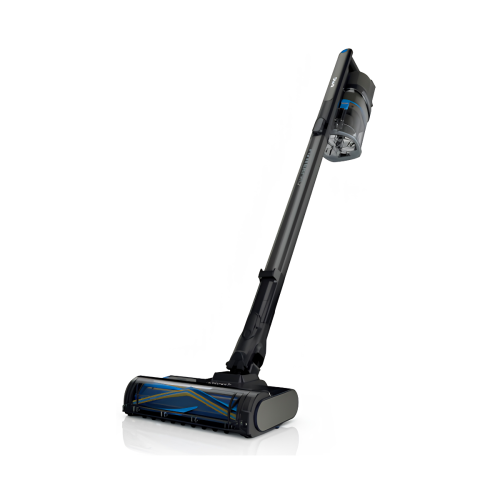 Your price for this item is $399.99
-
 Your price for this item is $999
-
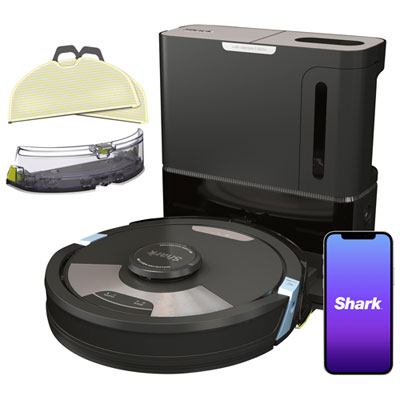 Your price for this item is $399.99
-
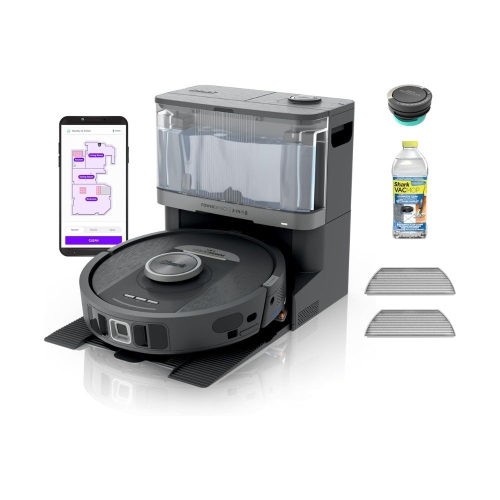 Your price for this item is $1149.99
-
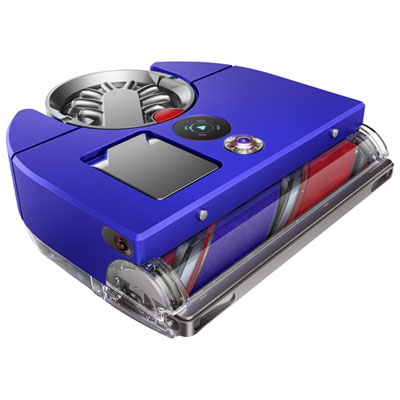 Your price for this item is $1052.95
-
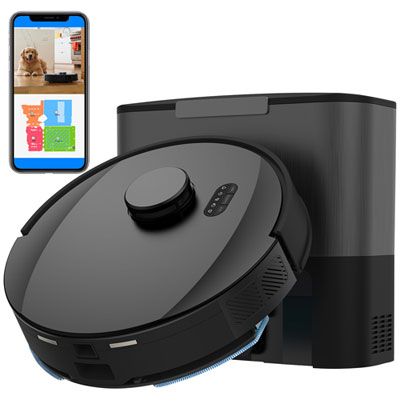 Your price for this item is $1249.99
Discover more categories related to Robot Vacuums for Pet
Top Collections:
Best Black Friday Deals This Year, Best Black Friday Deals On Electronics, Kindle Devices, Pokemon Centers, Best Black Friday Deals On Apple Products, Best Cameras for Sports Photography, Dyson Airwrap, Pokémon 30th Celebration Cards, Apple iPhone 17 Pro, Canon G7X Cameras
Some products may be subject to Environmental Handling Fees
(EHF) depending on your province.
Learn more about EHFs.