Roomba Vacuums
Roomba Vacuum options offer a convenient way to keep your floors clean with minimal effort. Designed for efficiency and ease of use, these robotic vacuums can help maintain a tidy home while fitting seamlessly into your daily routine. Whether you're looking to simplify household chores or save time on cleaning, the Roomba Vacuum collection provides a range of choices to suit different needs and living spaces. Explore the latest models and find the perfect solution for your home today.
Sort

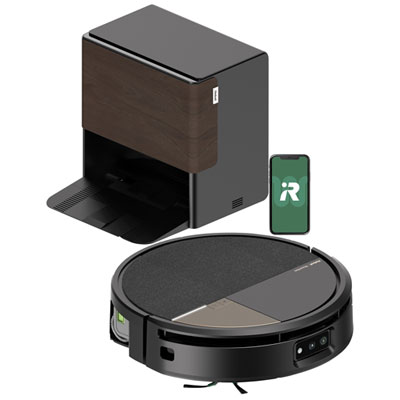
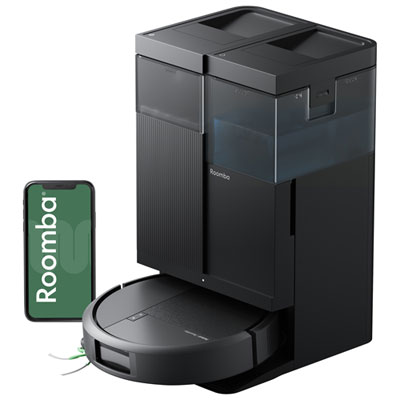
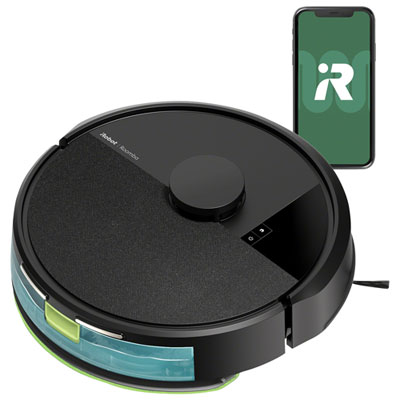
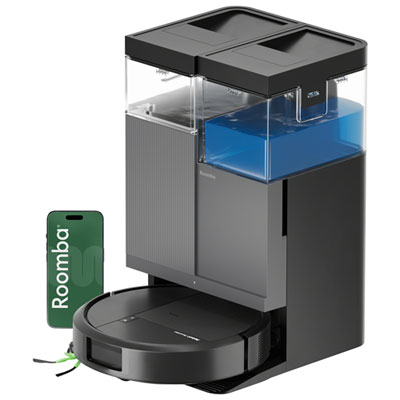
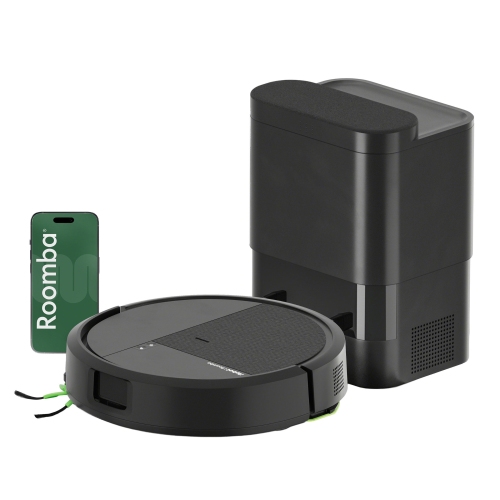
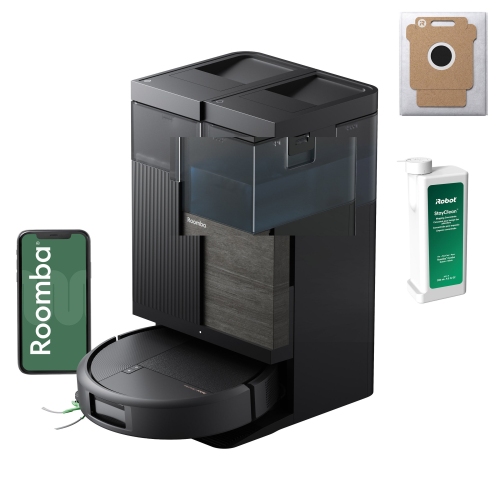
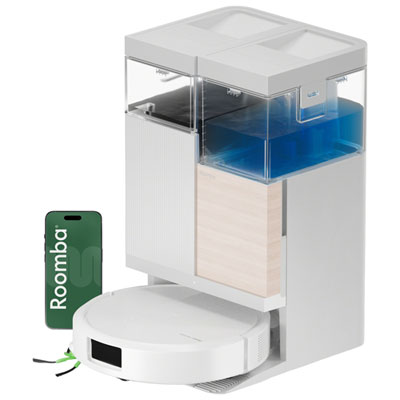
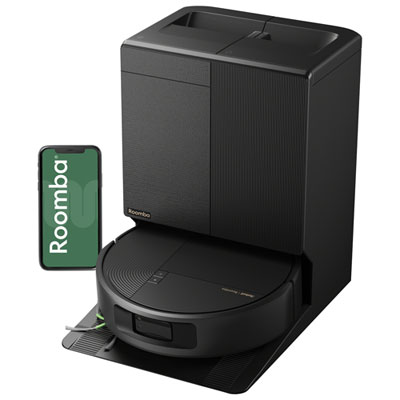
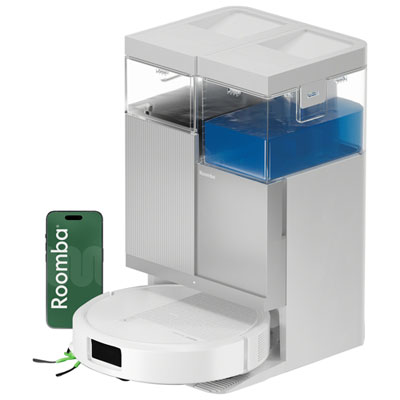
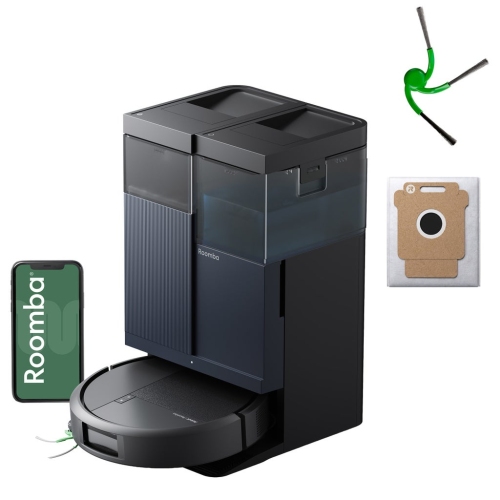
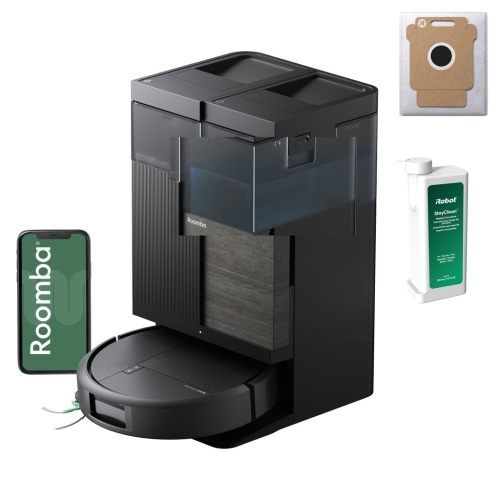
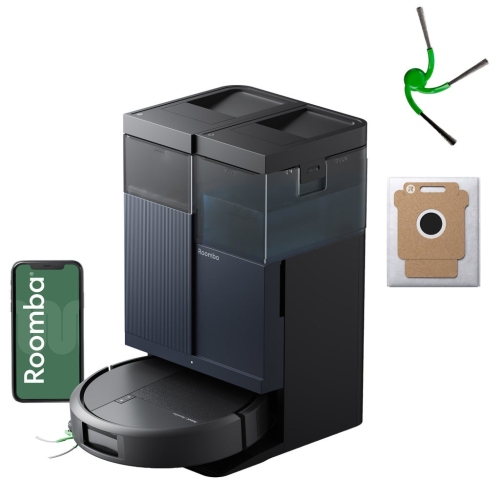
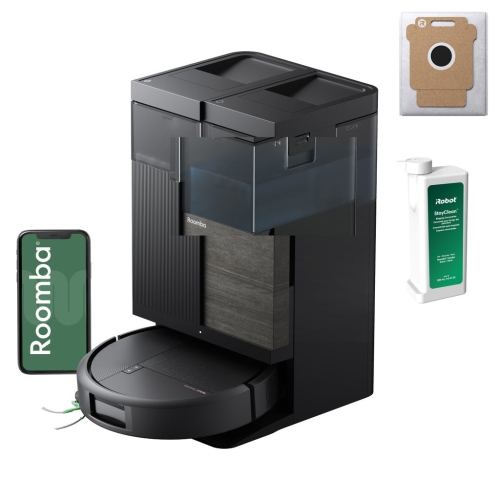
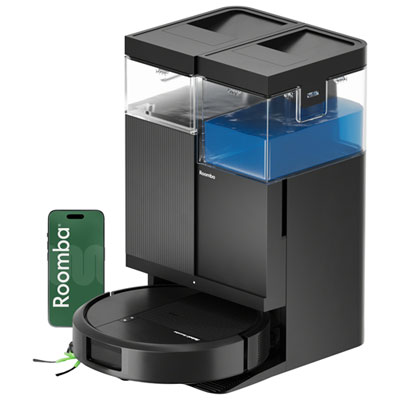
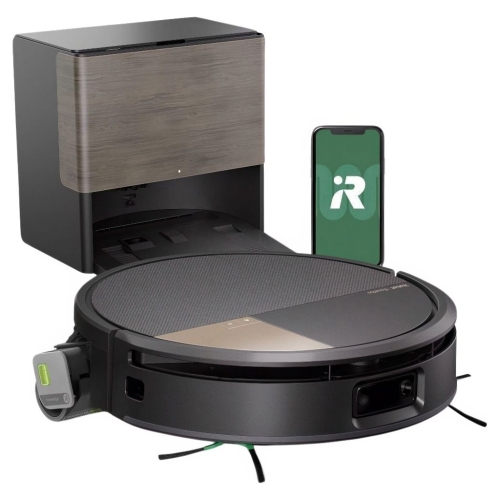
How robot vacuums fit into everyday floor care
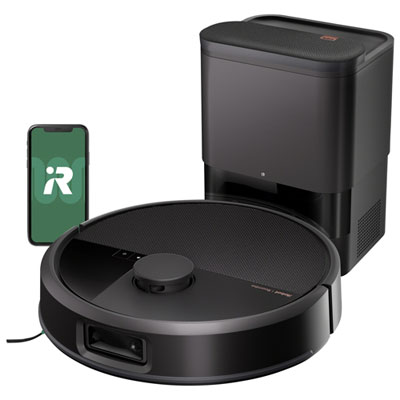
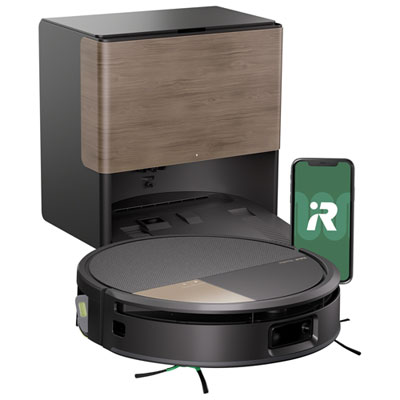
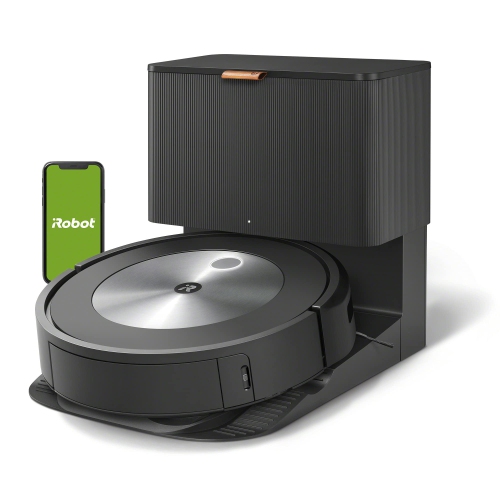
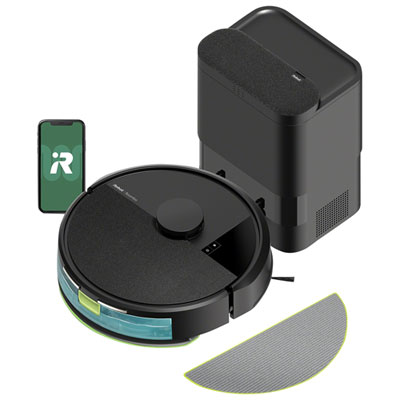
Robot vacuums take care of routine floor cleaning by travelling through accessible areas of a home and collecting loose dust, crumbs, pet hair, and other everyday debris in an onboard bin. They are particularly useful for keeping frequently used spaces tidy between more thorough cleaning sessions, whether that means picking up cereal beneath a breakfast table or gathering fur along the edge of a living room rug. Vacuum-only designs focus on dry debris, while robot vacuum and mop combinations add a separate method of cleaning compatible hard floors. These functions serve different purposes: suction and brushes lift particles, while a damp pad or powered mopping mechanism helps remove certain surface marks. Neither approach eliminates the need to clean stairs, upholstery, tight corners, or spills that require immediate attention. Floor construction makes a meaningful difference to performance. Sealed hardwood, laminate, vinyl, and tile can have different care requirements, especially when moisture is involved, so a floor manufacturer’s cleaning recommendations remain important for any mopping function. Carpet pile, rug fringe, and changes in floor height also affect how smoothly a robot moves from room to room. A machine that travels easily across a flat woven rug may have difficulty with deep pile or a raised doorway threshold. Brush design matters as well: rubber rollers and bristled brushes interact differently with hair and floor surfaces, while side brushes help direct debris from edges towards the cleaning path. Hair can still collect around rollers, axles, and brush ends, including on designs intended to reduce tangling. Suction figures alone do not describe the whole cleaning experience; brush contact, airflow, navigation, and the condition of the filter all contribute. In a home with pets, frequent short cleaning runs can help prevent loose hair from spreading across open floors. In a smaller apartment, the greater benefit may be a consistently tidy kitchen and entryway without having to bring out a full-size vacuum for every small accumulation of crumbs or dust.
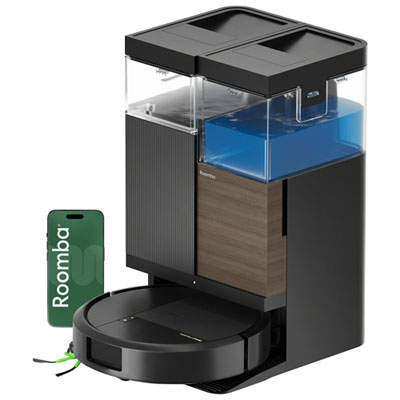
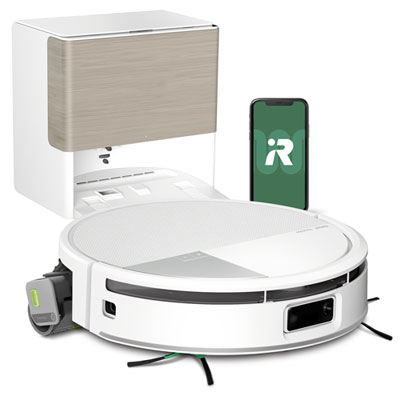
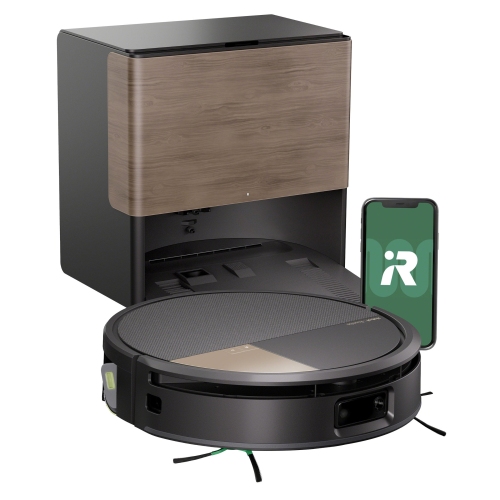
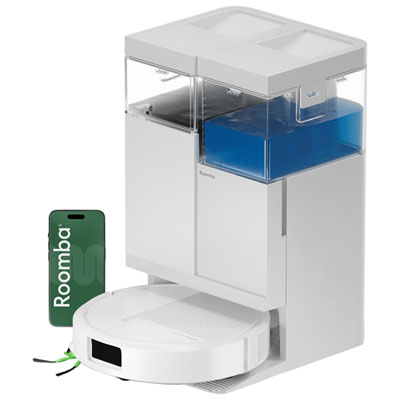
Navigation and docking features shape how independently a robot vacuum can work. Some designs use sensors and movement patterns to cover accessible space, while others create maps that support room selection, scheduled cleaning, and restricted areas. Laser-based mapping and camera-assisted navigation are different technologies, and their capabilities vary by model rather than following one universal standard. Mapping is also distinct from obstacle avoidance: knowing the shape of a room does not necessarily mean a robot can identify a charging cable, sock, or pet accident in its path. A quick floor check remains useful, particularly in homes with children, pets, or workspaces where cords reach the floor. Chair legs, narrow gaps, and low furniture can influence access, making the robot’s height and width just as relevant as its cleaning features. Dock placement deserves similar attention. A clear, level position near an electrical outlet gives the robot room to leave and return, while the dock’s overall dimensions determine whether it fits comfortably beside a cabinet or along an open wall. A standard charging dock replenishes the battery; a self-emptying dock also transfers collected debris into a larger container or bag. That reduces how often the onboard bin needs emptying but does not remove the need for maintenance. Some combination systems can wash or dry mop pads and manage water through separate tanks, although the exact functions differ. Clean-water tanks still need refilling, and dirty-water tanks need prompt emptying and cleaning. App controls may offer schedules, room names, cleaning histories, or selected-area cleaning, depending on the system. Connected functions can require a compatible phone, account, and home Wi-Fi network, while voice control depends on supported integrations. Physical controls and operation without an internet connection also vary. For shared homes, a scheduled run through the kitchen after breakfast may be more practical than cleaning every room at once. For a home office, room-specific cleaning can keep the vacuum away from calls or concentrated work. Dock emptying can be noticeably louder than the robot’s normal cleaning cycle, which makes timing another part of everyday convenience.
Long-term satisfaction often comes down to straightforward care and realistic expectations. Dust bins need checking, filters need attention at the intervals specified by the manufacturer, and brushes should be cleared before tightly wound hair interferes with movement. Some filters are washable and others are not, so rinsing every component is not a safe default. Any washable parts should dry completely before reassembly. Wheels and sensors also benefit from regular inspection, since trapped thread or a dusty sensor window can affect travel and docking. For robot vacuum and mop combinations, clean pads and correctly maintained tanks help avoid dragging residue from one area to another. Cleaning solutions must be compatible with the machine and the floor; adding a general household detergent can create foam or damage components. Durability depends partly on this ongoing care, as well as the availability of compatible replacement brushes, filters, bags, pads, and batteries. The casing may tolerate everyday contact with furniture, but the robot still needs protection from standing water, stairs without appropriate detection, and objects that can jam moving parts. Even with stair-detection sensors, unsecured drop-offs warrant particular care and any barriers specified in the operating instructions. Sweeping Robots cover a range of designs for routine floor upkeep, with differences in cleaning methods, controls, and maintenance requirements. These machines can suit busy households, people managing frequent pet hair, or anyone who would rather reduce the amount of repetitive floor cleaning in a weekly routine. They may also be a thoughtful housewarming or practical household gift when the recipient’s floor layout, storage space, and comfort with connected devices are understood. Someone who finds pushing a larger vacuum tiring may appreciate automated cleaning, but bending to retrieve the robot, empty a bin, or maintain a dock can still be necessary. A good fit is less about having every automated feature and more about matching the machine to the home’s surfaces, obstacles, and everyday habits, while keeping another cleaning tool ready for stairs, furniture, and the occasional mess beyond a robot’s reach.
Top selling and popular products
-
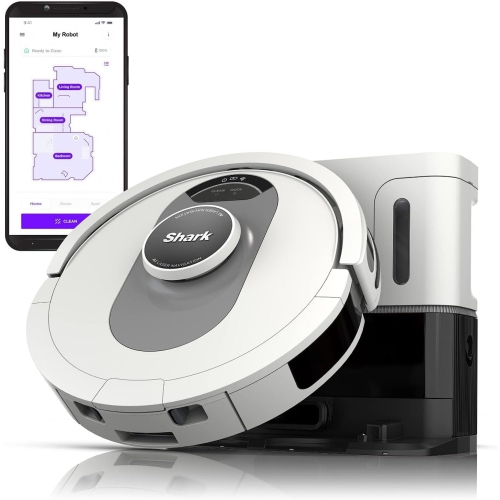 Your price for this item is $699.99
-
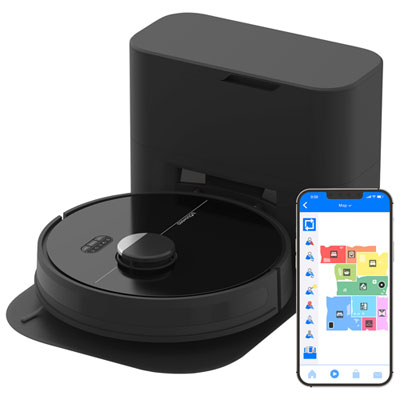 Your price for this item is $199.99
-
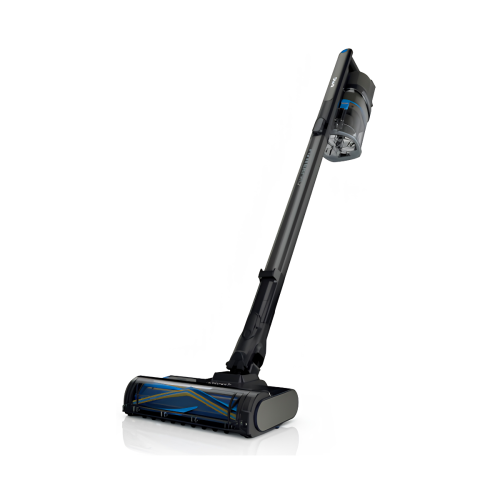 Your price for this item is $399.99
-
 Your price for this item is $999
-
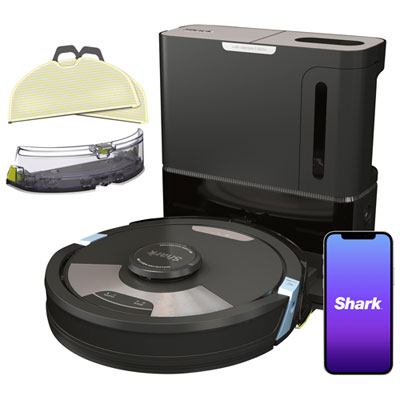 Your price for this item is $399.99
-
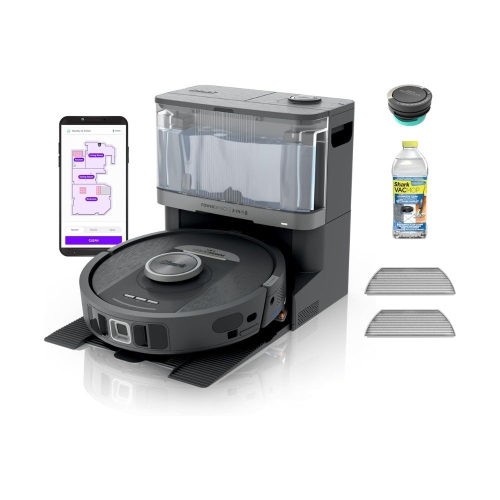 Your price for this item is $1149.99
-
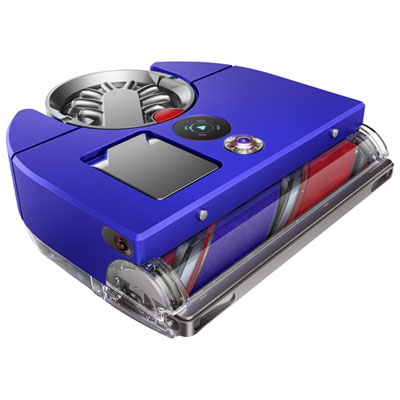 Your price for this item is $1052.95
-
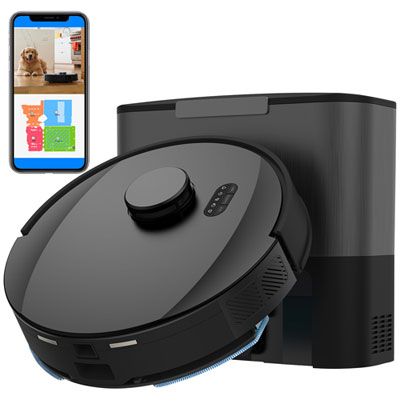 Your price for this item is $1249.99
Discover more categories related to Roomba Vacuums
Top Collections:
Best Black Friday Deals This Year, Best Black Friday Deals On Electronics, Kindle Devices, Pokemon Centers, Best Black Friday Deals On Apple Products, Best Cameras for Sports Photography, Dyson Airwrap, Pokémon 30th Celebration Cards, Apple iPhone 17 Pro, Canon G7X Cameras
Some products may be subject to Environmental Handling Fees
(EHF) depending on your province.
Learn more about EHFs.