Sweeping Robots
Looking for a hassle-free way to keep your floors clean? Look no further than our collection of sweeping robots. These innovative devices are designed to take the hard work out of cleaning, allowing you to sit back and relax while they do all the work. Whether you have hardwood, tile, or carpeted floors, our sweeping robots are equipped with advanced technology to efficiently navigate your home and remove dirt, dust, and debris. With their sleek designs and powerful performance, these robots are a must-have addition to any modern household. Say goodbye to tedious sweeping and hello to effortlessly clean floors with our range of sweeping robots.
Sort
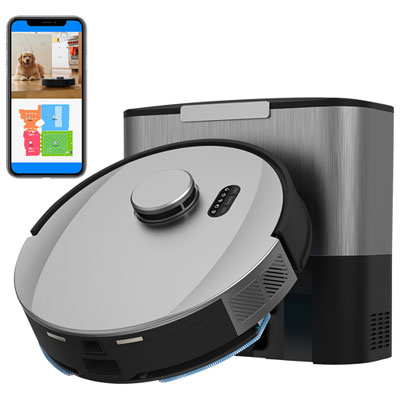
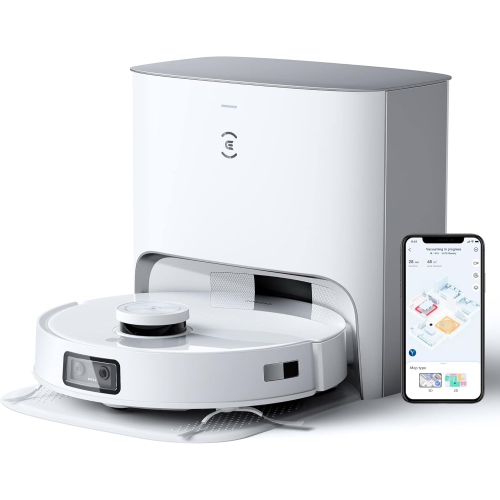
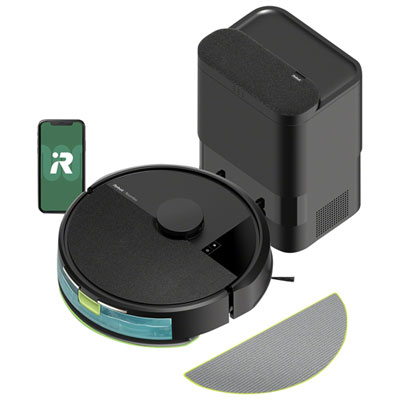
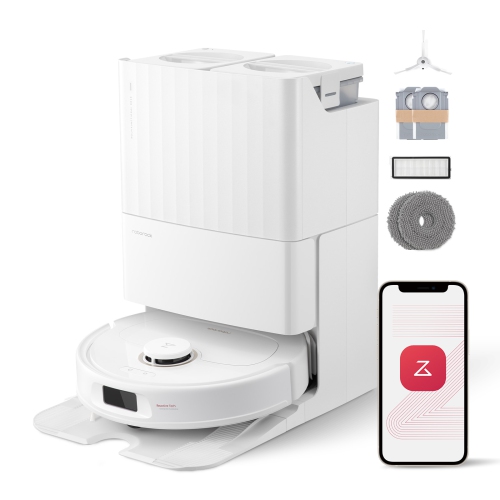

How brushes and navigation shape everyday floor cleaning
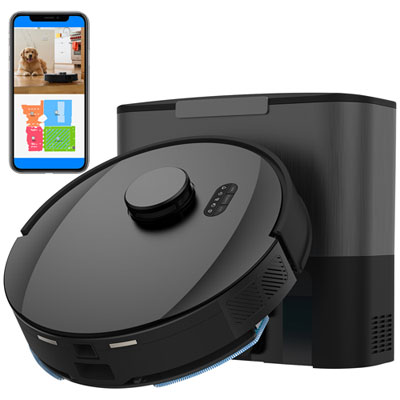
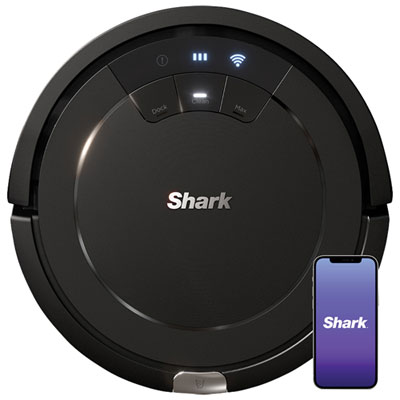
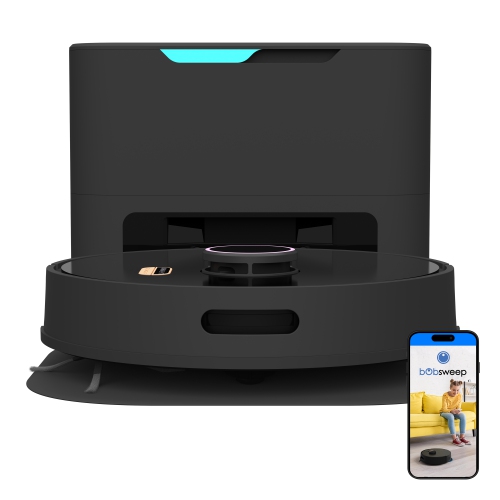
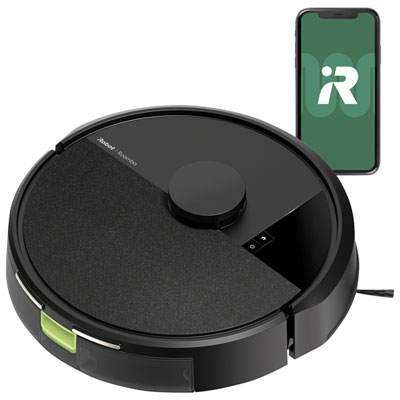
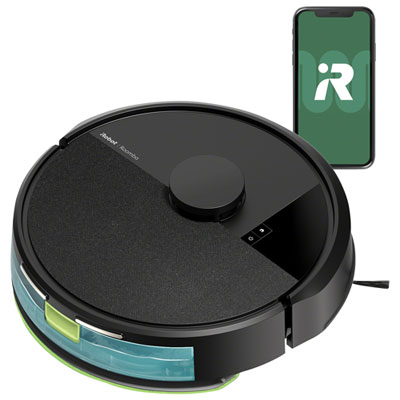
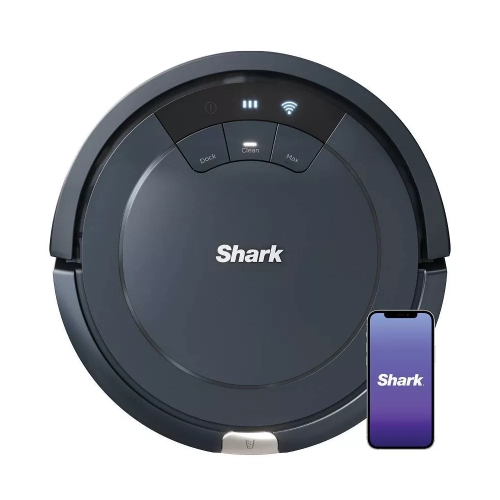
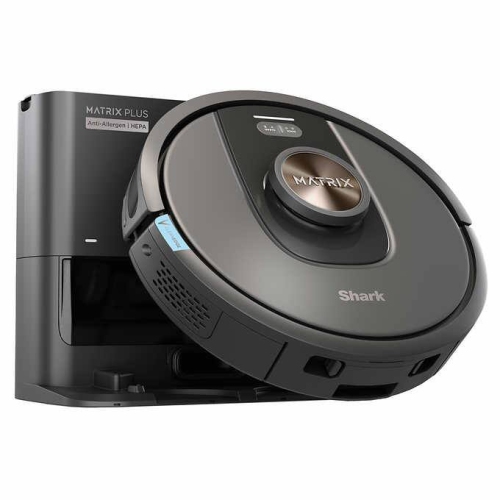
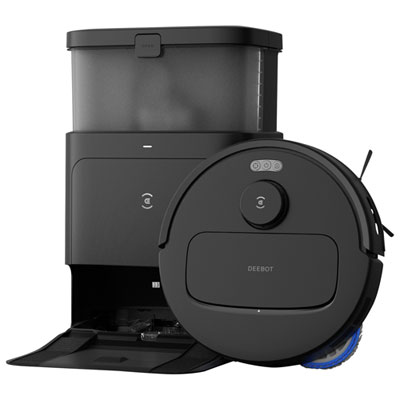
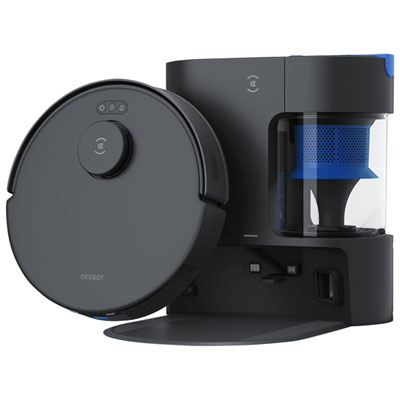
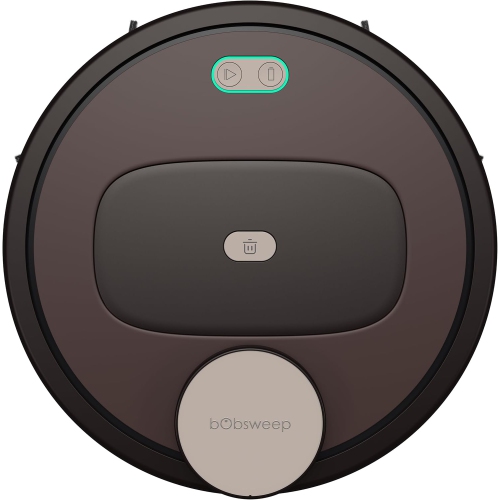
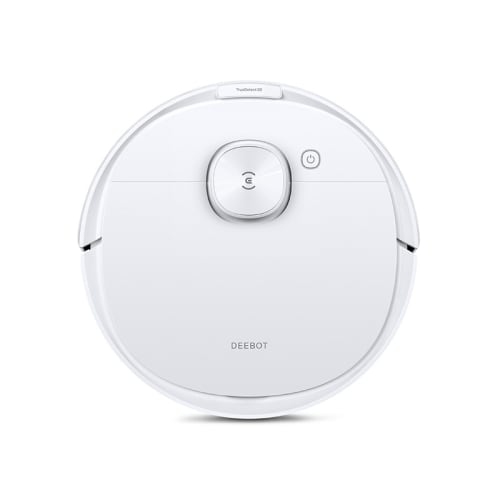
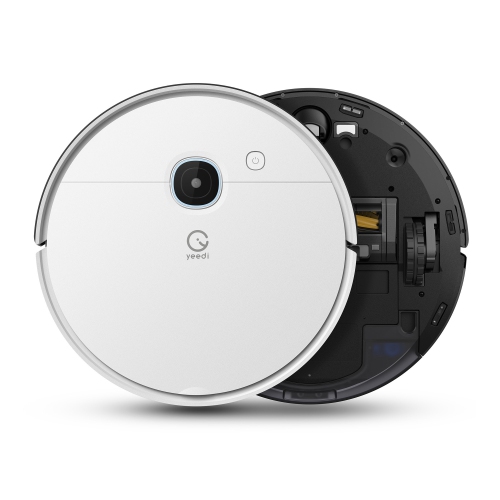
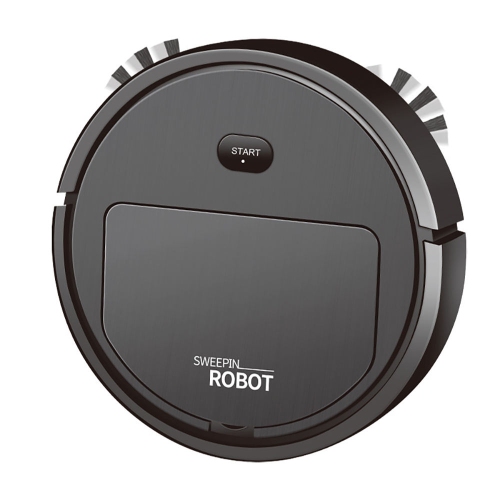
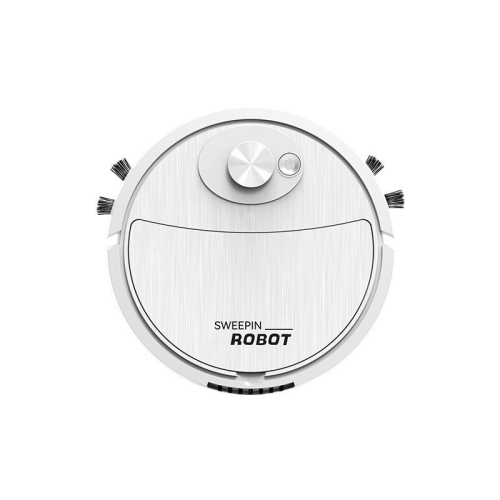
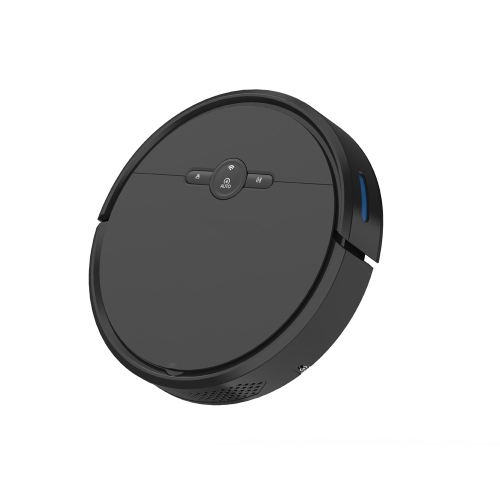
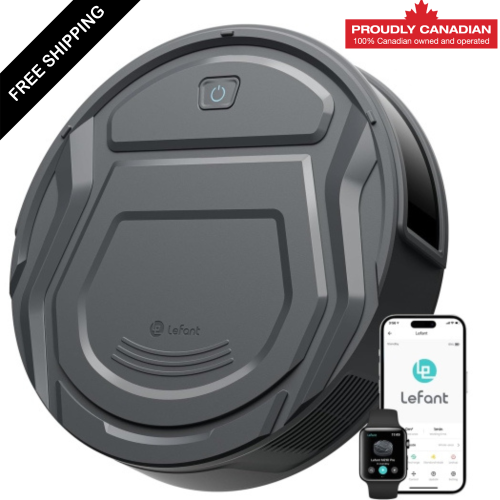
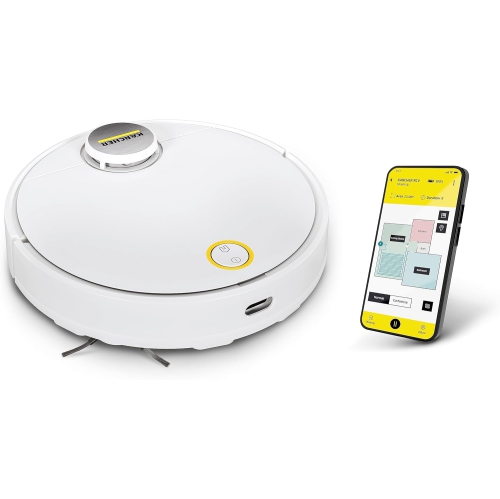
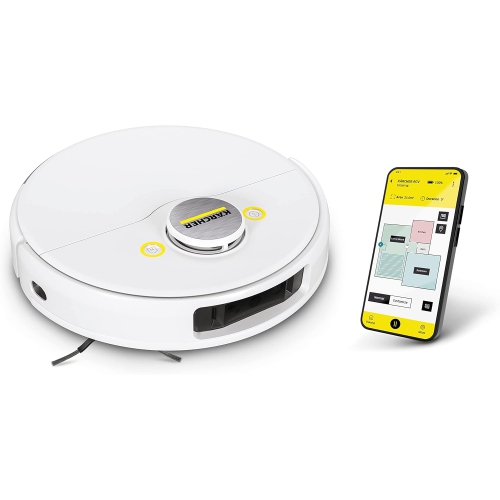
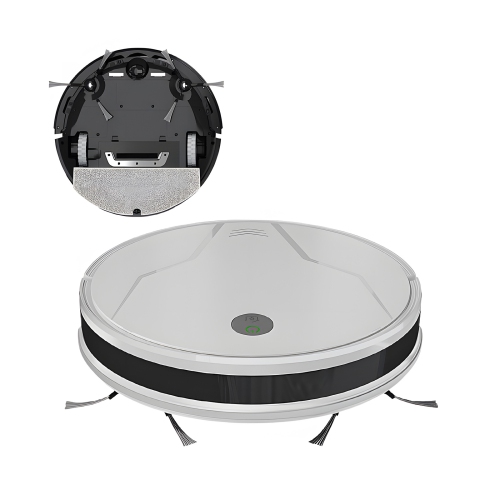
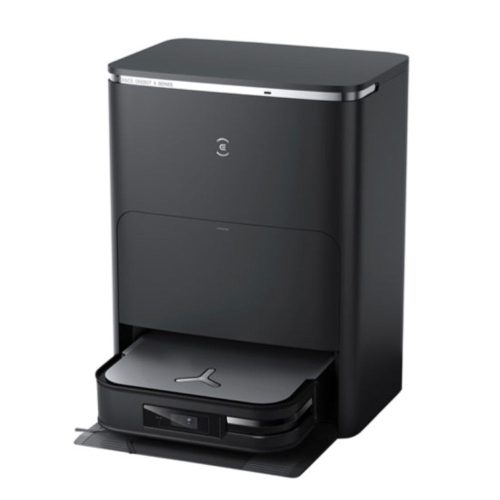
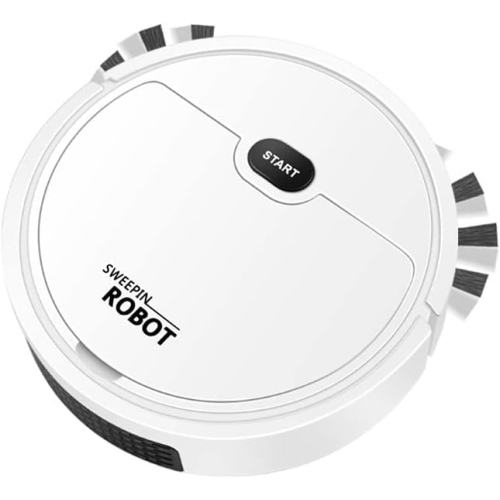
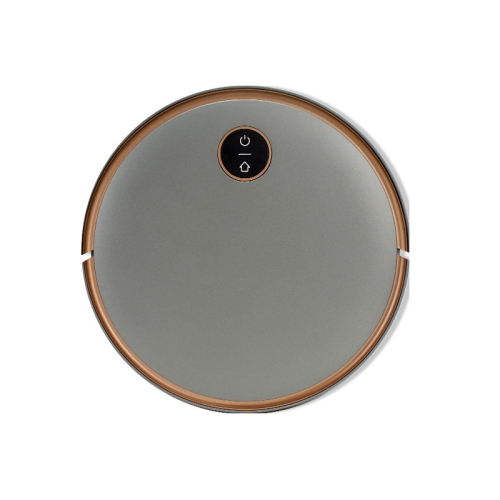
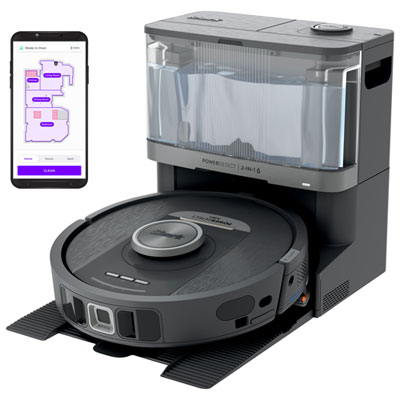
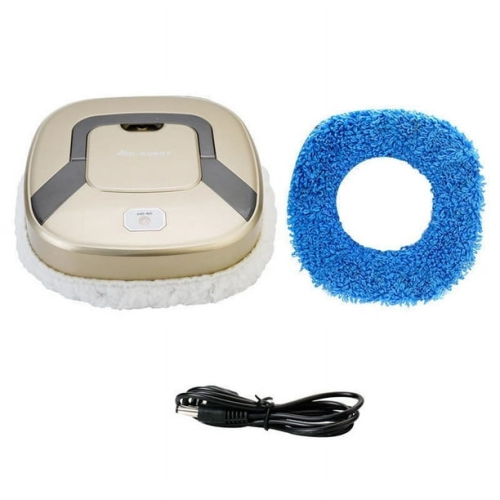
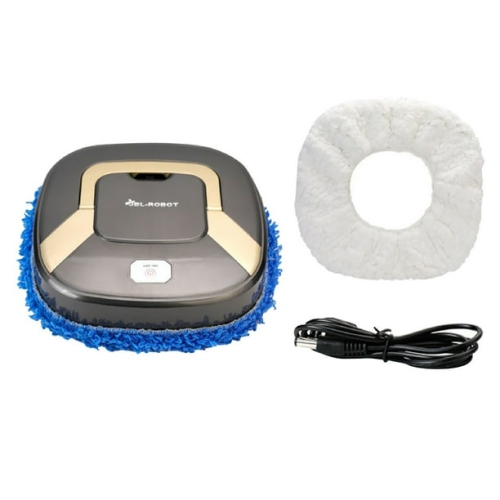
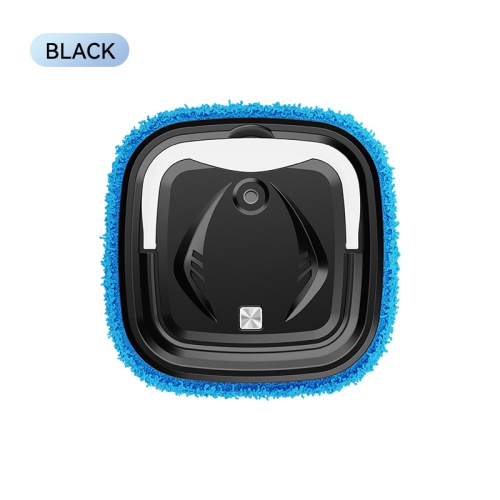
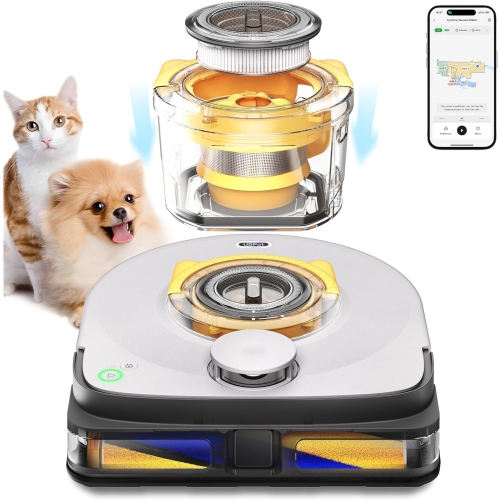
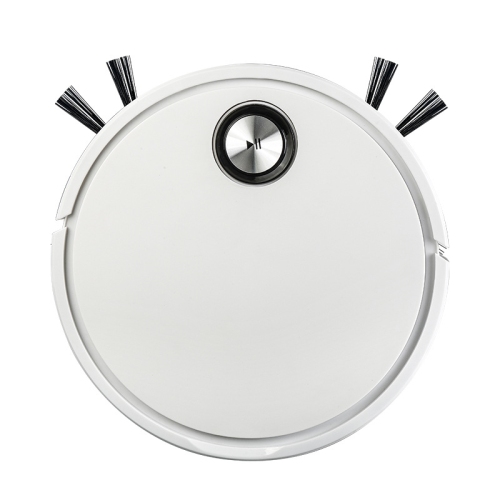
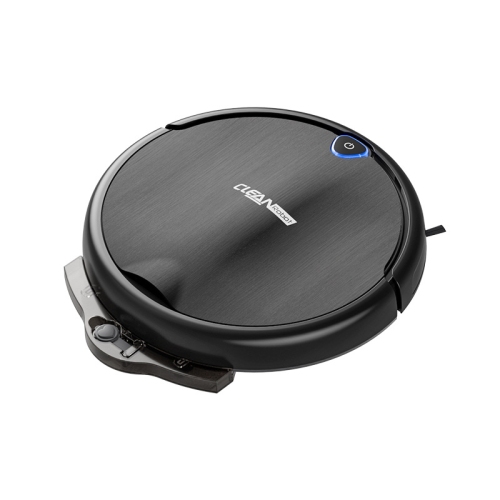
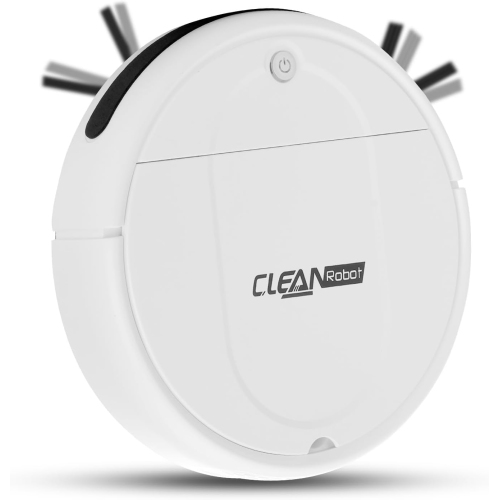
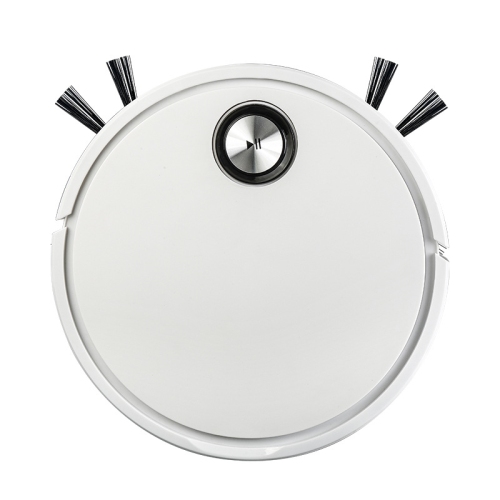
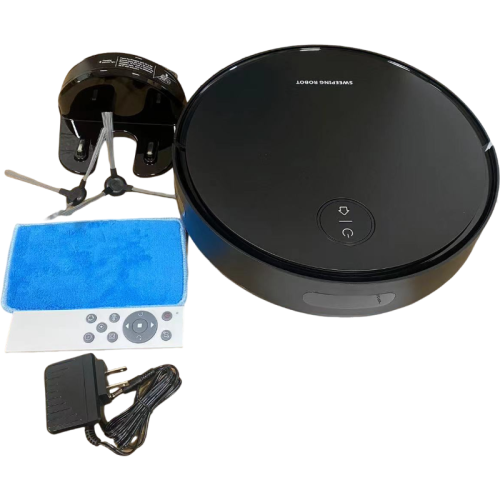
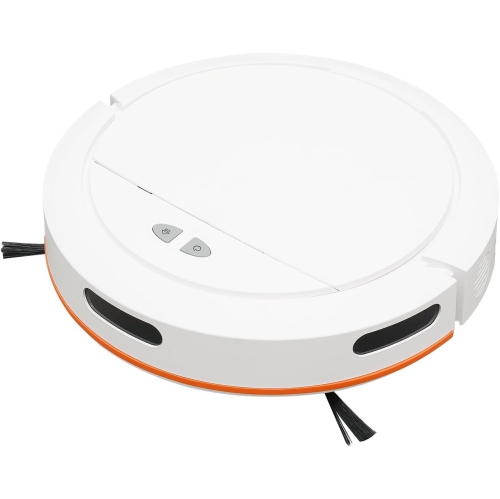
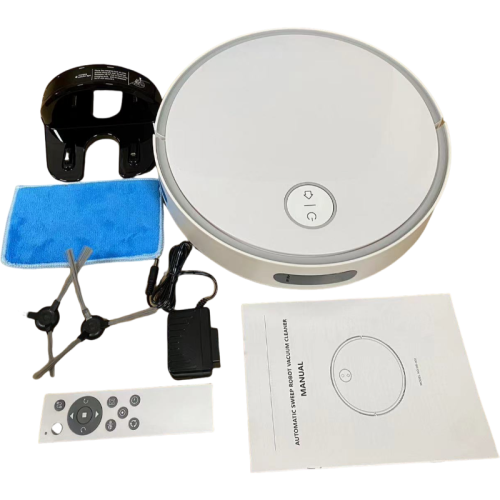
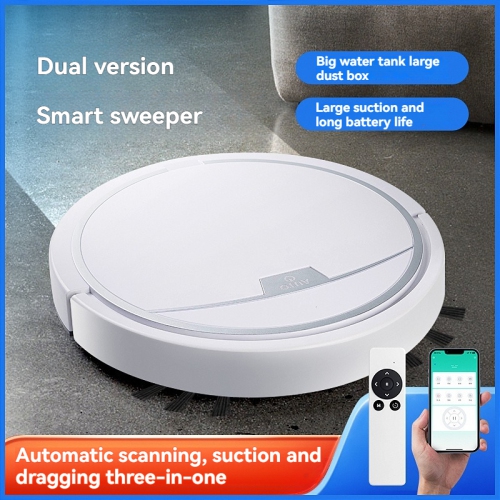
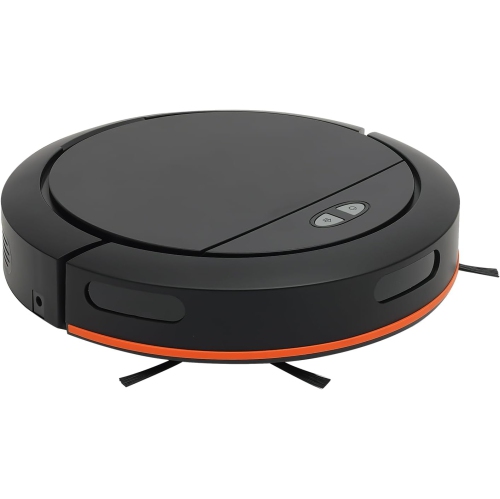
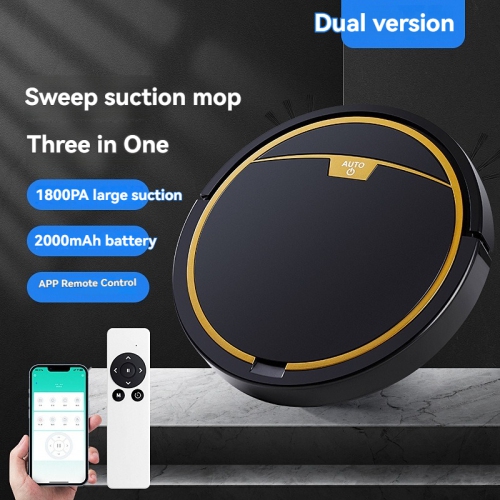
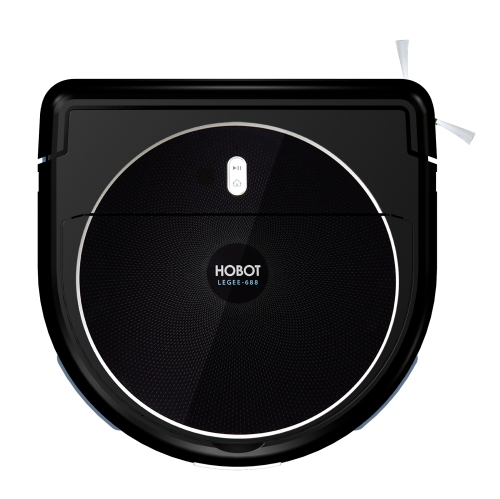
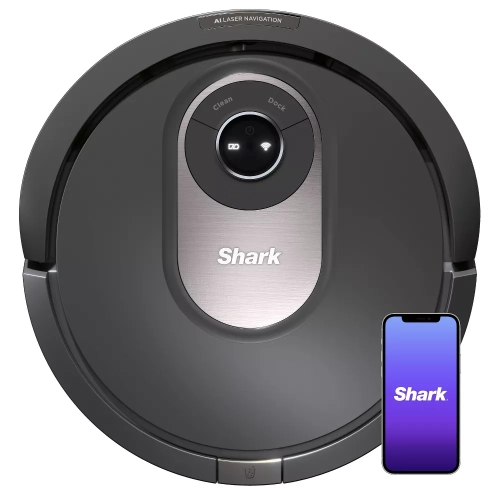
Sweeping robots are automated floor-cleaning appliances that collect everyday dust, crumbs, hair, and other loose debris with motorized brushes and, in robot vacuum designs, suction. They help maintain floors between more thorough cleanings, making them useful in busy households, smaller condos, and homes where pet hair gathers along baseboards. A side brush typically draws debris away from edges towards the cleaning path, while a main brush or roller helps lift dirt into an onboard dustbin. Cleaning performance depends on the whole system, including brush design, airflow, navigation, and contact with the floor, rather than suction specifications alone. Hard floors such as tile, vinyl, and sealed hardwood present different needs from carpet: fine dust benefits from close brush contact, while hair caught in carpet fibres may need stronger agitation. Compatibility with a particular floor finish matters, especially when a robot also has a mopping function. Low-pile rugs are often easier for a robot to cross than thick, loose, or fringed rugs, and raised thresholds can interrupt travel between rooms. A low-profile body may reach beneath a sofa or bed, but the robot’s full height, including any sensor tower, determines whether it fits. In a dining area, the space between chair legs also affects how much floor the robot can reach without furniture being moved. Round bodies turn easily in tight spaces, though side brushes do not always remove every speck from a sharp corner. For households with pets, brush rollers designed to limit tangles and dustbins suited to frequent hair pickup can make routine upkeep more manageable. Sweeping robots are particularly practical for people who prefer frequent light cleaning with less pushing and carrying. They still work alongside other cleaning tools: stairs, upholstery, narrow gaps, and deeply embedded dirt may require a handheld or full-size vacuum. Their intended role is regular floor maintenance, with results shaped by the room layout, flooring, and type of debris.
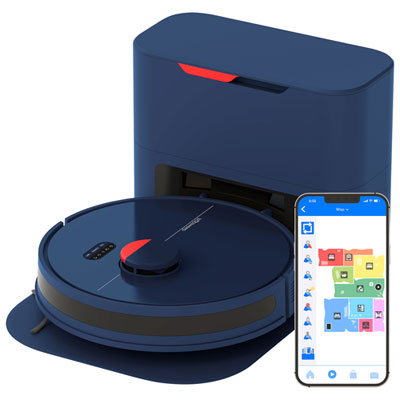
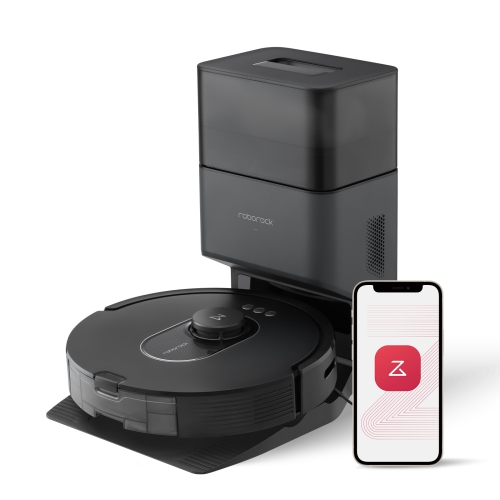
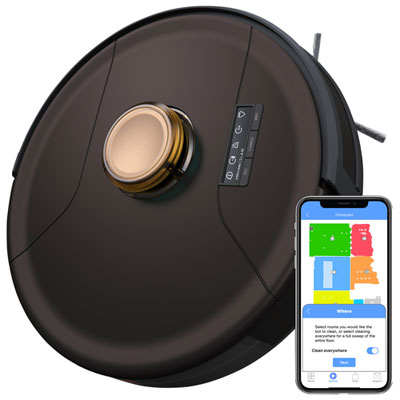
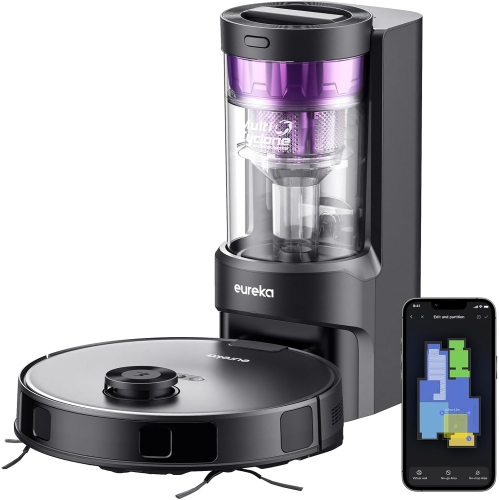
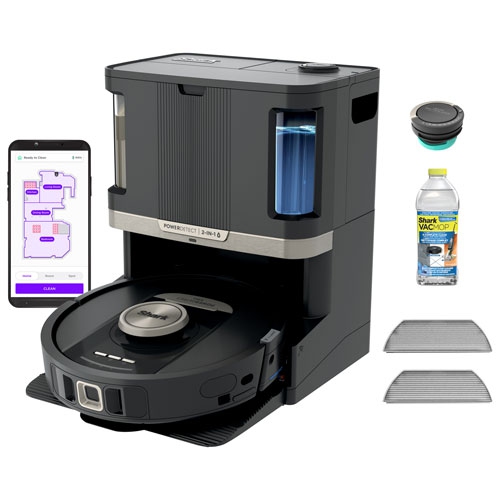
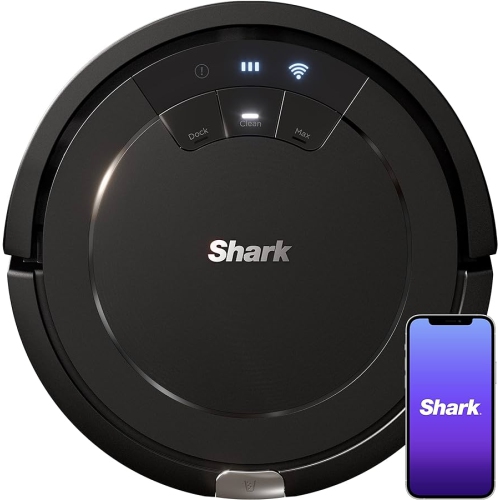
Navigation determines how a sweeping robot moves through a home and how consistently it covers accessible floor space. Some designs use contact and proximity sensors to change direction around furniture, while mapping robots may use laser-based LiDAR, cameras, or a combination of sensors to plan cleaning paths. Mapping can support room-by-room cleaning, saved floor plans, and virtual boundaries, depending on the appliance and its app features. That can be helpful when crumbs collect beneath a breakfast table but an adjoining room does not need another pass. Obstacle detection is separate from mapping: a robot may navigate walls accurately without reliably identifying a charging cable, sock, or small toy. Systems designed to identify objects can reduce interruptions, but no obstacle-avoidance feature should be treated as a guarantee, particularly around pet waste. Clear travel paths remain important, and stair-edge sensors need to stay clean to function as intended. In homes with several levels, a robot generally needs to be carried between floors even if it can save multiple maps. Battery runtime is another practical consideration, although advertised figures often reflect particular settings rather than every cleaning situation. Higher suction, carpet cleaning, and repeated passes can shorten a session; recharge-and-resume functions can help a compatible robot finish a larger area after returning to its dock. Controls vary from simple onboard buttons to app scheduling and supported voice commands. App-based features may require a compatible Wi-Fi network, an account, and certain phone permissions, so connectivity and privacy settings are relevant parts of everyday use. Noise also varies between normal cleaning, higher-power modes, and automatic bin emptying. A robot that runs comfortably in another room may be distracting beside a desk during a call, and a self-emptying dock can be briefly louder than the cleaner itself. For someone working from home, scheduling around meetings may matter as much as cleaning speed. For a person receiving a sweeping robot as a practical housewarming gift, a suitable floor plan, accessible controls, and willingness to maintain the appliance are more meaningful than a long feature list.
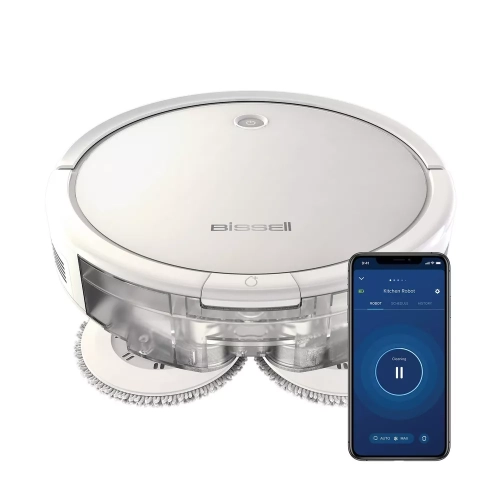
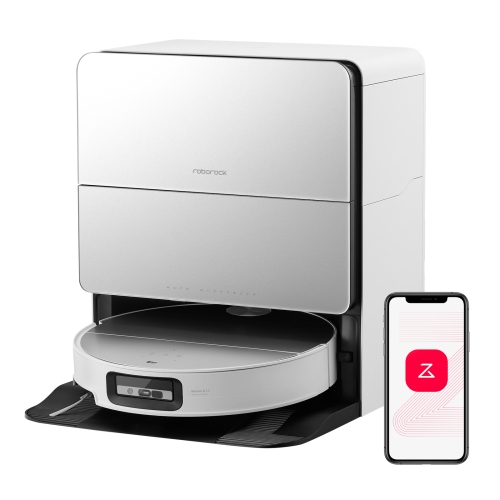
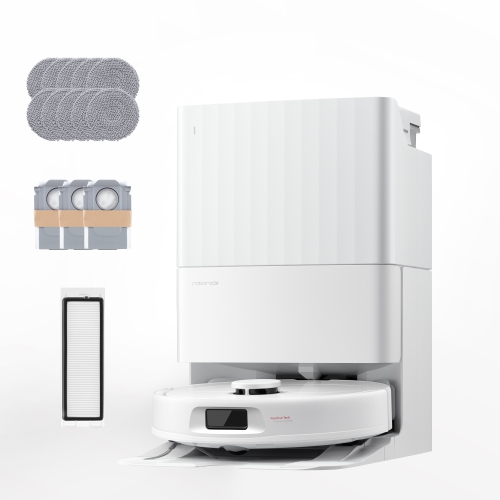
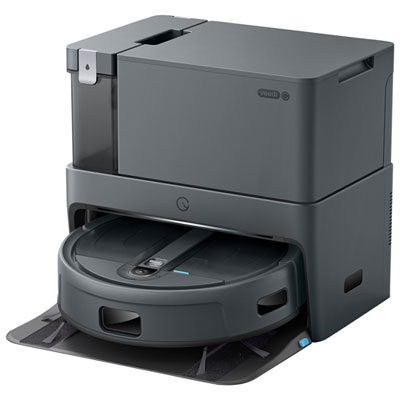
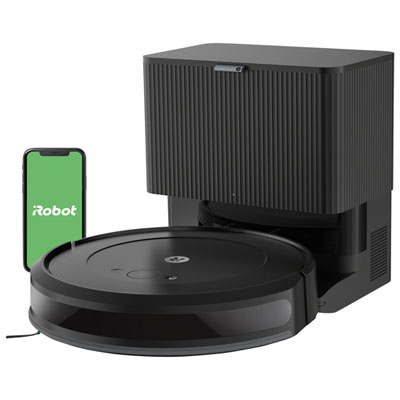
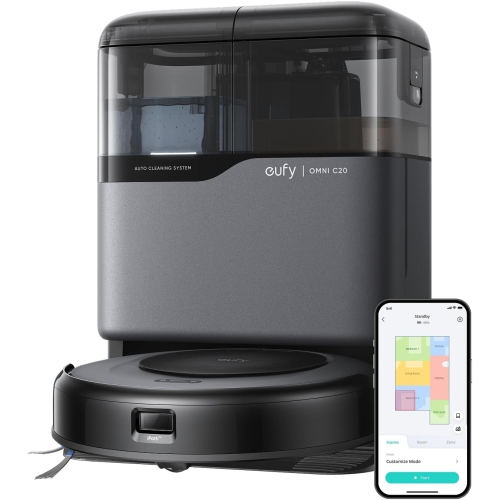
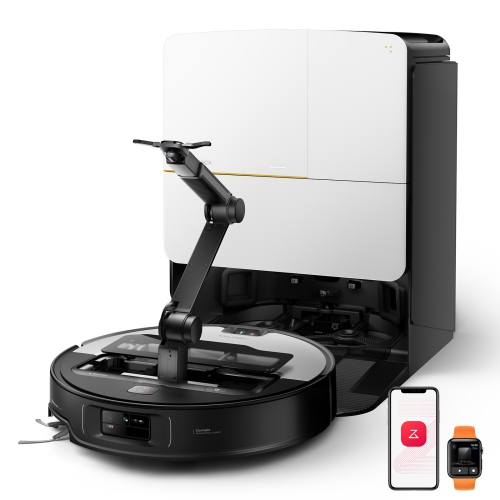
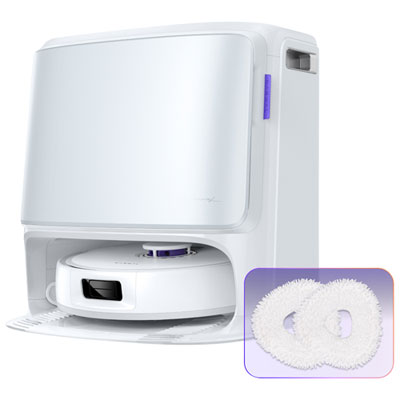
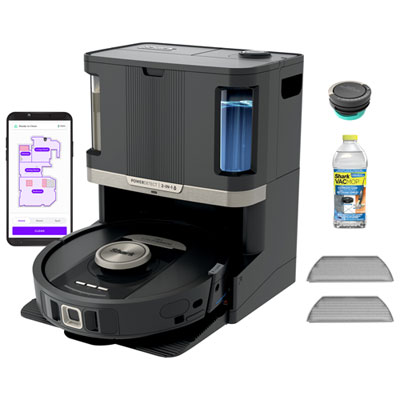
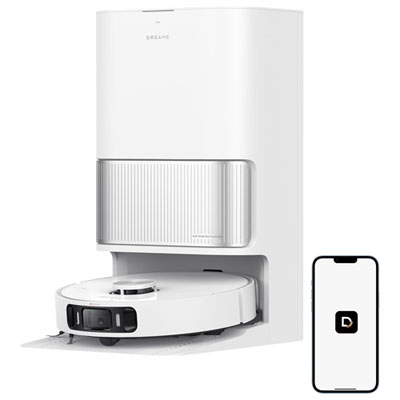
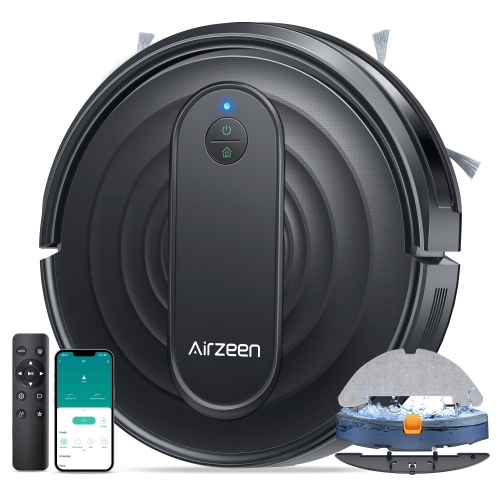
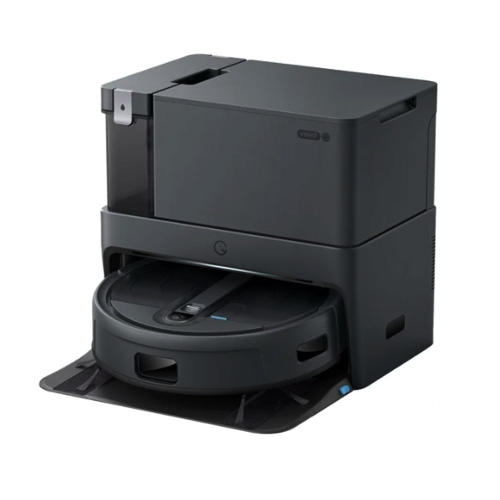
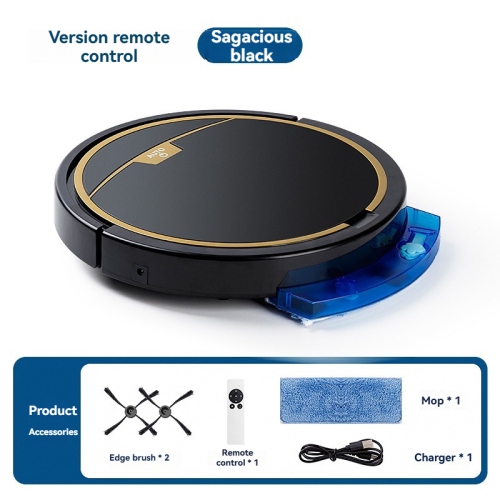
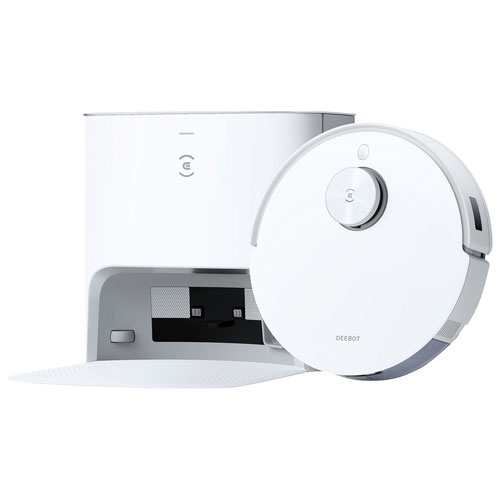
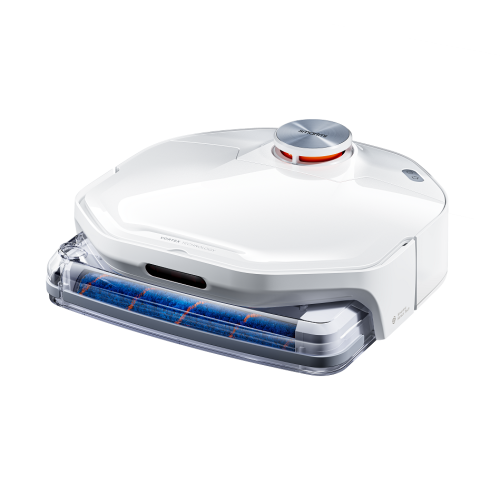
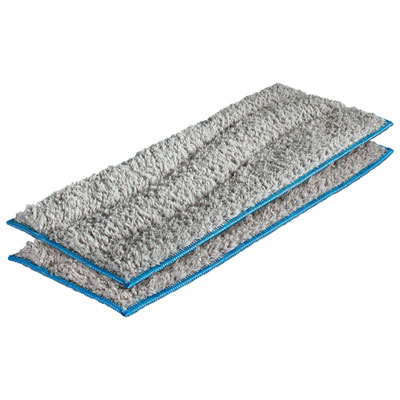
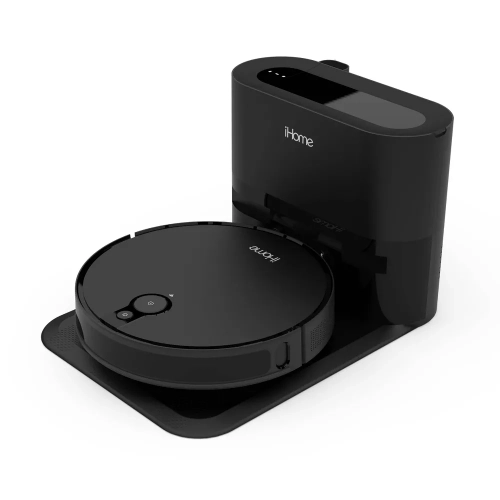
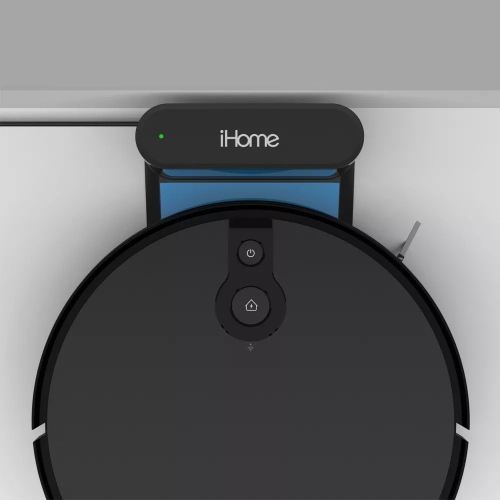
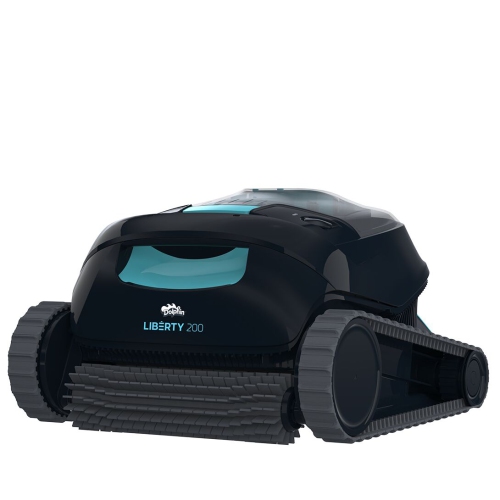
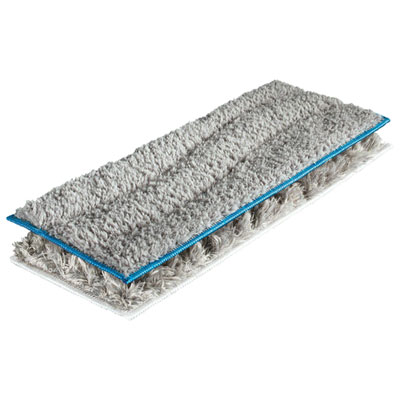
Vacuum-and-mop robots combine dry debris pickup with a damp-cleaning function, but their methods differ. Some pull a moistened pad across the floor, while others use vibrating pads or rotating mop heads to loosen light marks on compatible hard surfaces. These functions are generally intended for routine surface cleaning, not large liquid spills or every kind of dried-on mess. Sealed flooring and the floor manufacturer’s care instructions are important considerations because excess moisture can damage some materials or finishes. Carpet detection, mop lifting, and no-mop zones may help separate wet and dry cleaning areas, although lifting clearance and rug thickness affect whether a damp pad stays clear. Docking stations also vary considerably. A charging-only base takes up relatively little space, while a more automated station may empty the robot’s dustbin, wash mop pads, refill an onboard water supply, or dry the pads. These functions reduce some hands-on tasks without eliminating care: clean-water tanks need filling, dirty-water tanks need emptying, and dock trays can collect residue. The base needs a level position near a suitable outlet, with the approach clearance specified for the appliance and enough room above it to remove tanks or open lids. Routine maintenance helps preserve cleaning performance and service life. Hair wrapped around rollers or wheel axles can restrict movement, clogged filters can reduce airflow, and dirty sensors can interfere with navigation. Washable components should only be rinsed when permitted by their care instructions and must dry fully before refitting where required. Rubber rollers, bristled brushes, filters, and microfibre mop pads have different cleaning needs and wear at different rates; replaceable parts and accessible brush housings make long-term ownership easier. Only approved cleaning solutions belong in a robot’s water system, as unsuitable detergents may foam or damage components. Indoor sweeping robots are not designed to operate underwater; Robotic Pool Sweepers serve a separate purpose, cleaning compatible pool surfaces with equipment built for immersion. For household floors, the most useful balance is dependable coverage, appropriate surface care, and a maintenance routine that fits naturally into daily life.
Navigation determines how a sweeping robot moves through a home and how consistently it covers accessible floor space. Some designs use contact and proximity sensors to change direction around furniture, while mapping robots may use laser-based LiDAR, cameras, or a combination of sensors to plan cleaning paths. Mapping can support room-by-room cleaning, saved floor plans, and virtual boundaries, depending on the appliance and its app features. That can be helpful when crumbs collect beneath a breakfast table but an adjoining room does not need another pass. Obstacle detection is separate from mapping: a robot may navigate walls accurately without reliably identifying a charging cable, sock, or small toy. Systems designed to identify objects can reduce interruptions, but no obstacle-avoidance feature should be treated as a guarantee, particularly around pet waste. Clear travel paths remain important, and stair-edge sensors need to stay clean to function as intended. In homes with several levels, a robot generally needs to be carried between floors even if it can save multiple maps. Battery runtime is another practical consideration, although advertised figures often reflect particular settings rather than every cleaning situation. Higher suction, carpet cleaning, and repeated passes can shorten a session; recharge-and-resume functions can help a compatible robot finish a larger area after returning to its dock. Controls vary from simple onboard buttons to app scheduling and supported voice commands. App-based features may require a compatible Wi-Fi network, an account, and certain phone permissions, so connectivity and privacy settings are relevant parts of everyday use. Noise also varies between normal cleaning, higher-power modes, and automatic bin emptying. A robot that runs comfortably in another room may be distracting beside a desk during a call, and a self-emptying dock can be briefly louder than the cleaner itself. For someone working from home, scheduling around meetings may matter as much as cleaning speed. For a person receiving a sweeping robot as a practical housewarming gift, a suitable floor plan, accessible controls, and willingness to maintain the appliance are more meaningful than a long feature list.
Vacuum-and-mop robots combine dry debris pickup with a damp-cleaning function, but their methods differ. Some pull a moistened pad across the floor, while others use vibrating pads or rotating mop heads to loosen light marks on compatible hard surfaces. These functions are generally intended for routine surface cleaning, not large liquid spills or every kind of dried-on mess. Sealed flooring and the floor manufacturer’s care instructions are important considerations because excess moisture can damage some materials or finishes. Carpet detection, mop lifting, and no-mop zones may help separate wet and dry cleaning areas, although lifting clearance and rug thickness affect whether a damp pad stays clear. Docking stations also vary considerably. A charging-only base takes up relatively little space, while a more automated station may empty the robot’s dustbin, wash mop pads, refill an onboard water supply, or dry the pads. These functions reduce some hands-on tasks without eliminating care: clean-water tanks need filling, dirty-water tanks need emptying, and dock trays can collect residue. The base needs a level position near a suitable outlet, with the approach clearance specified for the appliance and enough room above it to remove tanks or open lids. Routine maintenance helps preserve cleaning performance and service life. Hair wrapped around rollers or wheel axles can restrict movement, clogged filters can reduce airflow, and dirty sensors can interfere with navigation. Washable components should only be rinsed when permitted by their care instructions and must dry fully before refitting where required. Rubber rollers, bristled brushes, filters, and microfibre mop pads have different cleaning needs and wear at different rates; replaceable parts and accessible brush housings make long-term ownership easier. Only approved cleaning solutions belong in a robot’s water system, as unsuitable detergents may foam or damage components. Indoor sweeping robots are not designed to operate underwater; Robotic Pool Sweepers serve a separate purpose, cleaning compatible pool surfaces with equipment built for immersion. For household floors, the most useful balance is dependable coverage, appropriate surface care, and a maintenance routine that fits naturally into daily life.
Top selling and popular products
-
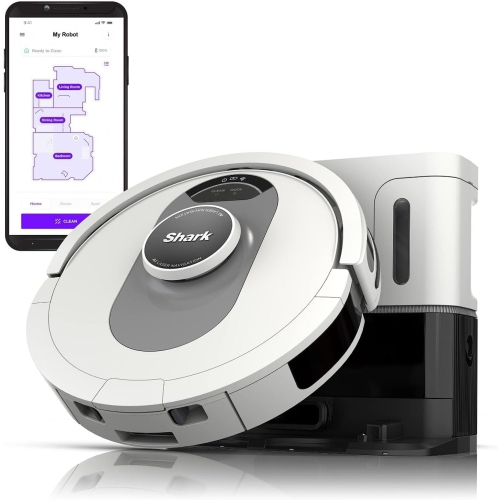 Your price for this item is $699.99
 -
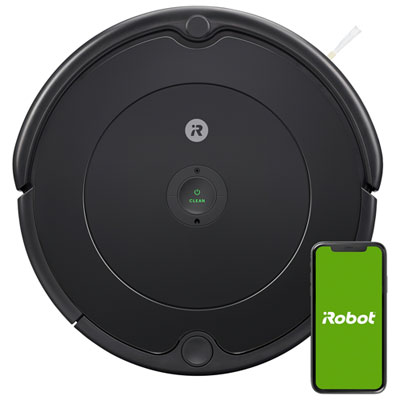 Your price for this item is $289.97
 -
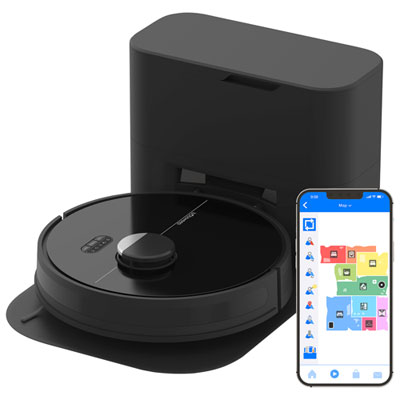 Your price for this item is $219.99
 -
 Your price for this item is $999
 -
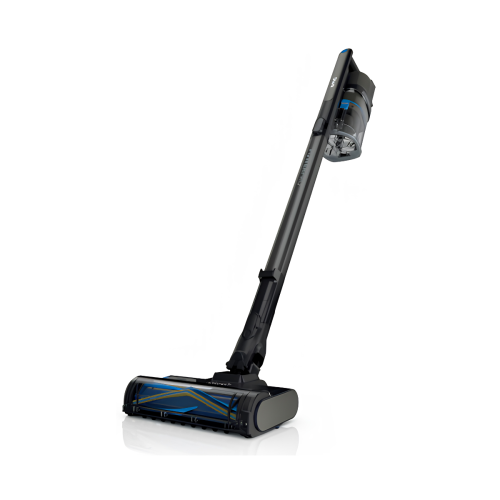 Your price for this item is $399.99
 -
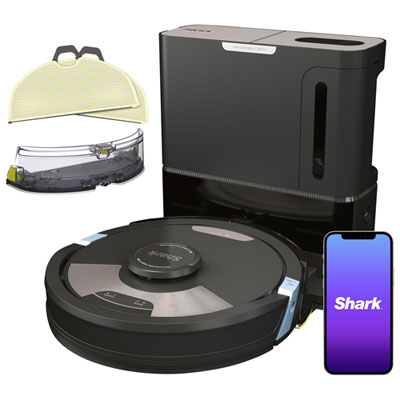 Your price for this item is $899.99
 -
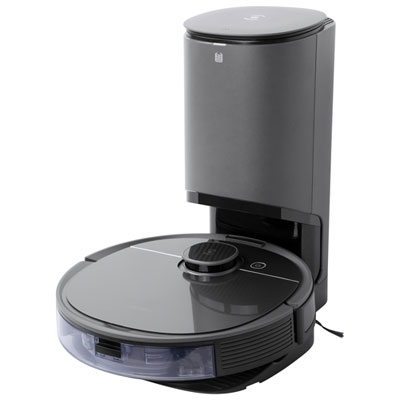 Your price for this item is $799.95
 -
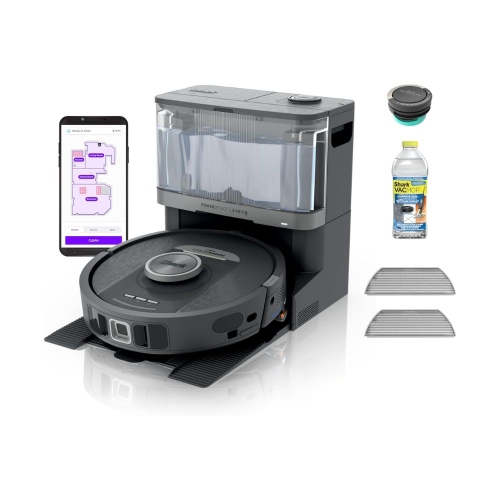 Your price for this item is $1149.99
Discover more categories related to Sweeping Robots
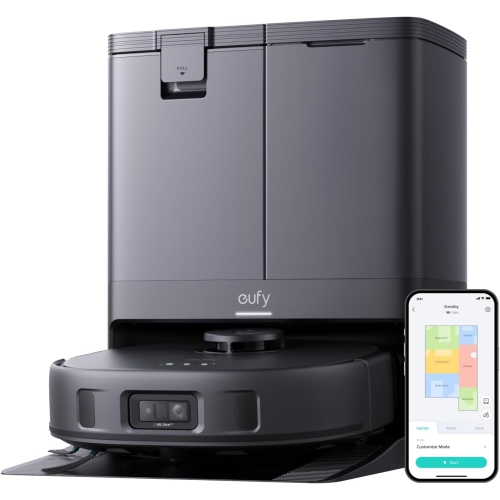
Top Collections:
Pokemon Centers, Kindle Devices, Best Budget Office Chairs, Apple iPhones 16, Best Laptops for Writers, iPhone 15 Apple, Canon G7X Cameras, Refurbished Apple Laptops, Alarm Clock, Motorola Razr Phones
Some products may be subject to Environmental Handling Fees
(EHF) depending on your province.
Learn more about EHFs.