RV Mini Kitchen Appliances
RV mini kitchen appliances are designed to bring convenience and efficiency to your on-the-go lifestyle. Perfect for compact spaces, these appliances help you prepare meals, snacks, and beverages with ease while traveling. Whether you're outfitting a new camper or upgrading your current setup, RV mini kitchen appliances offer practical solutions that fit seamlessly into limited spaces. Explore a wide selection to find the right options for all your cooking and food storage needs on the road.
Sort



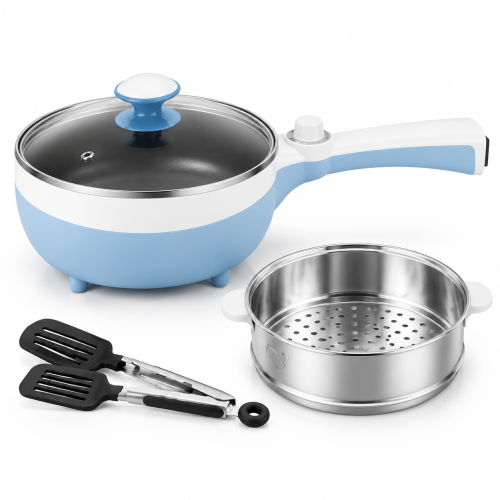
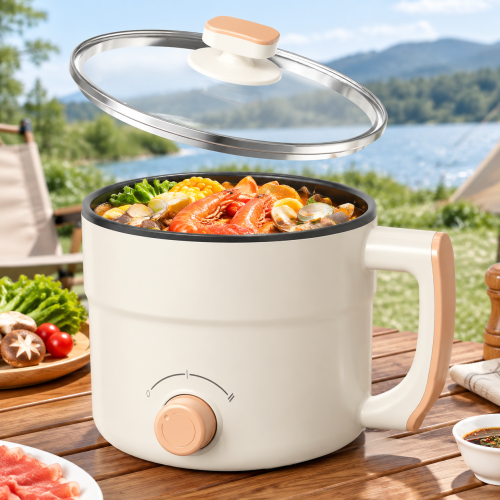


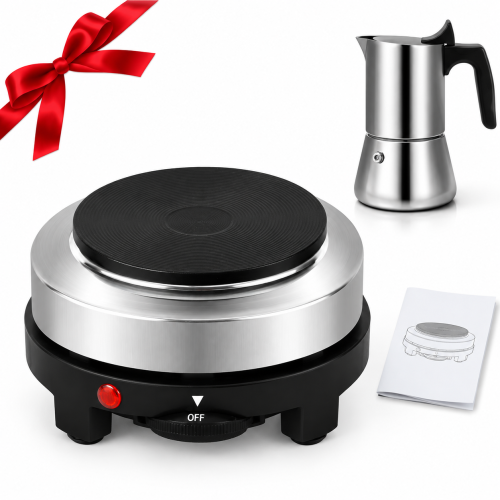


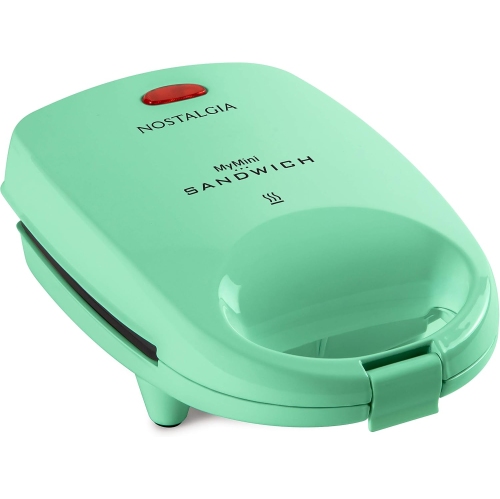
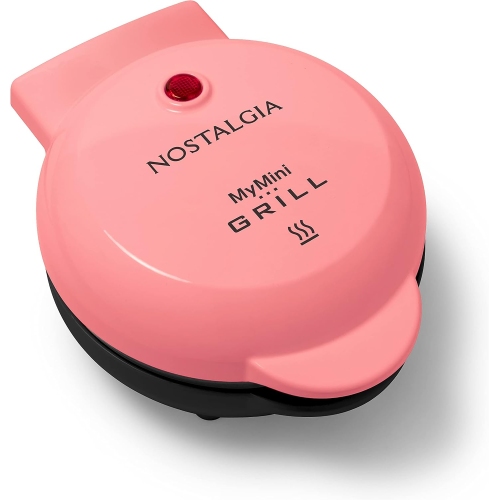



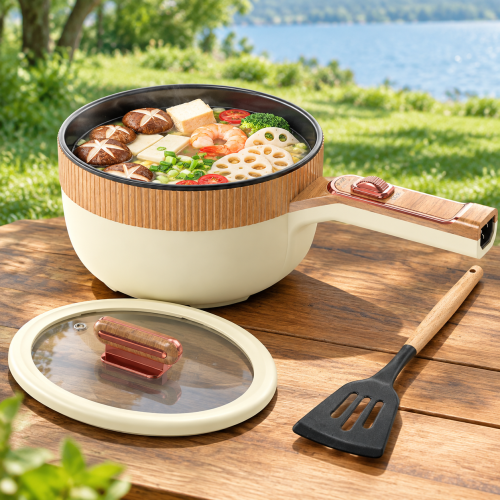
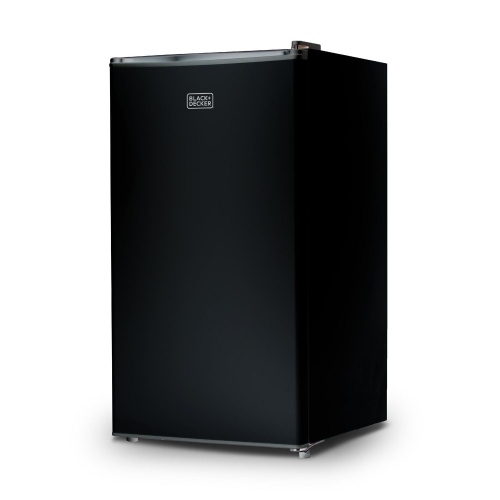
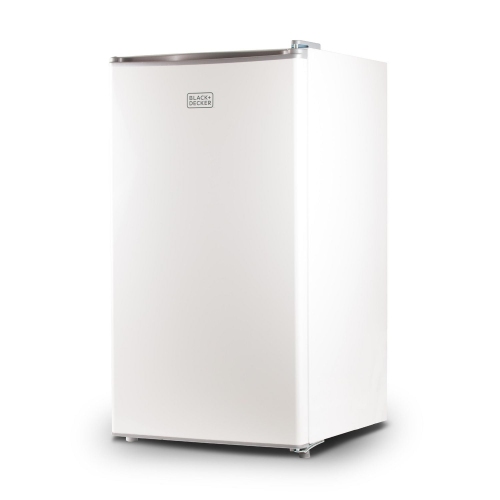

Why RV appliance fit goes beyond counter space
RV mini kitchen appliances bring everyday cooking and drink preparation into a smaller space, whether the kitchen is in a motorhome, campervan, or travel trailer. The best fit depends on three practical details: the room available for use and storage, the power source, and the meals being prepared. A compact appliance that suits a couple making breakfast may serve a different purpose from one used by a family preparing several portions after a day of travelling. Portable induction cooktops, small microwaves, compact coffee makers, and electric cooking pots each support different routines, while combination appliances can bring several cooking functions into one footprint. A microwave with convection capability, for example, can handle reheating and some baking tasks, provided its installation requirements suit the RV. An air fryer needs enough basket capacity for the intended portions, along with the specified clearance around its ventilation openings. A small rice cooker or electric pot can make a side dish or a simple meal without taking over the entire counter. For coffee drinkers, the useful size is not necessarily the smallest machine: cup clearance, reservoir access, and the number of servings matter just as much as exterior dimensions. Fit also means looking beyond width and depth. An appliance needs room for its lid or door to open, space for the cord to reach a suitable outlet, and a stable surface where it will not obstruct the sink or main preparation area. Upper cabinets can limit access to top-filling appliances, while a deep handle can make a compact unit awkward to store. Measurements should include the appliance’s working space as well as its storage space. In a narrow galley, having enough room to set down a hot dish or fill a water reservoir can matter more than saving a little cabinet space. For occasional use, a lightweight appliance that stores easily may be preferable to one that permanently occupies a valuable section of counter.
Electrical compatibility is especially important with RV kitchen appliances because a small exterior does not necessarily mean a low power draw. Check the appliance’s rated wattage and voltage, then consider what else will be running on the same circuit and within the RV’s overall electrical service. At 120 volts, a 1,200-watt appliance draws approximately 10 amps, so using it alongside another high-wattage appliance can quickly approach a circuit’s limit. Even when connected to shore power, the capacity of an individual outlet circuit still matters. A microwave, kettle, coffee maker, and portable cooktop should not be assumed to operate together simply because each one fits comfortably in the kitchen. Lower-wattage appliances can make it easier to manage simultaneous loads, although they may take longer to boil water or complete a cooking task. For battery-powered use through an inverter, the inverter’s continuous output rating must support the appliance, and the battery system must have enough usable capacity for the planned running time. Some appliances also require additional power at startup. An inverter does not turn a limited battery supply into unrestricted household power, and conversion losses add to the battery demand. A 12-volt appliance also needs a compatible connection with sufficient capacity; a vehicle-style socket is not suitable for every appliance. Manufacturer requirements and the RV’s electrical specifications are the basis for confirming compatibility. Use properly rated outlets and connections, and avoid power bars or extension leads when the appliance instructions prohibit them. Cooking method matters, too. Induction cooktops require compatible cookware with a magnetic base, while microwaves need microwave-safe containers. Convection and air-frying functions may have different cookware requirements from microwave mode, even within the same appliance. Removable baskets, cooking pots, and racks should always be used according to the applicable instructions. For an RV used both at serviced campsites and without shore power, matching the appliance to the actual power setup helps keep meal preparation predictable rather than relying on size alone as a measure of suitability.
Materials, cleaning access, and secure storage all influence how well mini kitchen appliances work in a travelling kitchen. Stainless steel surfaces can be practical for frequent wiping, although seams, controls, and handles still need attention. Removable cooking pots and trays simplify washing, especially when the sink is small, but their dimensions should allow them to fit under the tap without awkward handling. Non-stick cooking surfaces call for compatible utensils and non-abrasive cleaning tools to help protect the finish. Dishwasher-safe parts are useful where a dishwasher is present, but handwashing requirements remain important for many RV owners. Water reservoirs that lift out, drip trays that slide free, and lids with accessible seals can make routine care less fiddly. Appliances should be unplugged and allowed to cool before cleaning or storage, and electrical bases should never be immersed unless the manufacturer explicitly permits it. Ventilation openings need to remain clear during use, and an appliance should not be operated inside a cupboard unless it is specifically designed and installed for that location. Portable units also need secure storage before the RV moves: a stable base during cooking does not make an appliance travel-ready on an open counter. Glass components, loose lids, and removable accessories need protection against shifting and knocks. Weight matters when lifting an appliance from a low cabinet, and it also contributes to the RV’s carrying load. For smaller campers or kitchens shared between a vehicle and other accommodation, Travel Kitchen Appliances offers a related category to explore, with the same attention to dimensions, electrical requirements, and intended use. As a gift for an RV owner, a compact appliance is most useful when its serving capacity, storage needs, and power requirements are already known. Whether the routine centres on quick breakfasts, packed lunches, or simple evening meals, a well-matched appliance earns its space through comfortable everyday use, manageable cleaning, and a secure place to stow between stops.
Top selling and popular products
-
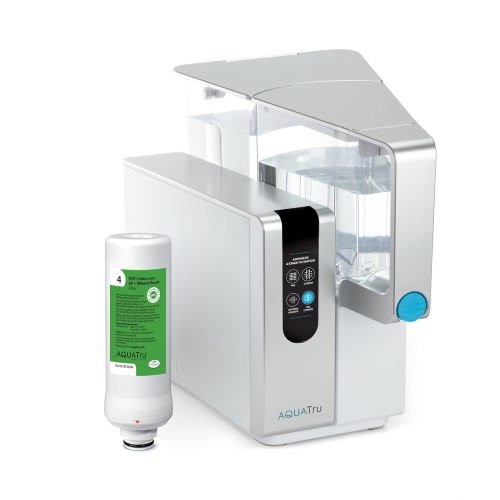 Your price for this item is $684.88
-
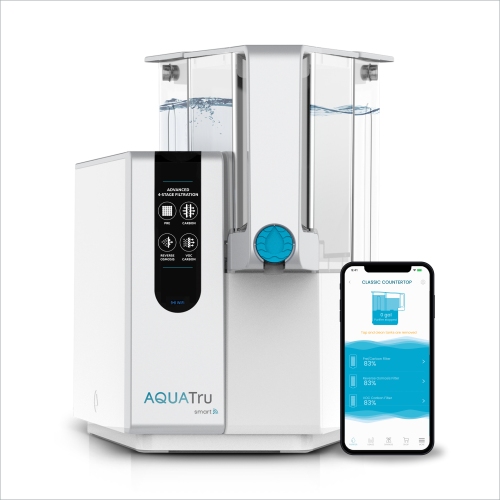 Your price for this item is $744.71
-
 Your price for this item is $515.91
-
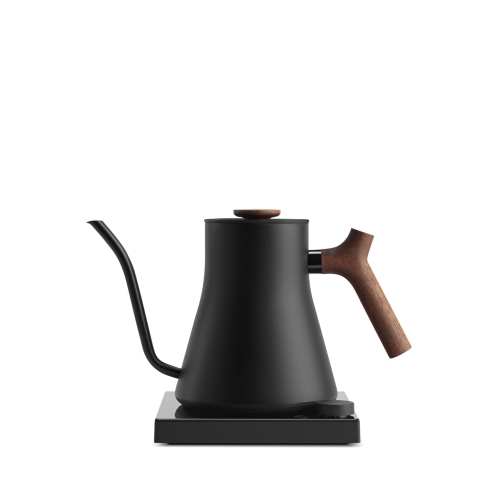 Your price for this item is $325
-
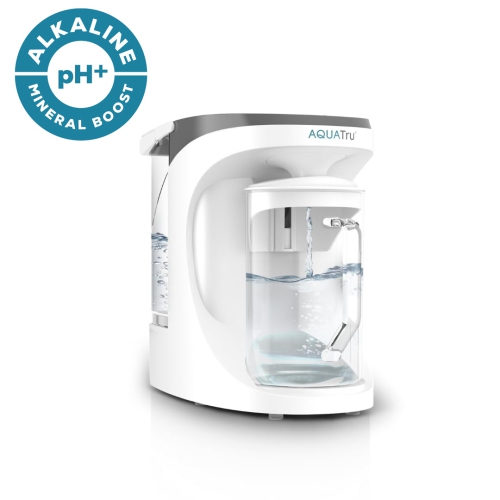 Your price for this item is $543.42
-
 Your price for this item is $299
-
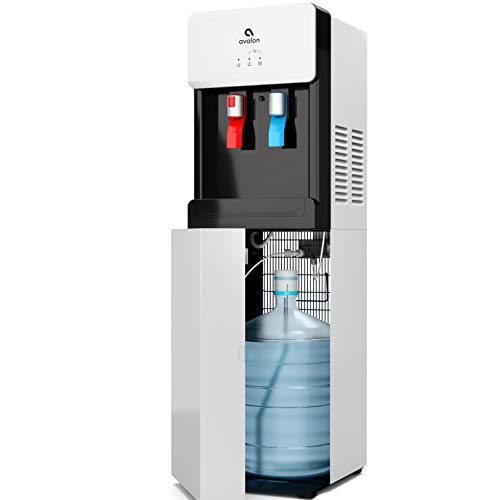 Your price for this item is $620
-
 Your price for this item is $499.99
Discover more categories related to RV Mini Kitchen Appliances
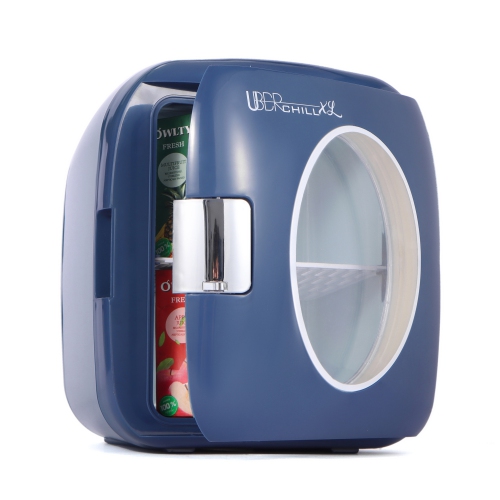

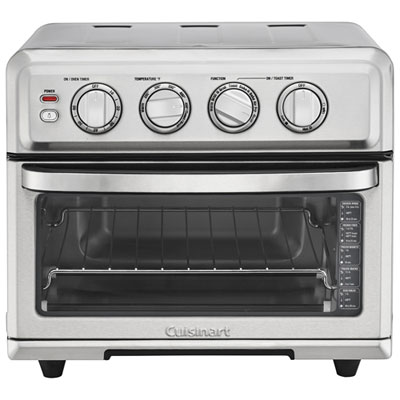
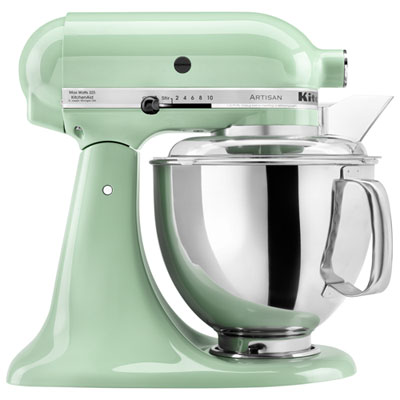
Top Collections:
Best Black Friday Deals This Year, Best Black Friday Deals On Electronics, Kindle Devices, Pokemon Centers, Best Black Friday Deals On Apple Products, Best Cameras for Sports Photography, Dyson Airwrap, Pokémon 30th Celebration Cards, Apple iPhone 17 Pro, Canon G7X Cameras
Some products may be subject to Environmental Handling Fees
(EHF) depending on your province.
Learn more about EHFs.