Travel Kitchen Appliances
Travel kitchen appliances make it easy to enjoy delicious meals and snacks wherever your adventures take you. Whether you're hitting the road in an RV, staying at a vacation rental, or planning a weekend getaway, these compact and convenient appliances are designed to fit perfectly into your travel plans. With a wide selection of travel kitchen appliances available, you can prepare your favorite foods and beverages with ease while away from home. Explore options that help you maximize convenience and comfort during every trip.
Sort


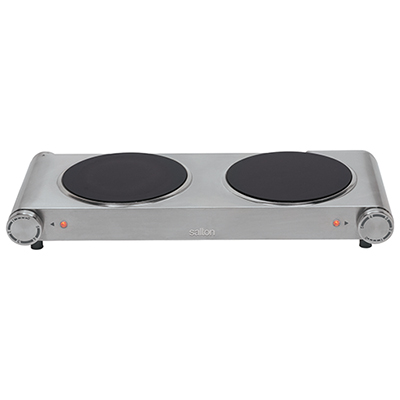
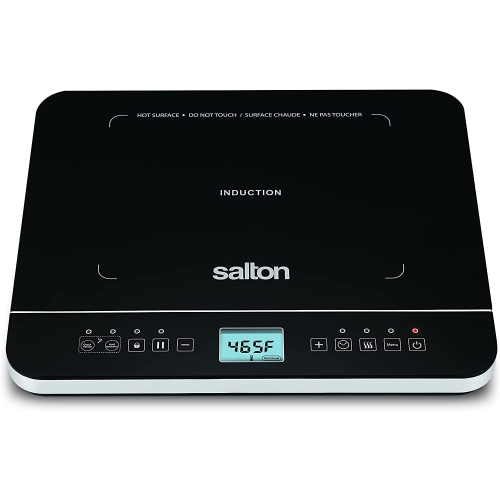

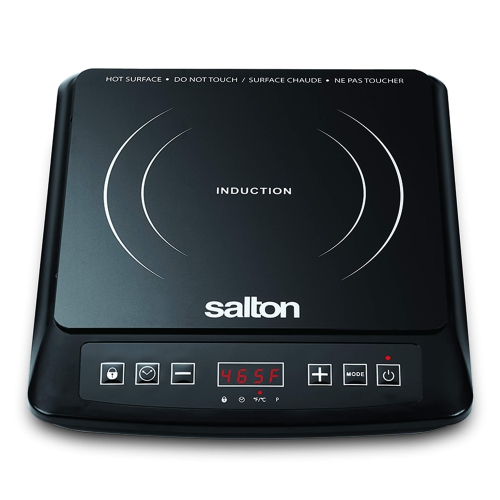
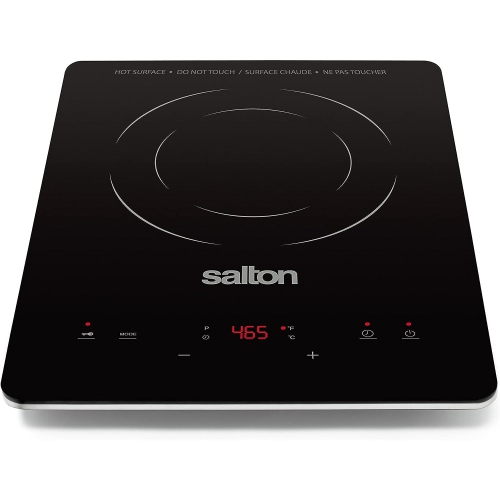
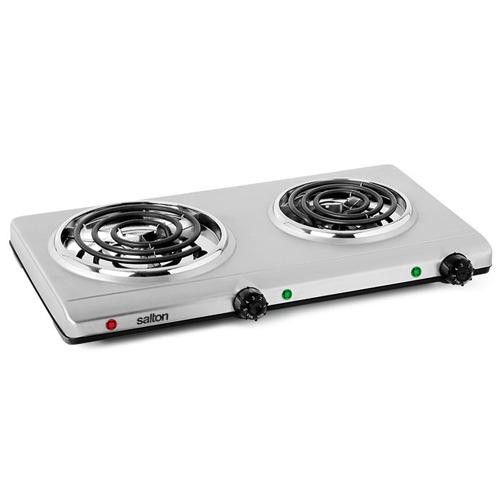
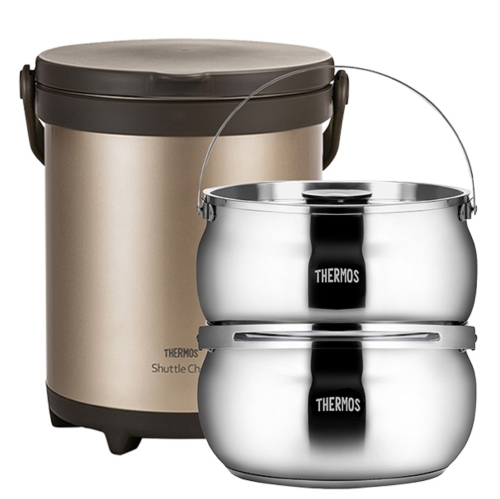


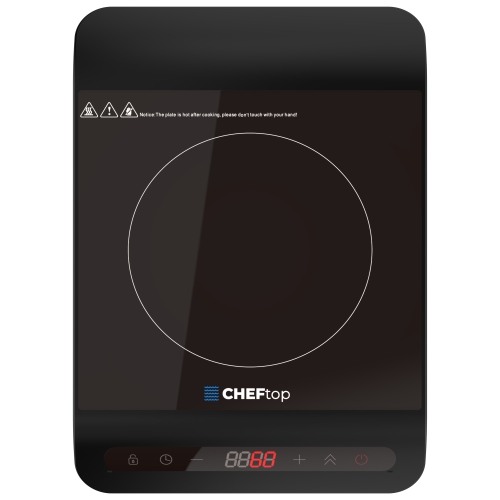
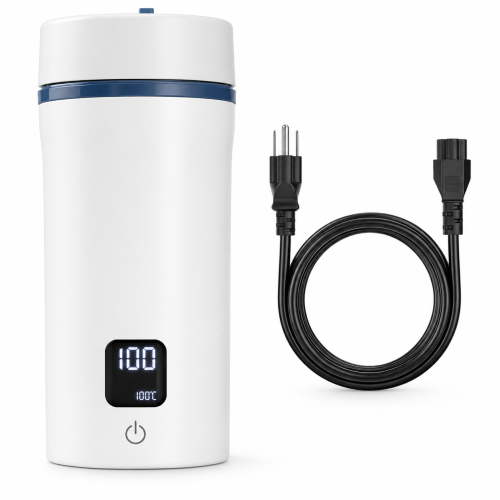
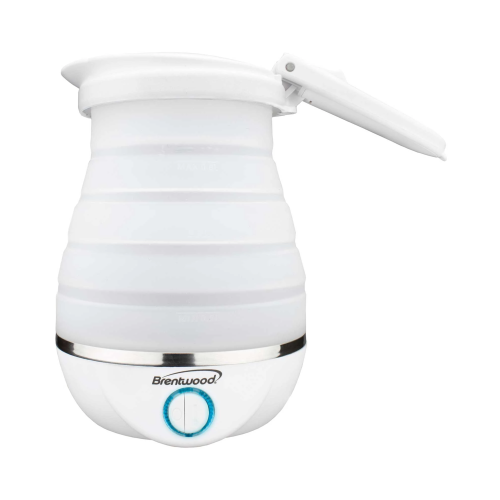
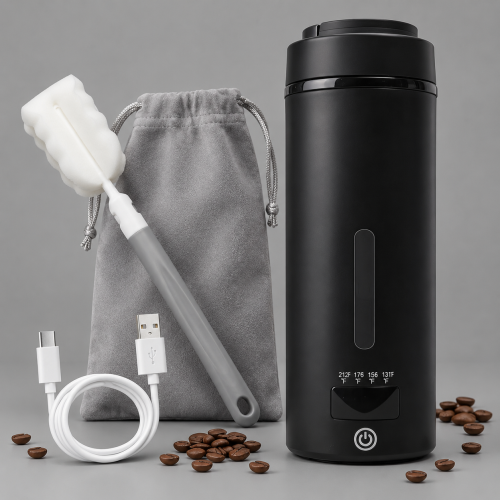
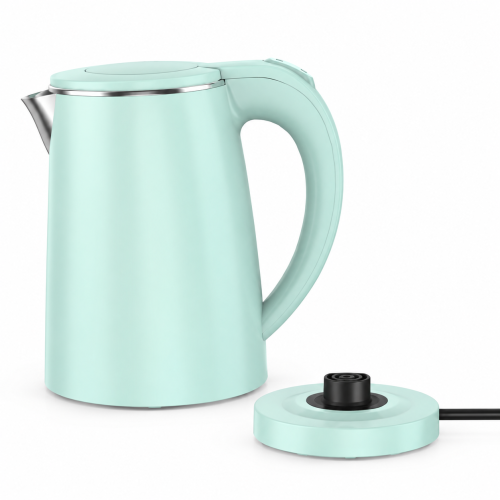
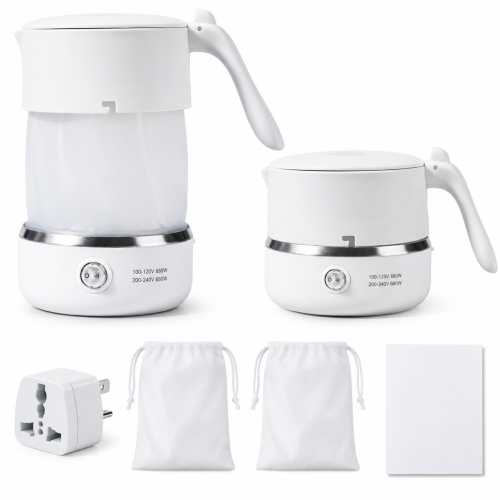




There’s more to portable cooking than compact size
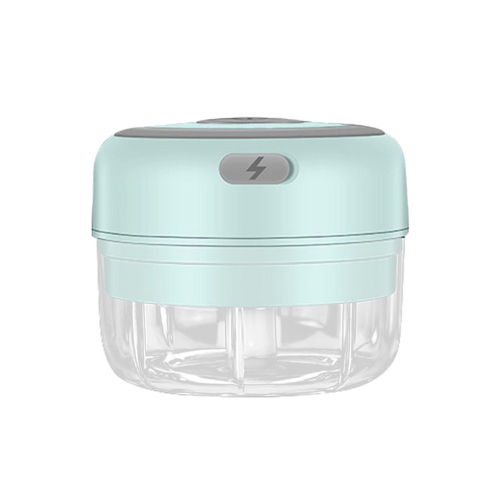
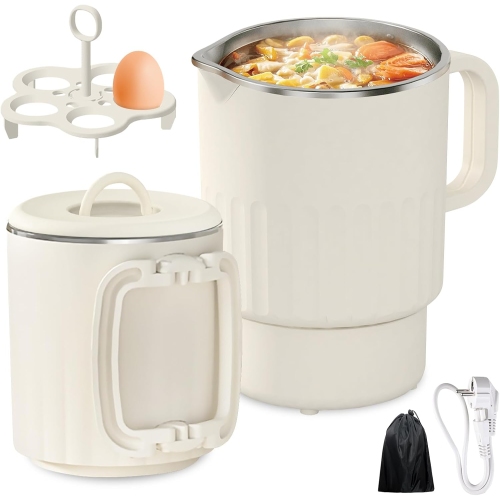
Travel kitchen appliances are compact devices for preparing drinks, heating food, and cooking meals away from a full-sized kitchen. The category can include small coffee makers, electric kettles, personal blenders, portable cooktops, and compact multi-cookers, with different designs suited to different kinds of trips. A short business stay may call for little more than a familiar cup of coffee before an early meeting, while an extended stay in a rental with a kitchenette can make room for simple breakfasts and one-pot dinners. For road trips and camping, suitability depends on the facilities at the destination and the power source each appliance requires. Compact does not automatically mean cordless, and an appliance small enough for a suitcase may still need a standard electrical outlet. The most useful format matches the food or drinks being prepared, the number of people travelling, and the space available for packing and use. A personal blending cup can suit a single serving, whereas a small cooking vessel may be more practical for a couple sharing a meal. Capacity also affects how often food needs to be prepared in batches. Portability involves more than the dimensions of the appliance itself: handles, lids, cords, removable cups, and protective covers all contribute to the space it occupies in a bag or cupboard. A slim body may pack neatly beside clothing, but a broad base can offer better stability on a suitable countertop. Securely fitting components help keep the appliance organized in transit, although a fitted lid is not necessarily leakproof. Noise can matter in shared accommodation, particularly when blending breakfast while someone else is sleeping. Simple controls, readable markings, and parts that assemble without fuss make a difference when counter space is limited. For frequent travellers, a familiar routine can be the main benefit: preparing a preferred tea, blending a usual breakfast, or making a straightforward meal without depending on a complete set of kitchen equipment.
Power requirements and the place of use are central to how travel kitchen appliances fit into a trip. Appliances intended for Canadian household outlets typically use 120 V power, while some destinations use a different voltage. A plug adapter changes the connection shape; it does not change the electrical supply. International suitability therefore depends on the voltage and frequency ratings printed on the appliance, not simply whether an adapter fits. Vehicle-powered designs are a separate category, and a standard wall-plug appliance cannot be treated as compatible with a vehicle socket just because it is small. Rechargeable appliances offer another form of portability, but battery capacity, charging time, and the number of uses between charges affect their practicality. For heating and cooking appliances, wattage is especially relevant because campsite hookups, RV circuits, and portable power sources have operating limits. Running several appliances together can exceed those limits even when each device has a modest footprint. In an RV, storage dimensions matter alongside working space: a cooker needs a stable surface and the clearances specified by its manufacturer, rather than merely enough room to sit on a shelf. The RV Mini Kitchen Appliances category focuses on compact formats relevant to these smaller kitchen layouts. Hotel and rental accommodation can have restrictions on cooking equipment, so an available outlet alone does not establish that an appliance is permitted. Outdoor cooking equipment also needs to be distinguished from appliances designed for indoor use; fuel-burning camp stoves belong outdoors, not inside a room, tent, or vehicle. A portable appliance is not necessarily designed to operate while a vehicle is moving. Cord placement, access to a suitable outlet, and distance from sinks or combustible materials all affect whether a setup is workable. These practical differences explain why an appliance suited to an equipped campsite may not suit a hotel bedside table, even if both trips involve the same luggage. The setting matters as much as the size.
Materials and construction influence packing weight, durability, and the effort needed to keep travel kitchen appliances clean. Stainless steel can provide a sturdy vessel for repeated use, while glass offers visibility but adds weight and needs protection from impacts. Food-contact plastics can reduce weight, although their suitability for hot liquids, dishwashers, or particular ingredients depends on the manufacturer's specifications. Silicone seals and removable gaskets can help components fit securely, but they also create areas where moisture or food residue may collect. Smooth interiors, accessible openings, and detachable food-contact parts are useful when cleanup happens at a small sink rather than in a fully equipped kitchen. Dishwasher-safe components can simplify care where a dishwasher is provided, but that rating applies only to the parts identified as suitable. Electrical bases, plugs, and charging connections need to be kept dry and cleaned according to the supplied instructions. Blending blades require particular care during washing and packing, and hot appliances need time to cool before being stored. Thorough drying helps prevent lingering odours and keeps moisture from being trapped inside closed containers during the journey home. Durable hinges, secure handles, and replaceable seals can matter more over repeated trips than a slightly smaller packed size. Protective storage also helps keep loose accessories from rubbing against surfaces or becoming separated in a suitcase. For someone who travels regularly for work, a compact appliance can support a familiar breakfast routine; for a couple taking longer road trips, it may make simple shared meals easier to manage. These appliances can also be thoughtful gifts for frequent travellers or RV owners when the recipient's power setup, storage space, and cooking habits are known. The strongest fit is usually specific rather than elaborate: enough capacity for the intended servings, an appropriate power connection, manageable cleanup, and a design that earns its place in the luggage trip after trip.
Top selling and popular products
-
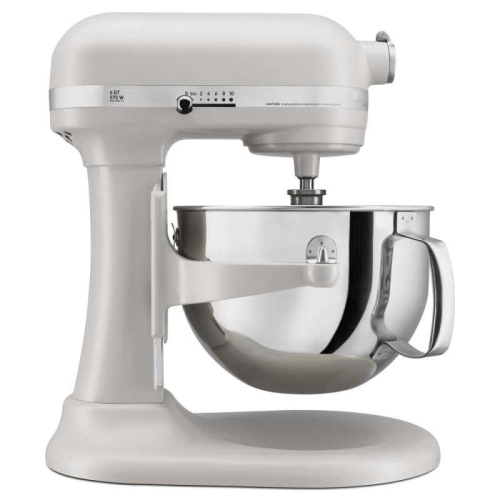 Your price for this item is $669.95
-
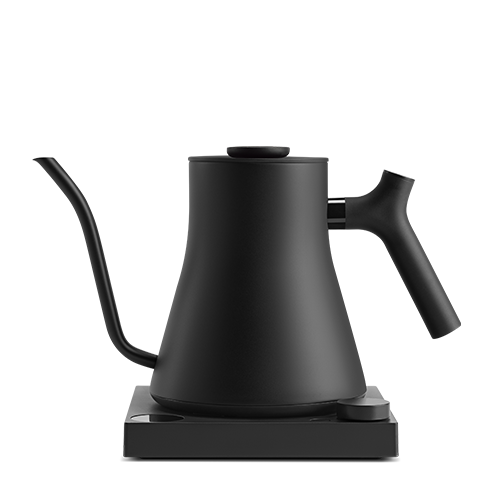 Your price for this item is $239
-
 Your price for this item is $239
-
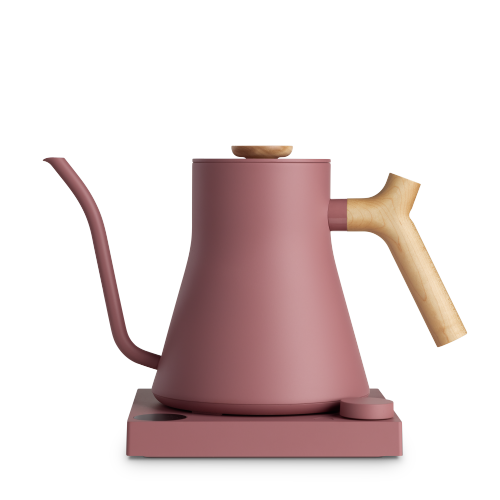 Your price for this item is $280
-
 Your price for this item is $280
-
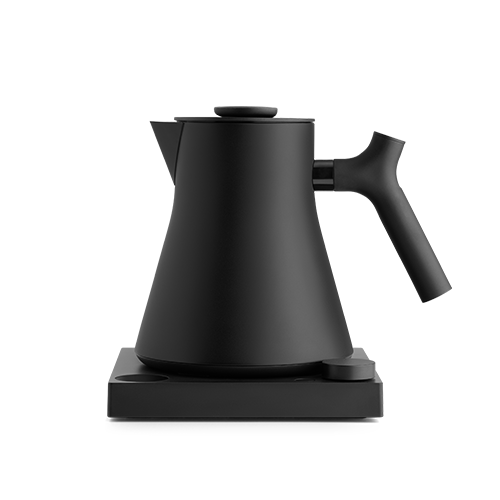 Your price for this item is $239
-
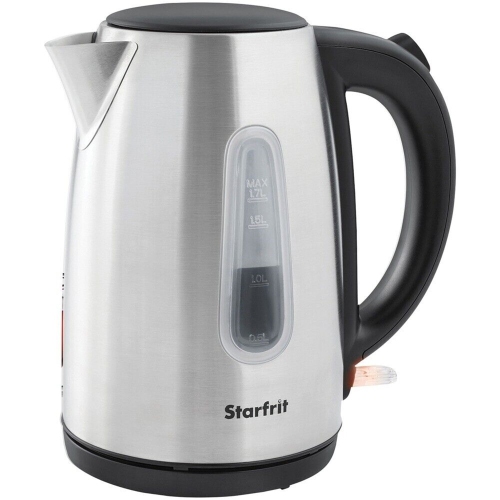 Your price for this item is $39.99
-
 Your price for this item is $39.99
Discover more categories related to Travel Kitchen Appliances
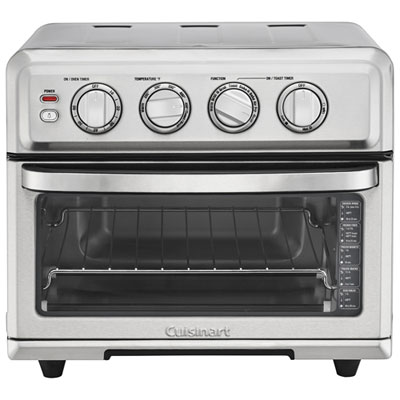
Top Collections:
Best Black Friday Deals This Year, Best Black Friday Deals On Electronics, Kindle Devices, Pokemon Centers, Best Black Friday Deals On Apple Products, Best Cameras for Sports Photography, Dyson Airwrap, Pokémon 30th Celebration Cards, Apple iPhone 17 Pro, Canon G7X Cameras
Some products may be subject to Environmental Handling Fees
(EHF) depending on your province.
Learn more about EHFs.