Shark Duo Clean Vacuums
Shark Duo Clean Vacuum options offer an efficient and reliable solution for keeping your home spotless. Designed to handle everyday messes and high-traffic areas, these vacuums help maintain clean floors and surfaces with ease. Whether you have carpet, hardwood, or tile, the Shark Duo Clean Vacuum lineup provides versatile cleaning power for a variety of household needs. Explore models that fit your lifestyle and discover how simple it can be to keep every room looking its best.
Sort


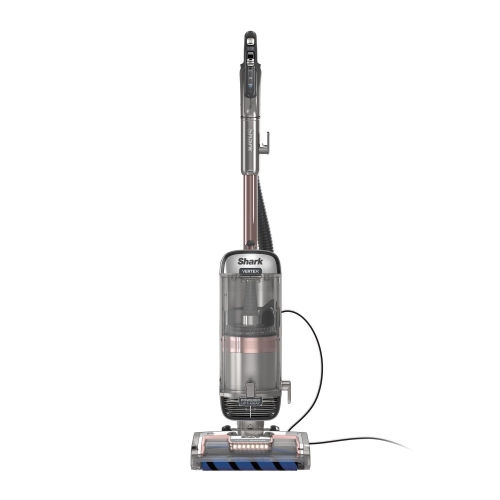
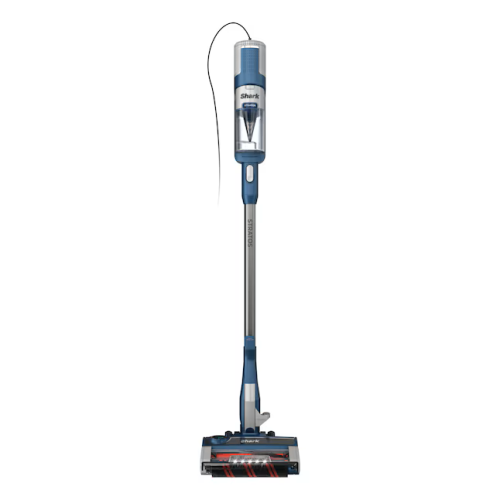
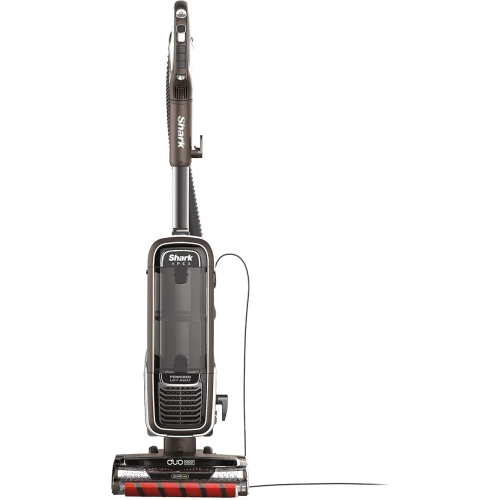
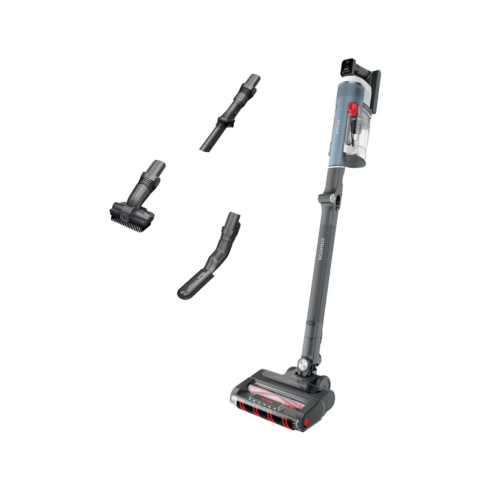
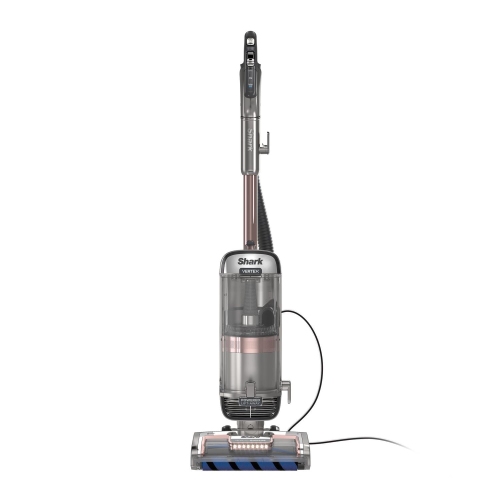

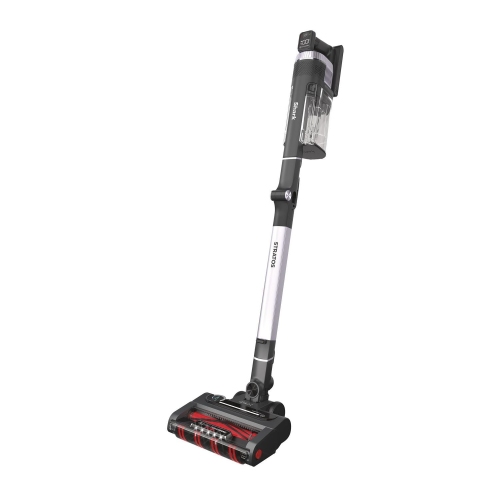
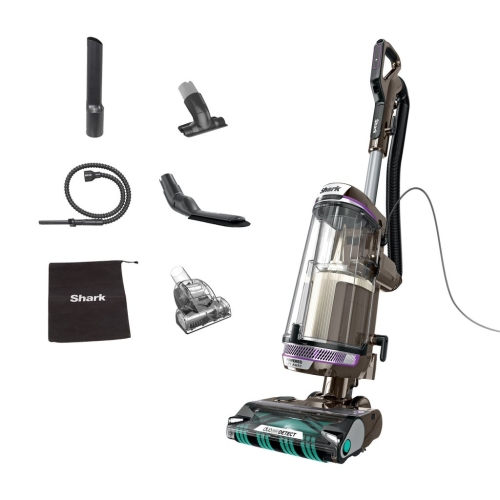
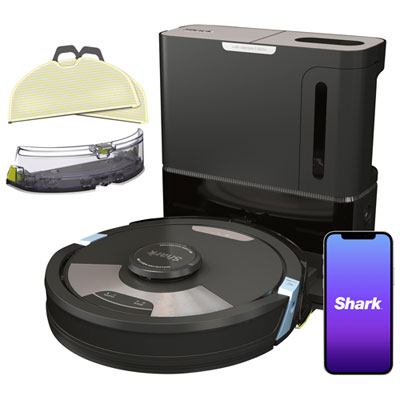
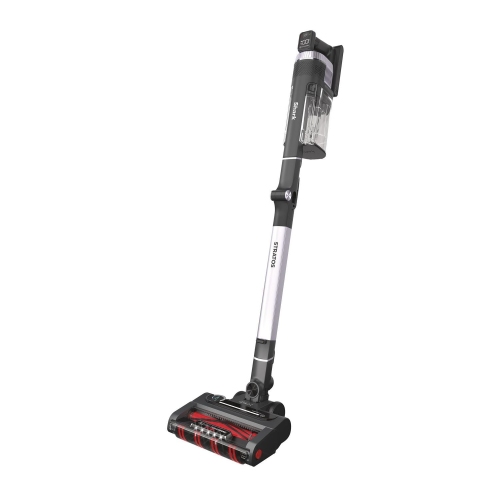
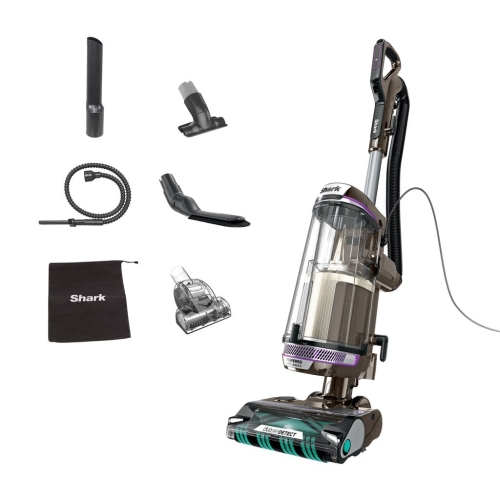
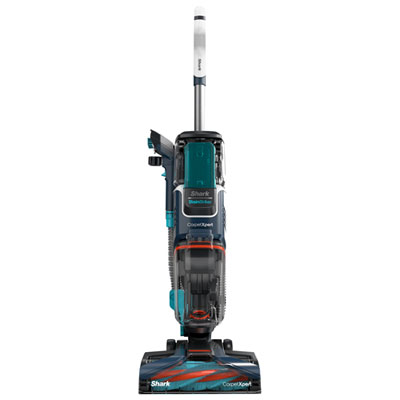


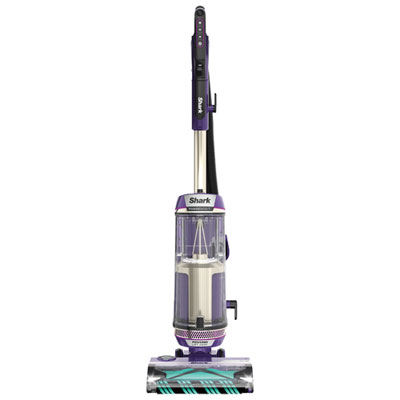
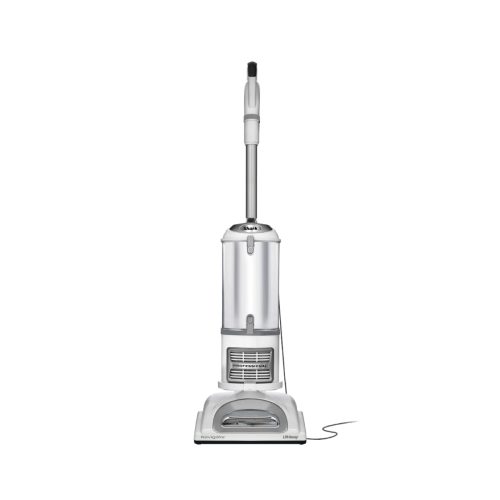
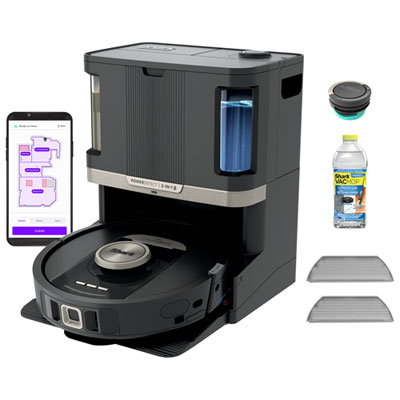
How two brushrolls tackle crumbs on tile and carpet
DuoClean vacuums use two brushrolls in a single floor head to pick up debris on hard floors and carpet. A soft front roller gathers fine dust from smooth surfaces and helps draw in larger debris, while a rear roller with bristles or flexible fins works between carpet fibres to loosen grit. The difference is easy to see around a dining table: crumbs scattered across tile tend to sit on the surface, while the same crumbs can disappear into the pile of a rug after a chair rolls over them. The soft roller helps collect the debris on the tile without pushing it ahead of the nozzle, and the rear roll agitates the rug so suction can lift what has worked its way into the pile. That makes a dual-brushroll head useful in homes where a single pass might take the vacuum across hardwood, over an area rug and onto a carpeted hallway. It doesn’t mean every surface should be cleaned on the same setting. Where floor controls are included, changing the setting can make the head easier to move over dense carpet or reduce the pull on a lightweight mat. A thin runner that bunches at the edges behaves differently from carpet fixed in place, and long fringe can catch in a rotating roll. The rug or flooring maker’s care directions are worth checking for delicate finishes, loose threads and specialty carpets. Nozzle size also affects how much of the floor the rollers can reach. A wide head covers an open room in fewer passes, but a lower profile can make the bigger difference when dust collects under a bed or along the toe kick beneath kitchen cabinets. Even where a floor head fits beneath furniture, the angle of the wand can determine whether it reaches the back or stops just past the front legs.
The body of the vacuum matters as much as the floor head when the job involves more than open floor space. A corded upright can cover a long stretch of carpet without a break to recharge, while a cordless stick design can be easier to carry between floors or bring out for a quick pass around the kitchen. With a cordless vacuum, battery run time can vary with the power setting and attachment in use, so cleaning a few rooms with a powered head is a different task from picking up crumbs after dinner. Weight is worth considering alongside balance: a vacuum that feels easy to push along a hallway may feel heavier when the wand is raised to clean a landing or reach above a baseboard. A powered lift-away design allows the main pod to detach while the floor head remains powered, leaving less bulk behind the nozzle when it needs to reach under a sofa. A smaller upholstery tool is better suited to spots where a full-width floor head won’t sit flat, such as stair treads or the seam between a sofa cushion and the arm. In homes with pets or people with long hair, a self-cleaning brushroll is designed to reduce hair wrap, though strands can still collect around the ends of the roll. For households concerned about fine dust, filtration and sealing serve distinct purposes: a HEPA filter captures fine particles from the air that passes through it, while a sealed air path helps keep dusty air from bypassing the filter. How the dust cup empties matters as well, particularly when a cleanup leaves it full of fine debris that can scatter if the cup is tipped from too high above the bin. For a housewarming gift, knowing whether the recipient has carpeted stairs, mostly hard floors or a narrow storage closet is often more useful than knowing the size of the home.
Regular care helps keep both brushrolls turning freely and air moving through the vacuum. A drop in pickup doesn’t necessarily mean the rollers are worn. A dust cup filled above its marked line or a layer of dust on a filter can restrict airflow, and a wad of lint caught where the floor head meets the wand can leave crumbs behind even when the motor sounds normal. If the head starts to drag or leaves a narrow strip of debris, the roller ends are a useful place to check for wrapped thread or hair. With the vacuum switched off and disconnected from power as directed in the manual, loose debris can be cleared before it works farther into the head. Care differs by design: the soft roller may be removable for cleaning, but not every roller or filter is washable. Parts approved for rinsing need to air-dry completely before they go back into the vacuum. The condition of the rollers matters over time, too. A soft roller that no longer makes even contact with the floor or a rear roll with damaged fins may leave debris behind despite a clear air path. It’s worth knowing which parts can be reached without tools and which can be replaced if they wear, especially in a home where the vacuum picks up pet hair, tracked-in grit and crumbs most days. Storage plays a part in daily use, too. A head that fits neatly in a closet is less convenient if the wand has to come apart every time it goes away, and a cordless vacuum is easier to keep ready when its charging spot is near an outlet. For a broader look at vacuum formats, floor heads and features for different household cleaning routines, see Best Shark Vacuums.
Top selling and popular products
-
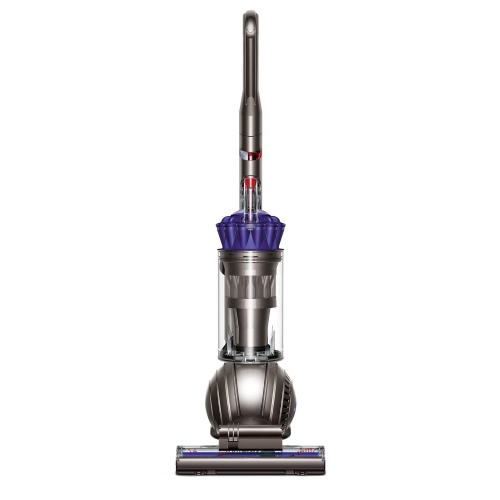 Your price for this item is $489
-
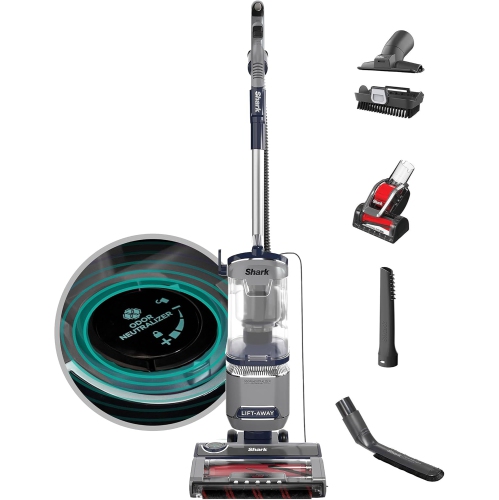 Your price for this item is $179.99
-
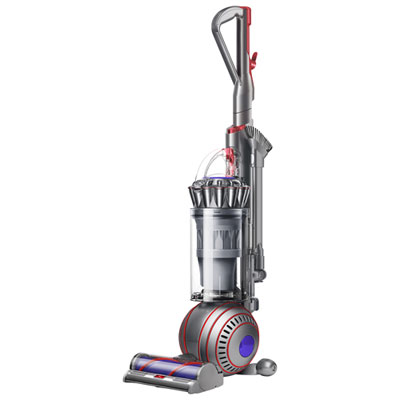 Your price for this item is $499.99
-
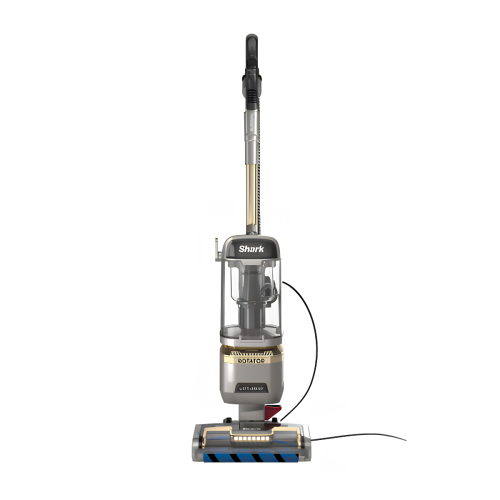 Your price for this item is $479.99
-
 Your price for this item is $279.99
-
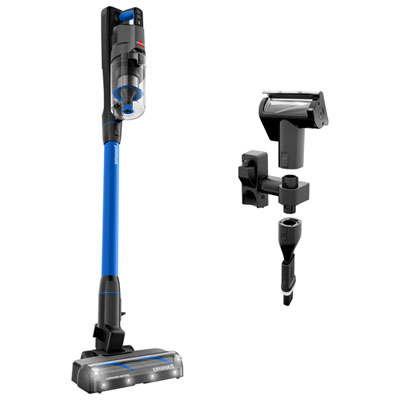 Your price for this item is $299.99
-
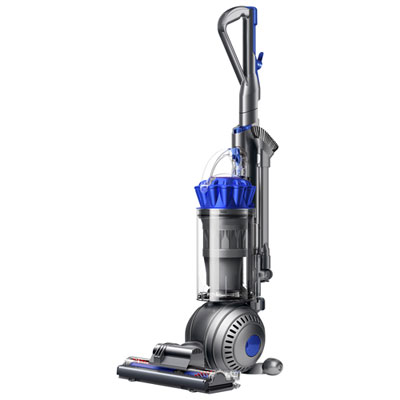 Your price for this item is $697.98
-
 Your price for this item is $282.68
Discover more categories related to Shark Duo Clean Vacuums


Top Collections:
Best Black Friday Deals This Year, Best Black Friday Deals On Electronics, Kindle Devices, Pokemon Centers, Best Black Friday Deals On Apple Products, Best Cameras for Sports Photography, Dyson Airwrap, Pokémon 30th Celebration Cards, Apple iPhone 17 Pro, Canon G7X Cameras
Some products may be subject to Environmental Handling Fees
(EHF) depending on your province.
Learn more about EHFs.