Silent Washing Machines
Silent washing machines are designed to help you enjoy a quieter laundry experience, making them a great choice for homes where noise levels matter. Whether you have an open-concept living space, do laundry at night, or simply prefer less noise, these appliances offer efficient cleaning without the usual disruptions. Explore a wide selection of silent washing machines that combine advanced technology with user-friendly controls, perfect for busy households and anyone looking to upgrade their home laundry routine.
Sort
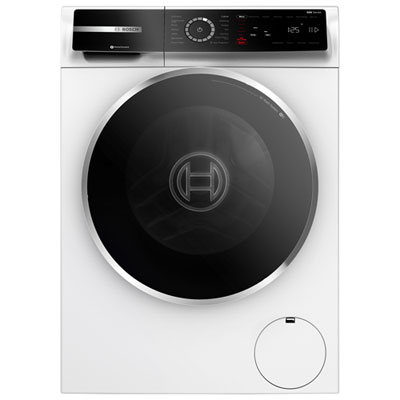
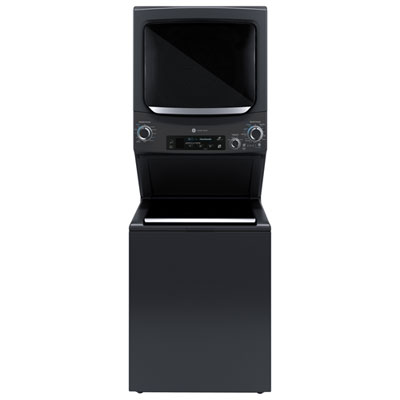

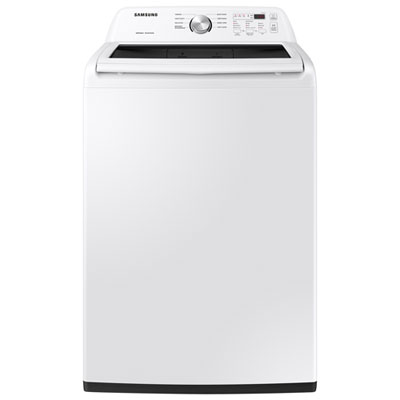
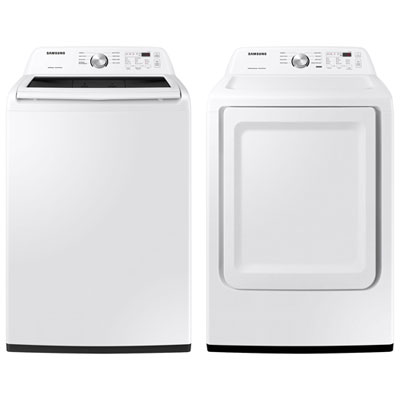
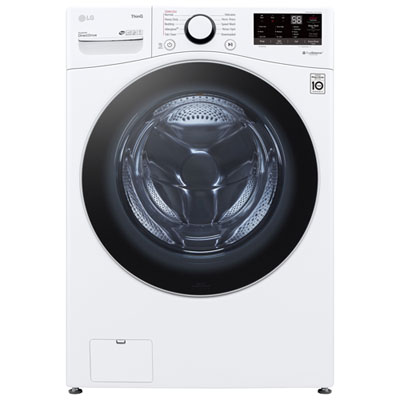

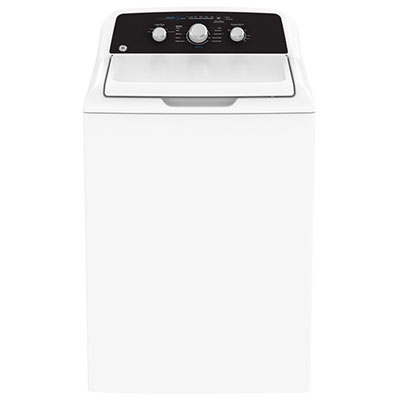
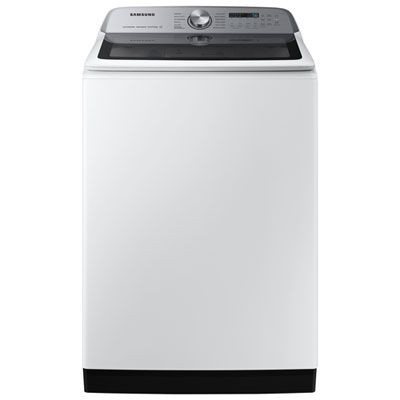
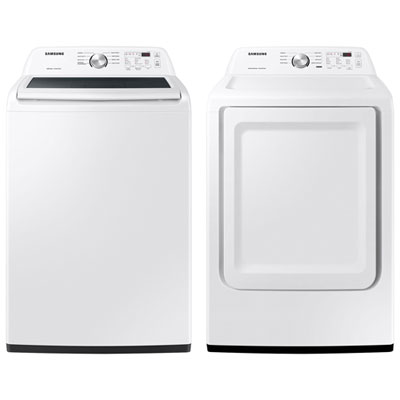
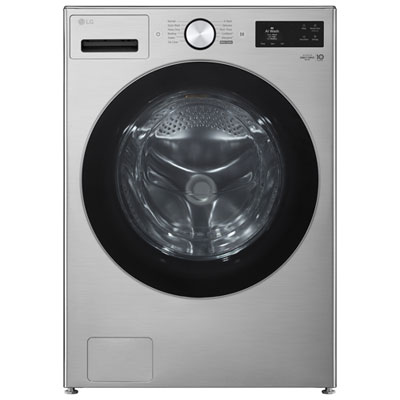
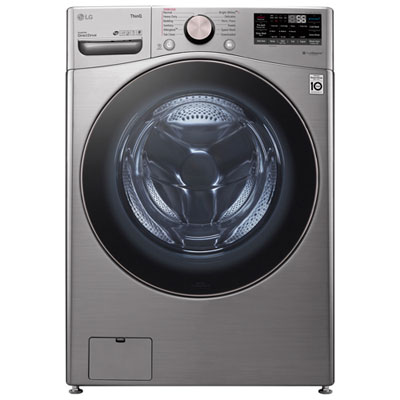
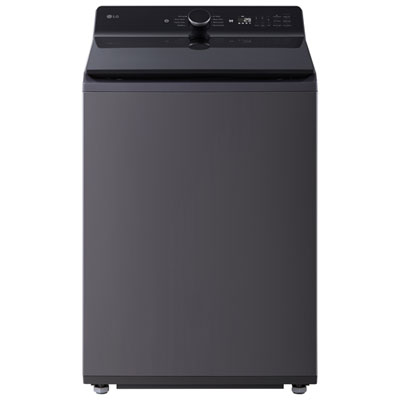
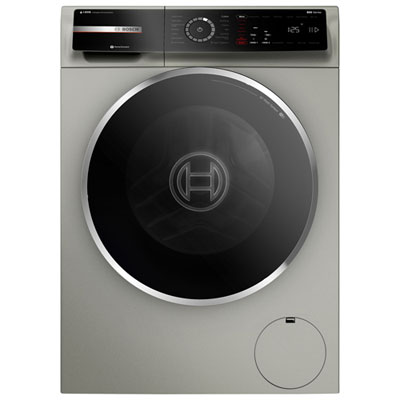
Why quieter laundry depends on more than the motor
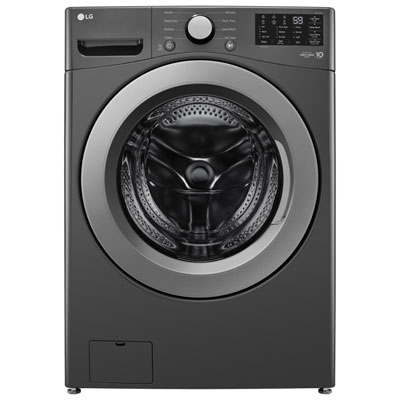
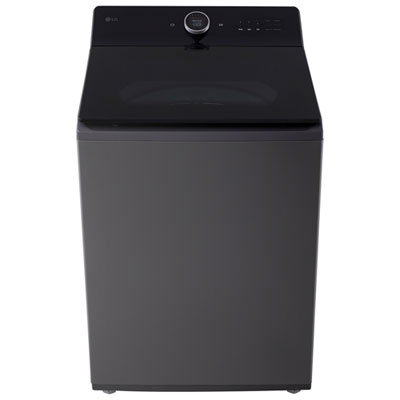
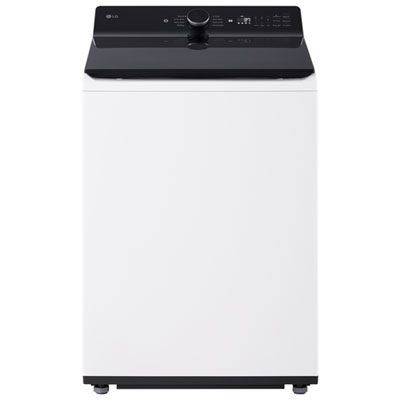
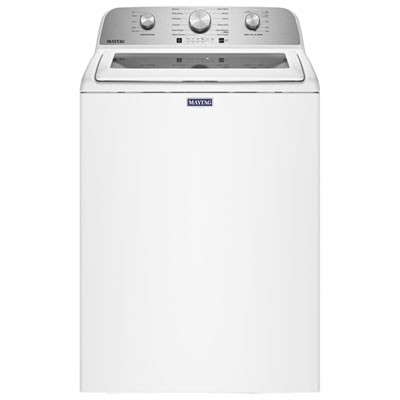
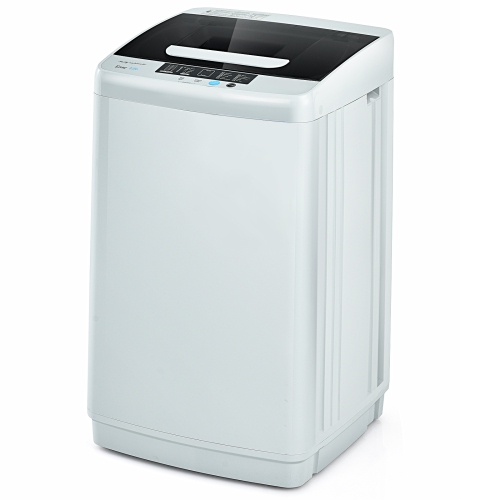
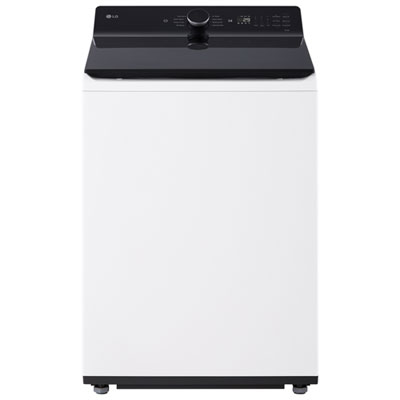
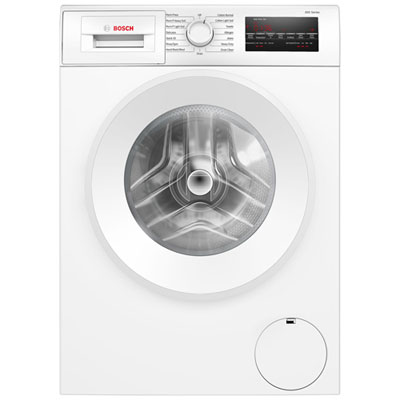
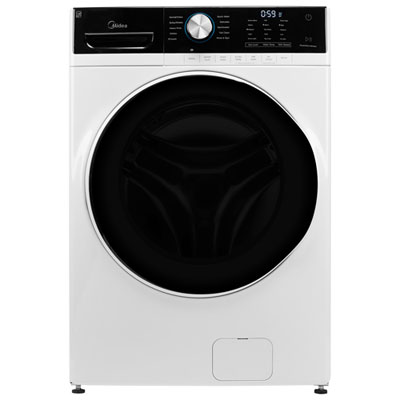
Silent washing machines are designed to keep laundry noise and vibration low, rather than operate without any sound. Quiet performance usually comes from a combination of motor design, drum balance, suspension, cabinet construction, and correct installation. Front-load washing machines often bring these features together, making them a strong option for laundry spaces near bedrooms, living rooms, or home offices. Their horizontal drums lift and tumble clothing through the wash, while balance sensors and vibration-control systems can help manage movement during spinning. The front-load format alone does not guarantee a quieter wash, however; a well-installed machine with effective suspension can make a greater difference than the loading style by itself. Some top-load washers also include quiet motors, load-balancing features, and sound-reducing construction. For households where a conversation, a sleeping child, or a video meeting shares a wall with the laundry room, the distinction between washing noise and spin noise matters. Gentle swishing during a wash cycle is different from the faster hum of a final spin, and a washer that sounds subdued while tumbling may become more noticeable as it removes water from towels. Published sound ratings, where provided, offer useful context when the measurements refer to the same cycle stage and testing conditions. A wash-cycle rating should not be treated as directly comparable to another machine’s spin-cycle rating. Inverter-controlled motors can adjust their speed to suit different stages of a cycle, while direct-drive designs remove the belt found in some other drive systems. Both may support smooth operation, but neither feature makes a washer automatically silent. Pumps, water entering the dispenser, door locks, and small metal fasteners moving against the drum can still be audible. The most useful interpretation of “silent” is therefore a washer built to reduce disruptive sound during everyday laundry, with particular attention to the vibration that can travel beyond the laundry area.
The way a washing machine fits into a home has a direct effect on how quiet it feels in use. A laundry closet beside the kitchen presents different considerations from a separate room on a solid basement floor. Upper-storey installations and flexible flooring can make vibration more noticeable, even when the washer itself is operating as intended. A firm, level surface, properly adjusted feet, and enough clearance around the cabinet help prevent movement and contact noise. For front-load models, removal of shipping bolts according to the installation instructions is essential before operation. Hoses should also have room to sit without knocking against a wall or cabinet. Extra padding is not always a solution: a thick, soft mat can allow unwanted movement, so any vibration accessories need to be suitable for the appliance and its installation requirements. Physical fit includes the route into the home, doorway widths, hose connections, and space for the door or lid to open fully. In a compact laundry closet, access to the detergent drawer and any serviceable filter matters just as much as whether the cabinet fits between the walls. Stackable designs can make good use of limited floor space, provided the washer and dryer are approved for stacking together and secured with the correct kit. Capacity deserves similar attention. A larger drum can accommodate family laundry and bulky bedding, but one heavy bath mat or a small bundle of absorbent towels may still create an uneven load. Overfilling can restrict clothing movement and affect cleaning, while unsuitable load combinations can cause repeated balancing attempts. Load-sensing systems may pause, redistribute clothing, or adjust the spin to address this. A selectable spin speed adds flexibility: a lower setting can reduce some spin noise and vibration, although clothing may retain more moisture and need additional drying time. Cycle controls that clearly separate fabric care, spin speed, and optional settings make it easier to match the machine’s operation to both the laundry and the room around it.
Quiet performance is most valuable when it comes with dependable fabric care and a machine that remains straightforward to maintain. Stainless steel drums are common because they resist corrosion and provide a durable surface for regular washing, while smooth drum finishes and well-designed lifters help move garments without unnecessarily rough contact. Delicate clothing still needs the appropriate cycle and any protection recommended on its care label; a quiet motor does not change the needs of lace, wool, or loosely knitted fabrics. Everyday loads also benefit from accurate detergent dosing. Too much detergent can leave residue and, in some machines, lead to additional rinsing or interrupted operation. Where high-efficiency detergent is specified, using the correct type and amount supports normal cycle performance. Routine care helps preserve the experience that makes a quieter washer appealing in the first place. Door seals on front-load designs can collect lint, hair, and small objects, while dispenser drawers may need cleaning to prevent buildup. Drum-cleaning cycles and filter maintenance should follow the manufacturer’s directions, since access and procedures vary. Allowing the drum and seal to dry between loads, where safe for children and pets, can help limit musty odours. Coins, loose buttons, and underwires are worth keeping out of the drum because they can cause rattling or damage. A steady operating hum is different from a new grinding sound, persistent banging, or movement across the floor; those changes deserve attention rather than simply being accepted as normal washer noise. Beyond sound, daily convenience may come from an easy-to-read display, accessible controls, a comfortable loading height, and a door opening that leaves room for a laundry basket. For a broader view of contemporary designs and everyday features, Modern Washing Machines offers another useful collection to explore. A quiet washer is ultimately part of a practical laundry setup: appropriately sized for the household, suited to the installation space, gentle enough for regular clothing care, and designed to keep the wash from dominating nearby rooms.
Top selling and popular products
-
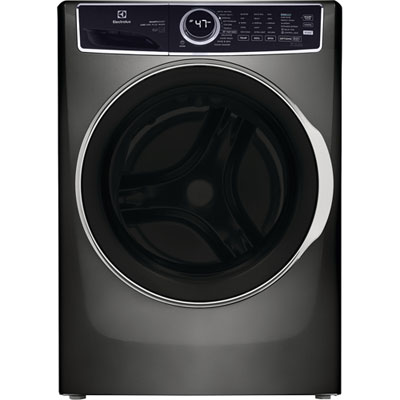 Your price for this item is $1292.99
-
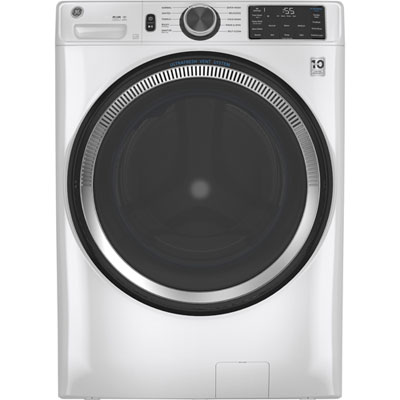 Your price for this item is $999.99
-
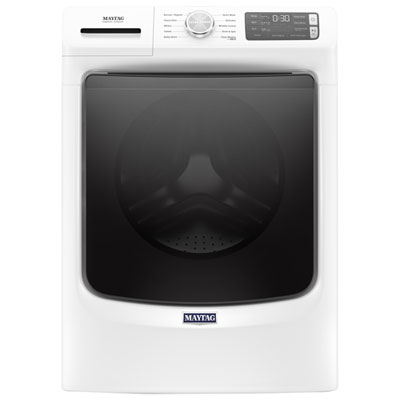 Your price for this item is $1199.99
-
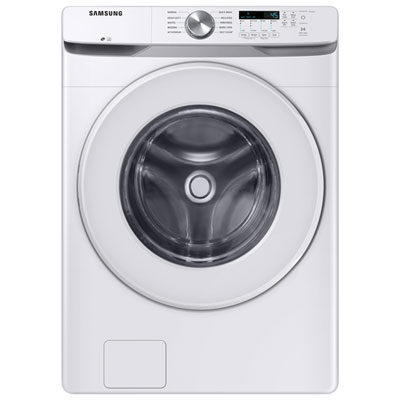 Your price for this item is $949.99
-
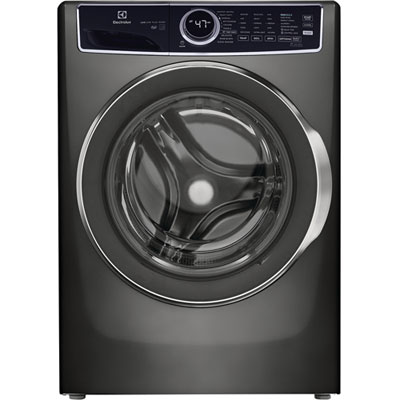 Your price for this item is $1199.99
-
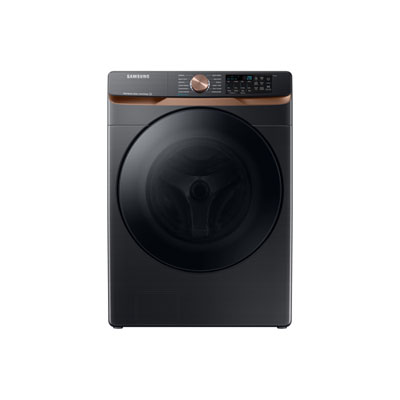 Your price for this item is $1295.99
-
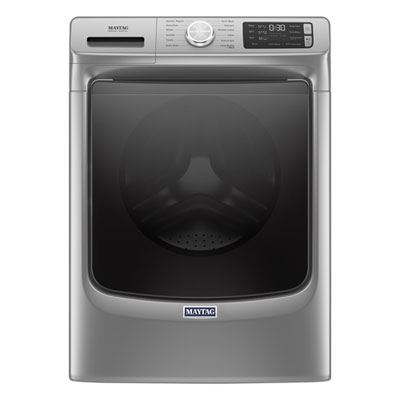 Your price for this item is $1399.99
-
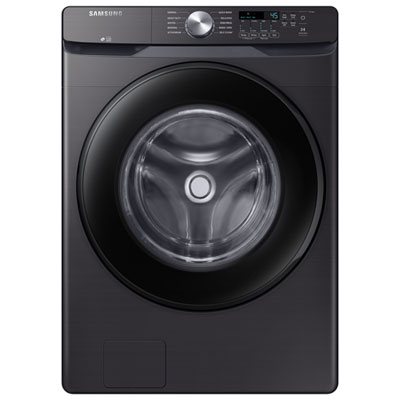 Your price for this item is $995.99
Discover more categories related to Silent Washing Machines
Top Collections:
Best Black Friday Deals This Year, Best Black Friday Deals On Electronics, Kindle Devices, Pokemon Centers, Best Black Friday Deals On Apple Products, Best Cameras for Sports Photography, Dyson Airwrap, Pokémon 30th Celebration Cards, Apple iPhone 17 Pro, Canon G7X Cameras
Some products may be subject to Environmental Handling Fees
(EHF) depending on your province.
Learn more about EHFs.