Quiet Clothes Washers
If you're looking for a new washing machine, you might want to consider one that's quiet. The best clothes washers will be large enough to handle your entire family's laundry needs, quiet enough to run in the middle of the night without disturbing your sleep, and packed with features that make laundry day easier.
Sort

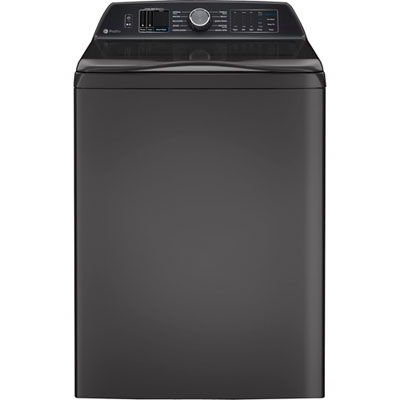
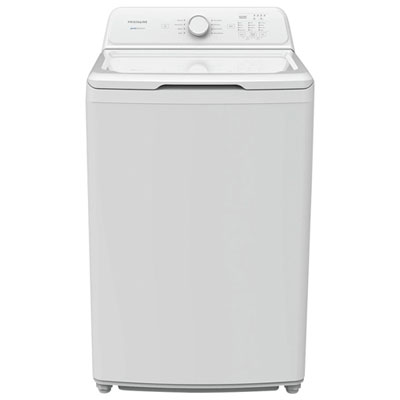
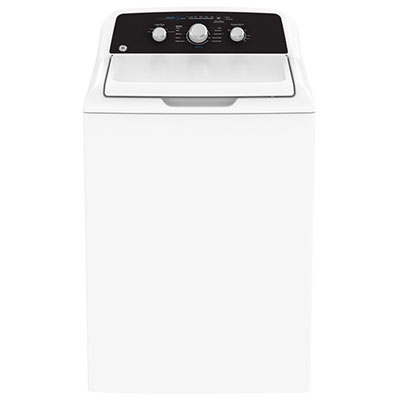
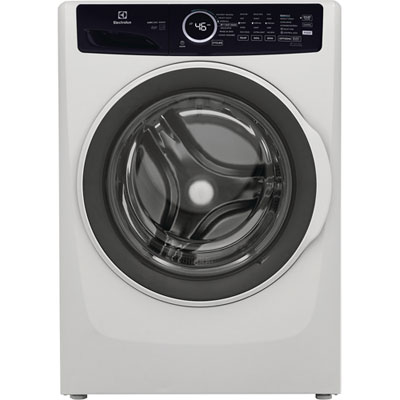
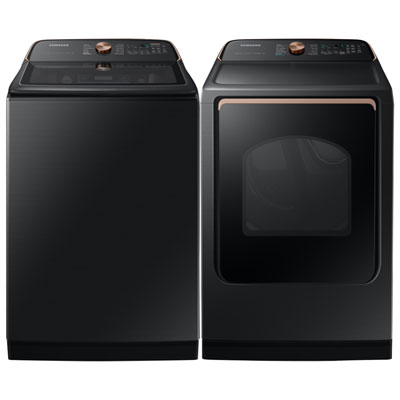
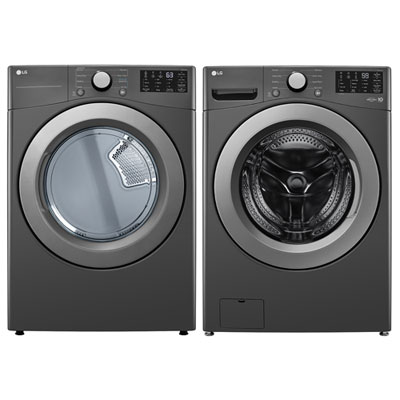
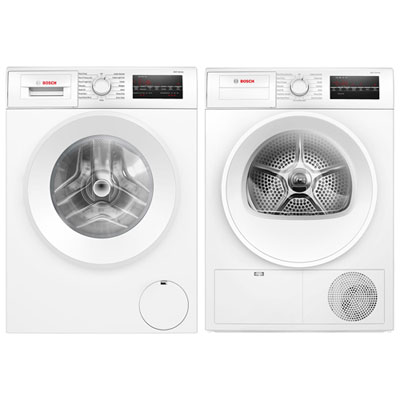
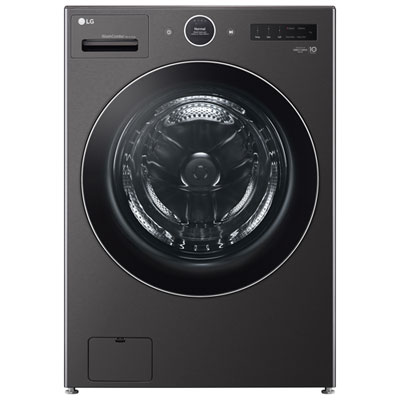
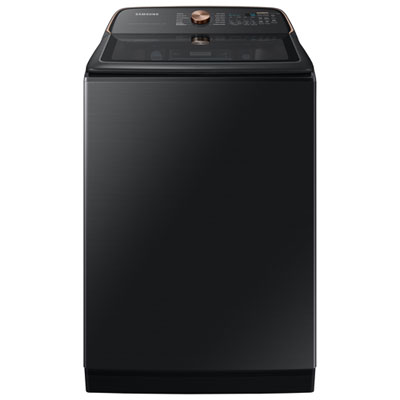
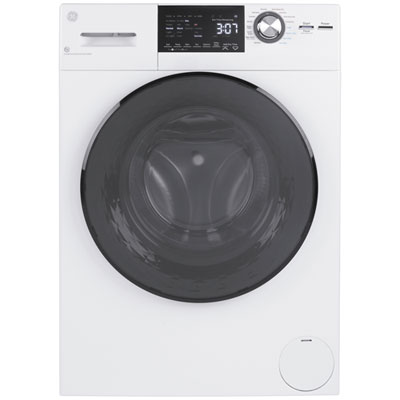
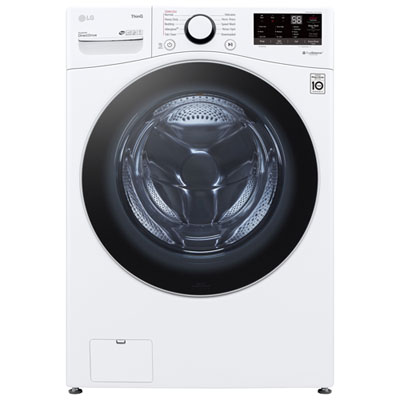
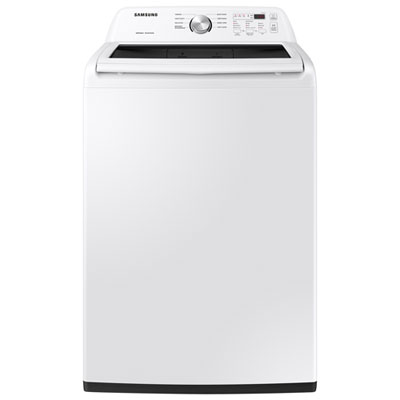
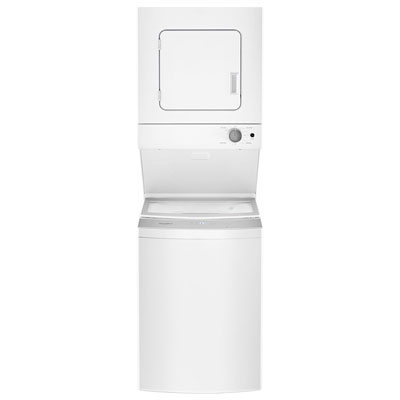
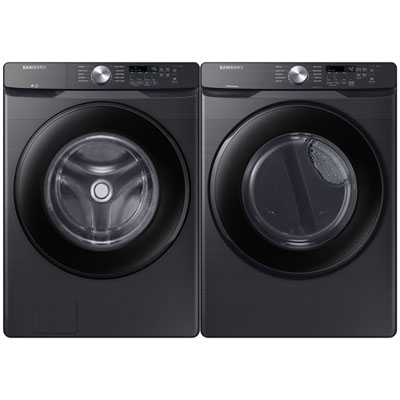
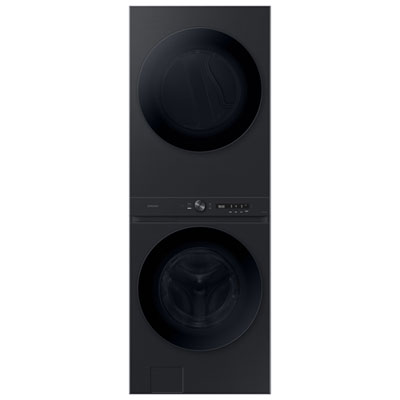
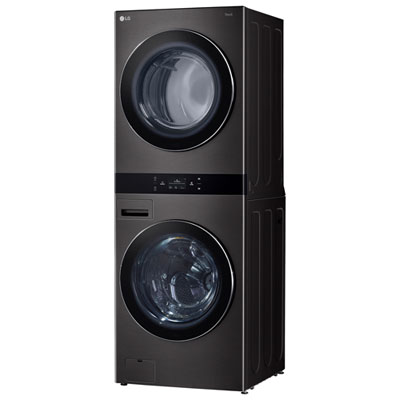

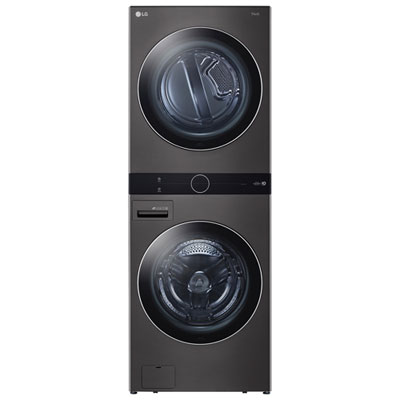
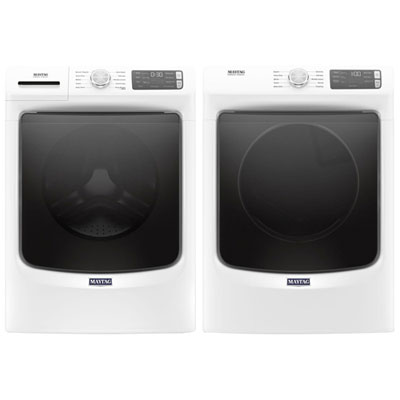
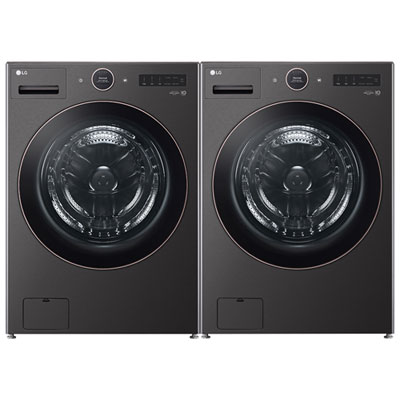
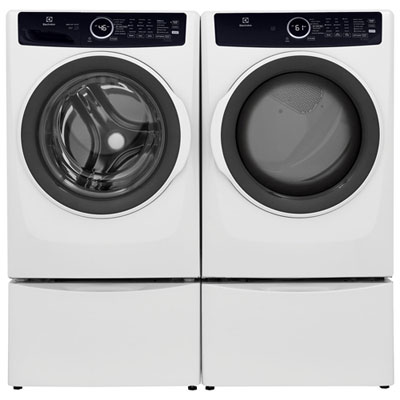
Why washer noise depends on more than the motor
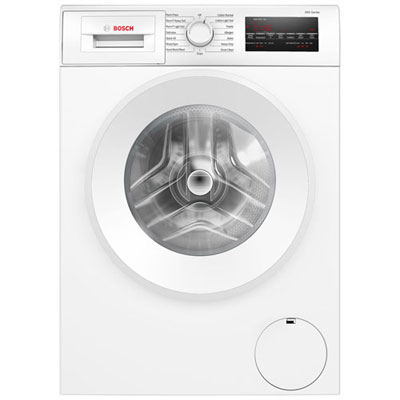
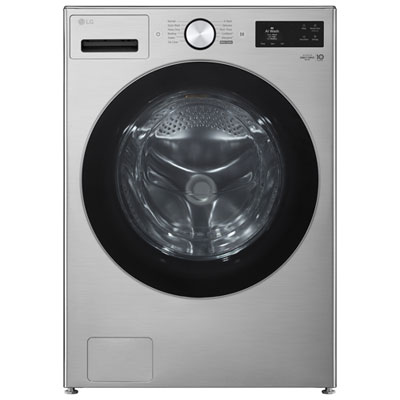
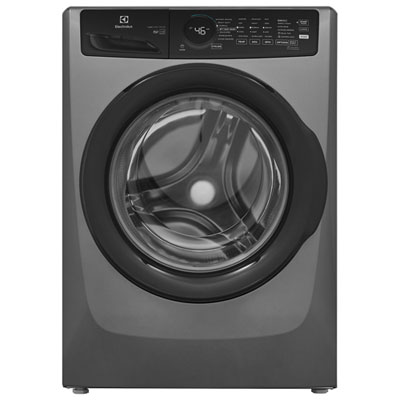
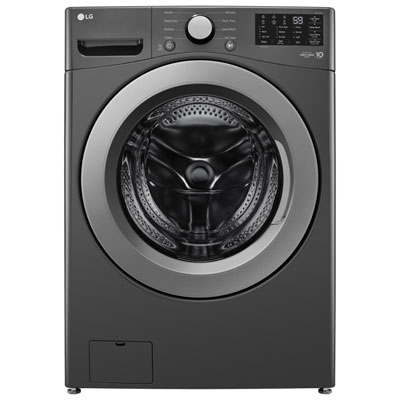
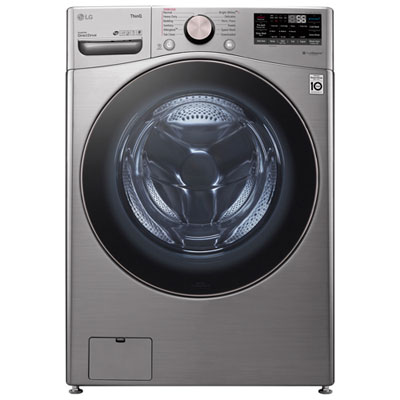
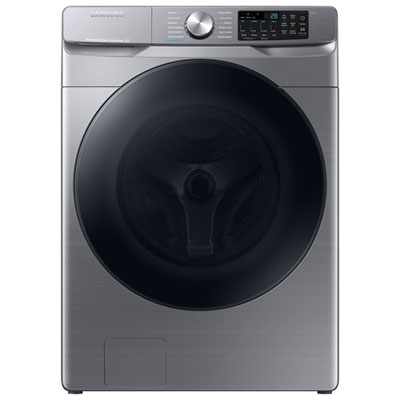
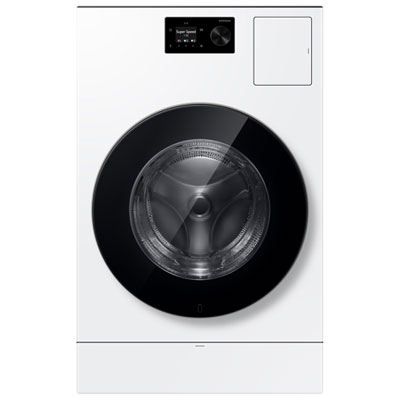
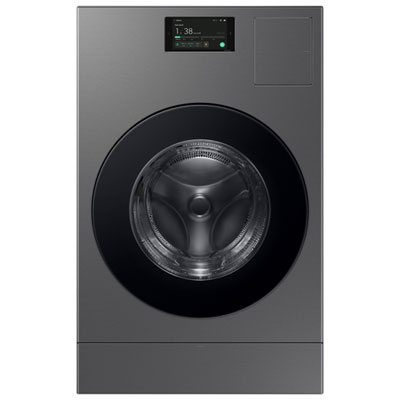
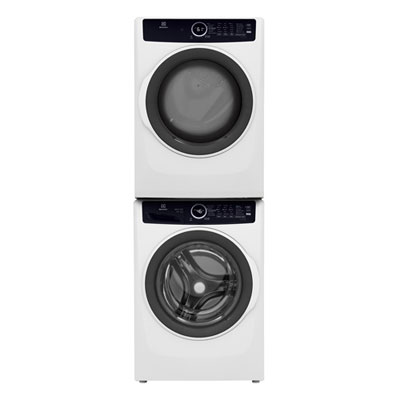
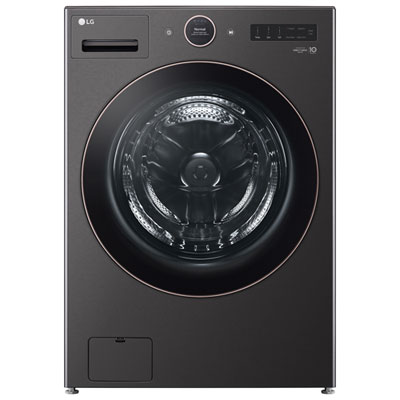
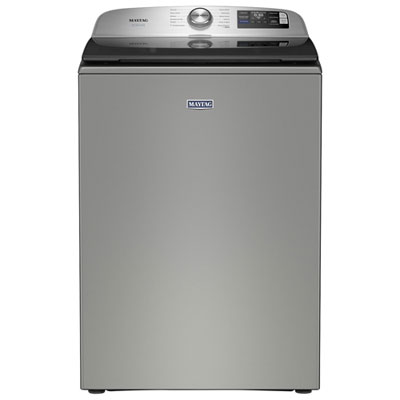
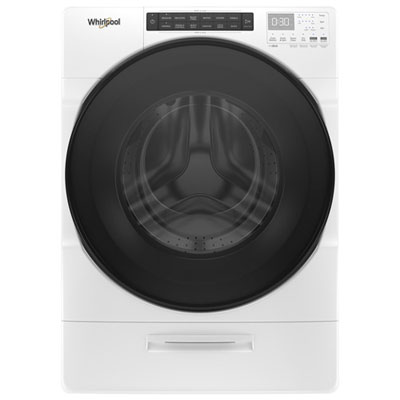
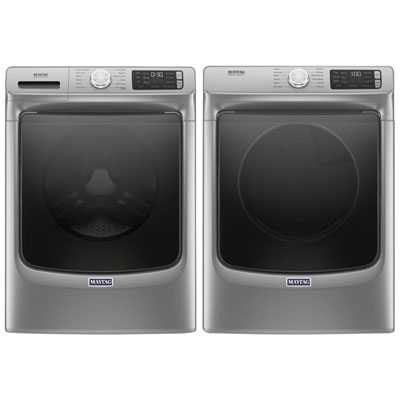
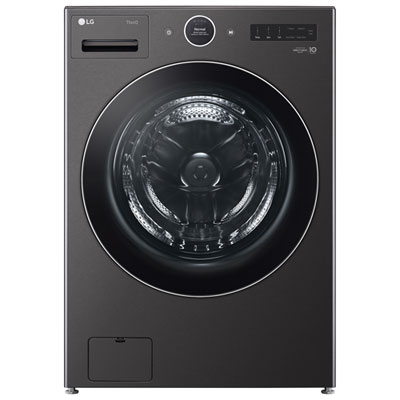
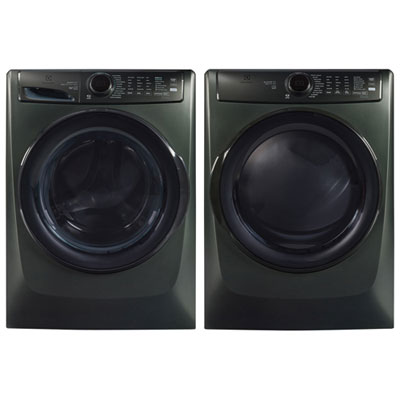
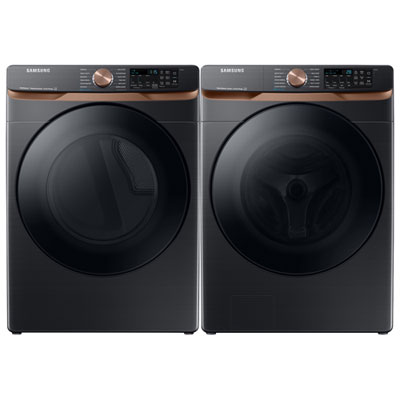
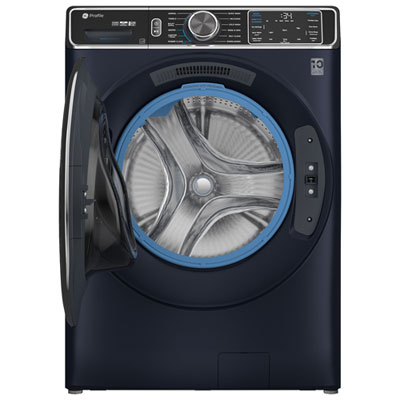
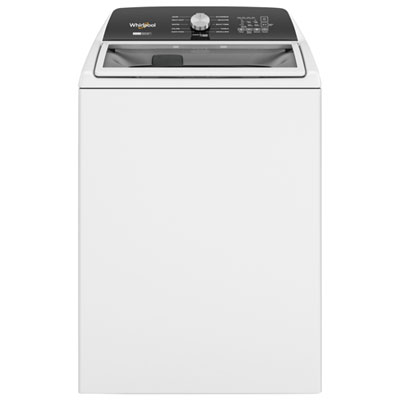
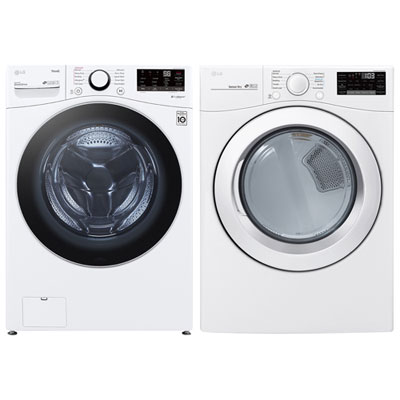
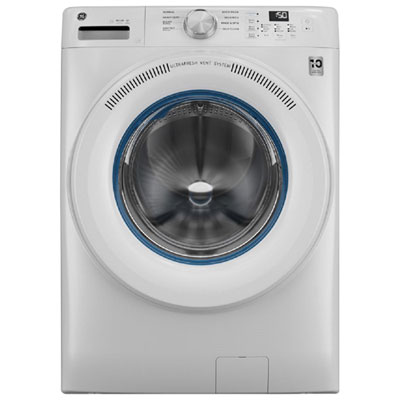
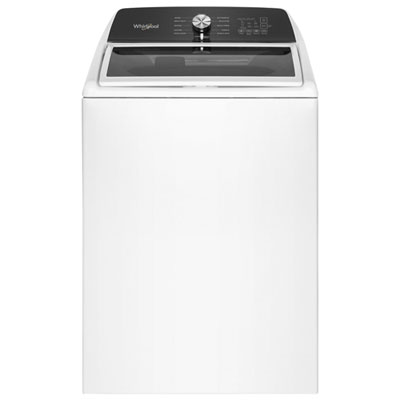
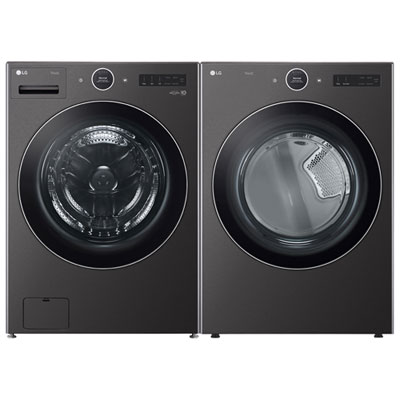
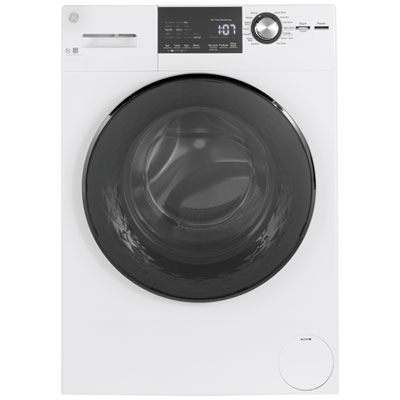
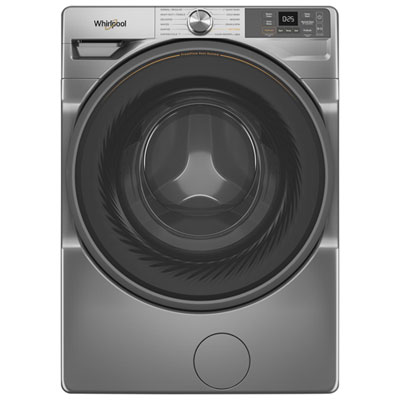
Quiet clothes washers help keep everyday laundry from competing with conversations, television, or a nearby home office. Front-load washing machines are often a strong choice for quieter operation because many combine balanced horizontal drums with suspension systems and vibration-control features that help manage movement during the spin cycle. The design alone does not guarantee a quieter machine, however: motor construction, spin speed, load balance, installation, and the floor beneath the washer all influence what people hear. A softly turning wash cycle can sound quite different from a high-speed spin, when the drum removes water from towels, bedding, and clothing. Filling and draining also produce sound, so a washer described as quiet should not be expected to remain soundless throughout a complete cycle. Where manufacturers provide sound ratings, comparing decibel figures for the same operating stage gives a more useful picture than comparing a wash rating with a spin rating. Figures measured under different conditions may not be directly comparable. For a laundry closet near a bedroom, a machine with well-controlled vibration may matter as much as one with a low stated sound level. In an open-plan home, gentle motor operation and the option to mute end-of-cycle signals can make laundry less distracting during dinner or a video call. Brushless motors, insulated cabinets, and carefully tuned suspension systems are features worth considering, although no single feature tells the whole story. Direct-drive designs can reduce certain sources of mechanical noise, but they are not automatically quieter than every belt-driven alternative. The most useful comparison brings together sound information, vibration management, cycle choices, and the practical demands of the household. A washer used several times a day has different demands placed on it than one handling a few smaller loads each week. The Silent Washing Machines collection provides a related selection to explore with quieter laundry in mind.
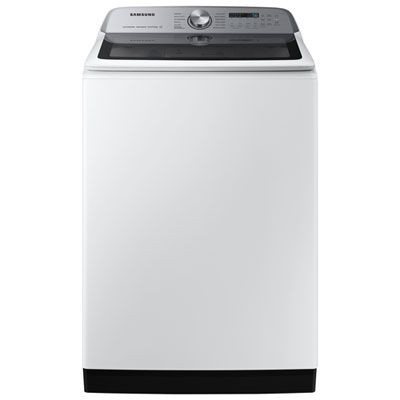
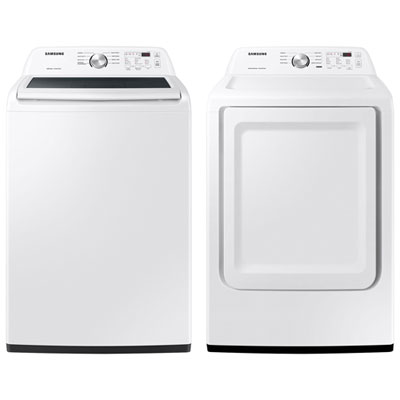
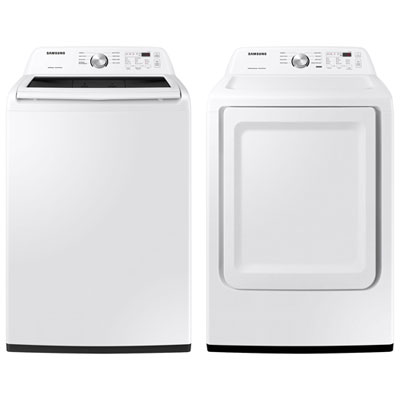
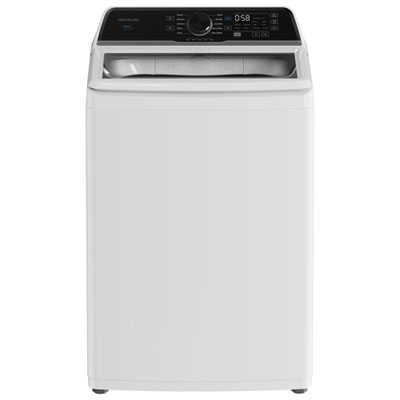
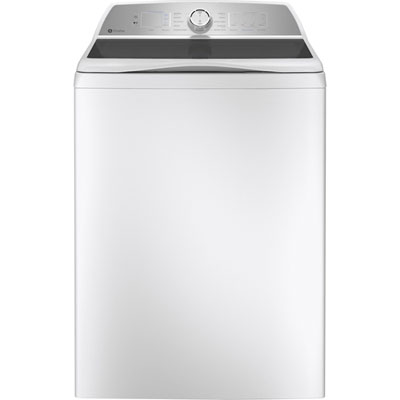
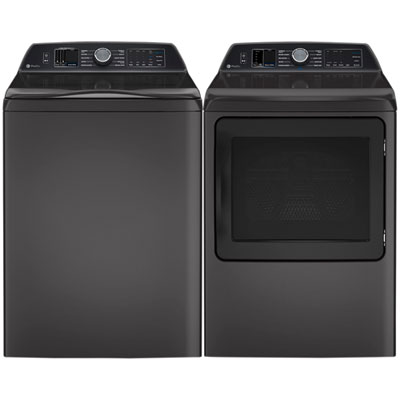
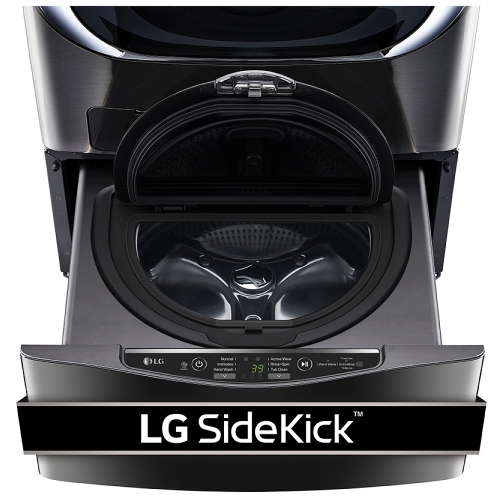
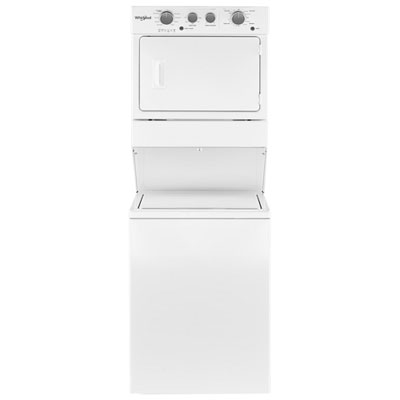
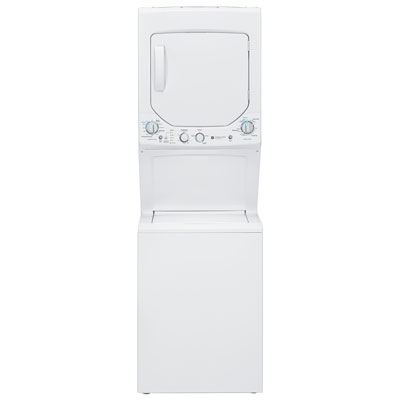
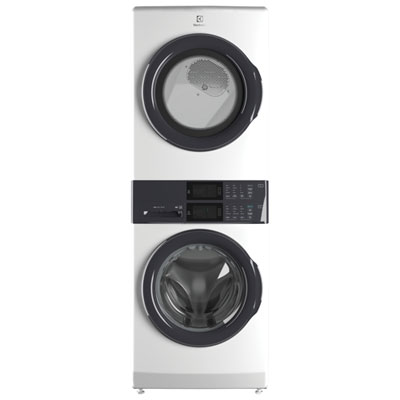
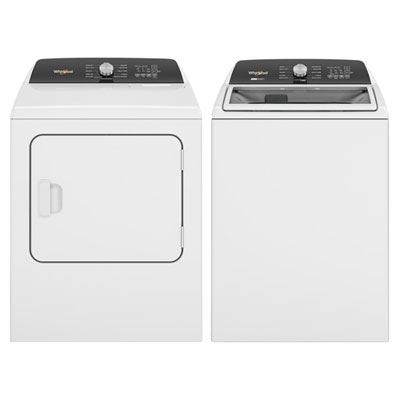
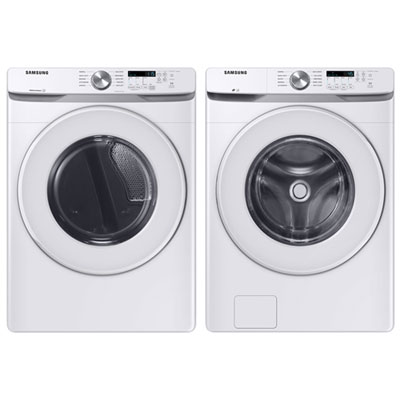
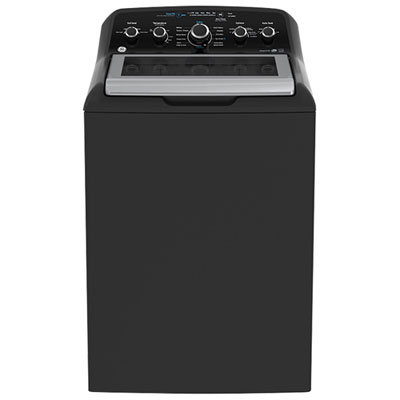
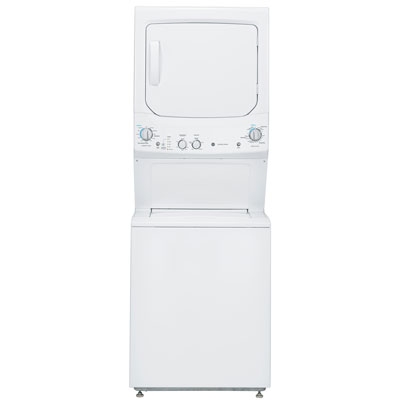
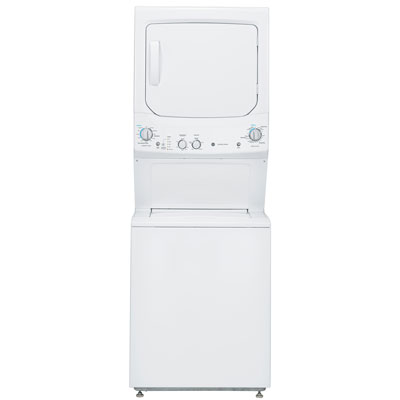
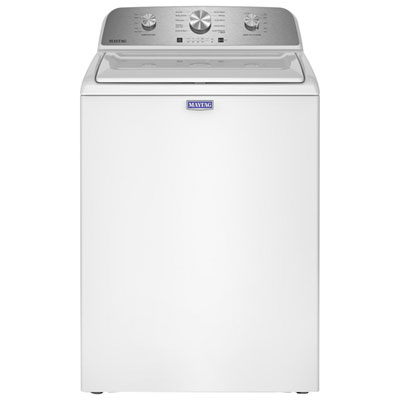
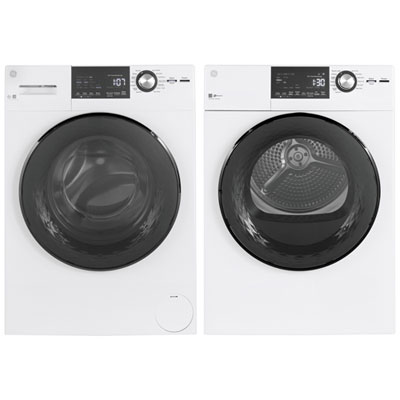
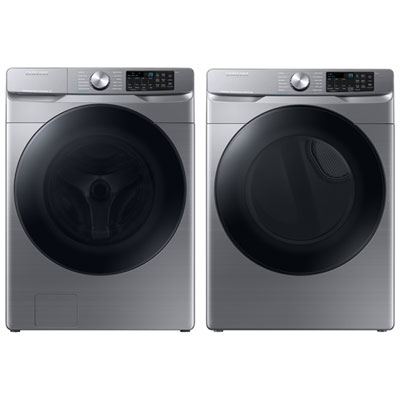
The right capacity and configuration help a quiet washer work comfortably within the space rather than simply fitting through the doorway. A compact machine can suit a smaller household or a dedicated laundry closet, while a larger drum leaves more room for family clothing, bath towels, and bulky washable bedding. Capacity should reflect the loads that actually need washing: a duvet still needs room to move, and a drum packed tightly with wet fabric can make balanced spinning more difficult. Front-load washers offer the possibility of stacking with a compatible dryer when the manufacturer permits it and the correct stacking kit is used. Side-by-side arrangements provide a different working height and may accommodate a counter above the appliances, subject to the required clearances. Top-load washers remain a practical option for people who prefer loading from above, and some include features intended to limit vibration and operating noise. Their lids need enough overhead clearance to open fully, just as a front-load door needs unobstructed space in front. Measurements should account for the cabinet, hoses, connections, door swing, and the delivery path through halls and doorways. Convenient access also matters when transferring a wet sheet or reaching the bottom of the drum. Inside the machine, stainless steel drums are common because they resist corrosion and provide a durable surface for repeated washing. Smooth drum surfaces and suitable cycle settings help care for everyday fabrics, but garment labels remain the best reference for wash requirements. Adjustable spin speeds can be useful for delicate clothing or loads that become unbalanced easily. A lower spin setting may reduce vibration for a particular load, although it can leave fabrics wetter and increase subsequent drying time. Cycles for bedding, mixed clothing, and delicate fabrics add flexibility, while clear controls make those choices easier to use. Features that suit real laundry habits are more valuable than a long list of settings that rarely get selected.
Installation and ongoing care play a substantial role in keeping a washer quiet over time. A machine that performs well on a solid, level floor may transmit more vibration through a flexible upper-storey floor, particularly during a fast spin. Levelling feet need firm contact with the floor, and shipping bolts on machines supplied with them must be removed according to the installation instructions before use. Hoses should not knock against the cabinet or nearby surfaces, and the washer needs the clearances specified by its manufacturer rather than being wedged tightly between cupboards. For stacked arrangements, the approved mounting hardware helps keep the appliances correctly secured; improvised stacking or unsuitable supports can introduce safety and performance problems. Professional installation can be especially useful where access is tight or an existing laundry space needs careful assessment. Everyday loading habits matter, too. One heavy bathmat or a tightly bundled sheet can pull a load off balance, leading to repeated redistribution attempts or a more noticeable spin. Mixing suitable pieces of different sizes and respecting the recommended load limit helps the drum turn more evenly. Detergent should match the machine’s requirements, including high-efficiency detergent where specified, and the amount should follow the detergent and washer instructions. Excess suds can interfere with normal operation and lead to extra rinsing. Routine care includes cleaning detergent residue from the dispenser, checking accessible filters as directed, and wiping the door seal on front-load machines. Keeping coins, hair clips, and other loose objects out of the drum helps prevent rattling and possible damage. Changes in sound deserve attention: a new grinding noise, persistent banging, or movement across the floor should not be treated as an ordinary part of quiet operation. Durable construction, accessible maintenance points, and clear care instructions support dependable everyday use. For households sharing walls, working beside the laundry area, or running loads while someone rests, the best fit combines restrained noise with the capacity, fabric care, and installation requirements that make regular washing straightforward.
Top selling and popular products
-
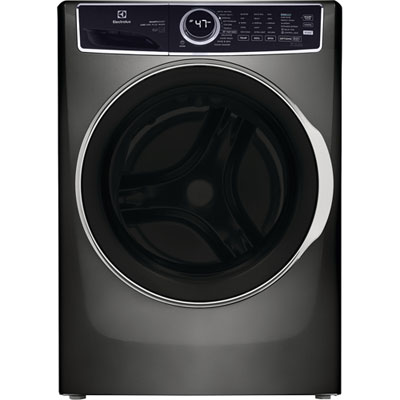 Your price for this item is $1292.99
-
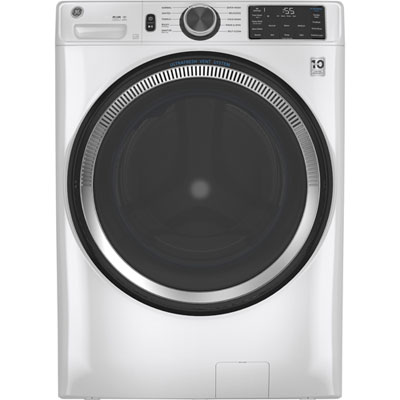 Your price for this item is $999.99
-
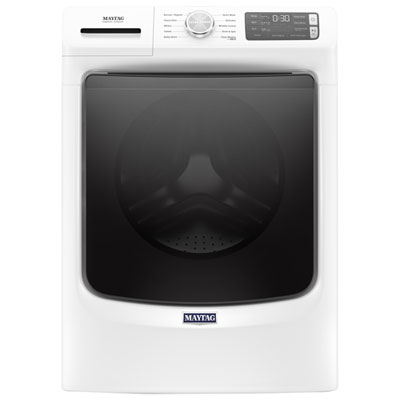 Your price for this item is $1199.99
-
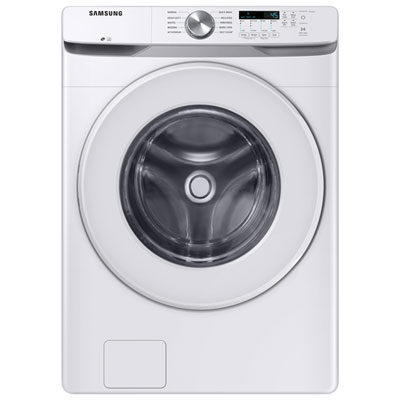 Your price for this item is $949.99
-
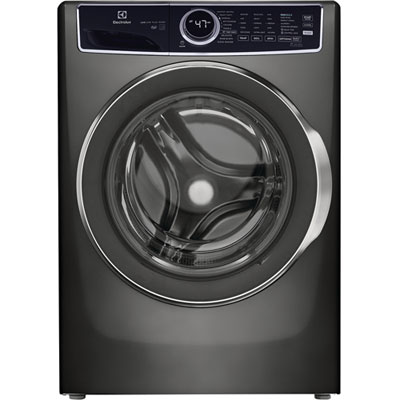 Your price for this item is $1199.99
-
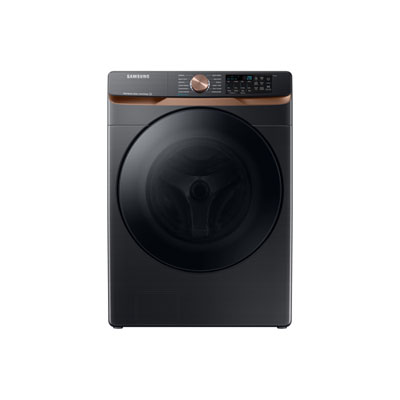 Your price for this item is $1295.99
-
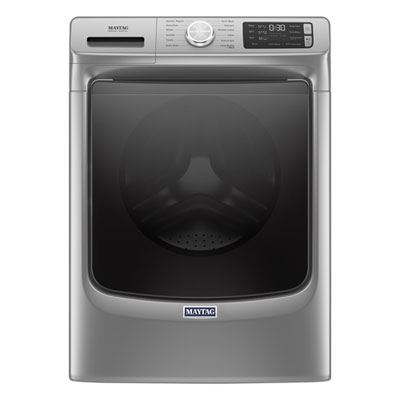 Your price for this item is $1399.99
-
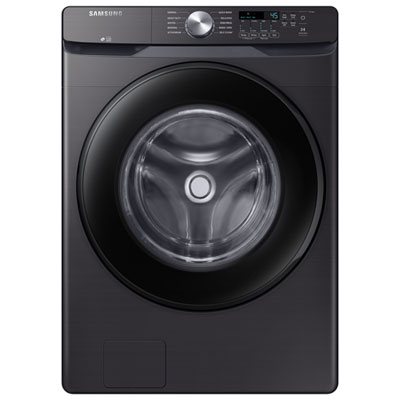 Your price for this item is $995.99
Discover more categories related to Quiet Clothes Washers

Top Collections:
Best Black Friday Deals This Year, Best Black Friday Deals On Electronics, Kindle Devices, Pokemon Centers, Best Black Friday Deals On Apple Products, Best Cameras for Sports Photography, Dyson Airwrap, Pokémon 30th Celebration Cards, Apple iPhone 17 Pro, Canon G7X Cameras
Some products may be subject to Environmental Handling Fees
(EHF) depending on your province.
Learn more about EHFs.