Small Double Ovens
Small Double Oven options offer a convenient way to elevate your cooking experience in kitchens of any size. Perfect for preparing multiple dishes at once, these compact appliances are designed to fit seamlessly into various spaces while providing added flexibility for busy households. Whether you're baking, roasting, or simply reheating, a Small Double Oven brings versatility and efficiency to your daily routine. Explore models that cater to your culinary needs and discover how easy it is to create delicious meals with the right appliance.
Sort
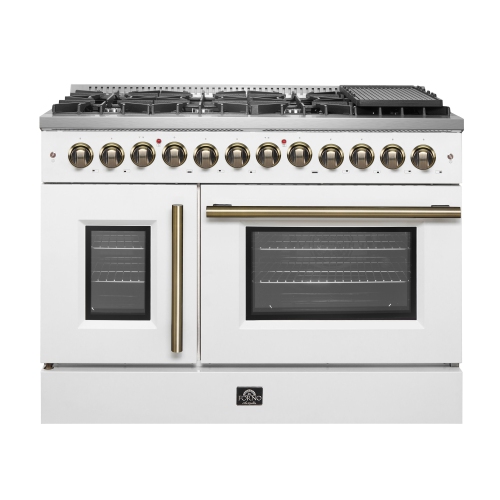
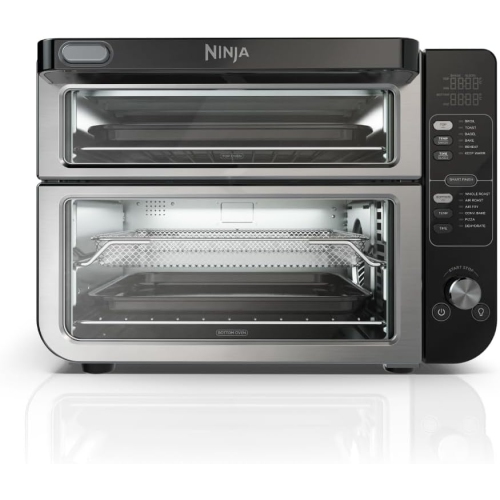
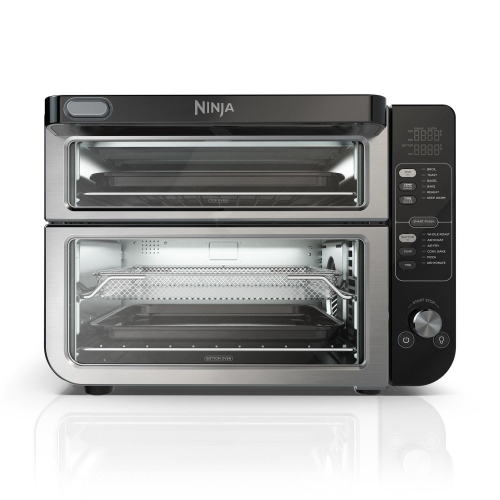
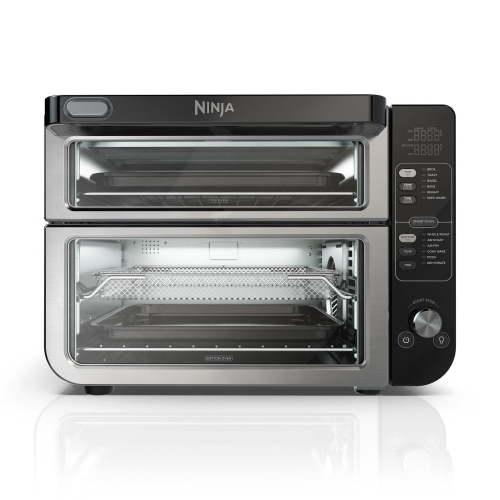

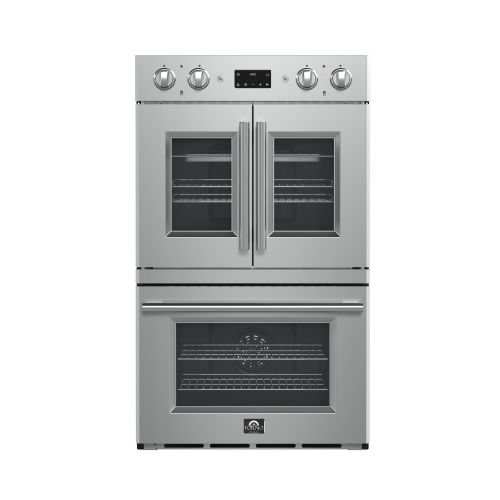

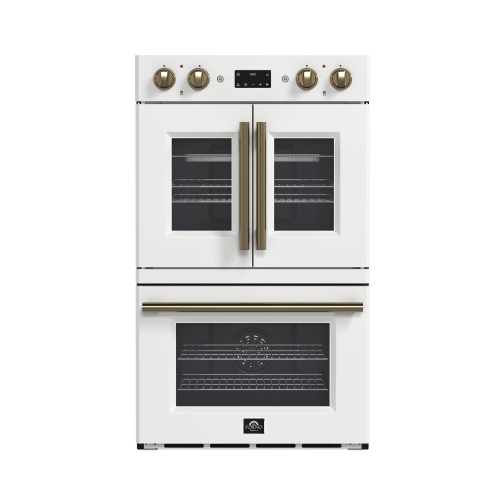
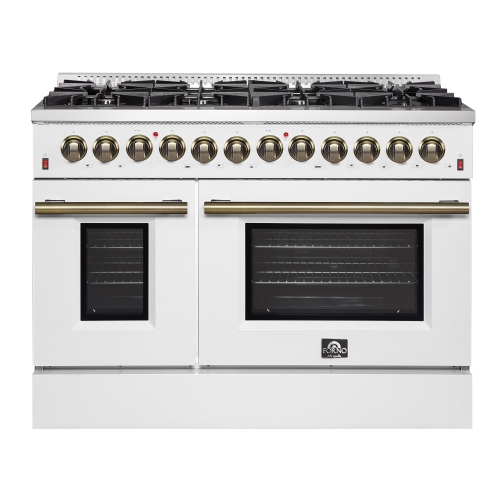
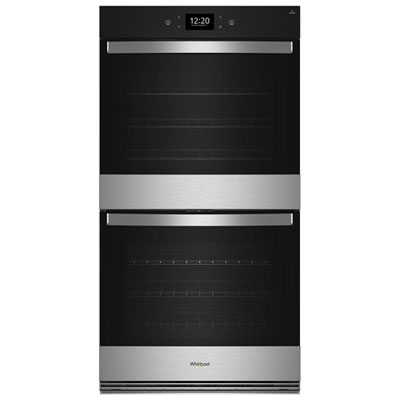
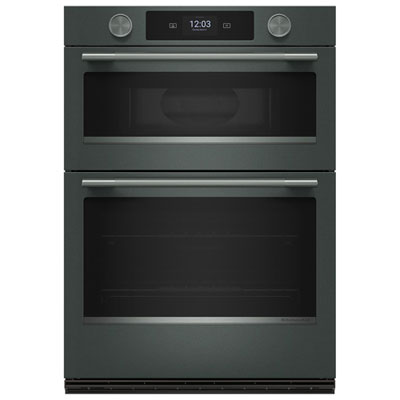
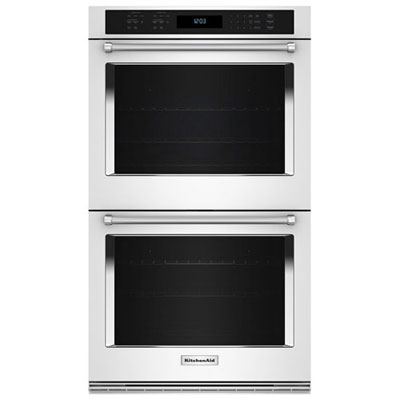
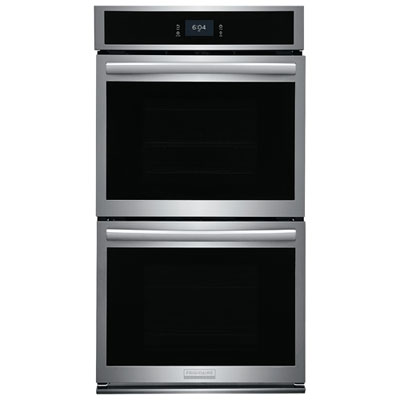
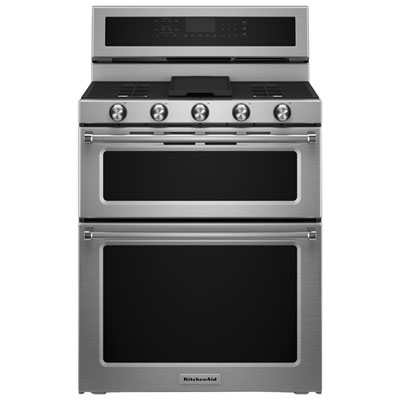
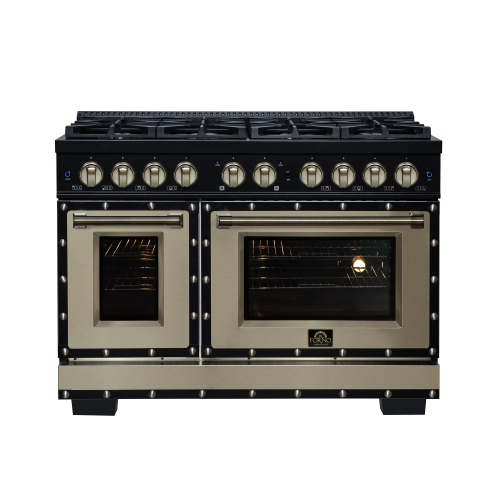
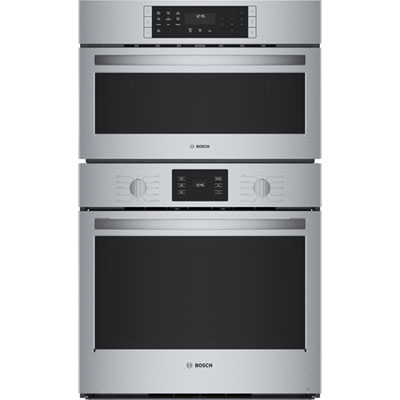
Two cooking spaces for dishes at different temperatures
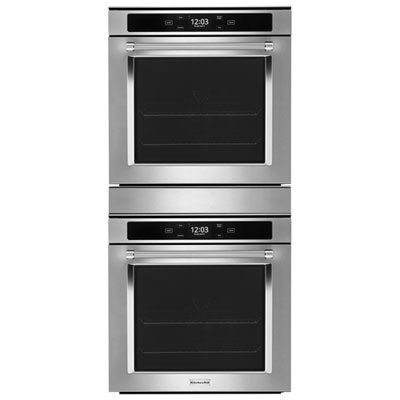
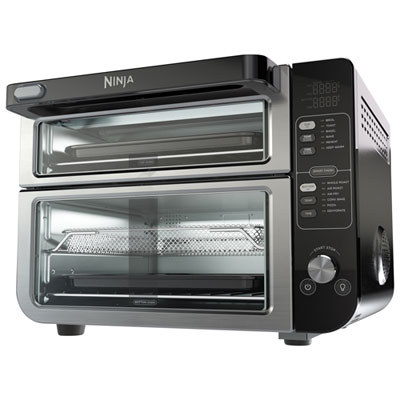
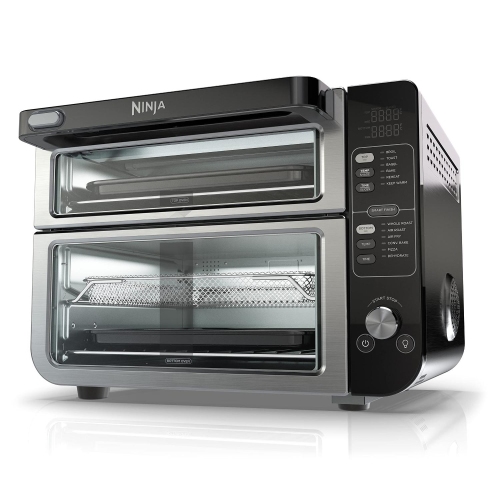
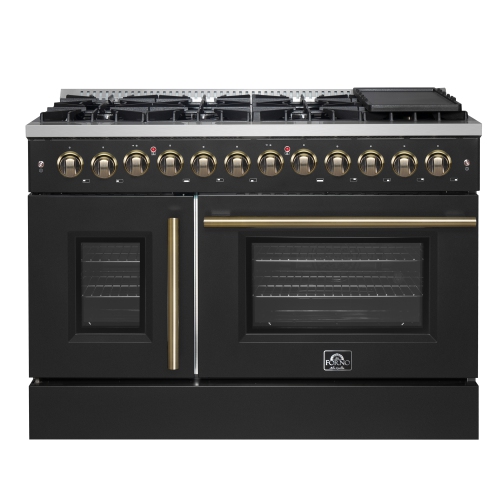
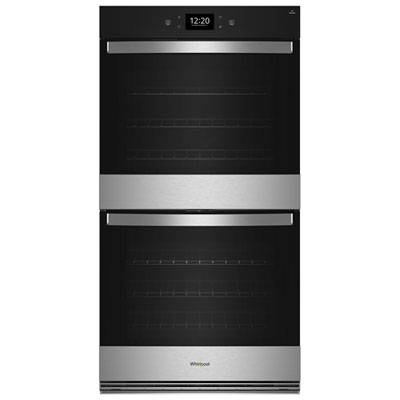
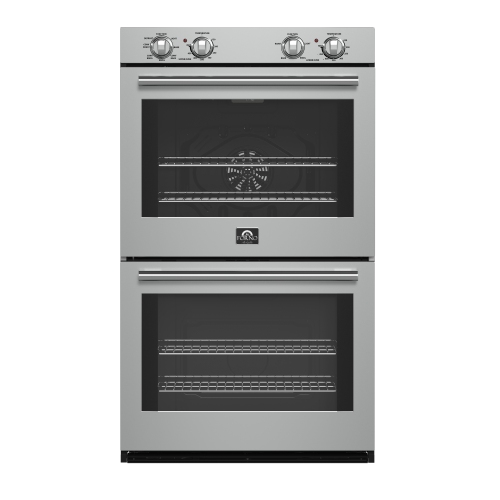
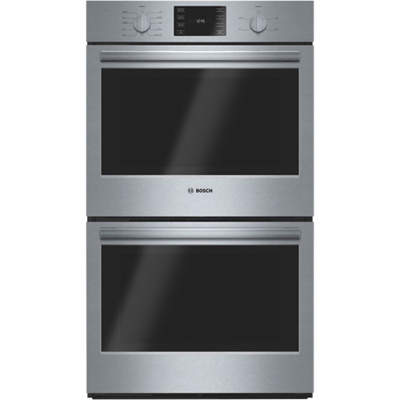
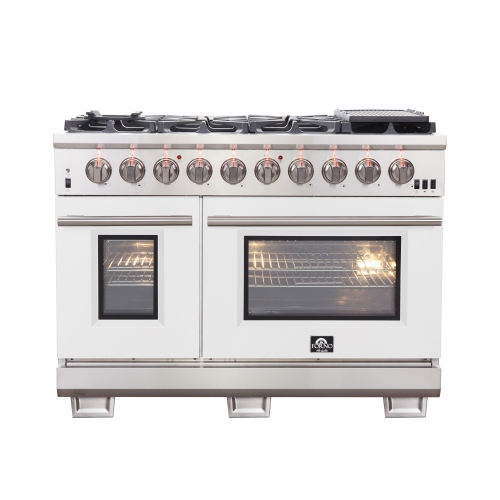
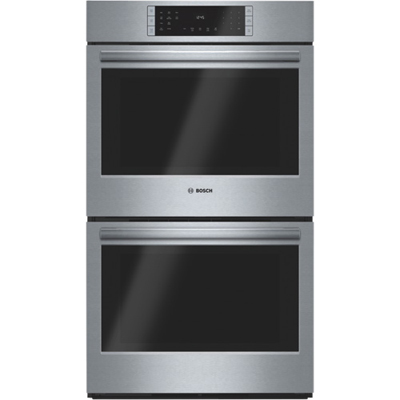
Small double ovens bring two cooking spaces into one appliance, making it possible to prepare foods at different temperatures without relying on a single oven cavity. The category can include countertop appliances with separate cooking chambers, compact built-in double wall ovens, and double-oven ranges that pair a smaller upper oven with a larger lower one. These configurations serve different kitchens, so “small” may describe the appliance’s overall dimensions, the size of an individual cavity, or both. A countertop design can suit a kitchen without room for another built-in appliance, while a double wall oven offers a more permanent arrangement within cabinetry. A double-oven range combines stovetop cooking with two oven spaces, although its exterior width may be the same as that of a conventional range. The practical benefit is flexibility: a vegetable gratin can cook in one cavity while fish bakes at a lower temperature in the other, or a main course can stay separate from a batch of cookies. Where independent controls are provided, each cavity can follow its own cooking settings, but the available combinations of temperature, mode and timer depend on the design. Smaller households may find a compact cavity convenient for everyday portions, while families can use two spaces to accommodate different meal preferences or overlapping schedules. Capacity deserves a closer look than a combined volume figure alone can provide. Two modest cavities do not necessarily accommodate the same cookware as one large oven, particularly when a dish needs extra height. Interior width, depth, rack positions and clearance above the food determine whether a roasting pan, covered casserole or baking sheet will fit comfortably. A familiar dish is a useful reference point: space for its handles and lid matters just as much as the dimensions of its base. For anyone who regularly cooks with tall Dutch ovens or large roasting pans, the dimensions of the larger cavity may matter more than the total capacity of both ovens together.
The right fit also depends on how the appliance occupies the kitchen when it is in use, not simply where it sits with its doors closed. Countertop double ovens need a level, heat-resistant surface and the clearances specified by the manufacturer, including sufficient open space around vents. They are not substitutes for built-in ovens inside an enclosed cabinet unless expressly designed and approved for that installation. Their doors, trays and handles can extend beyond the appliance body, so usable counter depth and nearby movement space both matter. Built-in double ovens require a matching cabinet cutout, adequate support and an appropriate electrical connection; the appliance’s advertised width is not a complete installation measurement. Cabinet height is especially important with stacked cavities, and oven placement affects how comfortably hot dishes can be lifted out. A lower cavity close to the floor may require more bending, while an upper cavity positioned too high can make a heavy casserole awkward to handle. Double-oven ranges introduce additional considerations, including the location of electrical or gas connections, required ventilation and installation of the specified anti-tip hardware. Qualified installation helps ensure that the appliance’s requirements are met. Surrounding drawers, cabinet pulls and kitchen islands also need enough clearance for the oven doors to open fully. Beyond dimensions, exterior materials influence both appearance and upkeep. Stainless steel can coordinate with other major appliances, while painted or coated finishes provide a different visual effect. Black Double Ovens can provide contrast against pale cabinetry or blend with darker cabinet fronts and hardware. Finish names alone do not establish resistance to fingerprints or scratches, so care requirements remain important. Door handles should feel secure, racks should sit firmly in their supports, and controls should be easy to read from a normal standing position. These details contribute to a comfortable kitchen routine long after the appliance has been installed.
Cooking features are most useful when they match the meals being prepared. Convection uses a fan to circulate heated air and can support more even results, but its presence in one cavity does not mean it is included in both. Bake, broil, toast, air fry and keep-warm functions also vary by appliance type and design. A compact countertop double oven may combine several of these functions, whereas a built-in design may concentrate on conventional baking and roasting. Separate displays, clear cavity indicators and independently adjustable timers can make it easier to follow two dishes at once. This matters when one tray needs attention after a few minutes while a casserole continues cooking undisturbed. Good interior lighting and clear door windows help with checking browning without repeatedly opening the oven, although visibility depends on the size and placement of the windows. Rack flexibility is equally practical: a shallow tray needs a different arrangement from a covered pot, and enough room around cookware allows heated air to circulate as intended. Everyday care helps preserve that performance. Smooth enamel interiors, removable racks and accessible crumb or drip trays can make cleanup more manageable, depending on the appliance. Spills are generally easier to address once the oven has cooled and before residue is repeatedly baked onto the surface. Abrasive pads, harsh chemicals and foil placed on an oven floor can damage some finishes or interfere with heating, so cleaning methods should follow the manufacturer’s directions. Self-cleaning, steam-cleaning and manual-cleaning interiors have different requirements, including whether racks must be removed. Door seals, hinges and ventilation openings also deserve attention, since damage or blockages can affect operation. With suitable dimensions, practical controls and room for the cookware used most often, small double ovens can make everyday meals and cooking for guests easier to coordinate without requiring every dish to share the same cooking space.
Top selling and popular products
-
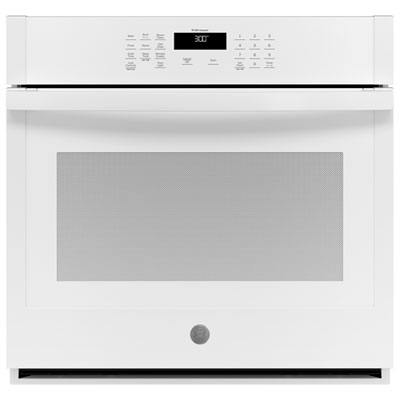 Your price for this item is $2369.99
-
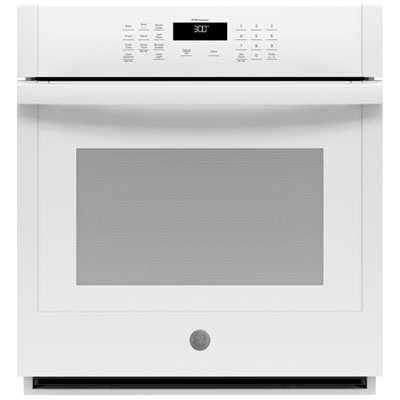 Your price for this item is $2249.99
-
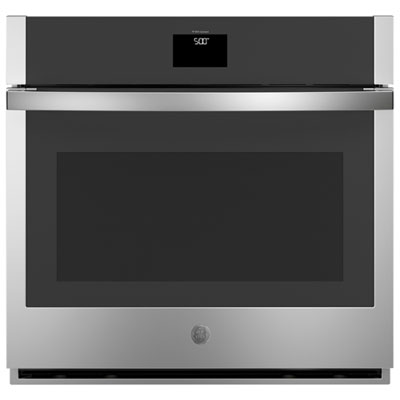 Your price for this item is $2369.99
-
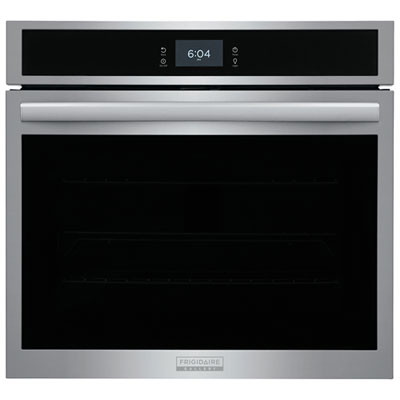 Your price for this item is $2199.99
-
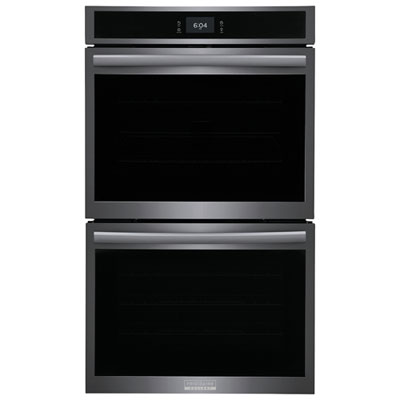 Your price for this item is $3699.99
-
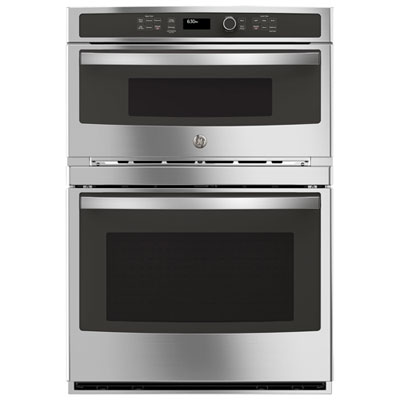 Your price for this item is $3749.99
-
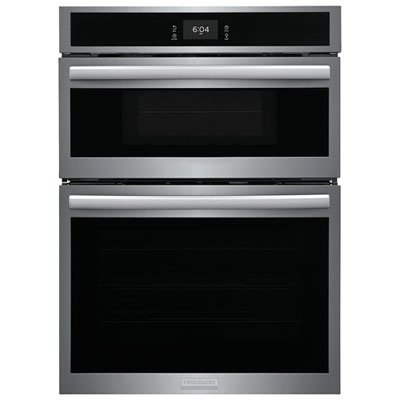 Your price for this item is $3699.99
-
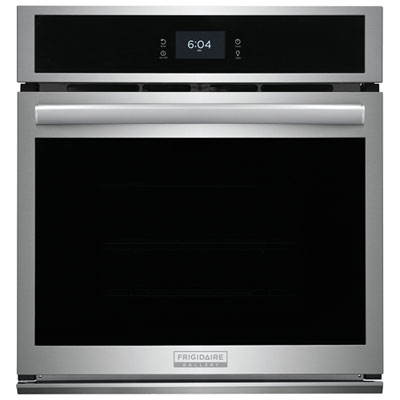 Your price for this item is $2199.99
Discover more categories related to Small Double Ovens
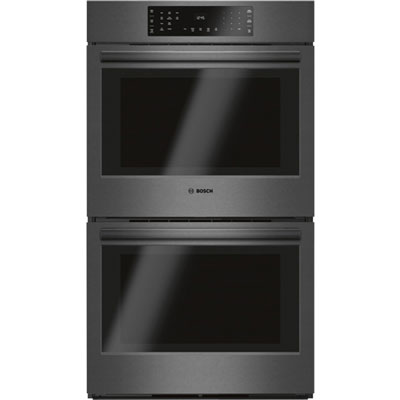
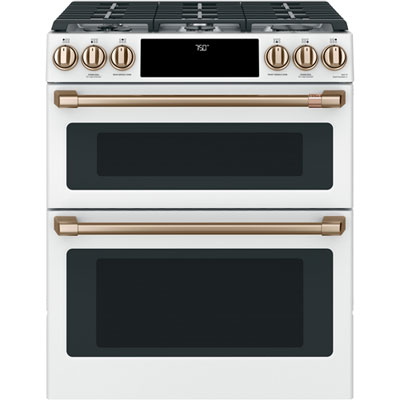
Top Collections:
Best Black Friday Deals This Year, Best Black Friday Deals On Electronics, Kindle Devices, Pokemon Centers, Best Black Friday Deals On Apple Products, Best Cameras for Sports Photography, Dyson Airwrap, Pokémon 30th Celebration Cards, Apple iPhone 17 Pro, Canon G7X Cameras
Some products may be subject to Environmental Handling Fees
(EHF) depending on your province.
Learn more about EHFs.