Small Meat Freezers
A small meat freezer is a great option for people who want to preserve the meat they have on hand but don't have a lot of space to store it. These meat freezers can be used for all kinds of things, from storing extra meat to keeping cooked meals cold. If your space is small, these small meat freezers are perfect for you.
Sort
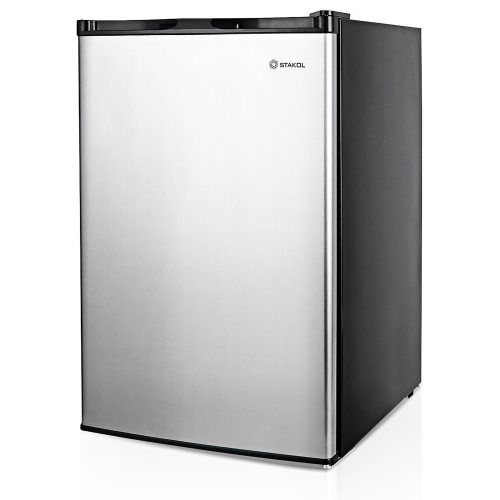
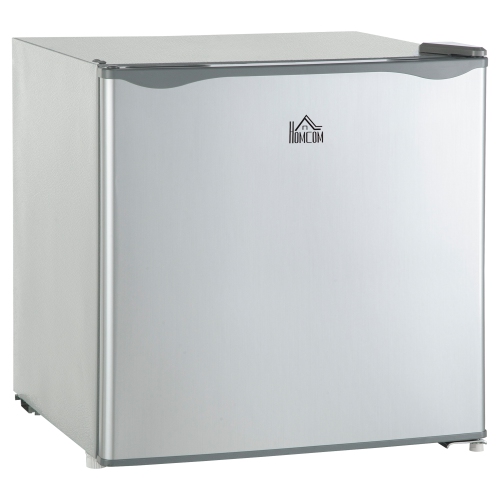
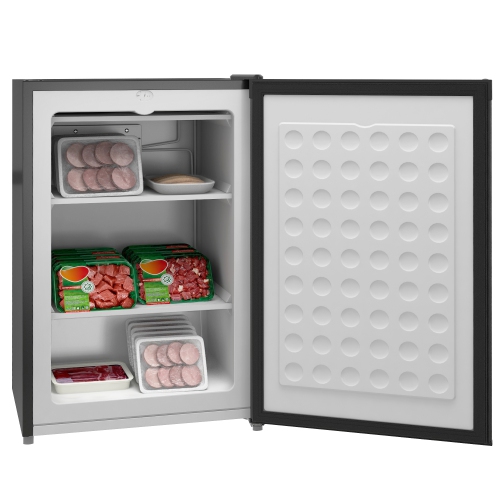
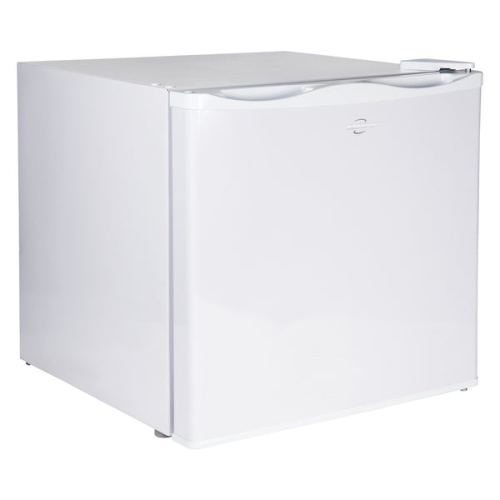
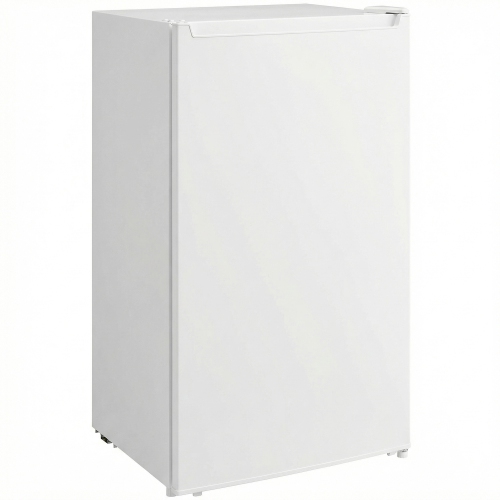
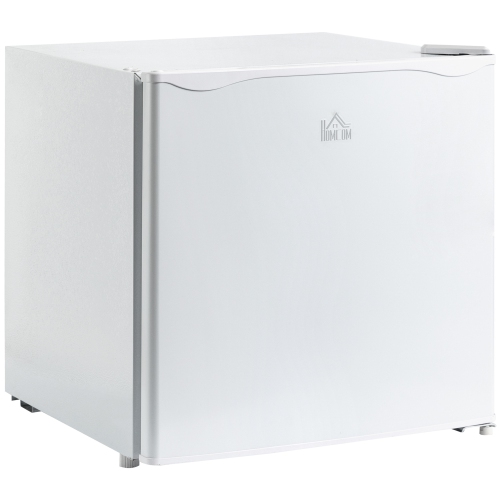
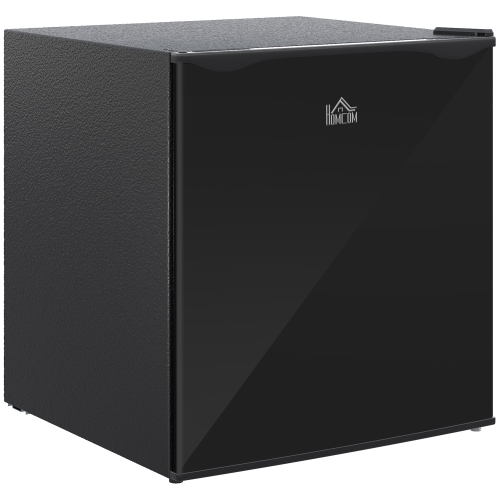
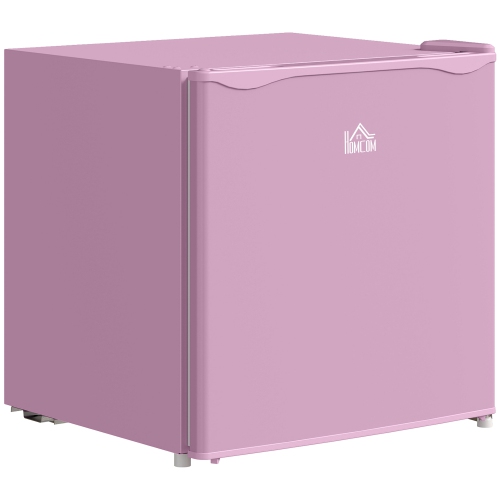
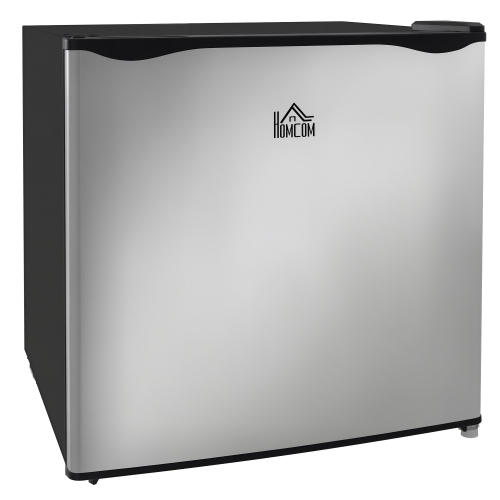
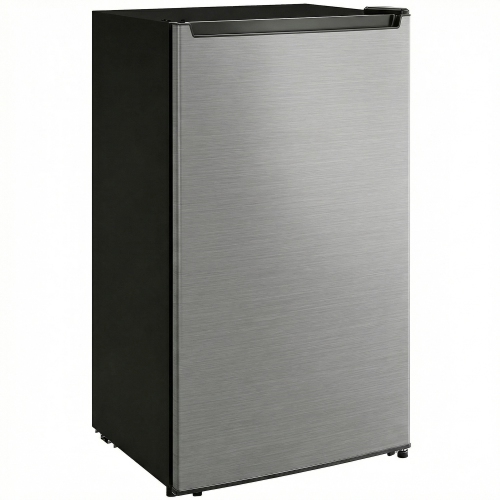
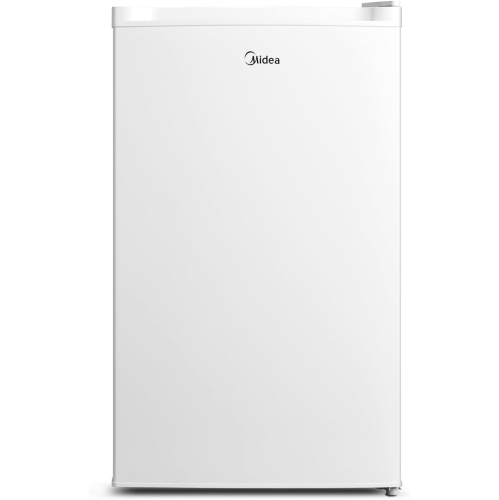
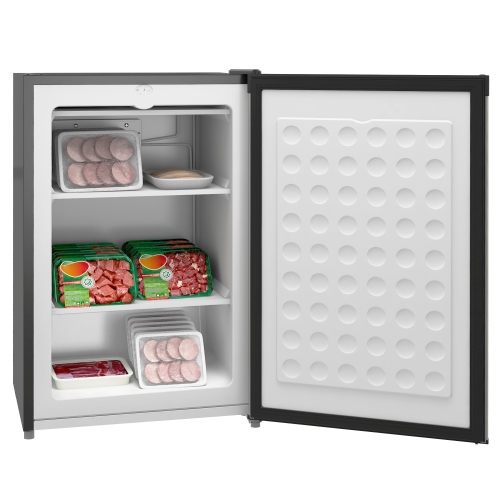
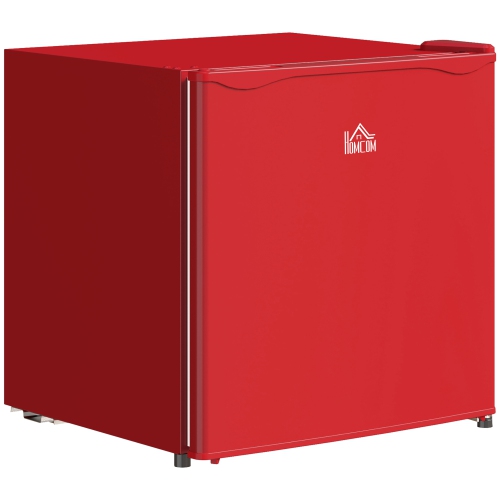

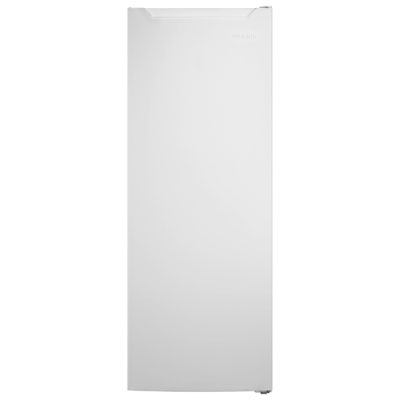
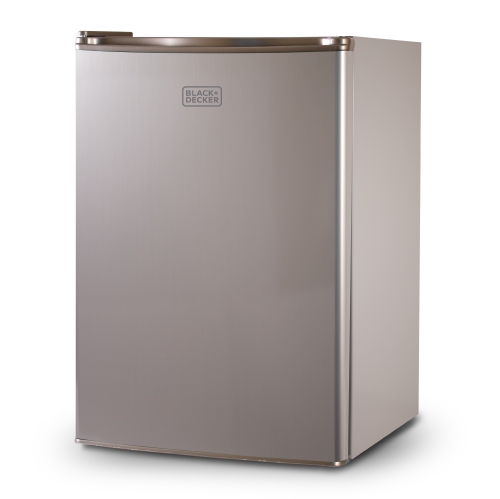
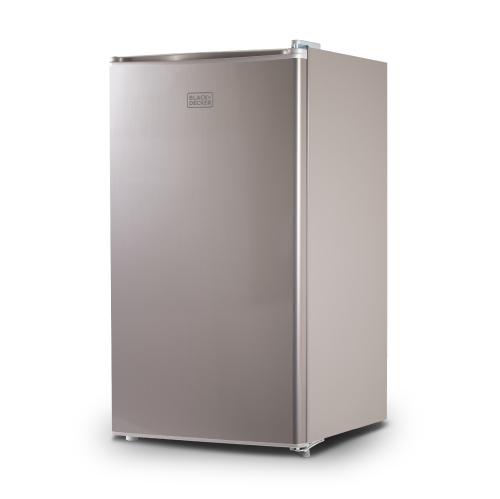

How compact freezers simplify bulk meat storage at home
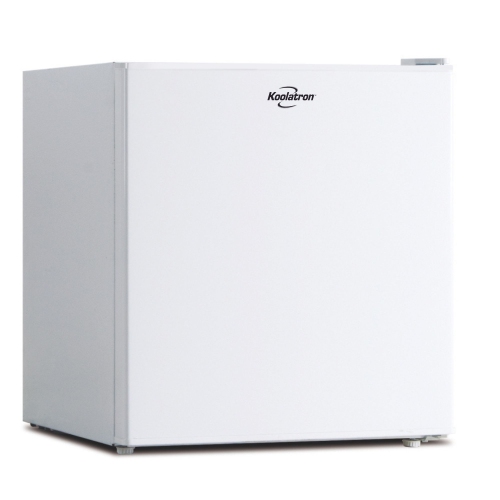
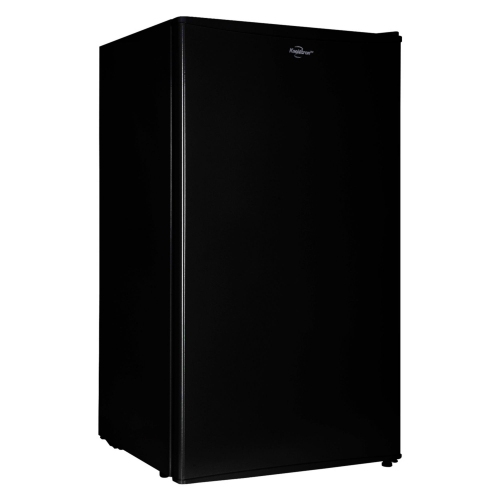
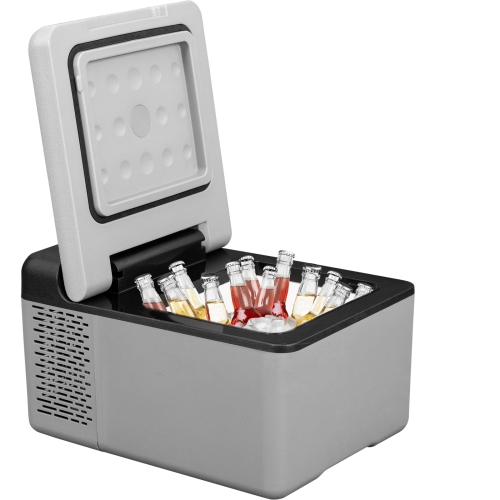
Small meat freezers provide a practical way to keep additional frozen food on hand without giving up an entire room or filling every shelf in the kitchen freezer. For many households, a compact capacity between 3.5 and 5.0 cubic feet offers a useful balance: there is room for several family-sized packages, bulk purchases, prepared meals, or a selection of meat from a local butcher, while the appliance remains manageable for a basement, pantry, utility room, apartment, cottage, or garage. Capacity is best judged by the type of packaging you plan to store rather than by the number of packages alone. Flat vacuum-sealed portions can be arranged efficiently, while boxed items, large roasts, whole poultry, and irregular cuts take up more space. A small freezer can also help separate meat from everyday frozen foods, making it easier to keep a clear inventory and avoid moving bags around every time you need dinner. When comparing options, measure the available floor area, doorway, stairway, and clearance around the appliance, then check the listed exterior dimensions carefully. Leave enough room for the door or lid to open fully and for air to circulate as recommended by the manufacturer. A compact freezer can be especially useful during the warmer part of the year when outdoor cooking and gatherings lead to more purchases, and it remains just as convenient during the cooler months when hearty meals, batch cooking, and larger grocery trips become part of the routine. For a broader selection of dedicated storage options, browse Freezers for Meat Storage.
The main choice for small meat freezers is usually between a chest freezer and an upright freezer. Chest models open from the top and often make very efficient use of their footprint, with a deep interior that can hold a surprising amount of meat in a relatively compact space. Many include a removable or hanging wire basket for smaller items, such as ground meat, sausages, burger patties, or packages intended for the next few meals. A front-access defrost drain can make periodic maintenance less awkward, while a flat back may help the freezer sit neatly against a wall. The trade-off is that items at the bottom can be harder to reach, particularly when the freezer is packed tightly. Using labelled bins or grouping food by type can help; one bin for poultry, another for beef, and a separate section for ready-to-cook portions makes the contents feel less like a buried treasure hunt. Upright freezers have a familiar cabinet-style layout with shelves, racks, and a front-opening door, so it is generally easier to see each cut and remove one package without disturbing everything else. Adjustable shelves can accommodate taller containers or larger packages, and a reversible door may be useful when the room layout is tight. An upright design often suits someone who cooks from frozen ingredients several times a week, while a chest model can be a good fit for storing larger quantities that will be accessed less frequently. Door storage, removable shelves, interior lighting, and a temperature control with several settings are all useful details to compare. A glass door can improve visibility in certain settings, although the most important consideration remains dependable temperature control and an interior arrangement that matches the food you store.
Before choosing among small meat freezers, consider where the appliance will operate and how you will manage it day to day. A freezer placed in a heated indoor room usually has a more predictable operating environment, while a garage, shed, or other outbuilding can expose it to wider temperature changes. Check the manufacturer’s guidance for the intended installation location and operating range, especially if the freezer will be used where temperatures become very cold or very hot. A clearly visible thermostat or adjustable temperature control makes it easier to maintain consistent storage conditions, and a power-on indicator can provide a quick visual check. Look for a sturdy gasket that creates a firm seal around the door or lid; a loose seal can allow cold air to escape and may contribute to frost accumulation. Manual-defrost models may offer a straightforward design, but they require occasional emptying and thawing, so plan where the contents will go during maintenance. Interior baskets and shelves are helpful for rotation, as older packages can be kept near the front and newer purchases placed behind them. Labeling each package with the cut, quantity, and date helps reduce guesswork, particularly when frost makes similar-looking packages difficult to distinguish. For a household that buys meat in bulk, shares freezer space with a roommate, prepares meals for an active family, or keeps extra food at a cottage, a compact freezer can make storage feel calmer and more orderly. It can also be a thoughtful practical gift for someone moving into a first home, setting up a hunting or fishing cabin, or learning to plan meals around bulk groceries, provided there is a suitable location and access to a compatible electrical outlet. Proper portioning, tight packaging, sensible organization, and regular checks of the door or lid can help make the most of the available space while keeping everyday meal preparation simple.
The main choice for small meat freezers is usually between a chest freezer and an upright freezer. Chest models open from the top and often make very efficient use of their footprint, with a deep interior that can hold a surprising amount of meat in a relatively compact space. Many include a removable or hanging wire basket for smaller items, such as ground meat, sausages, burger patties, or packages intended for the next few meals. A front-access defrost drain can make periodic maintenance less awkward, while a flat back may help the freezer sit neatly against a wall. The trade-off is that items at the bottom can be harder to reach, particularly when the freezer is packed tightly. Using labelled bins or grouping food by type can help; one bin for poultry, another for beef, and a separate section for ready-to-cook portions makes the contents feel less like a buried treasure hunt. Upright freezers have a familiar cabinet-style layout with shelves, racks, and a front-opening door, so it is generally easier to see each cut and remove one package without disturbing everything else. Adjustable shelves can accommodate taller containers or larger packages, and a reversible door may be useful when the room layout is tight. An upright design often suits someone who cooks from frozen ingredients several times a week, while a chest model can be a good fit for storing larger quantities that will be accessed less frequently. Door storage, removable shelves, interior lighting, and a temperature control with several settings are all useful details to compare. A glass door can improve visibility in certain settings, although the most important consideration remains dependable temperature control and an interior arrangement that matches the food you store.
Before choosing among small meat freezers, consider where the appliance will operate and how you will manage it day to day. A freezer placed in a heated indoor room usually has a more predictable operating environment, while a garage, shed, or other outbuilding can expose it to wider temperature changes. Check the manufacturer’s guidance for the intended installation location and operating range, especially if the freezer will be used where temperatures become very cold or very hot. A clearly visible thermostat or adjustable temperature control makes it easier to maintain consistent storage conditions, and a power-on indicator can provide a quick visual check. Look for a sturdy gasket that creates a firm seal around the door or lid; a loose seal can allow cold air to escape and may contribute to frost accumulation. Manual-defrost models may offer a straightforward design, but they require occasional emptying and thawing, so plan where the contents will go during maintenance. Interior baskets and shelves are helpful for rotation, as older packages can be kept near the front and newer purchases placed behind them. Labeling each package with the cut, quantity, and date helps reduce guesswork, particularly when frost makes similar-looking packages difficult to distinguish. For a household that buys meat in bulk, shares freezer space with a roommate, prepares meals for an active family, or keeps extra food at a cottage, a compact freezer can make storage feel calmer and more orderly. It can also be a thoughtful practical gift for someone moving into a first home, setting up a hunting or fishing cabin, or learning to plan meals around bulk groceries, provided there is a suitable location and access to a compatible electrical outlet. Proper portioning, tight packaging, sensible organization, and regular checks of the door or lid can help make the most of the available space while keeping everyday meal preparation simple.
Top selling and popular products
-
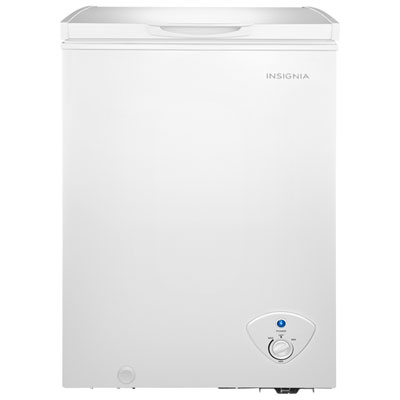 Your price for this item is $174.99
 -
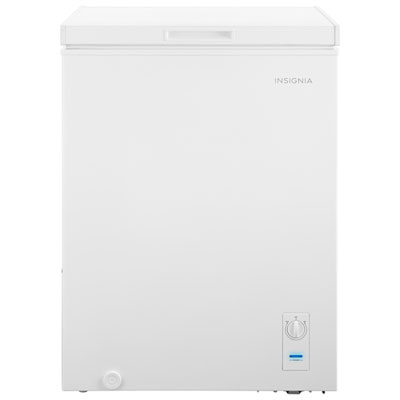 Your price for this item is $299.99
 -
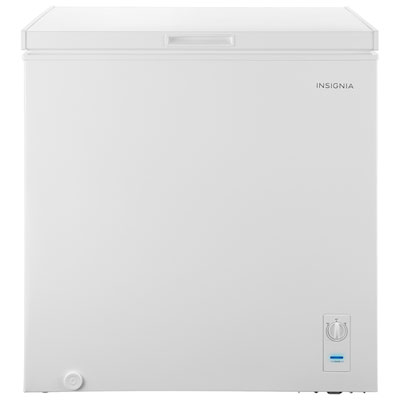 Your price for this item is $399.99
 -
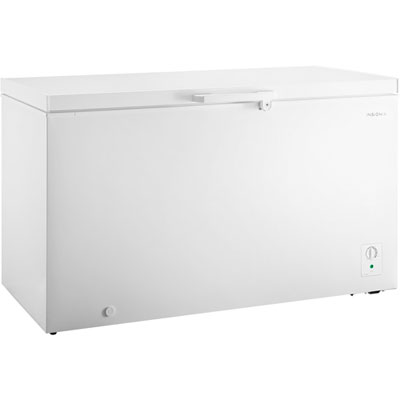 Your price for this item is $399.99
 -
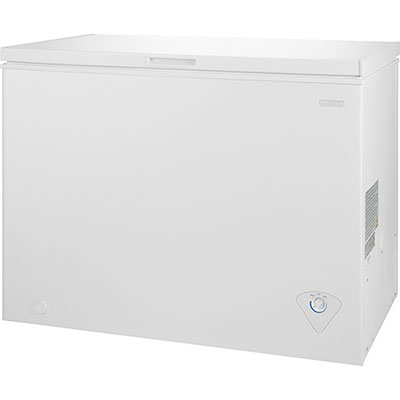 Your price for this item is $499.99
 -
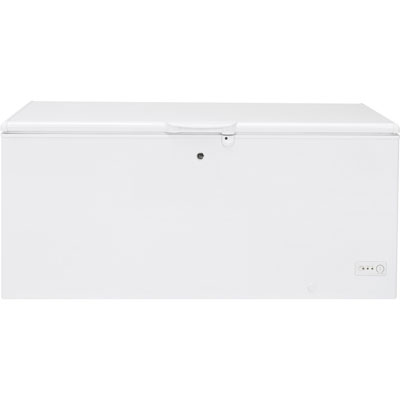 Your price for this item is $2049.99
 -
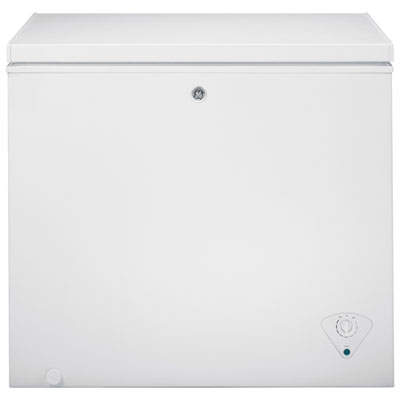 Your price for this item is $549.99
 -
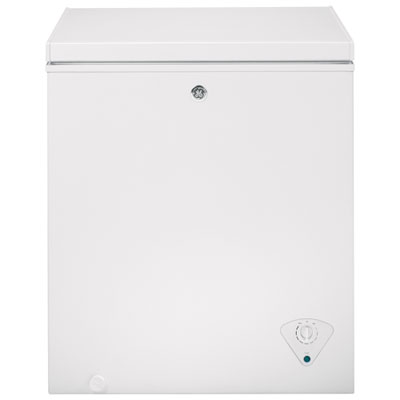 Your price for this item is $499.99
Discover more categories related to Small Meat Freezers
Top Collections:
Pokemon Centers, Kindle Devices, Best Budget Office Chairs, Apple iPhones 16, Best Laptops for Writers, iPhone 15 Apple, Canon G7X Cameras, Refurbished Apple Laptops, Alarm Clock, Motorola Razr Phones
Some products may be subject to Environmental Handling Fees
(EHF) depending on your province.
Learn more about EHFs.