Smart Cookers
Looking to simplify your cooking routine and create delicious meals effortlessly? Look no further than these smart cookers. These innovative kitchen appliances combine advanced technology with convenience, allowing you to prepare a variety of dishes with ease. Whether you're a seasoned chef or just starting out in the kitchen, these smart cookers are designed to make your cooking experience more efficient and enjoyable.
Sort


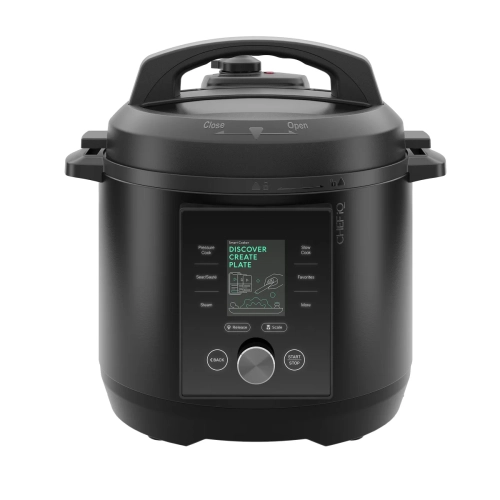

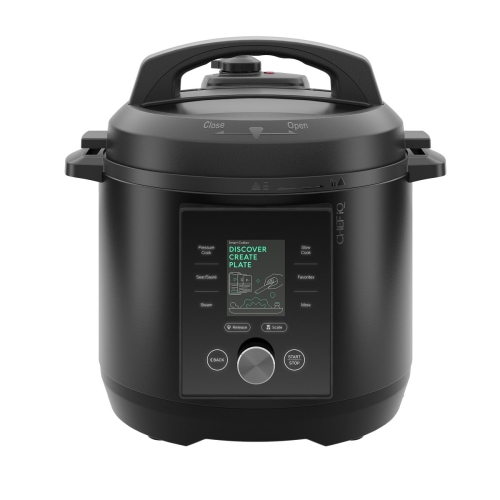
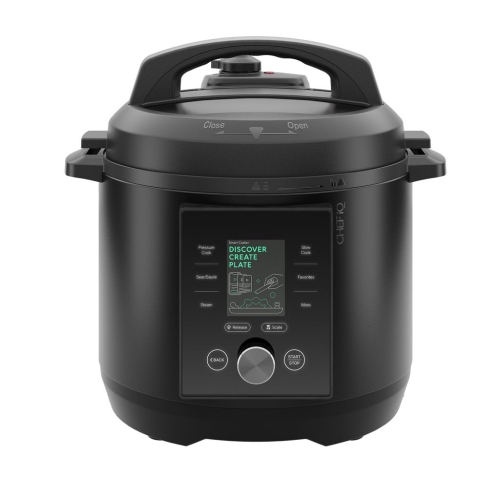
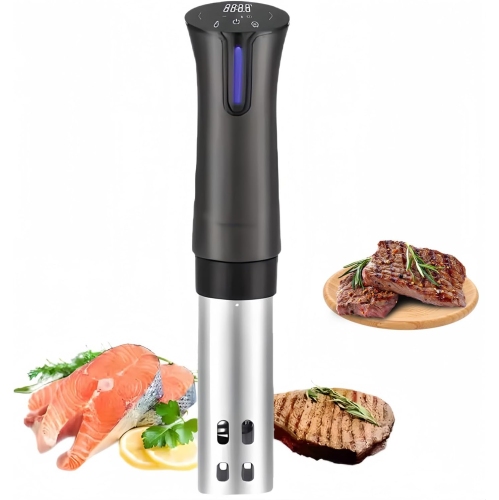
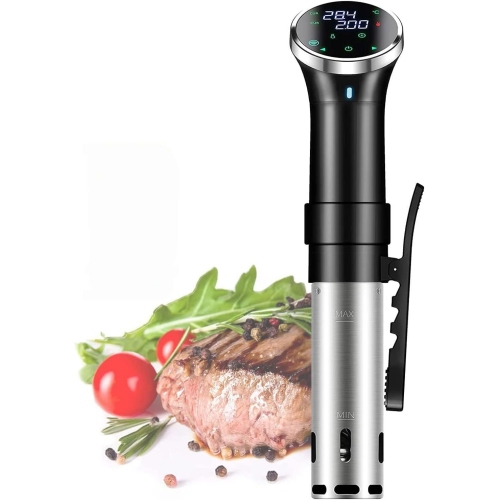
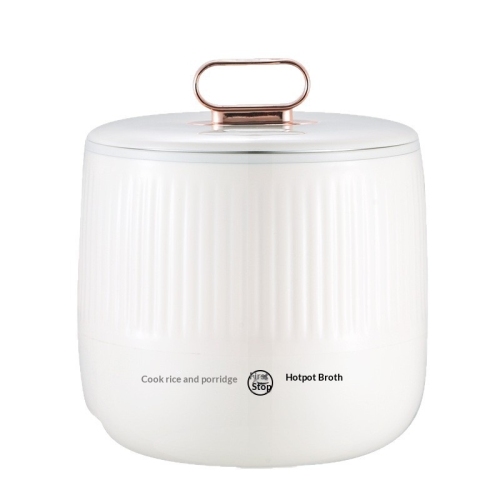


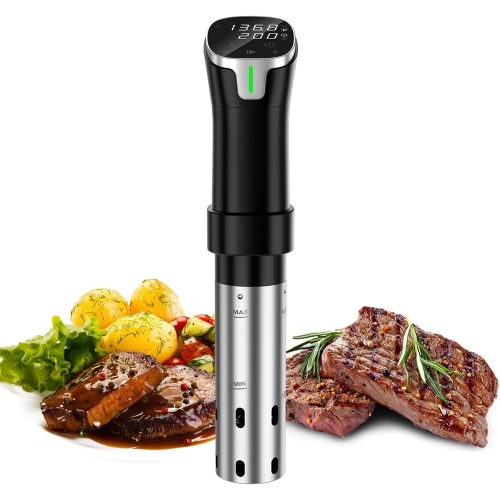

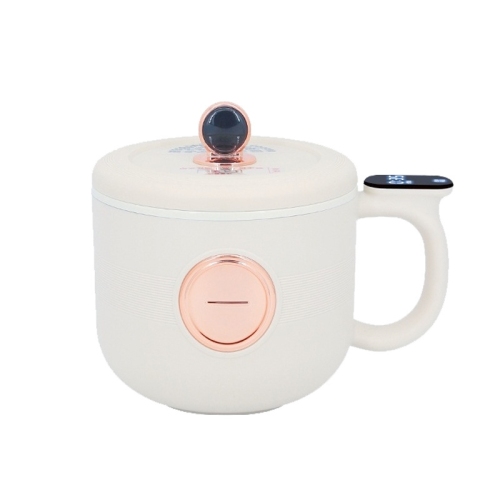
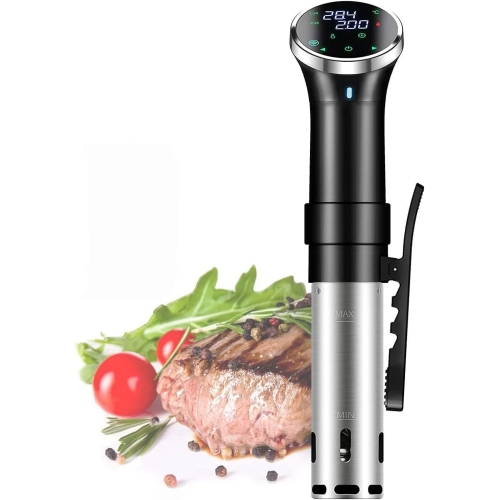

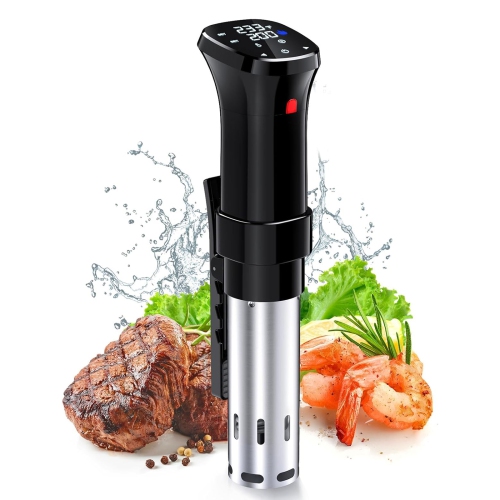
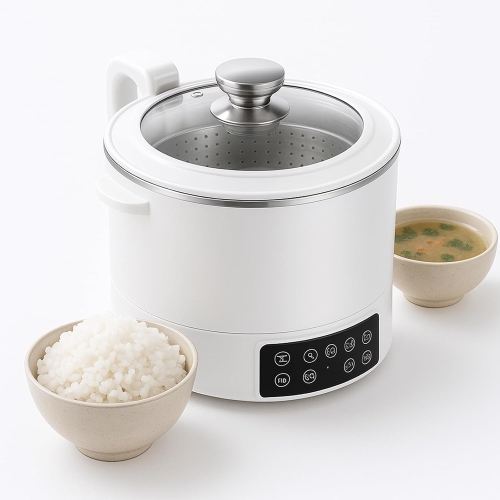


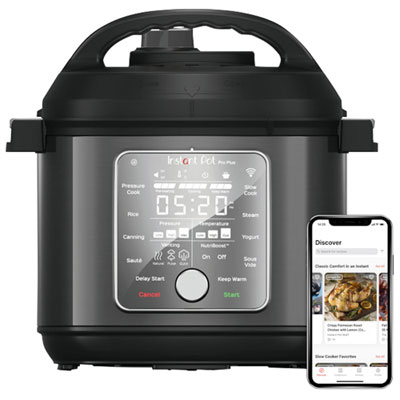
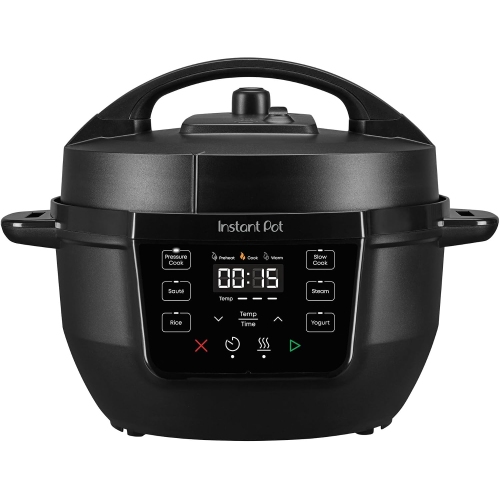

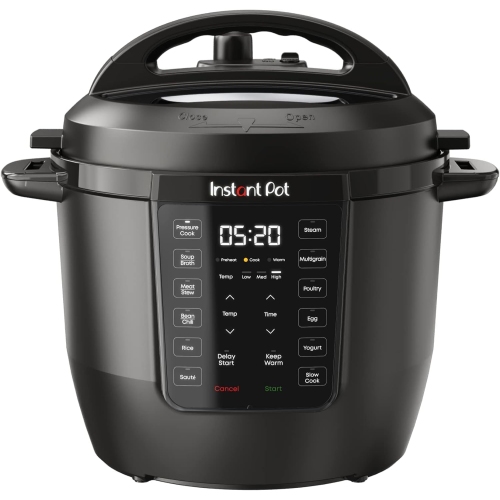
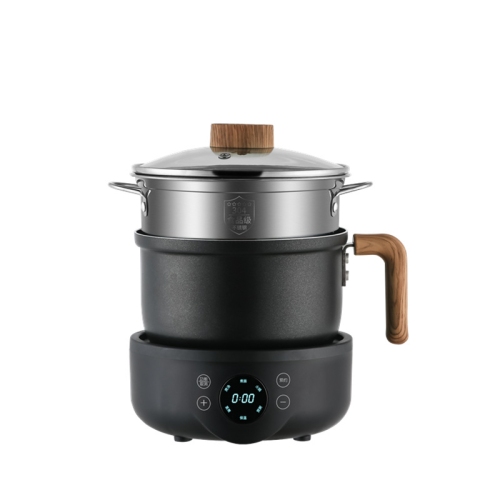
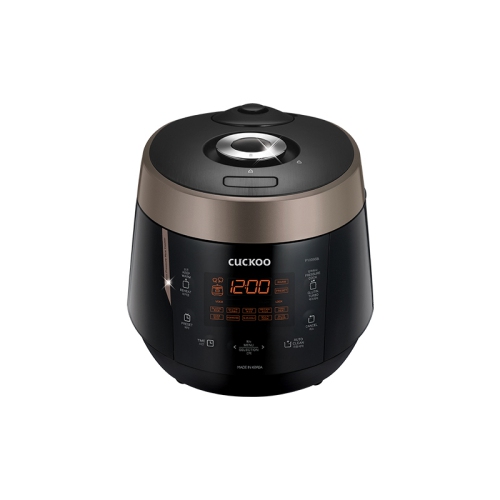
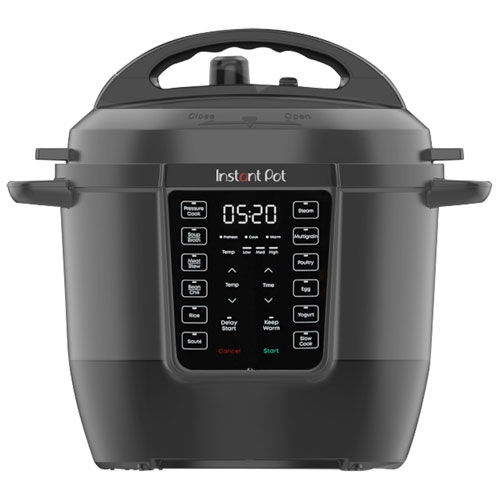
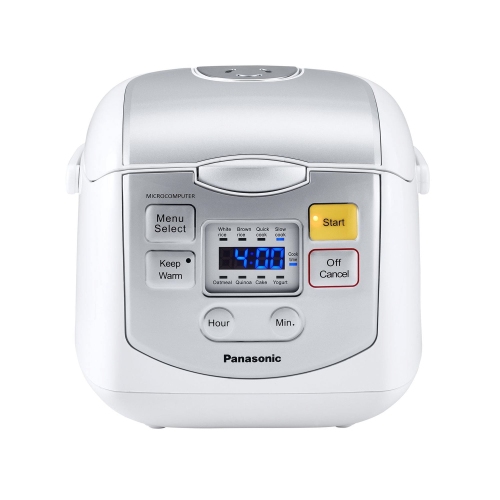

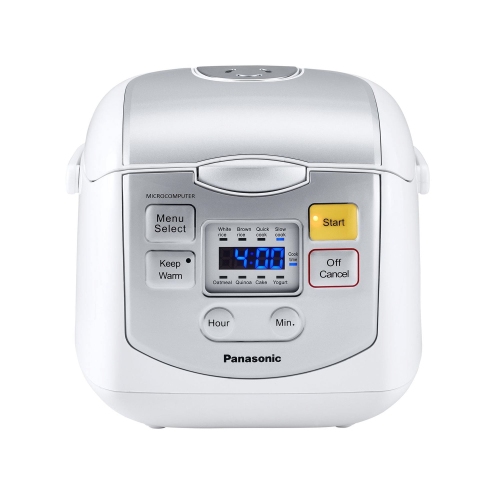
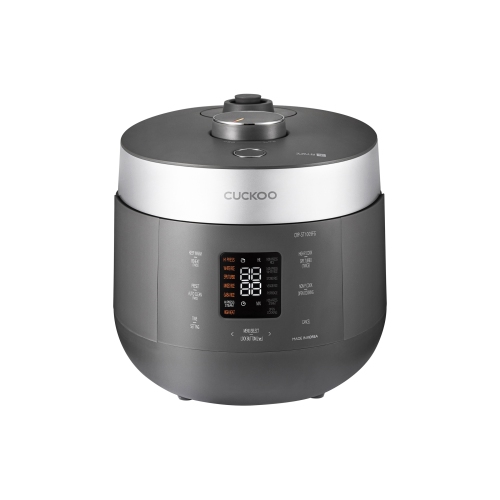

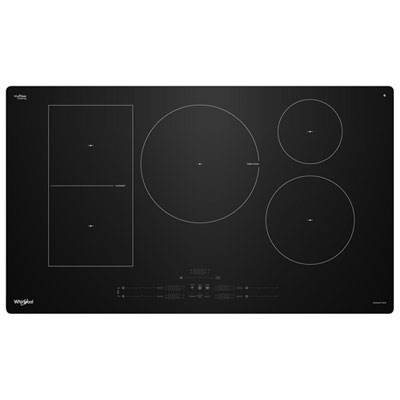
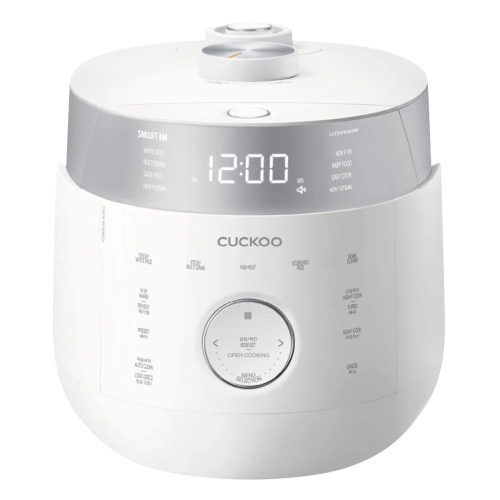


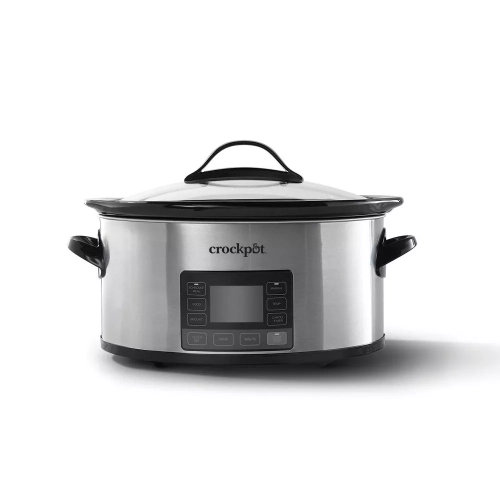
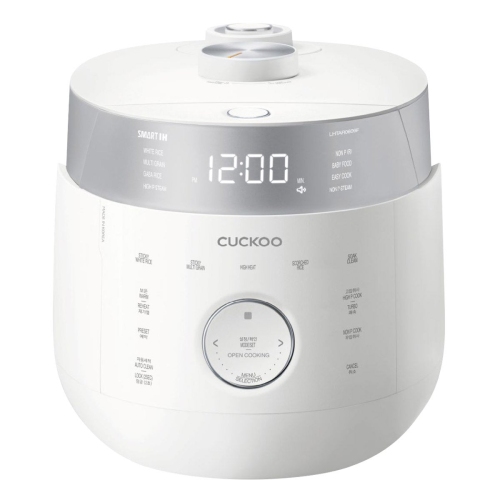
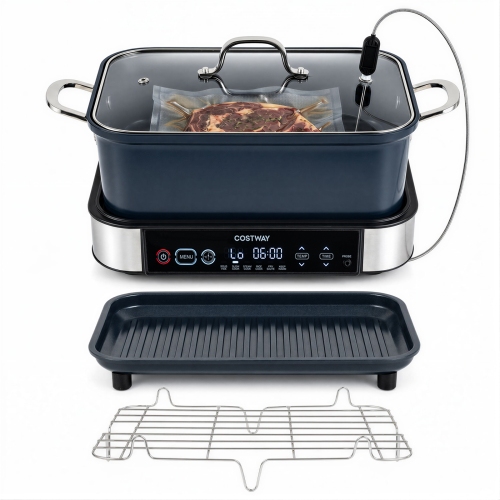


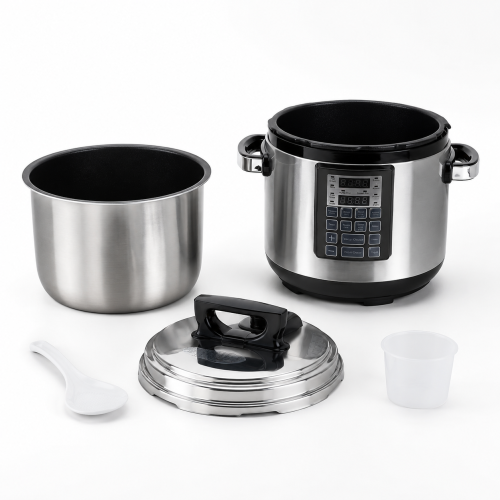
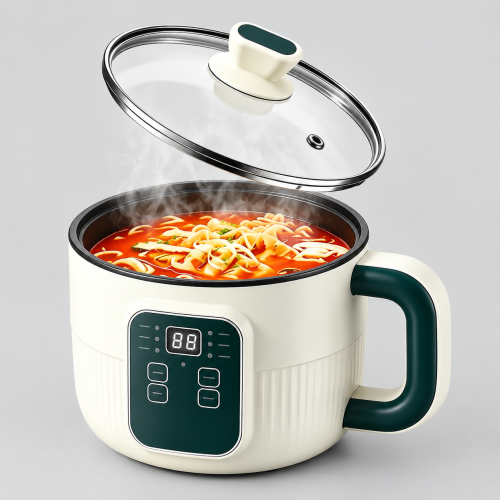


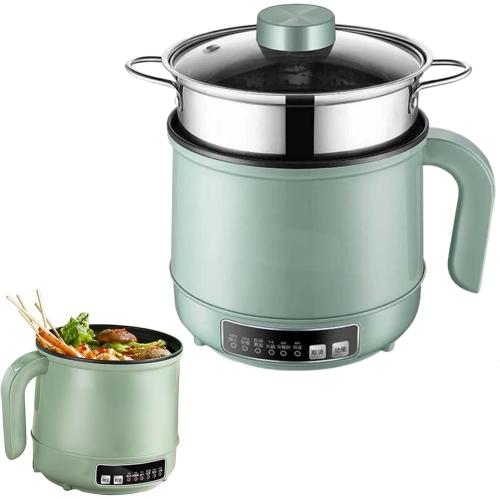
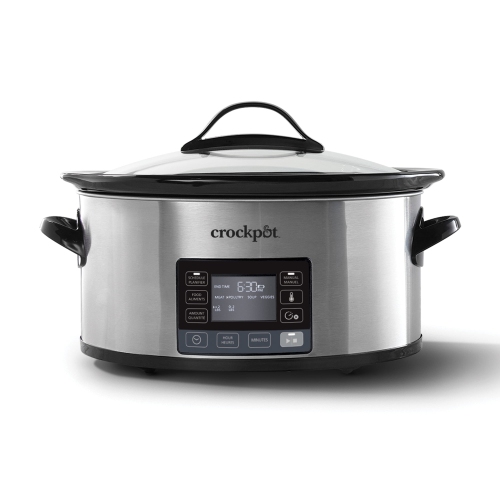
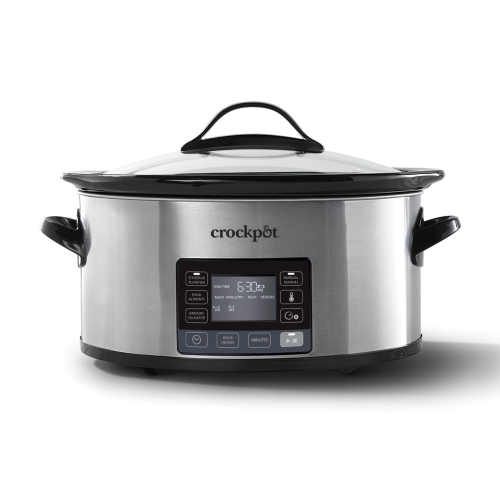
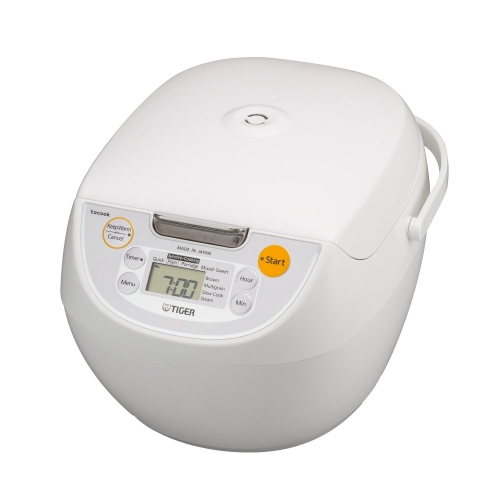

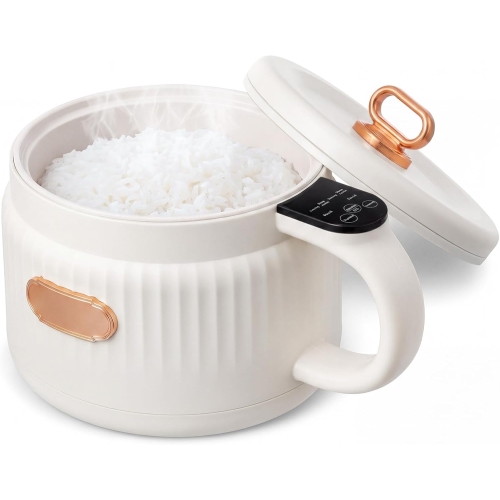
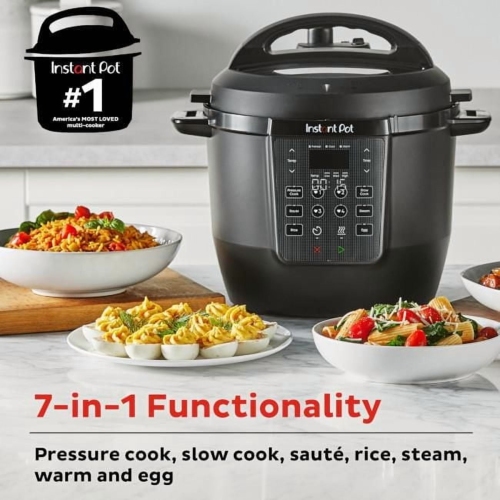
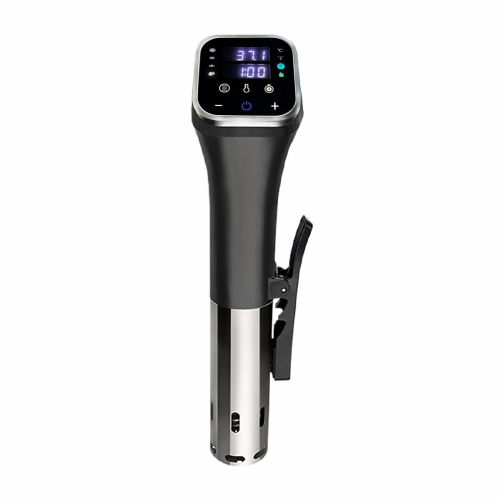
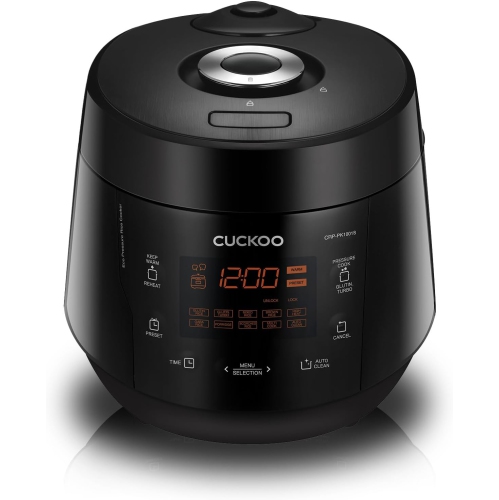
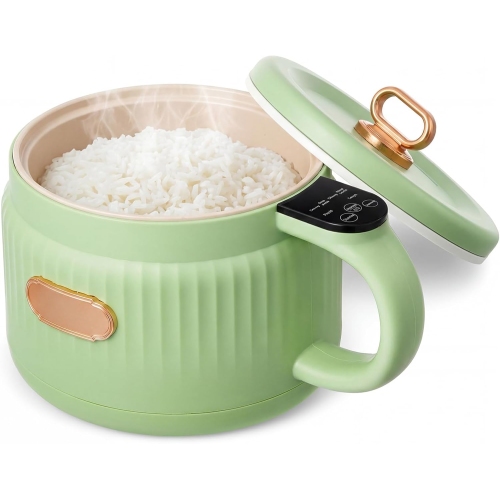


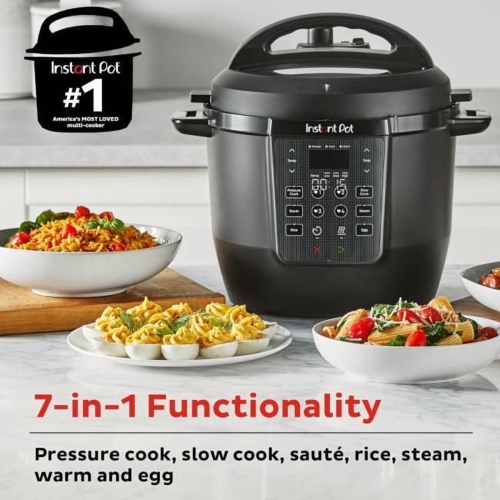


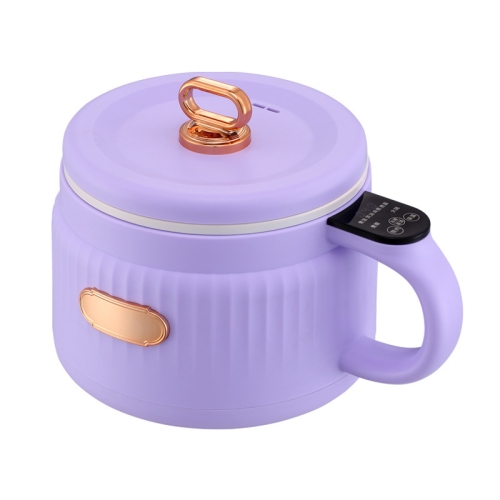
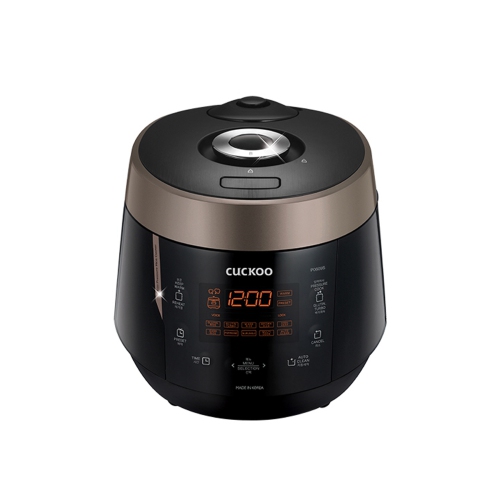

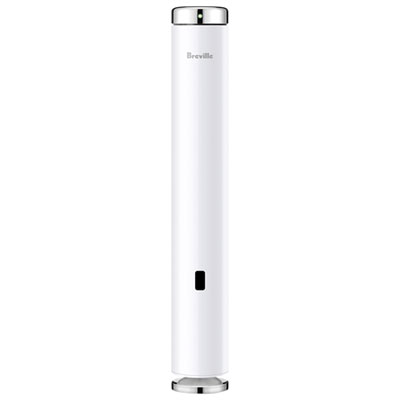

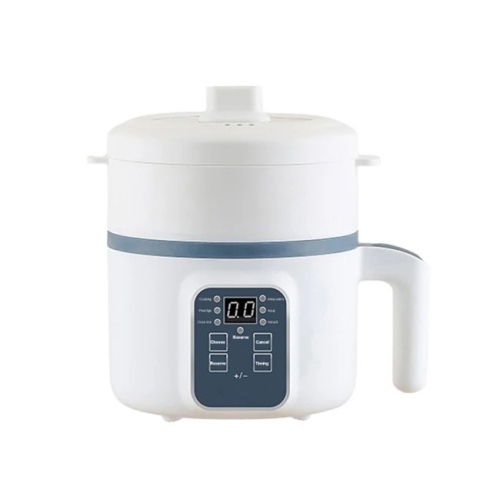

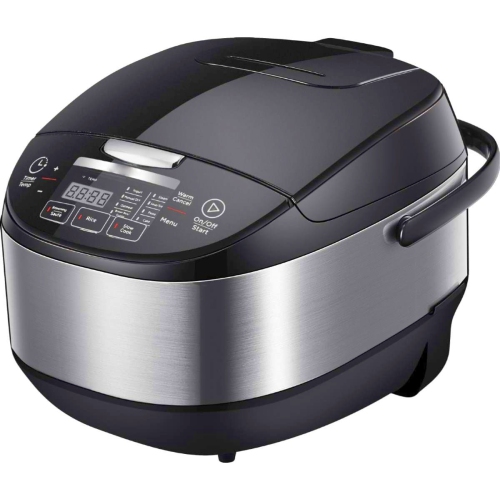
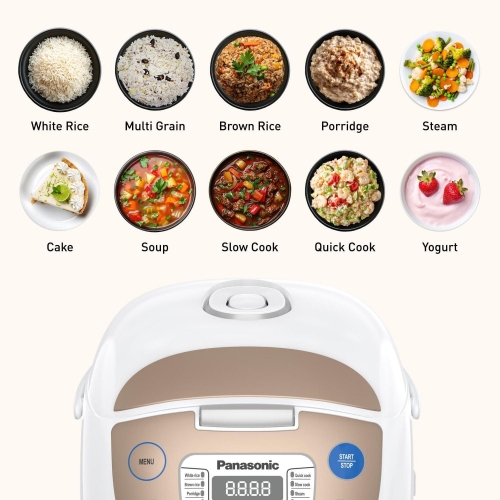


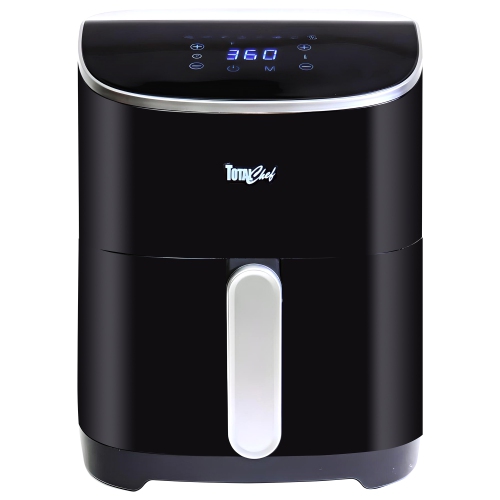
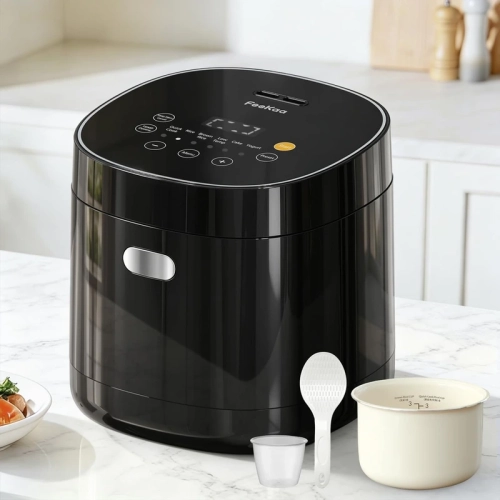


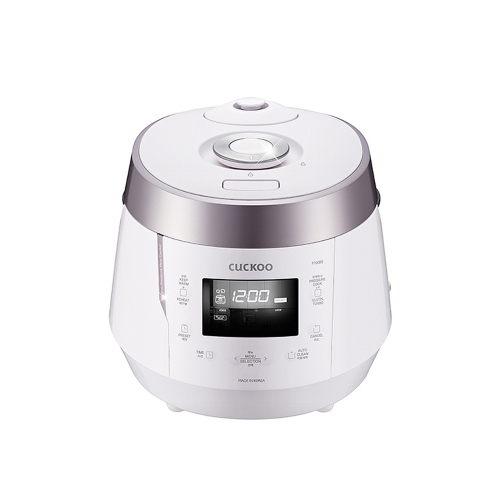

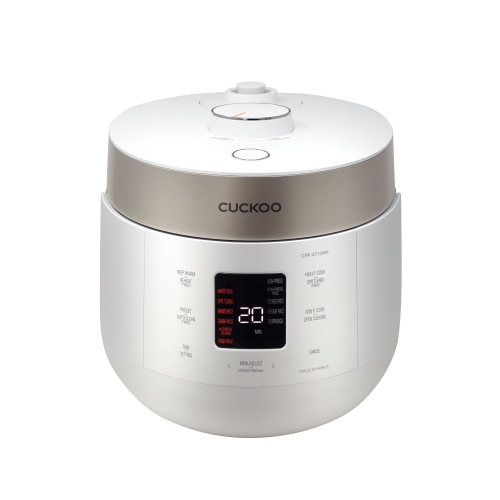
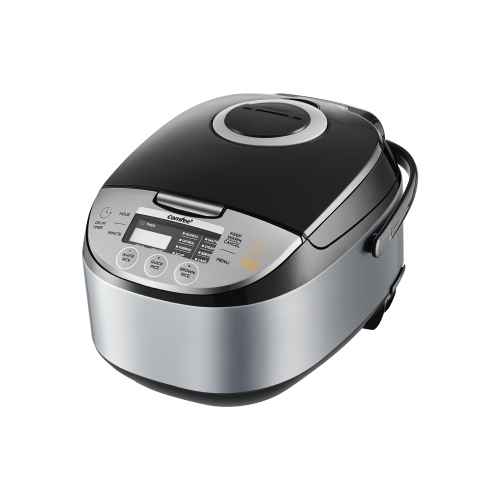
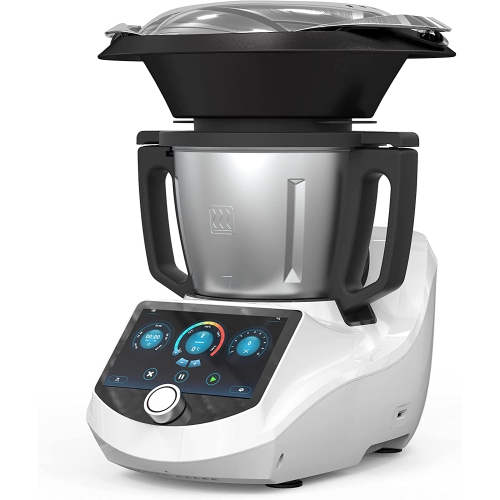
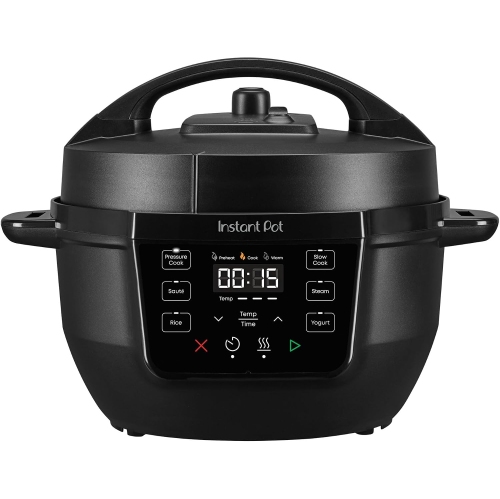


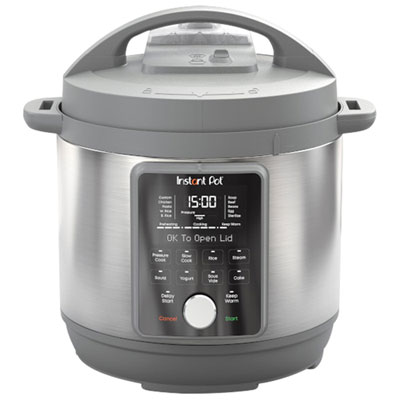

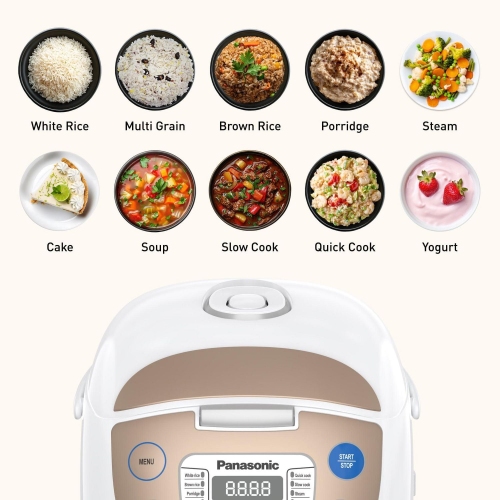

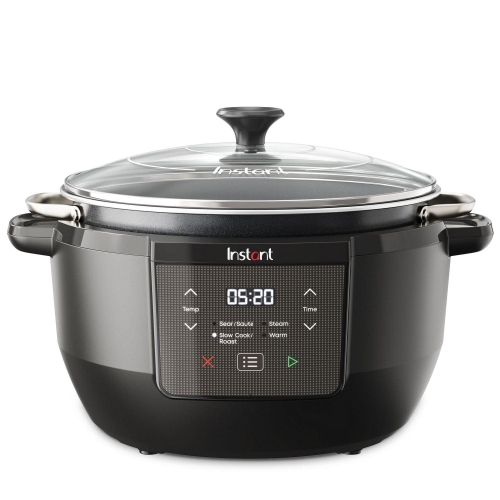

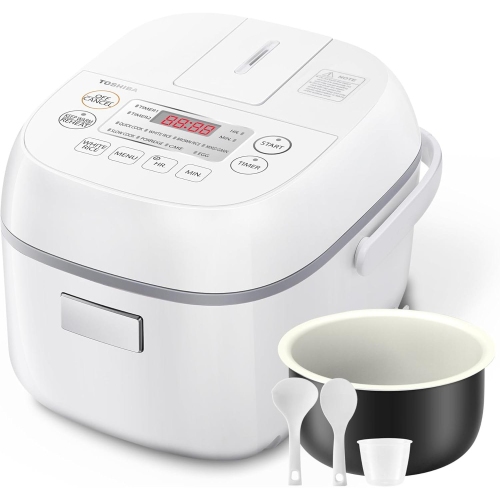


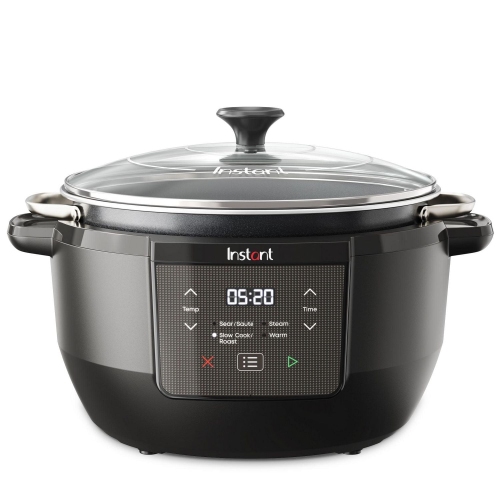

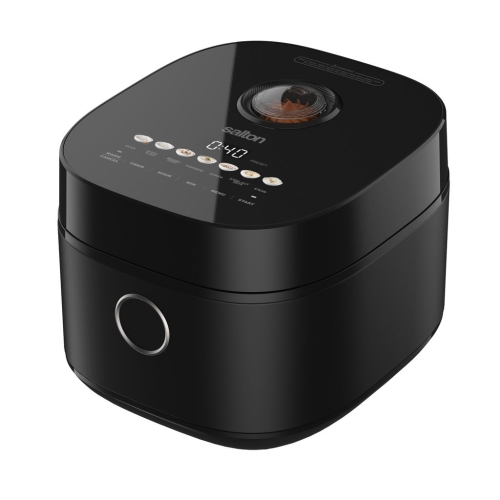


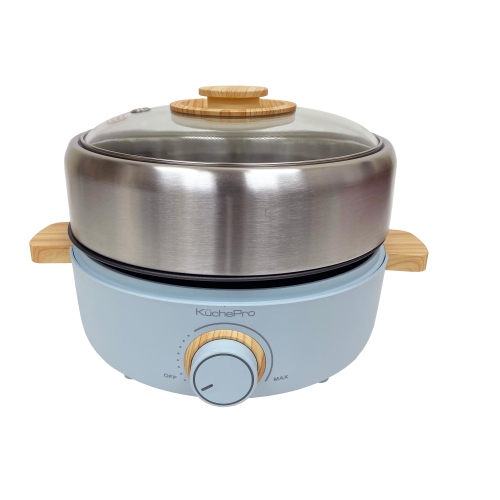

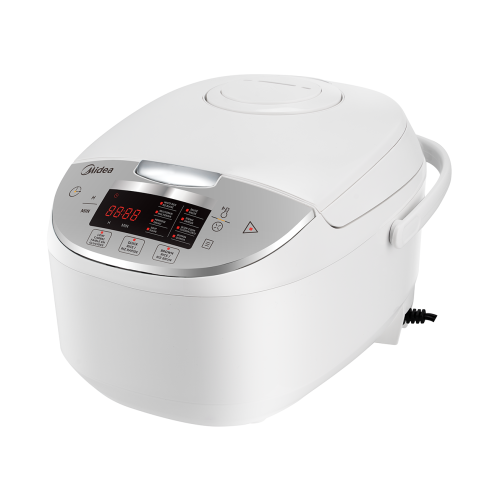

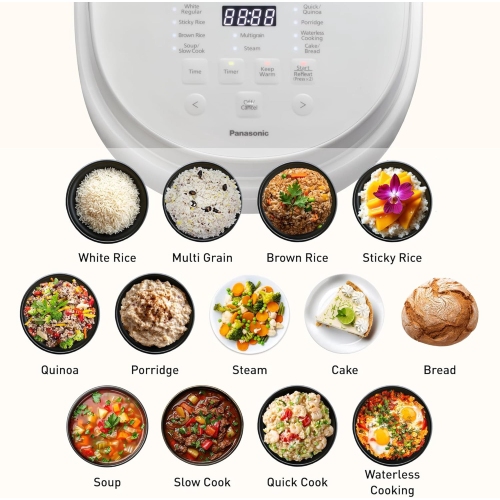
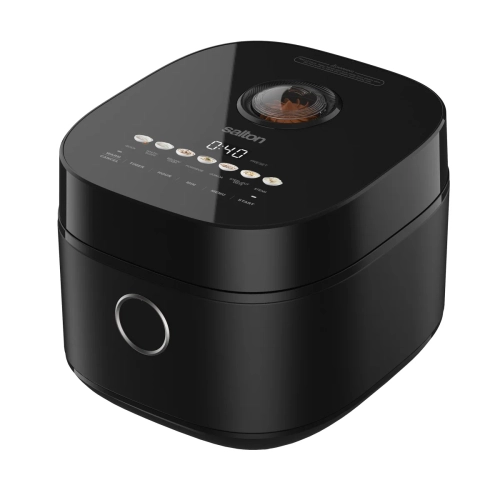


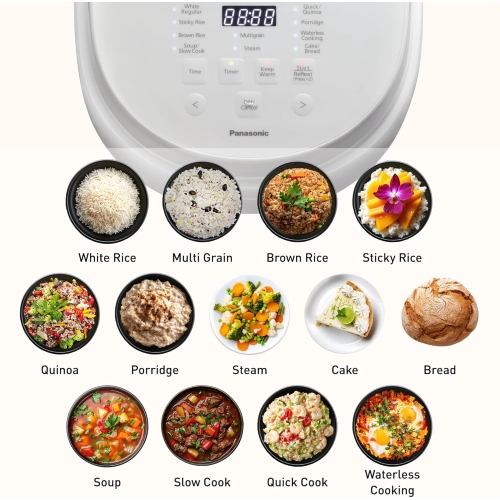
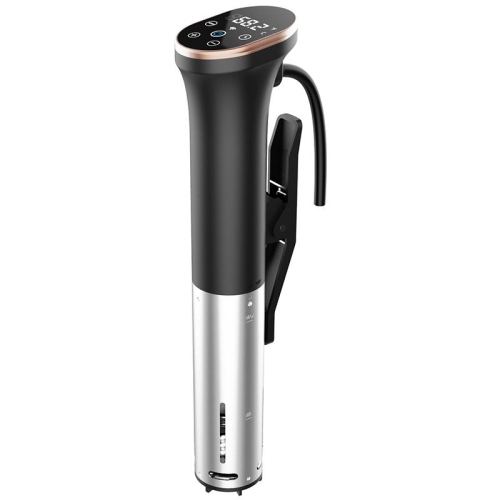

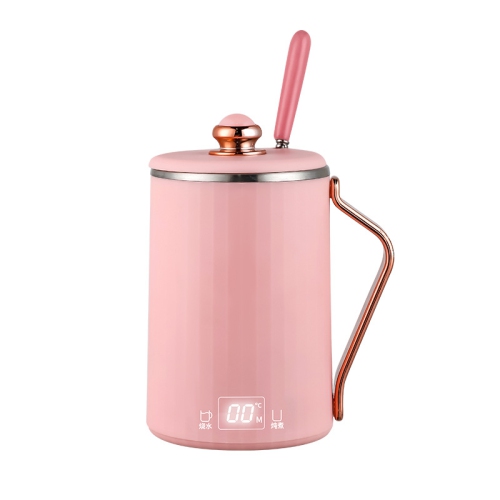
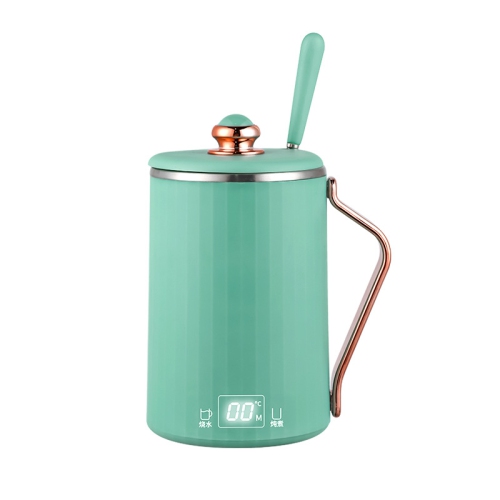
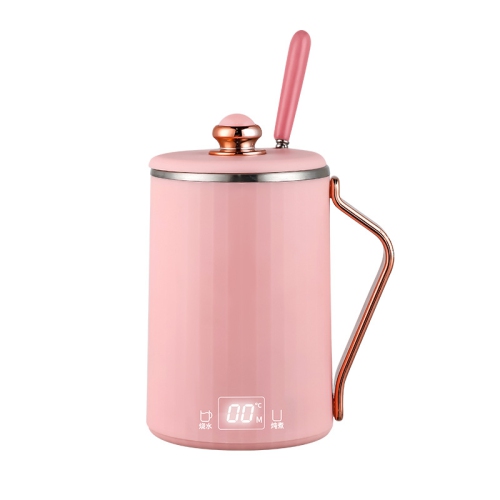
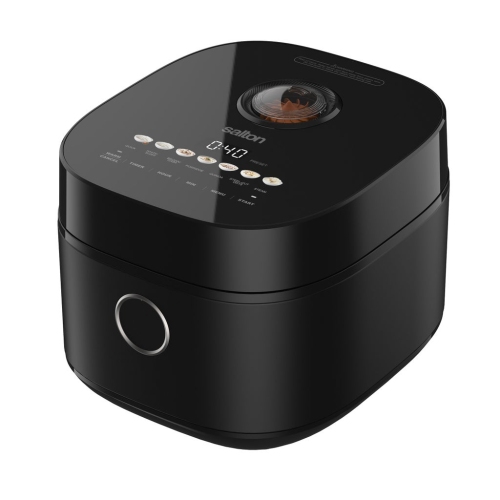
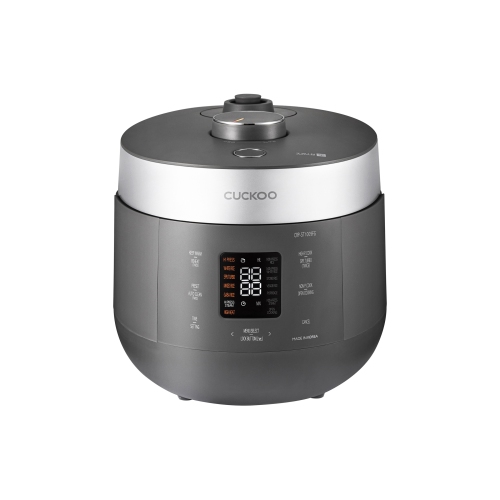
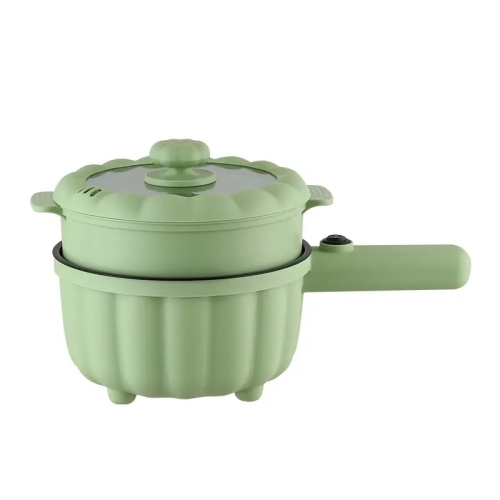
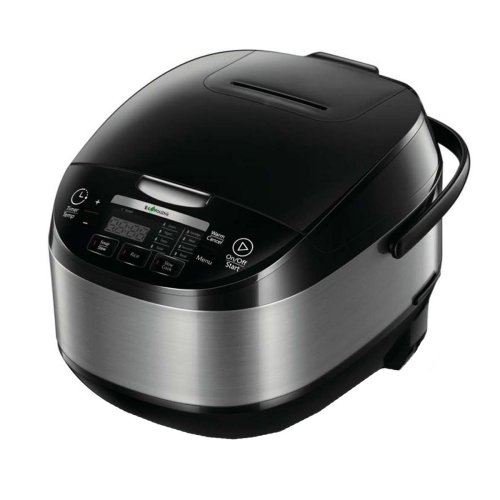


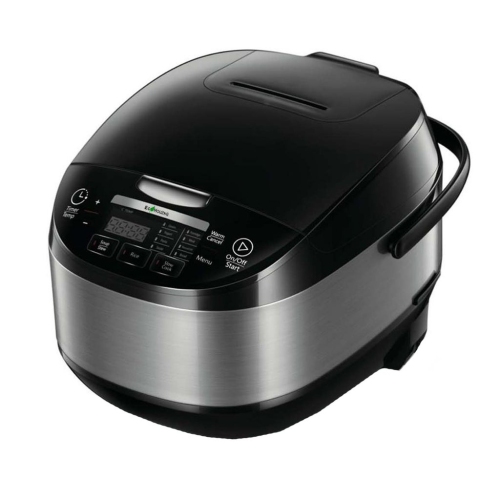
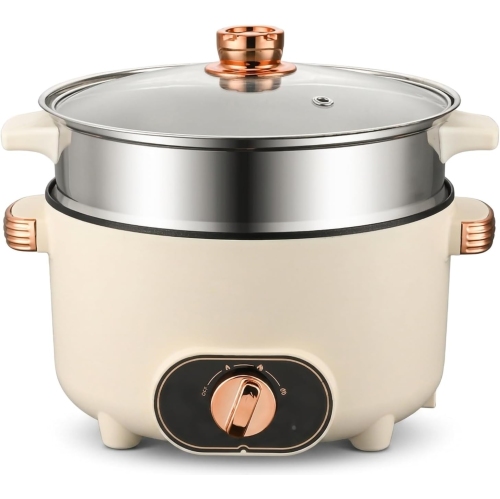

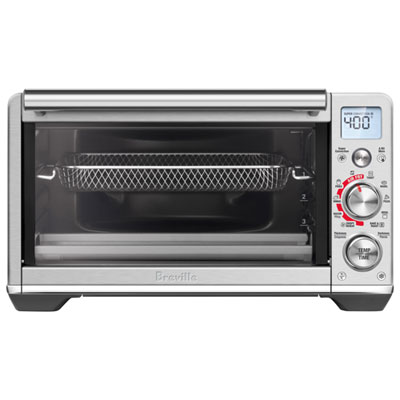


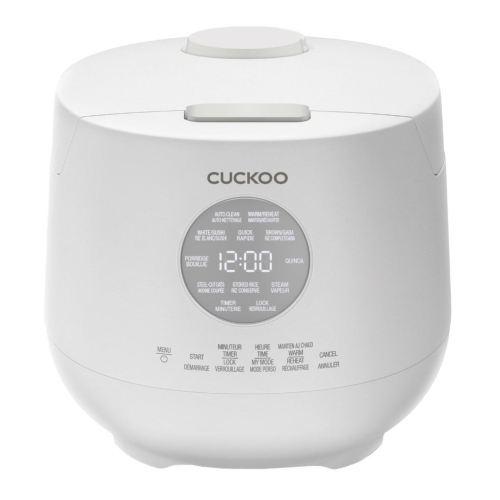
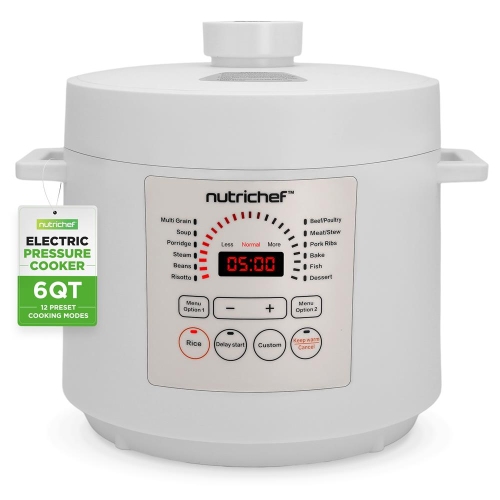
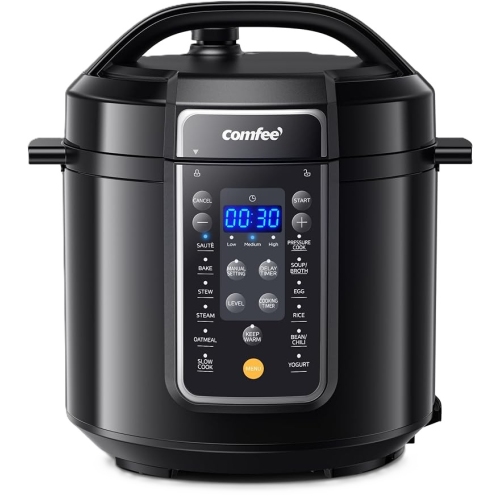

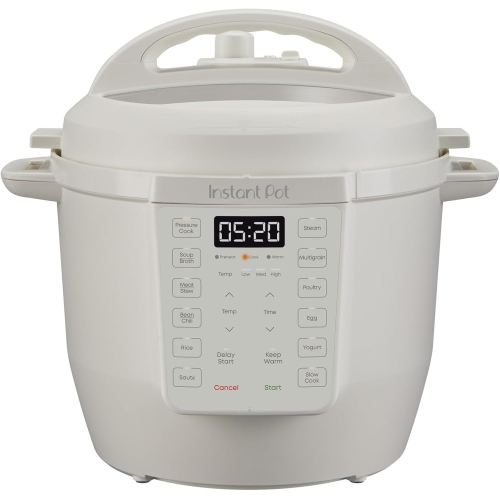
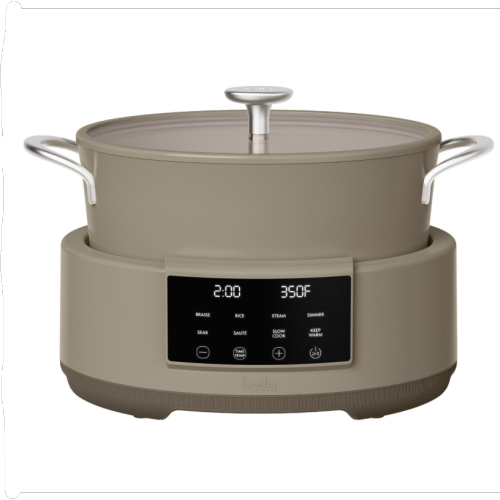
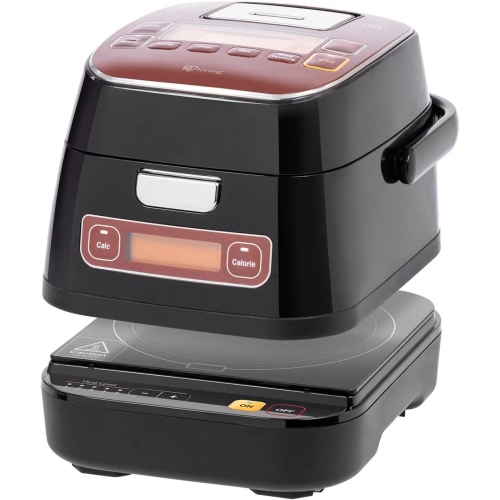
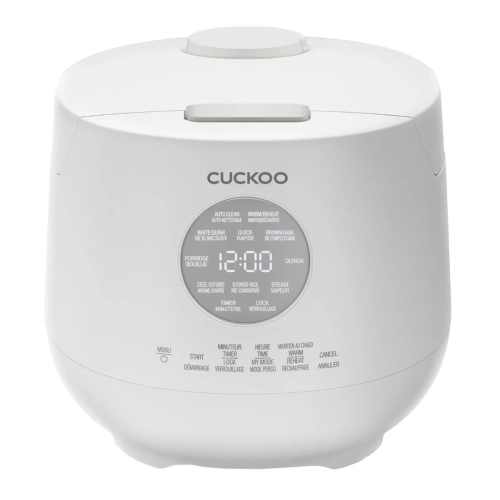
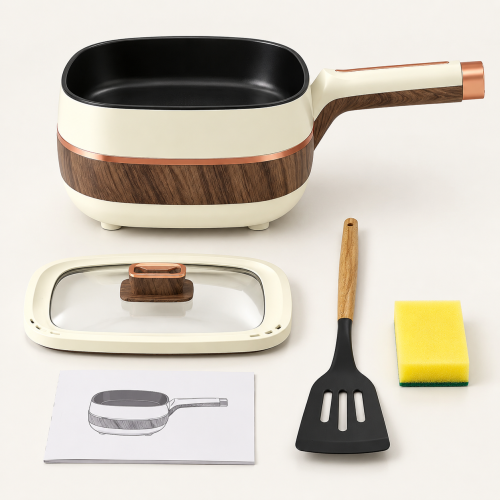

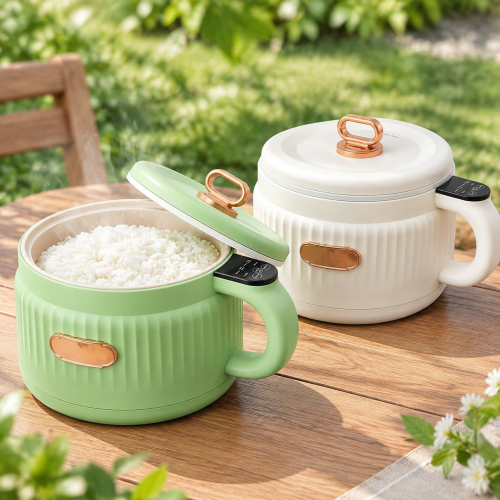
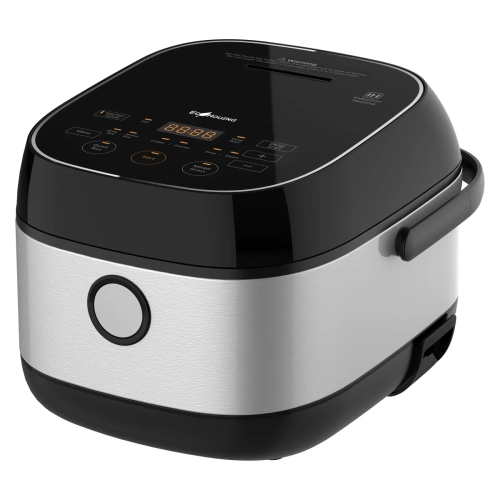
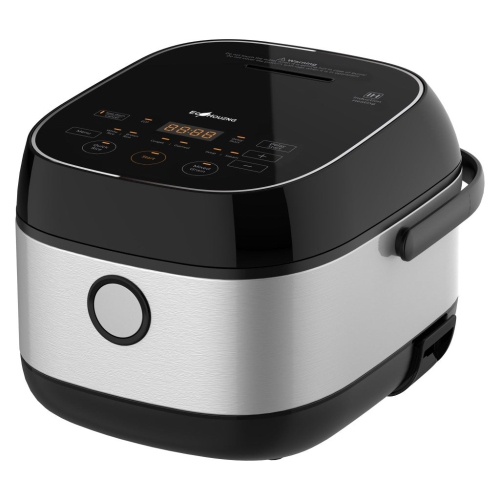
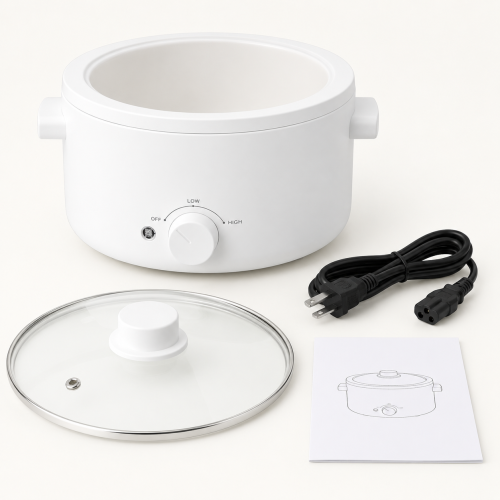
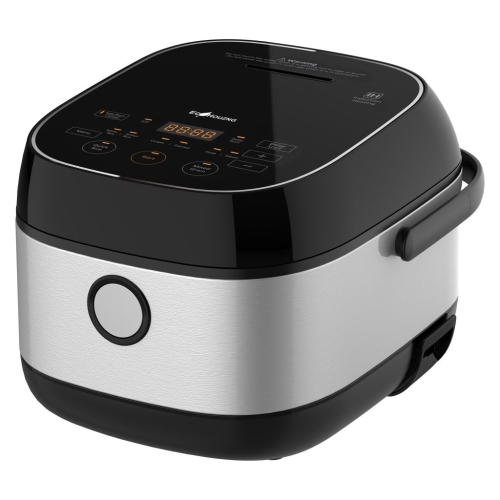
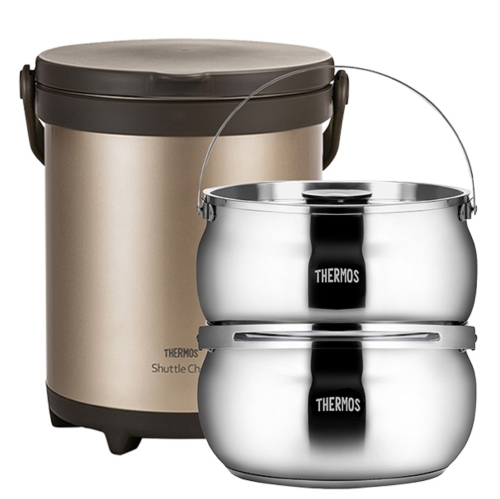

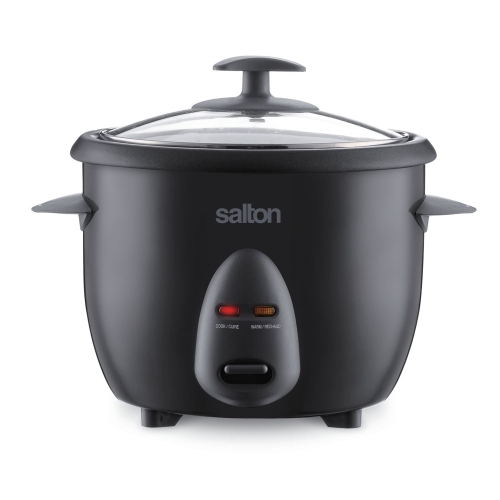

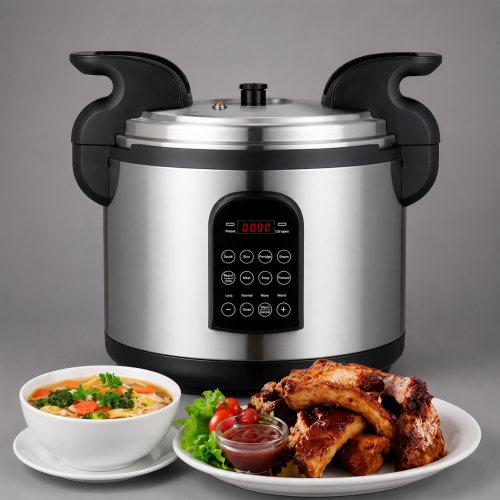


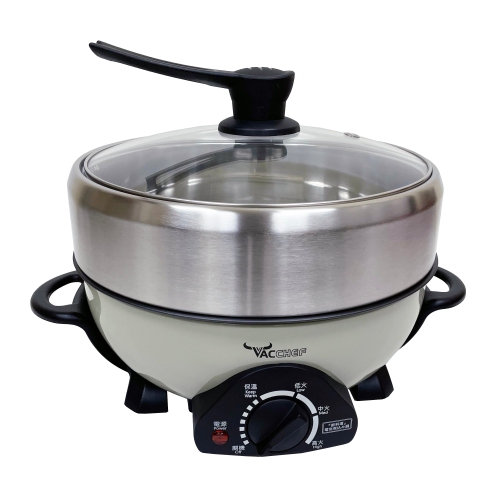

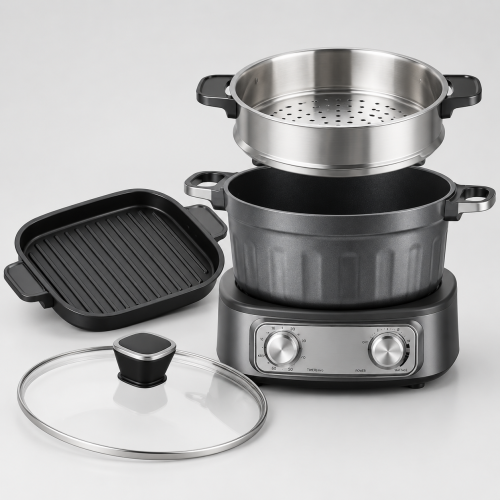

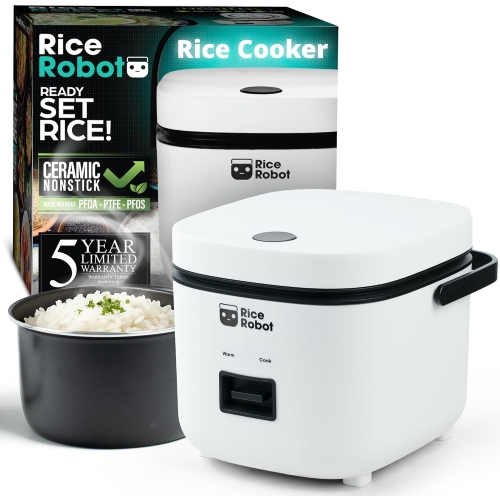
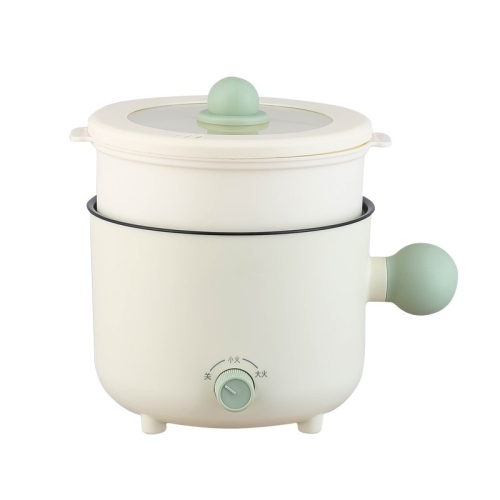
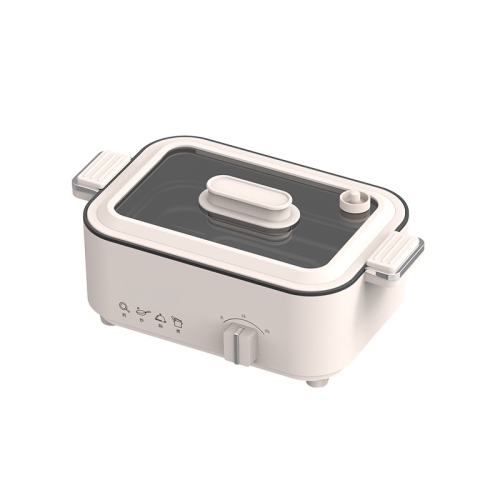

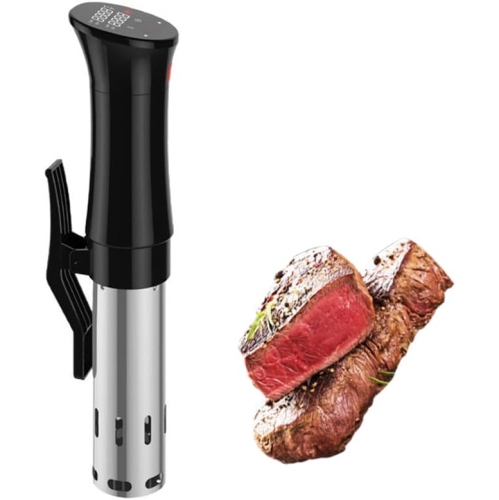

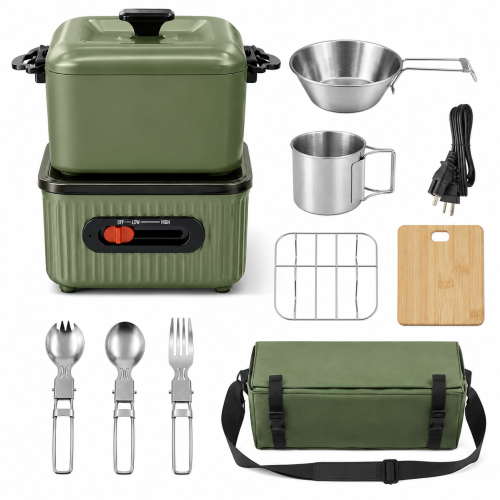
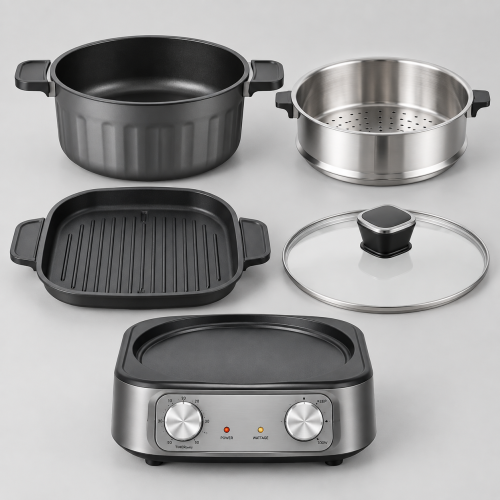
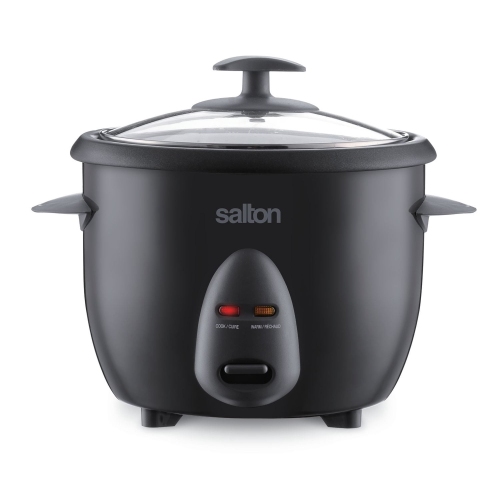
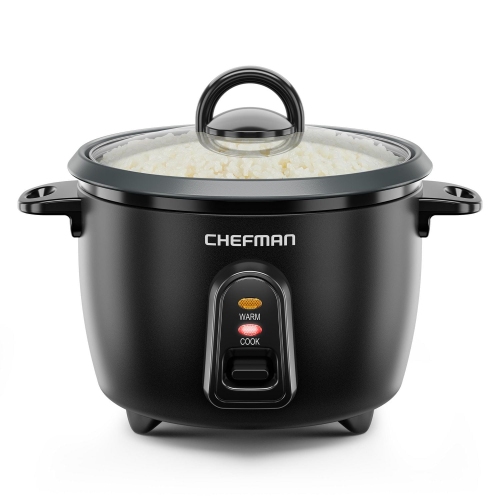
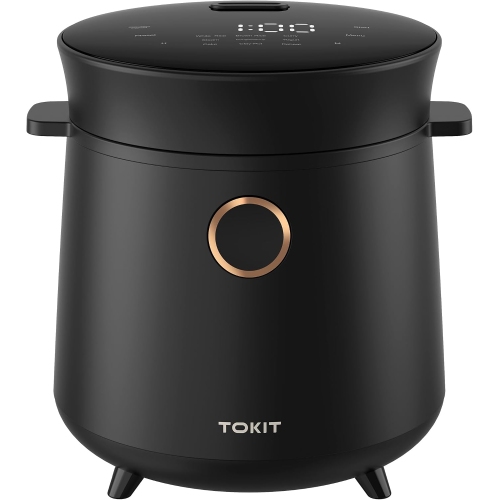
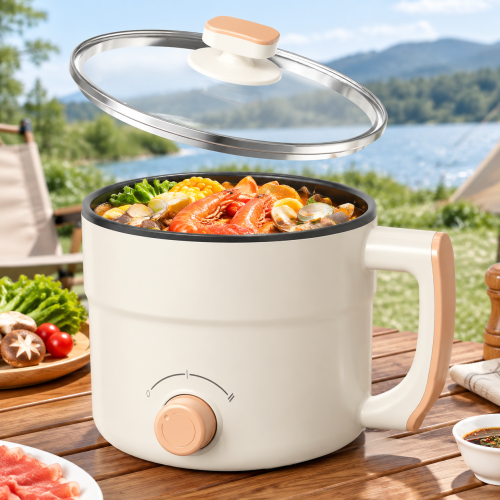
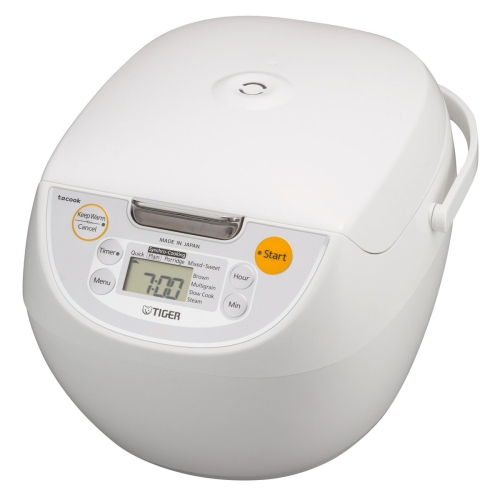


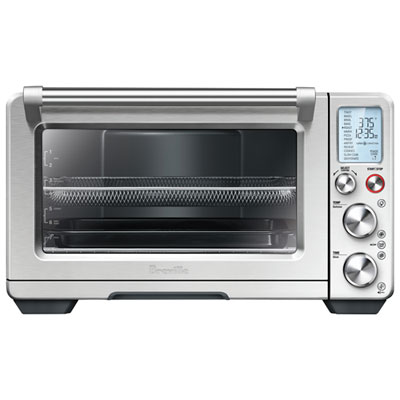
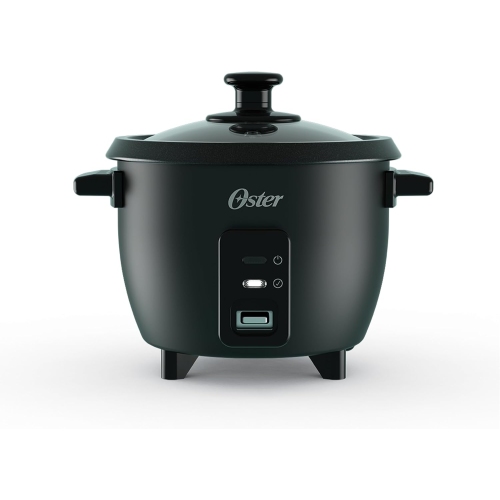

Everyday meals with programmed cooking and optional app guidance
Smart cookers are countertop kitchen appliances that use electronic controls to manage cooking time, heat, and, where supported, pressure. Connected models add Wi-Fi or Bluetooth features that can link the appliance to a compatible mobile app for guided recipes, cooking notifications, or selected controls. Many belong to the multi-cooker category, bringing together functions such as pressure cooking, slow cooking, steaming, sautéing, and cooking rice in one appliance. The exact combination varies, so a digital display or a selection of preset programs does not necessarily mean a cooker connects to a phone. For everyday meals, the appeal is a more manageable cooking routine: onions can soften in the inner pot before broth, lentils, and vegetables are added, while a programmed cooking cycle handles the next stage. A cooker with a sauté function can also brown meat before a braise, keeping those browned flavours in the same vessel rather than transferring ingredients between pans. App-guided recipes may provide ingredient quantities, preparation steps, and settings matched to the appliance, which can be useful when trying an unfamiliar dish or adjusting to pressure cooking. Some smart cookers include a built-in scale for weighing ingredients directly in the pot, while others offer automatic pressure-release options or prompts that indicate when to add ingredients. These are model-dependent features rather than standard capabilities across the category. Cooking notifications can make it easier to coordinate a main dish with a salad or other side, although the cooker's instructions still determine when supervision is required. A preset can simplify a familiar task, but ingredient size, liquid quantity, and the chosen cooking method still affect the result. Pressure cooking also includes time for the appliance to build pressure and release it afterward, so the displayed cooking cycle may not represent the entire preparation time. Smart cookers work best as practical helpers for repeated kitchen tasks, whether that means preparing beans for several meals, steaming vegetables, or making a pot of soup with less time spent adjusting a hob.
Capacity, construction, and countertop fit shape how comfortably a smart cooker becomes part of daily life. A smaller inner pot may suit a person cooking individual portions or a couple preparing dinner with modest leftovers, while a larger vessel can accommodate family meals and batch cooking. Stated capacity describes the vessel's volume, not the amount it can safely hold for every cooking method. Pressure-cooking fill limits are lower, and foods that expand or foam, including rice and legumes, may require additional space according to the appliance instructions. Physical fit matters beyond the footprint of the base: a hinged or removable lid needs room to open, steam needs an appropriate release path, and the appliance requires the clearances specified by its manufacturer. Handles, overall weight, and the shape of the inner pot also affect how easily it can be moved, emptied, and washed. Stainless steel inner pots generally offer a durable cooking surface and can suit browning and deglazing, although food may stick without suitable preparation. Coated inner pots can make serving rice or delicate foods easier, but their surfaces need utensils and cleaning methods that protect the coating from scratches. A removable lid assembly, accessible steam valve, and replaceable sealing ring can make routine care more manageable. Sealing rings may retain strong food aromas, so thorough cleaning and drying are useful after dishes with garlic, spices, or rich sauces. Dishwasher suitability varies by component; a washable inner pot does not mean the electrical base or every lid part can go in the dishwasher. Keeping valves and seals clean supports proper operation, and any damaged component should be addressed before further use. For pressure-capable cookers, the lid must remain closed until pressure has released and the appliance indicates that opening is safe. Automatic venting does not remove the need to keep hands and faces away from escaping steam. Durability depends on both the materials and ongoing care, with the availability of compatible replacement seals and inner pots also worth considering for an appliance intended for frequent use.
The connected features of smart cookers are most useful when they match the way a household actually prepares food. Someone who enjoys clear, sequential instructions may appreciate an app that walks through chopping, weighing, browning, and cooking, while an experienced cook may place more value on adjustable settings and convenient notifications. Built-in weighing can reduce the need to move between a separate scale and the cooking vessel, particularly for recipes that specify ingredients by weight. A readable display, responsive buttons, and settings available directly on the appliance can be just as important as phone connectivity, especially when several people share the kitchen. App compatibility, account requirements, and any functions that depend on an internet connection vary, as does the ability to use core cooking functions without a phone. Remote controls should only be used as permitted by the manufacturer; connectivity does not make every cooking task suitable for unattended operation. Delayed-start settings also require care with ingredients that need refrigeration, since holding perishable food at room temperature can create a food-safety risk. Compared with the broader range of Countertop Cookers, smart cookers put particular emphasis on controlled cooking programs and, in connected versions, an added layer of recipe support or monitoring. They can suit busy households preparing familiar dinners, new cooks building confidence with repeatable methods, and people who like making larger portions to divide into meals. They can also be thoughtful housewarming or graduation gifts when the recipient has suitable counter space and an interest in cooking; ease of cleaning and straightforward controls often matter more than a long list of rarely used settings. Their strengths are usually moist cooking methods and convenient preparation rather than replacing every kitchen appliance. Crisping, air frying, or home canning should only be expected when the appliance explicitly supports the relevant function, with canning requiring suitability for the specific preserving method. A smart cooker with well-matched capacity, useful programs, and manageable upkeep can earn its place through the meals it helps prepare regularly, not simply through the number of features on its display.
Top selling and popular products
-
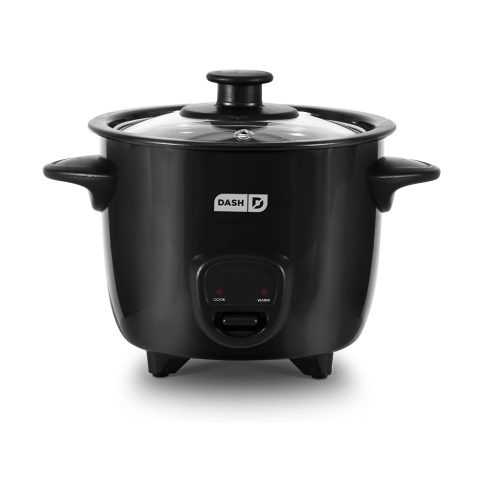 Your price for this item is $83.59
-
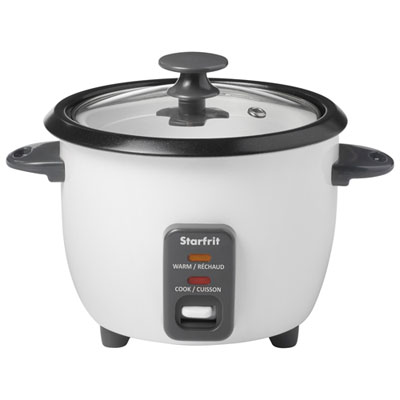 Your price for this item is $19.98
-
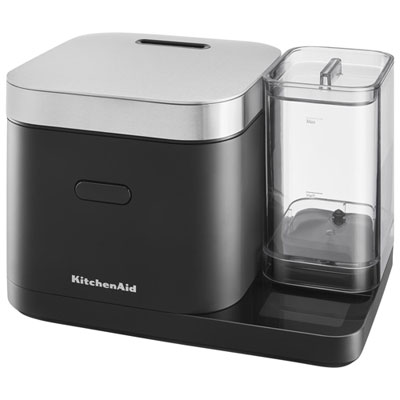 Your price for this item is $299.98
-
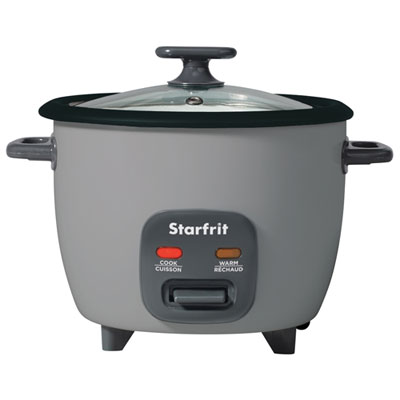 Your price for this item is $29.98
-
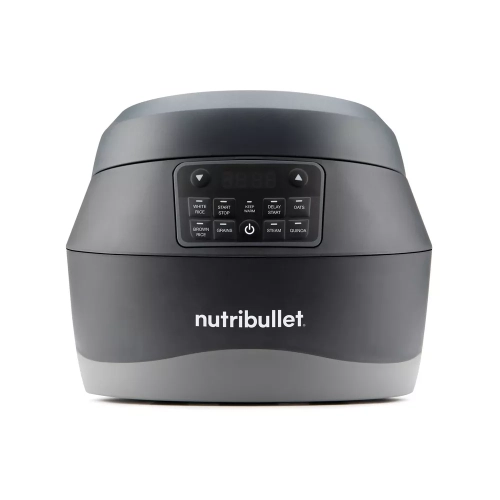 Your price for this item is $207.89
-
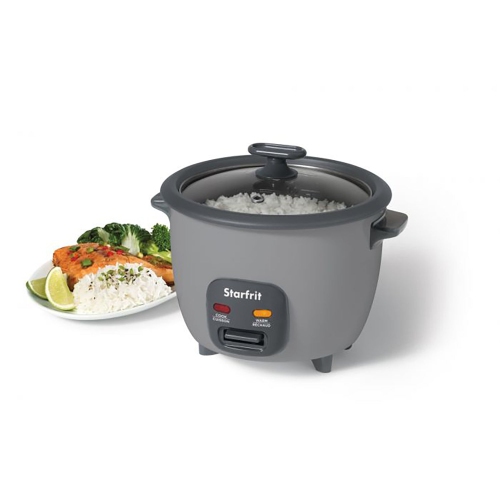 Your price for this item is $29.99
-
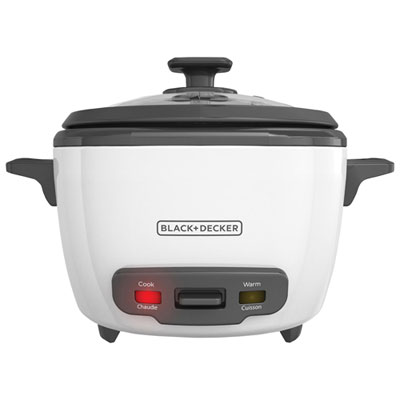 Your price for this item is $29.98
-
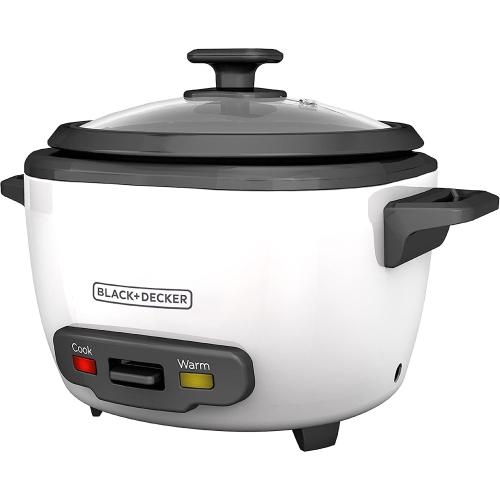 Your price for this item is $45.92
Discover more categories related to Smart Cookers
Top Collections:
Best Black Friday Deals This Year, Best Black Friday Deals On Electronics, Kindle Devices, Pokemon Centers, Best Black Friday Deals On Apple Products, Best Cameras for Sports Photography, Dyson Airwrap, Pokémon 30th Celebration Cards, Apple iPhone 17 Pro, Canon G7X Cameras
Some products may be subject to Environmental Handling Fees
(EHF) depending on your province.
Learn more about EHFs.