Travel Cookers
Travel Cookers offer a convenient solution for preparing meals on the go, whether you're camping, road tripping, or staying in a hotel. With a variety of compact and portable options available, Travel Cookers make it easy to enjoy home-cooked dishes wherever your adventures take you. Explore our selection to find the perfect fit for your travel needs and keep mealtime simple and satisfying while away from home.
Sort
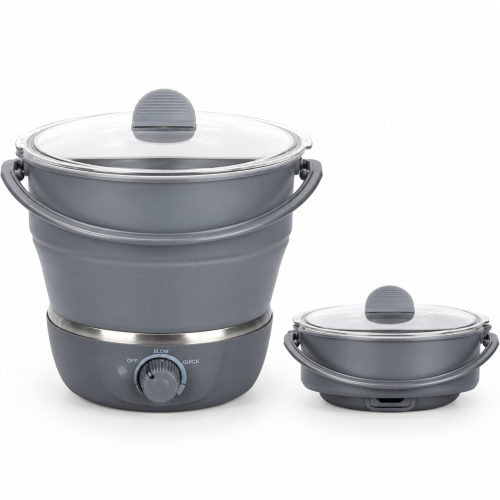
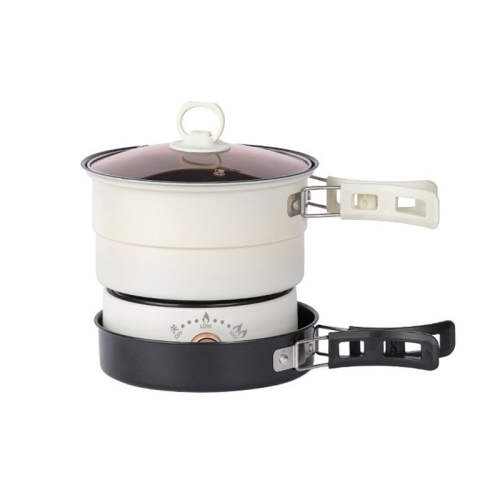

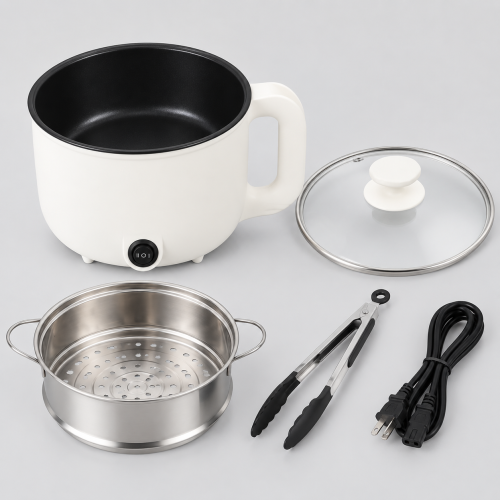
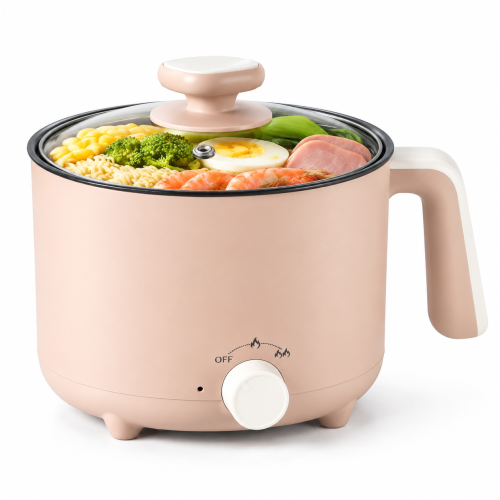
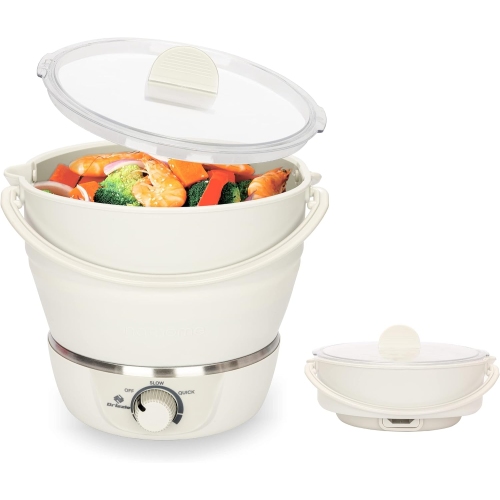
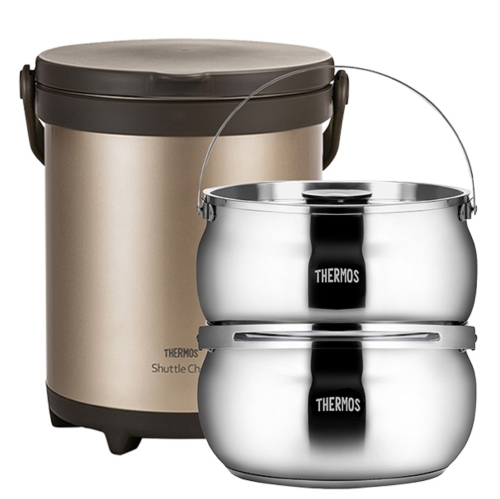
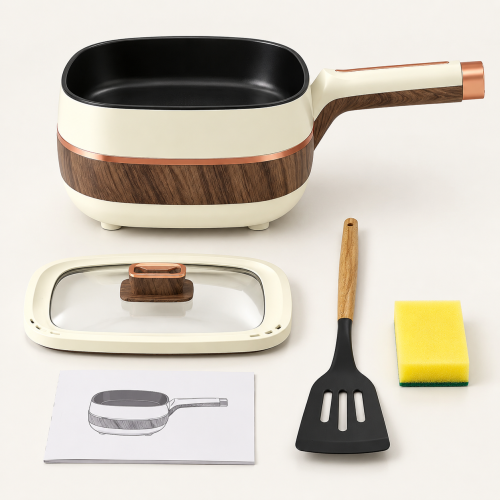
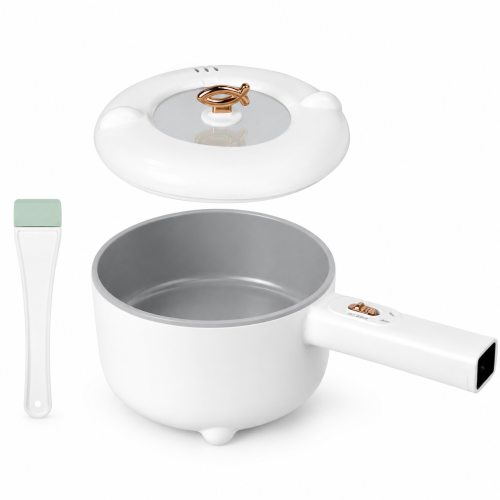
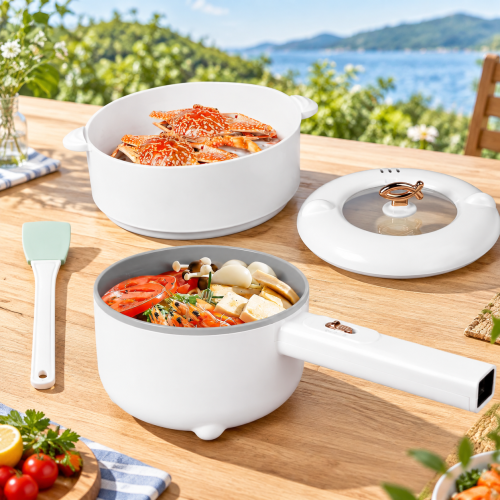

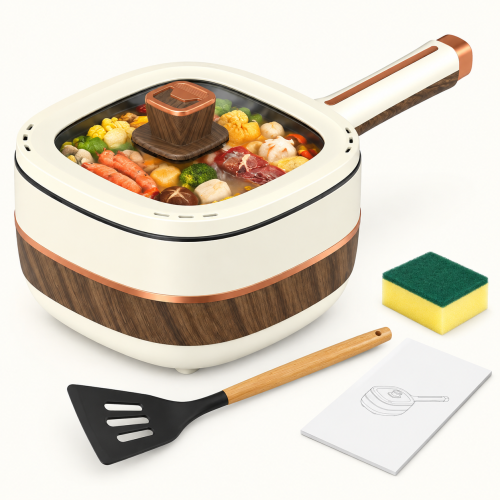

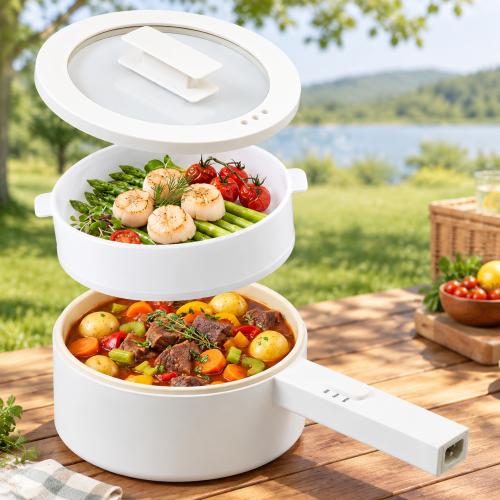

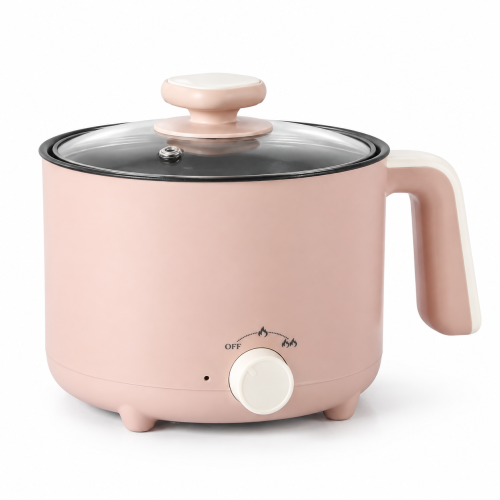
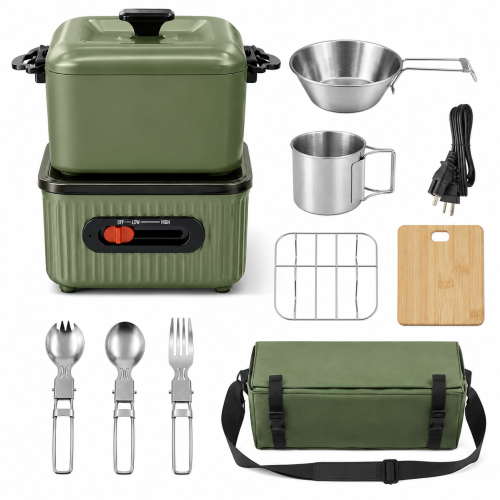
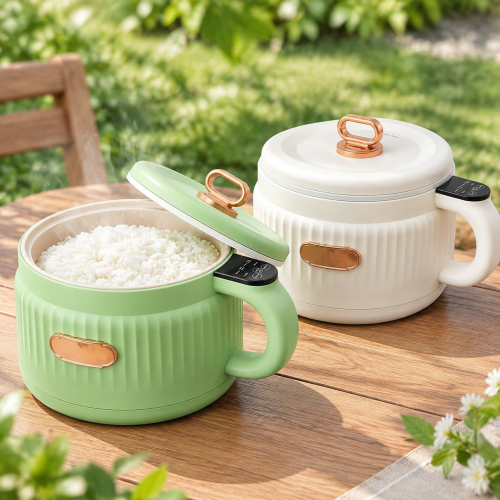
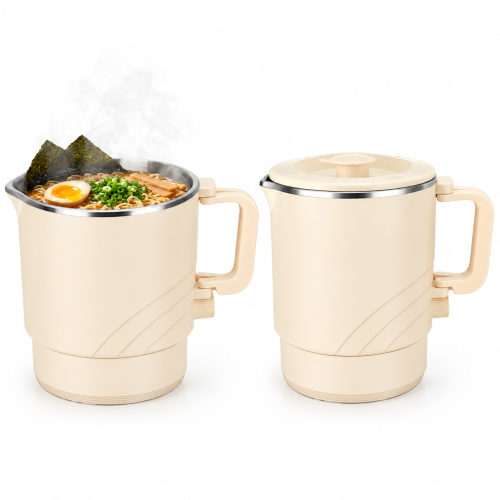


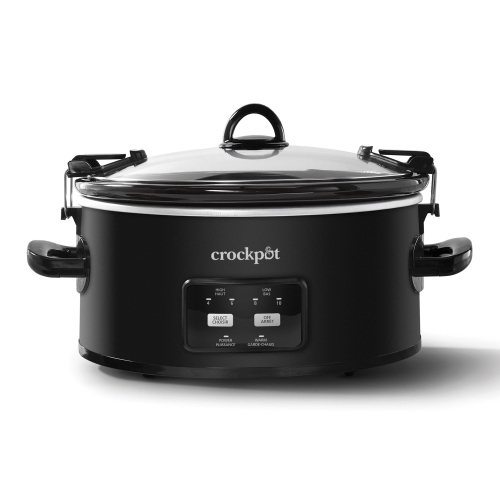
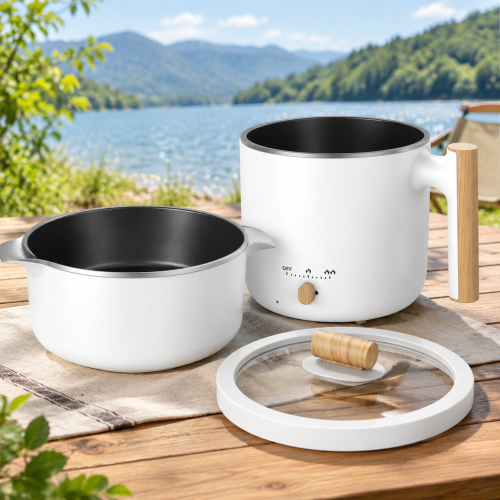
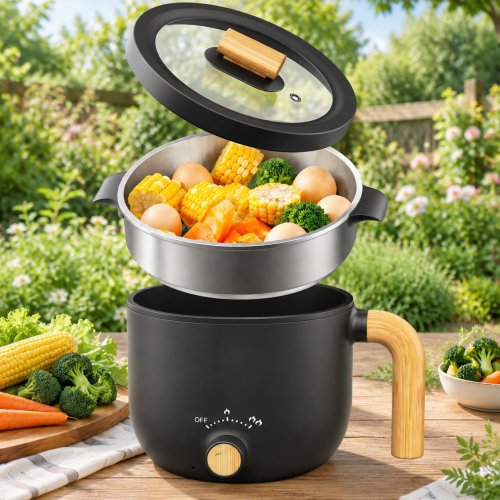
Familiar meals without a full kitchen
Travel cookers are compact appliances and portable cooking systems designed to prepare or heat food away from a full kitchen. They can make familiar meals easier to manage during a road trip, an extended stay or a workday, whether that means oatmeal before heading out, rice with vegetables for dinner or soup at lunchtime. The most suitable type depends on the meals being prepared, the number of people eating and the cooking facilities permitted at the destination. Compact electric pots can handle tasks such as boiling, simmering and steaming when those functions are supported, while small rice cookers offer a more focused way to prepare grains and simple meals. Portable food warmers serve a different purpose: some heat previously cooked food, while others only maintain serving temperature, so they should not be treated as interchangeable with appliances designed to cook raw ingredients. Small slow cookers suit recipes that need a longer cooking period rather than a quick meal between activities. For outdoor trips without an electrical connection, portable fuel-burning stoves provide another approach, with different setup and ventilation requirements from electric cookers. Capacity matters as much as the cooking method. A personal-size vessel may be enough for one serving of noodles, but preparing dinner for two requires room for the ingredients, cooking liquid and expansion during heating. Rice capacity also needs careful interpretation because measurements for uncooked rice and finished servings are not the same. Usable cooking space is more helpful than exterior size alone, especially when a compact cooker must handle both a main dish and an accompanying ingredient. Simple controls, a clearly marked fill line and an easy-to-read indicator can make daily use more straightforward in an unfamiliar kitchen. Automatic shut-off and keep-warm settings may add convenience where included, but neither replaces the operating instructions or safe food handling. A travel cooker is most useful when its functions match an established routine, rather than adding settings that rarely leave the control panel.
Materials and construction affect how a travel cooker packs, cooks and cleans up afterwards. Stainless steel cooking vessels are valued for their durability and tolerance of frequent washing, although food can stick without appropriate preparation and cleaning. Aluminium vessels are generally lighter, while a non-stick interior can help with serving and washing up after foods such as rice or porridge. Non-stick surfaces need utensils and cleaning methods suited to their coating; abrasive pads and metal tools may damage the finish. Collapsible silicone sections can reduce packed height, provided they are designed for the appliance’s cooking temperatures and used exactly as directed. A folding body is not automatically suitable for an external burner, and a removable pot should only be used separately on a stovetop if the manufacturer expressly allows it. Handles, lids and bases deserve attention too. Secure handles make a filled vessel easier to lift, while a stable base and accessible controls help keep the cooking area manageable. The space needed in use may be greater than the packed footprint once handles are extended, a lid is raised or steam clearance is allowed. A travel setup also needs a level, heat-resistant surface with the clearances specified in the instructions, rather than a bed, upholstered seat or crowded luggage stand. For packing, a protected control panel, detachable cord and nesting components can keep loose parts organized. A lid latch may help secure the lid during transport, but it does not necessarily make the cooker leakproof or safe to carry while hot. Unless the appliance is specifically designed for transporting food, moving meals in a separate sealed container is often more practical. After use, removable parts should be cleaned according to their care instructions and dried thoroughly before packing. Electrical bases and connectors must stay out of water unless explicitly designed otherwise, and dishwasher compatibility should be confirmed for each component rather than assumed for the whole appliance.
Power requirements help distinguish a cooker that is genuinely suited to a trip from one that is simply small enough to pack. Most household electrical outlets in Canada supply 120 V, but a compact appliance is not automatically compatible with electrical supplies abroad. Dual-voltage operation must be stated on the appliance, and any manual voltage selector needs to be set correctly before connection. A plug adapter changes the plug shape, not the supply voltage, so it cannot make a single-voltage cooker suitable for a different electrical system. The cooker’s wattage must also fit the rating of the outlet and any permitted power equipment. Vehicle outlets vary considerably; a household plug socket inside a vehicle does not necessarily provide enough power for a cooking appliance. Cooking should take place only while parked, with a suitable power source and a stable setup that meets the appliance instructions. Hotel rooms, offices, shared accommodation and recreational vehicles may also have restrictions on cooking appliances, making permission and an appropriate preparation area part of the decision. Fuel-burning camping stoves belong outdoors and must never be used in hotel rooms, vehicles, tents or other enclosed spaces because of fire and carbon monoxide hazards. Compatible fuel, suitable cookware and secure pot supports are essential considerations for that category, along with any site restrictions on stove use. Across both electric and outdoor cooking options, the best fit is usually the one that supports a realistic meal routine with manageable packing and cleanup. Someone travelling alone may appreciate a single vessel that doubles as a serving bowl when designed for that use, while a couple may value a wider pot that makes stirring and portioning easier. As a gift, a travel cooker is particularly thoughtful when the recipient’s cooking habits, luggage space and access to power are already known. For a coordinated setup, Travel Kitchen Appliances provide broader context for planning food preparation away from home, with each appliance serving a distinct purpose rather than duplicating tasks.
Top selling and popular products
-
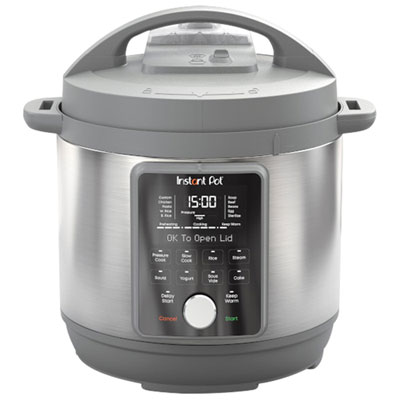 Your price for this item is $199.99
-
 Your price for this item is $159.99
-
 Your price for this item is $89.99
-
 Your price for this item is $179.99
-
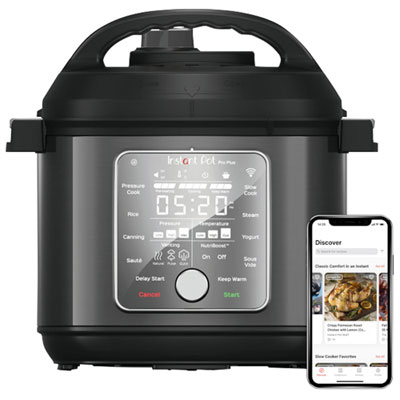 Your price for this item is $249.99
-
 Your price for this item is $309.98
-
 Your price for this item is $622
-
 Your price for this item is $179.99
Discover more categories related to Travel Cookers


Top Collections:
Best Black Friday Deals This Year, Best Black Friday Deals On Electronics, Kindle Devices, Pokemon Centers, Best Black Friday Deals On Apple Products, Best Cameras for Sports Photography, Dyson Airwrap, Pokémon 30th Celebration Cards, Apple iPhone 17 Pro, Canon G7X Cameras
Some products may be subject to Environmental Handling Fees
(EHF) depending on your province.
Learn more about EHFs.