Space Heaters for Nursery
Space Heaters for Nursery are designed to help create a warm and comfortable environment for your little one. Whether you're looking to maintain a cozy temperature during colder months or add a gentle boost of warmth, these space heaters offer an easy solution for nurseries of all sizes. Discover a selection of options that fit seamlessly into your child's room, helping you keep your baby comfortable and content throughout the day and night. Shop Space Heaters for Nursery to find the right addition to your baby's space.
Sort
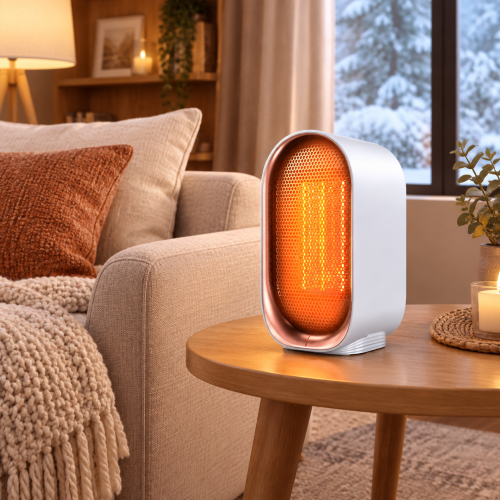
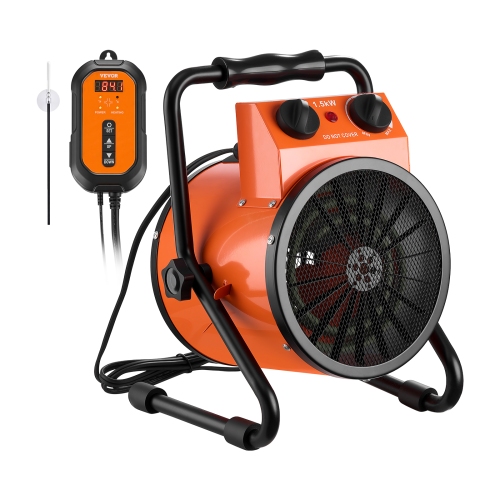
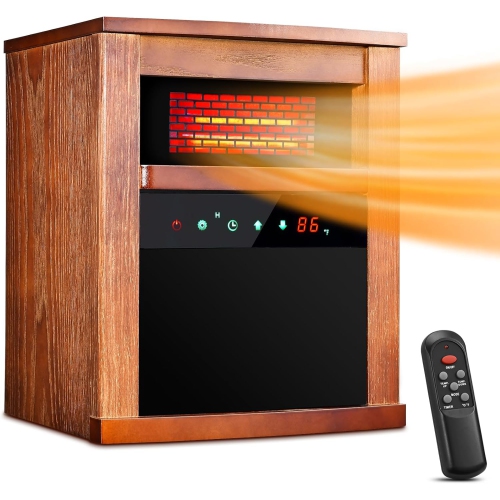
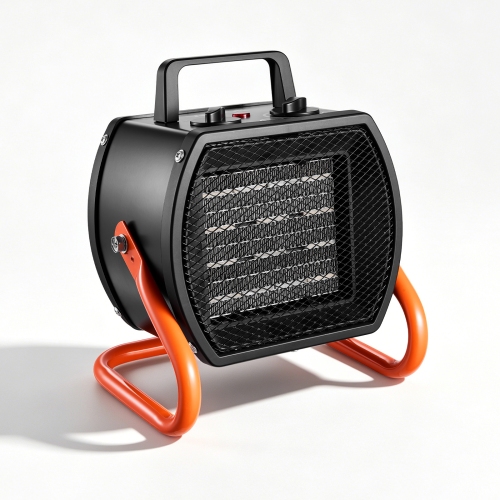

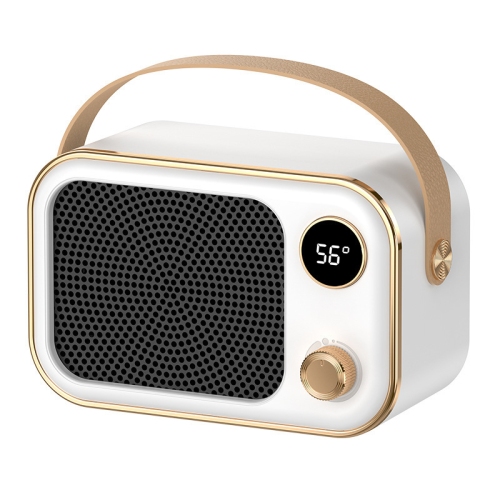
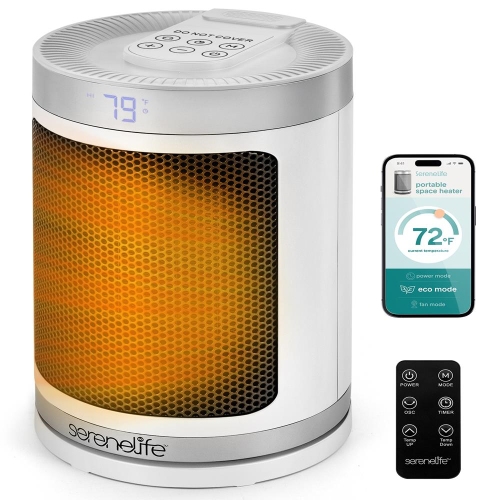
Nursery warmth depends on more than heating power
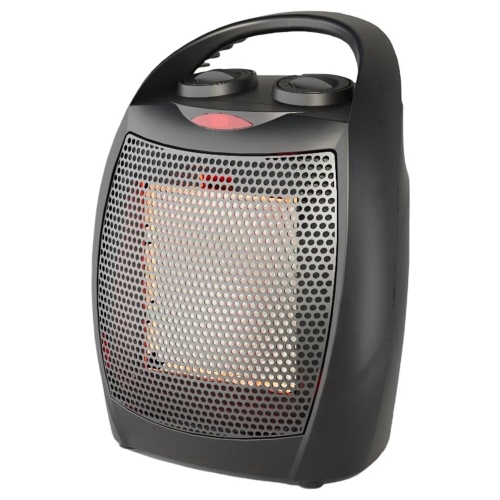
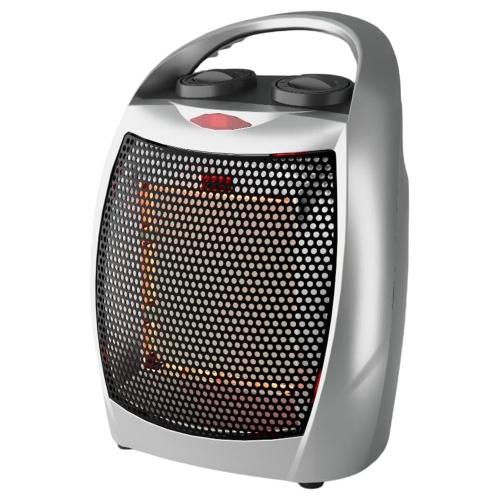
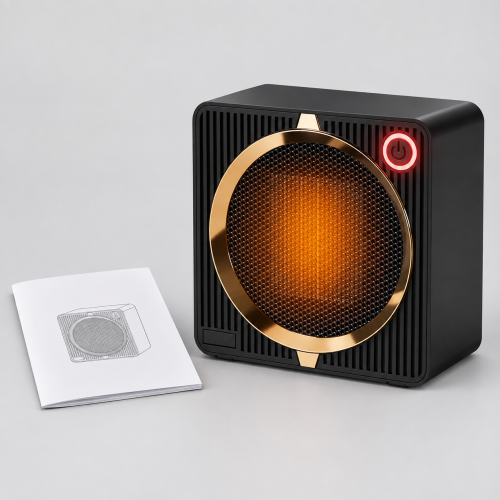
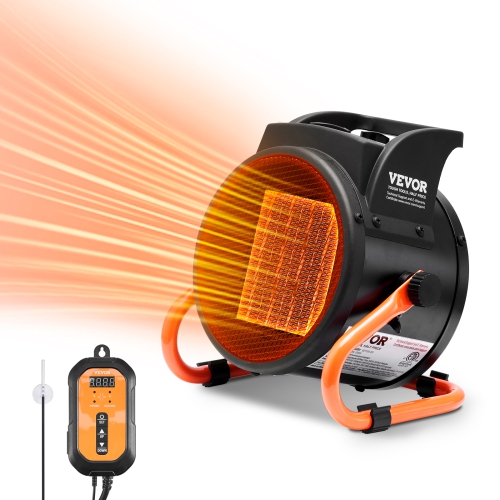
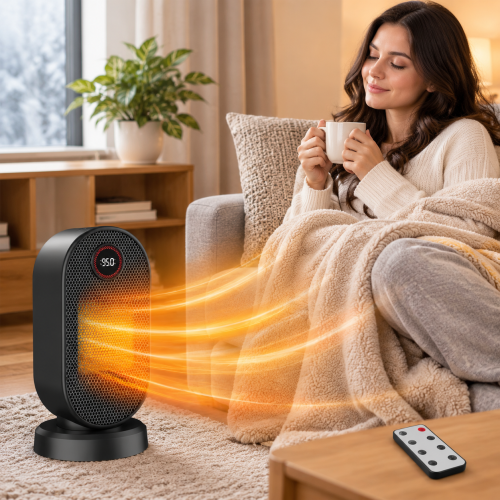
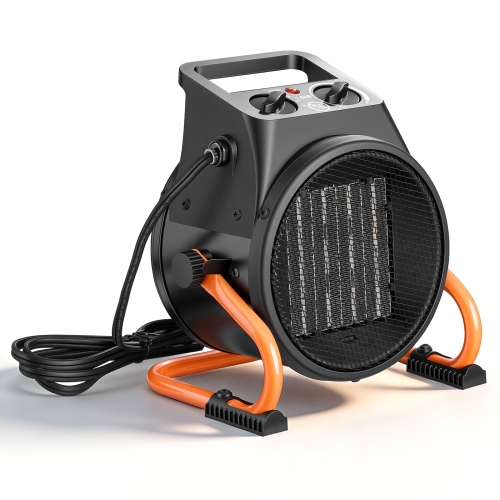
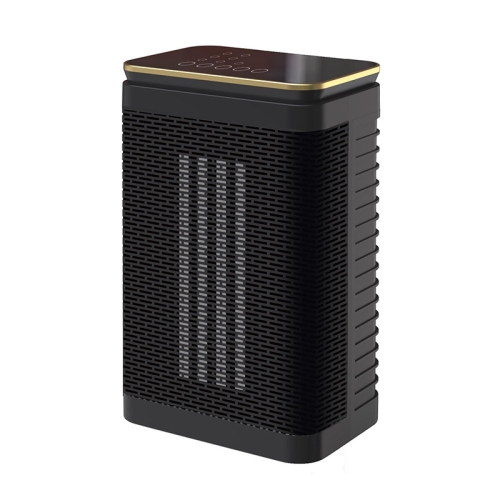
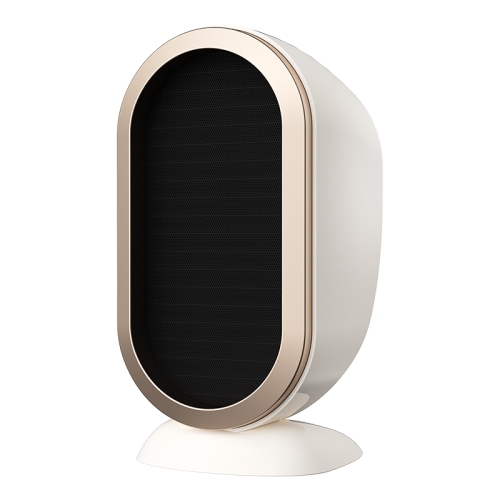
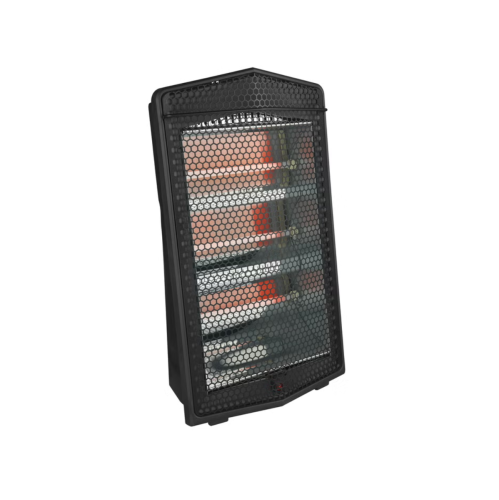
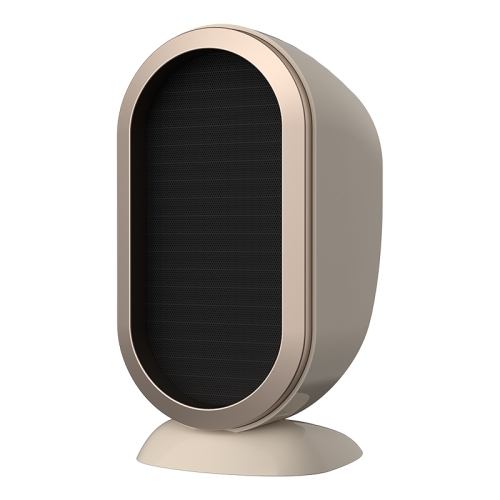
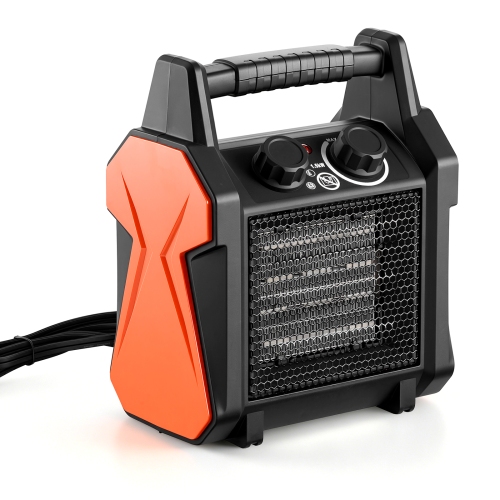
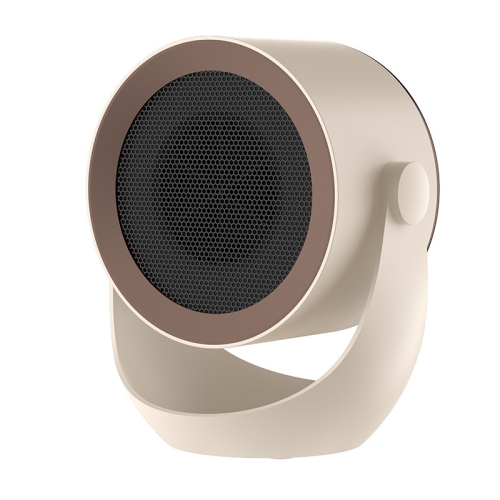
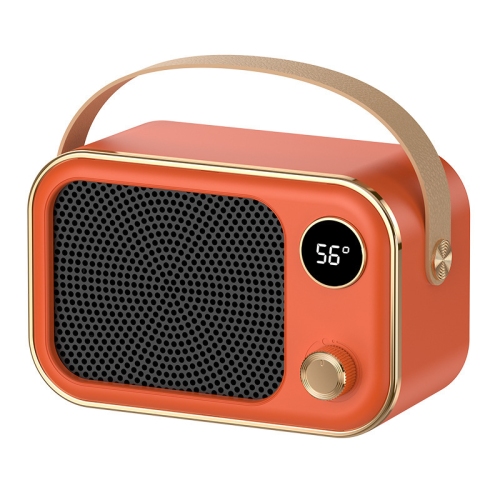
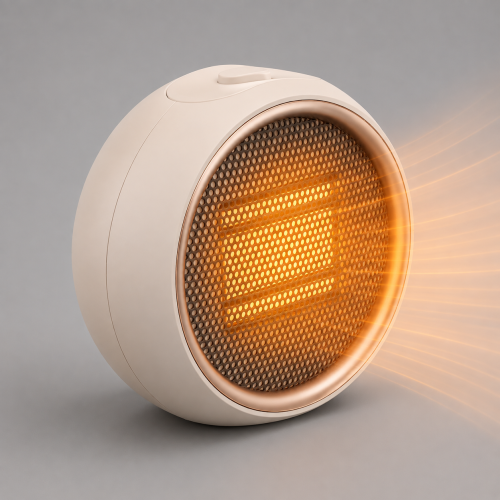
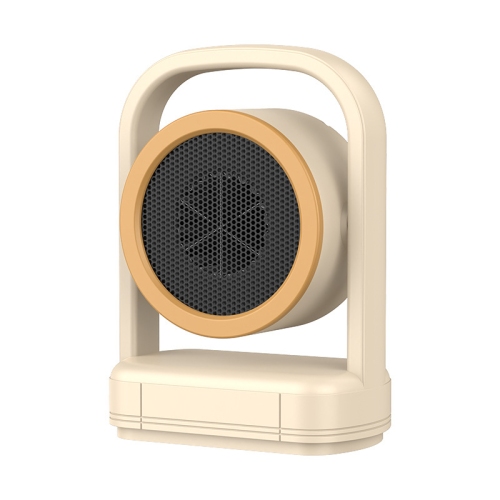
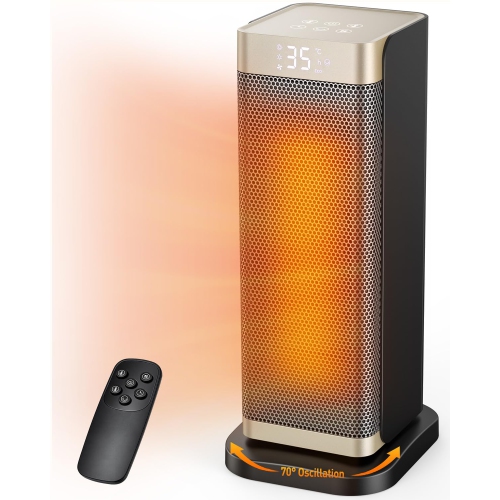
Space heaters for a nursery offer supplemental warmth in a room where careful temperature control, thoughtful placement and adult supervision matter more than heating power alone. Useful features to compare include tip-over shutoff, overheat protection, a cool-touch outer housing, guarded heating elements and tamper-resistant controls. These features address different concerns: tip-over protection stops operation if a heater is knocked over, while overheat protection shuts it down when internal temperatures rise beyond its operating limits. Neither feature makes a heater childproof or suitable for unattended use. A portable heater should run only while an adult is awake and present, and it should be turned off and unplugged before that adult leaves the room or goes to sleep. For a nursery, a thermostat with clearly marked settings is particularly helpful because the aim is comfortable, consistent warmth rather than a strong stream of hot air. An adjustable heat setting lets a caregiver reduce output once the room is comfortable, while a separate room thermometer provides a useful check away from the heater itself. Keep that thermometer away from direct sunlight, windows and the heater’s airflow so its reading better reflects conditions around the room. Do not direct warm air at a baby, crib or bassinet, and avoid using extra heat to compensate for a draught that could be addressed through home maintenance. Room size also matters. Many portable electric heaters have a maximum output of 1,500 watts, but wattage alone does not establish how much space they can heat effectively. Ceiling height, insulation, windows and the room’s layout all influence performance. Manufacturer room-size recommendations are a starting point, not a guarantee that every nursery will warm at the same rate. A compact room may need a lower setting than a larger space, and a thermostat measures conditions near its sensor rather than beside the crib. Check the room’s comfort independently instead of repeatedly raising the heater’s setting, and follow a healthcare professional’s advice if there are concerns about a baby becoming too warm.
The heating method affects how warmth feels during everyday nursery routines. Ceramic fan heaters move air across a heated element and can provide relatively quick warmth while a caregiver sits nearby for feeding, reading or changing. Their fans create some background sound, and the outlet can become hot even when other parts of the housing stay cooler. Oil-filled radiators use an enclosed fluid to transfer heat through metal fins, producing gradual warmth without a fan on many designs. They generally take longer to warm up and can remain hot after being switched off, so exposed surfaces and residual heat deserve particular attention around children. Radiant heaters warm people and nearby objects more directly, which makes their direction and clearance requirements especially important; a concentrated heat source should never face a baby’s sleep space. Materials and construction are therefore more useful to assess than appearance alone. A smooth housing, secure grille, stable base and well-fitted controls can support everyday usability, but no exterior material removes the need to keep children away. For a broader look at protective features, explore Safe Heaters and check the individual operating requirements for any heater being considered. In a nursery, placement should be planned before choosing a heater’s shape or footprint. Allow at least one metre between the heater and bedding, curtains, clothing, upholstered furniture and other combustible materials, or more if the manufacturer specifies it. A rocking chair needs room to move without entering that clearance area, and curtains must not be able to drift towards the heater. Position the unit on a firm, level surface permitted by its instructions, away from doorways and routes used when carrying a baby. Never balance it on a dresser, changing table or shelf, and do not place it inside or against a crib. Keep air inlets and outlets unobstructed. Plug a portable electric heater directly into a suitable wall outlet, never an extension cord or power bar, and keep the cord out from under rugs and away from places where it could be pulled or tripped over.
Everyday details can make a nursery heater easier to manage without making it a substitute for supervision. Controls that are readable in low light help a caregiver confirm the setting without bringing the heater closer to the feeding chair. A dimmable display may reduce distracting light, while a control lock can discourage accidental changes; neither replaces keeping the appliance out of a child’s reach. Noise varies between designs, so consider fan speed, thermostat clicks and operating alerts rather than relying on a general claim of quiet operation. A timer can limit a heating session, but it is not permission to leave a heater running unattended. Similarly, remote controls and connected functions offer convenience without confirming that bedding has fallen nearby or a cord has been disturbed. Look for a recognized Canadian electrical certification mark on the appliance itself, and read the manual for placement, cleaning and operating limits. Durability depends partly on routine care: dust and lint can collect around intake grilles, especially in a room with blankets, soft furnishings and frequently changed clothing. Switch the heater off, unplug it and allow it to cool fully before cleaning. Follow the manufacturer’s instructions for wiping the housing or removing dust, and wash a removable filter only if the instructions specifically allow it. Never drape clothing over a heater to dry or use it to warm bedding. Check the plug, cord, grille and housing regularly, and stop using the appliance if there is damage, a loose connection, unusual odour or excessive heat at the plug or outlet. Built-in cord storage is useful only once the heater is unplugged and cool; cords should be arranged exactly as directed during operation. As a baby begins rolling, crawling and pulling up, reassess access to the heater and its cord. If the room cannot accommodate the required clearance and secure placement, portable heating is not a suitable choice for that space.
Top selling and popular products
-
 Your price for this item is $549.99
-
 Your price for this item is $549.99
-
 Your price for this item is $41.99
-
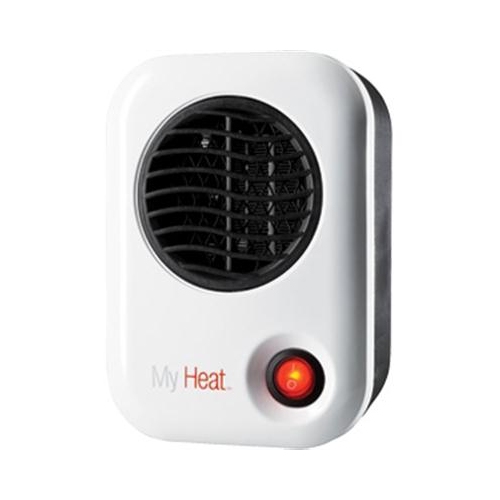 Your price for this item is $136.99
-
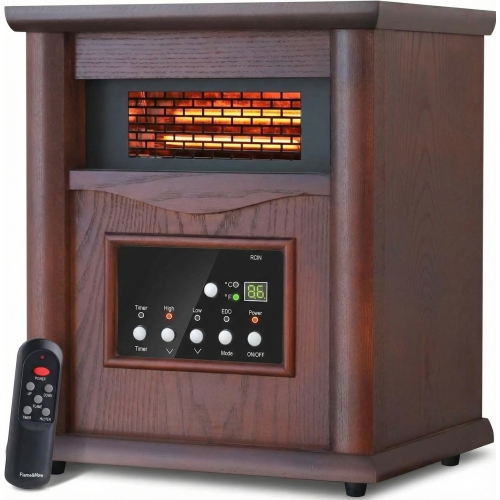 Your price for this item is $159.95
-
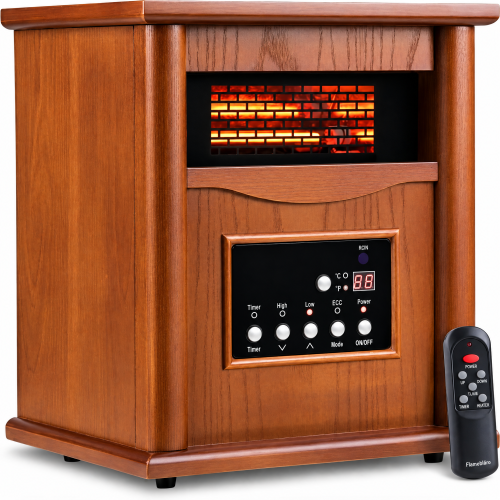 Your price for this item is $159.95
-
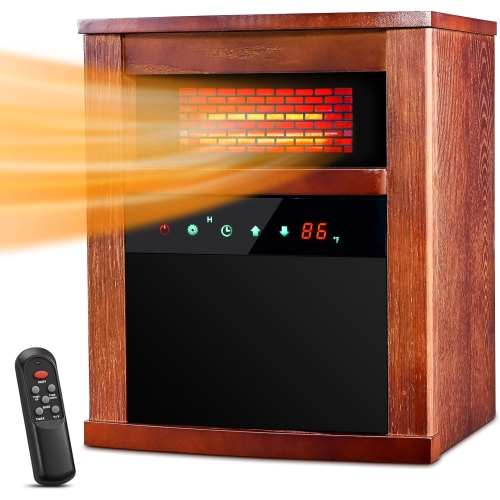 Your price for this item is $219.95
-
 Your price for this item is $159.95
Discover more categories related to Space Heaters for Nursery

Top Collections:
Best Black Friday Deals This Year, Best Black Friday Deals On Electronics, Kindle Devices, Pokemon Centers, Best Black Friday Deals On Apple Products, Best Cameras for Sports Photography, Dyson Airwrap, Pokémon 30th Celebration Cards, Apple iPhone 17 Pro, Canon G7X Cameras
Some products may be subject to Environmental Handling Fees
(EHF) depending on your province.
Learn more about EHFs.