Stacked Washer Dryer Gas
Looking for a space-saving laundry solution that combines efficiency and convenience? Look no further than our selection of stacked gas washers and dryers. Designed to fit seamlessly in tight spaces, these innovative appliances offer the power of a gas dryer and the functionality of a washer, all in one compact unit. Whether you're looking to upgrade your laundry room or maximize your floor space, our stacked gas washer and dryer options provide the perfect combination of performance and versatility.
Sort

Stacked Washer Dryer Gas
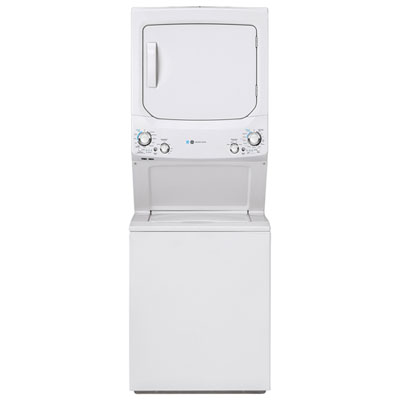
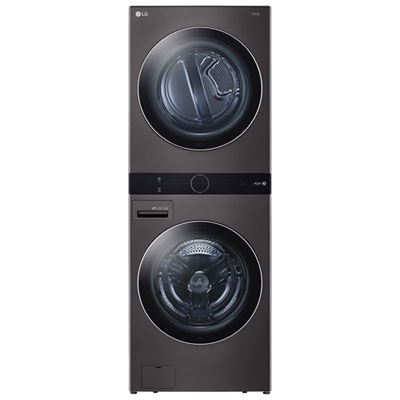
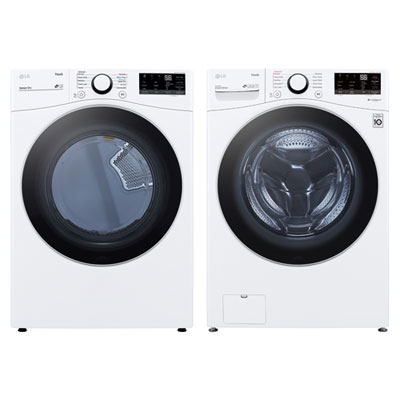
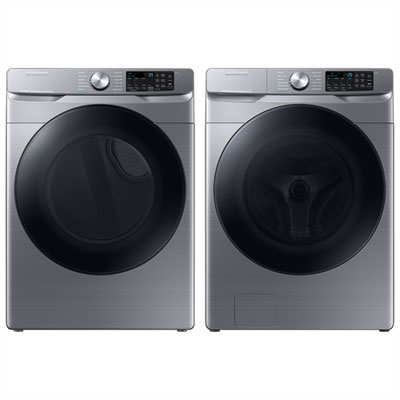
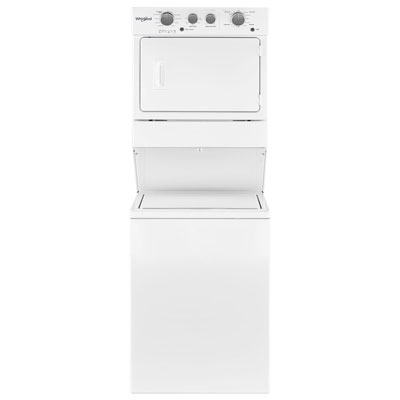
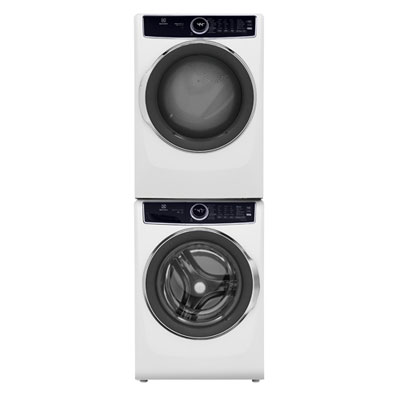
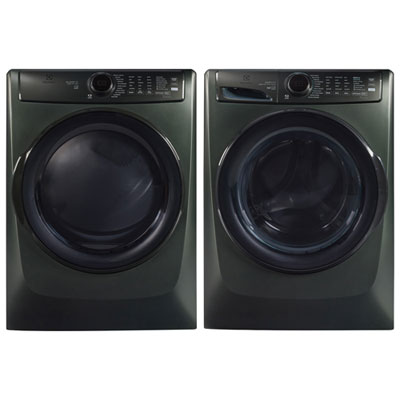
A stacked washer dryer gas setup combines a washing machine and a gas-powered dryer in a vertical arrangement, making practical use of the same floor space as a single laundry appliance. It can be a smart fit for homes with a narrow laundry closet, compact utility room, apartment, condominium, basement renovation or secondary laundry area. In most configurations, the washer sits below and the gas dryer sits above, either as a single-body laundry centre or as a matching front-load pair secured with an approved stacking kit. The washer is powered by electricity and uses household water connections, while the dryer uses natural gas or, with the appropriate manufacturer-approved conversion, propane to generate heat. This arrangement can help keep laundry contained in one convenient area without giving up the capacity and separate wash-and-dry cycles many households prefer. It may suit a busy family managing school clothes, sports uniforms and bedding, a couple furnishing a new home, or anyone replacing a laundry pair while trying to preserve valuable room for storage. During the warmer and cooler parts of the year, the same setup remains useful for everything from lightweight clothing and towels to heavier blankets, coats and household linens. Its vertical design also keeps controls, doors and baskets together in one clearly defined work zone, which can make laundry feel less scattered in a small home.
Before choosing a stacked washer dryer gas configuration, confirm that the room has the required connections and enough clearance for safe operation and future servicing. A dedicated natural gas line is needed for a natural-gas dryer, while homes using propane should verify compatibility and whether a conversion kit is available and must be installed. The washer generally needs hot and cold water supply lines, a drain connection and a standard electrical outlet. The gas dryer also uses electricity for its motor, controls and electronic ignition, so the available outlet must match the installation requirements; gas dryers typically do not use the same high-voltage connection required by many electric dryers. Proper outside venting is essential because it carries away moisture and combustion by-products, and the vent route should be as short and direct as the room allows. Measure the full installation area, including ceiling height, door swing, hallway width and the space needed to open both appliance doors comfortably. Pay close attention to depth, since hoses, venting and the gas connection may extend beyond the cabinet. A level, solid floor helps reduce vibration during high-speed spins, while a secure stacking system is important when separate appliances are installed one above the other. For a single-body unit, the required installation method is built into the design; for a modular pair, use only the compatible bracket or stacking kit specified for that washer and dryer combination. Because gas connections, venting and the weight of stacked appliances require care, professional installation is strongly recommended. A qualified installer can check the shut-off valve, confirm the vent terminates safely outdoors, test for leaks and make sure the unit is level and stable before the first load. For additional browsing, Whirlpool Stackable Gas Dryers can help shoppers compare gas dryer options that may be suitable for a vertical laundry arrangement.
Capacity, controls and day-to-day access are also important when comparing these appliances. Think about the largest items you regularly wash, not just the average load of clothing. A smaller household may be comfortable with a compact drum, while families with frequent bedding, towels or sportswear may appreciate more room and cycles designed for bulky loads. Front-load washers are often selected for stackable pairings because their doors and controls are arranged for vertical installation, while unitized laundry centres may use a top-load washer with a gas dryer positioned above it. A central control panel on some designs can make it easier to select a cycle without reaching to the top of the appliance, which is especially helpful in a tight room. Look for wash and dry settings that match your routine, such as delicate, heavy-duty, quick, timed dry, air dry, bedding or sanitizing options, while checking that the temperatures and fabric-care instructions suit the clothing in your household. Noise and vibration ratings can matter when the laundry area is near a bedroom, living room or home office. Consider the door opening direction, lint filter access, detergent dispenser location and whether you can comfortably load the upper dryer without stretching or using a step stool. If the appliances will be used by several people, clear controls and easy-to-reach handles can make the space more approachable for everyone. It is also worth planning the surrounding area: a narrow shelf for detergent, a hamper that fits beside the unit and a small surface for folding can turn a cramped closet into a tidy, efficient laundry station. Regularly clean the lint filter, inspect the vent, avoid overloading either drum and follow the installation and care instructions supplied with the appliance. With the right measurements, compatible connections and thoughtful placement, a stacked washer dryer gas setup can provide dependable laundry performance while making the most of limited floor space.
Before choosing a stacked washer dryer gas configuration, confirm that the room has the required connections and enough clearance for safe operation and future servicing. A dedicated natural gas line is needed for a natural-gas dryer, while homes using propane should verify compatibility and whether a conversion kit is available and must be installed. The washer generally needs hot and cold water supply lines, a drain connection and a standard electrical outlet. The gas dryer also uses electricity for its motor, controls and electronic ignition, so the available outlet must match the installation requirements; gas dryers typically do not use the same high-voltage connection required by many electric dryers. Proper outside venting is essential because it carries away moisture and combustion by-products, and the vent route should be as short and direct as the room allows. Measure the full installation area, including ceiling height, door swing, hallway width and the space needed to open both appliance doors comfortably. Pay close attention to depth, since hoses, venting and the gas connection may extend beyond the cabinet. A level, solid floor helps reduce vibration during high-speed spins, while a secure stacking system is important when separate appliances are installed one above the other. For a single-body unit, the required installation method is built into the design; for a modular pair, use only the compatible bracket or stacking kit specified for that washer and dryer combination. Because gas connections, venting and the weight of stacked appliances require care, professional installation is strongly recommended. A qualified installer can check the shut-off valve, confirm the vent terminates safely outdoors, test for leaks and make sure the unit is level and stable before the first load. For additional browsing, Whirlpool Stackable Gas Dryers can help shoppers compare gas dryer options that may be suitable for a vertical laundry arrangement.
Capacity, controls and day-to-day access are also important when comparing these appliances. Think about the largest items you regularly wash, not just the average load of clothing. A smaller household may be comfortable with a compact drum, while families with frequent bedding, towels or sportswear may appreciate more room and cycles designed for bulky loads. Front-load washers are often selected for stackable pairings because their doors and controls are arranged for vertical installation, while unitized laundry centres may use a top-load washer with a gas dryer positioned above it. A central control panel on some designs can make it easier to select a cycle without reaching to the top of the appliance, which is especially helpful in a tight room. Look for wash and dry settings that match your routine, such as delicate, heavy-duty, quick, timed dry, air dry, bedding or sanitizing options, while checking that the temperatures and fabric-care instructions suit the clothing in your household. Noise and vibration ratings can matter when the laundry area is near a bedroom, living room or home office. Consider the door opening direction, lint filter access, detergent dispenser location and whether you can comfortably load the upper dryer without stretching or using a step stool. If the appliances will be used by several people, clear controls and easy-to-reach handles can make the space more approachable for everyone. It is also worth planning the surrounding area: a narrow shelf for detergent, a hamper that fits beside the unit and a small surface for folding can turn a cramped closet into a tidy, efficient laundry station. Regularly clean the lint filter, inspect the vent, avoid overloading either drum and follow the installation and care instructions supplied with the appliance. With the right measurements, compatible connections and thoughtful placement, a stacked washer dryer gas setup can provide dependable laundry performance while making the most of limited floor space.
Top selling and popular products
-
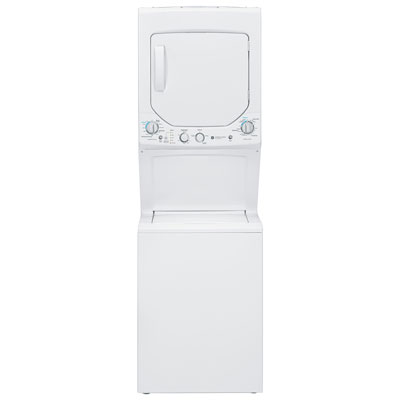 Your price for this item is $1499.99
 -
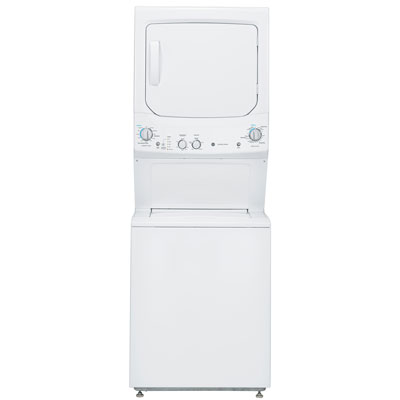 Your price for this item is $2599.99
 -
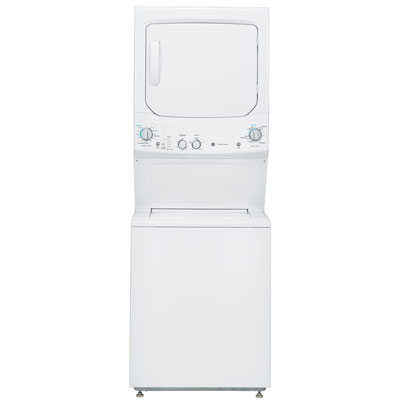 Your price for this item is $1499.99
 -
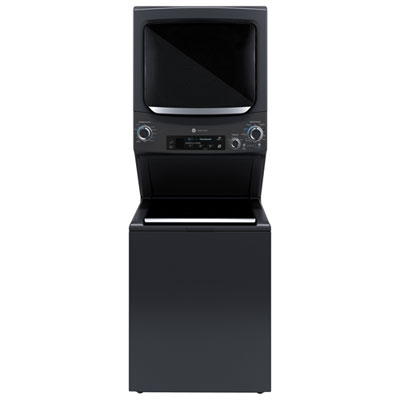 Your price for this item is $2899.99
 -
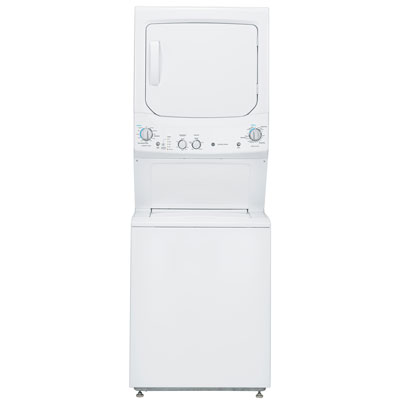 Your price for this item is $2499.99
 -
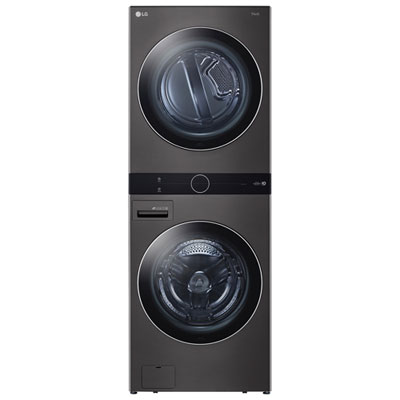 Your price for this item is $2494.99
 -
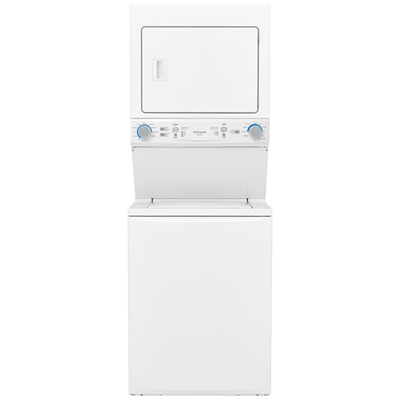 Your price for this item is $1799.99
 -
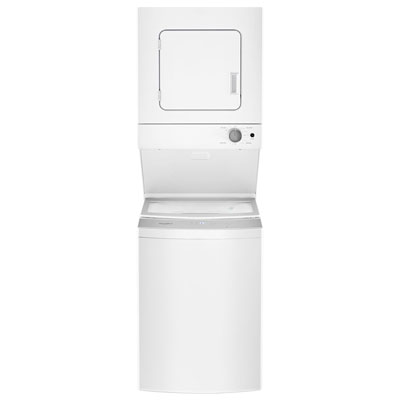 Your price for this item is $1799.99
Discover more categories related to Stacked Washer Dryer Gas
Top Collections:
Pokemon Centers, Kindle Devices, Budget Smartphones, Budget 4K TVs, Apple iPhones 16, Canon G7X Cameras, iPhone 15 Apple, Alarm Clock, Budget-Friendly Wireless Earbuds, iPhone 14 256GB
Some products may be subject to Environmental Handling Fees
(EHF) depending on your province.
Learn more about EHFs.