Stackable Gas Dryers
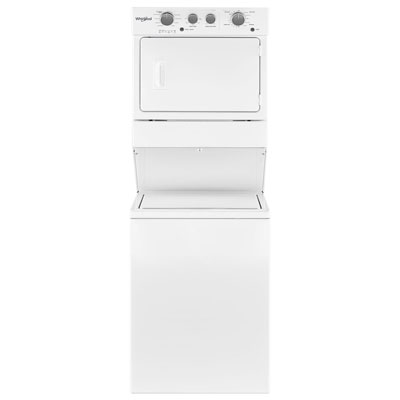
Stackable gas dryers are a great way to save space in your laundry room. They can be placed on top of each other to create a larger capacity, and they are also stackable with other dryers of the same size. These appliances will make laundry day a breeze. Here are some of our favorites.
Sort
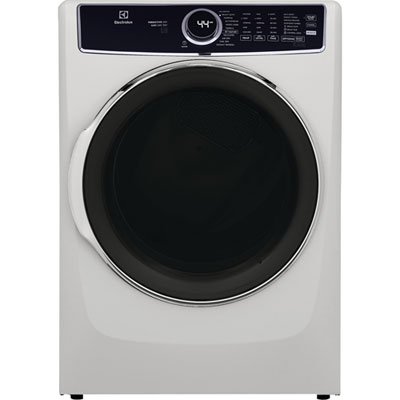

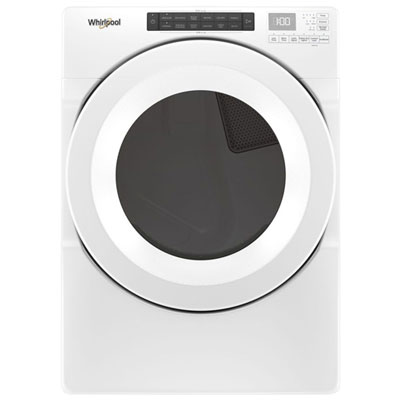
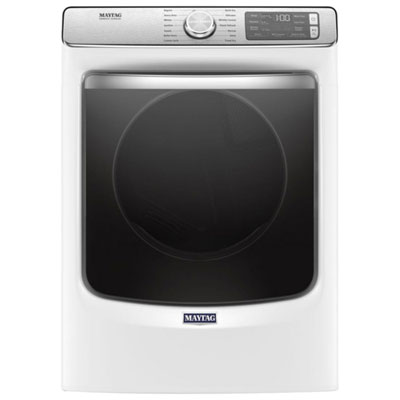

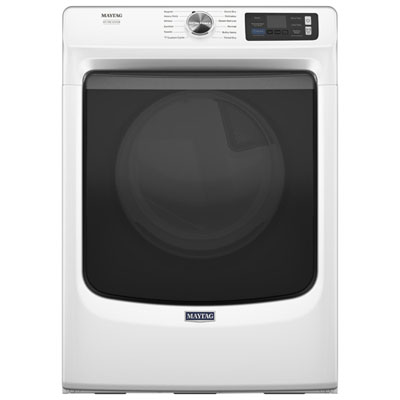
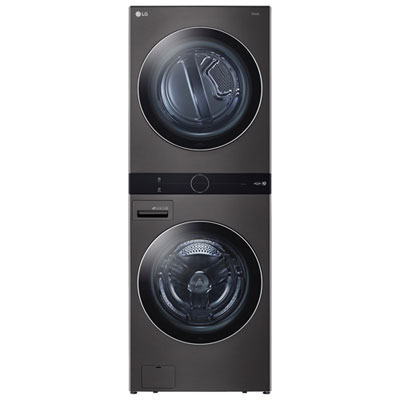
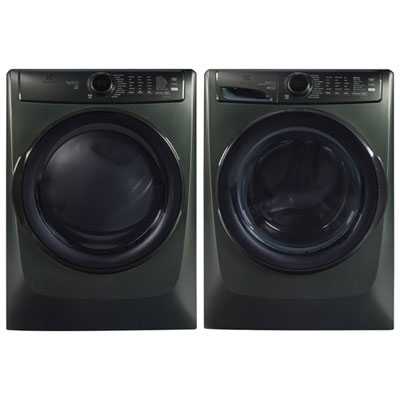
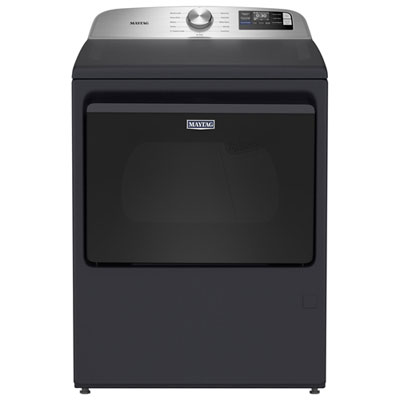

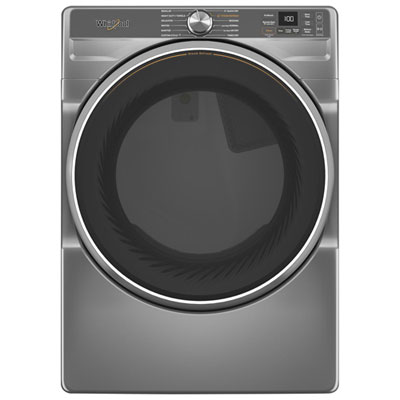
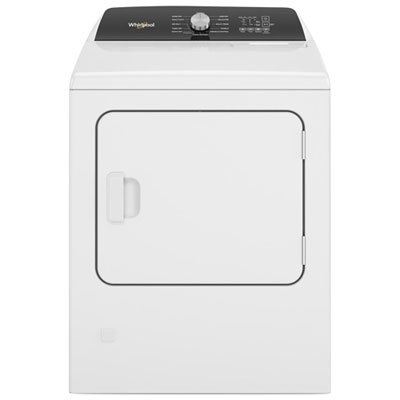

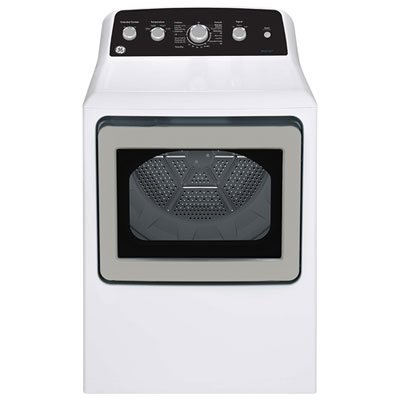
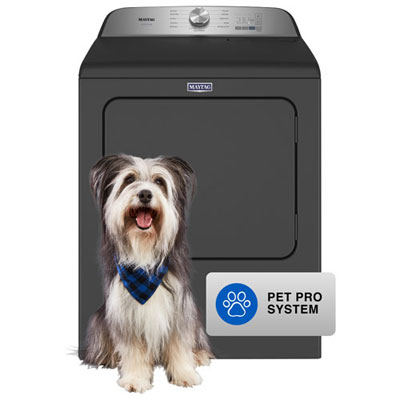
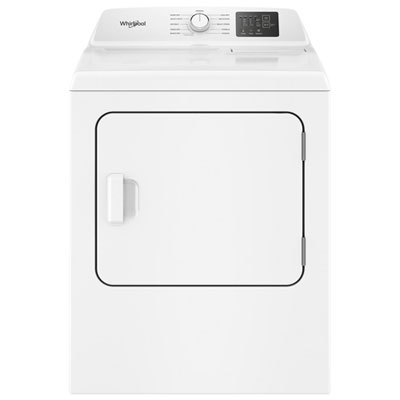
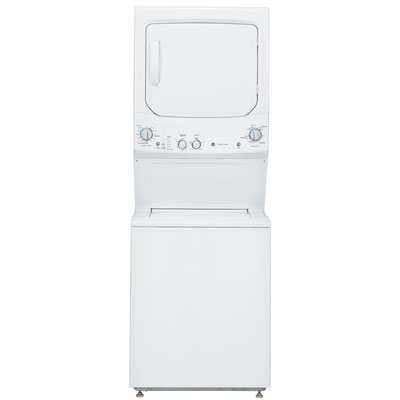
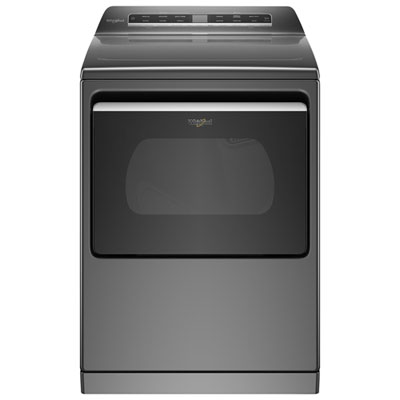


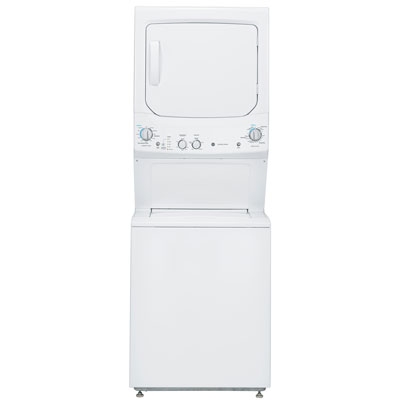
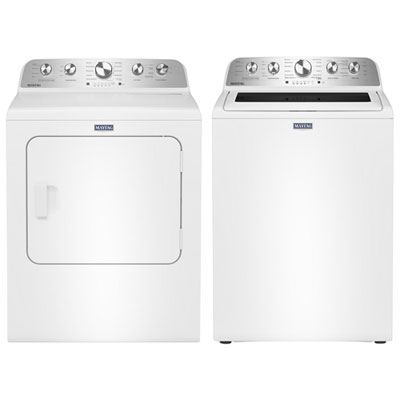
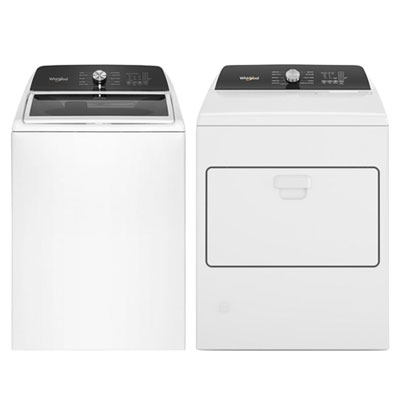

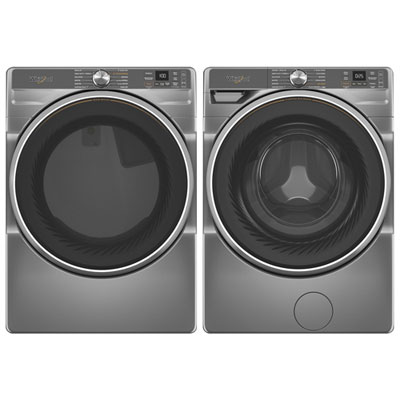
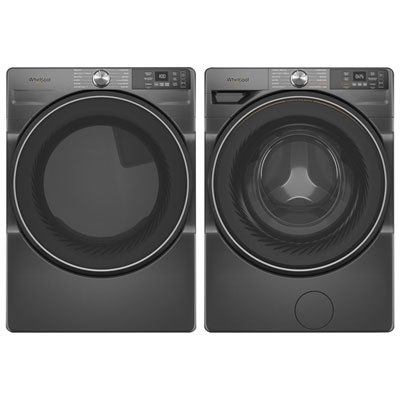

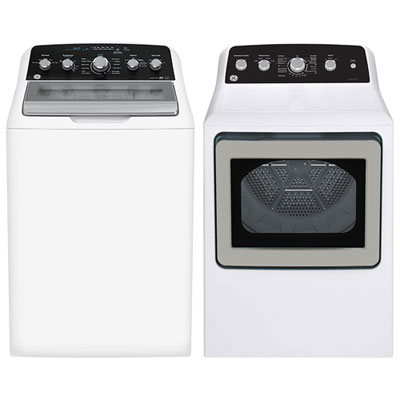
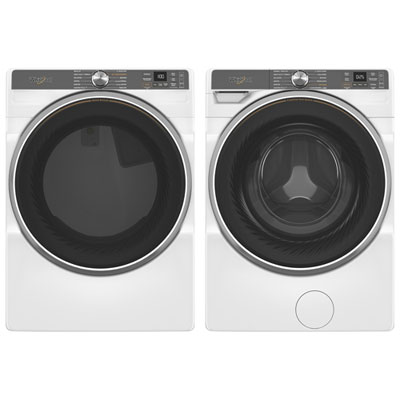

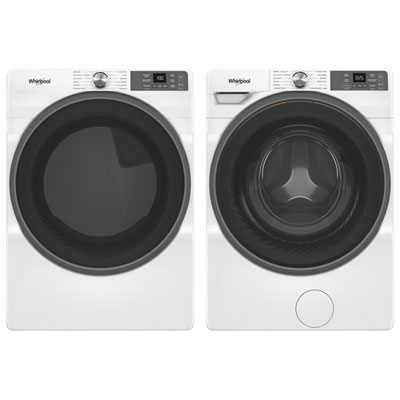
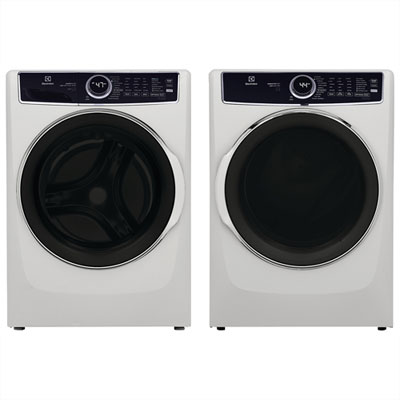
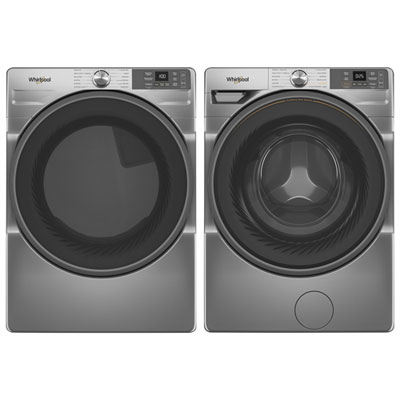


Less floor space doesn’t have to mean smaller loads
Stackable gas dryers are gas-powered clothes dryers designed to sit above compatible front-load washers using manufacturer-approved stacking hardware. This arrangement puts two separate appliances within a single floor footprint, leaving more room for a folding surface, storage shelves, or a clear walkway. It can be particularly useful in a narrow laundry room, a townhouse utility space, or a condo laundry closet where gas appliances are permitted and the required connections are present. Stackable does not necessarily mean compact: many stackable dryers offer full-size drums, so saving floor space does not automatically require choosing a smaller load capacity. Gas supplies the heat, while electricity powers the drum, controls, and other components. Most residential gas dryers require an appropriate grounded electrical outlet, a compatible gas supply, and an exhaust duct that vents outdoors. They are not interchangeable with ventless electric dryers, even when the cabinets look similar. Their intended use is familiar household laundry, from everyday cotton shirts and school clothes to towels and bedding that are suitable for tumble drying. A roomy drum gives wet fabric space to lift, separate, and tumble rather than stay bundled together, although the right capacity depends on both the washer’s output and the types of loads being dried. A household washing bulky sheets has different needs from someone drying a few work shirts at a time. Capacity alone does not determine whether a comforter will dry properly; its care label, thickness, and the appliance’s instructions also matter. For shared household laundry, clear controls and straightforward cycle choices can be just as useful as a long feature list. The benefit of a stacked arrangement is keeping washing and drying together while using vertical space efficiently. It offers a practical alternative to a side-by-side setup without turning the laundry area into a passage squeezed between appliance doors and baskets.
Fit involves more than finding a dryer with the same width as the washer underneath it. Stacking compatibility is specific to the appliances, and matching dimensions or a similar finish do not establish that two machines can be safely paired. The dryer belongs above the washer, secured with the stacking kit specified for that combination; a shelf or improvised bracket is not a substitute. Before choosing a configuration, account for the combined appliance height, stacking hardware, required clearances, and the space behind the machines for the gas connection and exhaust duct. The delivery route matters too, especially where a basement staircase, tight landing, or narrow doorway stands between the entrance and the laundry room. In an enclosed closet, the installation instructions may specify door openings or other provisions for airflow. A dryer that fits inside the opening still needs room to vent correctly, open fully, and remain accessible for servicing. Door swing can make a noticeable difference in daily use: a door opening against a nearby wall may leave little room to lift a basket or transfer a damp duvet. Reversible dryer doors are offered on some designs, but this should be confirmed rather than assumed. The elevated position also changes how comfortably different household members can reach the controls, see inside the drum, and remove small pieces of clothing from the back. Accessible or centrally positioned controls may help where reach is a concern. Professional installation by a qualified gas technician is important for the gas connection, leak testing, and any permitted fuel conversion. A dryer configured for natural gas must not be connected to propane without the appropriate manufacturer-approved conversion and qualified installation. Building rules and local requirements also affect whether a gas dryer can be installed, particularly in multi-unit housing. Properly specified metal exhaust ducting, an approved vent route, and a level, secure washer base support safe operation and help keep movement and vibration under control.
Drying features are most useful when they suit the fabrics and routines that regularly pass through the laundry room. Moisture-sensing cycles monitor conditions in the load and adjust drying time, helping reduce unnecessary tumbling once clothes reach the selected dryness level. Timed drying provides a fixed running period, while lower-heat settings can suit garments whose care labels permit gentle tumble drying. Steam functions, where included, may help refresh suitable clothing or relax wrinkles, but they do not replace washing and may require an additional water connection or another water-supply arrangement. Wrinkle-reducing tumble options can be helpful when a finished load cannot be removed immediately, such as during a busy household evening. Connected features on some dryers provide cycle notifications or status checks through Wi-Fi, with capabilities and setup requirements varying by appliance. These conveniences sit alongside more physical details: a well-lit drum makes stray socks easier to spot, a comfortable door handle helps with repeated loading, and an accessible lint filter makes routine cleaning simpler. Drum materials commonly include stainless steel or coated metal. Stainless steel resists corrosion and avoids the possibility of a drum coating chipping, while any drum benefits from keeping coins, screws, and other hard objects out of the load. Painted cabinet finishes can usually be wiped with a soft cloth and a cleaner permitted by the manufacturer; abrasive pads may scratch the surface. Clean the lint filter after each load, keep the area around the appliance clear, and arrange exhaust duct inspection and cleaning according to the installation conditions and manufacturer’s directions. Loads taking longer than usual to dry can signal restricted airflow and deserve attention rather than simply longer cycle settings. Separating heavy towels from lightweight shirts also helps each load dry more evenly. For laundromats, managed rental facilities, or other settings with repeated daily loads, commercial stackable washers and dryers serve a different use case, with duty ratings, controls, and installation needs to assess separately from household appliances. For home use, approved compatibility, comfortable access, appropriate capacity, and consistent care are the foundations of a stacked laundry setup that works well over time.
Top selling and popular products
-
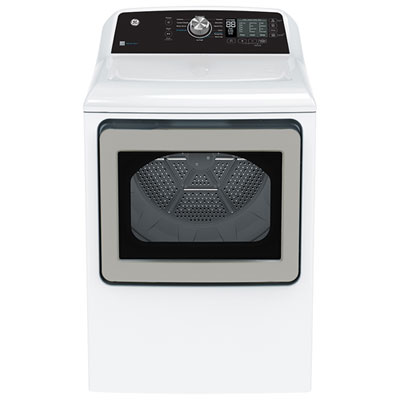 Your price for this item is $1449.99
-
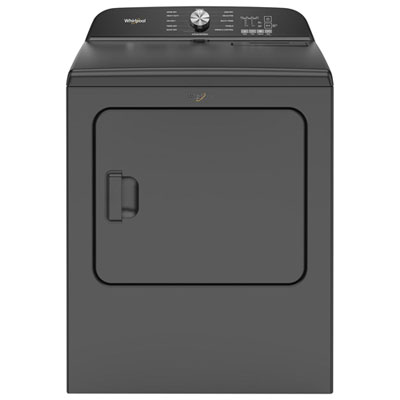 Your price for this item is $1149.99
-
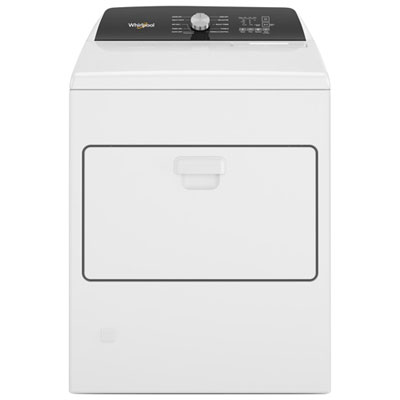 Your price for this item is $899.99
-
 Your price for this item is $1399.99
-
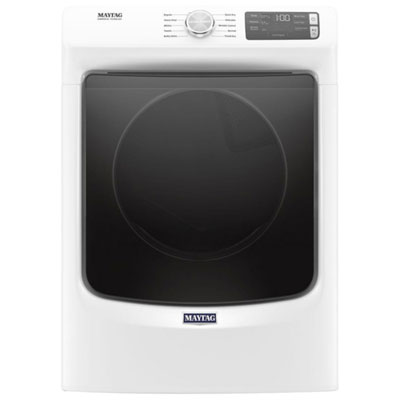 Your price for this item is $1199.99
-
 Your price for this item is $1399.99
-
 Your price for this item is $1199.99
-
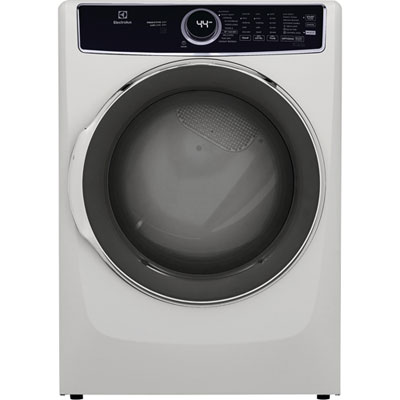 Your price for this item is $1249.99
Discover more categories related to Stackable Gas Dryers
Top Collections:
Best Black Friday Deals This Year, Best Black Friday Deals On Electronics, Kindle Devices, Pokemon Centers, Best Black Friday Deals On Apple Products, Best Cameras for Sports Photography, Dyson Airwrap, Pokémon 30th Celebration Cards, Apple iPhone 17 Pro, Canon G7X Cameras
Some products may be subject to Environmental Handling Fees
(EHF) depending on your province.
Learn more about EHFs.