LG Washer And Dryer Stackable
When you're shopping for a new washing machine, you'll find a dizzying array of options. The best washers and dryers are the ones that fit your needs and your space, whether you're looking for a washer and dryer combo or separate washers and dryers. Here are some great options from LG that will help you get your laundry done.
Sort
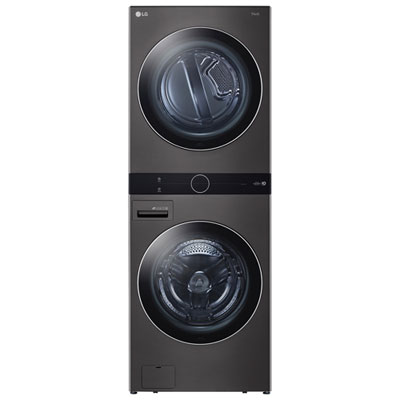
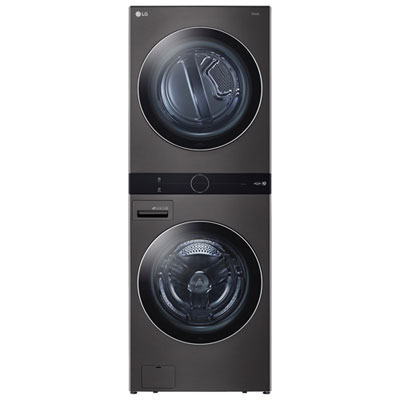
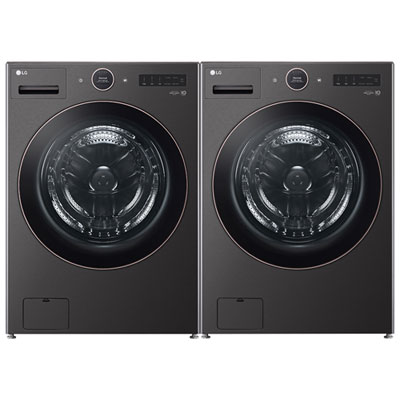
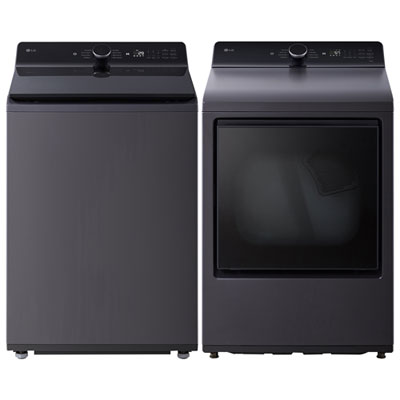
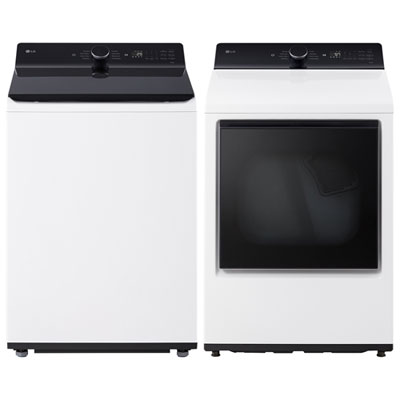
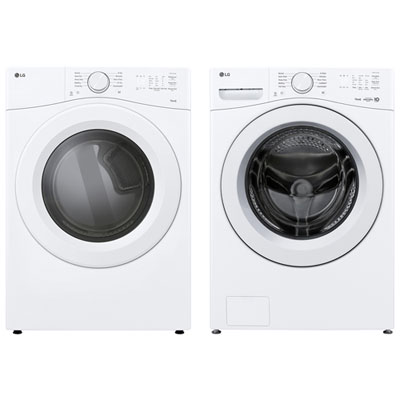
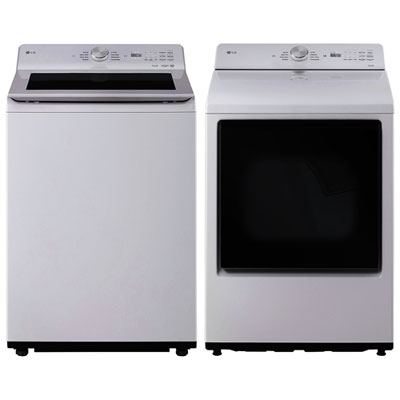
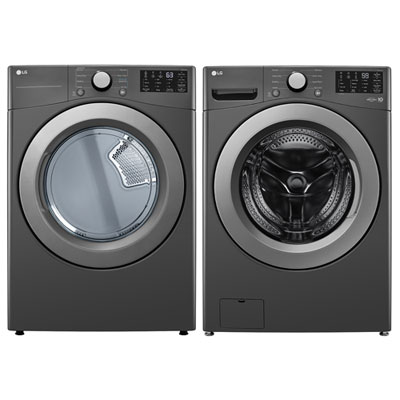
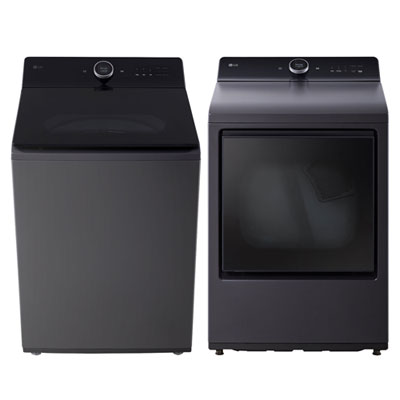
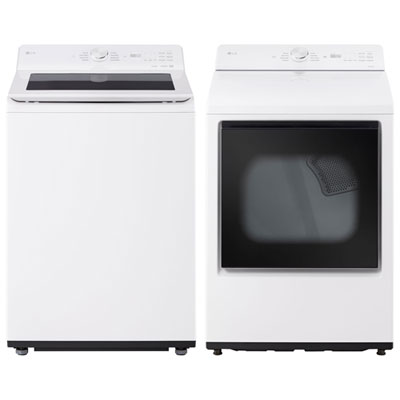
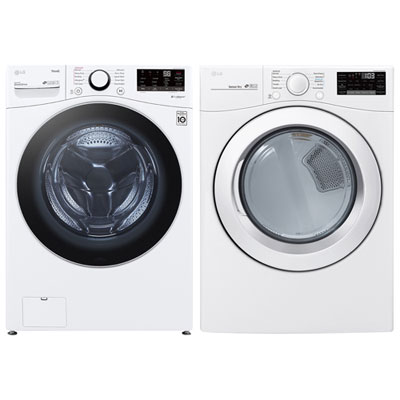
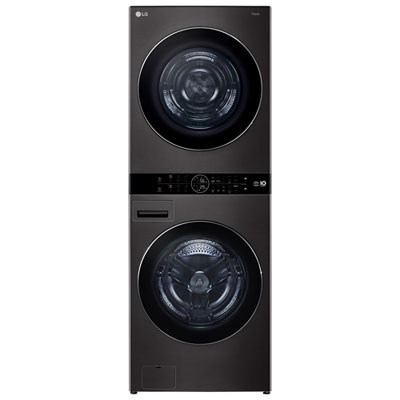
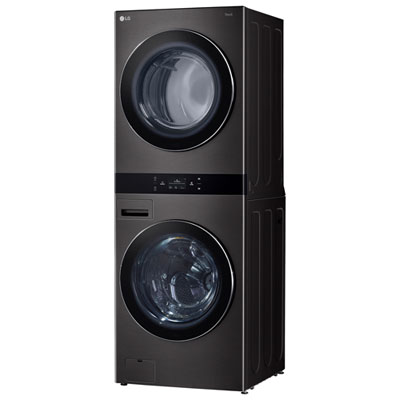
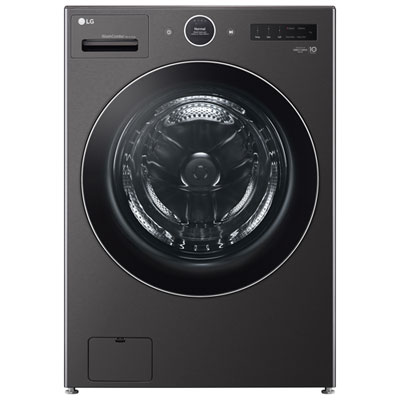
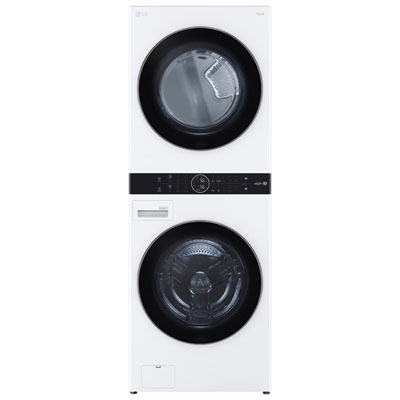
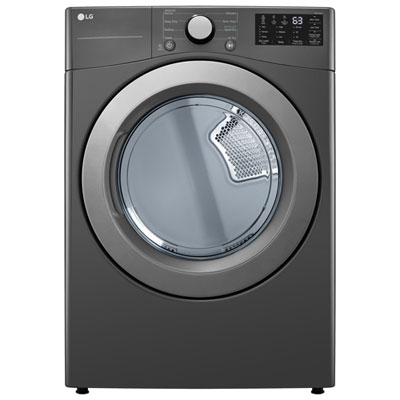
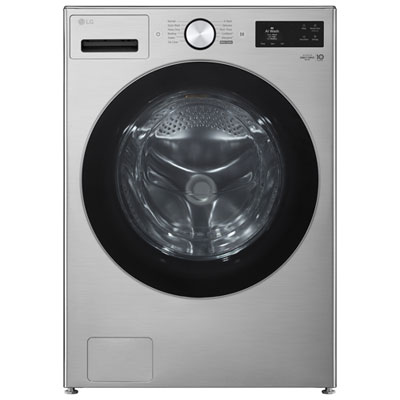
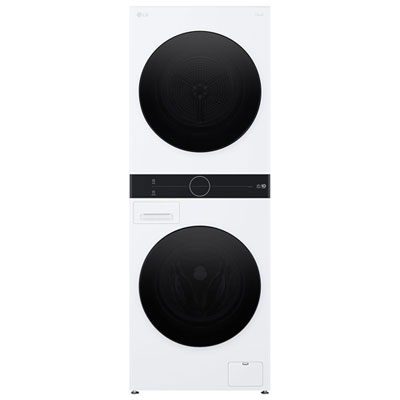
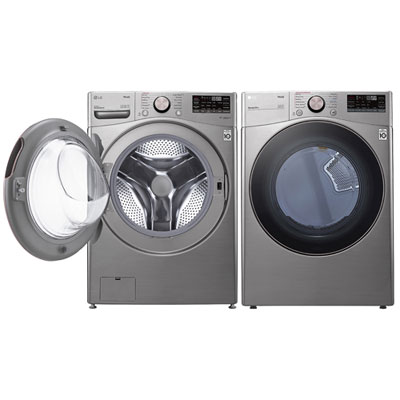

More floor space with a vertical laundry setup
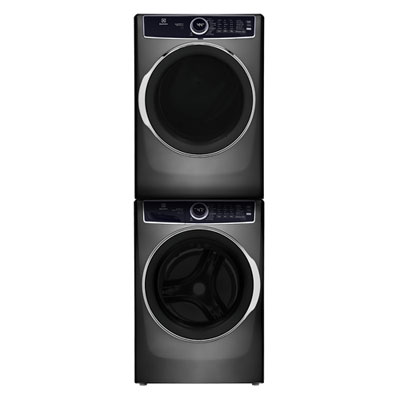
Stackable washers and dryers bring two separate laundry functions into one vertical footprint, leaving more floor space for a folding counter, storage cabinet, or a clear path through a laundry room. This arrangement is especially useful in condos, townhomes, apartments with in-suite laundry connections, and houses where the laundry area shares space with a bathroom or utility room. A traditional stacked pair consists of a compatible front-load washer below a dryer, secured with the manufacturer’s approved stacking kit. An integrated laundry tower also places the dryer above the washer but is designed as a coordinated vertical appliance, often with shared controls positioned between the two drums. Both formats let a wash load and a drying load run at the same time, which can make a difference when towels, work clothes, and children’s clothing all need attention. Neither format should be confused with an all-in-one washer-dryer, which washes and dries in a single drum without requiring clothes to be transferred. Shoppers comparing these layouts can also explore LG Washer and Dryer Combos to consider how different laundry configurations suit their space and routine. For a stacked setup, the useful fit is more than the appliance width: total installed height, cabinet depth, door swing, and space for hoses and dryer connections all matter. A pair that fits neatly inside a closet still needs the clearances and ventilation specified in its installation manual. The route into the home matters, too, including elevator dimensions, stair landings, narrow doorways, and tight corners. Control placement is another everyday consideration. Dryer controls at the top of a conventional stack may be difficult for some people to reach, while centrally positioned controls can make settings easier to see and adjust. Door openings should also leave enough room to move a basket between the machines without blocking the doorway. In a compact laundry nook, those practical details can matter as much as the finished appearance.
Capacity and fabric care help determine how well a stackable laundry setup fits a household. Washer capacity is commonly stated in cubic feet, but a larger number does not mean every bulky item will wash comfortably. Sheets, bath towels, and washable bedding need room to move, and the care label remains important when deciding whether an item belongs in a home machine. Dryer drums are generally larger than their matching washer drums because wet laundry needs room to tumble and separate. A balanced pair supports a steady routine: one load can dry while the next washes, without relying on an oversized wash load that must be divided later. For a person living alone or a couple with limited laundry space, a compact configuration may be a practical fit; a busy household may place more value on capacity and cycles suited to frequent use. Features vary by model, so the most useful options are those that match the fabrics washed regularly. Delicate cycles can suit washable lightweight garments, while extra-rinse settings may help when a load needs additional rinsing. High-speed spin options remove more water before drying, although gentler settings may be preferable for some fabrics. Sensor drying measures conditions in the load and adjusts drying time, helping limit unnecessary tumbling compared with a fixed timed cycle. Mixed loads can still dry unevenly, particularly when thick towels are combined with thin shirts. Automatic detergent dispensing, where included, can reduce repeated measuring, but the detergent type, concentration setting, and dispenser maintenance still matter. Connected features on some machines use Wi-Fi to provide cycle notifications or access to selected settings through a compatible app; supported functions and setup requirements differ. Stainless steel drums provide a smooth, corrosion-resistant surface for regular laundry use, while sturdy hinges, accessible filters, and well-supported doors contribute to day-to-day usability. Exterior colour and finish can help the appliances sit comfortably beside cabinetry, but reachable controls and a clear display are often more noticeable during an ordinary laundry day.
Installation and routine care are central to the long-term usefulness of stackable washers and dryers. Stacking is appropriate only when the manufacturer confirms that the washer, dryer, and attachment hardware are compatible; matching widths or a similar appearance are not enough. The dryer belongs above the washer, and the approved kit secures the arrangement rather than leaving the upper appliance resting loosely in place. A level, adequately supported floor and proper levelling help control movement during the spin cycle, while removal of the washer’s shipping bolts is essential before use. Sound and vibration also depend on the load, installation, and building structure, which is particularly relevant when the laundry closet is beside a bedroom or living area. Utility requirements should match the exact configuration. Many separate pairs use a standard 120-volt connection for the washer and a dedicated 240-volt circuit for an electric dryer, but integrated designs and other dryer types can have different requirements. Gas dryers need an appropriate gas connection and installation, as well as the electrical supply and exhaust arrangement specified by the manufacturer. Vented dryers require an approved path outdoors; ventless designs avoid an exterior exhaust duct but still have clearance, drainage, and maintenance requirements. Access to water shut-offs, the drain, electrical connections, and service points remains important after the machines are stacked. Once installed, small habits help keep the setup working as intended. The dryer’s lint filter needs regular cleaning, and vented systems need periodic exhaust-duct inspection and cleaning to prevent restricted airflow. Front-load washer door seals benefit from wiping away moisture and trapped debris, while detergent drawers and any user-accessible filters should be cleaned according to the manual. Leaving the washer door slightly open after use can help the drum dry when it is safe to do so around children and pets. Using the recommended high-efficiency detergent in the correct amount helps limit excess suds and residue. Separate stackable appliances may offer flexibility if one eventually needs replacement, although any replacement must still be approved for the remaining machine and stacking hardware. An integrated tower has its own service and replacement considerations. A well-matched setup combines suitable capacity, accessible operation, correct installation, and manageable upkeep in a space-saving arrangement built around everyday laundry.
Top selling and popular products
-
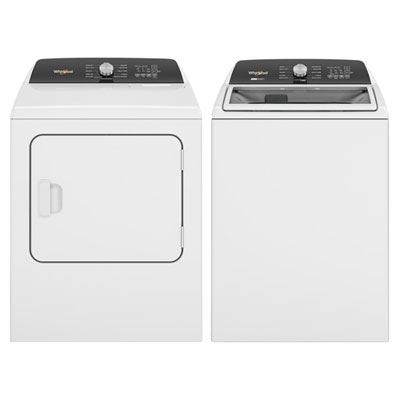 Your price for this item is $1799.98
-
 Your price for this item is $1999.98
-
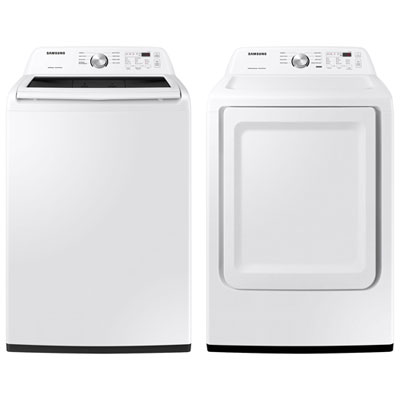 Your price for this item is $1499.98
-
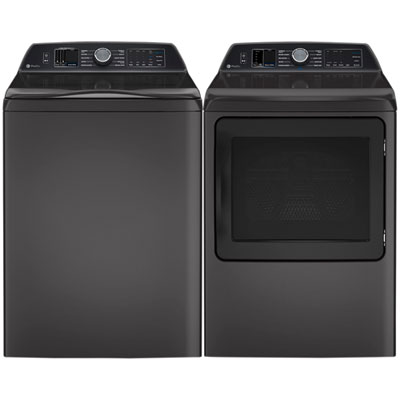 Your price for this item is $2249.98
-
 Your price for this item is $1599.98
-
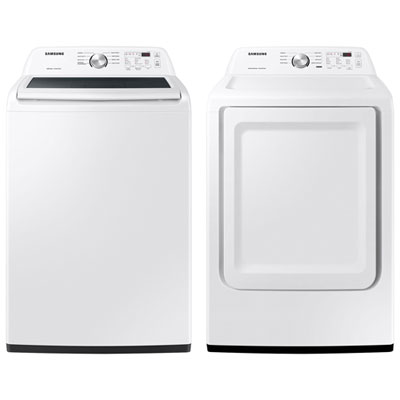 Your price for this item is $1495.98
-
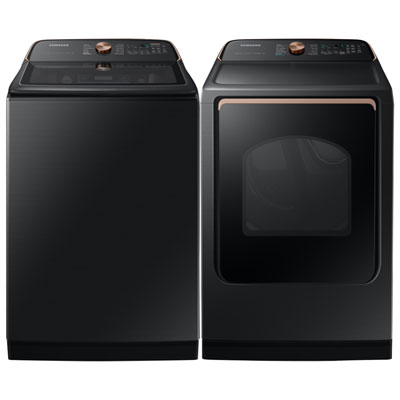 Your price for this item is $2595.98
-
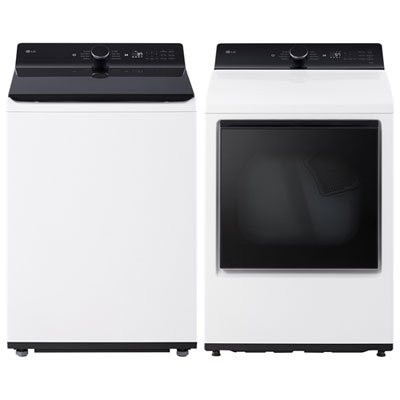 Your price for this item is $1999.98
Discover more categories related to LG Washer And Dryer Stackable
Top Collections:
Best Black Friday Deals This Year, Best Black Friday Deals On Electronics, Kindle Devices, Pokemon Centers, Best Black Friday Deals On Apple Products, Best Cameras for Sports Photography, Dyson Airwrap, Pokémon 30th Celebration Cards, Apple iPhone 17 Pro, Canon G7X Cameras
Some products may be subject to Environmental Handling Fees
(EHF) depending on your province.
Learn more about EHFs.