Stainless Steel Dryers
Upgrade your laundry routine with a Stainless Steel Dryer, designed to deliver both durability and modern style to your home. Whether you're tackling large loads or everyday essentials, these dryers offer a sleek finish that complements any laundry space. Explore a variety of options to find the perfect Stainless Steel Dryer that matches your needs and enhances the efficiency of your laundry tasks.
Sort


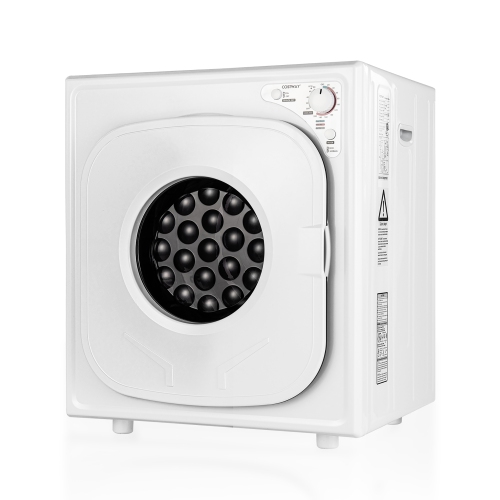
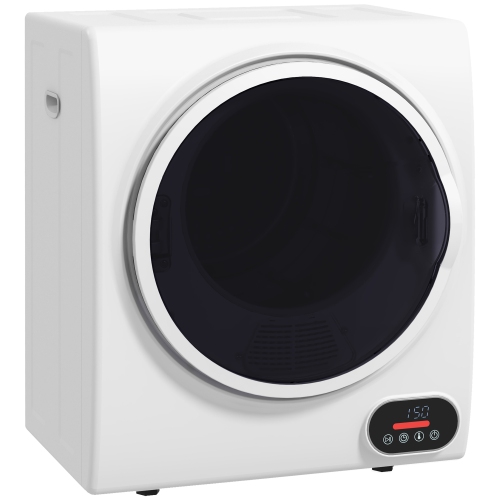
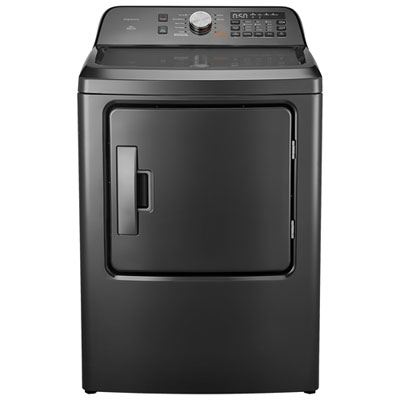
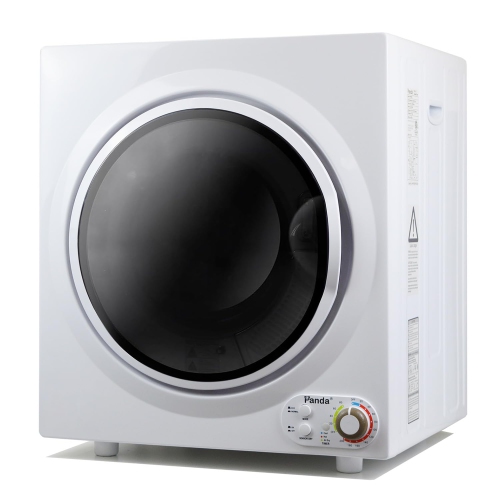


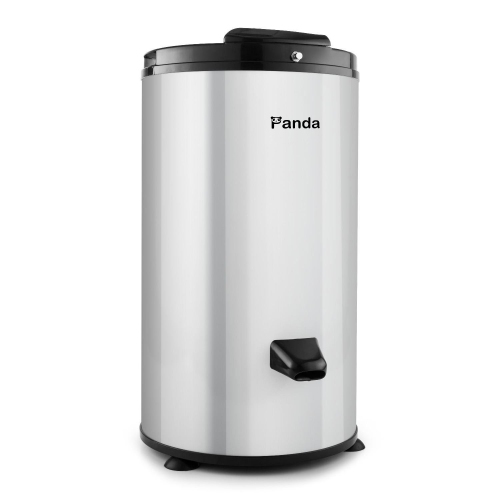
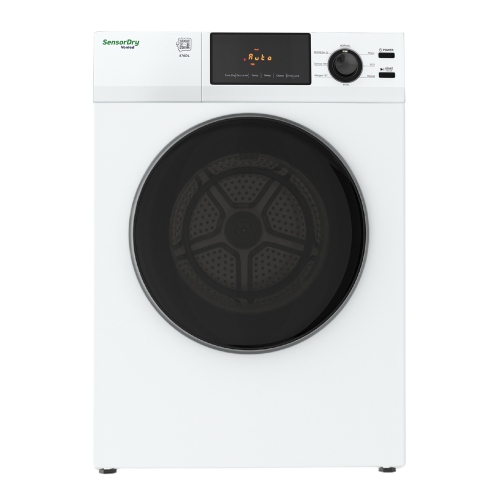
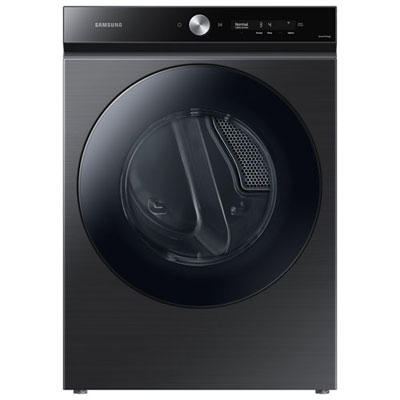
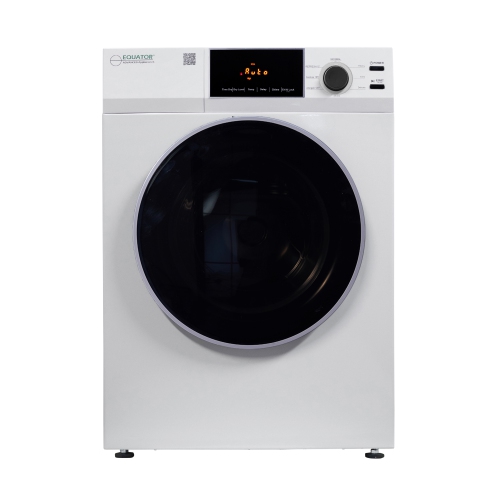
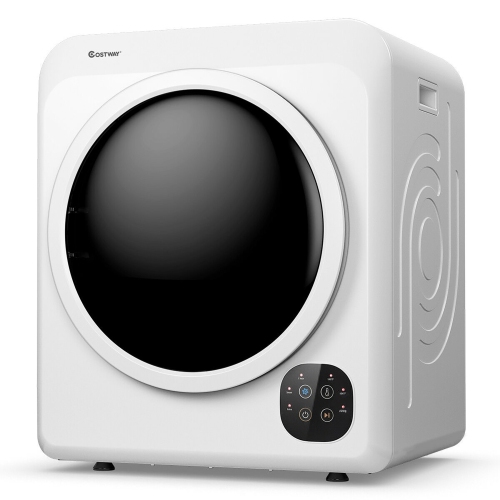


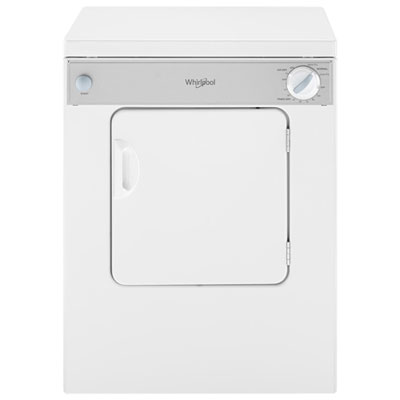
What stainless steel means inside and outside your dryer
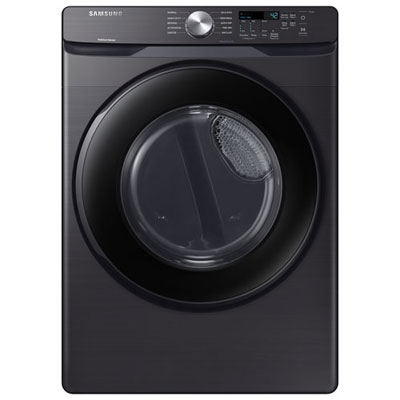
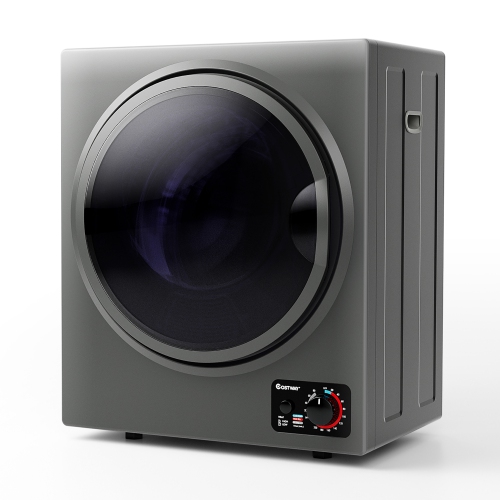
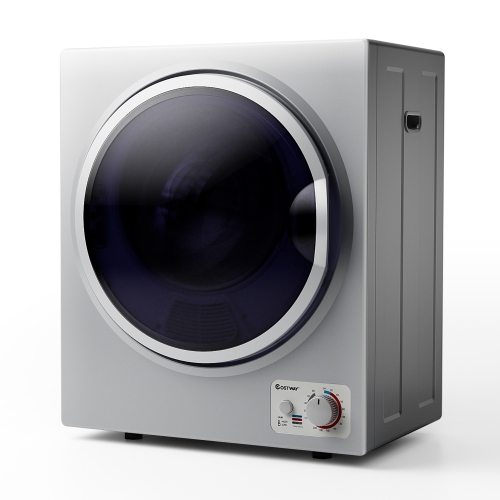
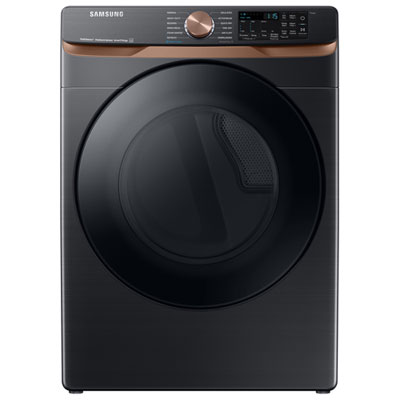
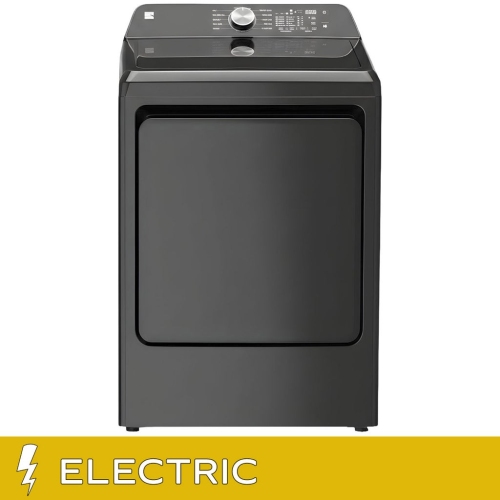
Stainless steel dryers are clothes dryers with a stainless steel drum, a stainless steel exterior finish, or both, depending on the model. That distinction matters: the drum is the surface that comes into contact with clothing, while the exterior determines how the appliance looks alongside a washer, cabinetry, and other laundry room fixtures. A stainless steel drum offers a smooth, durable surface that resists corrosion and does not rely on a painted coating that could chip with wear. Its smoothness helps reduce places where fabric might catch, although checking pockets and fastening zippers still matters for protecting garments. Stainless steel is corrosion-resistant rather than rust-proof, and proper care remains important throughout the appliance’s life. The non-porous surface is also straightforward to wipe clean when detergent residue or other marks appear, using the cleaning method recommended by the manufacturer. For households working through school uniforms, towels, bedding, and everyday clothing, these qualities make drum construction a useful consideration alongside capacity and drying features. A stainless steel interior does not, by itself, mean a dryer will dry faster, run more quietly, or offer gentler cycles; those characteristics depend on the appliance’s overall design. Exterior finishes bring a separate set of choices. Silver-toned stainless steel creates a coordinated look with many laundry appliances, while Black Stainless Steel Electric Dryers offer a darker finish for laundry spaces with contrasting cabinetry or hardware. Finish names do not always indicate the same underlying material, and a matching exterior does not guarantee a stainless steel drum. Fingerprint resistance also varies by finish. A soft cloth and an approved cleaner help preserve the exterior’s appearance, while abrasive pads can scratch or dull the surface. Door trim, handles, and control panels may use different materials and need their own cleaning approach. These details are especially noticeable in an open laundry area, where the dryer is part of the room rather than tucked behind a door.
The right fit involves more than finding enough floor space. Compact dryers can suit smaller laundry areas and households that wash modest loads frequently, while larger drums provide more room for family laundry and bulky washable textiles. Drum capacity is commonly expressed in cubic feet, but useful capacity also depends on what goes into each load. A basket of lightweight shirts behaves differently from a load of thick bath towels, and a comforter needs room to lift and tumble rather than remain packed against the drum. A stainless steel drum provides the same type of contact surface in either size; it does not compensate for overloading. Appliance dimensions, door swing, installation clearances, and access through hallways all affect whether a dryer suits a particular home. In a laundry closet, there also needs to be space for connections behind the appliance and any ventilation specified for the enclosure. Side-by-side placement can keep controls within easy reach, while stacking can free floor space when the washer and dryer are explicitly compatible and installed with the correct stacking kit. A dryer should not be stacked simply because its width matches the washer below it. The home’s existing connections help determine the appropriate drying system. Vented dryers discharge moist air outdoors through suitable ducting, so the route and condition of that ducting matter. Ventless condenser and heat pump dryers collect moisture for a reservoir or drain connection, depending on their design, and still have placement and airflow requirements. Electrical requirements differ between models; a compact footprint does not necessarily mean an appliance uses a standard household outlet. Gas dryers require the specified gas supply, an electrical connection, and proper outdoor exhaust. For condos and apartments, building requirements may further limit the installation options. Matching the appliance to the space and having connections assessed by a qualified professional helps avoid a dryer that fits through the doorway but cannot be installed correctly.
Drying features make the biggest difference when they suit the laundry being done. Moisture-sensing cycles use sensor readings to help determine when a load has reached the selected dryness level, rather than relying only on a fixed running time. Results can vary with load size, fabric mix, and sensor condition, so a small load of lightweight tops may behave differently from a mixed basket containing jeans and towels. Separate loads with similar fabric weights tend to dry more evenly. Timed drying offers another option for fabrics and situations suited to it, while lower-heat or delicate settings can accommodate garments whose care labels permit tumble drying. A stainless steel drum does not make every textile dryer-safe: wool, embellished garments, waterproof fabrics, and other specialty materials may require a particular cycle or air drying. Bedding cycles, steam functions, reversible doors, interior lighting, and Wi-Fi notifications may add convenience, but the features included vary. Steam functions can help with certain wrinkles or refresh needs; they do not replace washing when clothing needs cleaning. For someone folding laundry beside the machine, an interior light can make a stray sock easier to spot. For a household sharing laundry duties, clear controls and an easy-to-reach lint filter may prove more useful than a long list of seldom-used settings. Everyday care supports both performance and durability. The lint filter needs cleaning at the interval stated in the manual, commonly after each load, and vented installations need regular attention to the exhaust path. Ventless dryers may also have filters, heat exchangers, or water containers that require routine care. Longer drying times can signal a maintenance issue rather than a problem with the drum material. Emptying pockets helps keep coins, screws, and other hard objects from striking the drum, while checking seals and wiping away residue keeps the interior ready for the next load. Combined with appropriate loading and installation, these habits help a stainless steel dryer remain a dependable part of the household’s laundry routine.
Top selling and popular products
-
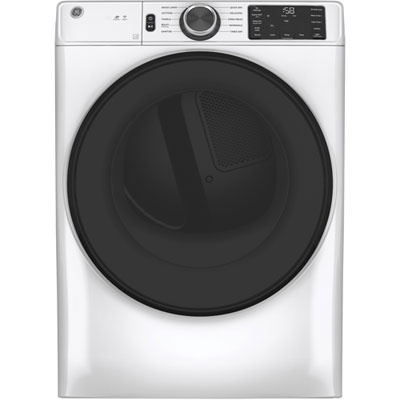 Your price for this item is $1199.99
-
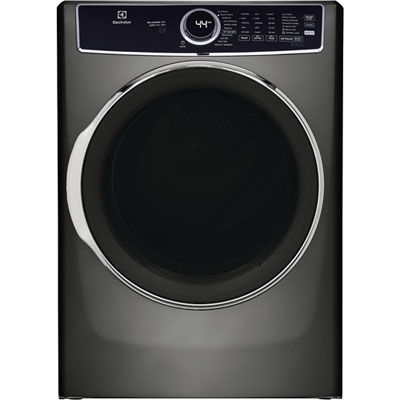 Your price for this item is $1192.99
-
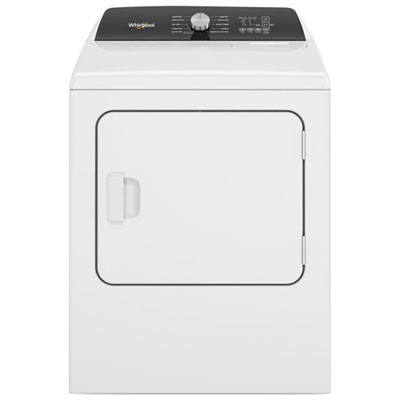 Your price for this item is $799.99
-
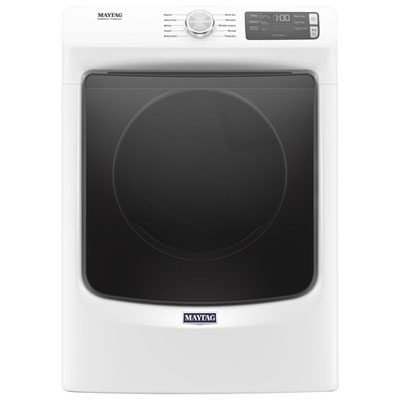 Your price for this item is $1099.99
-
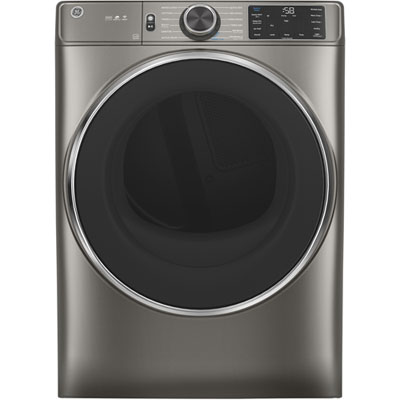 Your price for this item is $1949.99
-
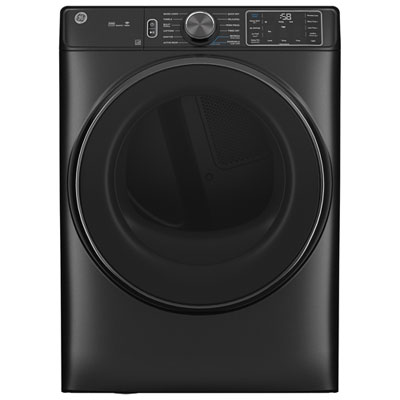 Your price for this item is $1449.99
-
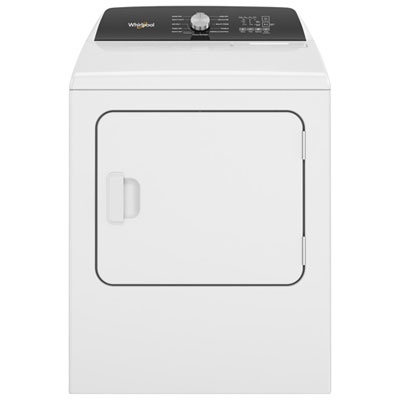 Your price for this item is $799.99
-
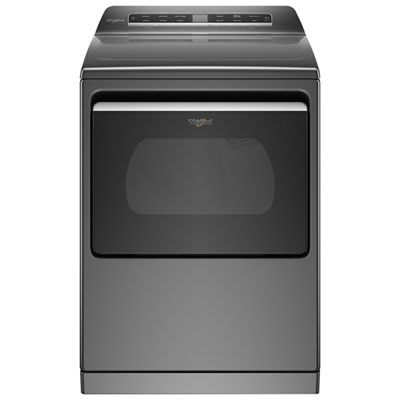 Your price for this item is $1149.97
Discover more categories related to Stainless Steel Dryers
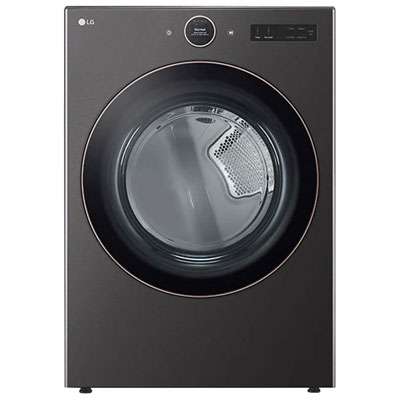
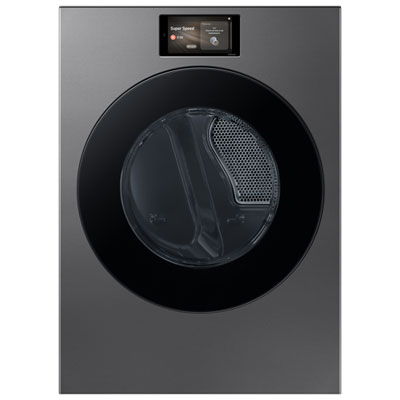
Top Collections:
Pokemon Centers, Best Cameras for Sports Photography, Kindle Devices, Samsung Galaxy Phones, Canon G7X Cameras, Pokémon 30th Celebration Cards, Refurbished Apple Laptops, iPhone 15 Apple, Laptops for Students, Budget Smartphones
Some products may be subject to Environmental Handling Fees
(EHF) depending on your province.
Learn more about EHFs.