Stainless Steel Over The Range Microwave
Elevate your kitchen's functionality and style with a stainless steel over-the-range microwave. Combining sleek design with practicality, these microwaves offer a seamless fit for modern kitchens, maximizing counter space while providing powerful cooking capabilities. Ideal for busy households, they effortlessly handle everything from reheating leftovers to preparing gourmet meals. With advanced features designed to simplify meal prep, these appliances are a must-have for anyone looking to enhance their culinary experience. Explore our selection to find the perfect match for your kitchen's aesthetic and needs.
Sort
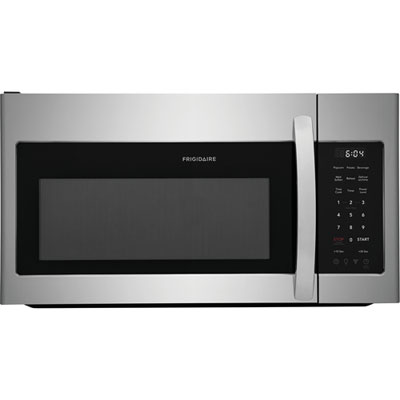
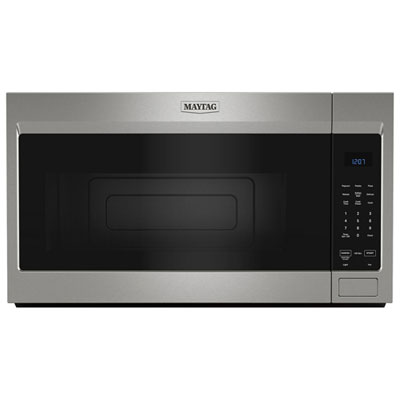
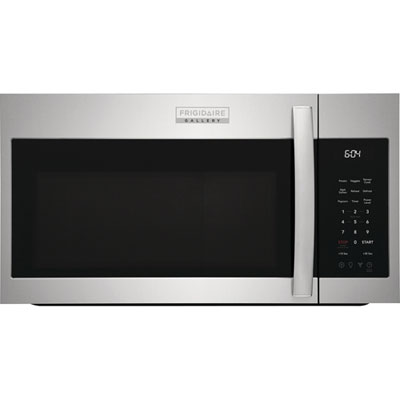
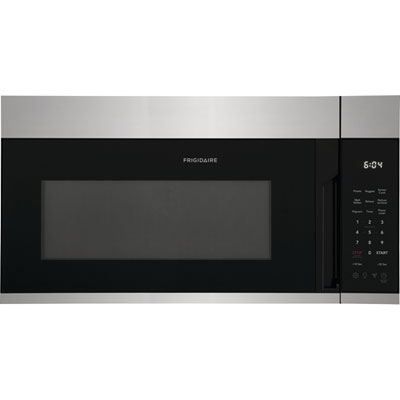
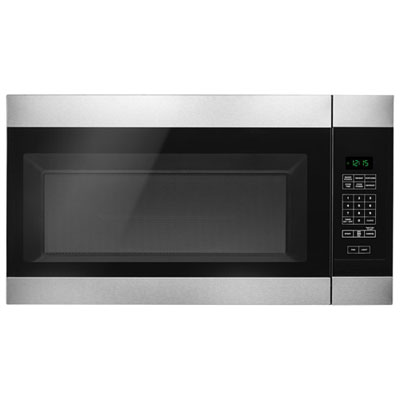
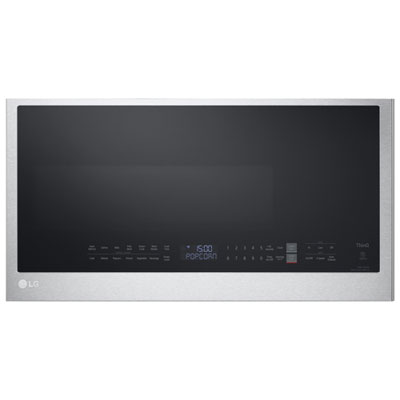
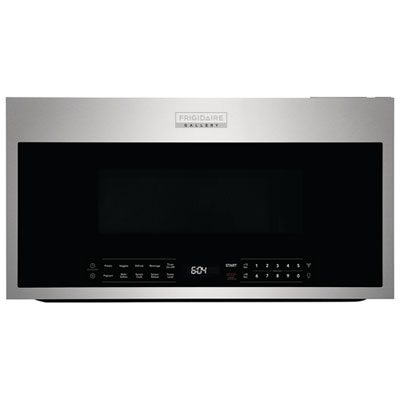
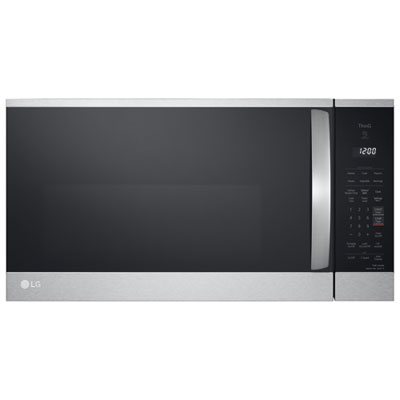
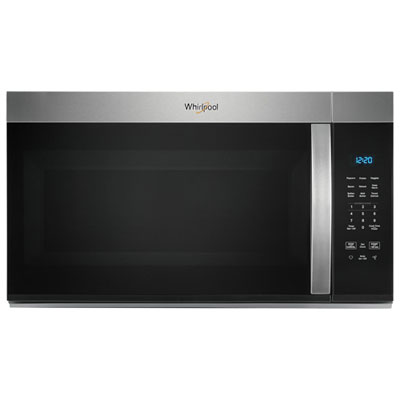
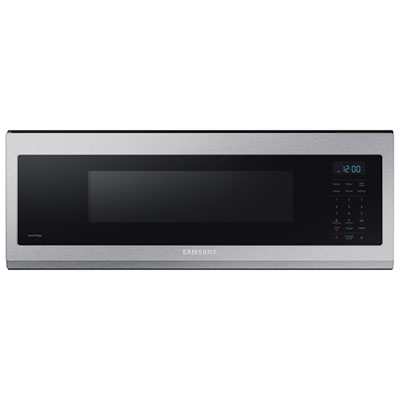
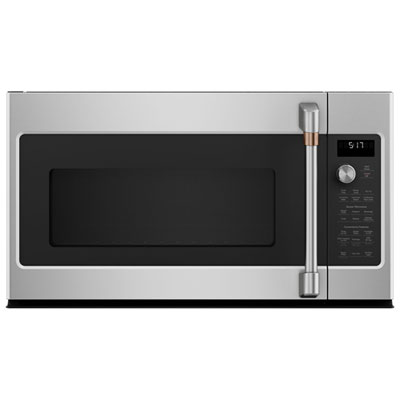
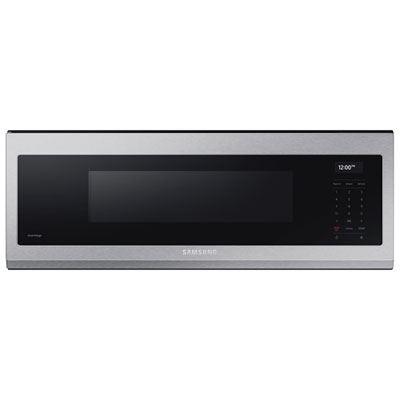
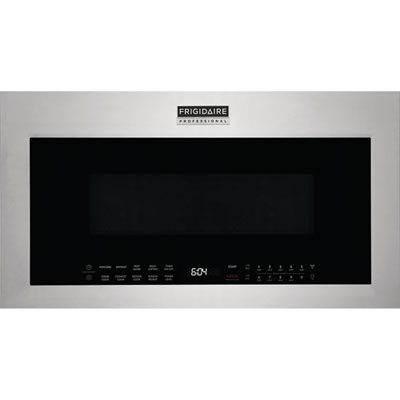
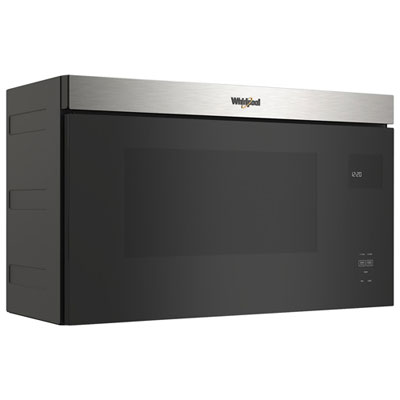
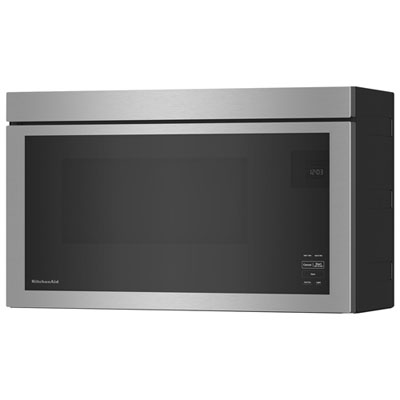

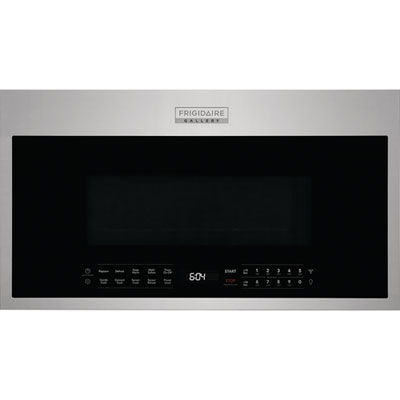
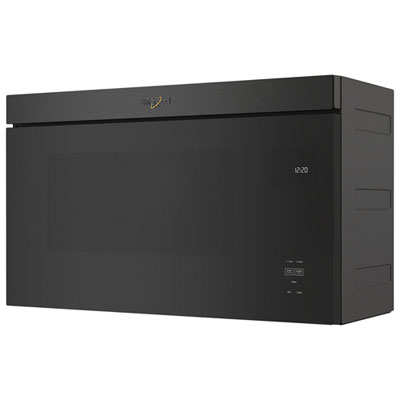
Microwave cooking and ventilation in one space-saving design
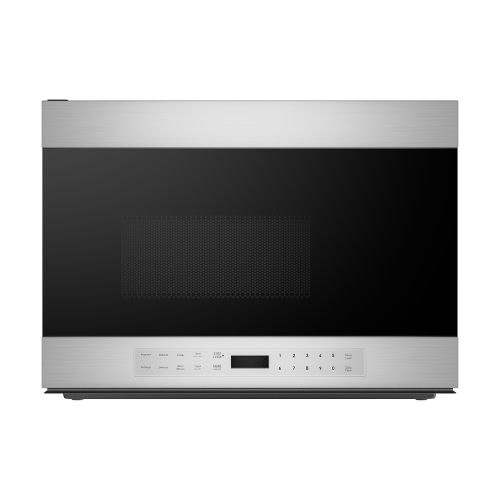
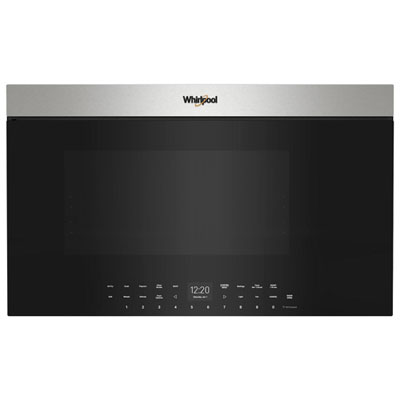
A stainless steel over-the-range microwave combines two useful kitchen appliances in one space-saving design: a microwave oven for reheating and cooking, and a ventilation hood for managing steam, smoke, heat, and cooking odours. Installed above a range or cooktop, it frees up valuable counter space for food preparation, a coffee station, or everyday appliances while giving the cooking area a coordinated built-in appearance. These microwaves are especially practical in condos, apartments, townhomes, and family kitchens where every inch of workspace matters. They can also suit a kitchen refresh when replacing a separate range hood and countertop microwave without changing the overall layout. Stainless steel finishes pair naturally with many ranges, refrigerators, and dishwashers, and they bring a bright, professional look that works with both contemporary and traditional cabinetry. For shoppers who prefer a darker, more dramatic finish, Black Stainless Range Microwaves offer a similar over-the-range format with a different visual character. Capacity is an important starting point. Compact models around 1.1 cubic feet can handle mugs, bowls, side dishes, and smaller plates, while larger models measuring approximately 1.8 to 2.1 cubic feet provide more room for family-size dishes, casserole plates, and broad serving bowls. Interior dimensions matter as much as the advertised cubic-foot measurement, particularly if you regularly use tall containers or wide cookware. Microwave power is commonly around 1,000 watts or more, which can help shorten cooking and reheating times, though the actual result also depends on food quantity, container shape, and starting temperature.
The ventilation system deserves close attention because it affects how comfortable the kitchen feels during everyday cooking. Fan strength is measured in cubic feet per minute, or CFM; higher CFM ratings generally move smoke, steam, and odours more effectively. Many over-the-range microwaves offer ventilation in the range of 300 to 400 CFM, while some kitchens may call for a different level based on the cooktop, cooking habits, and local installation requirements. Before choosing a model, determine whether the microwave will vent outdoors through existing ductwork or recirculate filtered air back into the room. Ducted installation can provide direct removal of airborne cooking by-products, but the microwave must be compatible with the existing duct route and cabinet arrangement. Recirculating installation can be convenient where exterior venting is not available, although filters require regular cleaning or replacement to keep airflow performing properly. Check the manufacturer’s installation instructions and consult a qualified installer when changes to cabinetry, ducting, gas connections, or electrical wiring are involved. Measuring carefully is just as important. Many over-the-range microwaves are designed for a 30-inch opening, but cabinet width, available height, wall clearance, microwave depth, and the position of the cooktop controls all need to be confirmed. Leave enough room for the door to open fully and make sure the handle or door edge will not strike a nearby wall. The underside height above the range should meet the appliance instructions and any applicable local requirements. A few minutes with a tape measure can prevent the frustrating discovery that a new appliance cannot be centred, opened comfortably, or connected to the existing vent. Consider the electrical outlet location as well, since the cord and plug must remain accessible in the approved installation area without being pinched behind the unit.
Cooking features can make a noticeable difference in how naturally the microwave fits into a busy routine. Sensor cooking uses humidity released by food to estimate when a heating cycle should end, helping reduce the chance of overheated leftovers, dried edges, or splattered sauces. Preset buttons for popcorn, potatoes, vegetables, beverages, reheating, and defrosting can simplify familiar tasks, while multi-stage cooking can combine defrosting and cooking without requiring repeated programming. A turntable helps promote more even heating by moving food through the microwave field, while turntable-free interiors can provide a flatter cooking surface and make it easier to fit rectangular dishes. Look for interior lighting that lets you check the food without opening the door, an exterior cooktop light for evening meal preparation, and controls that are easy to read from a standing position. A quiet vent fan with multiple speed settings can be useful when simmering soup or searing food, while a stronger setting is helpful when steam builds during boiling or frying. Stainless steel is straightforward to coordinate with other kitchen appliances, and fingerprint-resistant finishes can help the exterior look neater between cleanings, especially in homes with children or frequent kitchen traffic. Wipe the surface with a soft cloth and follow the care directions; abrasive pads and harsh cleaners can dull the finish. Inside, remove spills promptly, use a microwave-safe bowl of water to loosen dried food when appropriate, and clean the grease filter according to the instructions. These appliances can be a thoughtful choice for someone moving into a new home, updating a compact kitchen, or replacing a worn-out range hood and microwave at the same time. They are equally useful for households preparing quick breakfasts before work, reheating packed lunches, or getting dinner on the table during the cooler months when the kitchen becomes a natural gathering place. By matching the capacity, power, ventilation method, dimensions, finish, and controls to the way the kitchen is actually used, shoppers can choose a stainless steel over-the-range microwave that looks integrated and performs reliably through everyday meals.
The ventilation system deserves close attention because it affects how comfortable the kitchen feels during everyday cooking. Fan strength is measured in cubic feet per minute, or CFM; higher CFM ratings generally move smoke, steam, and odours more effectively. Many over-the-range microwaves offer ventilation in the range of 300 to 400 CFM, while some kitchens may call for a different level based on the cooktop, cooking habits, and local installation requirements. Before choosing a model, determine whether the microwave will vent outdoors through existing ductwork or recirculate filtered air back into the room. Ducted installation can provide direct removal of airborne cooking by-products, but the microwave must be compatible with the existing duct route and cabinet arrangement. Recirculating installation can be convenient where exterior venting is not available, although filters require regular cleaning or replacement to keep airflow performing properly. Check the manufacturer’s installation instructions and consult a qualified installer when changes to cabinetry, ducting, gas connections, or electrical wiring are involved. Measuring carefully is just as important. Many over-the-range microwaves are designed for a 30-inch opening, but cabinet width, available height, wall clearance, microwave depth, and the position of the cooktop controls all need to be confirmed. Leave enough room for the door to open fully and make sure the handle or door edge will not strike a nearby wall. The underside height above the range should meet the appliance instructions and any applicable local requirements. A few minutes with a tape measure can prevent the frustrating discovery that a new appliance cannot be centred, opened comfortably, or connected to the existing vent. Consider the electrical outlet location as well, since the cord and plug must remain accessible in the approved installation area without being pinched behind the unit.
Cooking features can make a noticeable difference in how naturally the microwave fits into a busy routine. Sensor cooking uses humidity released by food to estimate when a heating cycle should end, helping reduce the chance of overheated leftovers, dried edges, or splattered sauces. Preset buttons for popcorn, potatoes, vegetables, beverages, reheating, and defrosting can simplify familiar tasks, while multi-stage cooking can combine defrosting and cooking without requiring repeated programming. A turntable helps promote more even heating by moving food through the microwave field, while turntable-free interiors can provide a flatter cooking surface and make it easier to fit rectangular dishes. Look for interior lighting that lets you check the food without opening the door, an exterior cooktop light for evening meal preparation, and controls that are easy to read from a standing position. A quiet vent fan with multiple speed settings can be useful when simmering soup or searing food, while a stronger setting is helpful when steam builds during boiling or frying. Stainless steel is straightforward to coordinate with other kitchen appliances, and fingerprint-resistant finishes can help the exterior look neater between cleanings, especially in homes with children or frequent kitchen traffic. Wipe the surface with a soft cloth and follow the care directions; abrasive pads and harsh cleaners can dull the finish. Inside, remove spills promptly, use a microwave-safe bowl of water to loosen dried food when appropriate, and clean the grease filter according to the instructions. These appliances can be a thoughtful choice for someone moving into a new home, updating a compact kitchen, or replacing a worn-out range hood and microwave at the same time. They are equally useful for households preparing quick breakfasts before work, reheating packed lunches, or getting dinner on the table during the cooler months when the kitchen becomes a natural gathering place. By matching the capacity, power, ventilation method, dimensions, finish, and controls to the way the kitchen is actually used, shoppers can choose a stainless steel over-the-range microwave that looks integrated and performs reliably through everyday meals.
Top selling and popular products
-
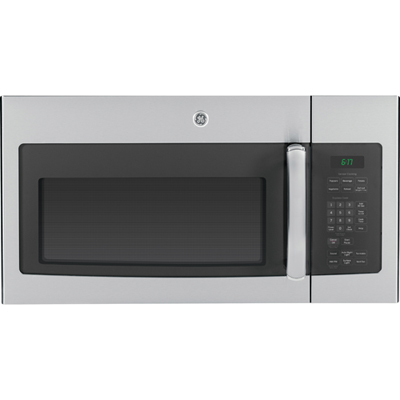 Your price for this item is $399.99
 -
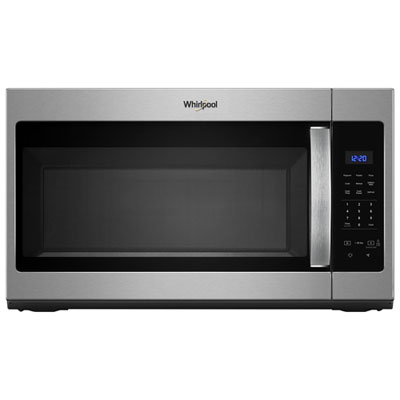 Your price for this item is $349.97
 -
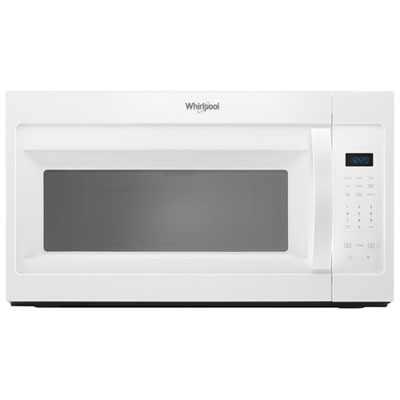 Your price for this item is $329.99
 -
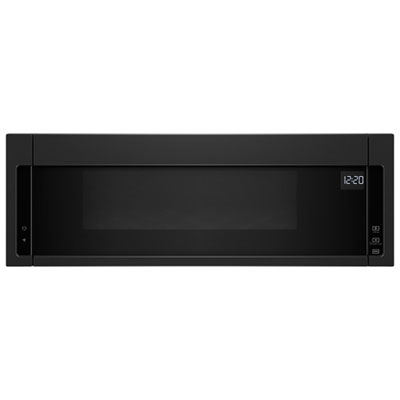 Your price for this item is $549.99
 -
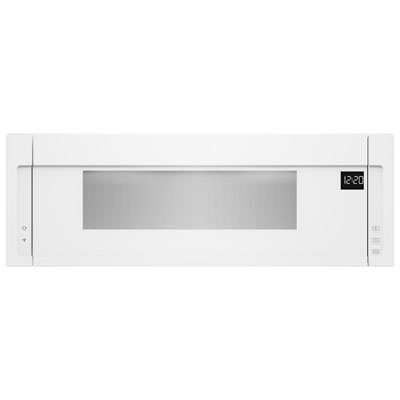 Your price for this item is $549.99
 -
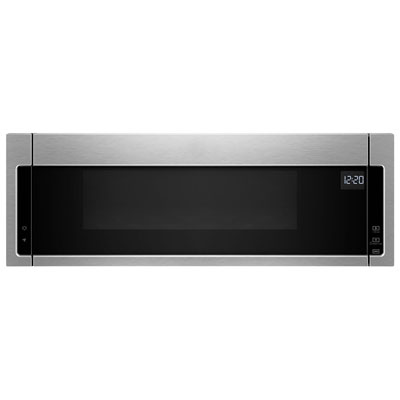 Your price for this item is $499.99
 -
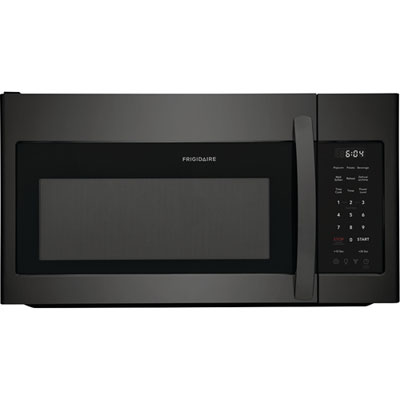 Your price for this item is $499.99
 -
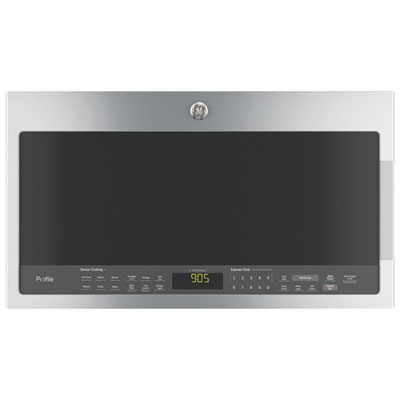 Your price for this item is $749.99
Discover more categories related to Stainless Steel Over The Range Microwave
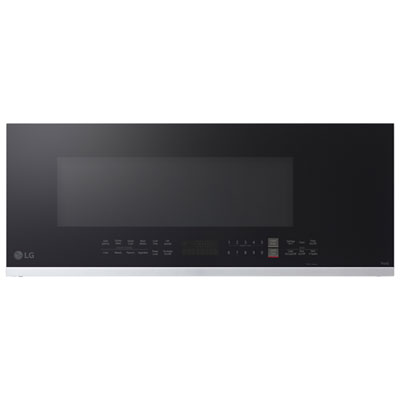
Top Collections:
Pokemon Centers, Kindle Devices, Best Budget Office Chairs, Apple iPhones 16, Best Laptops for Writers, iPhone 15 Apple, Canon G7X Cameras, Refurbished Apple Laptops, Alarm Clock, Motorola Razr Phones
Some products may be subject to Environmental Handling Fees
(EHF) depending on your province.
Learn more about EHFs.