Stainless Steel Range Hoods With Energy Efficient Design for Green Homes
Looking to elevate your cooking experience while reducing your carbon footprint? Our collection of stainless steel range hoods with energy-efficient design is the perfect addition to almost any green home. With sleek and modern aesthetics, these range hoods not only enhance the look of your kitchen but also contribute to a sustainable lifestyle. Designed to effectively remove smoke, odors, and airborne pollutants, our range hoods ensure a clean and healthy environment while conserving energy. Discover how these eco-friendly appliances can transform your cooking space into a sustainable haven.
Sort
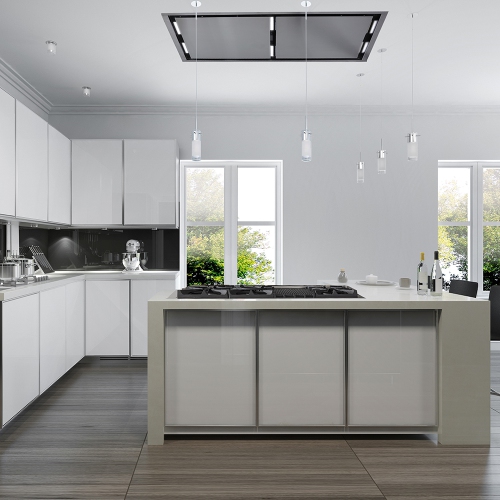
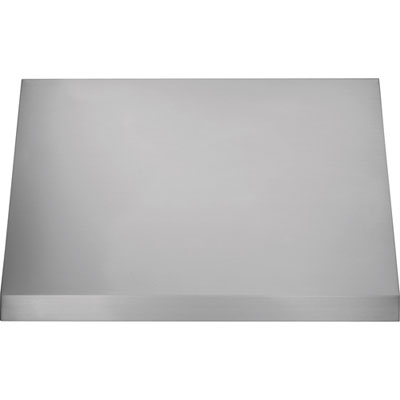
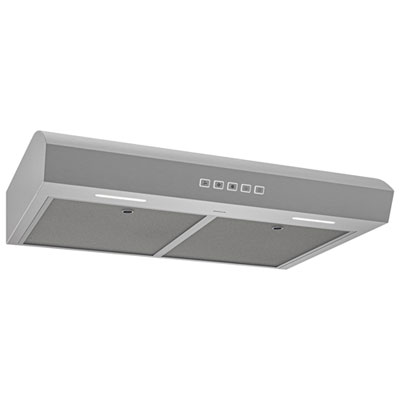
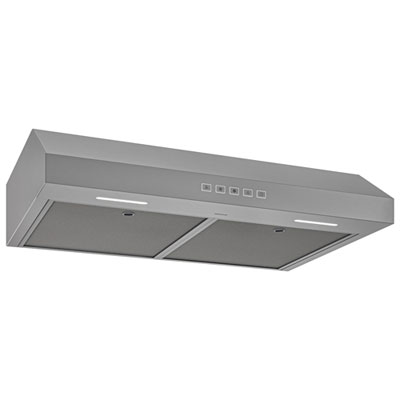

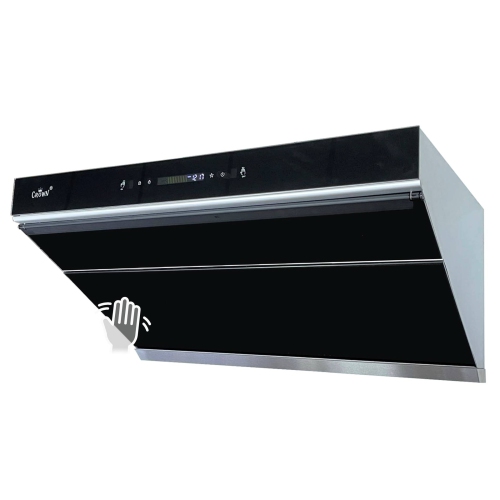
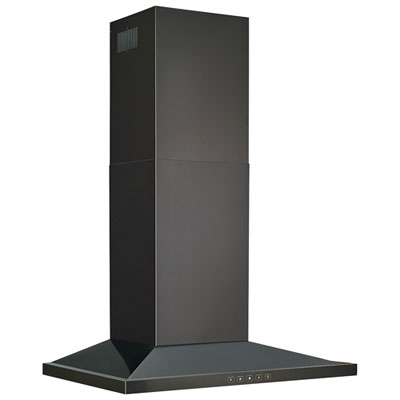
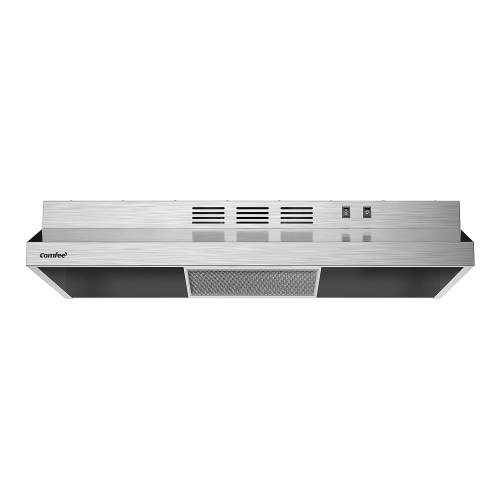
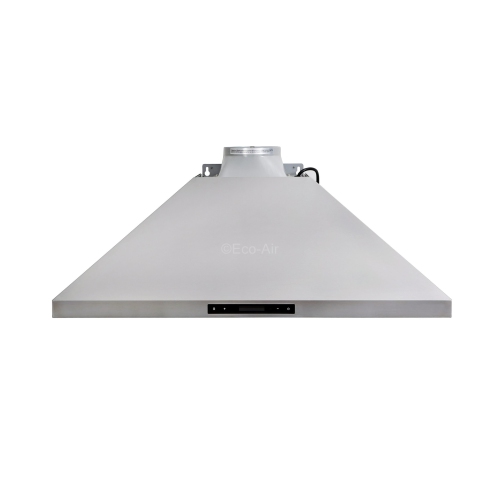


Effective cooking ventilation depends on more than fan speed
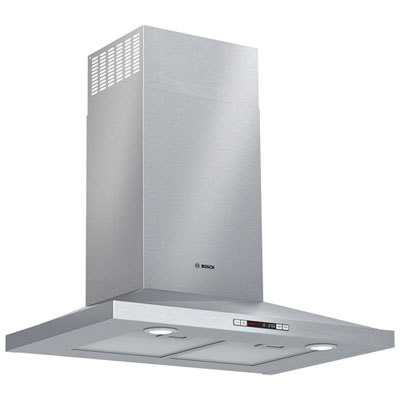
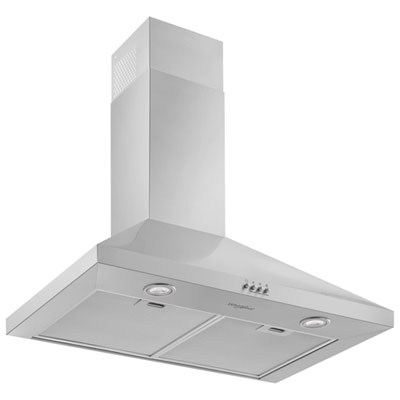
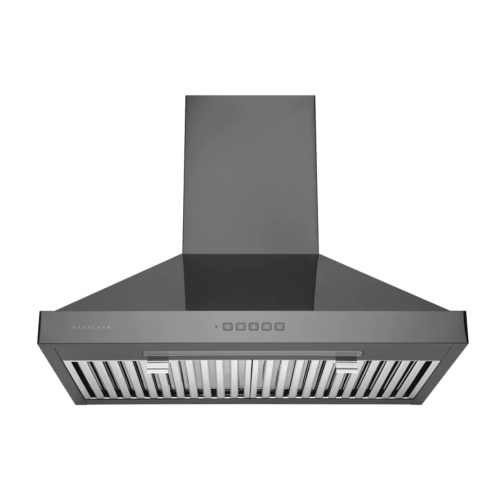
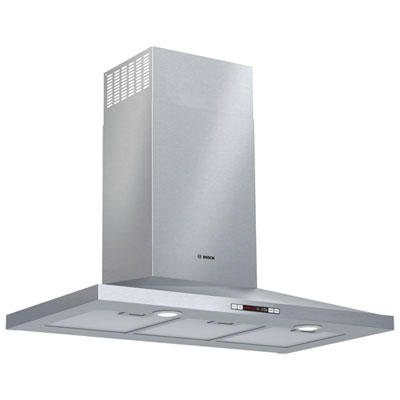
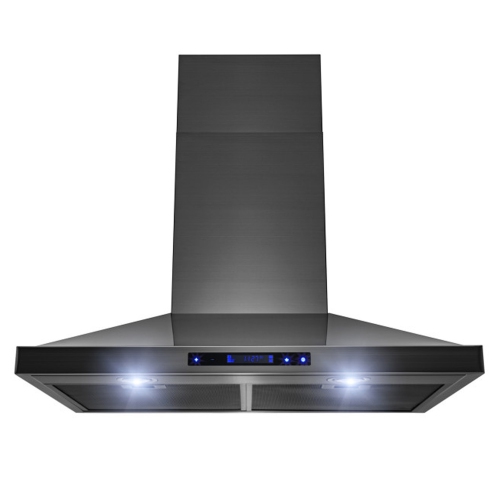
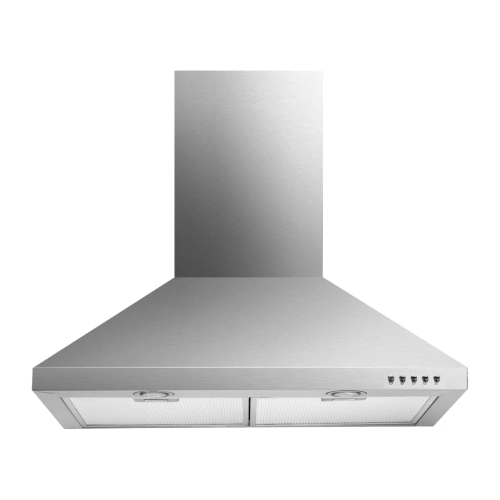
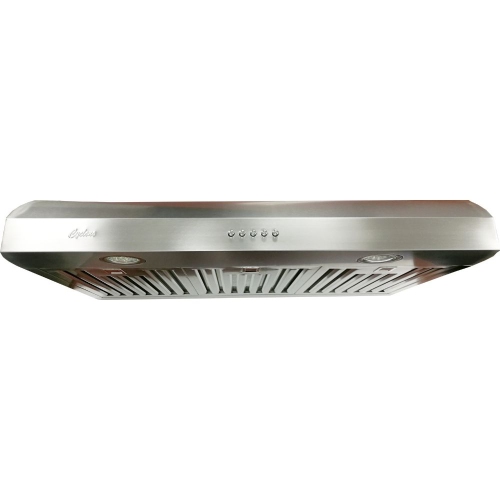
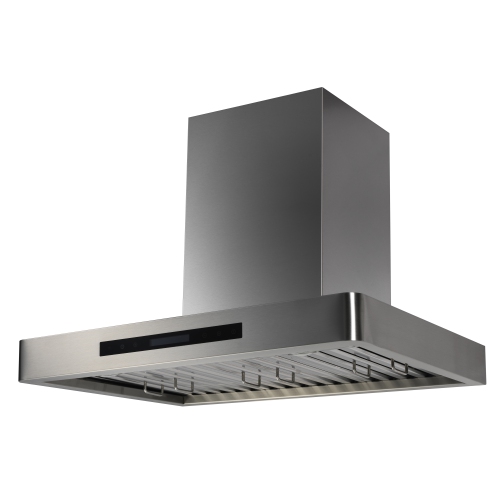
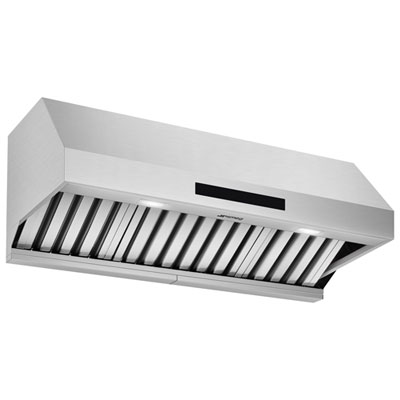
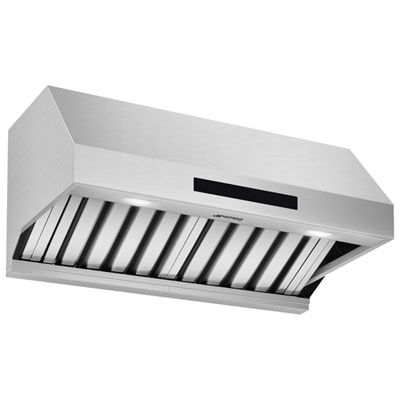
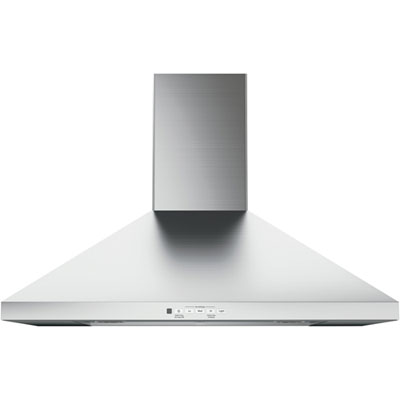
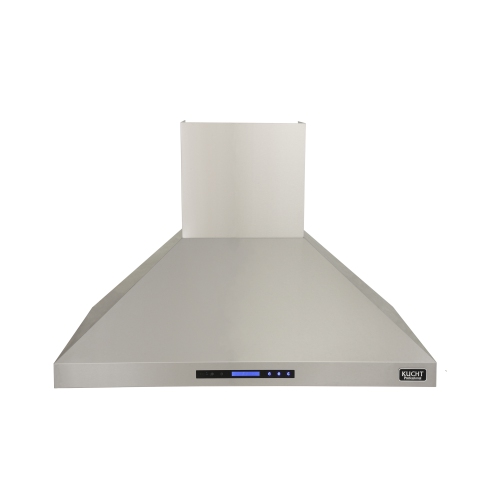
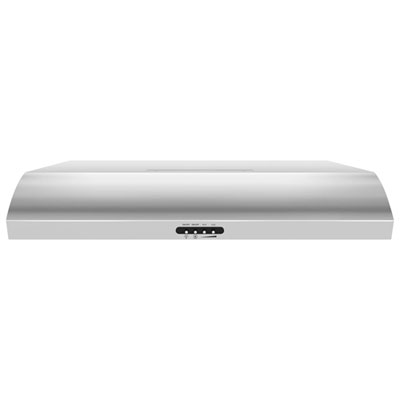
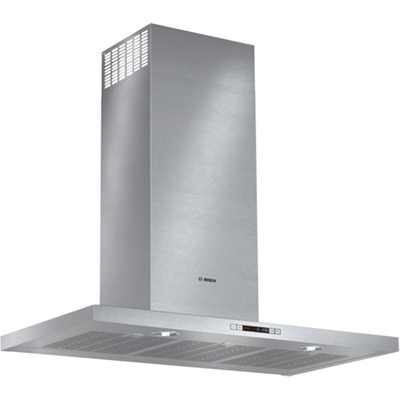
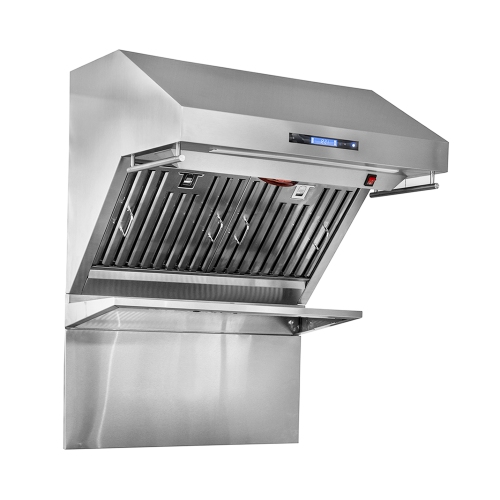
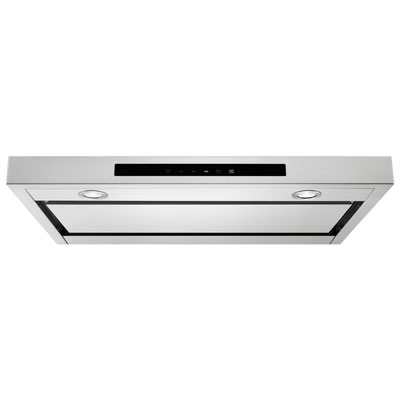
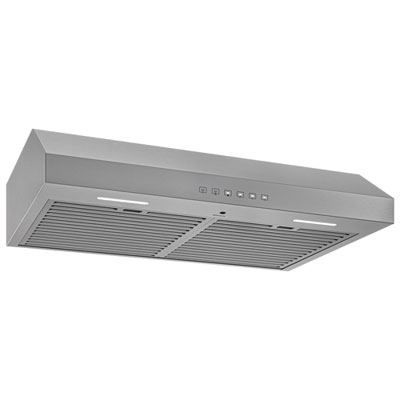
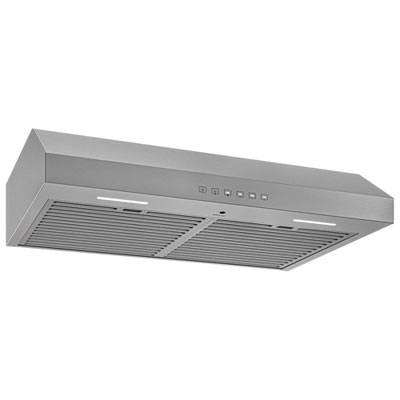
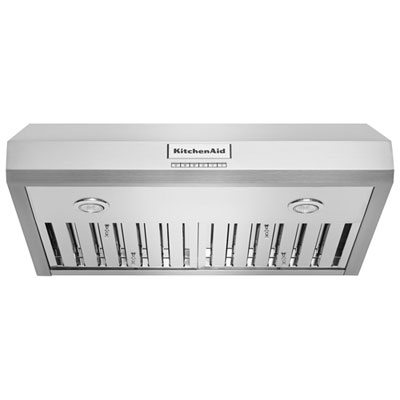
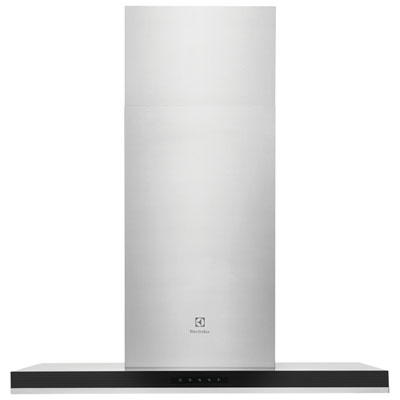
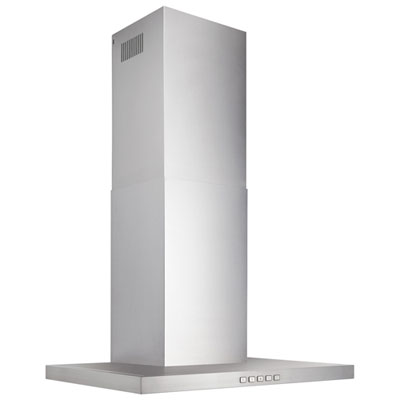
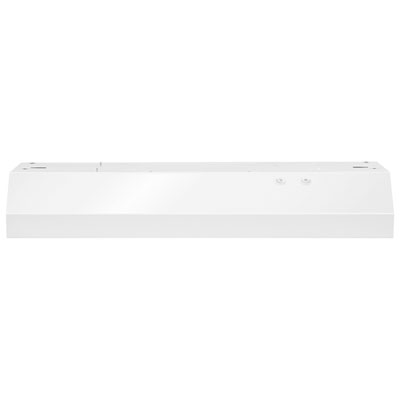
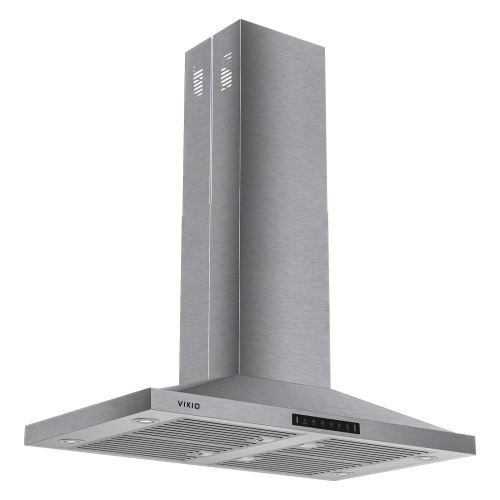
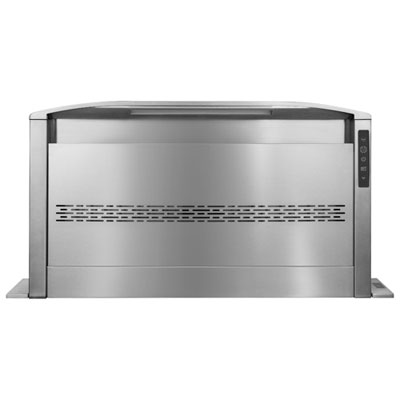
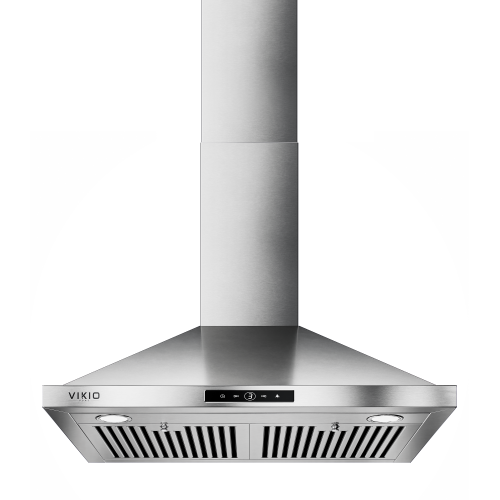
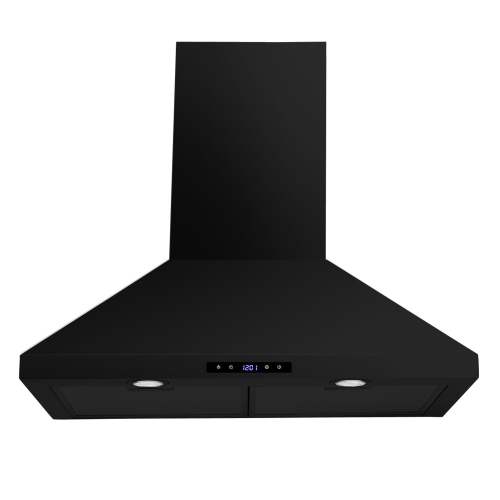
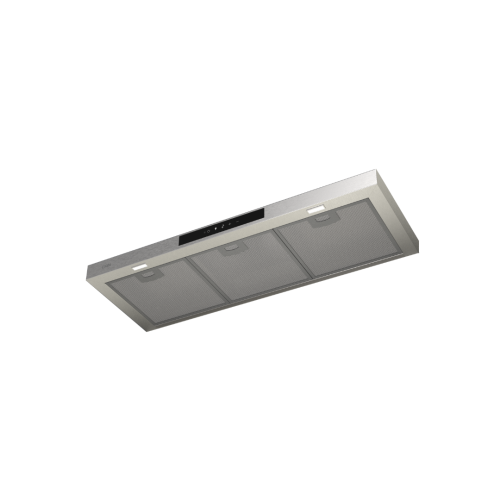
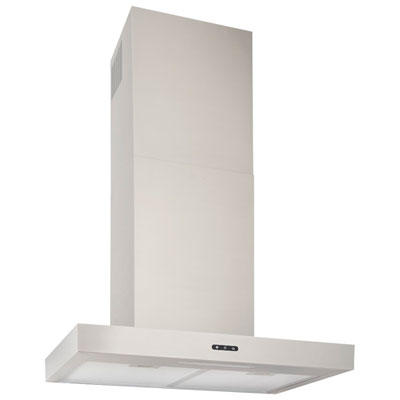
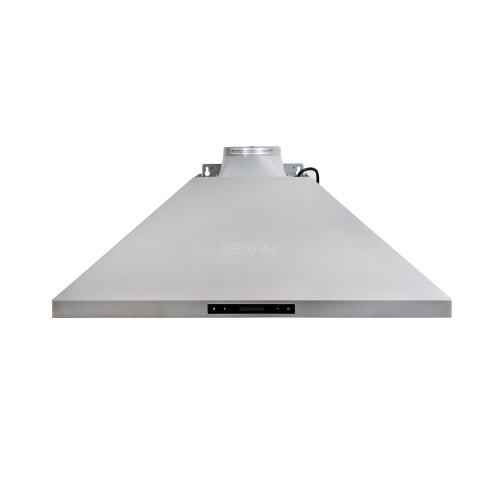
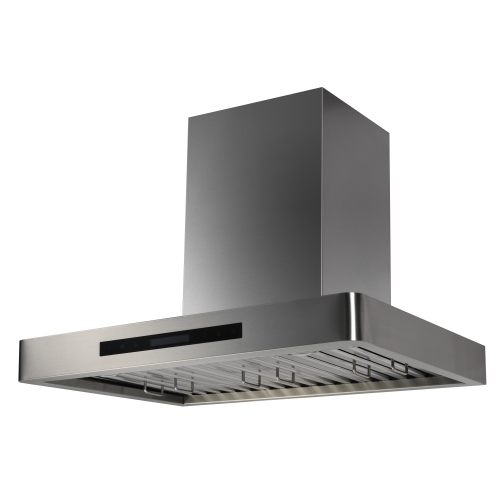
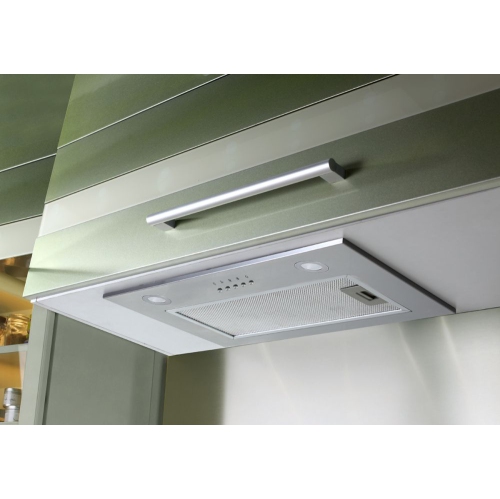
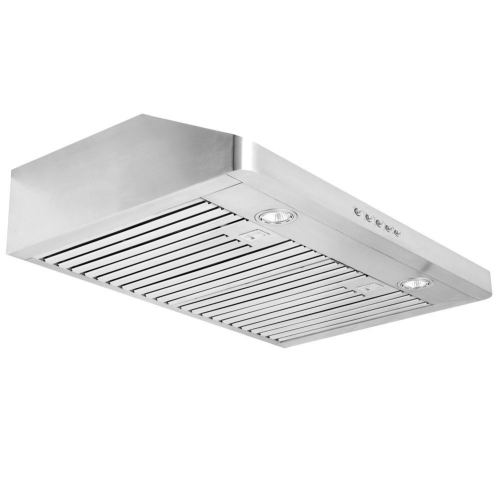
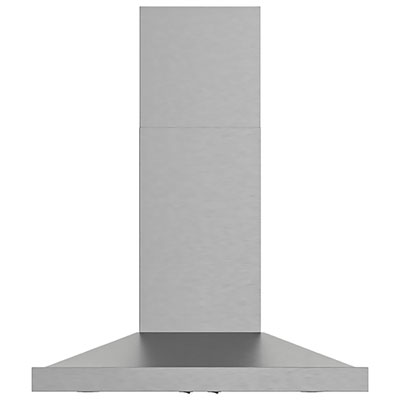
Stainless Steel Range Hoods combine a durable kitchen finish with ventilation that helps capture cooking odours, airborne grease, and steam near the cooktop. Energy-efficient designs bring particular attention to blower performance, lighting, and controls, making it possible to match ventilation to everyday cooking without always running the fan at its highest setting. Stainless steel itself does not determine electrical efficiency; the motor, fan assembly, lighting system, and operating settings all contribute to how much electricity a hood uses. Where a model carries ENERGY STAR certification, that designation indicates that it meets defined efficiency and performance criteria. LED task lighting can also reduce electricity use compared with traditional incandescent hood lighting while keeping chopping, stirring, and checking a simmering pot comfortably visible. Multiple fan speeds offer flexibility for different meals: a gently bubbling saucepan may need less airflow than several active burners or a skillet used for searing. Useful performance depends on more than the maximum airflow number, however. A hood’s width, depth, capture area, mounting height, and duct arrangement all affect how well it collects cooking emissions before they spread into the room. For households that cook frequently, a well-matched hood supports daily meal preparation, from a quick breakfast to a full family dinner. In an open-concept kitchen, effective capture and manageable sound levels are especially valuable when someone is talking at the island or watching television nearby. Stainless steel suits these shared spaces because its neutral metallic finish pairs easily with many cabinet colours, counters, and other appliances. Brushed surfaces offer a softer appearance than highly polished finishes, although the visibility of fingerprints varies by surface treatment. The result can be a practical kitchen fixture that feels integrated into the room rather than added as an afterthought, with energy-saving features that serve a clear purpose each time the cooktop is used.
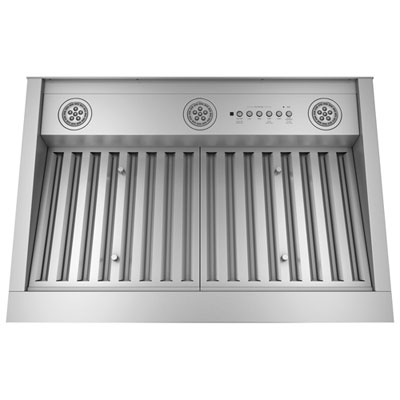
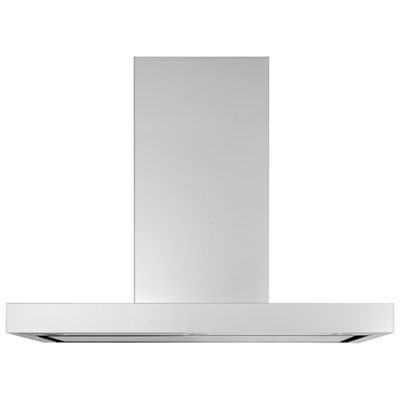
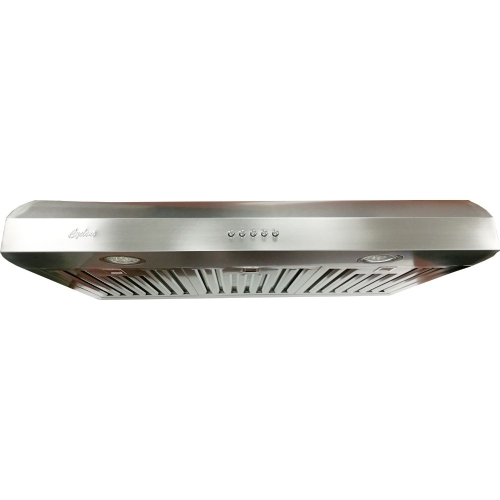
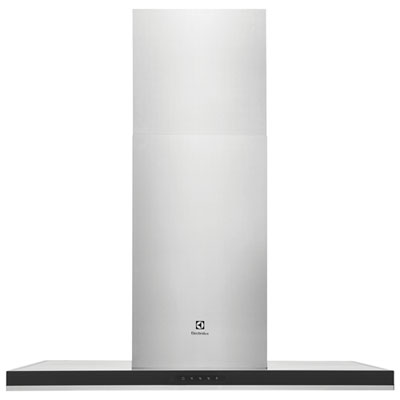
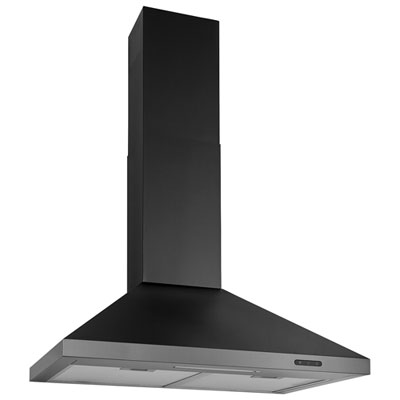
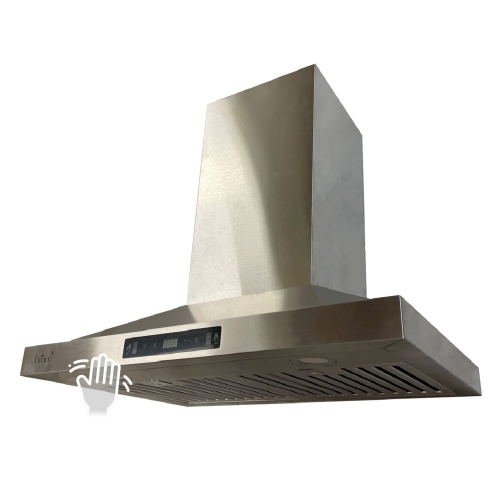
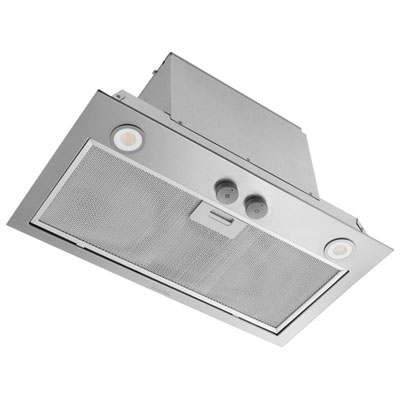
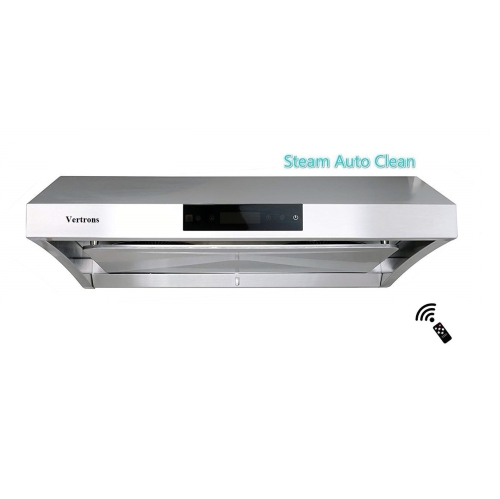
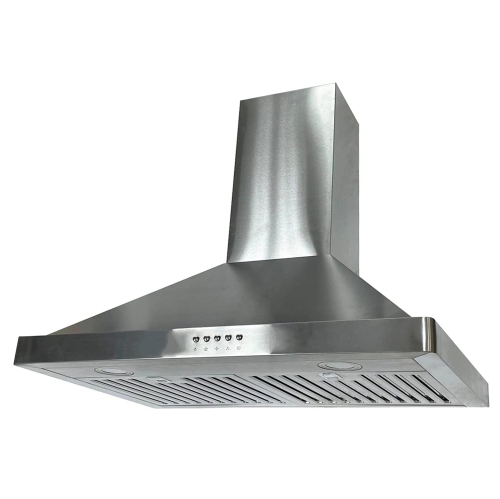
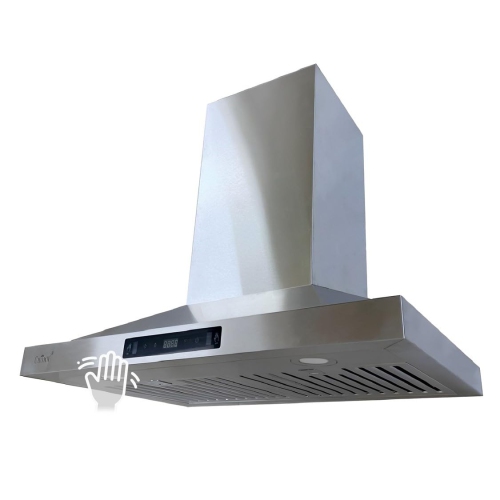
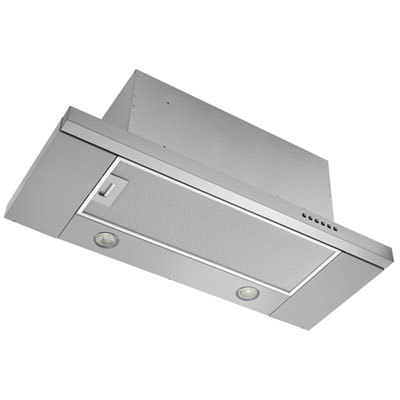
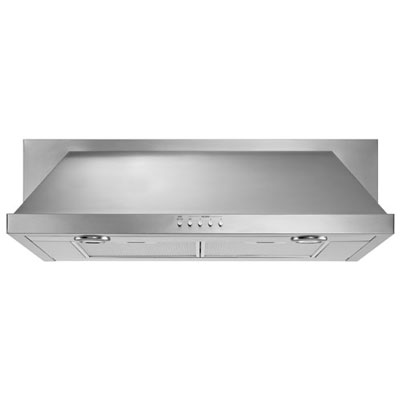
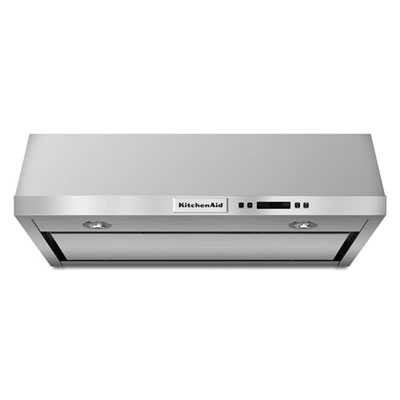
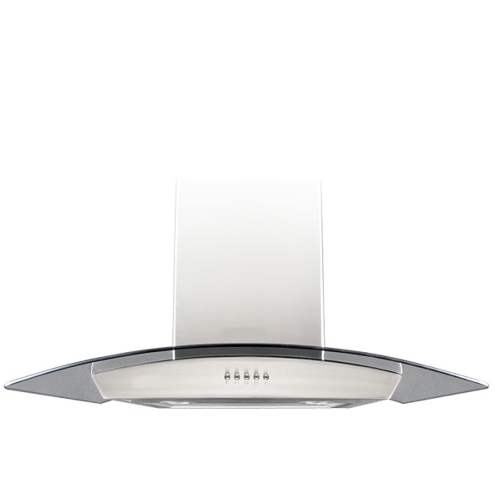
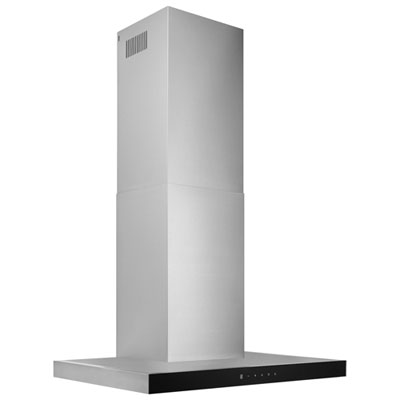
Fit and installation distinguish the main styles of stainless steel range hoods. Under-cabinet designs sit beneath upper cupboards and suit kitchens where storage space above the cooking area remains important. Wall-mounted chimney hoods create a more prominent feature over a range positioned against a wall, while island hoods are designed for ceiling installation above a freestanding cooking area. Stainless steel inserts fit within compatible custom hood enclosures, keeping the ventilation equipment more visually contained. In every configuration, dimensions need to suit both the cooking surface and the surrounding cabinetry. A hood should provide the coverage specified for the cooktop or range, with mounting clearances that follow both appliance manufacturers’ requirements. Width alone does not tell the whole story: a shallow hood may provide less coverage over front burners than a deeper canopy. Airflow is commonly expressed in cubic feet per minute, or CFM, but a higher maximum rating is not automatically the best match for every kitchen. Cooking style, appliance fuel type, burner output, capture geometry, and installation requirements all matter. Gas cooking also produces combustion by-products, which makes ventilation to the outdoors particularly important. Ducted hoods discharge captured air outside, whereas recirculating configurations pass air through filters and return it to the kitchen. Recirculating systems can help reduce grease and some odours, but they do not remove moisture or combustion gases in the same way as outdoor exhaust. Some hood designs support either arrangement with the appropriate components, so conversion requirements matter when comparing configurations. For ducted installations, correctly sized ductwork with a direct route and fewer bends helps limit airflow resistance and unnecessary noise. A properly fitted backdraft damper helps reduce reverse airflow when the fan is off, though it should not be assumed to create a completely airtight seal. In tightly sealed homes, exhaust ventilation also needs to work with the home’s air supply. Make-up air requirements depend on hood capacity, other equipment, and local building rules; an installer can assess those conditions rather than relying on a low CFM rating alone.
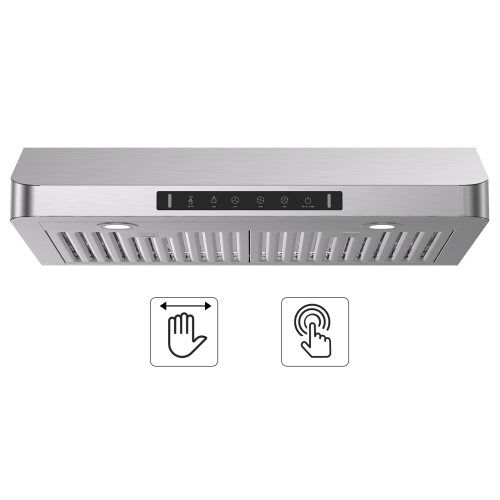
Everyday comfort and straightforward maintenance are just as important as the installation details. Sound ratings, often stated in sones, are most useful when compared at similar airflow settings, since a quiet low speed and a powerful maximum speed describe different operating conditions. Lower sound levels can make regular fan use more comfortable, especially during longer cooking sessions. Controls should be easy to reach and readable from a normal standing position, whether the design uses push buttons, a touch panel, or a sliding switch. Features such as adjustable lighting, automatic sensing, or a delayed shut-off can add convenience where included, but their operation and electrical use vary by design. A delayed shut-off allows ventilation to continue for a set period after cooking rather than depending on someone remembering to return to the kitchen. Grease filtration is another meaningful difference between hoods. Mesh filters capture grease through layers of material, while baffle filters redirect airflow through shaped channels that help separate grease from the moving air. Neither format is universally better for every household; filter construction, capture performance, access, and cleaning requirements all deserve attention. Some metal filters are dishwasher-safe, but that suitability needs to be confirmed in the manufacturer’s care instructions. Recirculating setups generally also use odour filters, often containing charcoal, which may require periodic replacement rather than washing. Filters that are easy to remove make routine cleaning less awkward, particularly after frequent frying or sautéing. Stainless steel exterior panels usually respond well to a soft cloth, mild cleaner, and wiping in the direction of the grain, followed by drying to limit water marks. Abrasive pads and harsh chemicals can damage the finish, and stainless steel is resistant to corrosion rather than immune to it. Accessible filters, sturdy controls, secure installation, and replaceable service parts all contribute to long-term practicality. For a kitchen renovation or an appliance update, the strongest match balances efficient operation with cooking needs, appropriate coverage, manageable noise, and care requirements that fit naturally into the household’s routine.
Fit and installation distinguish the main styles of stainless steel range hoods. Under-cabinet designs sit beneath upper cupboards and suit kitchens where storage space above the cooking area remains important. Wall-mounted chimney hoods create a more prominent feature over a range positioned against a wall, while island hoods are designed for ceiling installation above a freestanding cooking area. Stainless steel inserts fit within compatible custom hood enclosures, keeping the ventilation equipment more visually contained. In every configuration, dimensions need to suit both the cooking surface and the surrounding cabinetry. A hood should provide the coverage specified for the cooktop or range, with mounting clearances that follow both appliance manufacturers’ requirements. Width alone does not tell the whole story: a shallow hood may provide less coverage over front burners than a deeper canopy. Airflow is commonly expressed in cubic feet per minute, or CFM, but a higher maximum rating is not automatically the best match for every kitchen. Cooking style, appliance fuel type, burner output, capture geometry, and installation requirements all matter. Gas cooking also produces combustion by-products, which makes ventilation to the outdoors particularly important. Ducted hoods discharge captured air outside, whereas recirculating configurations pass air through filters and return it to the kitchen. Recirculating systems can help reduce grease and some odours, but they do not remove moisture or combustion gases in the same way as outdoor exhaust. Some hood designs support either arrangement with the appropriate components, so conversion requirements matter when comparing configurations. For ducted installations, correctly sized ductwork with a direct route and fewer bends helps limit airflow resistance and unnecessary noise. A properly fitted backdraft damper helps reduce reverse airflow when the fan is off, though it should not be assumed to create a completely airtight seal. In tightly sealed homes, exhaust ventilation also needs to work with the home’s air supply. Make-up air requirements depend on hood capacity, other equipment, and local building rules; an installer can assess those conditions rather than relying on a low CFM rating alone.
Everyday comfort and straightforward maintenance are just as important as the installation details. Sound ratings, often stated in sones, are most useful when compared at similar airflow settings, since a quiet low speed and a powerful maximum speed describe different operating conditions. Lower sound levels can make regular fan use more comfortable, especially during longer cooking sessions. Controls should be easy to reach and readable from a normal standing position, whether the design uses push buttons, a touch panel, or a sliding switch. Features such as adjustable lighting, automatic sensing, or a delayed shut-off can add convenience where included, but their operation and electrical use vary by design. A delayed shut-off allows ventilation to continue for a set period after cooking rather than depending on someone remembering to return to the kitchen. Grease filtration is another meaningful difference between hoods. Mesh filters capture grease through layers of material, while baffle filters redirect airflow through shaped channels that help separate grease from the moving air. Neither format is universally better for every household; filter construction, capture performance, access, and cleaning requirements all deserve attention. Some metal filters are dishwasher-safe, but that suitability needs to be confirmed in the manufacturer’s care instructions. Recirculating setups generally also use odour filters, often containing charcoal, which may require periodic replacement rather than washing. Filters that are easy to remove make routine cleaning less awkward, particularly after frequent frying or sautéing. Stainless steel exterior panels usually respond well to a soft cloth, mild cleaner, and wiping in the direction of the grain, followed by drying to limit water marks. Abrasive pads and harsh chemicals can damage the finish, and stainless steel is resistant to corrosion rather than immune to it. Accessible filters, sturdy controls, secure installation, and replaceable service parts all contribute to long-term practicality. For a kitchen renovation or an appliance update, the strongest match balances efficient operation with cooking needs, appropriate coverage, manageable noise, and care requirements that fit naturally into the household’s routine.
Top selling and popular products
-
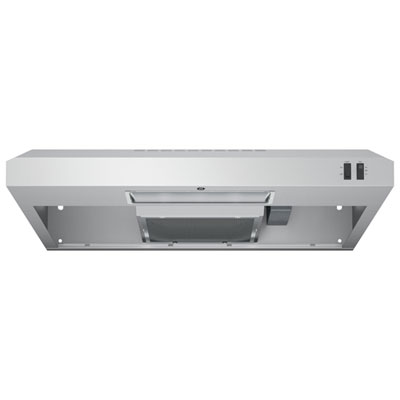 Your price for this item is $249.99
 -
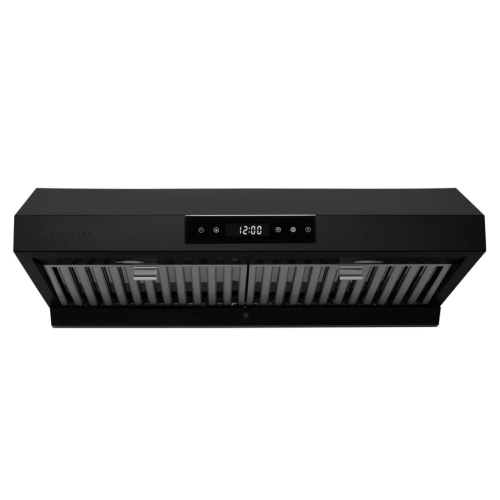 Your price for this item is $598.49
 -
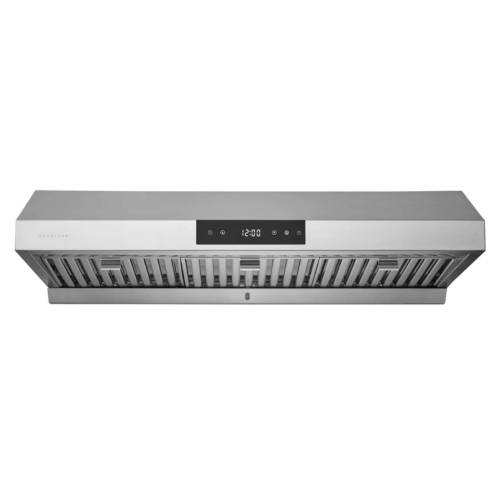 Your price for this item is $645.99
 -
 Your price for this item is $645.99
 -
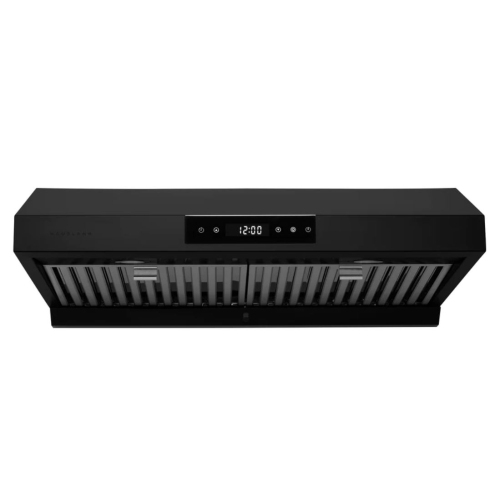 Your price for this item is $645.99
 -
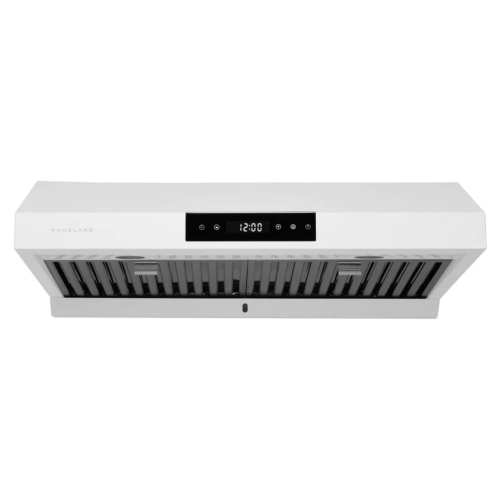 Your price for this item is $598.49
 -
 Your price for this item is $449.99
 -
 Your price for this item is $399.99
Discover more categories related to Stainless Steel Range Hoods With Energy Efficient Design for Green Homes

Top Collections:
Pokemon Centers, Kindle Devices, Best Budget Office Chairs, Apple iPhones 16, Best Laptops for Writers, iPhone 15 Apple, Canon G7X Cameras, Refurbished Apple Laptops, Alarm Clock, Motorola Razr Phones
Some products may be subject to Environmental Handling Fees
(EHF) depending on your province.
Learn more about EHFs.