Stand Mixers Baking for School Apartment
Stand mixers baking for school apartment offer a convenient solution for students and busy individuals looking to prepare homemade treats in compact living spaces. Whether you’re whipping up cookies for a study group or kneading dough for fresh bread, these versatile appliances help make baking easier and more enjoyable. Explore a range of stand mixers designed to fit perfectly in school apartments, making it simple to create your favorite recipes without taking up too much counter space.
Sort
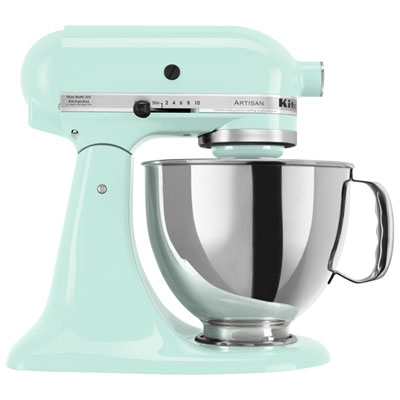
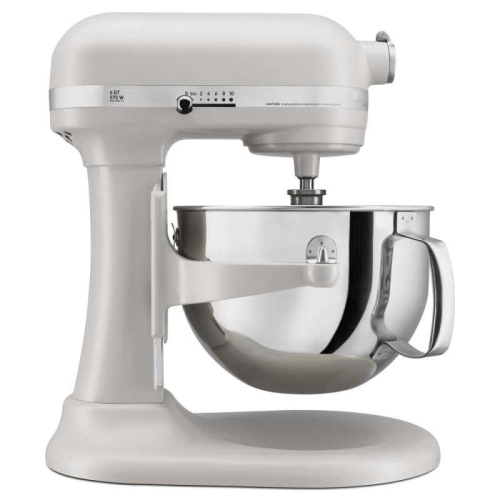
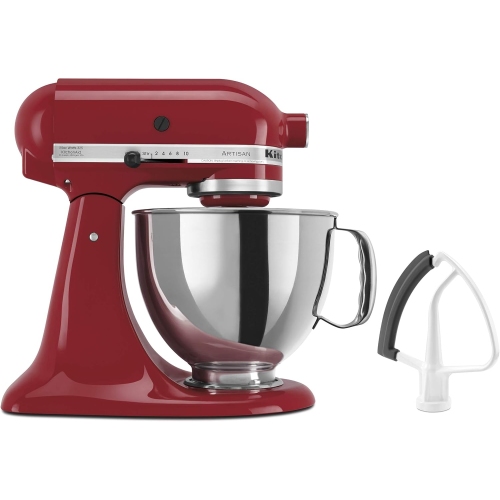
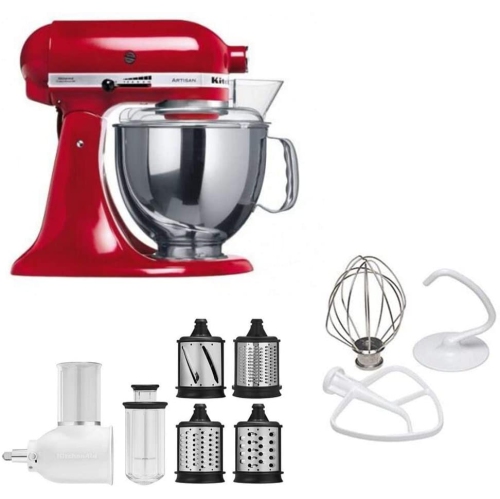

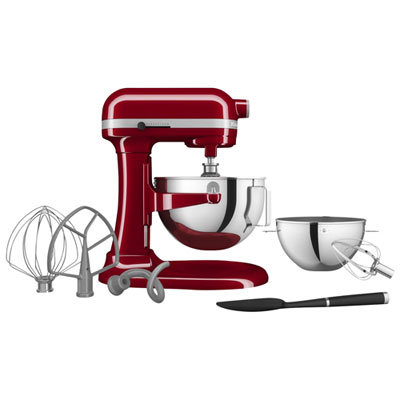
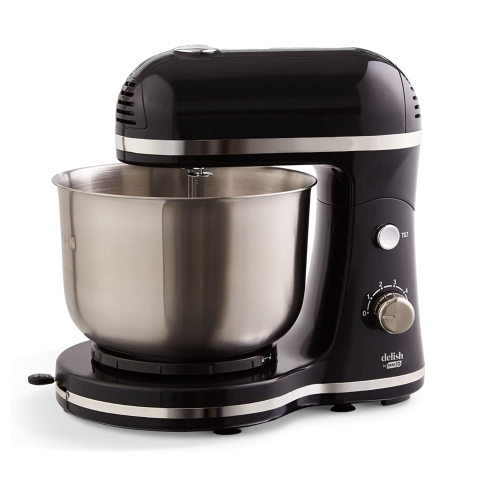

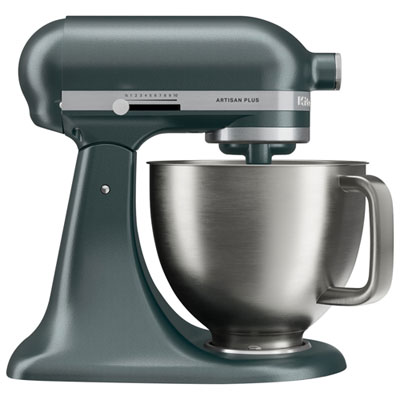
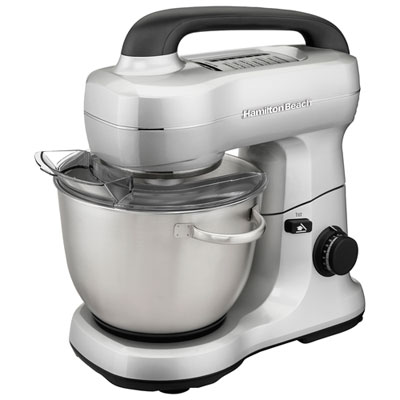
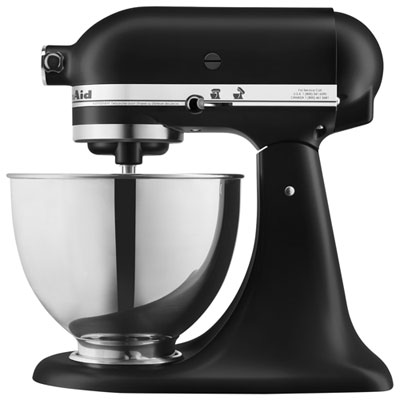
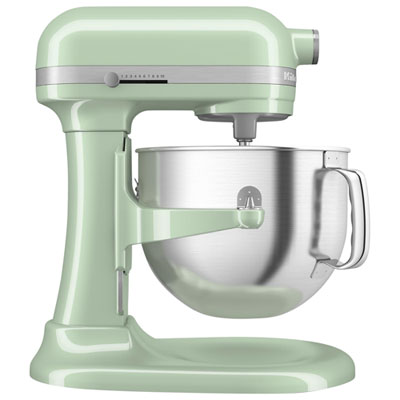
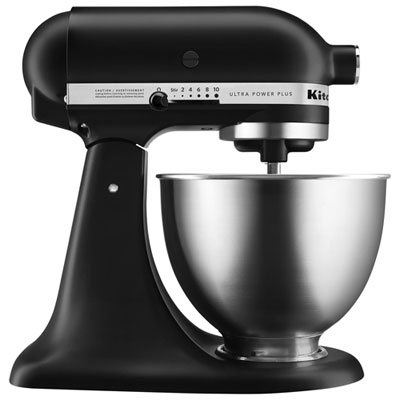

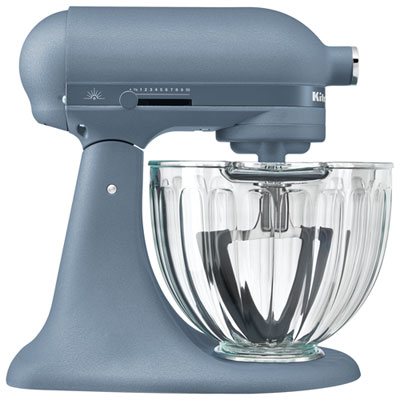
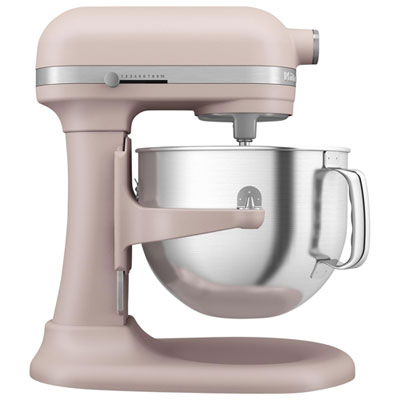


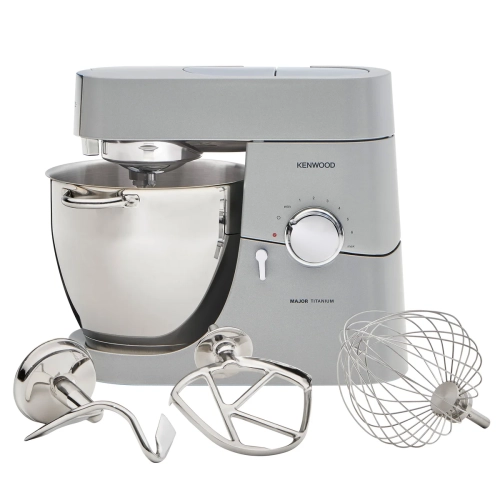
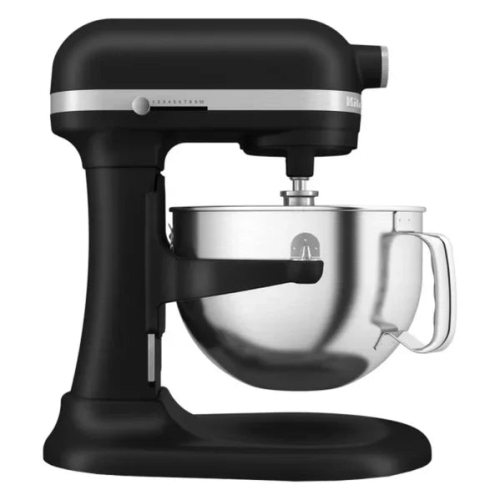
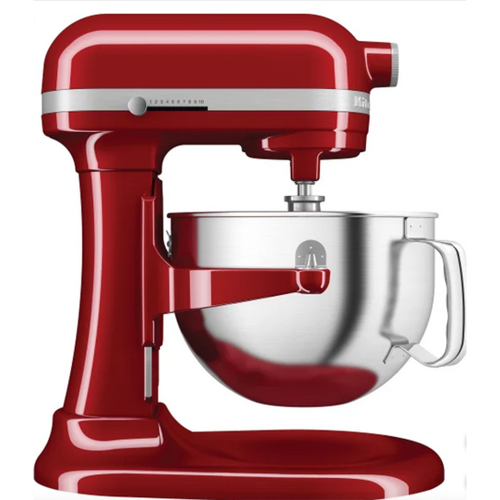
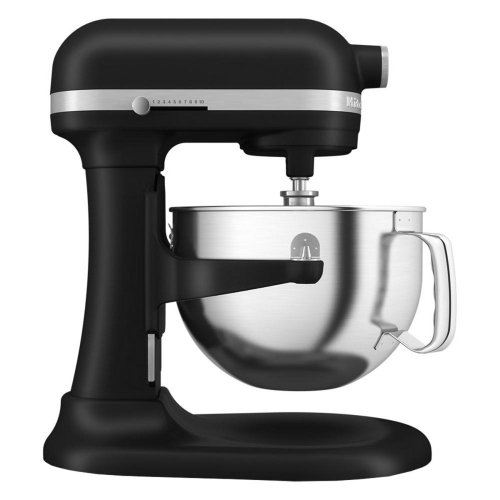
Hands-free mixing meets the realities of shared kitchens
Stand mixers can make baking a more practical part of life in a student apartment, whether that means mixing muffins for early classes, preparing pizza dough for a shared dinner, or baking a birthday cake in a kitchen shared with roommates. Their main appeal is consistent mixing without having to hold the appliance throughout the task. That leaves hands free to measure the next ingredient or prepare a baking pan while staying nearby to monitor the mixture. In a smaller kitchen, though, the right fit involves more than bowl capacity. A mixer needs a stable, level countertop, enough clearance beneath cupboards, and room around the bowl for adding ingredients without scattering flour across the work area. A tilt-head design requires space above and behind the mixer when the head is raised, while a bowl-lift design has its own clearance and bowl-removal requirements. Overall dimensions matter just as much as the footprint, especially when the appliance will live beneath a cabinet or move between a shelf and the countertop. Weight is another everyday consideration: a heavier base can help keep a mixer steady, but it may be awkward to lift out of a low cupboard before every batch. For someone baking once a week between lectures and assignments, a manageable appliance that is easy to set up may be more useful than a larger one that is difficult to move. Bowl capacity also needs to match ordinary portions rather than an occasional ambitious recipe. A generous bowl can accommodate larger batches, but small quantities may not mix effectively if the attachment cannot properly reach them. Students baking for themselves, a partner, or a few roommates often benefit from thinking about their usual batch of cookies or loaf of bread. Stand mixers can also be thoughtful gifts for students who already enjoy baking and have the kitchen space to use one comfortably.
Different baking habits place different demands on a stand mixer. Cake batter, cookie dough, whipped cream, and bread dough do not all behave alike, so the intended use should shape expectations about attachments, speeds, and workload. A flat beater is commonly used for creaming butter and sugar or combining many batters, while a whisk incorporates air into suitable mixtures, and a dough hook works with bread and pizza dough within the appliance’s stated limits. Attachments and capabilities vary, so a mixer should not be assumed to handle every recipe or accessory simply because it has a powerful-sounding motor specification. Wattage alone does not explain how well an appliance will knead a stiff dough or manage repeated batches; the drive system, speed control, dough capacity, and manufacturer’s operating instructions also matter. A slow starting speed can be particularly helpful in a compact kitchen, where a sudden burst of flour may reach the nearby dish rack or clean plates. A pouring shield, when included or compatible, can help contain splashes, although ingredients still need to be added gradually. Bowl material changes the handling experience as well. Stainless steel is generally durable and relatively light, while glass allows a clear view of the mixture but can be heavier to lift and requires care against knocks. A comfortable handle is useful when scraping thick batter into a pan, and a secure bowl connection helps keep preparation controlled. Metal and coated attachments have different care requirements, and not every attachment is dishwasher-safe. Removable parts that are straightforward to wash can make a real difference when the same sink is needed for dinner dishes. For long-term use, practical details such as a secure head lock where applicable, accessible controls, compatible replacement parts, and clear care instructions deserve attention. Colour and finish can help a mixer suit an apartment kitchen, but comfortable handling and appropriate capacity will matter more during regular use.
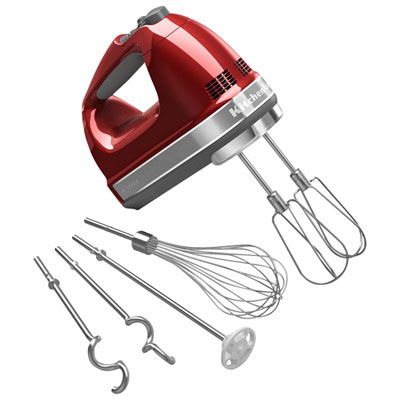
Living with a stand mixer in a shared apartment also involves the routines around baking. Countertop space may need to accommodate a kettle, a dish rack, and meal preparation, so the mixer’s storage location should be convenient without crowding the cooking area. A cord that reaches a suitable outlet without crossing the sink or a busy walkway makes placement simpler; the appliance should be used according to its electrical and safety instructions. Noise and vibration are worth considering when a roommate is studying nearby, particularly during longer kneading tasks. A sturdy surface is important, and the mixer should remain attended while running rather than being left to work in an empty kitchen. Keeping ingredients measured and pans ready before mixing can make baking feel less disruptive when several people share the space. After use, unplugging the appliance before removing attachments or cleaning around the beater shaft helps establish a sensible routine. Most mixer bodies need wiping rather than immersion, and flour or batter is easier to remove before it dries around seams and controls. Bowls and attachments should be cleaned as directed and dried thoroughly before storage. Keeping the beater, whisk, and dough hook together prevents a search through several drawers when there is only a short break between classes. For lighter mixing tasks, hand mixers for dorm rooms offer a handheld alternative to consider when storage space is especially tight. A stand mixer is particularly suited to someone who values a fixed bowl and hands-free mixing for recipes they make regularly. It works best as part of a kitchen routine that also leaves room for measuring ingredients, shaping dough, and cooling baked goods. For a student settling into apartment life, those practical details help turn a substantial countertop appliance into something useful for familiar recipes, shared meals, and baking skills that develop with practice.
Top selling and popular products
-
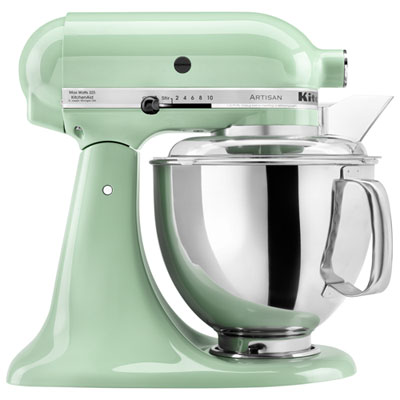 Your price for this item is $379.98
-
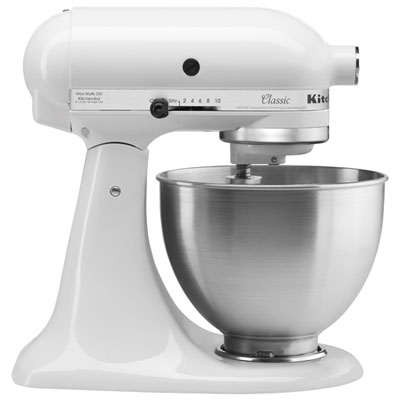 Your price for this item is $299.99
-
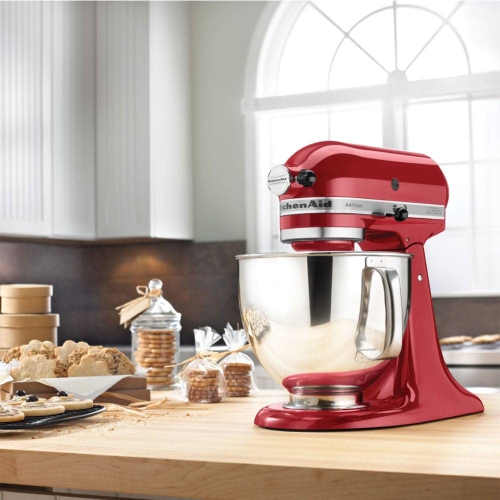 Your price for this item is $949.05
-
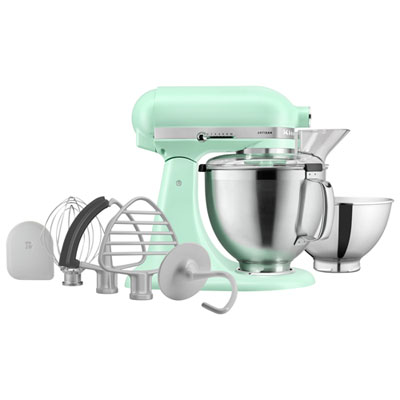 Your price for this item is $544.99
-
 Your price for this item is $399.99
-
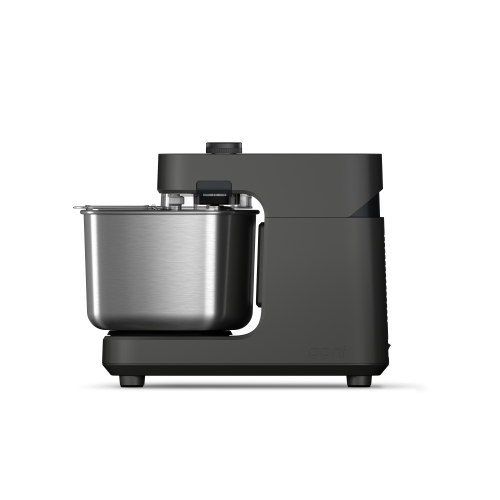 Your price for this item is $1099
-
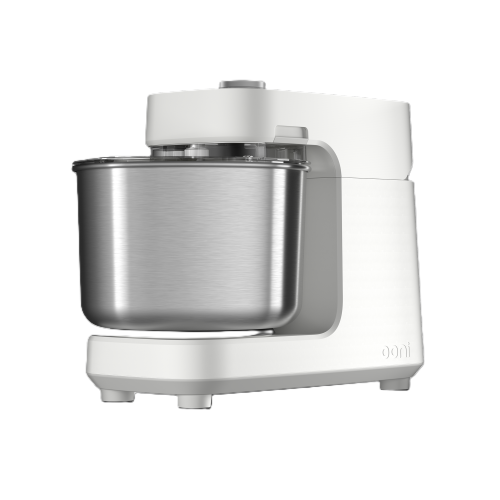 Your price for this item is $1099
-
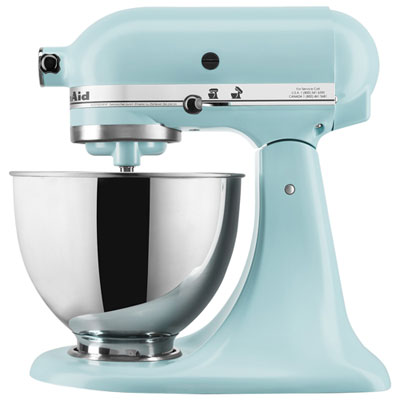 Your price for this item is $499.99
Discover more categories related to Stand Mixers Baking for School Apartment
Top Collections:
Best Black Friday Deals This Year, Best Black Friday Deals On Electronics, Kindle Devices, Pokemon Centers, Best Black Friday Deals On Apple Products, Best Cameras for Sports Photography, Dyson Airwrap, Pokémon 30th Celebration Cards, Apple iPhone 17 Pro, Canon G7X Cameras
Some products may be subject to Environmental Handling Fees
(EHF) depending on your province.
Learn more about EHFs.