Stand Mixers for Baking
Stand mixers for baking are essential tools for anyone who loves to create delicious homemade treats. Whether you’re preparing bread, cookies, cakes, or pastries, these versatile appliances help streamline the mixing process and deliver consistent results every time. With a variety of styles and sizes available, it’s easy to find a stand mixer that fits your kitchen and baking needs. Explore a wide selection of stand mixers for baking to elevate your culinary creations and make your time in the kitchen more enjoyable.
Sort



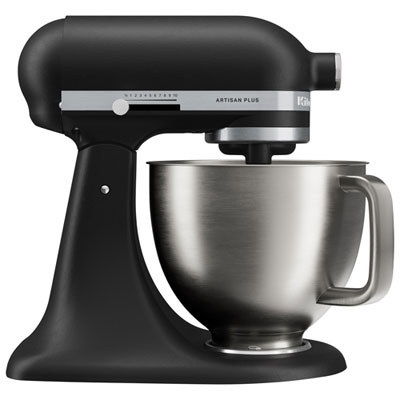
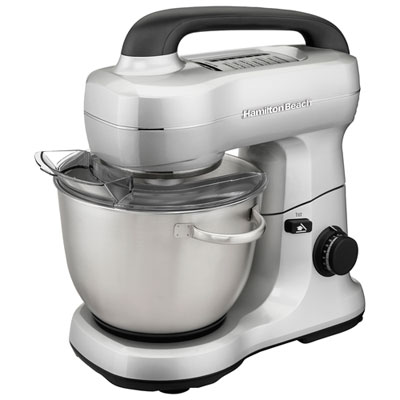
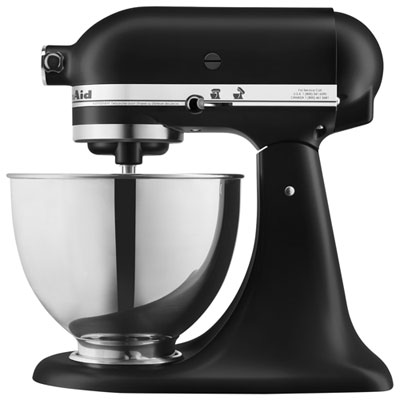
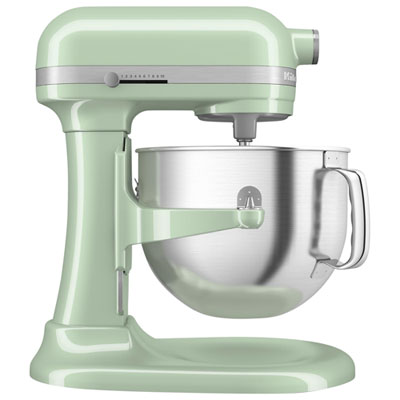





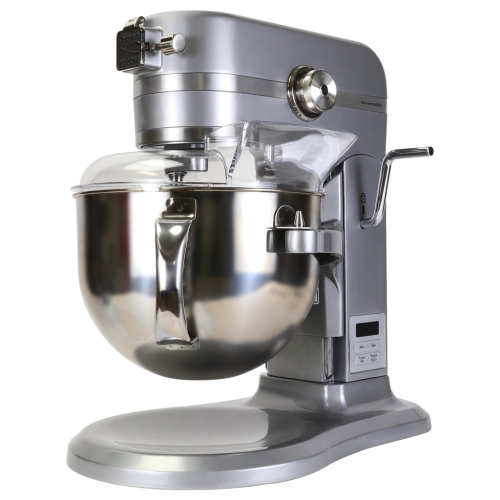
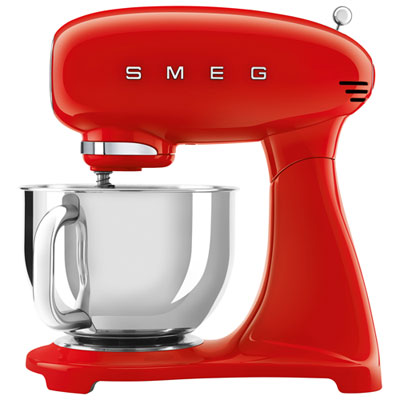
The right mixer depends on more than bowl size
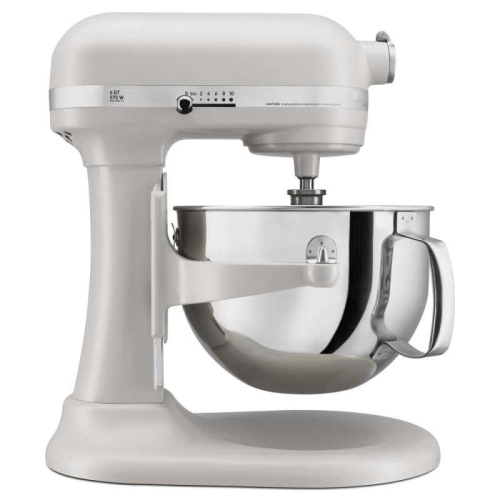
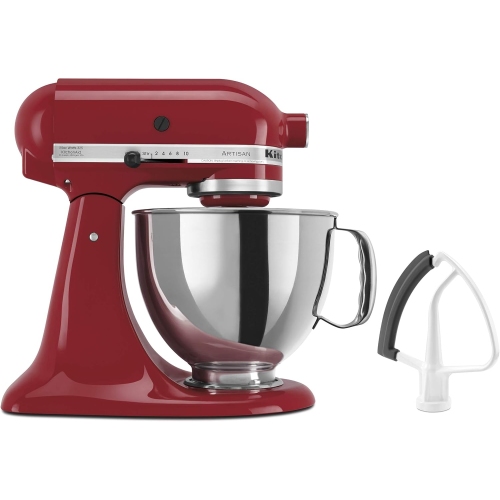
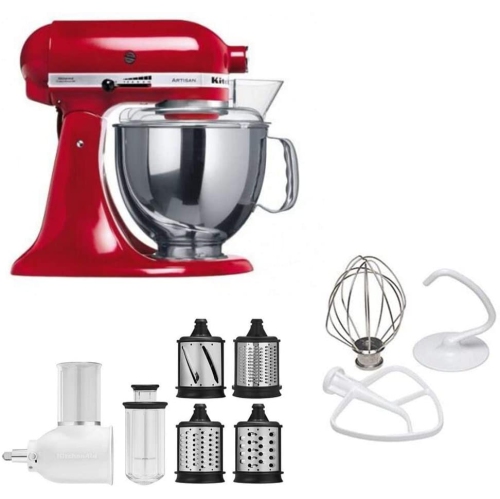
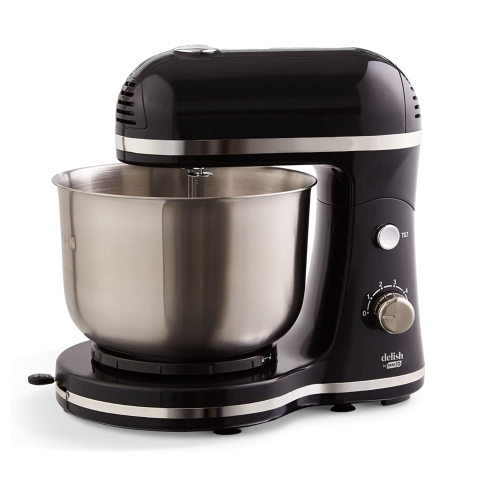
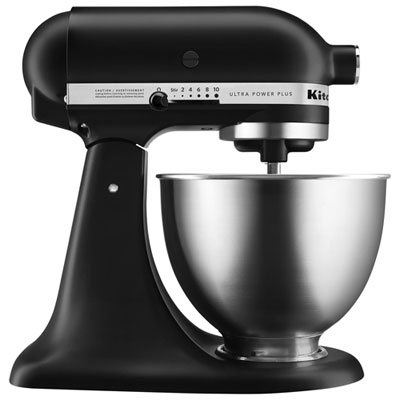
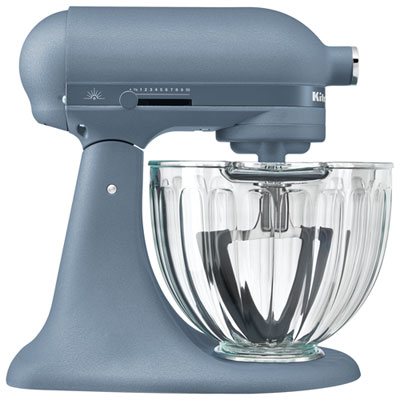
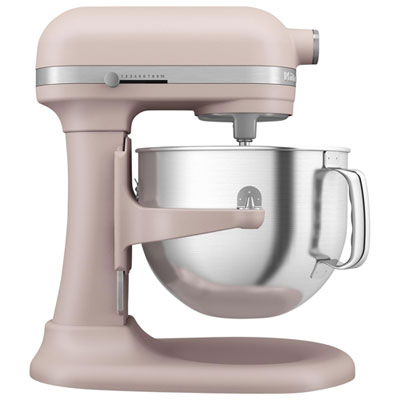
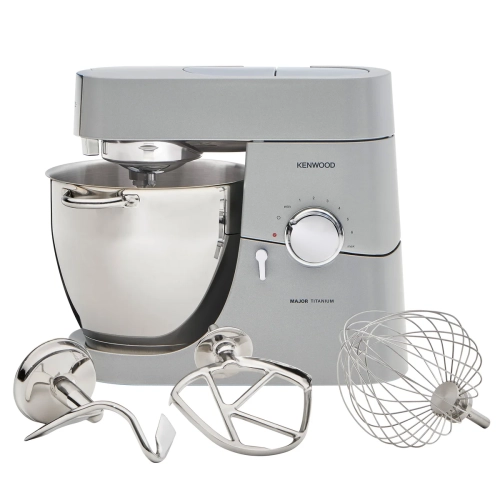
Stand mixers for baking bring steady mixing and hands-free convenience to everything from a small batch of cupcakes to a bowl of cookie dough. The most suitable stand mixer depends on what gets baked most often, typical batch sizes, and the space available for using and storing the appliance. A baker who mainly makes sponge cakes, buttercream, and meringues has different needs from someone who regularly kneads bread dough or doubles a dense cookie recipe. Bowl capacity is usually expressed in litres, but that measurement describes the bowl’s volume rather than the amount of flour or dough the mixer can comfortably handle. Stated batch limits and minimum mixing quantities give a clearer picture of everyday usefulness. A large bowl offers room for bigger recipes, yet a smaller quantity of egg whites or butter may sit below the attachment’s effective reach. For households that bake modest amounts, reliable small-batch mixing can matter more than maximum capacity. Attachments also shape the results: a flat beater generally handles cake batter and cookie dough, a wire whisk incorporates air into cream and egg whites, and a dough hook works mixtures that need kneading. Many stand mixers use a planetary mixing action, with the attachment moving around the bowl while turning on its own axis to reach more of the mixture. Even with that motion, some recipes benefit from an occasional scrape down the sides and across the bottom with the machine switched off. A gentle starting speed helps keep flour and icing sugar inside the bowl, while a useful range of higher speeds supports aerating and whipping. Wattage alone does not establish mixing strength; motor design, gearing, speed control, and the manufacturer’s stated capacity all affect performance. Together, these details help distinguish a mixer suited to occasional treats from one intended for frequent baking, without assuming that the largest or most powerful-looking appliance is automatically the best fit.
Bread, pizza, and enriched dough place different demands on a stand mixer than a light cake batter. As flour absorbs liquid and the mixture becomes elastic, the attachment encounters sustained resistance. A mixer intended for regular kneading needs an appropriate dough capacity, a secure bowl, and operating instructions that clearly explain suitable speeds and mixing times. For households where loaves and pizza bases are the main attraction, Dough Mixers for Baking offers a more focused category to explore. Dough weight and flour limits deserve particular attention because two recipes that fit inside the same bowl can put very different loads on the motor. A soft, high-hydration dough does not behave like a firm bagel dough, and adding extra flour to stop sticking can make the mixture harder to knead while changing the finished bake. Mixer construction also affects the experience at the counter. Tilt-head designs open above the bowl for attachment changes and ingredient additions, making overhead clearance important beneath cupboards. Bowl-lift designs raise the bowl into position beneath the attachment and may suit larger batches, although their overall height and footprint still need to fit the kitchen. Neither layout alone guarantees better results; access, capacity, and handling are the practical differences to consider. A substantial base and stable feet help the mixer stay planted, but the machine still belongs on a level work surface away from the counter’s edge. Weight can be reassuring during mixing yet awkward when the appliance must be lifted from a lower cupboard each time. Measuring the intended space includes room to open the head, remove the bowl, reach the controls, and feed ingredients into the mixture. A comfortable bowl handle can make a noticeable difference when carrying thick batter to a cake tin or tipping dough onto a worktop. These everyday movements often determine how readily a stand mixer becomes part of a baking routine.
Materials, finish, and care requirements influence how a stand mixer looks and feels after repeated use. Stainless steel bowls are generally durable and relatively light to handle, while glass bowls provide a clear view of the mixture and can feel heavier when full. Any bowl must be designed for the particular mixer rather than selected by volume alone. Attachment materials vary as well, with coated metal, uncoated metal, and stainless steel each having their own cleaning requirements. Dishwasher suitability depends on the individual component, so the care instructions matter for bowls, beaters, whisks, and dough hooks alike. Handwashing a part that is not dishwasher-safe helps avoid damage to its finish, and prompt cleaning keeps dried batter from hardening around joints and narrow spaces. The mixer body usually needs a soft, lightly dampened cloth rather than immersion, with the appliance unplugged before cleaning or changing attachments. Durability also involves the parts that see repeated movement: a secure head lock, a bowl that seats properly, and attachments that maintain the correct clearance all contribute to dependable use. Where a mixer allows beater-height adjustment, following the manufacturer’s method helps prevent the attachment from striking the bowl or leaving too much unmixed material at the bottom. Accessible replacement bowls and compatible attachments can support a changing baking routine, but compatibility is specific to the mixer’s design. Appearance has a practical side, too. A colour and finish that suit the kitchen may make a countertop appliance easier to leave within reach, while smooth surfaces and uncomplicated controls simplify wiping away flour. For a new baker, a manageable bowl and straightforward controls can be more useful than numerous additional functions. An experienced baker may value precise low-speed mixing, comfortable handling, and consistent performance across repeated batches. As a gift for a keen home baker or someone setting up a kitchen, a stand mixer is most thoughtful when it matches the recipient’s recipes, available space, and willingness to handle a heavier appliance. The right fit supports familiar pleasures: creaming butter for birthday cakes, folding chocolate chips into cookie dough, and turning a bowl of simple ingredients into something worth sharing.
Top selling and popular products
-
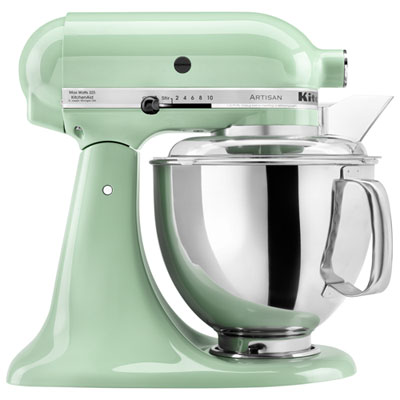 Your price for this item is $379.98
-
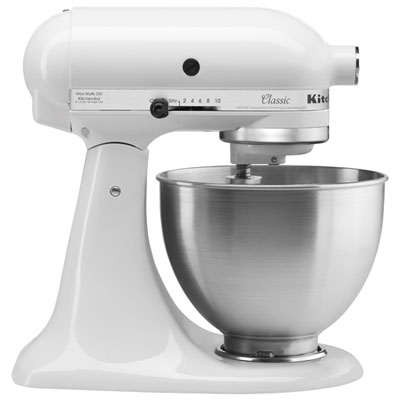 Your price for this item is $299.99
-
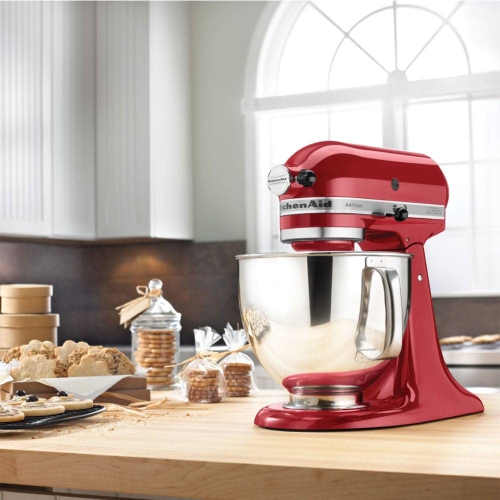 Your price for this item is $949.05
-
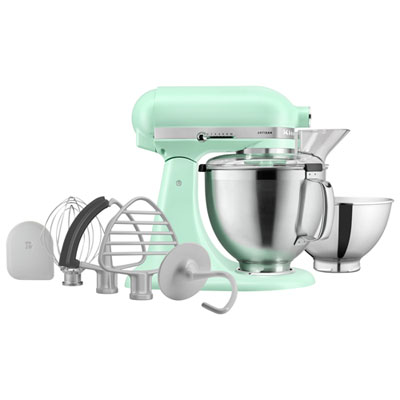 Your price for this item is $544.99
-
 Your price for this item is $399.99
-
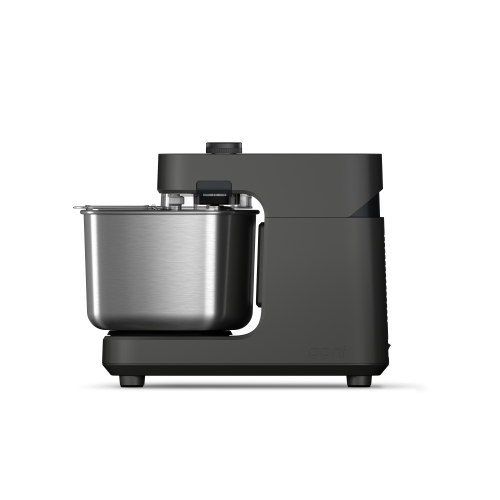 Your price for this item is $1099
-
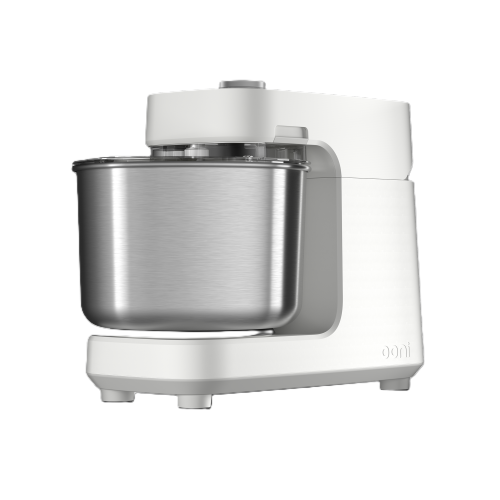 Your price for this item is $1099
-
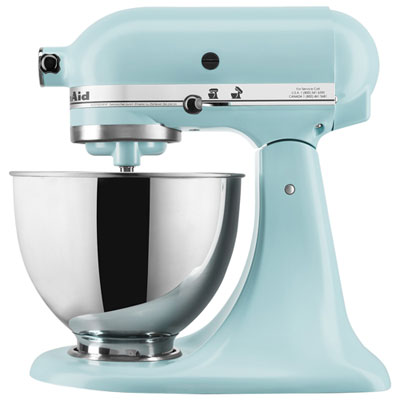 Your price for this item is $499.99
Discover more categories related to Stand Mixers for Baking

Top Collections:
Best Black Friday Deals This Year, Best Black Friday Deals On Electronics, Kindle Devices, Pokemon Centers, Best Black Friday Deals On Apple Products, Best Cameras for Sports Photography, Dyson Airwrap, Pokémon 30th Celebration Cards, Apple iPhone 17 Pro, Canon G7X Cameras
Some products may be subject to Environmental Handling Fees
(EHF) depending on your province.
Learn more about EHFs.