Steam Dishwashers
Steam Dishwashers offer a powerful solution for tackling everyday kitchen cleanup with ease. Perfect for busy households and those who love to entertain, these appliances help take the hassle out of dishwashing. Explore a wide selection of Steam Dishwashers designed to fit various kitchen layouts and lifestyles, making it simple to find the right match for your home. Whether upgrading your current dishwasher or outfitting a new space, discover options that combine convenience and advanced cleaning technology.
Sort
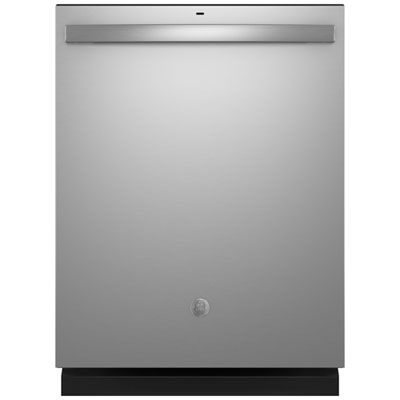
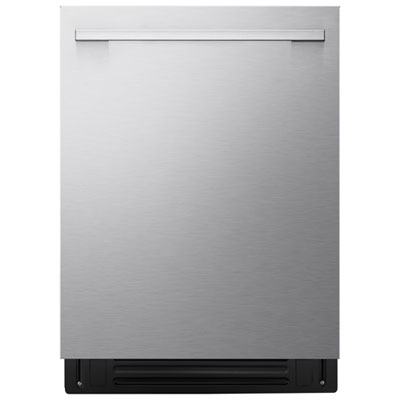
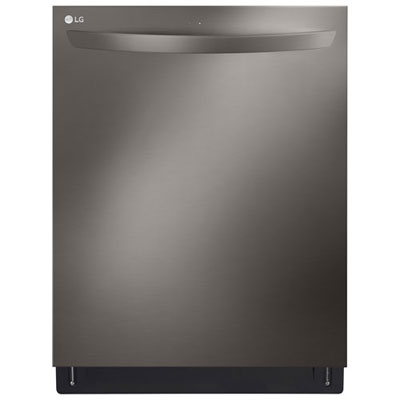
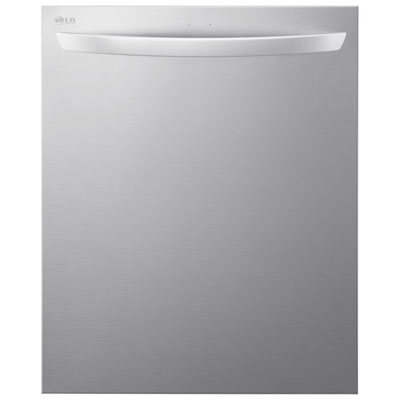
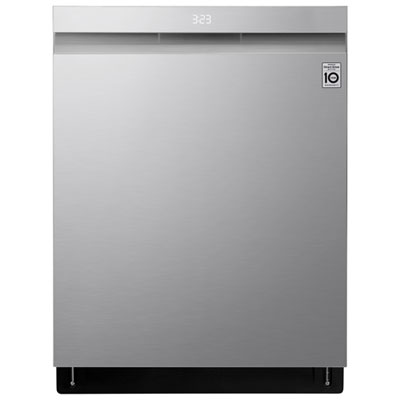
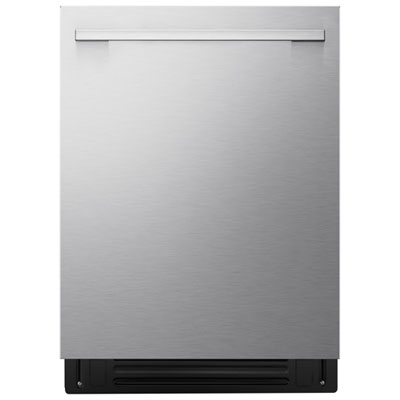
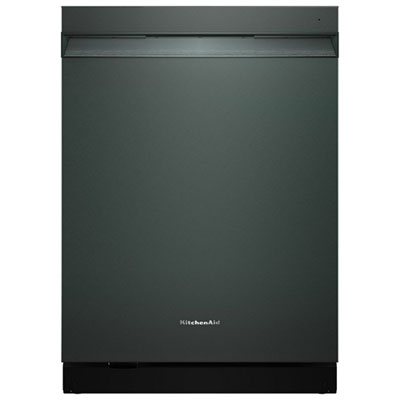
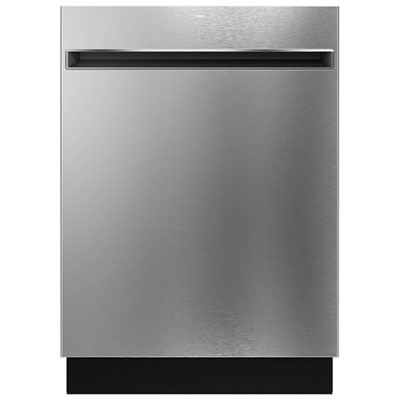
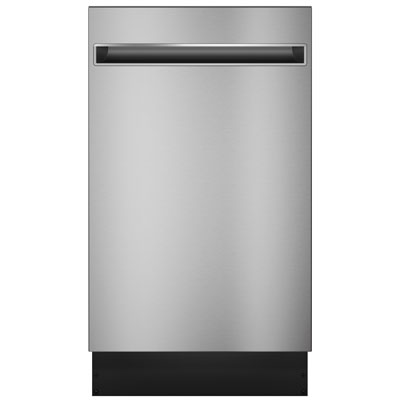


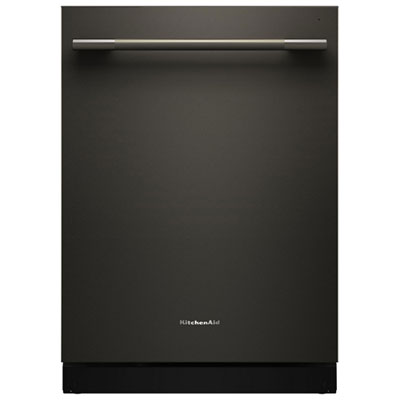
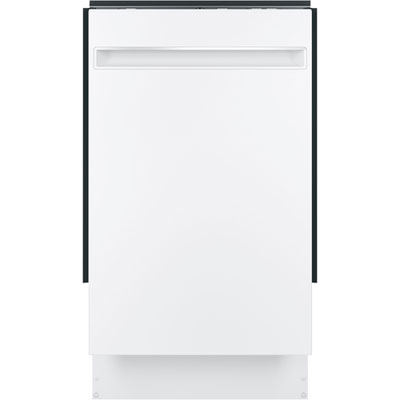
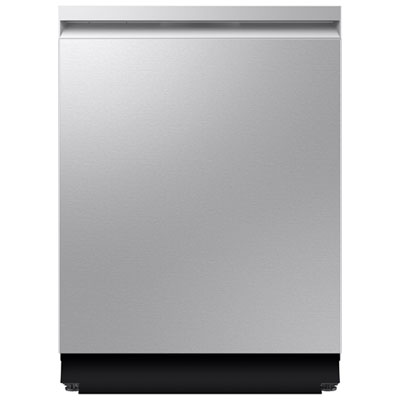

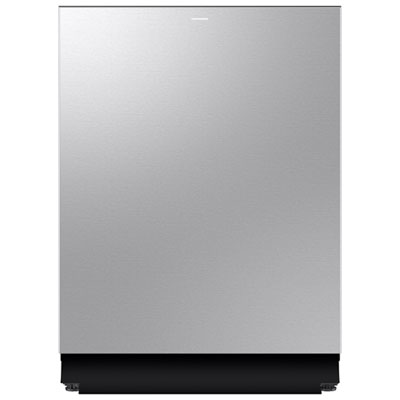
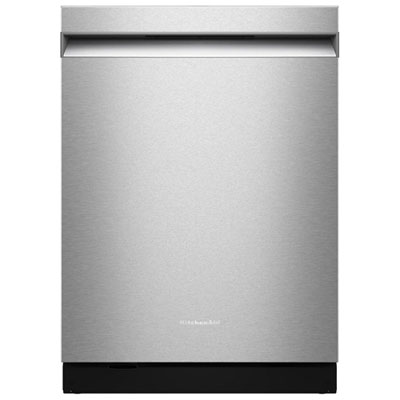
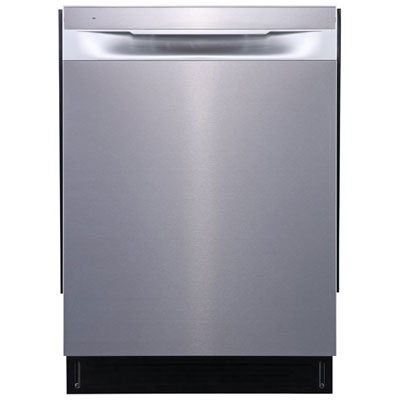
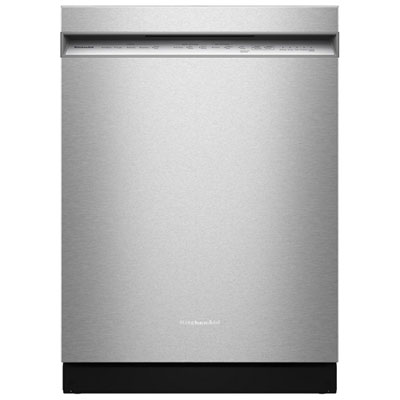
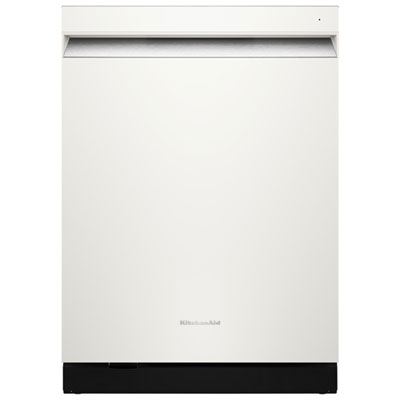
How steam helps loosen stuck-on food from dishes
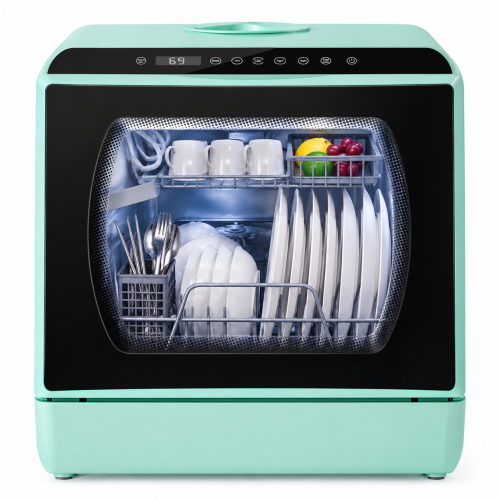
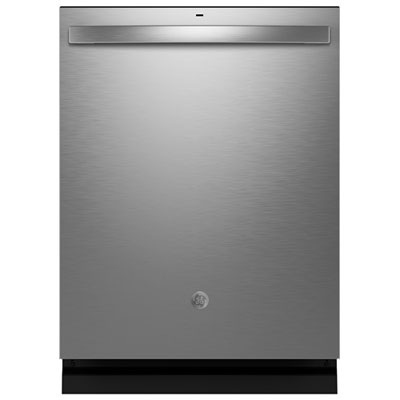
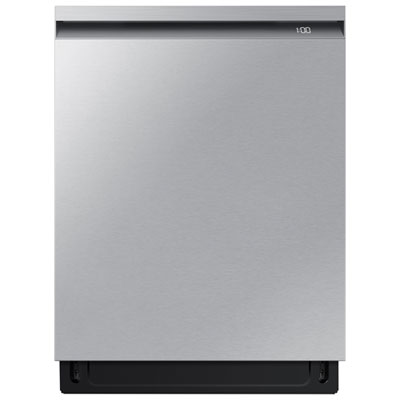
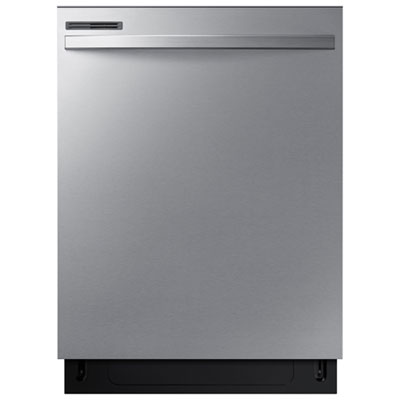
Steam dishwashers use heated water to produce steam that helps soften stuck-on food before or during a wash cycle. Steam works alongside detergent and the dishwasher’s spray system, helping loosen residue so it can be washed away. Depending on the appliance and selected program, steam may be used during a prewash, the main wash, or another stage of cleaning. That can be useful for everyday loads with dried oatmeal on bowls, sauce around the edges of dinner plates, or cheese clinging to a dishwasher-safe baking dish. Steam is not a substitute for correct loading, suitable detergent, or regular maintenance, but it can support cleaning without extensive hand-scrubbing beforehand. Large food scraps still belong in the appropriate household waste container, while routine pre-rinsing may be unnecessary when the manufacturer recommends loading scraped dishes directly. Results depend on the type of residue, the wash program, water conditions, and whether spray can reach the soiled surfaces. A casserole dish positioned behind a large cutting board, for example, may not receive the same coverage as one placed with its dirty surface facing the spray. Steam cleaning should also be distinguished from sanitizing and drying. A steam feature does not automatically mean every cycle sanitizes dishes, and any sanitizing claim should be supported by the appliance’s stated cycle performance or certification. Similarly, steam alone does not guarantee dry plastics or spotless glassware. Some steam-equipped dishwashers have features designed to help reduce spotting, but drying performance also depends on rinse aid, water hardness, the drying system, and the materials in the load. For households that cook regularly, pack lunches, or run mixed loads of plates, mugs, and dishwasher-safe cookware, the appeal is practical: additional help with food residue within a familiar dishwashing routine. A well-matched combination of steam, wash coverage, and drying features matters more than the steam label on its own.
The right fit involves both the kitchen opening and the dishes that need cleaning. Many built-in dishwashers have a nominal width of 24 inches, while narrower formats can suit smaller spaces, but the actual dimensions and installation requirements must match the opening. Steam functionality does not determine an appliance’s size, capacity, or installation method. Width, height, depth, levelling space, and room for hoses and connections all affect how a dishwasher fits beneath a countertop. Door clearance deserves attention, particularly opposite an island or beside a corner cabinet, where an open dishwasher door can interrupt access to drawers or a walkway. Handle projection and the location of controls also influence everyday use. A recessed handle can keep the front profile unobtrusive, while visible controls make it easier to check settings without opening the door. Inside, the arrangement of the racks can matter as much as the stated place-setting capacity. Deep cereal bowls, broad pasta dishes, reusable containers, and tall glasses occupy space differently from a matching dinner service. Adjustable upper racks can create room for taller pieces below, and folding tines can accommodate larger dishwasher-safe cookware. A third rack may keep utensils and small tools separated, although its position can affect clearance for tall glasses underneath. Cutlery baskets offer a different loading style and may suit households that prefer gathering utensils in one place. Families often benefit from flexible layouts that accommodate a changing mix of dishes, while smaller households may place more value on convenient loading and suitable options for lighter loads. For open-plan kitchens, sound levels are another consideration, especially when a wash runs during conversation, television viewing, or work at a nearby table. Cycle duration, drying choices, delay settings, and clear status indicators all contribute to how comfortably the appliance fits into daily life. A steam program is most useful when the dishwasher’s overall layout and operation also suit the household.
Materials and care help shape long-term satisfaction with a steam dishwasher. Stainless steel tubs generally tolerate heat well and resist staining, while tub construction and insulation can also influence drying and sound. The exterior finish has a different role: it needs to suit surrounding cabinetry and appliances while standing up to fingerprints, splashes, and frequent wiping. Smooth control panels and accessible door edges can make routine cleaning simpler. Rack coatings, rollers, hinges, and adjustable fittings deserve equal attention because they are handled every time dishes are loaded or put away. Keeping rack coatings intact helps protect the underlying metal, and avoiding overloaded racks reduces unnecessary strain on moving parts. Inside the machine, food particles can collect in filters, spray-arm openings, and the area around the door seal. Cleaning these components according to the manufacturer’s directions helps preserve wash performance and prevents residue from returning to otherwise clean dishes. Dishwasher detergent should be used in the recommended amount; ordinary hand dishwashing liquid can create excessive suds. Rinse aid can help water drain from surfaces, particularly when drying results are uneven, while mineral buildup may call for a manufacturer-approved cleaning treatment suited to local water conditions. Steam does not make unsuitable materials dishwasher-safe. Wood, unprotected cast iron, delicate decorated pieces, and some insulated drinkware may still require handwashing, so the care markings on each piece remain important. Lightweight plastic containers also need secure placement away from any exposed heating element, following both the container’s and dishwasher’s instructions. Steam has other roles in the kitchen, but Steam Microwaves are intended for food preparation rather than dish cleaning. For dishwashing, lasting usefulness comes from the combination of effective cleaning, suitable capacity, thoughtful installation, and manageable upkeep. Whether handling breakfast bowls and coffee mugs or the cookware left after a shared meal, a steam dishwasher should make the transition from a full sink to dishes ready to put away feel straightforward.
Top selling and popular products
-
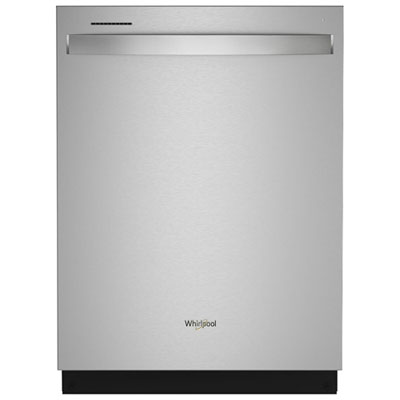 Your price for this item is $849.99
-
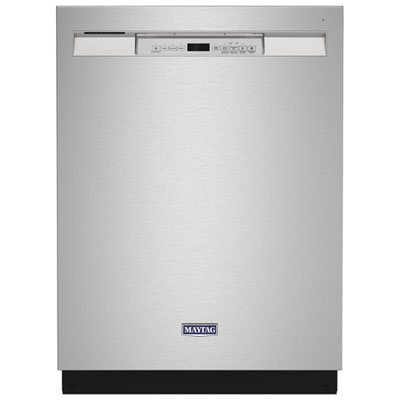 Your price for this item is $849.99
-
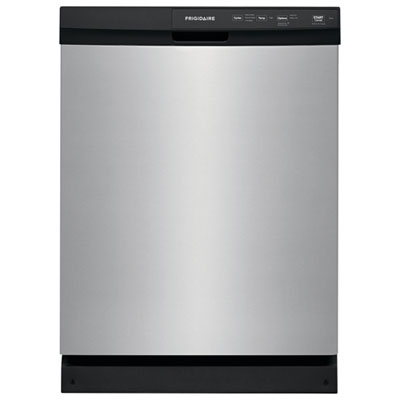 Your price for this item is $479.99
-
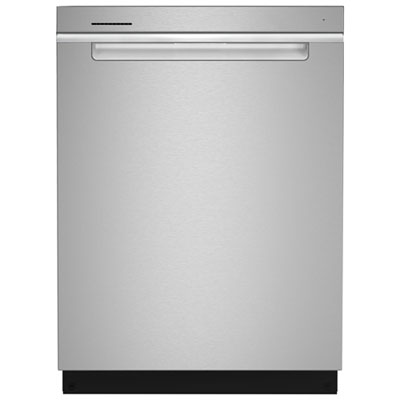 Your price for this item is $849.99
-
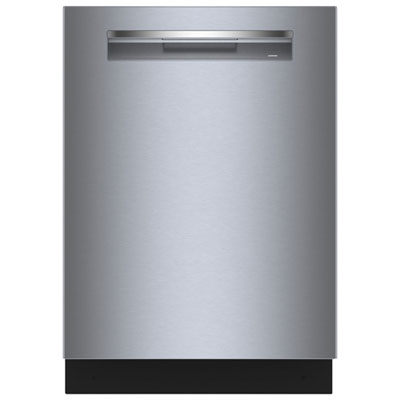 Your price for this item is $2449.99
-
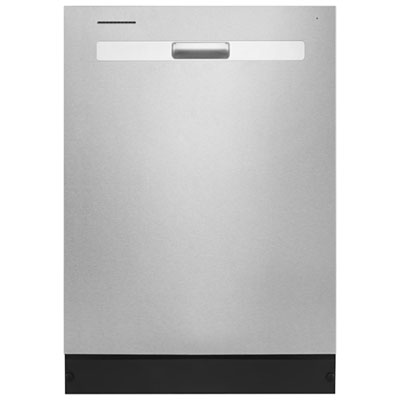 Your price for this item is $699.99
-
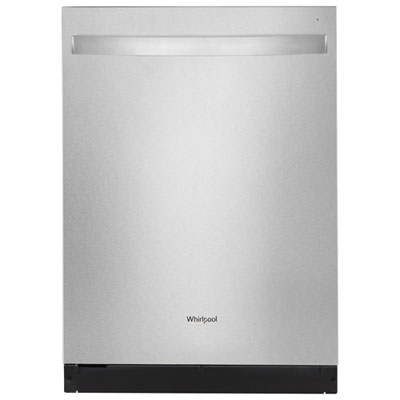 Your price for this item is $749.99
-
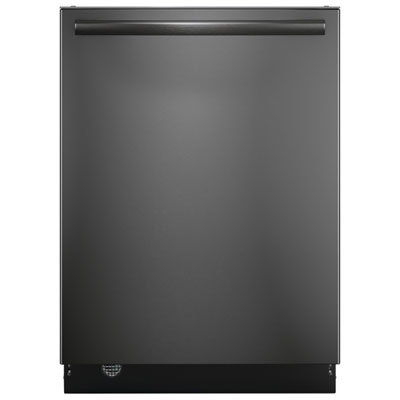 Your price for this item is $949.99
Discover more categories related to Steam Dishwashers
Top Collections:
Best Black Friday Deals This Year, Best Black Friday Deals On Electronics, Kindle Devices, Pokemon Centers, Best Black Friday Deals On Apple Products, Best Cameras for Sports Photography, Dyson Airwrap, Pokémon 30th Celebration Cards, Apple iPhone 17 Pro, Canon G7X Cameras
Some products may be subject to Environmental Handling Fees
(EHF) depending on your province.
Learn more about EHFs.