Modern Dishwashers
Modern Dishwasher options bring style and convenience to any kitchen, offering efficient solutions for busy households. With a range of sleek designs and advanced technologies, these appliances help streamline daily routines and keep dishes sparkling clean. Explore the latest Modern Dishwasher models to find the perfect fit for your home, whether you’re updating your space or outfitting a new kitchen. Enjoy effortless cleanup and elevate your culinary experience with a modern touch.
Sort
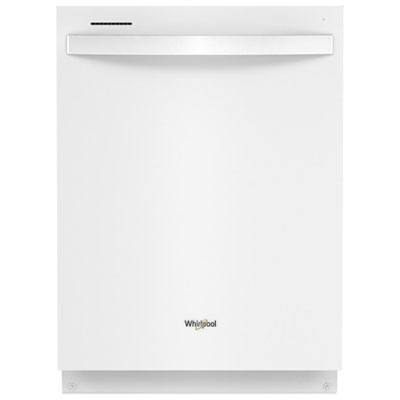

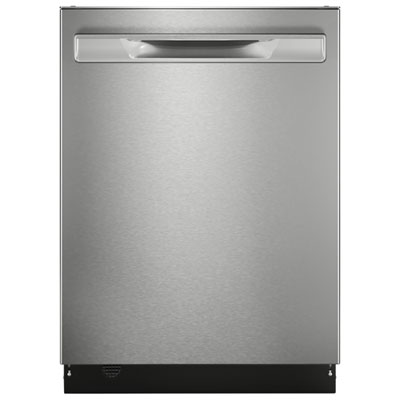
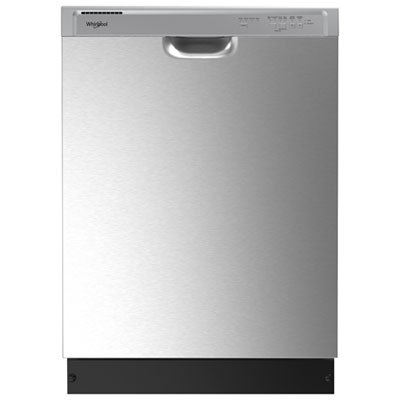
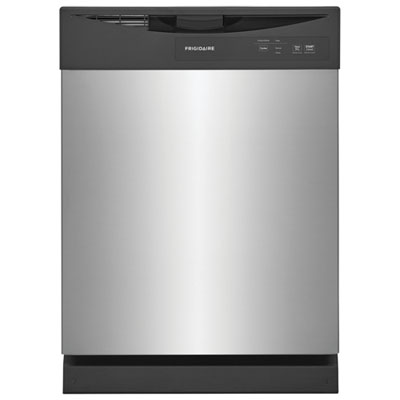

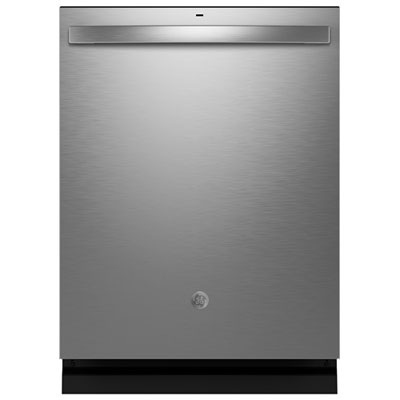
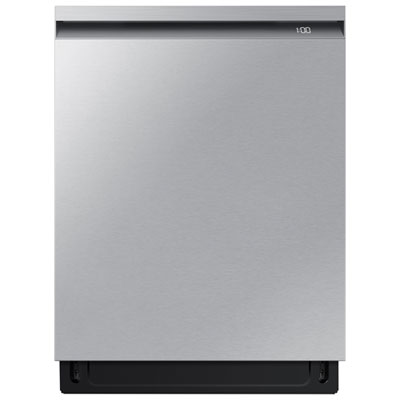
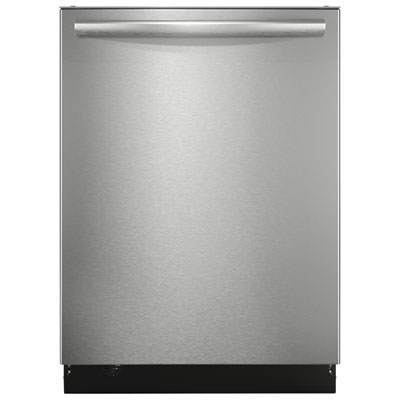
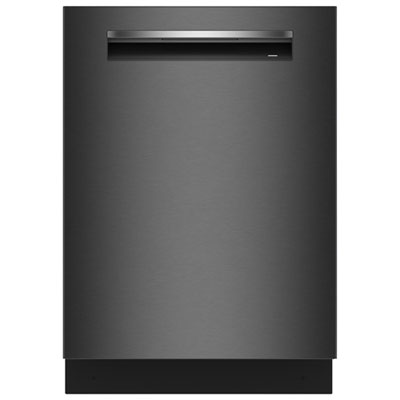
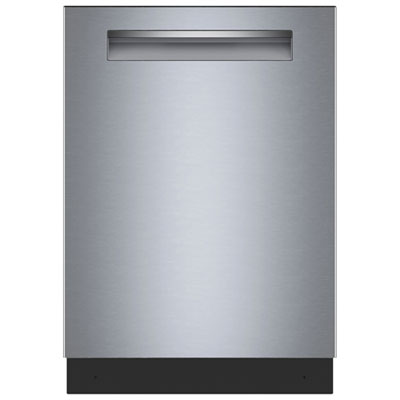

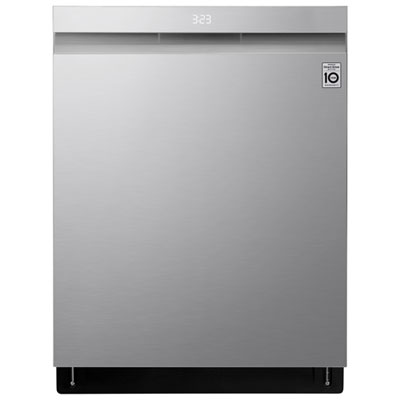
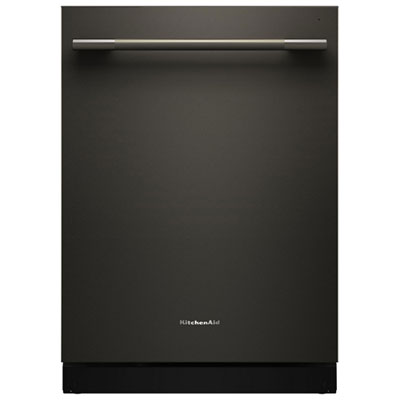
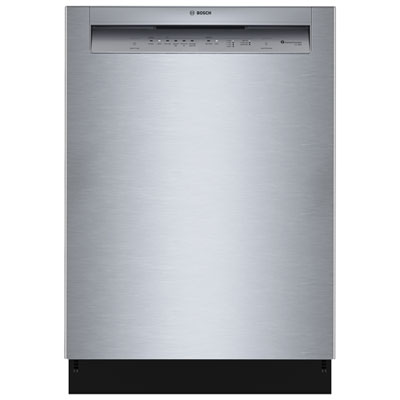
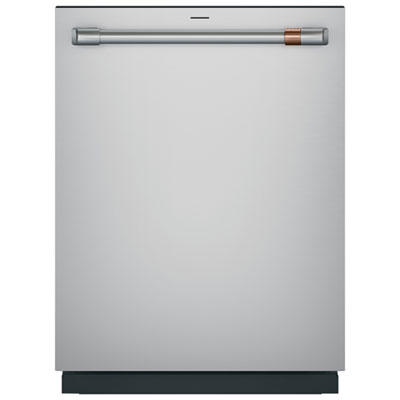
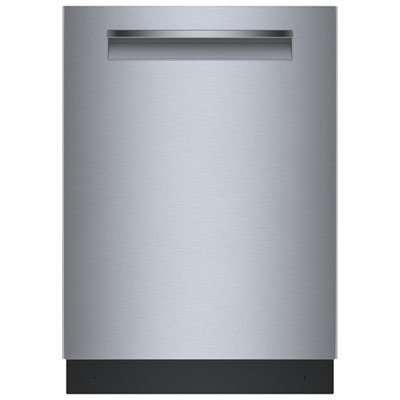
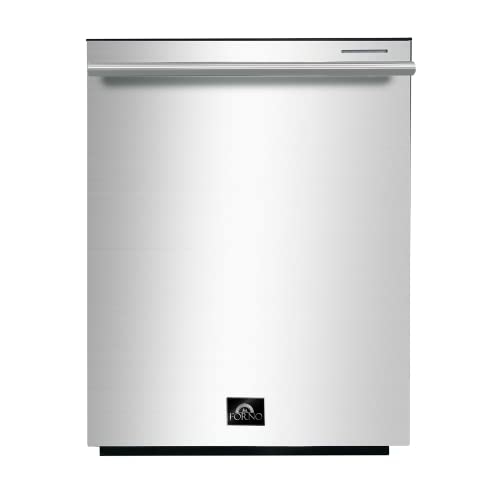

What makes everyday dishwashing quieter and more flexible
Modern dishwashers combine flexible loading, quieter operation, and wash settings that suit everything from breakfast bowls to a full load after dinner with friends. Their appeal goes beyond a streamlined appliance front: adjustable racks, soil-sensing cycles, and different drying systems can make daily kitchen cleanup easier to manage. Many quieter models operate at approximately 39–46 dBA, although sound ratings vary across designs. A lower published dBA rating generally means less operating noise, which matters when the kitchen opens onto a living room or a nearby work area. Actual sound also depends on installation, the surrounding cabinetry, and what is inside the machine; a lightweight container rattling against a rack can still be noticeable. Sensor-driven wash cycles assess soil levels and adjust parts of the wash process, helping accommodate a mixed load without requiring the same settings every time. Other common options include normal, heavy, quick, and rinse-only cycles, with the exact selection varying by model. A quick cycle can be useful for lightly soiled dishes, but it may have loading restrictions or provide less drying than a longer program. Some dishwashers include a sanitizing option that uses elevated temperatures during a designated cycle; any sanitizing claim applies only under the conditions specified by the manufacturer. Controls also shape the everyday experience. Front controls keep settings visible and accessible, while top-mounted controls create a cleaner-looking front when the door is closed. Certain hidden-control designs use a floor light or another indicator to show that a cycle is running. On compatible smart dishwashers, Wi-Fi connectivity may provide cycle notifications, status checks, or troubleshooting support through an app. Features such as remote starting can require an enabling step at the appliance, so connected controls are best understood as an added convenience rather than a replacement for loading, adding detergent, and checking that the door is securely latched.
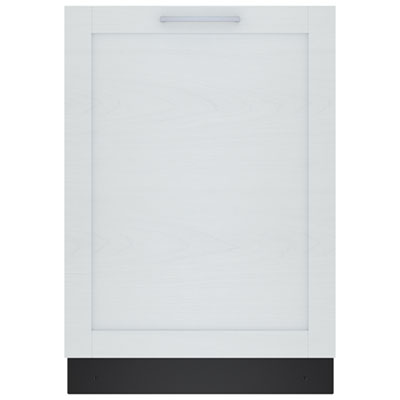
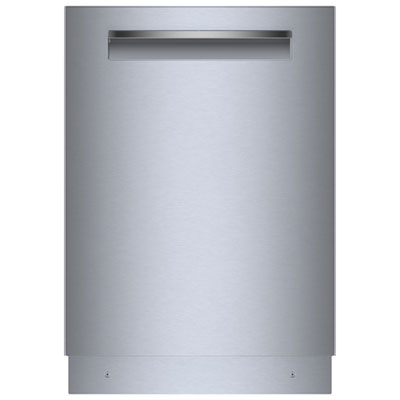
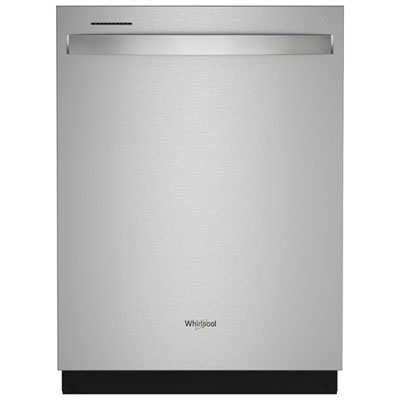
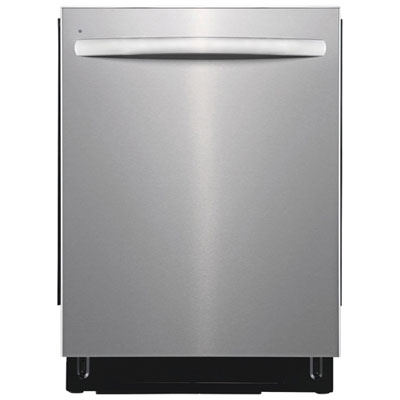
Dishwasher size and configuration influence how naturally the appliance fits into a kitchen. Built-in dishwashers commonly come in nominal 24-inch widths, with narrower 18-inch designs suited to some smaller spaces. These measurements describe a size category rather than a guaranteed cabinet opening, and the actual width, height, depth, and installation clearances need to match the space. Flooring thickness, the underside of the countertop, nearby handles, and room for the door to open fully all affect fit. A door that clears the cabinetry but blocks a narrow walkway can still make loading awkward. Portable dishwashers offer a different arrangement, often rolling into position and connecting to a compatible faucet for use, while countertop dishwashers suit certain compact kitchens where a smaller load capacity is practical. Water connections, drainage requirements, electrical requirements, and faucet compatibility differ by design. Inside the appliance, usable space matters as much as the exterior dimensions. An adjustable upper rack can create room for taller glasses or leave more clearance below for dinner plates, while folding tines accommodate serving bowls and larger dishwasher-safe cookware. A third rack provides a shallow area for flatware, utensils, or small pieces, although its position can reduce space for tall objects underneath. A cutlery basket may be more convenient for bulky handles, and dedicated stemware supports can help keep suitable glasses separated. Household routines help determine which layout feels useful: a couple may regularly wash mugs, plates, and food-storage containers, while a larger household may need room for lunch containers alongside dinner dishes. Stainless steel tubs are common in modern designs and tolerate the heat and moisture of repeated wash cycles. Plastic tubs are another established construction choice. Outside, stainless steel, white, black, and panel-ready finishes offer different ways to coordinate with cabinetry and other appliances. Fingerprint-resistant finishes can reduce visible marks, but their appearance and cleaning requirements vary, and panel-ready designs require a correctly sized decorative panel.
Cleaning and drying performance depend on the wash system, the selected settings, and how the load is arranged. Spray arms need room to rotate, and water must reach the surfaces being washed; a large baking tray positioned across the wrong area can shield smaller dishes behind it. Bowls generally drain better when angled rather than nested, and cups placed upside down are less likely to collect wash water inside. Heavy food scraps belong in the appropriate household waste stream before loading, while routine pre-rinsing requirements should follow the appliance instructions. Detergent should be formulated for automatic dishwashers, since regular hand dishwashing liquid can create excessive suds. The appropriate detergent amount depends on factors such as soil level and water hardness. Rinse aid helps water sheet off surfaces and can improve drying, particularly on glassware. Modern drying systems may use condensation, a heating element, a fan, an automatically opening door, or a combination of methods. These approaches do not perform identically on every material: plastic containers often retain droplets even when ceramic plates and metal utensils feel dry. An automatic door-opening feature also needs to be compatible with the installation and surrounding countertop materials. Dishwasher-safe markings remain important, especially for plastics, non-stick cookware, decorated dishes, and insulated drinkware. Wood, delicate finishes, and some adhesives may not tolerate repeated exposure to hot water and detergent. Long-term care includes checking the filter, clearing debris as directed, wiping door seals, and keeping spray-arm openings unobstructed. Some filters require manual cleaning, and the correct removal method varies. Rack coatings deserve attention as well, because chips can expose the metal beneath; replacement parts or approved repairs may help address damage before it spreads. Accessible filters, sturdy rack movement, clear maintenance instructions, and service support all contribute to a dishwasher that remains practical over time. For households comparing different layouts and everyday conveniences, the Best Dishwashers collection offers another place to explore designs that suit the kitchen and the way dishes are used.
Top selling and popular products
-
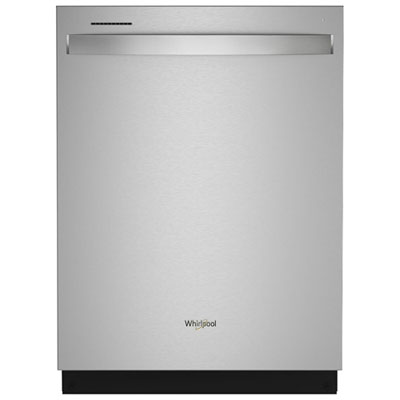 Your price for this item is $849.99
-
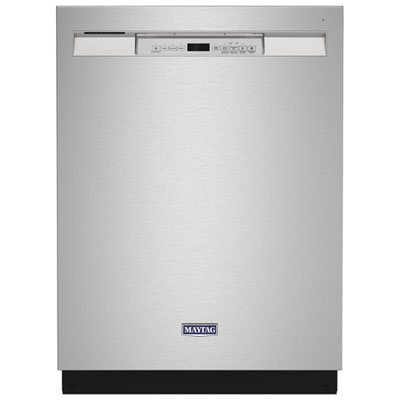 Your price for this item is $849.99
-
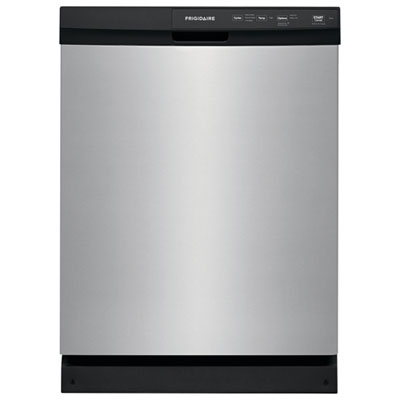 Your price for this item is $479.99
-
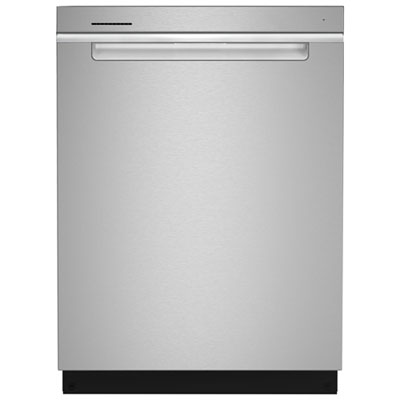 Your price for this item is $849.99
-
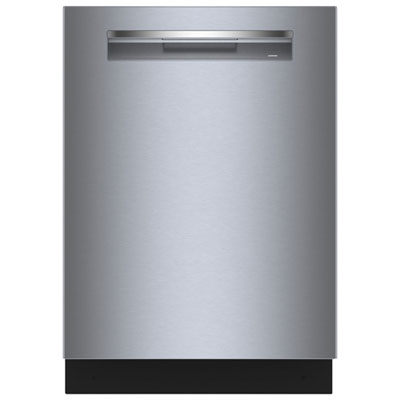 Your price for this item is $2449.99
-
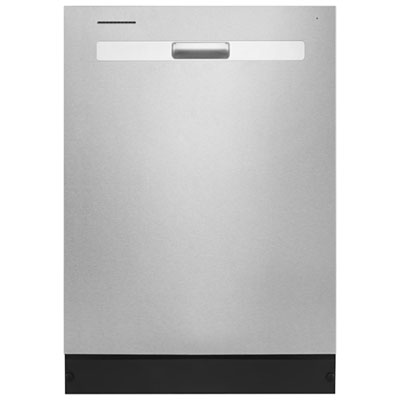 Your price for this item is $699.99
-
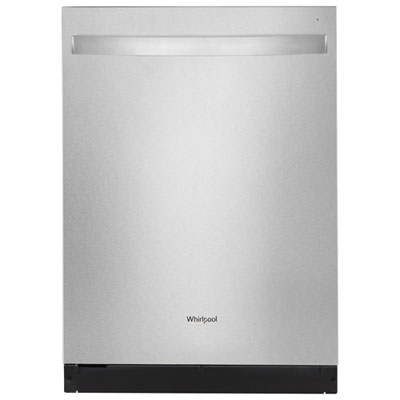 Your price for this item is $749.99
-
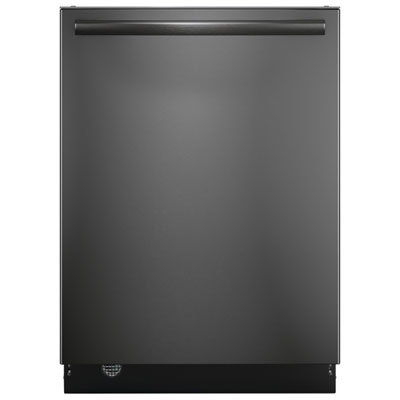 Your price for this item is $949.99
Discover more categories related to Modern Dishwashers
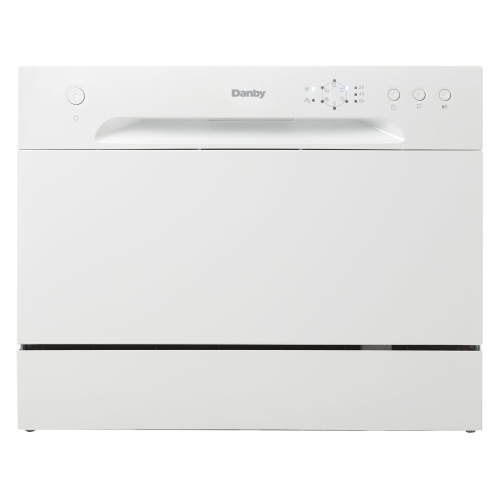
Top Collections:
Best Black Friday Deals This Year, Best Black Friday Deals On Electronics, Kindle Devices, Pokemon Centers, Best Black Friday Deals On Apple Products, Best Cameras for Sports Photography, Dyson Airwrap, Pokémon 30th Celebration Cards, Apple iPhone 17 Pro, Canon G7X Cameras
Some products may be subject to Environmental Handling Fees
(EHF) depending on your province.
Learn more about EHFs.