Student's Apartment Mini Fridge
Student's Apartment Mini Fridge options offer a convenient solution for keeping snacks, drinks, and essentials within easy reach. Ideal for compact living spaces, these mini fridges help maximize available room while providing reliable cooling. Whether you’re setting up your first apartment or looking to add extra storage to your student space, finding the right Student's Apartment Mini Fridge can make daily life more comfortable and organized. Explore a variety of sizes and styles designed to fit seamlessly into student apartments.
Sort
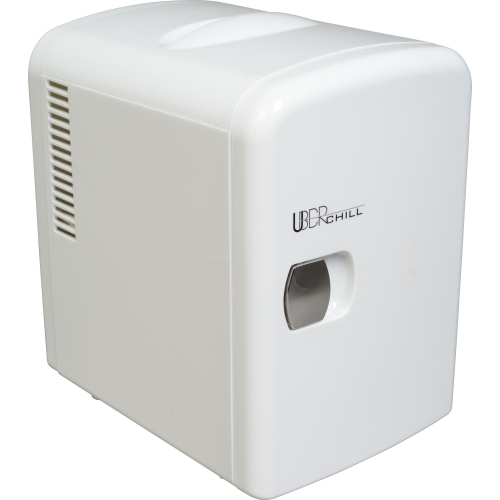
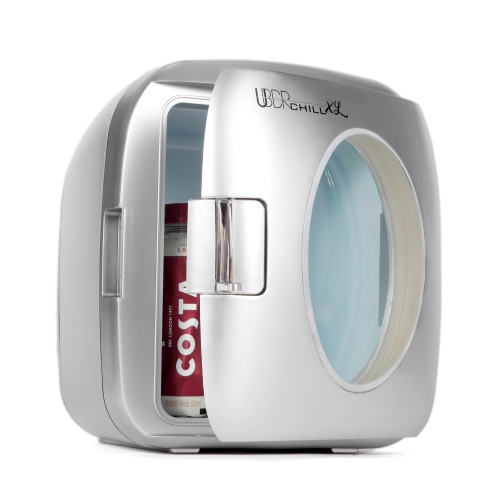
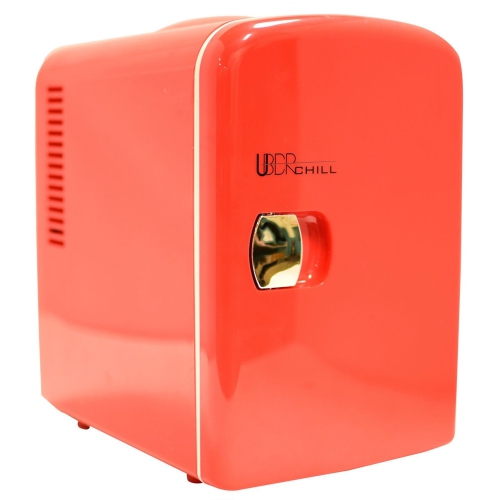
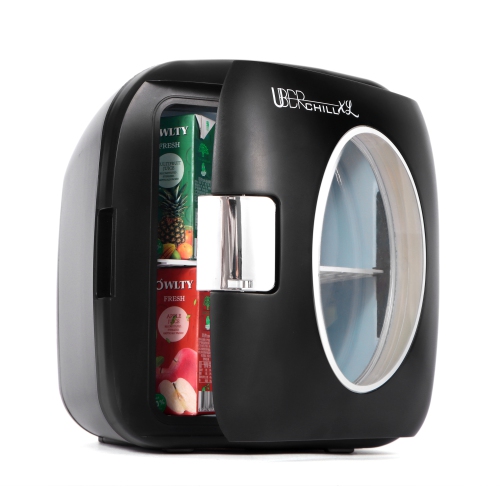
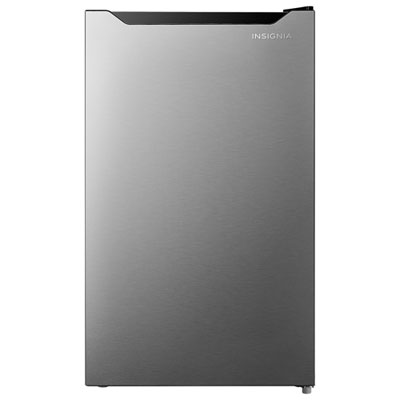
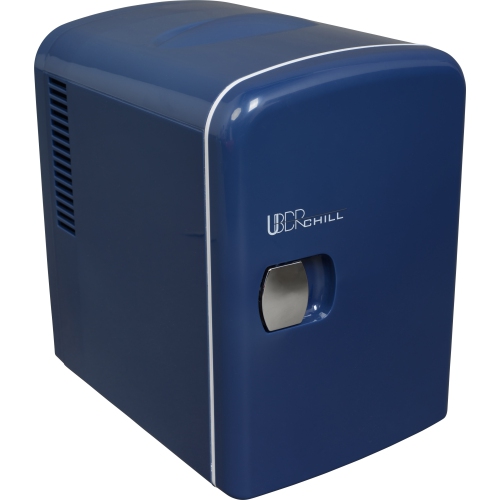
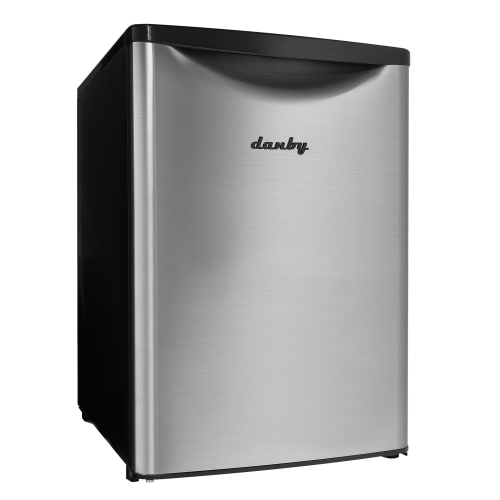
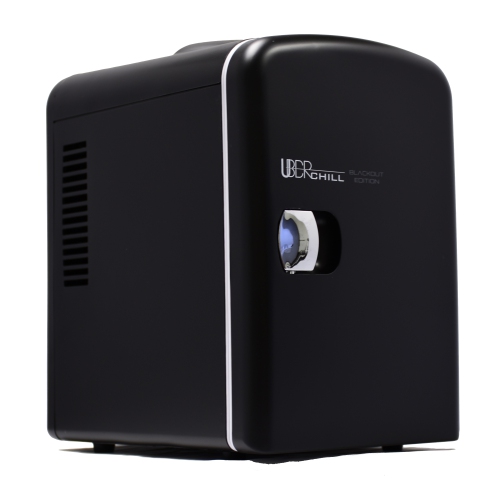

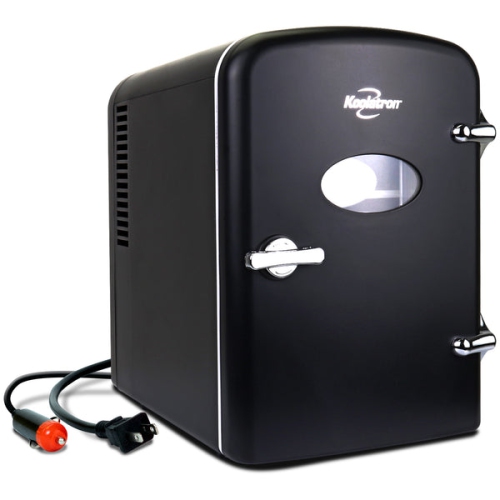
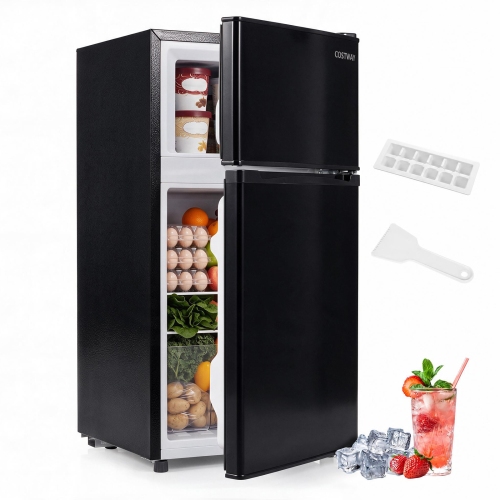
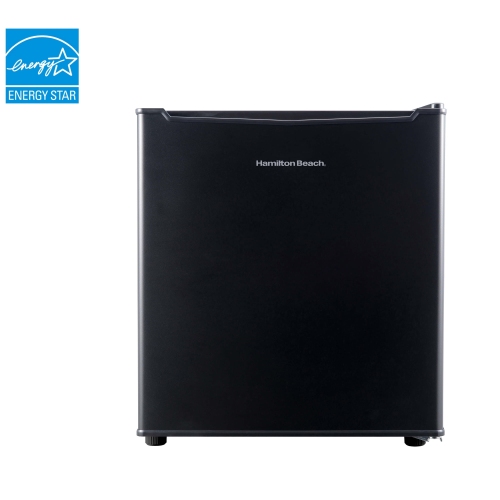
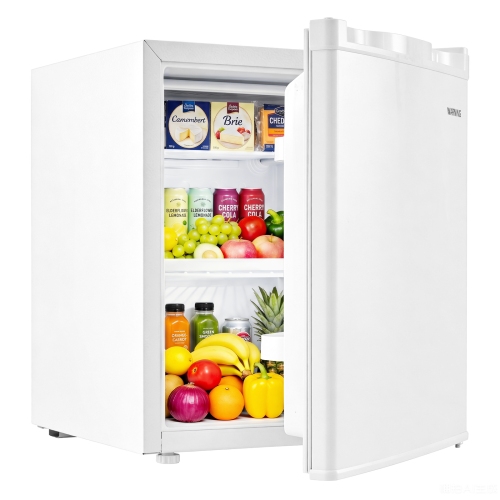
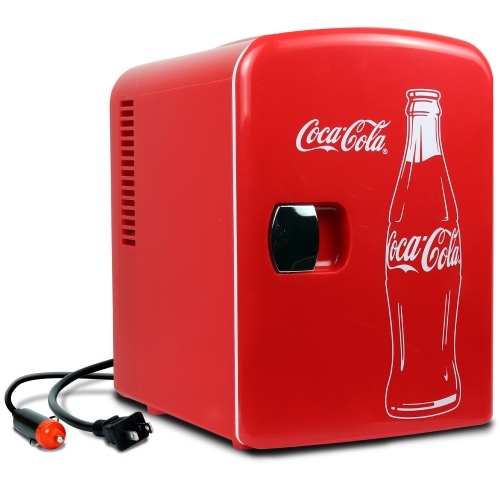
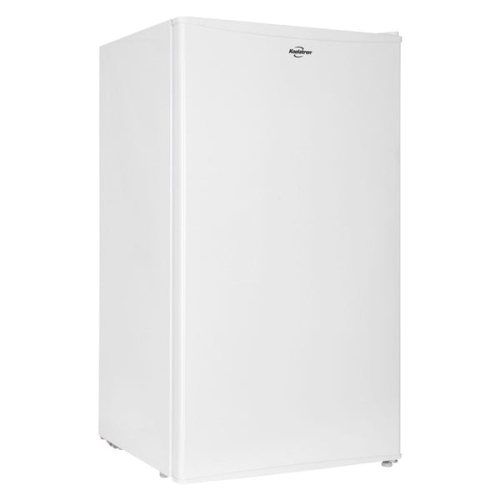
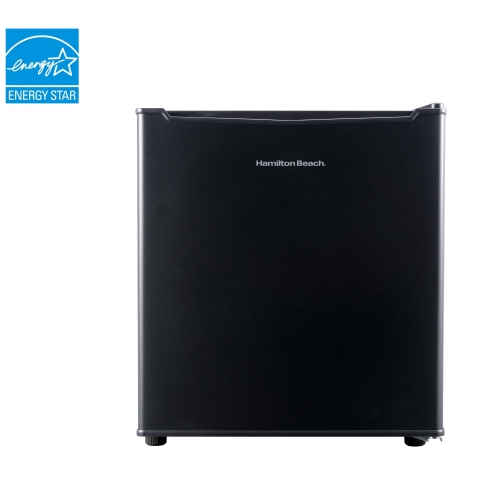
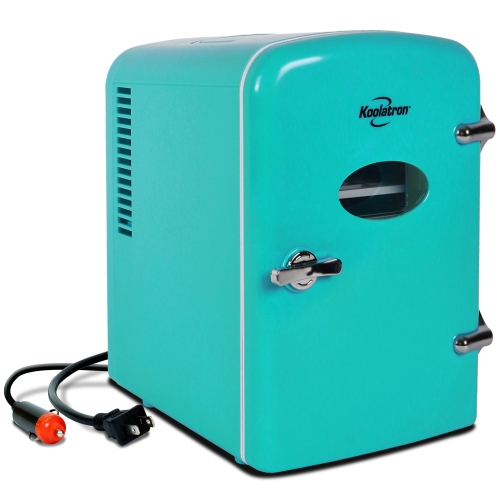
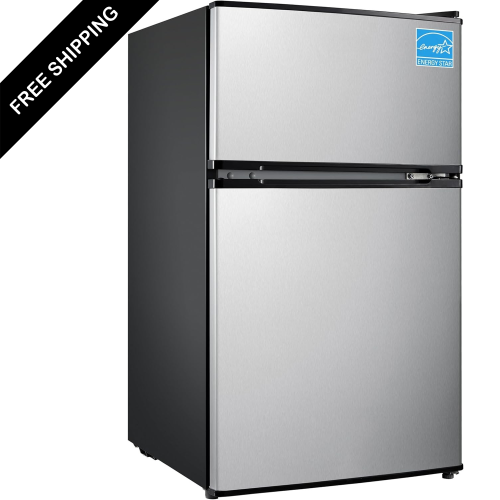
The right fridge fits more than your floor plan
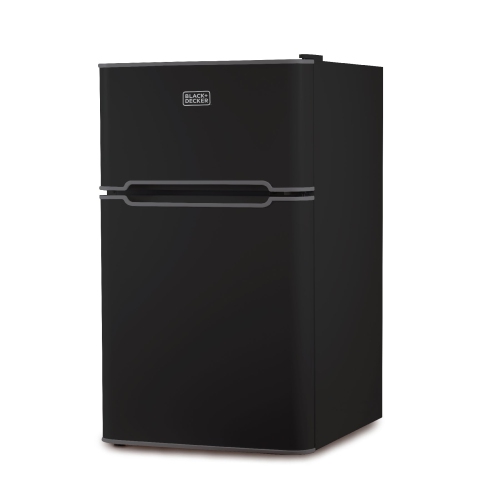
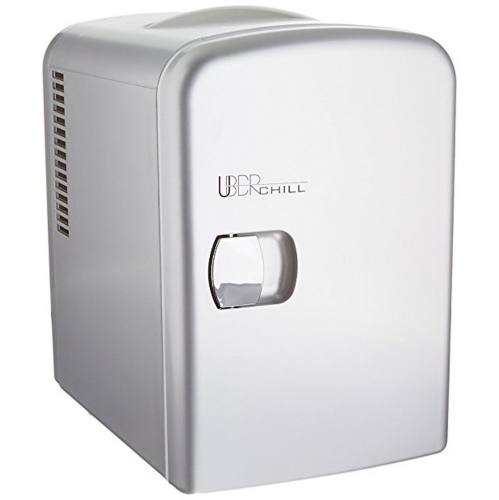
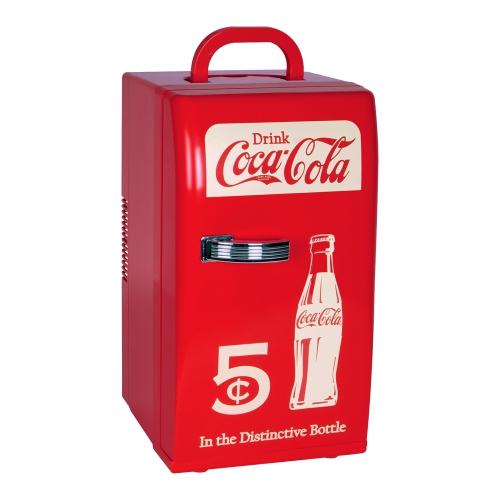
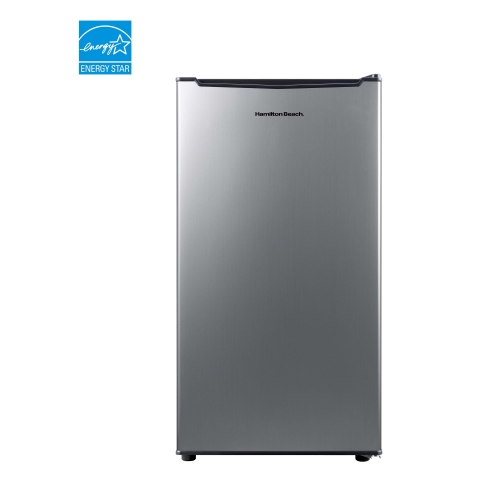
Mini fridges for student apartments provide everyday food storage without taking up the space of a full-size refrigerator. They can serve as the main fridge in a small studio, keep personal groceries separate in a shared rental, or hold breakfast essentials and study snacks close to a desk. The right capacity depends on what goes inside as much as the number of people using it. A compact fridge with around 3.2 to 4.3 cubic feet of capacity can be a practical starting point for one student storing milk, produce, leftovers, and drinks, although frequent cooking or larger grocery trips may call for more room. Smaller capacities, around 1.6 cubic feet, are generally better suited to drinks, snacks, and a limited amount of fresh food than a full grocery routine. Interior layout makes a noticeable difference: adjustable shelves can accommodate a tall lunch container, while door bins help keep condiments and smaller bottles from crowding the main compartment. Usable shelf space matters more than capacity alone when several meal-prep containers need to sit flat. The Compact Mini Fridges for Small Student's Apartment collection focuses on this balance between useful storage and a manageable footprint. Freezer needs also shape the choice. A small internal chilling compartment is not necessarily designed for long-term frozen food storage, even if it has room for an ice tray. A separate freezer compartment can be more practical for frozen meals and vegetables, but its stated temperature range and storage rating still matter. Students who rely on frozen groceries need a freezer rated to maintain −18°C or below. Those who mainly buy fresh ingredients may get more everyday use from an all-refrigerator layout with additional shelf space. Matching the interior to familiar routines helps avoid a fridge that looks roomy when empty but becomes awkward once a milk carton, lunch bag, and covered bowl are inside.
Fit involves more than finding an empty patch of floor. A mini fridge needs room for its cabinet, the ventilation clearances specified by the manufacturer, and a door that opens far enough to reach shelves and remove drawers. The handle and door hinge can affect the total space required, particularly beside a wall or at the end of a narrow kitchenette. Reversible doors can make an apartment layout easier to organize, allowing the opening direction to suit the route between the fridge, countertop, and dining area. They are especially useful when a student expects to move during a program, although door reversal procedures vary by model. Freestanding mini fridges generally need open space around designated ventilation areas and should not be enclosed beneath a countertop unless the installation instructions permit it. Built-in installations require an appliance specifically designed for that arrangement. A firm, level floor supports proper door alignment and helps reduce vibration; adjustable feet can help where the floor is slightly uneven. In a studio apartment, sound deserves attention because the kitchen, sleeping area, and study space may share one room. Compressor cycling, occasional clicks, and refrigerant sounds can be normal, so a compact size should not be mistaken for silent operation. Published noise specifications, when provided, offer a more useful comparison than appearance alone. Finishes also influence how a fridge works within the room. Smooth coated surfaces can be straightforward to wipe clean, while stainless steel finishes may need suitable care to limit fingerprints and streaks. A neutral colour can blend with existing cabinets or furniture without making a small room feel visually crowded. Beyond appearance, a comfortable handle, sturdy shelf supports, and door bins that securely hold everyday containers contribute to convenience. Access to a suitable electrical outlet also belongs in the layout, with installation following the appliance instructions and the rental’s requirements. Housing rules may set limits on appliance size, placement, or use, even when the space is a private bedroom within a shared apartment.
Everyday care helps a student apartment mini fridge remain pleasant to use through busy schedules, shared living arrangements, and changes of address. Removable shelves and bins make spills easier to reach, while intact door gaskets help the door close securely. Glass shelves provide a flat surface for small containers and can help contain minor spills when designed with raised edges; wire shelves have a more open structure but may be less convenient for narrow bottles or small tubs. Materials and construction matter most where hands and groceries make frequent contact, including shelf brackets, drawer edges, hinges, and handles. Cleaning should follow the manufacturer’s directions, using suitable products rather than abrasive pads that can damage finishes. Manual-defrost compartments need periodic attention so ice buildup does not reduce usable space or interfere with operation, and ice should never be chipped away with a sharp tool. For perishable groceries, the refrigerator compartment should maintain 4°C or below, with an appliance thermometer providing a useful check on actual storage conditions. Air needs room to circulate, so tightly packing every gap can work against consistent cooling. Covered containers keep leftovers organized, help contain odours, and make it easier to see which meals need using first. In a shared apartment, assigning shelves or using clearly labelled containers can reduce confusion without wasting much space. These practical details matter whether the fridge holds ingredients for regular cooking or just breakfast supplies between classes. A mini fridge can also be a thoughtful gift for a student moving into an apartment, provided its dimensions, capacity, and installation requirements suit the actual room. For students who move between rentals, manageable exterior dimensions and removable interior fittings make planning and packing simpler, while transport should always follow the manufacturer’s guidance. A well-matched compact fridge earns its place through ordinary routines: cold milk before an early class, a packed lunch ready by the door, and enough organized space for dinner after a long day.
Top selling and popular products
-
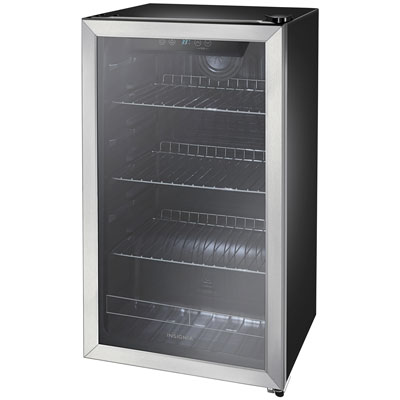 Your price for this item is $249.99
-
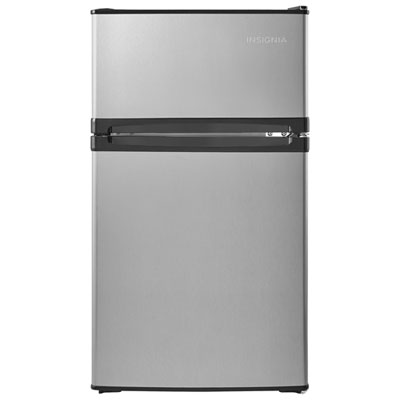 Your price for this item is $179.99
-
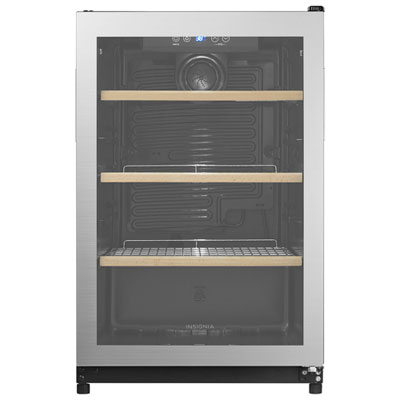 Your price for this item is $349.99
-
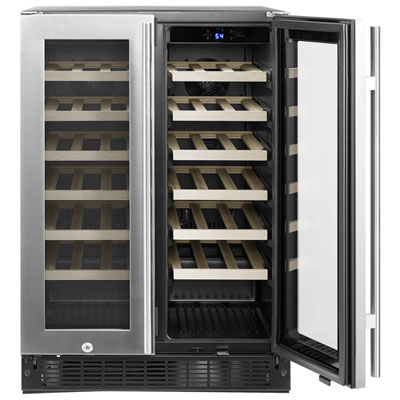 Your price for this item is $649.99
-
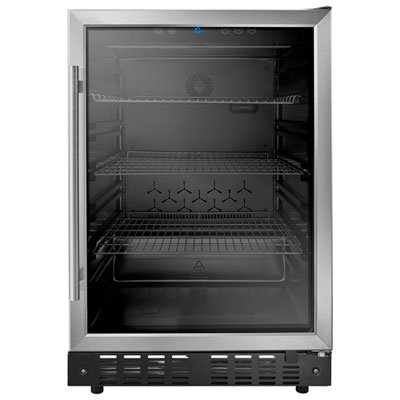 Your price for this item is $399.99
-
 Your price for this item is $699.99
-
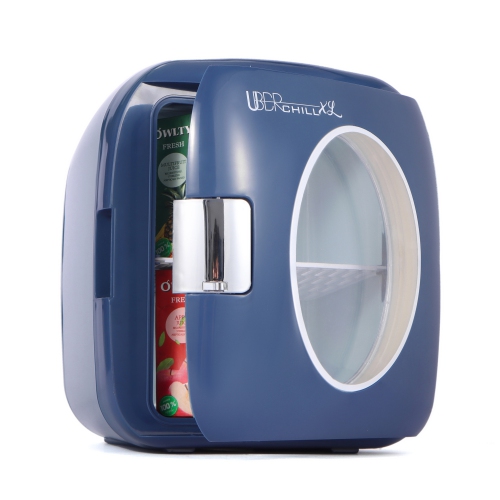 Your price for this item is $169.99
-
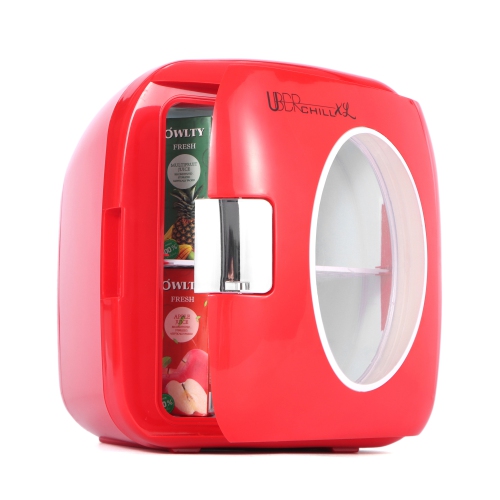 Your price for this item is $169.99
Discover more categories related to Student's Apartment Mini Fridge
Top Collections:
Best Black Friday Deals This Year, Best Black Friday Deals On Electronics, Kindle Devices, Pokemon Centers, Best Black Friday Deals On Apple Products, Best Cameras for Sports Photography, Dyson Airwrap, Pokémon 30th Celebration Cards, Apple iPhone 17 Pro, Canon G7X Cameras
Some products may be subject to Environmental Handling Fees
(EHF) depending on your province.
Learn more about EHFs.