Sublimation Heat Presses
Our collection of sublimation heat presses is a must-have for any aspiring artist or business owner. Whether you're looking to create personalized apparel, unique home decor, or eye-catching promotional items, these heat presses are designed to deliver professional-quality results every time. With their advanced features and user-friendly interfaces, you'll be able to bring your designs to life with ease. Explore our wide range of sublimation heat presses and unlock your creative potential today.
Sort














How printed designs become part of the surface
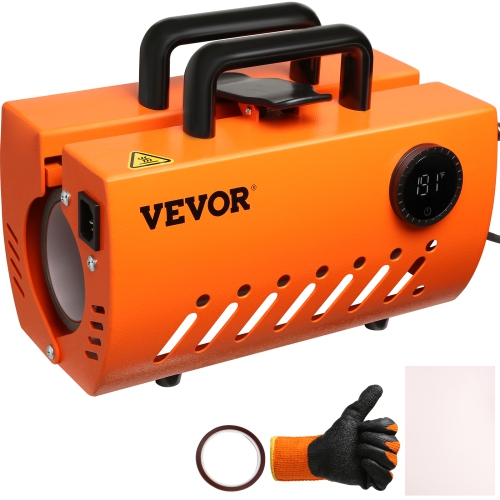
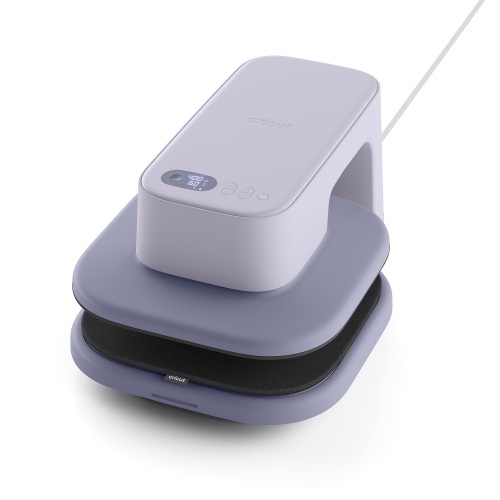
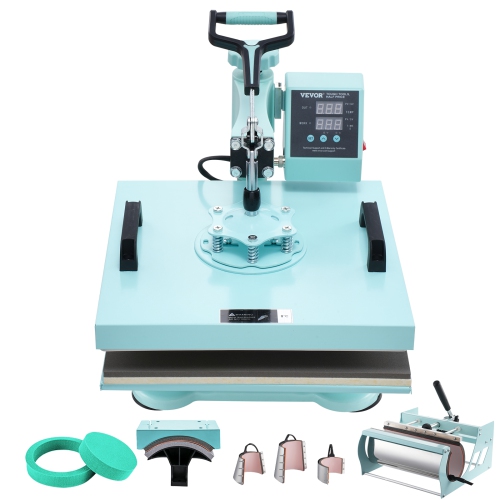
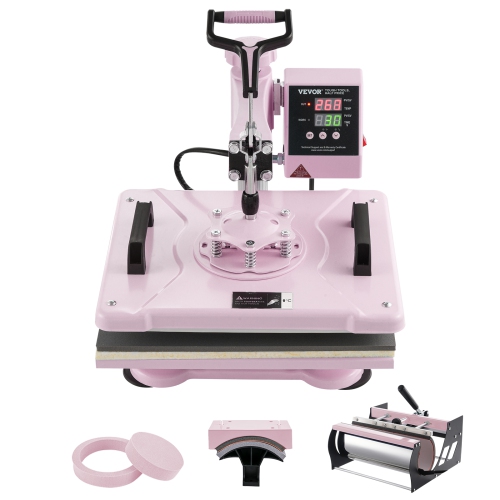
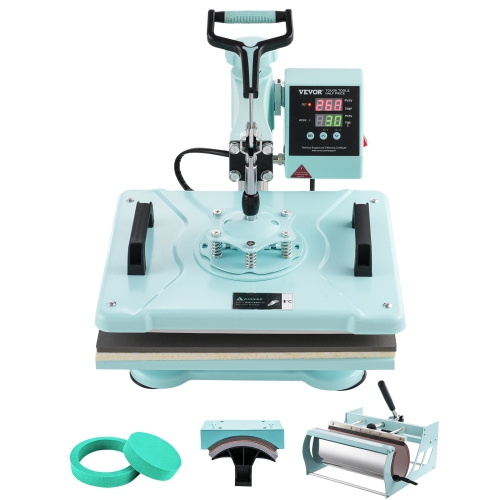
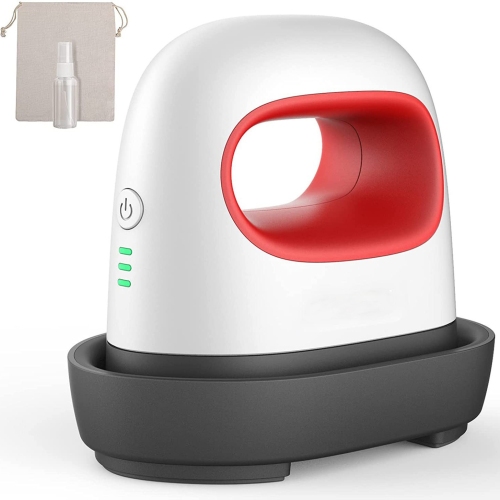
Sublimation heat presses use controlled heat and pressure to transfer designs from sublimation paper into polyester fabric or a compatible polymer coating. During pressing, specialized sublimation ink turns into gas and enters the receptive material, creating an image that becomes part of the surface rather than a raised layer on top. On suitable fabric, the result has little to no added texture, making the process particularly appealing for detailed graphics, photographs, and colourful patterns on apparel. The press is one part of the setup: sublimation printing also requires compatible ink, transfer paper, and a printer intended or properly configured for that ink. Browsing Sublimation Machines can help put the pressing equipment in context alongside the broader equipment category. Material compatibility matters as much as the design itself. White and light-coloured polyester fabrics generally produce the clearest colours because standard sublimation inks are transparent and do not include white ink. Polyester blends can produce a softer, faded-looking finish, with results depending on the fibre content and fabric construction. Untreated cotton is not a direct substitute for polyester in conventional dye sublimation, and ordinary ceramic, glass, or metal surfaces need a suitable coating before they can accept a lasting image. Purpose-made sublimation blanks remove much of that uncertainty, although their pressing requirements still vary. These details make sublimation heat presses useful for home crafters, photographers, makers, and small businesses producing personalized apparel, keepsakes, or promotional pieces. A family photograph on a coated panel, a matching set of team shirts, or a custom mug for a teacher each calls for a different combination of blank and press. For someone who already enjoys digital design or personalized gifts, a press can open up more ways to turn artwork into finished objects, provided it suits their workspace and the materials they want to use. The most useful starting point is the finished object: its shape, composition, and print area determine which type of press belongs in the setup.
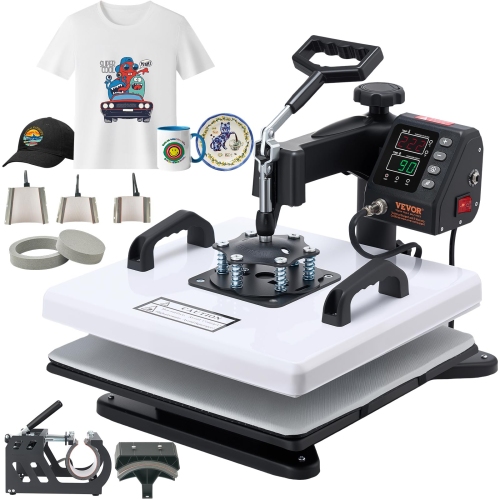
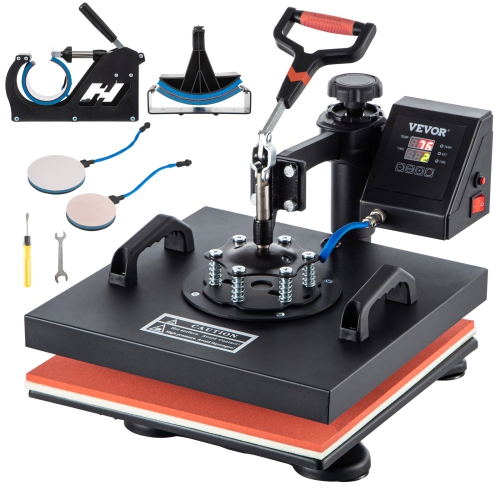
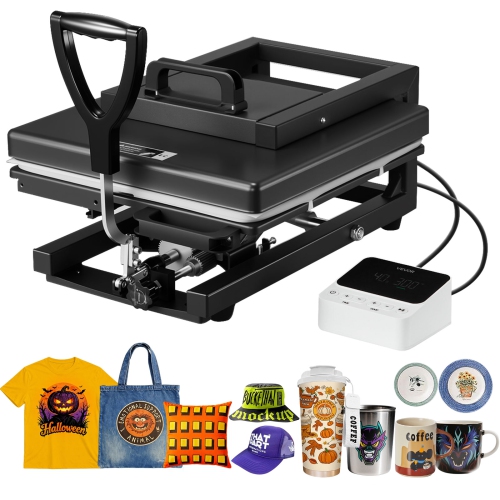
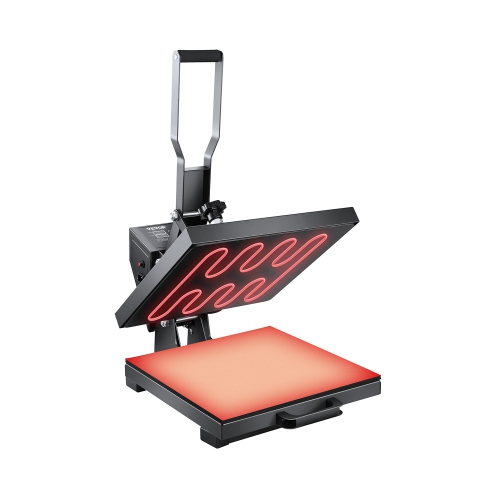
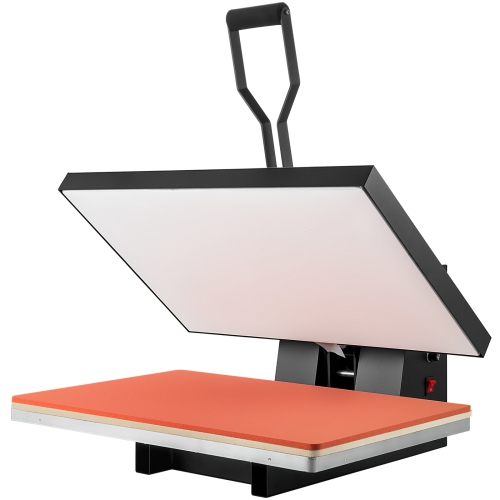
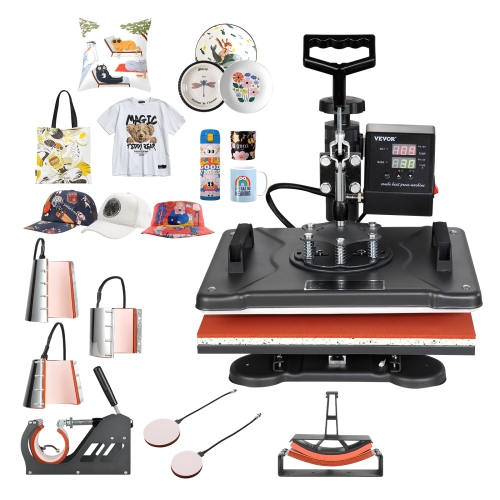
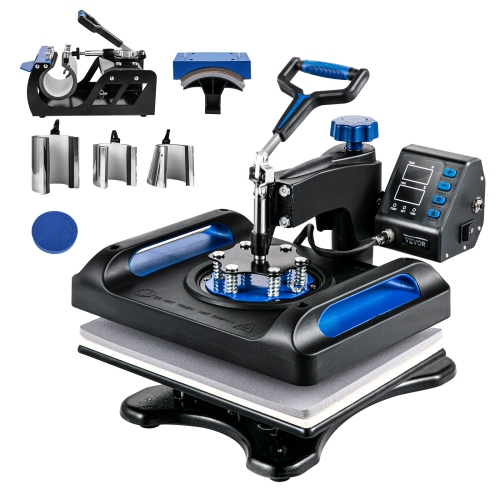
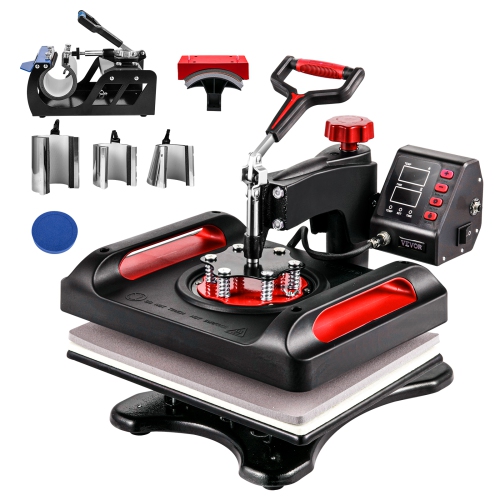
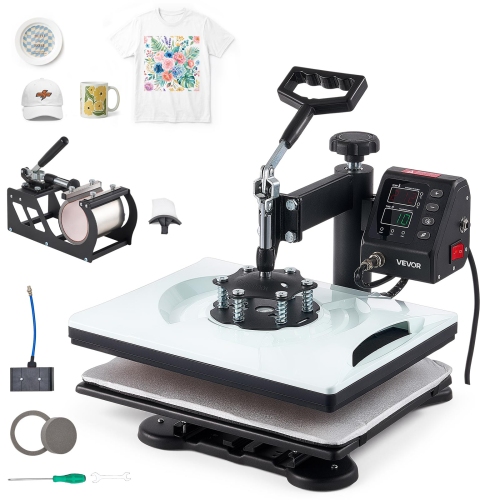
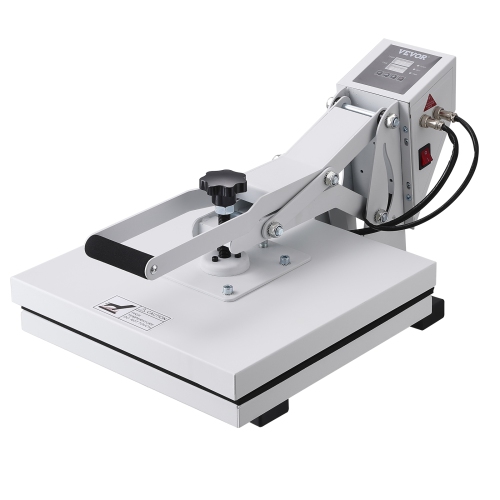
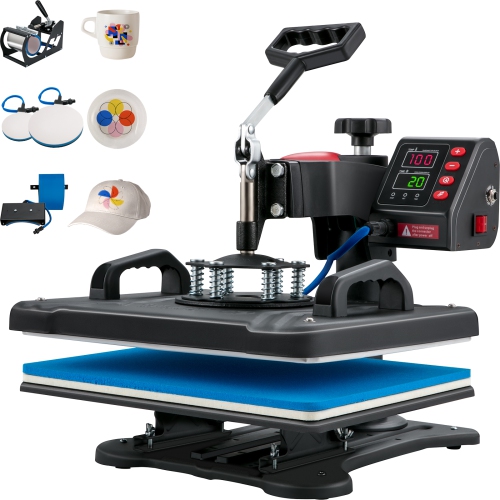
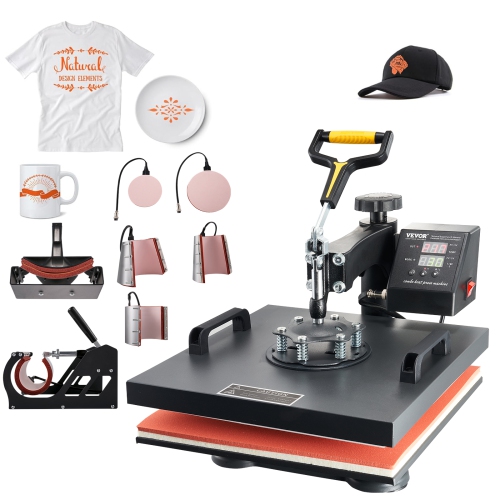
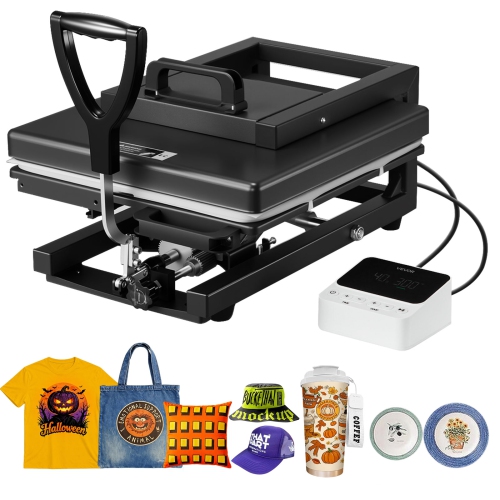
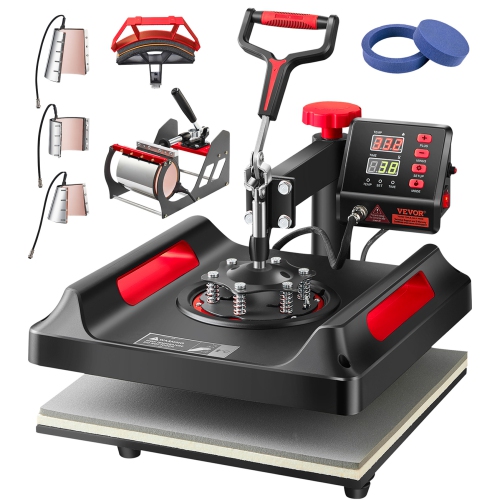
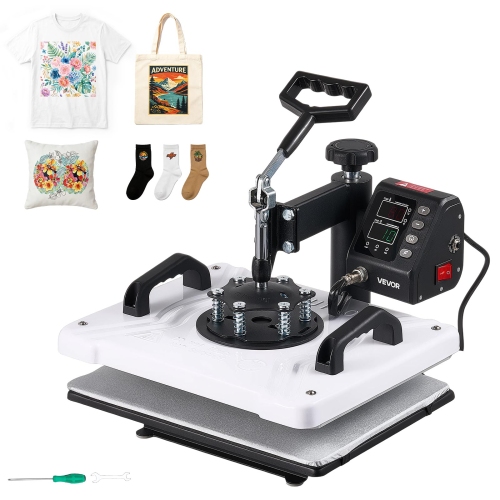
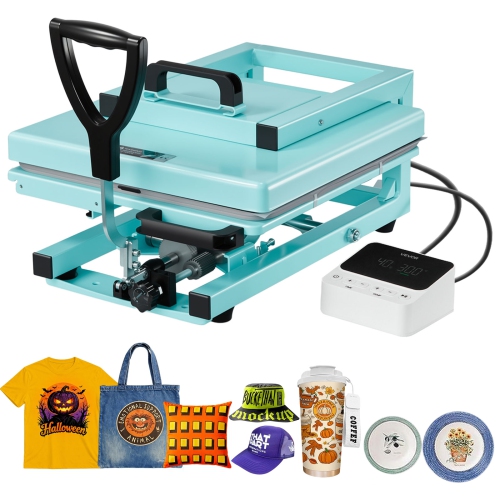
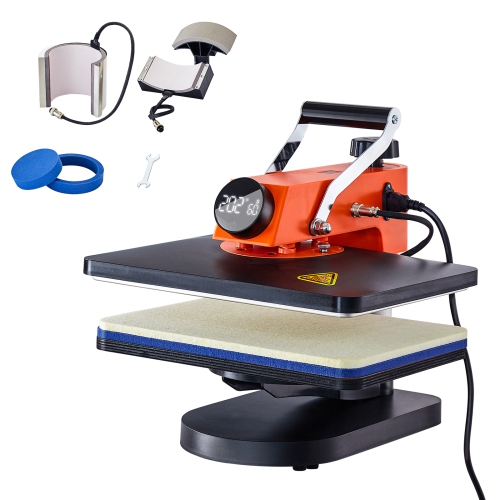
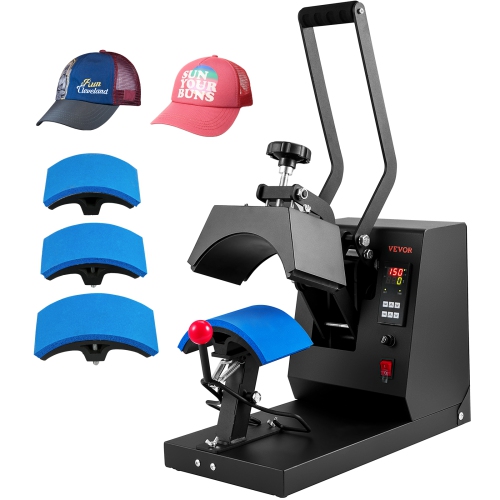
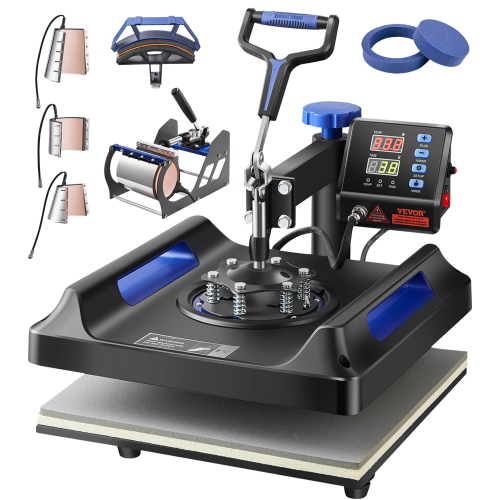
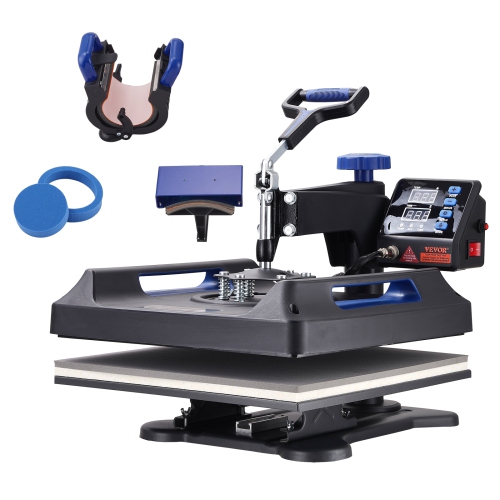
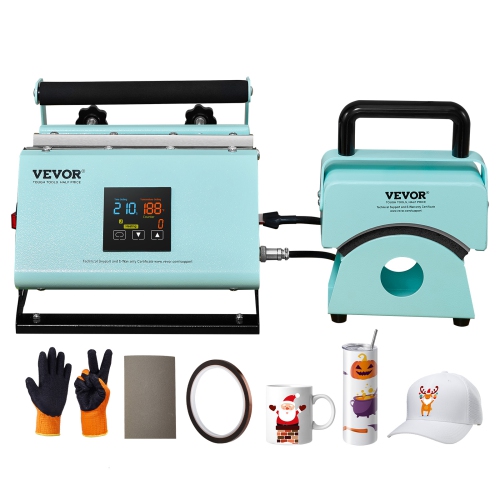
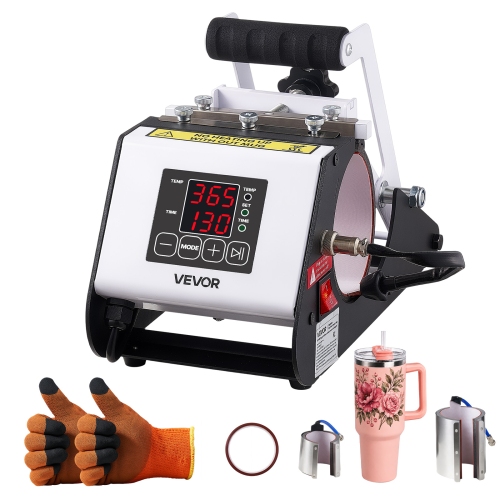
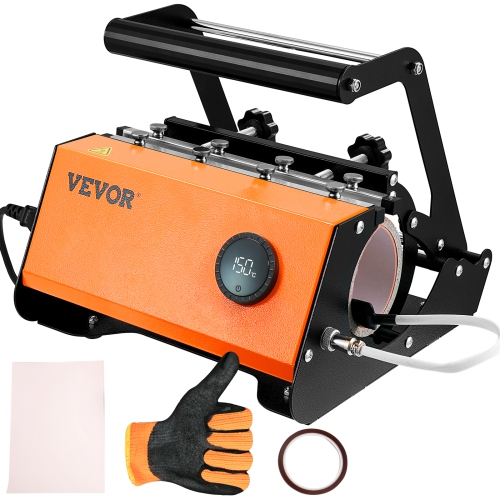
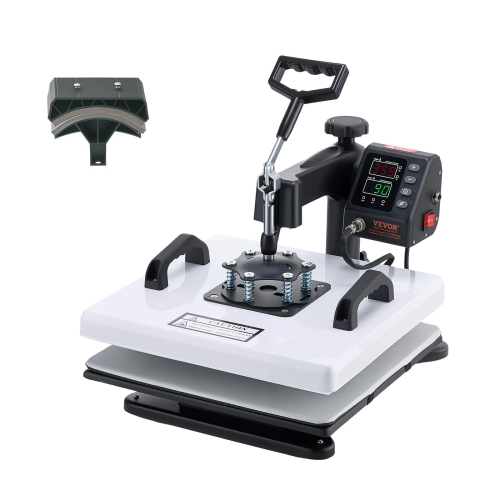
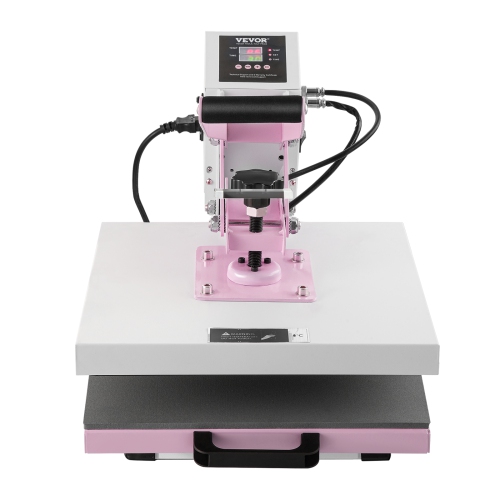
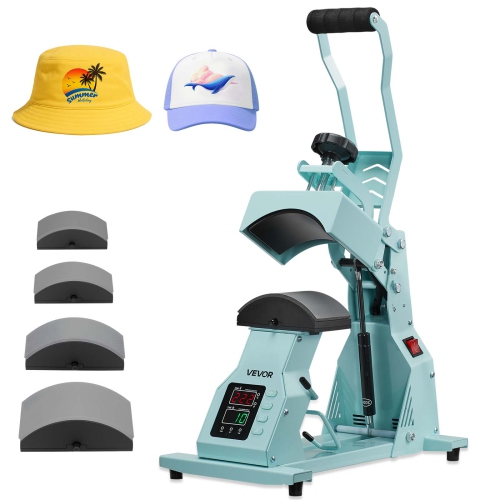
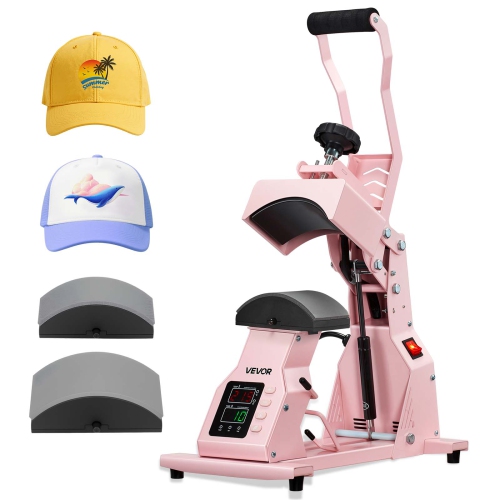
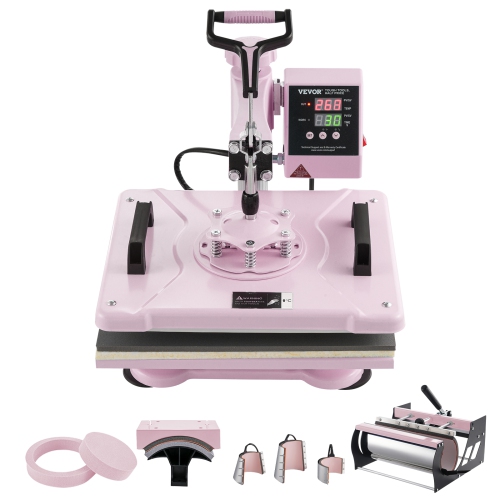
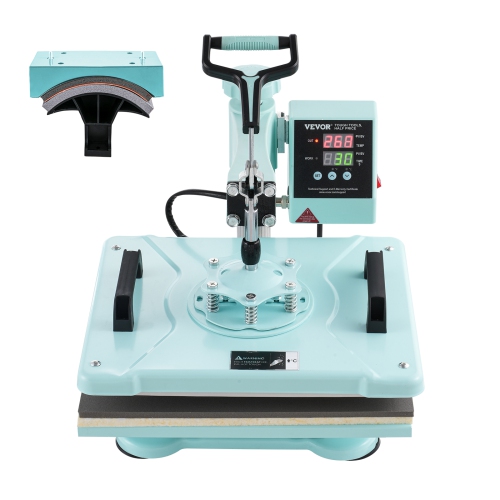
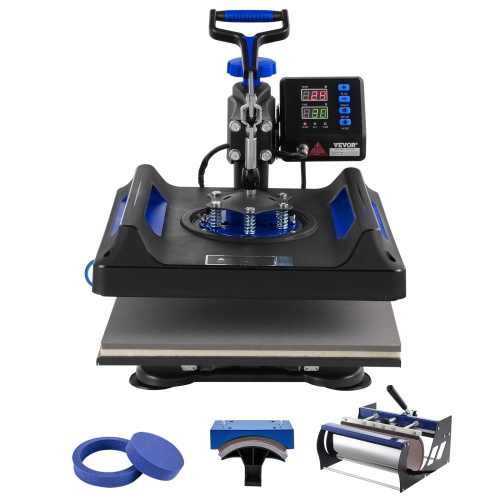
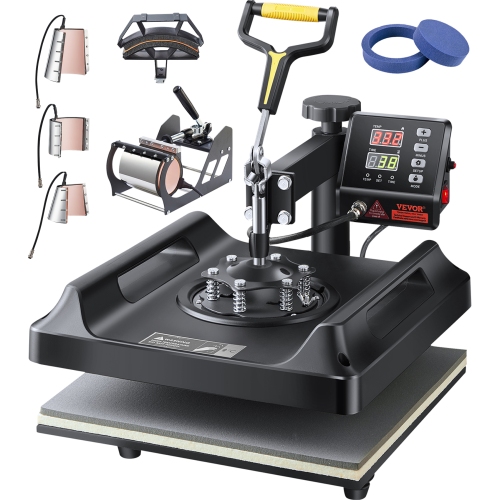
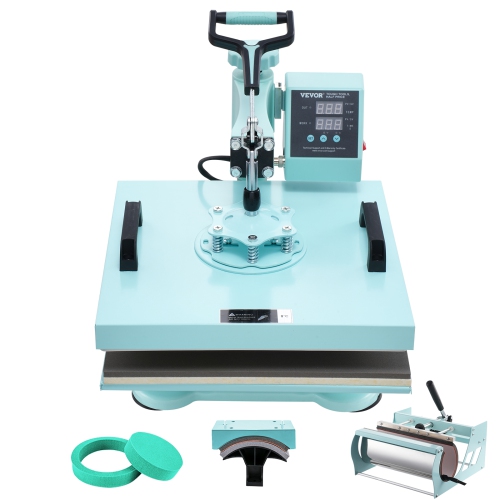
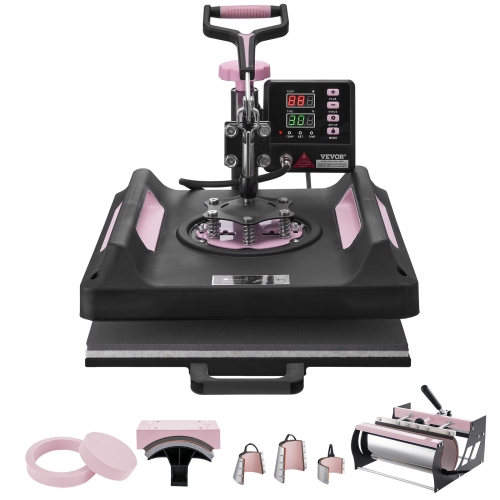
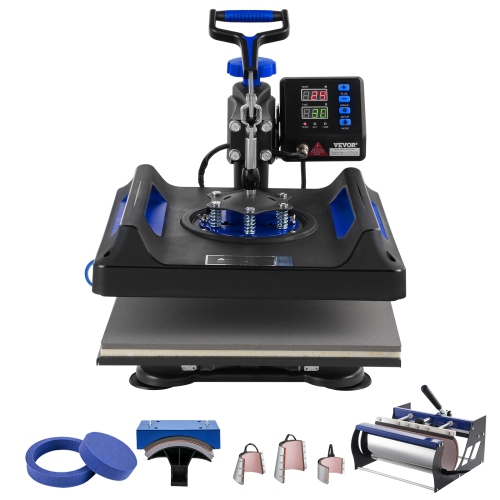
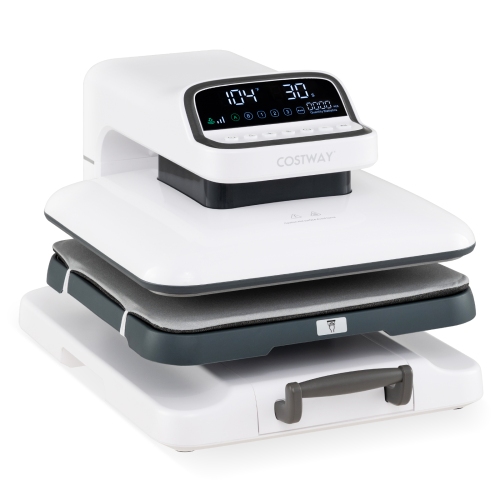
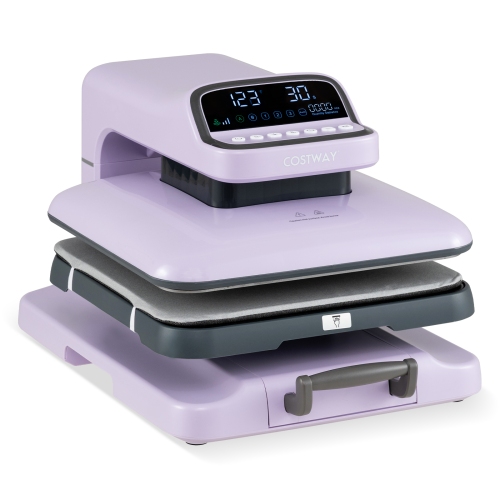
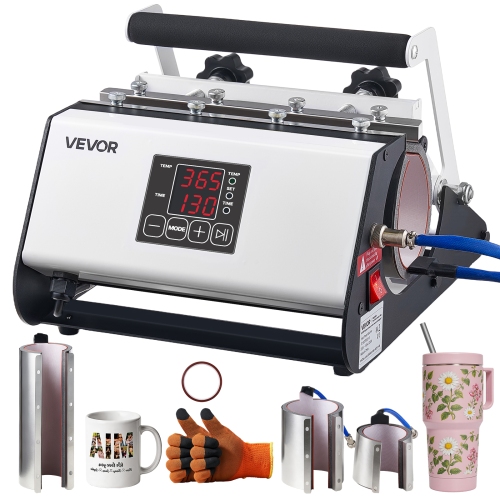
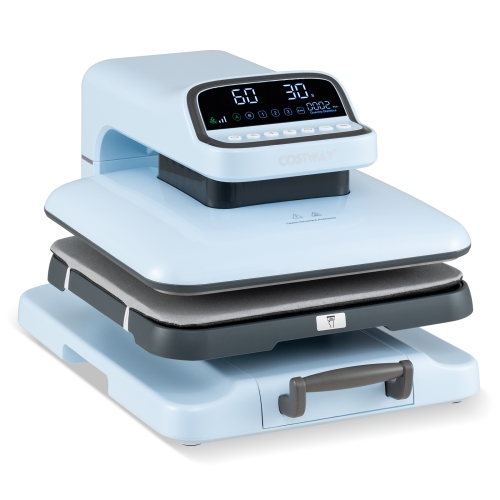
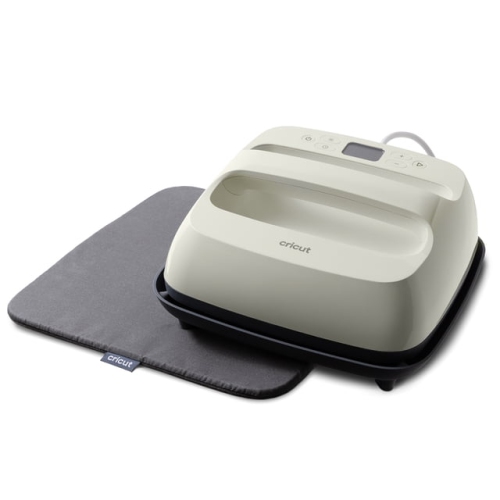
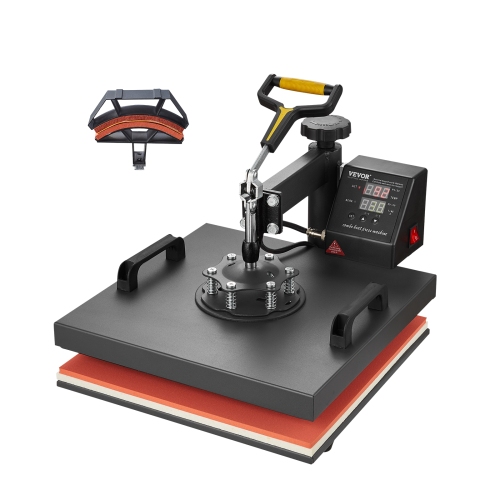
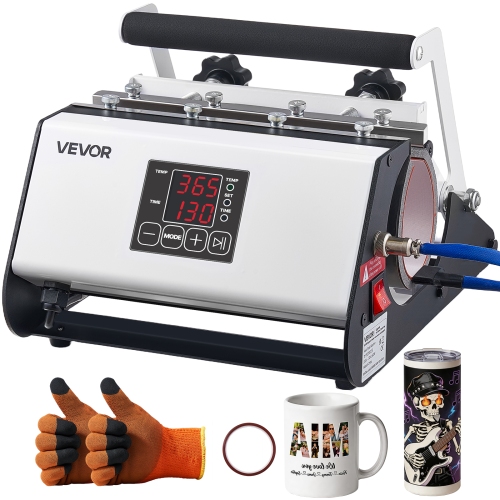
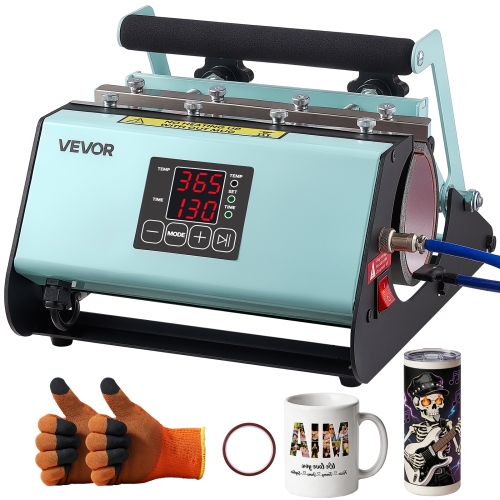
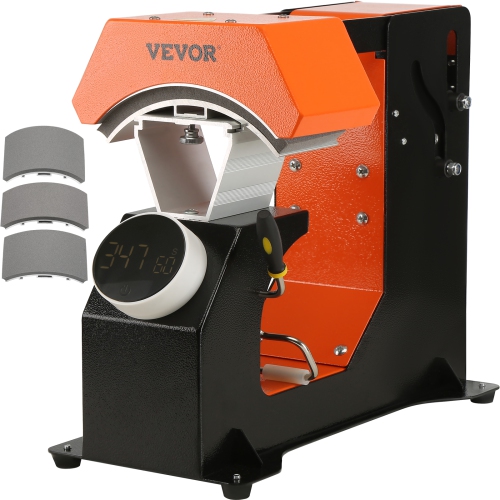
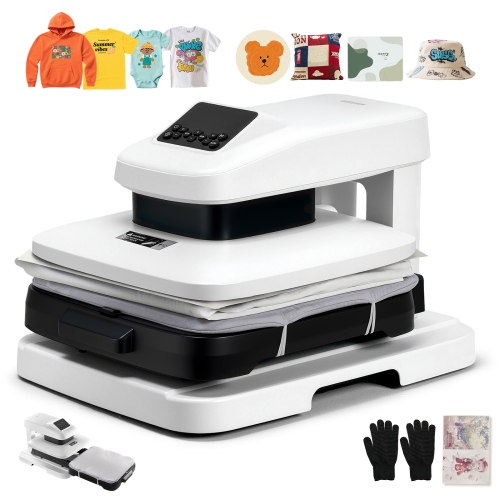
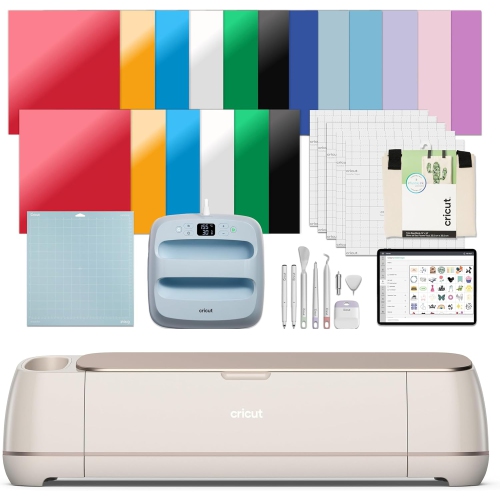
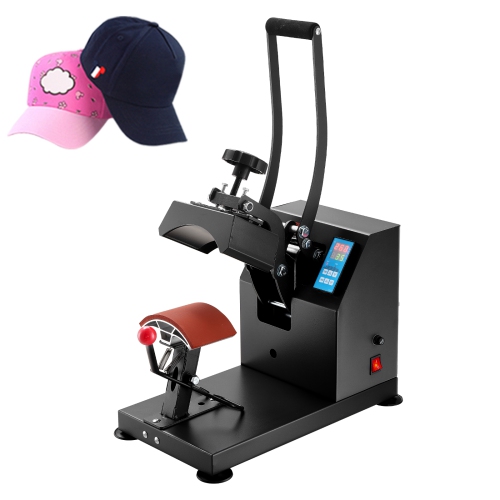
The main types of sublimation heat presses differ in how they open, how they apply pressure, and which shapes they accommodate. A clamshell heat press has an upper heated platen that lifts on a hinge, keeping the machine’s footprint relatively compact while providing access to a flat pressing bed. This format suits many flat textile projects and compatible thin blanks, but clearance near the hinge and the machine’s stated thickness limit deserve attention. A swing-away heat press moves the upper platen to the side, leaving the lower bed more accessible for positioning a transfer. That layout can make it easier to arrange a rigid blank or straighten fabric without reaching directly beneath the heated plate, although the arm needs clear space beside the machine and hot surfaces still require care. Some designs also have a pull-out lower platen for loading. A larger platen can accommodate a larger image or garment section in one pressing, but it also adds weight and takes up more bench space. Matching the heated area to the usual project size is more useful than choosing size alone: a broad front graphic needs different coverage from a small chest logo. Dedicated mug and tumbler presses use curved heating elements to hold compatible drinkware, with fit determined by the attachment’s supported diameter, length, and shape. A straight-sided vessel and a tapered vessel are not automatically interchangeable, even when their stated capacities are similar. Multifunction heat presses combine a flat press with interchangeable attachments for selected shapes, which can suit makers who move between apparel and smaller personalized objects. Attachment compatibility remains machine-specific, and a bundle’s range of functions does not mean that every blank will fit. Curved cap attachments also depend on the cap’s construction and heat tolerance; seams, panels, and stiff inserts can affect contact. Across these formats, consistent heat over the working surface and even contact with the material are central to clear results. An accurate temperature display, adjustable pressure, and a readable timer help make repeat projects more predictable, while automatic opening, where included, can help limit unintended extra pressing time.
Everyday usability becomes especially important when a press moves from occasional crafting to repeated batches. A sturdy frame, stable hinges, a secure adjustment mechanism, and a well-supported platen contribute to reliable handling over time. Replaceable pressing pads and accessible service information can also matter as surfaces wear through regular use. For a home workspace, the machine’s weight, opening height, electrical requirements, and clearance are practical considerations, not just specifications on a page. A firm, heat-resistant work surface should leave room for arranging transfers and setting finished blanks aside to cool, with cords kept away from hot areas. Ventilation and the safety directions supplied with the press, inks, and blanks remain important, especially in a room shared with other activities. Heat-resistant gloves are useful when handling suitable hot blanks, but they do not replace careful handling or a cooling area away from children and pets. The finer details of preparation often explain why two otherwise similar transfers turn out differently. Lint on a pale polyester shirt can leave visible marks, trapped moisture can interfere with a clean transfer, and paper that shifts during lifting can create a faint double image known as ghosting. Heat-resistant tape, suitable protective paper, and clean pressing surfaces help manage these issues when used as directed. There is no single temperature, pressure, or pressing time that suits every sublimation project; the blank supplier’s settings provide a starting point, and a test piece helps establish the right combination for a particular setup. Finished-piece durability also depends on the substrate. A successful fabric transfer should not peel like an applied film, but the textile can still wear, and prolonged sunlight or harsh washing can affect its appearance. Washing apparel according to its care label and following the blank manufacturer’s cleaning directions for drinkware or rigid pieces helps preserve the finish. Dishwasher or microwave suitability should never be assumed from the printing method alone. Whether the goal is an occasional personalized gift or a coordinated run of club apparel, a well-matched sublimation heat press supports the same essentials: secure positioning, controlled heat, suitable pressure, and repeatable results on compatible materials.
Top selling and popular products
-
 Your price for this item is $911.05
-
 Your price for this item is $238.44
-
 Your price for this item is $685.99
-
 Your price for this item is $229
-
 Your price for this item is $109
-
 Your price for this item is $679
-
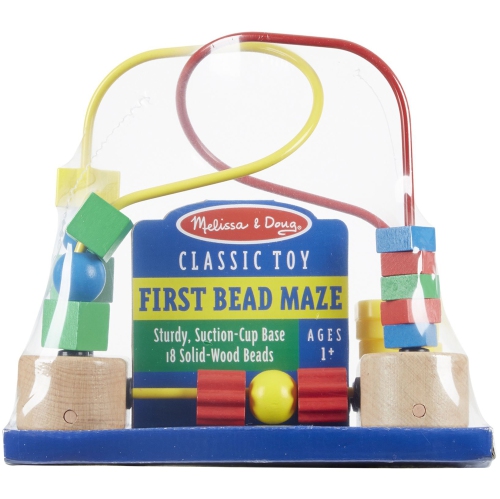 Your price for this item is $39.99
-
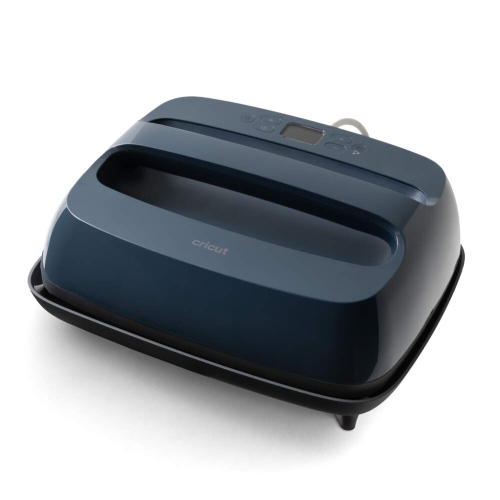 Your price for this item is $139
Discover more categories related to Sublimation Heat Presses
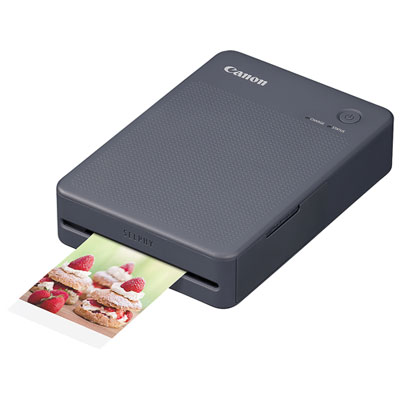
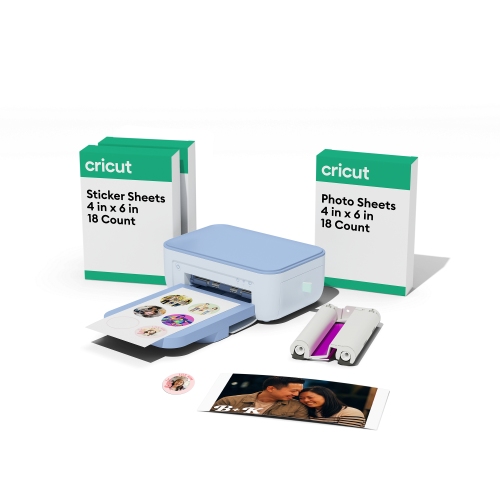
Top Collections:
Pokemon Centers, Best Cameras for Sports Photography, Kindle Devices, Samsung Galaxy Phones, Canon G7X Cameras, Pokémon 30th Celebration Cards, Refurbished Apple Laptops, iPhone 15 Apple, Laptops for Students, Budget Smartphones
Some products may be subject to Environmental Handling Fees
(EHF) depending on your province.
Learn more about EHFs.