Hat Heat Presses
Looking to take your hat customization game to the next level? Look no further than our collection of hat heat presses. These versatile machines are specifically designed to apply heat and pressure evenly, allowing you to effortlessly transfer designs onto hats with precision and ease. Whether you're a small business owner, a DIY enthusiast, or simply someone who loves adding a personal touch to their accessories, our selection of Hat Heat Presses is sure to meet your needs. Explore our range of high-quality options and unlock endless possibilities for creating unique and stylish hats that stand out from the crowd.
Sort
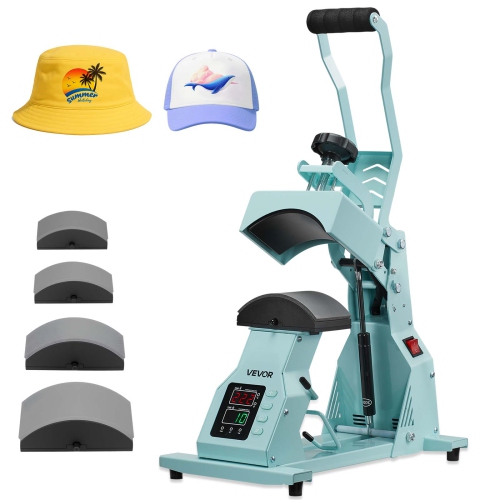

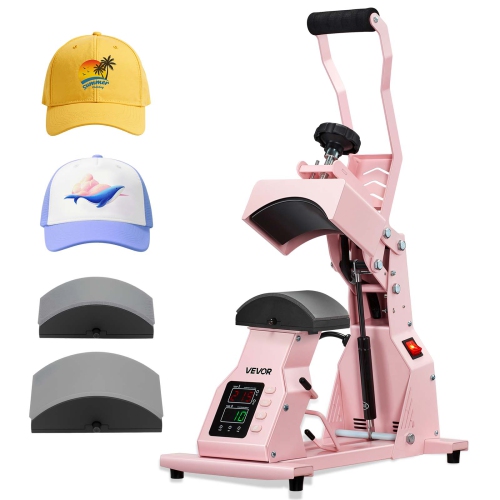
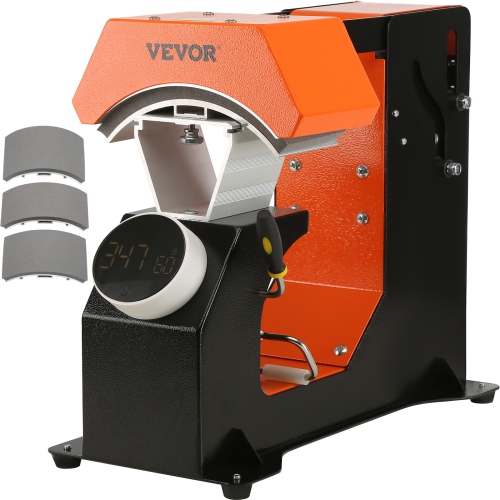
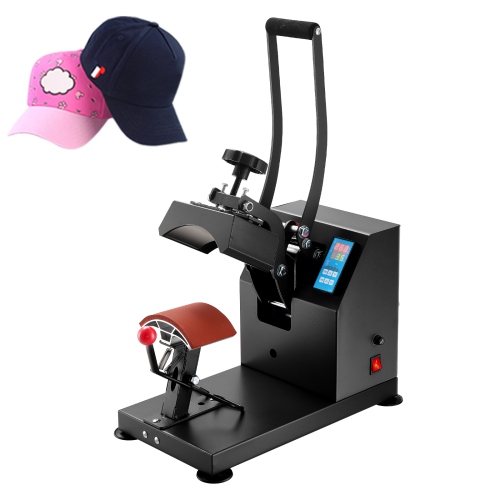
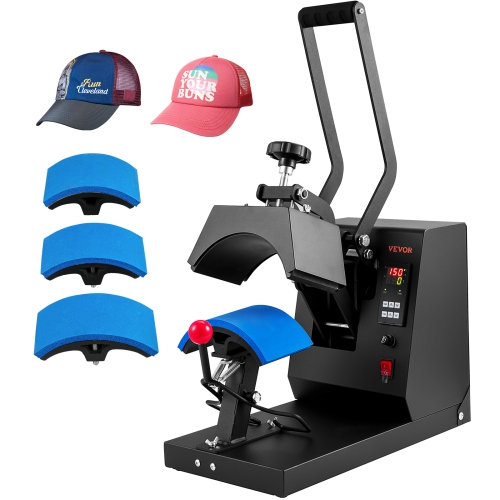
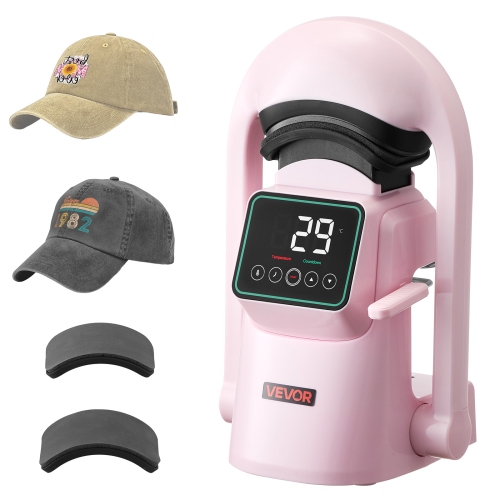
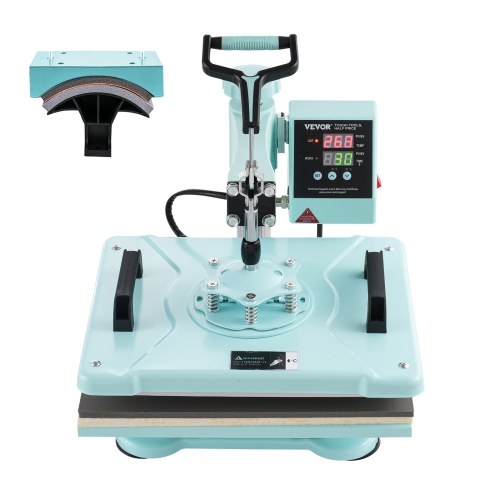
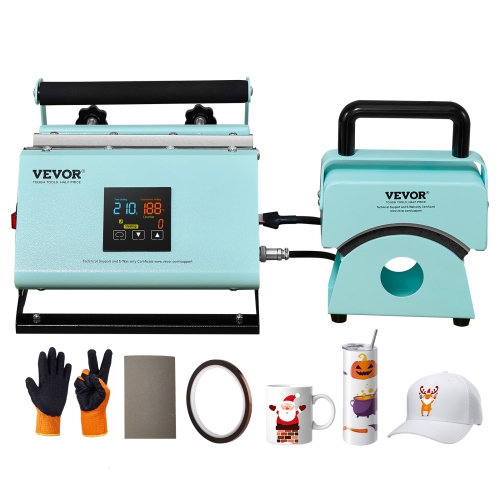
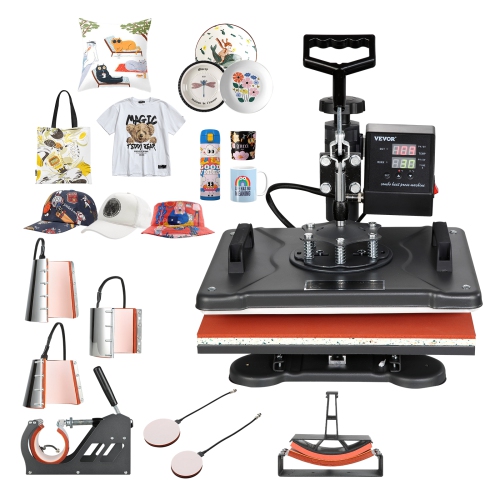
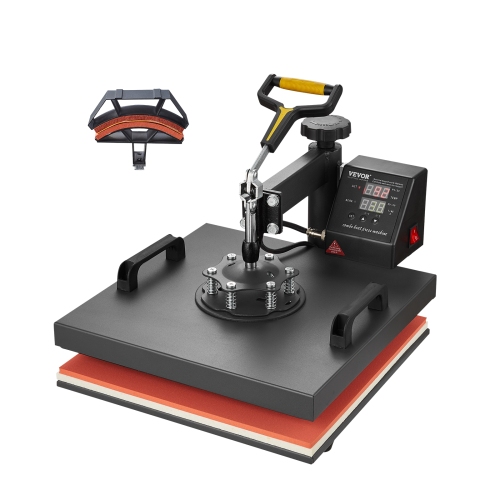
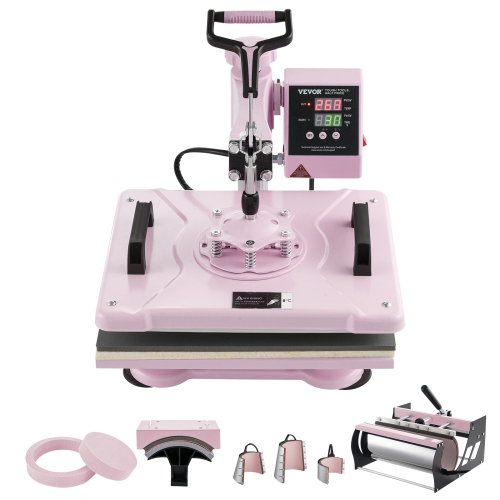
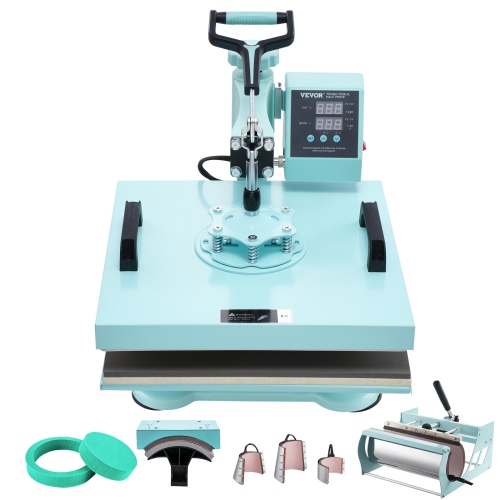
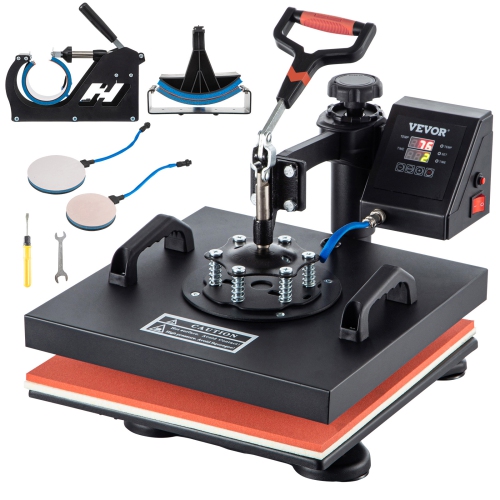
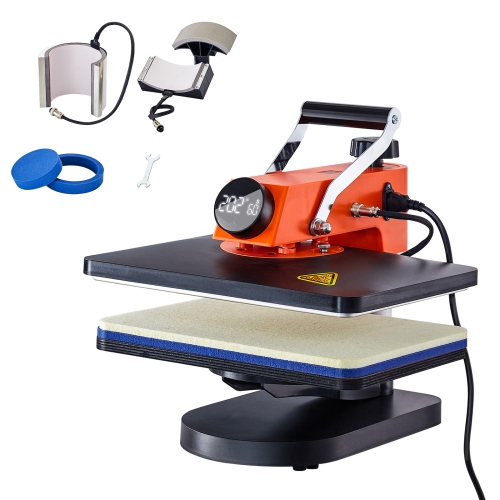
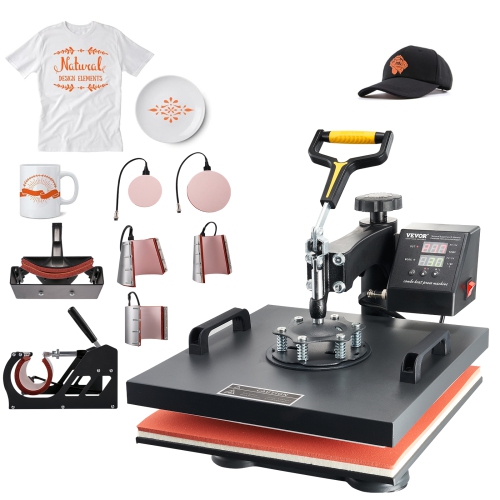
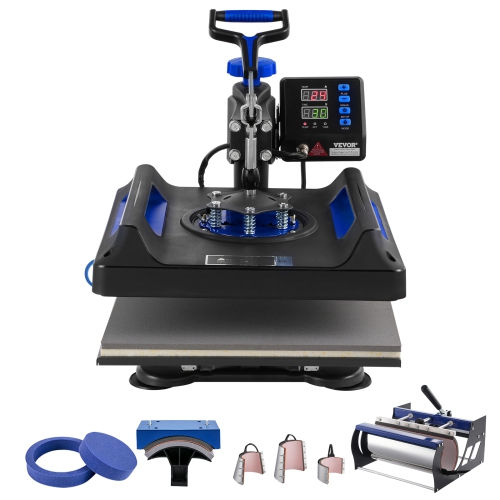
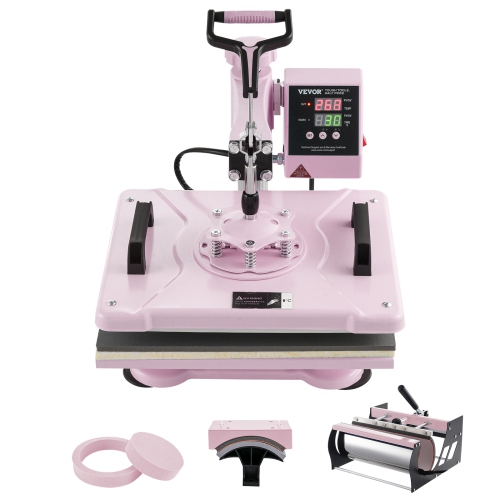
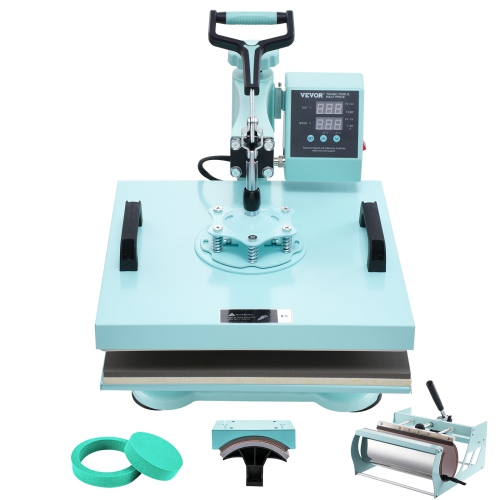
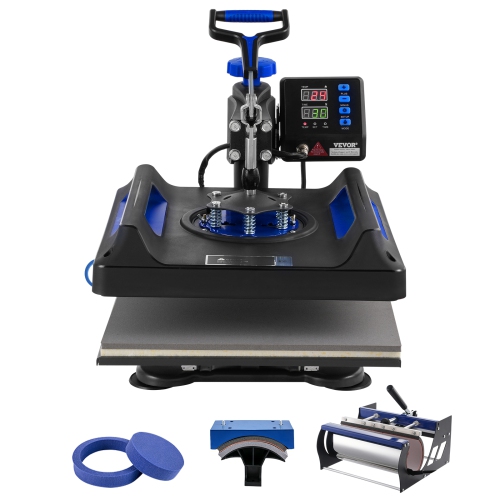
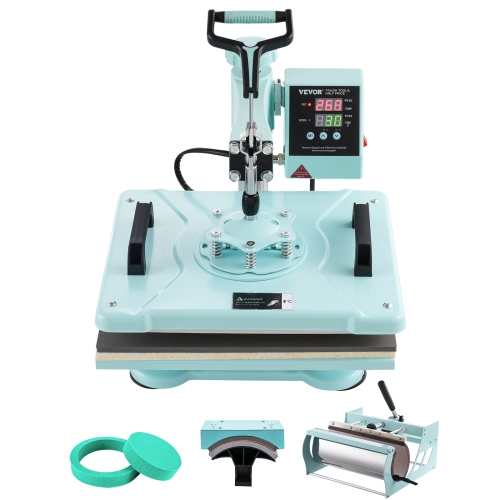
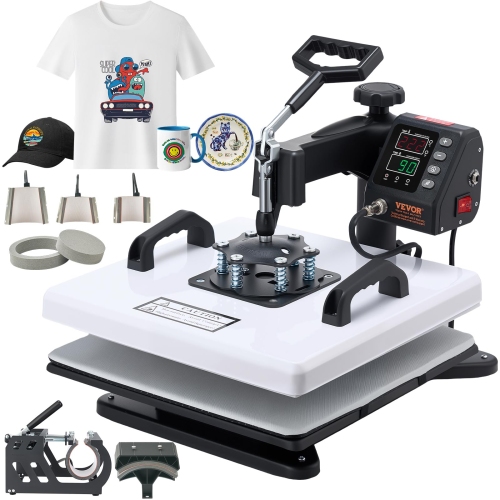
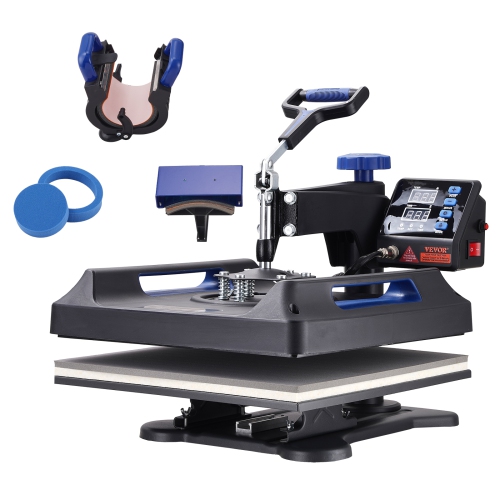
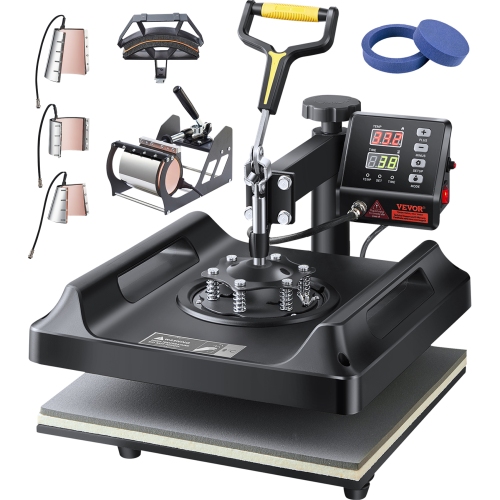
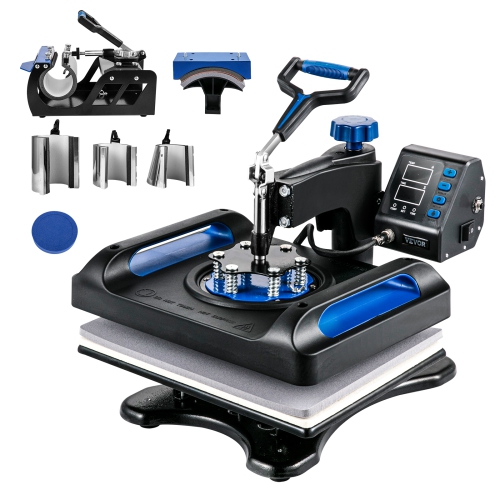
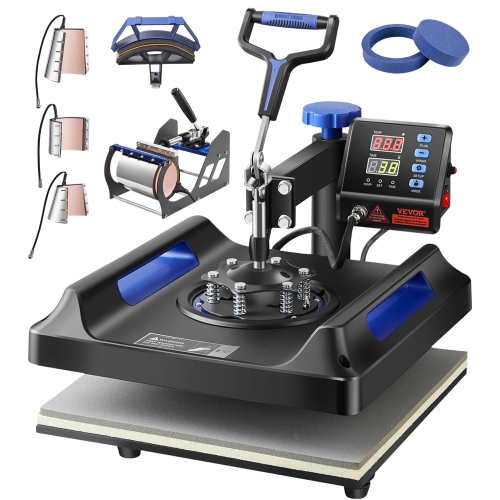
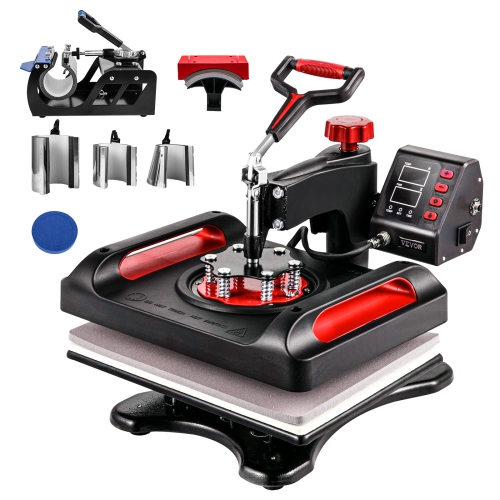
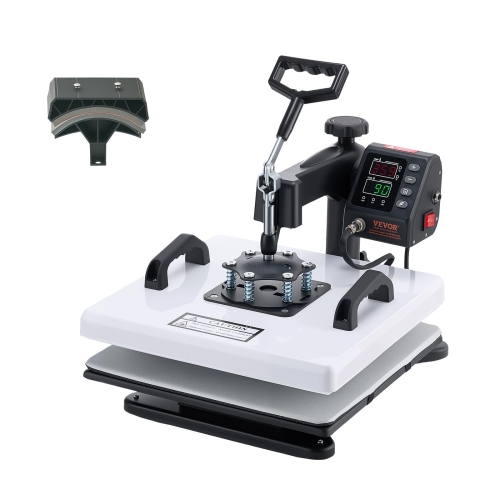
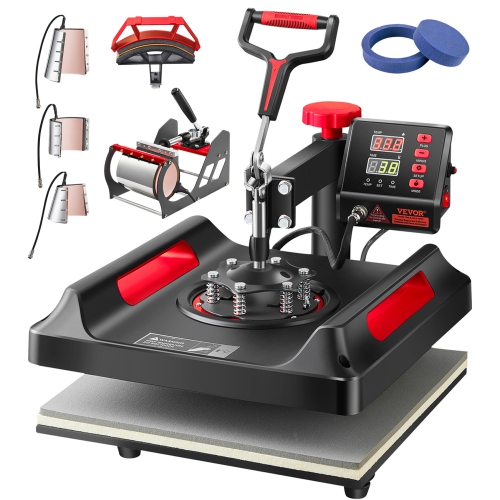
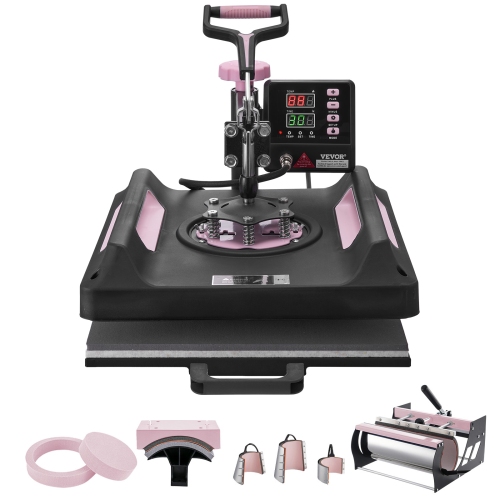
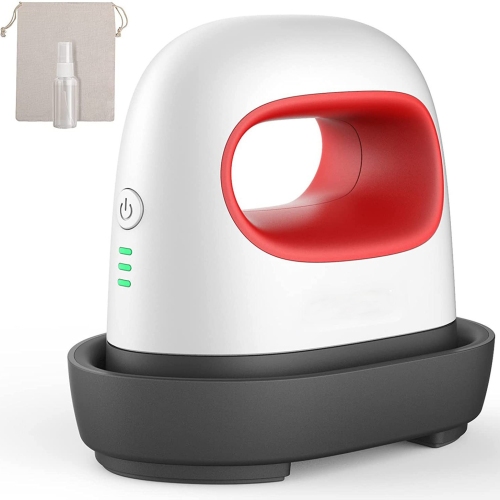
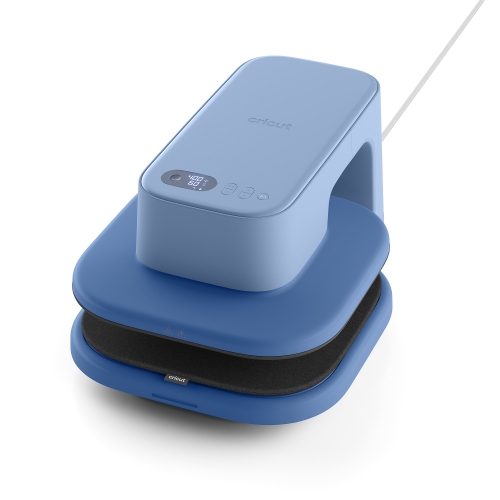
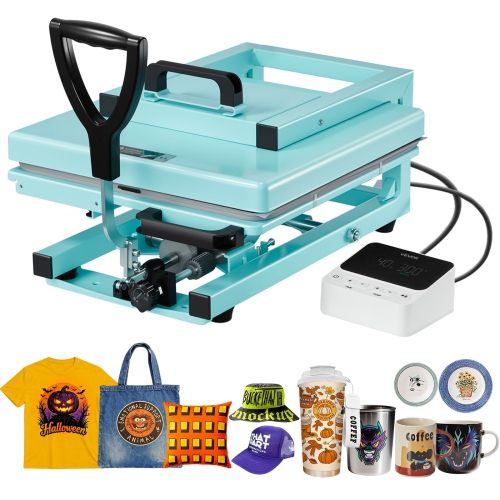
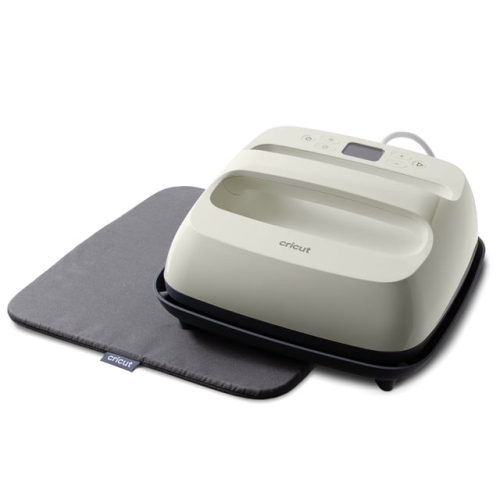
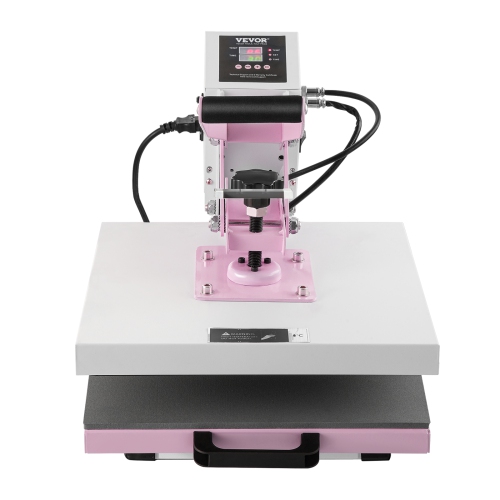
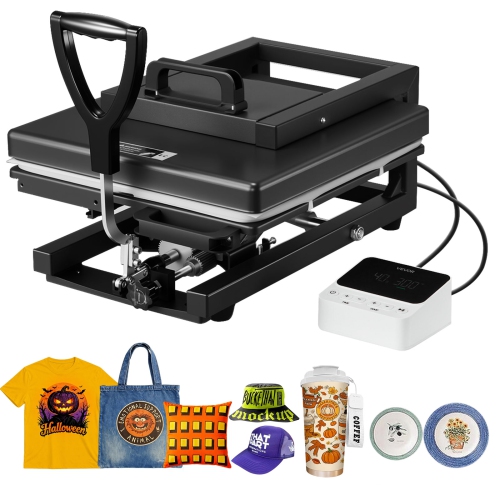
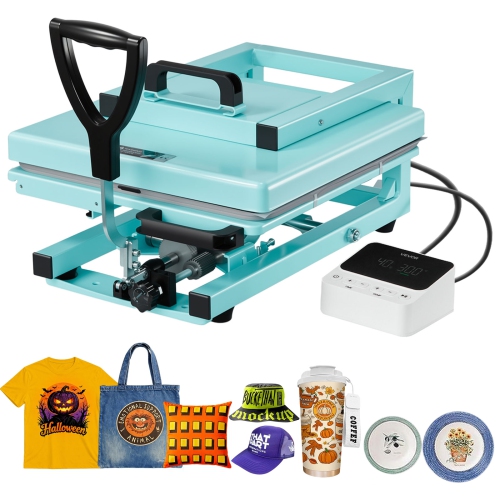
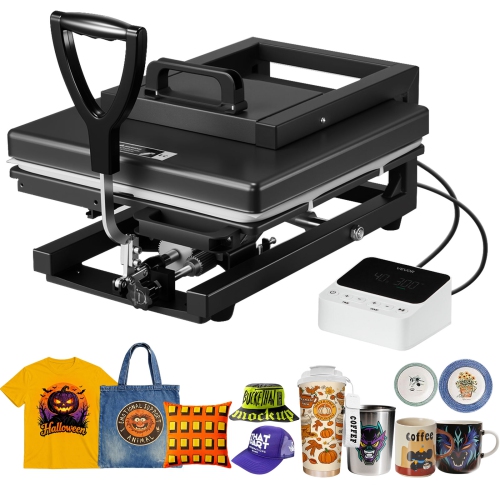
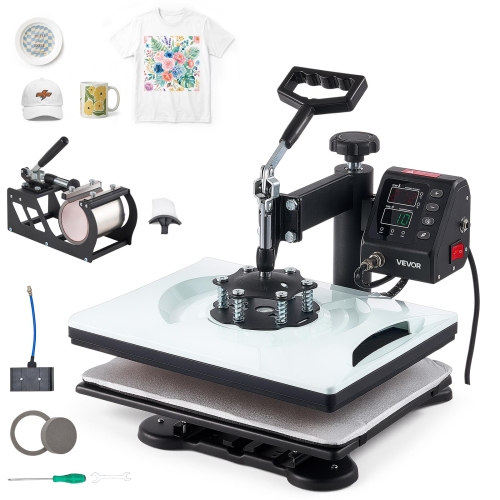
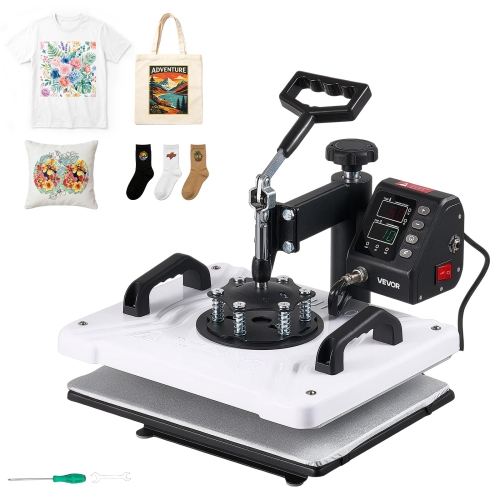
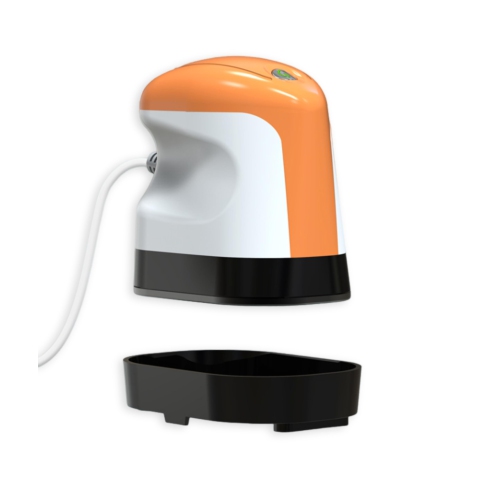
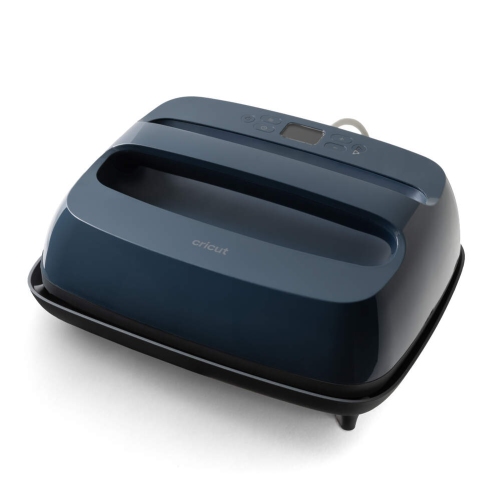
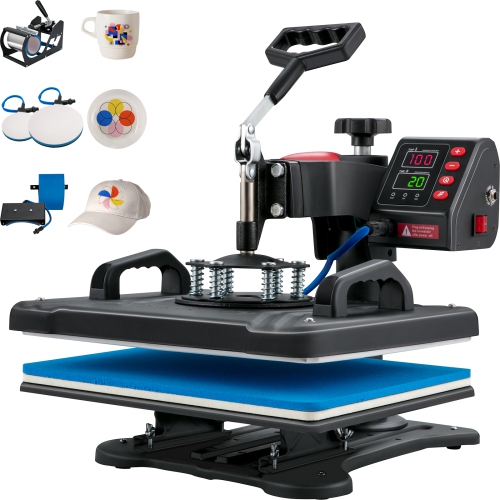
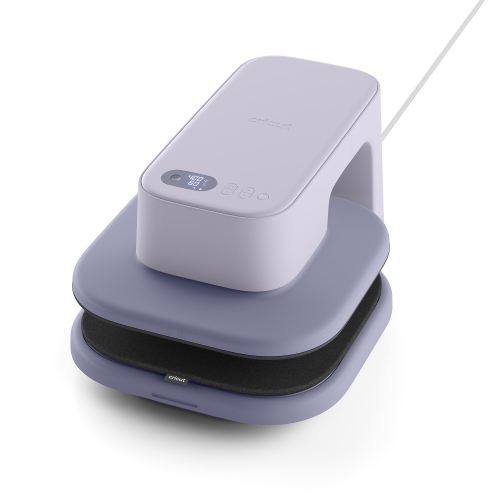
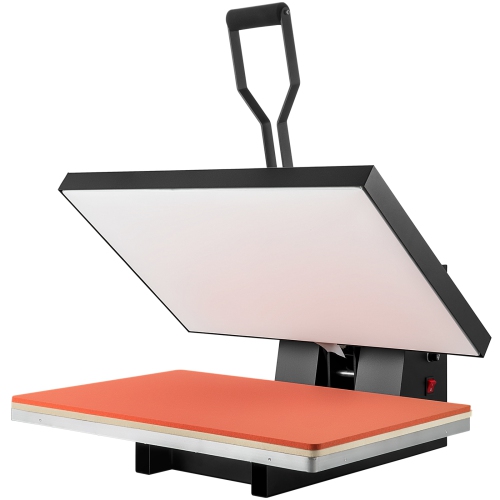
Curved platens and controlled pressure support consistent transfers
Hat heat presses are specialized machines designed to apply heat-transfer designs neatly and consistently to curved headwear. Unlike a flat heat press, a hat press uses a curved heating element or platen that follows the shape of a cap, helping the transfer make even contact across the front panel without forcing the fabric flat. Depending on the machine and the materials being used, a hat press may be suitable for heat transfer vinyl (HTV), embroidered or printed patches, direct-to-film (DTF) transfers, and certain sublimation applications. These presses can be useful for adding names, logos, numbers, artwork, school graphics, team details, business branding, or personalized messages to baseball caps, trucker hats, structured caps, low-profile hats, and other compatible headwear. For anyone who has tried applying a transfer with a household iron, the difference is easy to appreciate: a dedicated press provides a shaped pressing surface, more controlled heat, and a repeatable pressing cycle, helping reduce uneven adhesion, creases, scorching, and peeling. A hat heat press can be a practical addition to a craft room, home workshop, school art space, small apparel business, sports organization, or event-planning setup. It may also be a thoughtful gift for a crafter, maker, entrepreneur, coach, fan, or family member who enjoys creating customized apparel. As the weather warms, personalized caps can be useful for outdoor teams, reunions, camps, markets, and community events, while during the cooler months they can support gift-making, indoor craft projects, and preparations for upcoming celebrations. When choosing a machine, begin by considering the kinds of hats you expect to decorate most often, since a platen designed for a structured baseball cap may not produce the same results on a soft, unstructured, low-profile, trucker, or bucket-style hat. The curve, width, depth, and available clearance all affect how comfortably the hat sits in position and how evenly the design receives pressure.
Temperature, time, and pressure controls are among the most important features to compare when shopping for a hat heat press. Digital displays make it easier to set and monitor the recommended temperature and pressing time for a particular transfer material, while adjustable pressure helps accommodate differences in fabric thickness, seams, buckles, brims, and front-panel construction. A sturdy manual pull-down design can be a good fit for occasional projects and smaller batches, especially when the user prefers direct control over each pressing cycle. Automatic or semi-automatic designs may be more convenient for repeated work, as they can help create a consistent process from one hat to the next and reduce the effort required during longer sessions. Interchangeable curved platens can add flexibility for users who work with several hat sizes or styles, including adult and youth caps. Some systems may also support accessories or alternate attachments for related small-format projects, although compatibility should always be confirmed before purchase. A removable platen can make it easier to position a hat, smooth the front panel, and keep seams or raised features away from the central transfer area. Look for a pressing surface that allows the hat to sit securely, with enough room to position the artwork without stretching the fabric or catching the brim. A well-designed handle, balanced base, and stable frame can make a noticeable difference when applying firm, even pressure. Compact handheld curved presses can suit users with limited workspace or those who value portability, while larger machines may be preferable for a dedicated studio, storefront, school program, or production area. Users working with sublimation should verify that both the hat material and the press are appropriate for that process, since sublimation generally requires compatible polyester-based surfaces and carefully controlled heat. For broader sublimation projects involving flat items such as mugs, shirts, or panels, explore Sublimation Heat Presses as a separate category. It is also worth checking the machine’s power requirements, operating instructions, included platens, transfer-area dimensions, warranty information, and recommended ventilation or workspace setup before making a decision.
Good results depend on more than the press itself. Start with a clean, dry hat and make sure the front panel is free of lint, loose threads, dust, and surface treatments that could interfere with adhesion. Position the design carefully, paying attention to the centre line, the curve of the crown, the distance from the brim, and the placement of seams. A simple paper or scrap-fabric positioning template can help keep a series of hats looking uniform, which is especially useful for team orders, staff apparel, family gatherings, and small business branding. Follow the transfer manufacturer’s instructions for temperature, time, pressure, carrier-sheet placement, and peeling method rather than relying on a general setting for every material. Some transfers require a hot peel, while others need to cool before the carrier is removed; using the wrong method can disturb the design even when the heat and pressure are correct. Test unfamiliar materials on a spare hat before beginning a finished project, and allow the machine to reach its full operating temperature before pressing. Careful positioning is particularly important on hats because the curved surface can make a design appear tilted or off-centre when viewed from the front. A cap press with a lower heated platen or additional heat support may help improve contact on certain hat shapes, while a machine with a well-defined curved platen can help avoid hard crease lines around the artwork. After pressing, let the hat cool and inspect the edges of the design for lifting, incomplete contact, or signs of excessive heat. Keep the work area clear, use heat-resistant protection where appropriate, and remember that the platen and nearby surfaces remain hot after a cycle. With the right combination of curved platen, reliable controls, suitable transfer materials, and patient setup, a hat heat press can turn plain headwear into polished, personal pieces for everyday wear, clubs, teams, businesses, celebrations, and creative projects throughout the seasons.
Temperature, time, and pressure controls are among the most important features to compare when shopping for a hat heat press. Digital displays make it easier to set and monitor the recommended temperature and pressing time for a particular transfer material, while adjustable pressure helps accommodate differences in fabric thickness, seams, buckles, brims, and front-panel construction. A sturdy manual pull-down design can be a good fit for occasional projects and smaller batches, especially when the user prefers direct control over each pressing cycle. Automatic or semi-automatic designs may be more convenient for repeated work, as they can help create a consistent process from one hat to the next and reduce the effort required during longer sessions. Interchangeable curved platens can add flexibility for users who work with several hat sizes or styles, including adult and youth caps. Some systems may also support accessories or alternate attachments for related small-format projects, although compatibility should always be confirmed before purchase. A removable platen can make it easier to position a hat, smooth the front panel, and keep seams or raised features away from the central transfer area. Look for a pressing surface that allows the hat to sit securely, with enough room to position the artwork without stretching the fabric or catching the brim. A well-designed handle, balanced base, and stable frame can make a noticeable difference when applying firm, even pressure. Compact handheld curved presses can suit users with limited workspace or those who value portability, while larger machines may be preferable for a dedicated studio, storefront, school program, or production area. Users working with sublimation should verify that both the hat material and the press are appropriate for that process, since sublimation generally requires compatible polyester-based surfaces and carefully controlled heat. For broader sublimation projects involving flat items such as mugs, shirts, or panels, explore Sublimation Heat Presses as a separate category. It is also worth checking the machine’s power requirements, operating instructions, included platens, transfer-area dimensions, warranty information, and recommended ventilation or workspace setup before making a decision.
Good results depend on more than the press itself. Start with a clean, dry hat and make sure the front panel is free of lint, loose threads, dust, and surface treatments that could interfere with adhesion. Position the design carefully, paying attention to the centre line, the curve of the crown, the distance from the brim, and the placement of seams. A simple paper or scrap-fabric positioning template can help keep a series of hats looking uniform, which is especially useful for team orders, staff apparel, family gatherings, and small business branding. Follow the transfer manufacturer’s instructions for temperature, time, pressure, carrier-sheet placement, and peeling method rather than relying on a general setting for every material. Some transfers require a hot peel, while others need to cool before the carrier is removed; using the wrong method can disturb the design even when the heat and pressure are correct. Test unfamiliar materials on a spare hat before beginning a finished project, and allow the machine to reach its full operating temperature before pressing. Careful positioning is particularly important on hats because the curved surface can make a design appear tilted or off-centre when viewed from the front. A cap press with a lower heated platen or additional heat support may help improve contact on certain hat shapes, while a machine with a well-defined curved platen can help avoid hard crease lines around the artwork. After pressing, let the hat cool and inspect the edges of the design for lifting, incomplete contact, or signs of excessive heat. Keep the work area clear, use heat-resistant protection where appropriate, and remember that the platen and nearby surfaces remain hot after a cycle. With the right combination of curved platen, reliable controls, suitable transfer materials, and patient setup, a hat heat press can turn plain headwear into polished, personal pieces for everyday wear, clubs, teams, businesses, celebrations, and creative projects throughout the seasons.
Top selling and popular products
-
 Your price for this item is $744.71
 -
 Your price for this item is $684.88
 -
 Your price for this item is $325
 -
 Your price for this item is $543.42
 -
 Your price for this item is $550
 -
 Your price for this item is $69.99
 -
 Your price for this item is $449.99
 -
 Your price for this item is $245.68
Discover more categories related to Hat Heat Presses
Top Collections:
Pokemon Centers, Best Cameras for Sports Photography, Kindle Devices, Samsung Galaxy Phones, Canon G7X Cameras, Pokémon 30th Celebration Cards, Refurbished Apple Laptops, iPhone 15 Apple, Laptops for Students, Budget Smartphones
Some products may be subject to Environmental Handling Fees
(EHF) depending on your province.
Learn more about EHFs.