Summer Air Coolers
Beat the heat and enjoy refreshing comfort indoors with summer air coolers. Perfect for keeping your living spaces pleasant during warmer months, these cooling solutions offer an easy way to maintain a comfortable atmosphere in any room. Whether you’re relaxing at home or working in your office, summer air coolers are designed to help you stay cool and relaxed even as temperatures rise. Explore a wide range of options to find the ideal fit for your needs and create a breezy haven all season long.
Sort
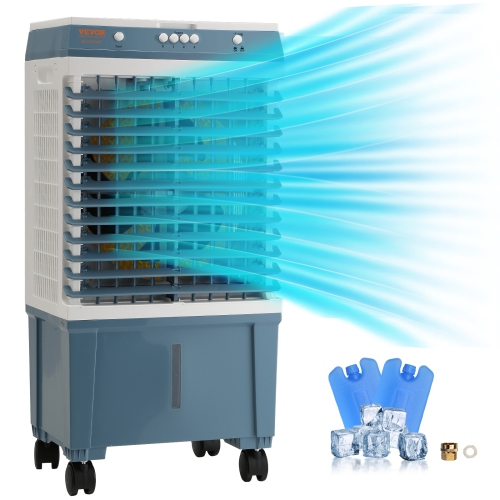
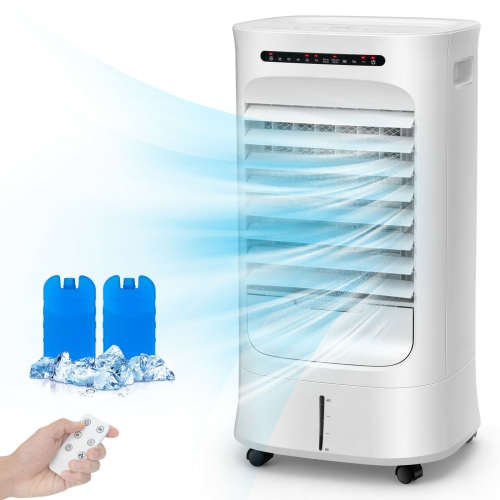
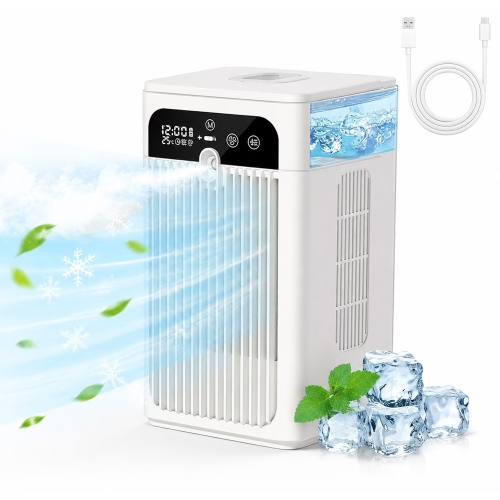
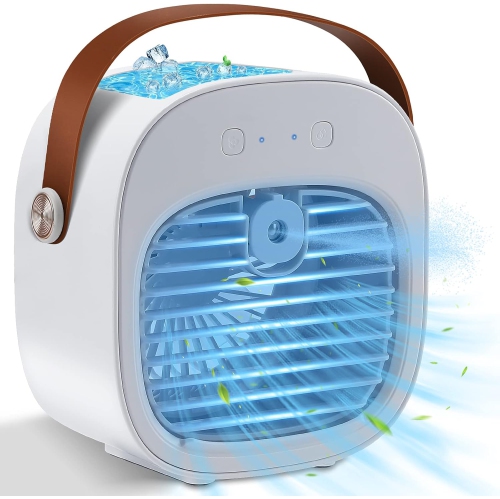
Why evaporative cooling works best in dry air
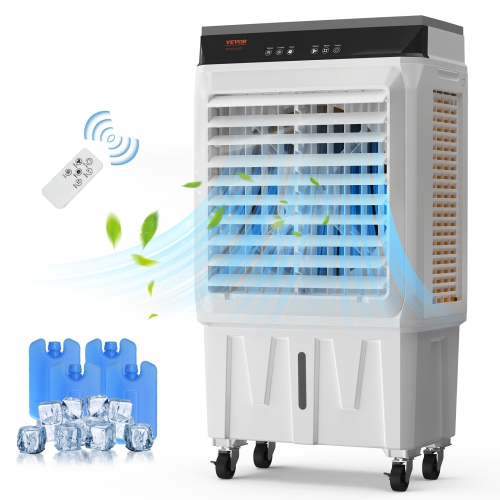
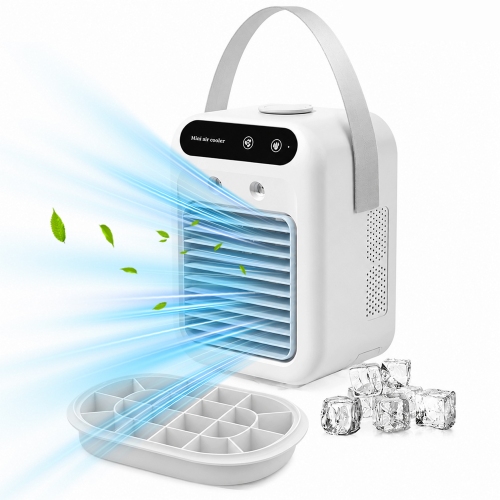
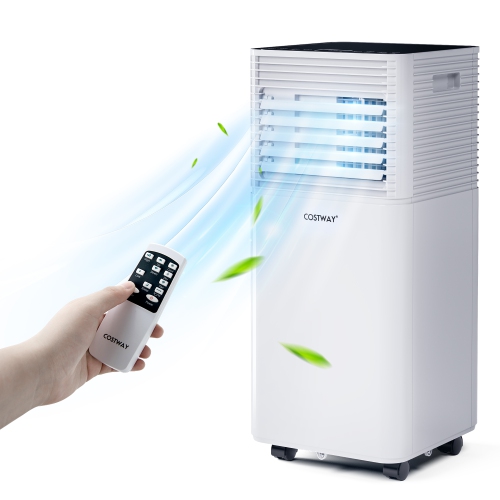
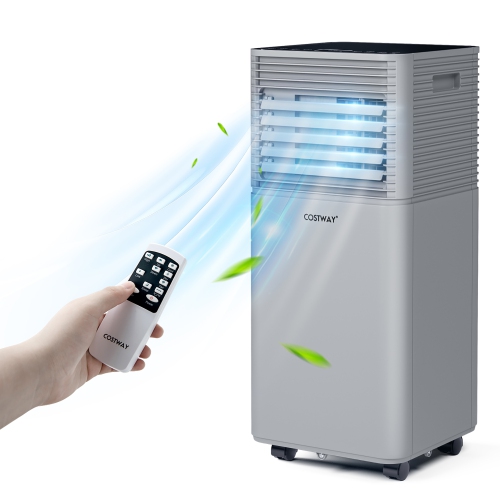
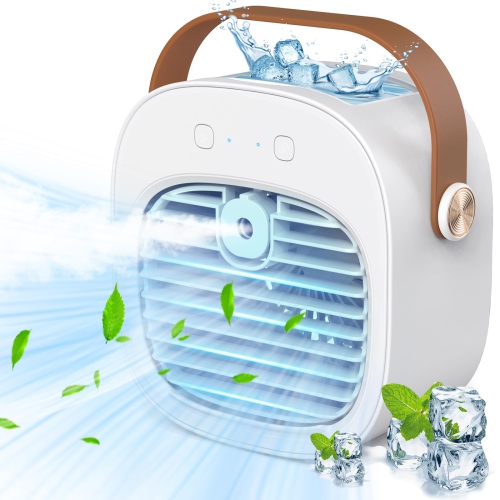
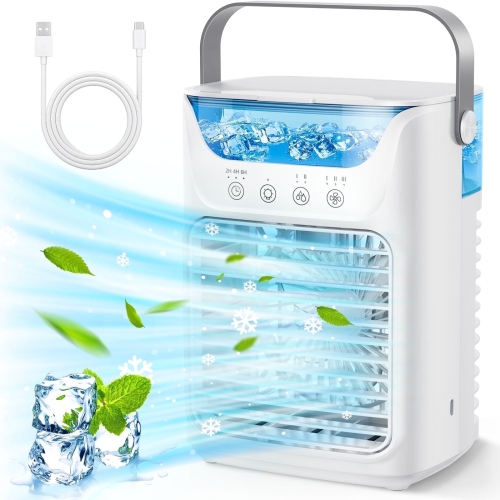
Summer air coolers are appliances that use evaporating water to cool the air moving through them. Often called evaporative coolers or swamp coolers, they draw warm air through water-soaked cooling pads and send the cooled air into the room with a fan. Many designs use honeycomb-style pads that provide a large wet surface for air to pass through. This process differs from a standard fan, which moves air without actively lowering its temperature, and from an air conditioner, which uses a refrigerant system to remove heat. An evaporative cooler adds moisture to the air, so its usefulness depends heavily on the conditions where it operates. It generally provides better cooling in dry air than in humid air, making indoor humidity just as important as room size when considering its suitability. In a space that already feels damp or muggy, adding more moisture can make the room less comfortable rather than deliver the relief expected. Fresh airflow also matters: unlike an air-conditioned room that typically benefits from closed windows, a room with an evaporative cooler needs ventilation so moist air can leave and drier air can enter. A partially open window or door may provide that exchange, depending on the room and the appliance’s instructions. These coolers are often associated with directed comfort around a seating area, work surface or other occupied part of a home, rather than the tightly controlled temperature of a compressor-based cooling system. A person reading in an armchair or working at a desk may appreciate a steady stream of cooled air without expecting every corner of a large room to feel identical. Placement, airflow direction and the distance between the cooler and the person using it all influence that experience. The term “air cooler” can also appear in broader product descriptions, so the cooling method matters more than the name alone. An evaporative appliance needs water and suitable humidity conditions; a portable air conditioner has different installation requirements and removes heat through an exhaust arrangement.
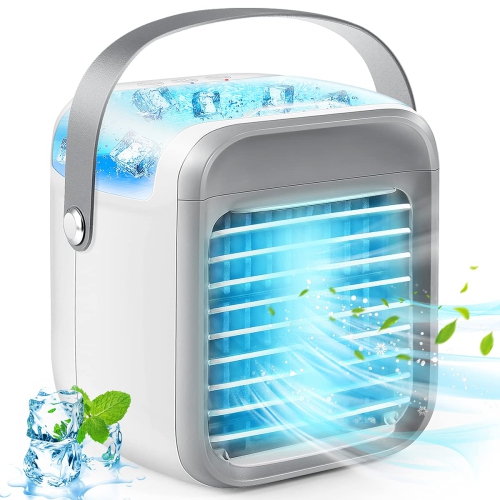
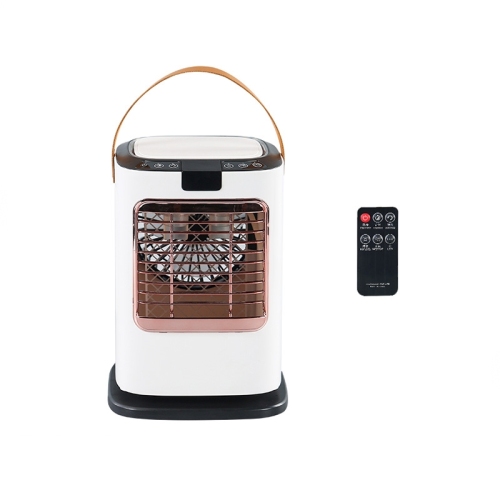
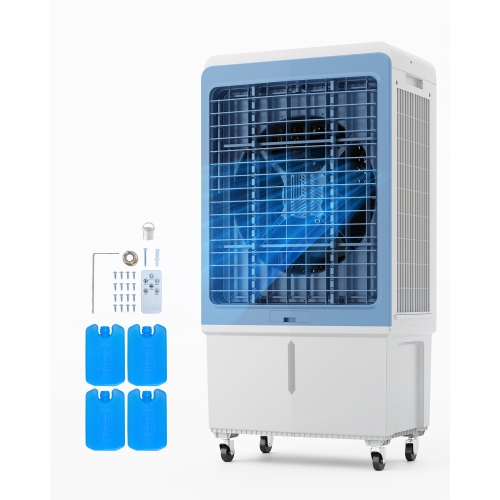
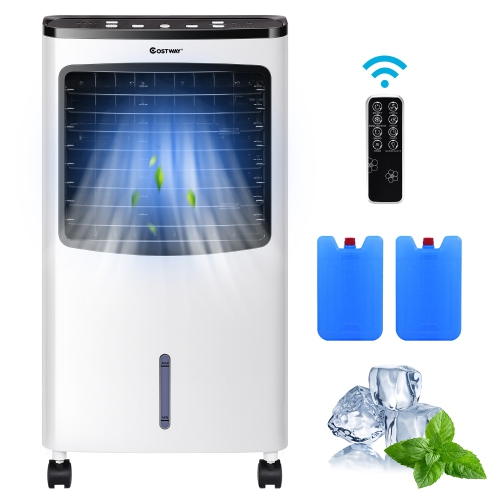
The appeal of Air Coolers for Summer often comes down to how comfortably an appliance fits into an everyday routine. A compact design may suit a small workspace, while a larger freestanding cooler needs enough floor space for its housing, airflow clearance and access to the water tank. External dimensions tell only part of that story: a tank that slides out from the back needs room behind it, and a top-fill opening needs unobstructed access above. A level, water-resistant surface helps protect against accidental splashes during filling, while a position outside the main walking path reduces the chance of bumps. Durable housings, secure handles and smooth-rolling castors can make regular movement easier, particularly when a cooler is shared between a home office and a living area. A full water tank adds weight, however, and transport instructions may require draining it before moving the appliance. Tank capacity affects how frequently refilling is needed, but operating time also varies with fan speed, humidity and the cooler’s design. A visible water-level indicator makes routine checks simpler, while an accessible drain can reduce the awkwardness of emptying the tank. Adjustable fan speeds offer different balances of airflow and sound, and oscillating louvers spread that airflow across a wider seating area. For a bedroom, the sound of both the fan and the water pump can matter, especially to a light sleeper. A sleep setting may alter fan operation or dim controls, but it does not necessarily mean silent operation. Timers and remote controls can be useful when the cooler sits across the room or is used for a defined period. Published room-size claims also need context: ceiling height, direct sunlight, indoor humidity and ventilation can all affect results. A bright upper-floor bedroom and a shaded ground-floor sitting room can place very different demands on appliances with similar stated coverage. Some designs support manufacturer-approved ice packs, but those additions do not turn an evaporative cooler into an air conditioner.
Regular care is part of owning a water-based cooling appliance, and easy access to the tank and cooling pads can make that upkeep less cumbersome. Clean water, a clean reservoir and properly maintained pads support reliable operation and help prevent unpleasant odours. Water left sitting for extended periods can become stagnant, so draining and drying requirements deserve attention whenever the cooler will not be used for a while. Cleaning frequency depends on use, water quality and the manufacturer’s directions. Hard water can leave mineral deposits on pads and internal surfaces, gradually restricting water distribution or airflow. Removable panels and washable components can simplify cleaning, although not every cooling pad or filter can be rinsed or reused. Replacement requirements vary by material and construction; a pad that has become brittle, heavily scaled or damaged may need replacing rather than further cleaning. Any separate dust screen also needs attention, since built-up lint can obstruct airflow. Cleaning products should be suitable for the appliance, and fragrances, disinfectants or other additives should not be poured into the water tank unless expressly permitted by the manufacturer. Power should be disconnected before cleaning, draining or reaching inside the unit. Households with children or pets benefit from stable placement, protected cords and a location where the tank and controls are less likely to be disturbed. A cooler should not block a doorway, sit where water could reach nearby electronics or have its intake pressed against curtains. For renters, students and people working from home, a movable design can be practical when its ventilation and maintenance needs suit the space. It is not a substitute for adequate cooling during dangerous heat, particularly for people who are more vulnerable to high temperatures. At the end of its period of use, thoroughly draining, cleaning and drying the appliance before storage helps limit lingering moisture and musty smells. Keeping removable parts together and storing the cooler upright in a dry location also makes the next setup easier, with less time spent searching for a drain plug, remote control or tank accessory.
Top selling and popular products
-
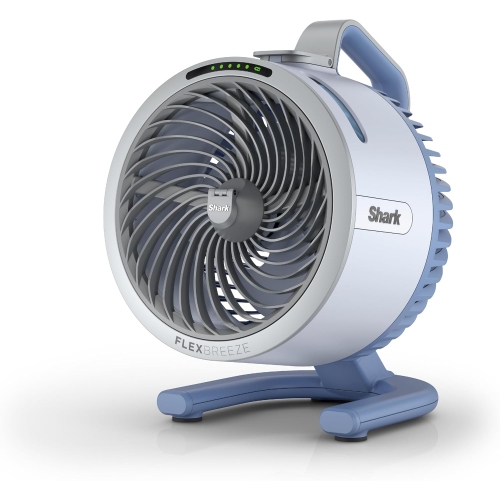 Your price for this item is $89.99
-
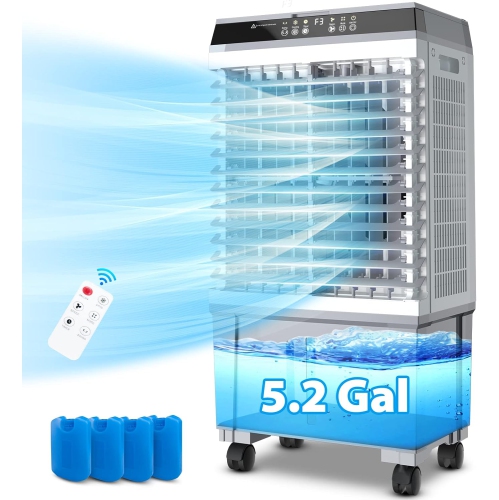 Your price for this item is $249.99
-
 Your price for this item is $279.99
-
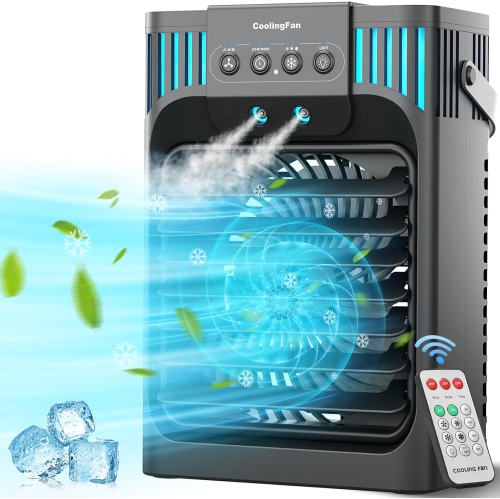 Your price for this item is $159.99
-
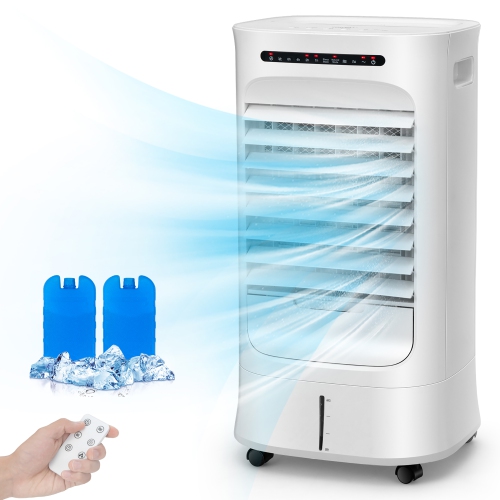 Your price for this item is $147.99
-
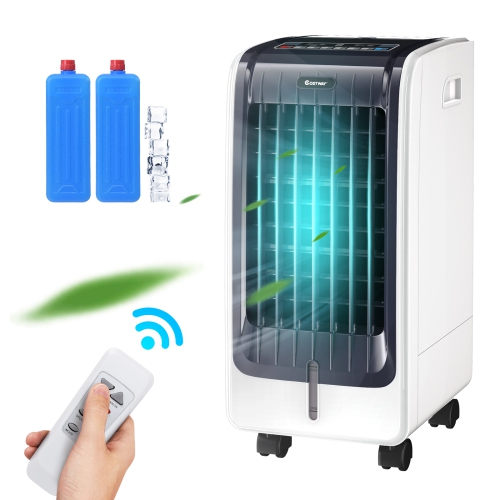 Your price for this item is $118.99
-
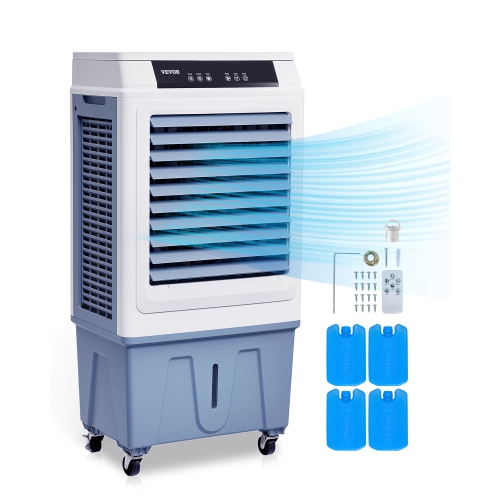 Your price for this item is $283.9
-
 Your price for this item is $149.99
Discover more categories related to Summer Air Coolers
Top Collections:
Best Black Friday Deals This Year, Best Black Friday Deals On Electronics, Kindle Devices, Pokemon Centers, Best Black Friday Deals On Apple Products, Best Cameras for Sports Photography, Dyson Airwrap, Pokémon 30th Celebration Cards, Apple iPhone 17 Pro, Canon G7X Cameras
Some products may be subject to Environmental Handling Fees
(EHF) depending on your province.
Learn more about EHFs.