Summer Fans
Stay cool and comfortable during the hot summer months with our selection of fans. Whether you're looking for a sleek tower fan to save space in your living room, a powerful pedestal fan to circulate air in your bedroom, or a compact desk fan for your home office, we have a variety of options to suit your needs. Beat the heat and create a refreshing breeze in any room with our range of stylish and efficient fans designed to keep you cool all season long.
Sort
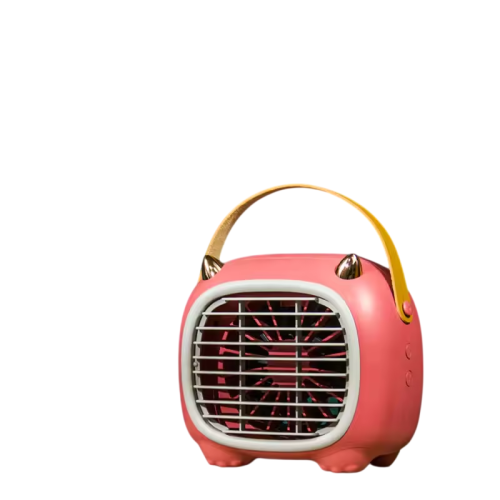
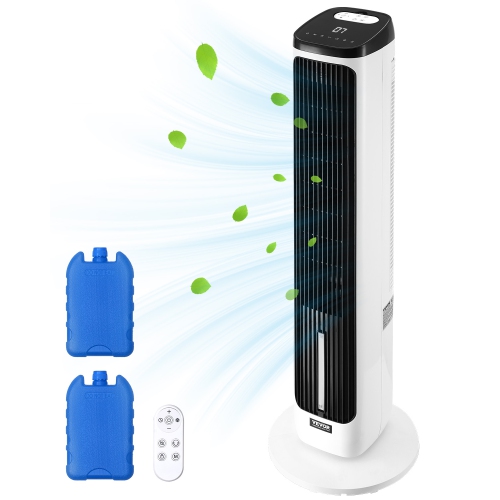
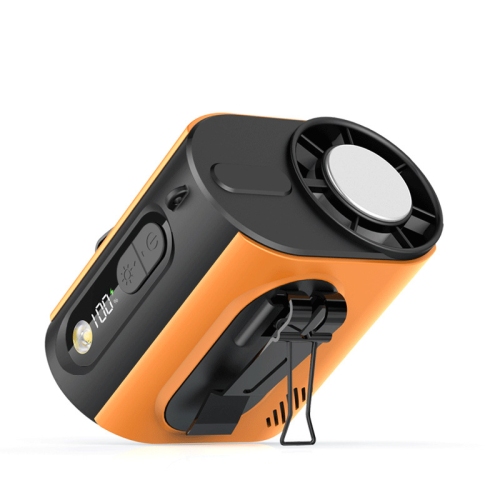
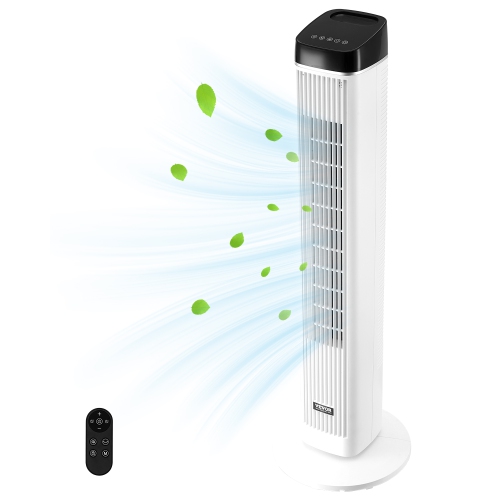
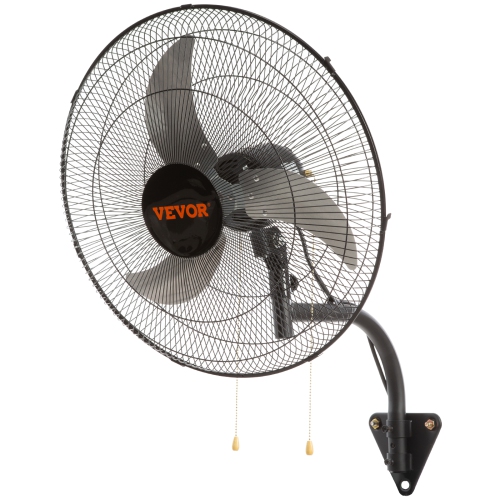
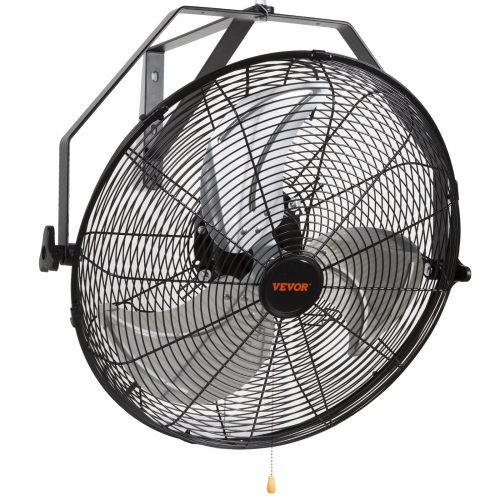
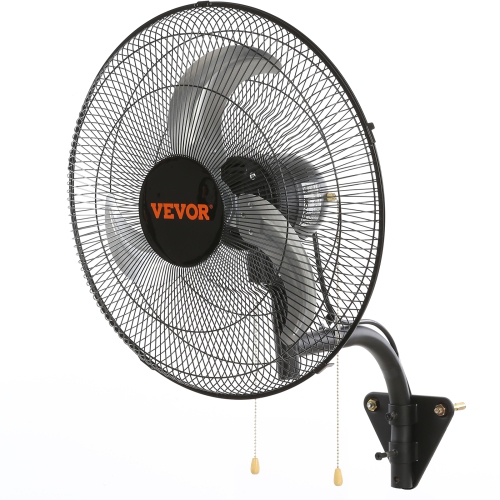
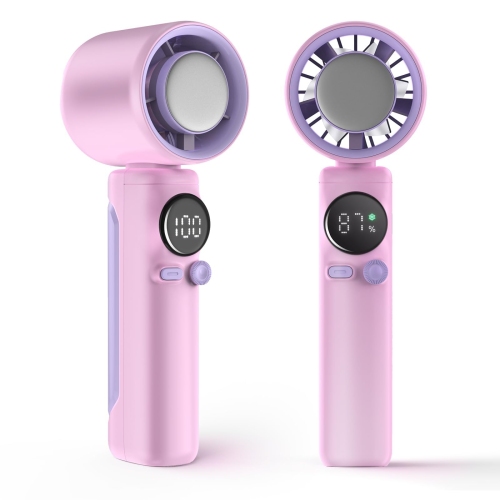




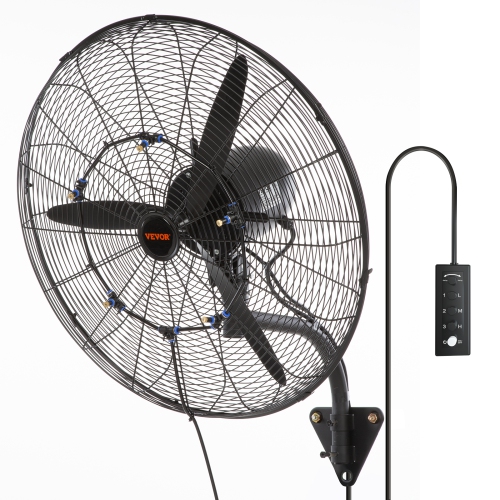
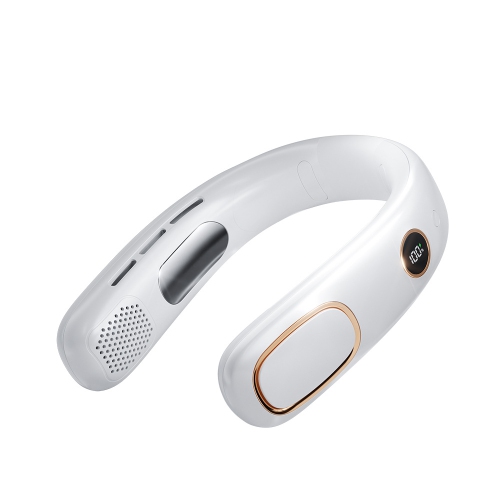

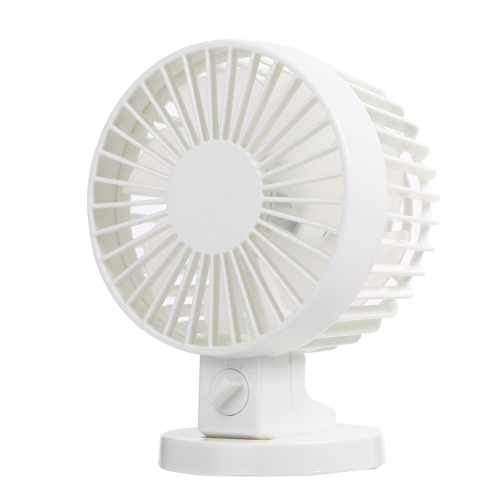
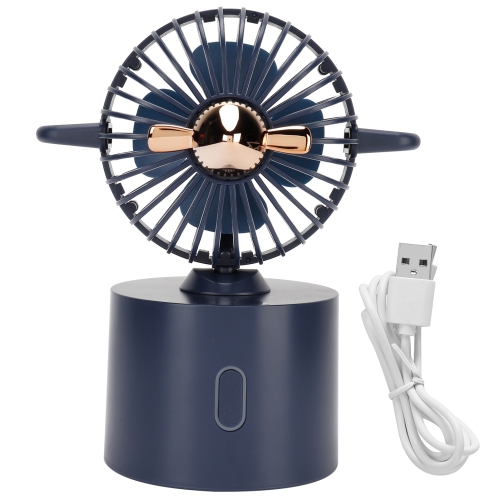

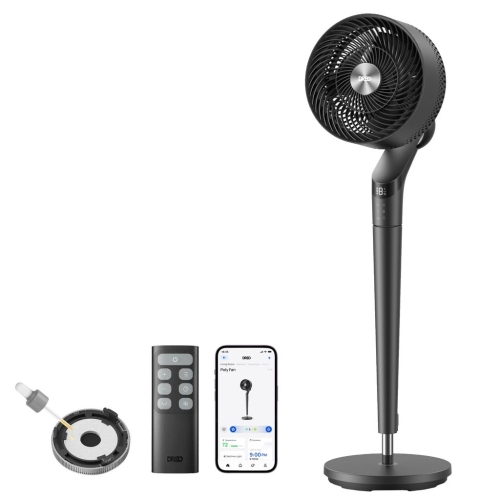
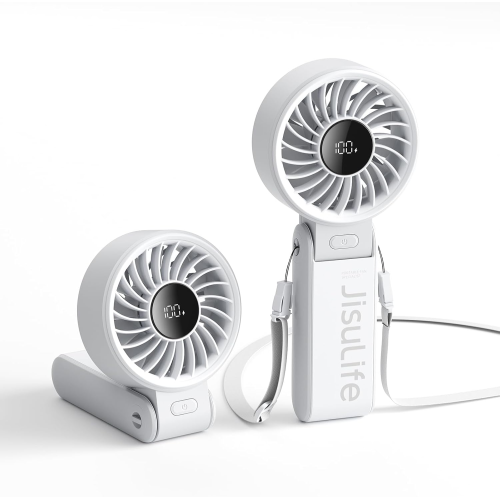

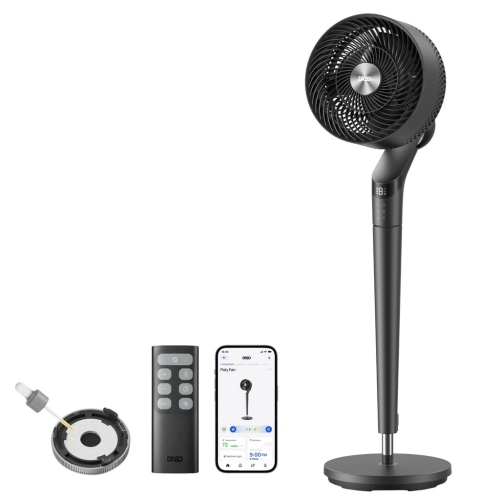
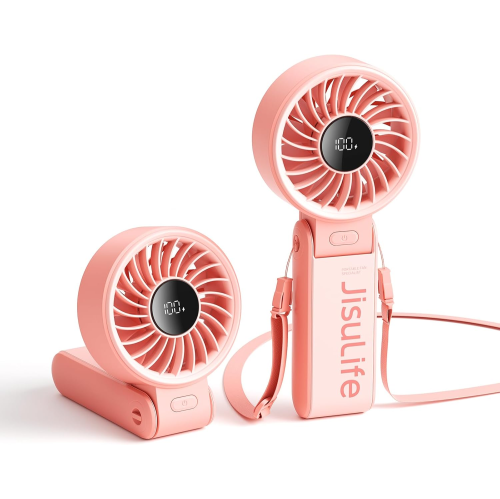


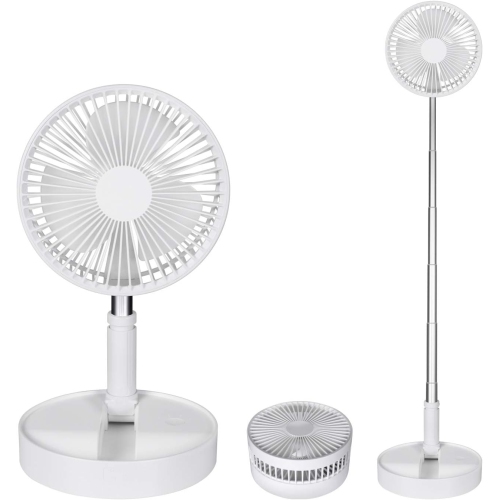
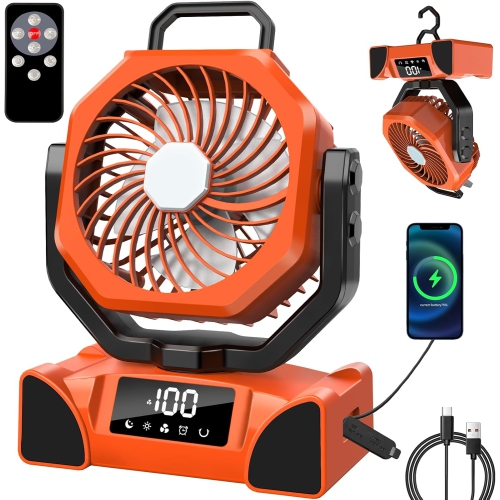
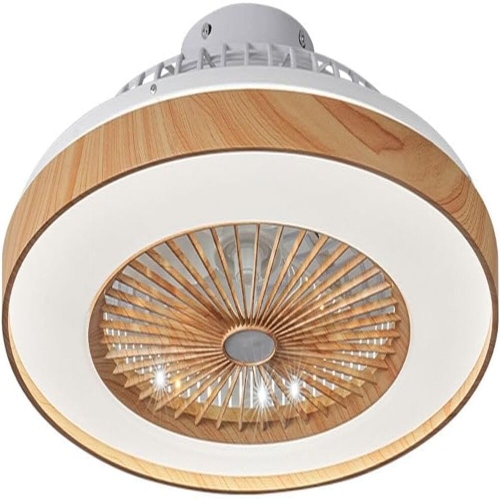
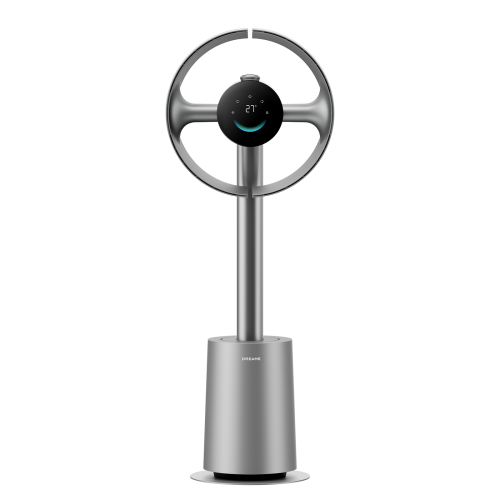

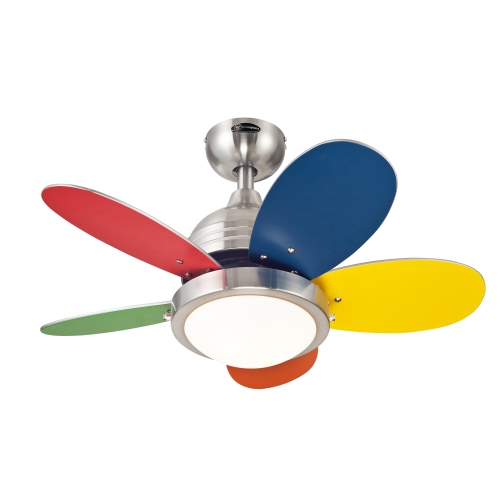

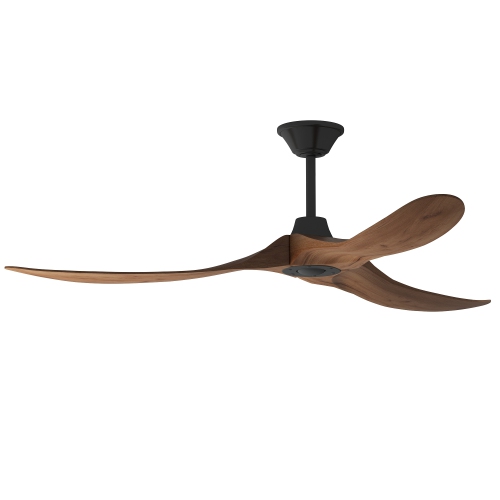
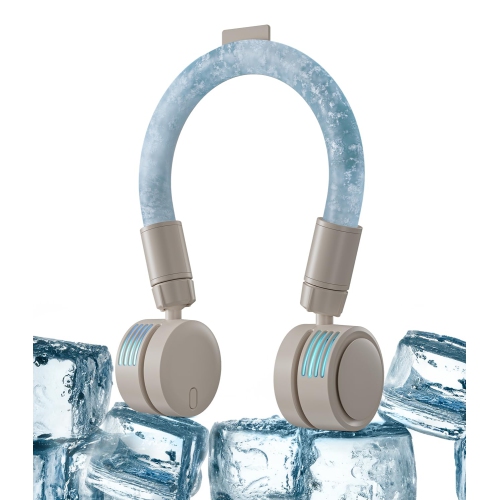
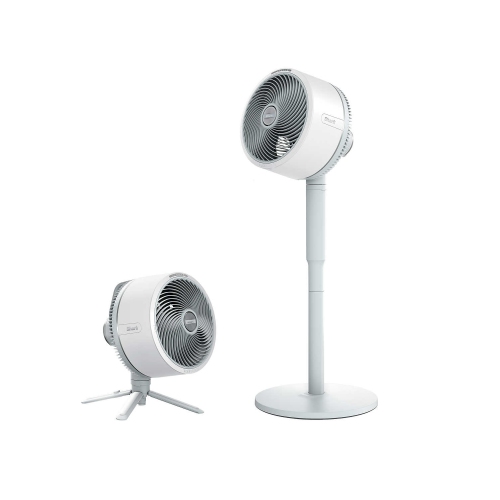



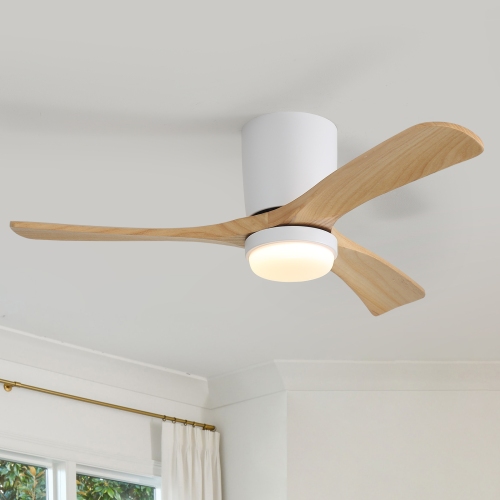

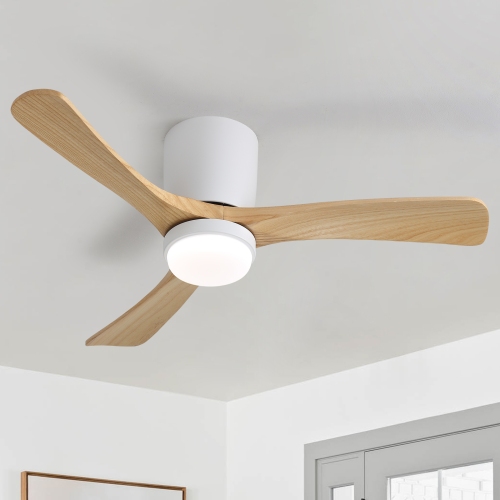
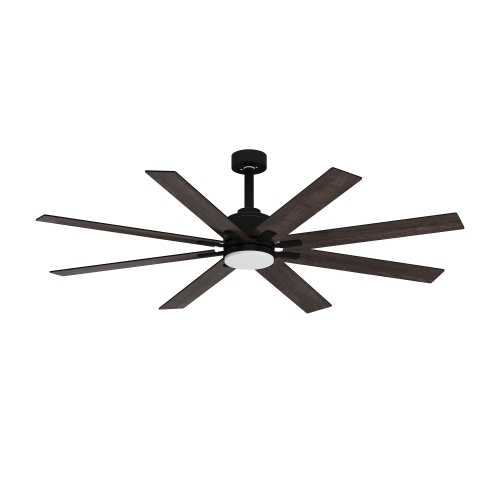
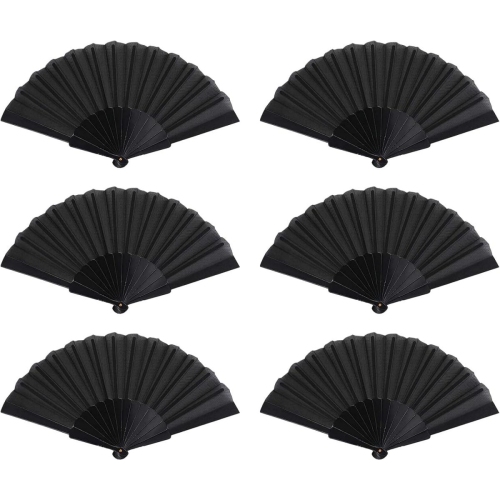

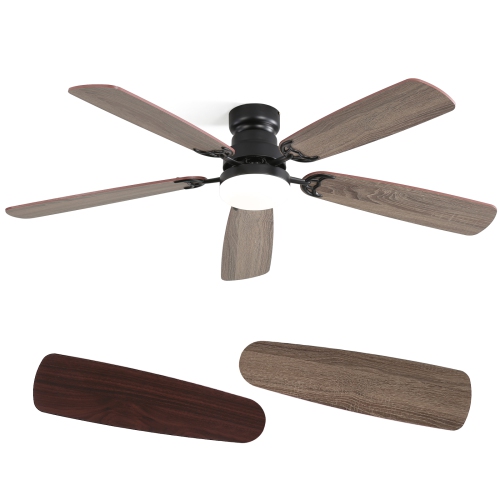
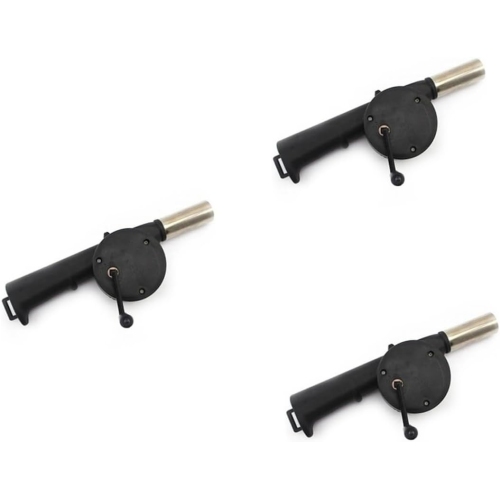

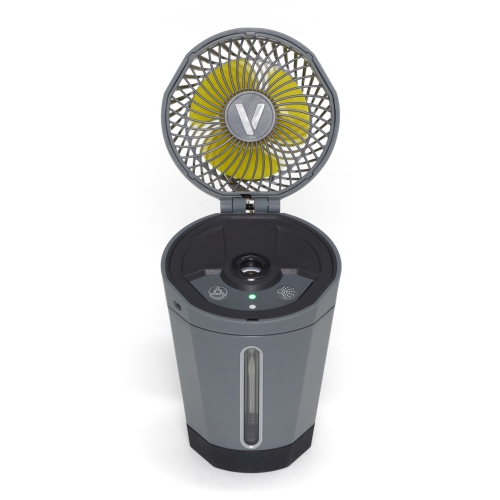


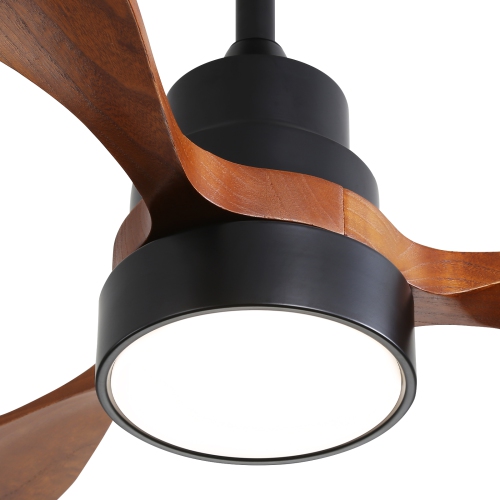

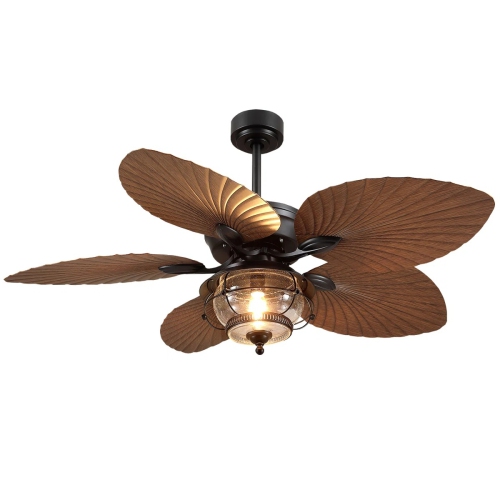
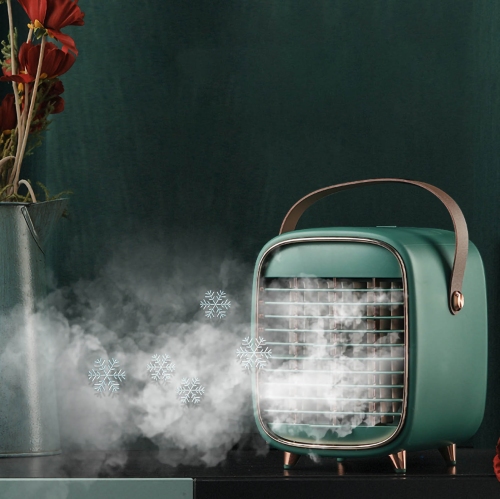
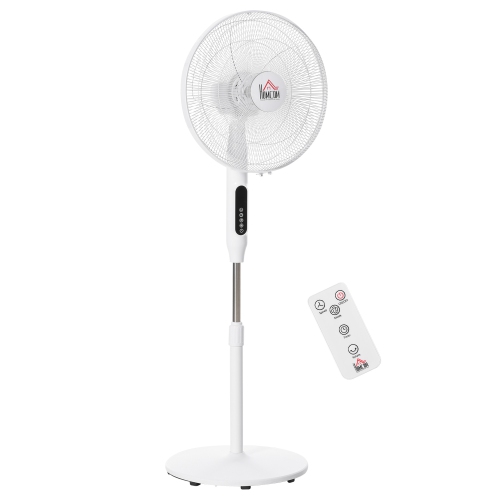

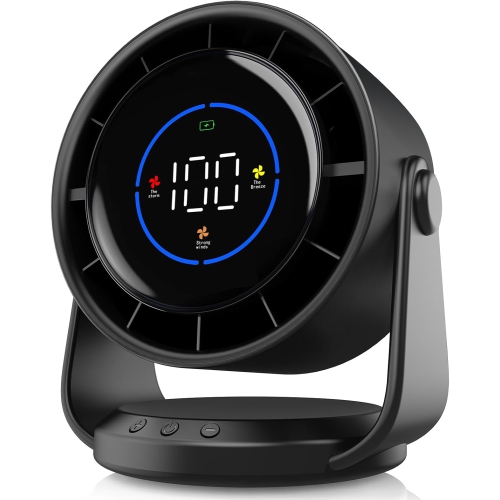
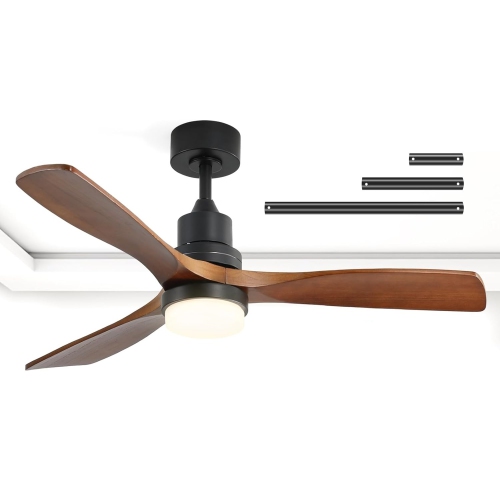
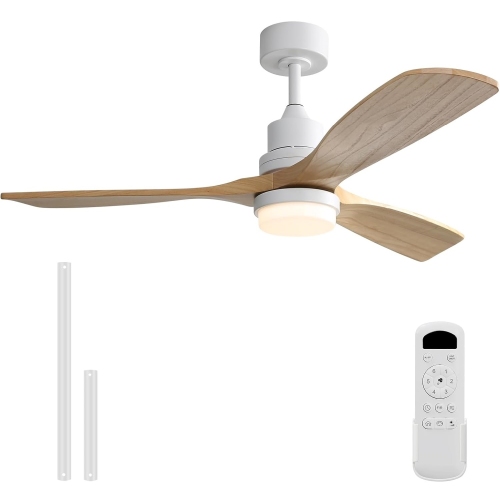


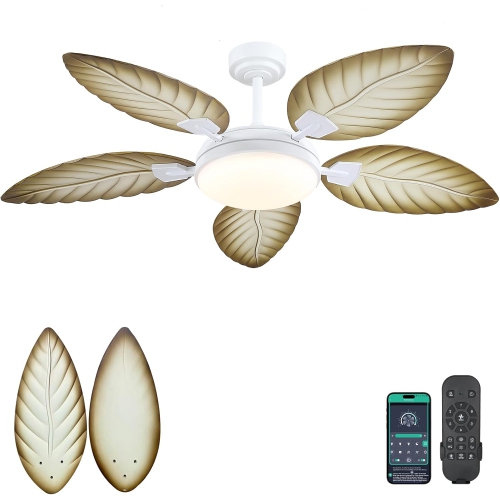
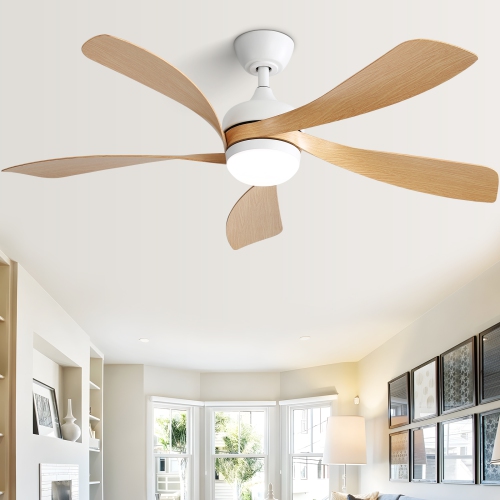
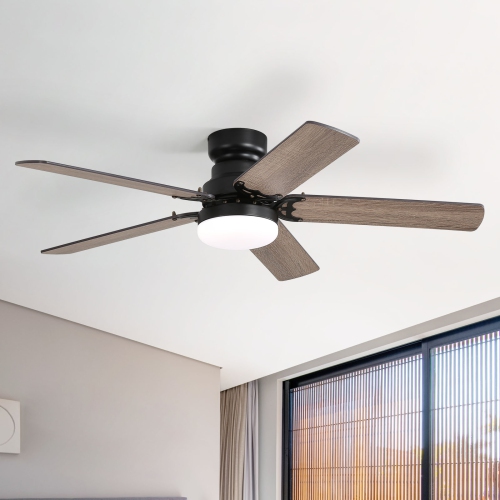
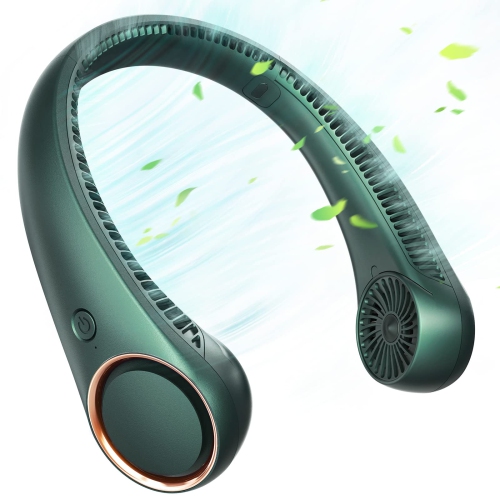
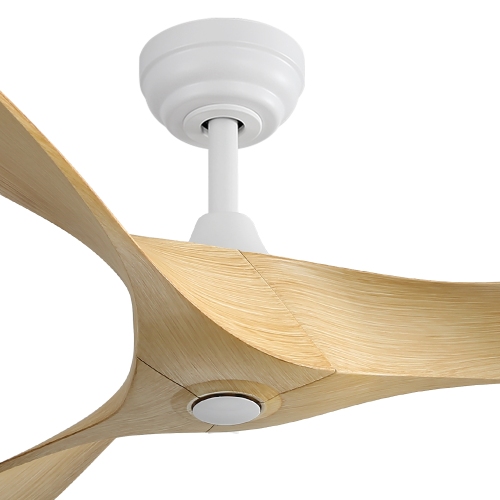


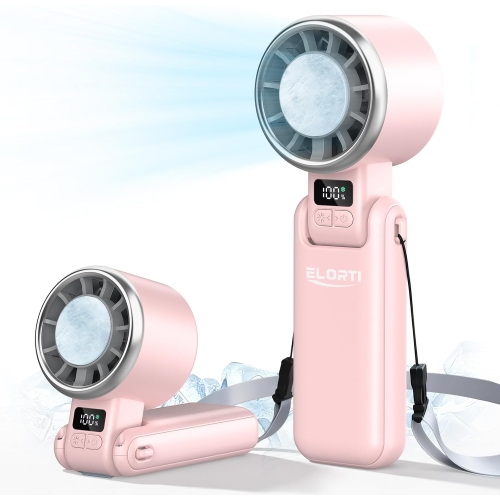



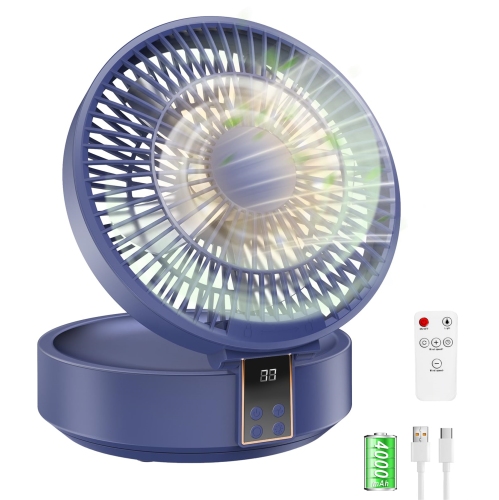
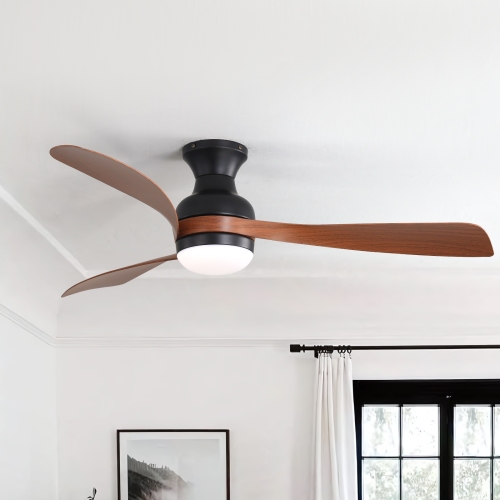
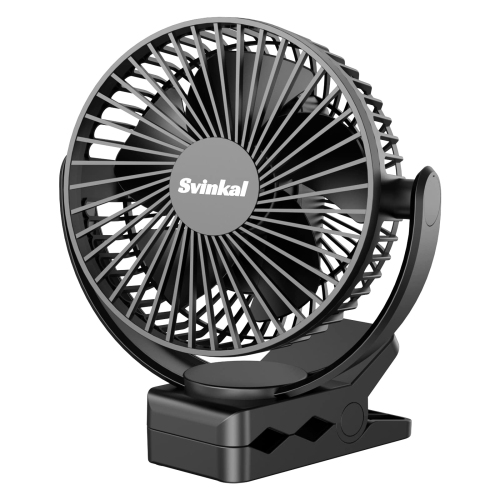

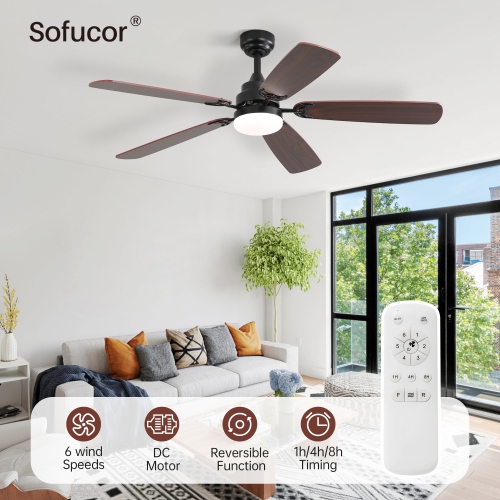

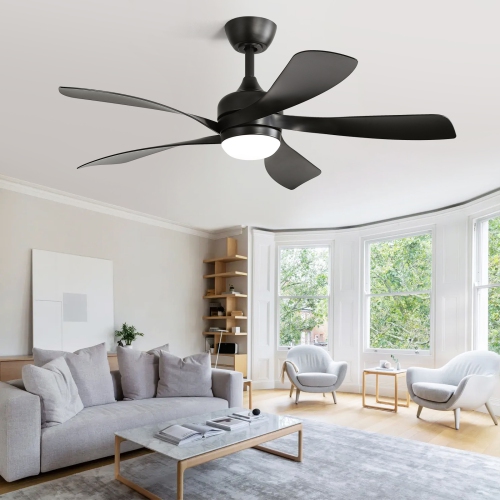
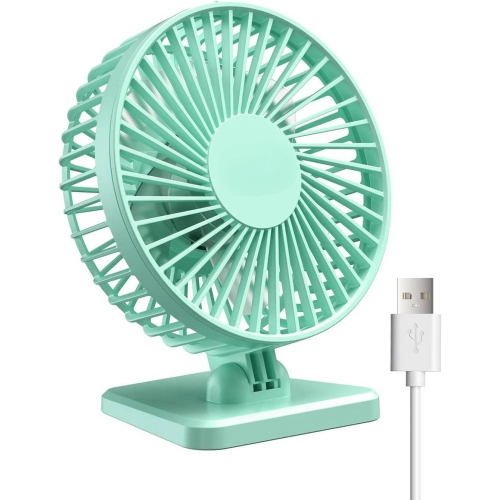
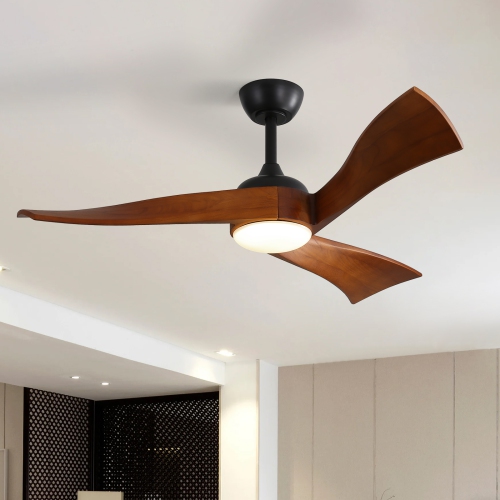

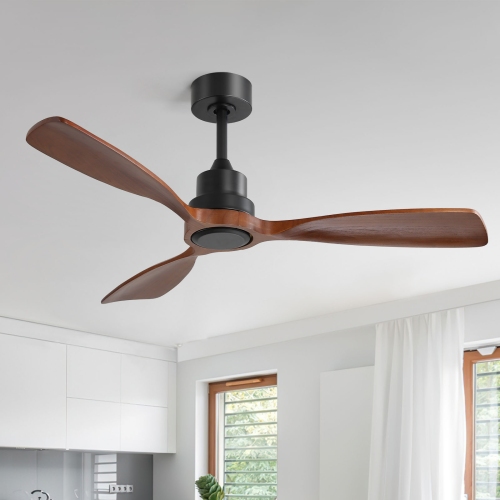
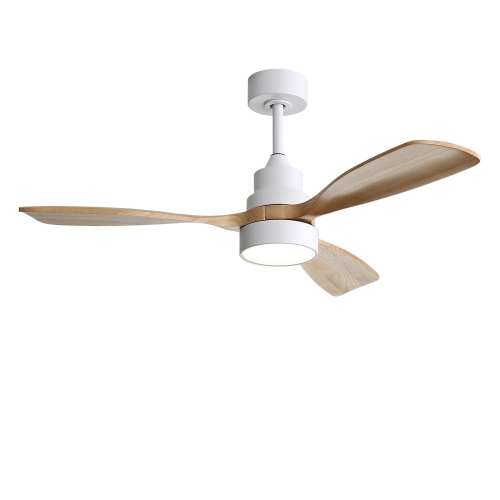
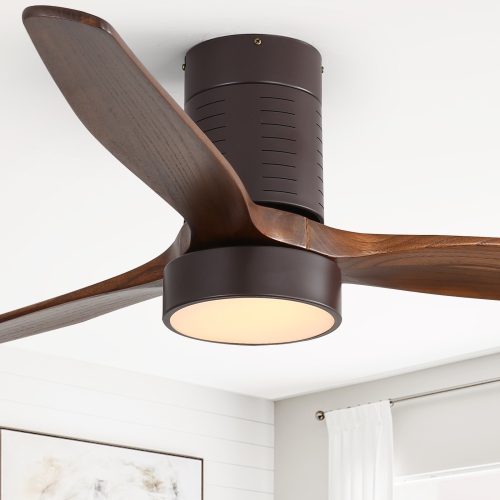
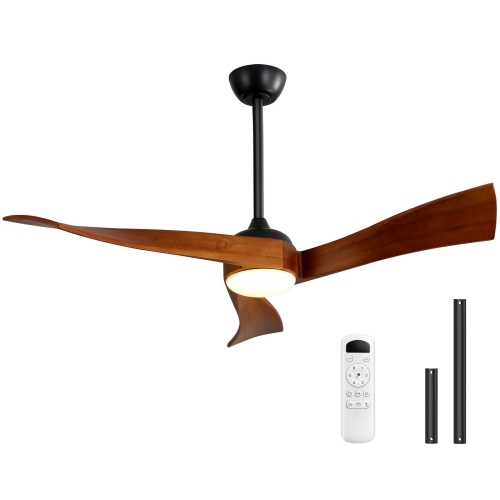
How airflow and placement shape comfort on warm days
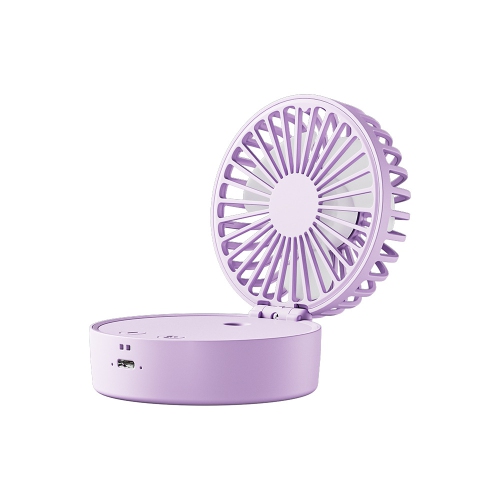
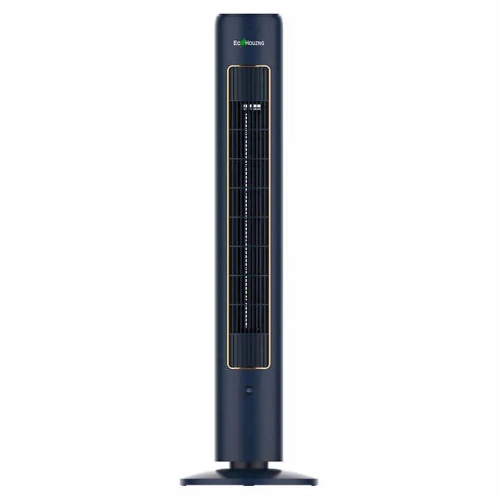
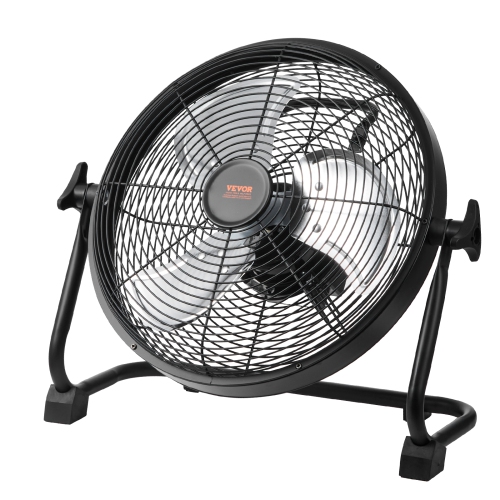
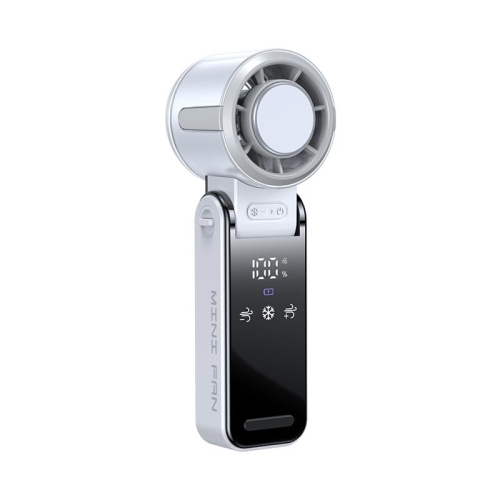
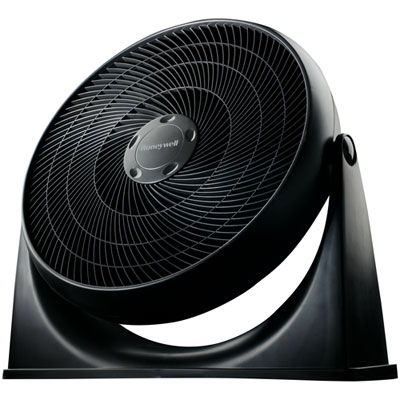
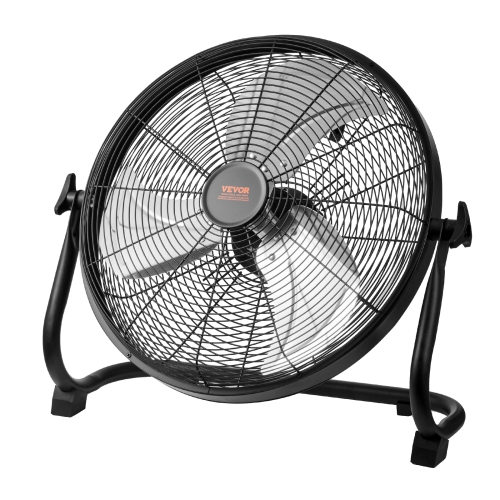
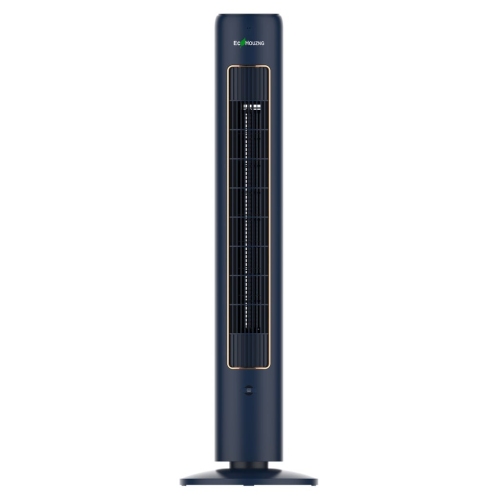
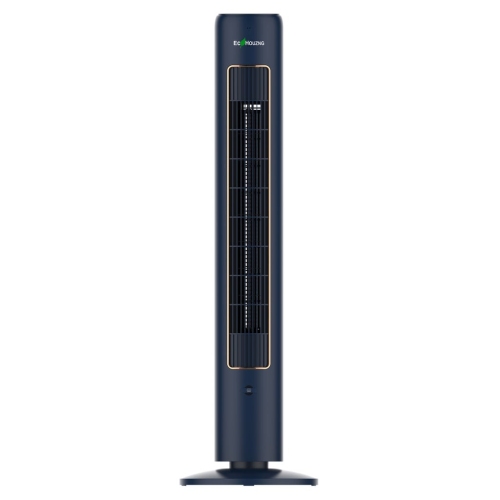
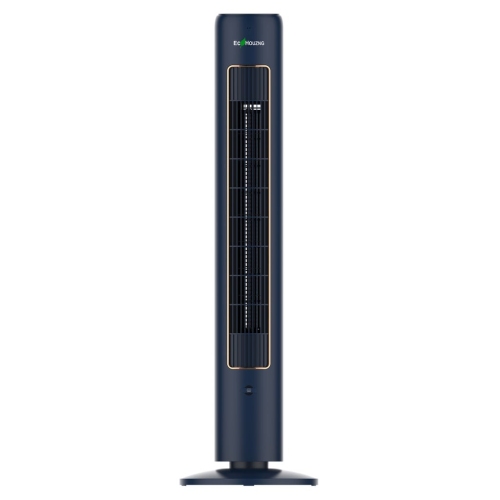
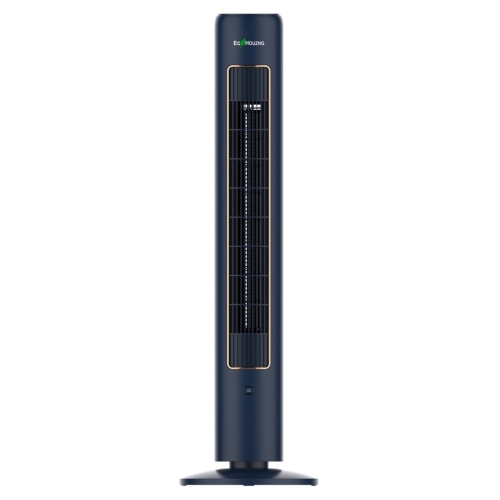
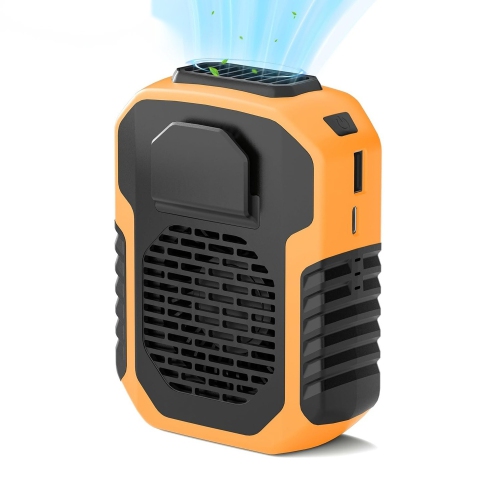
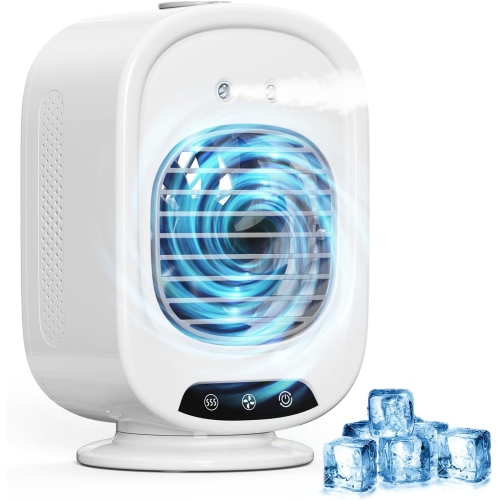
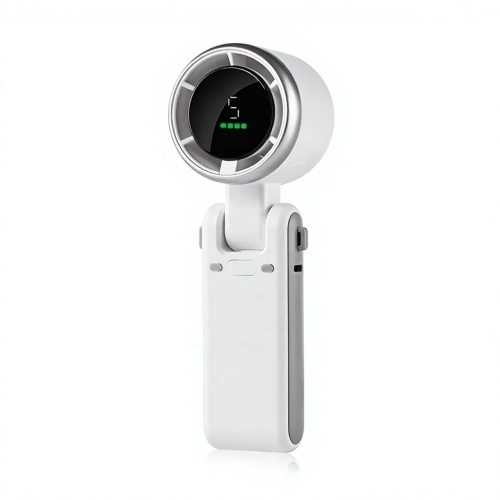
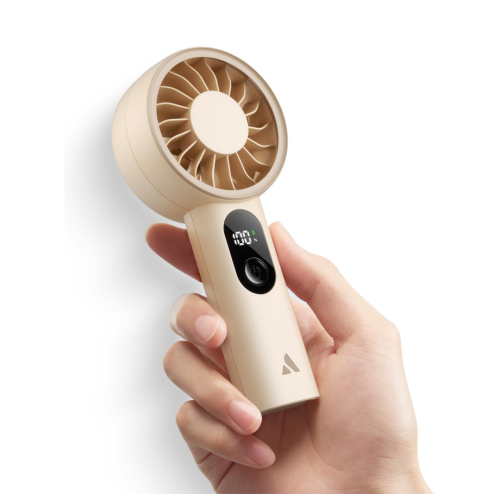
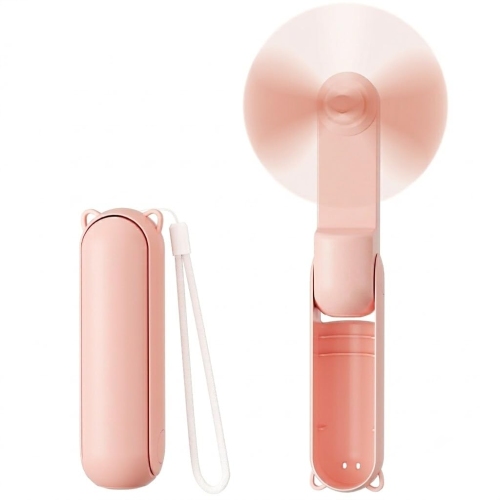
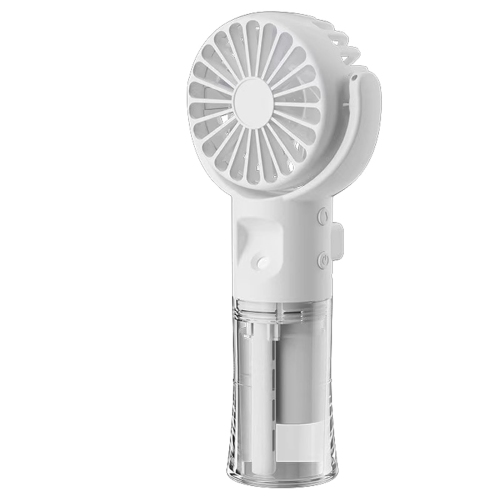
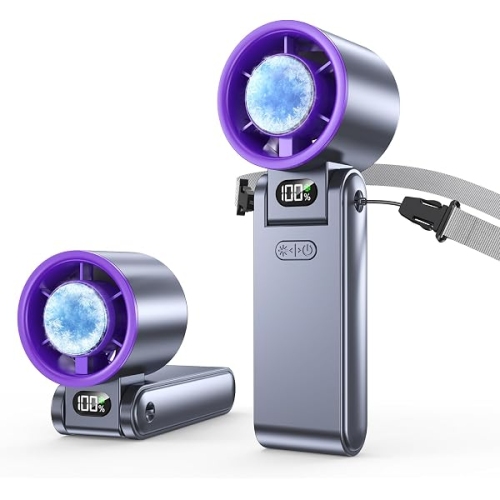
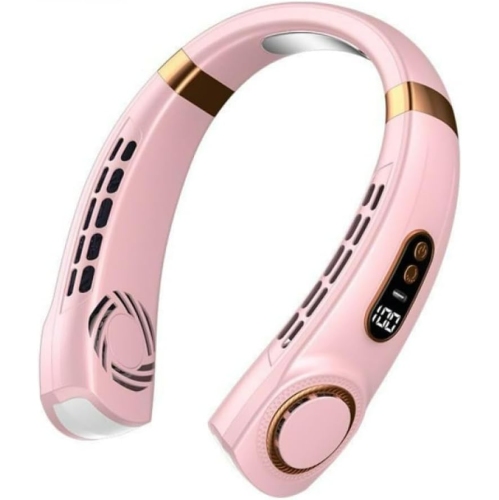
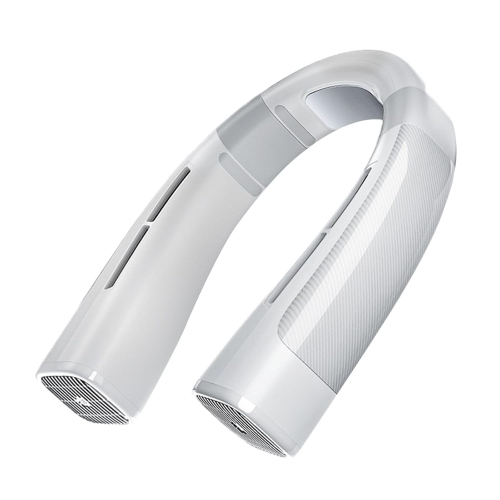
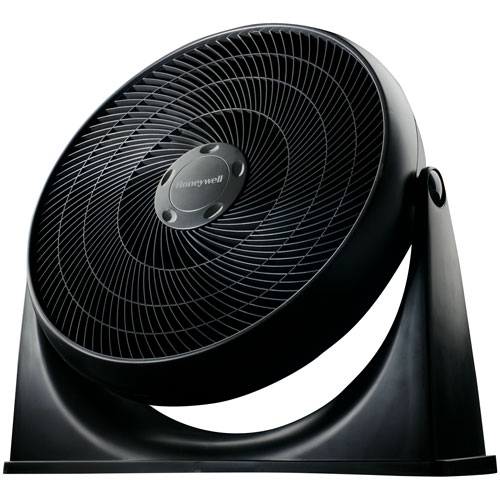
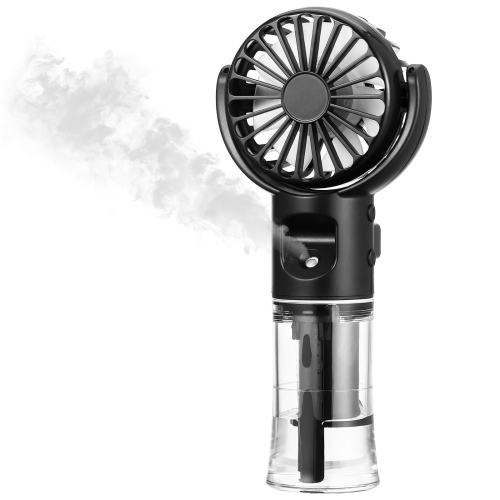
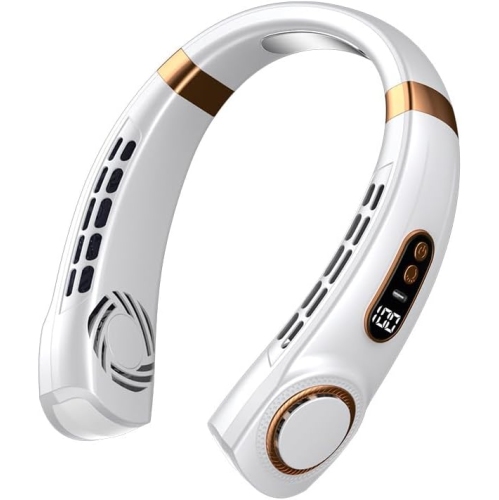
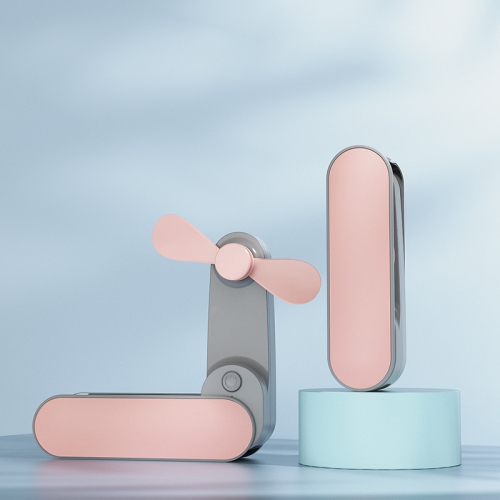
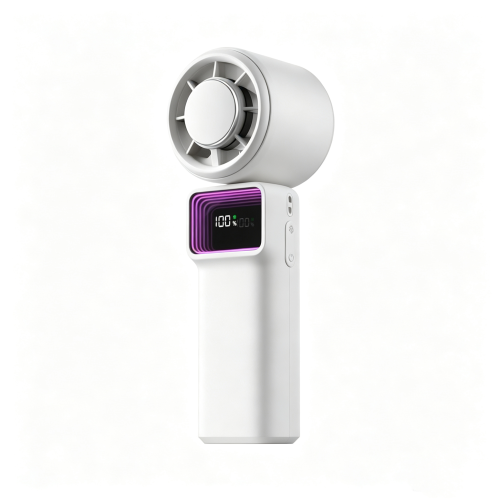
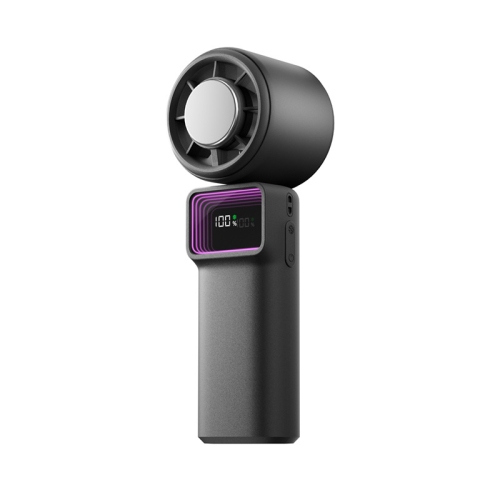
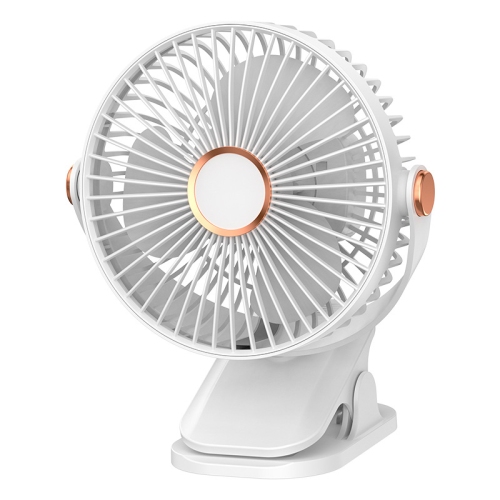
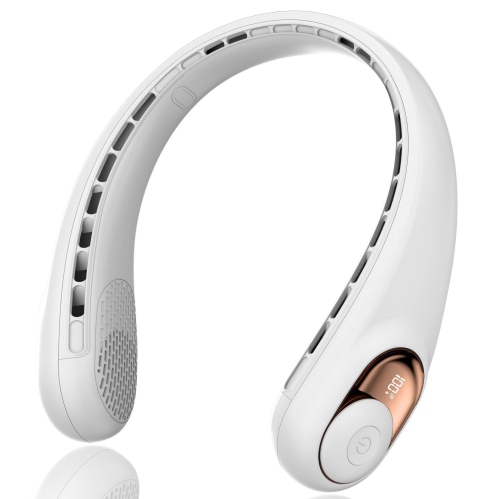
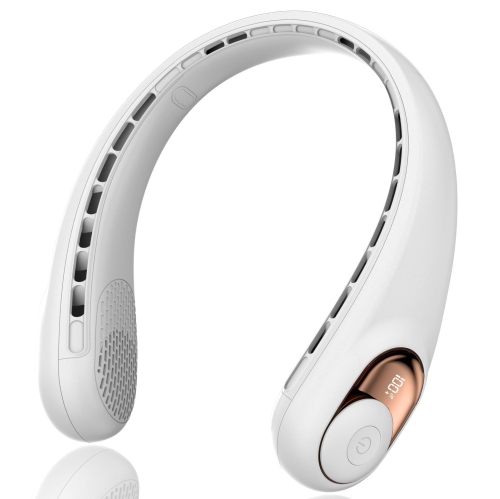
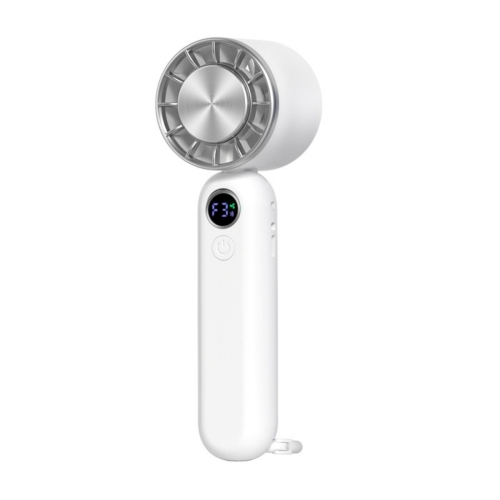
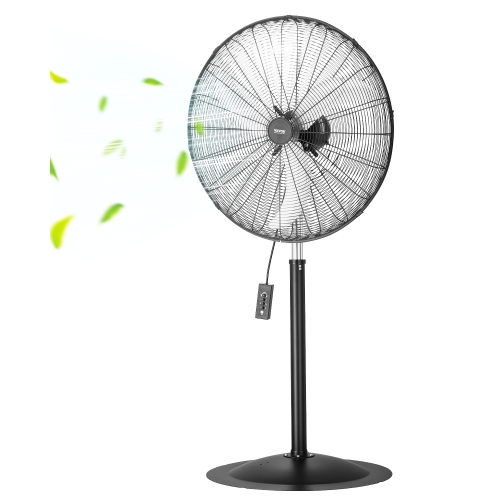
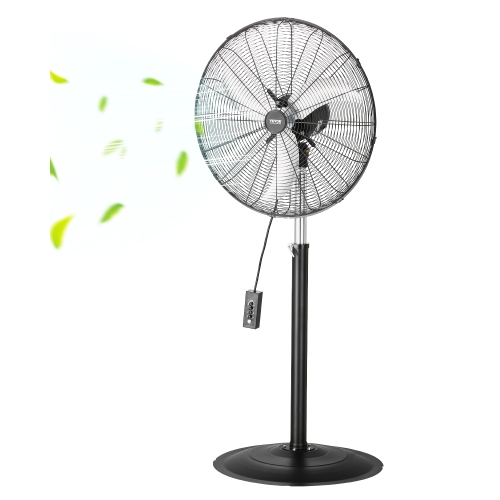
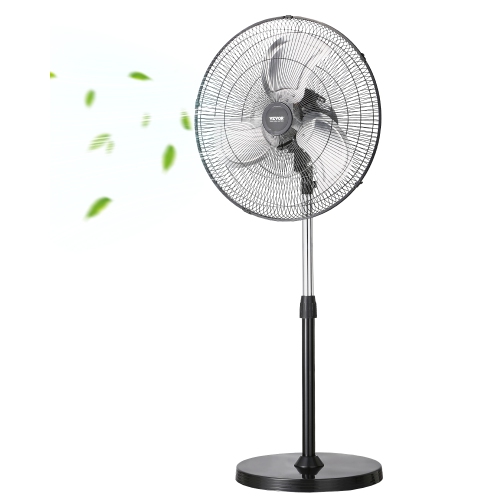
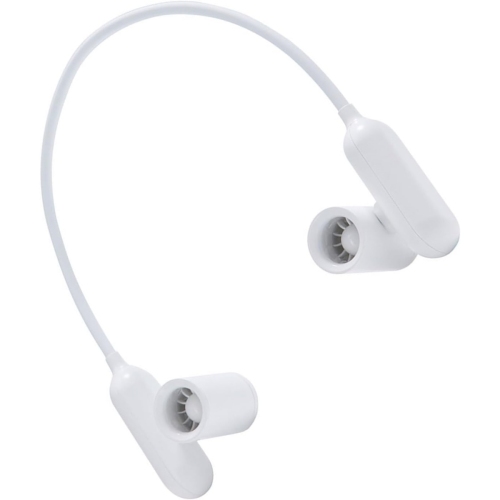
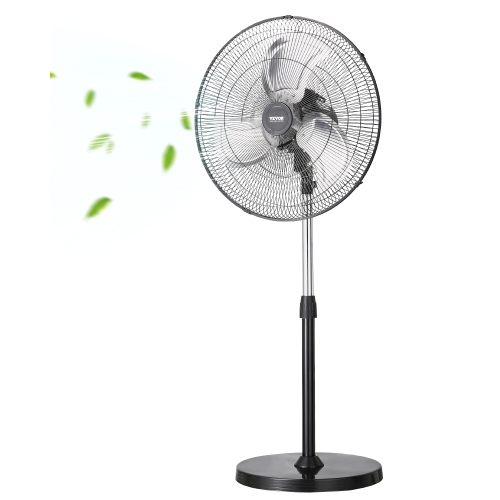
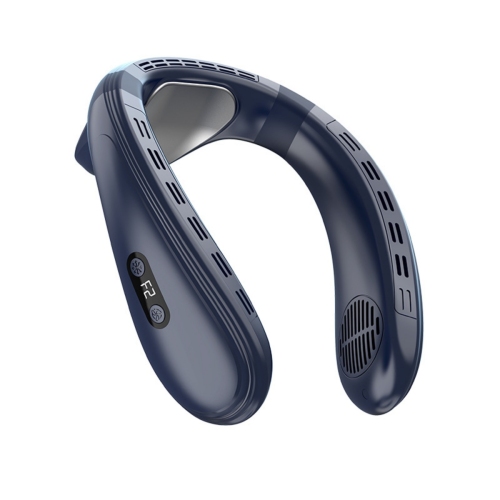
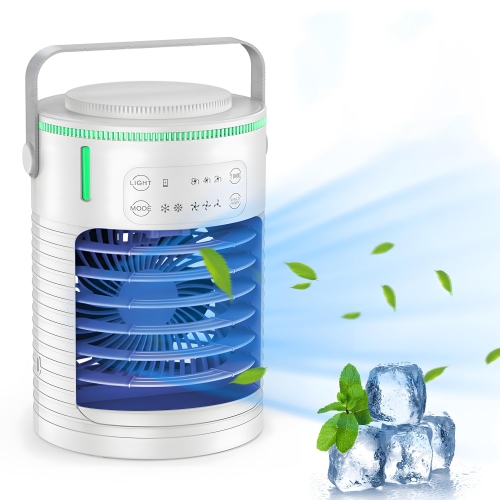
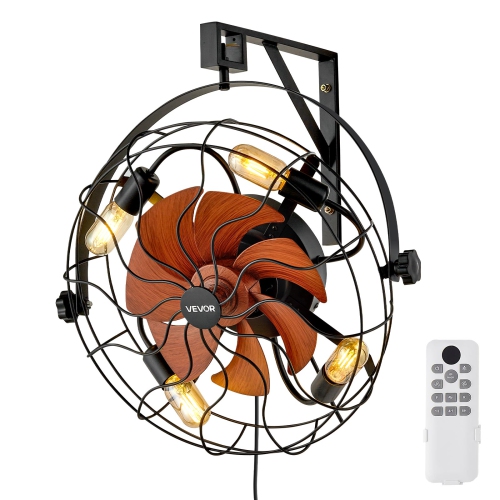
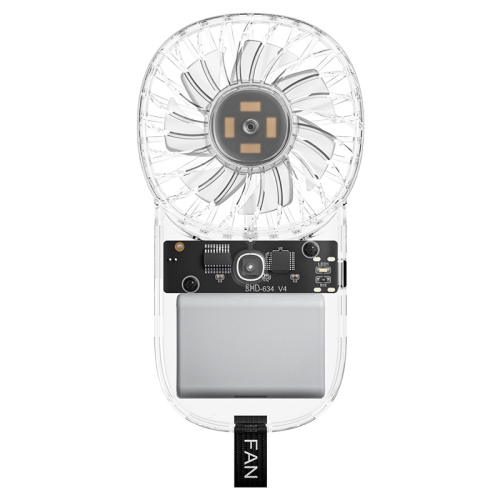
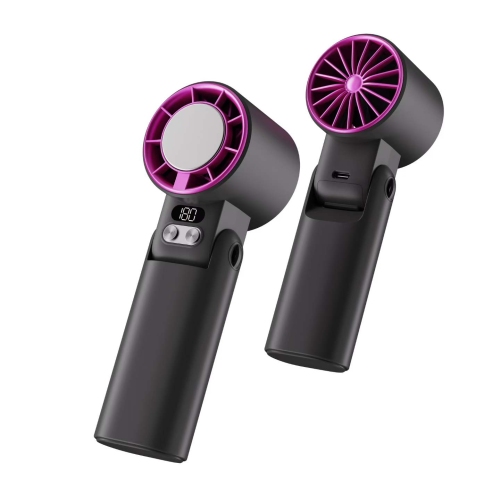
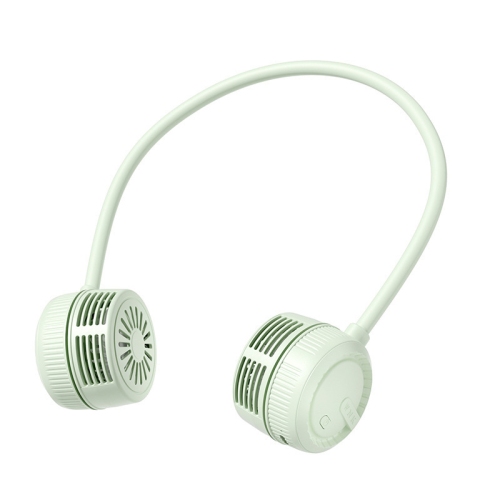
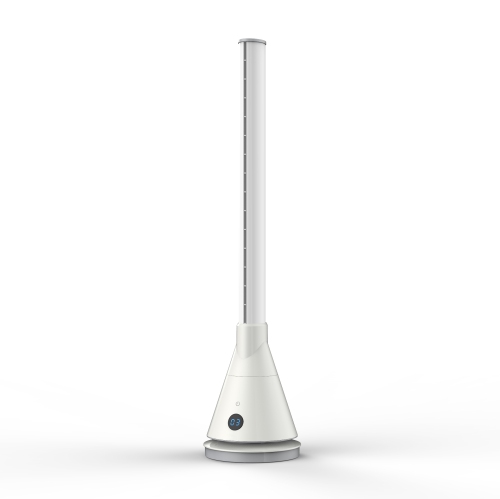
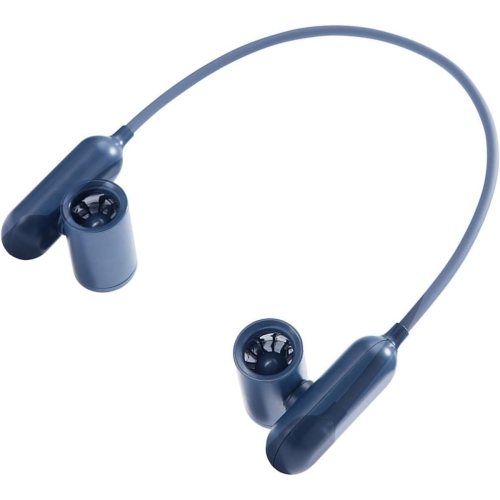
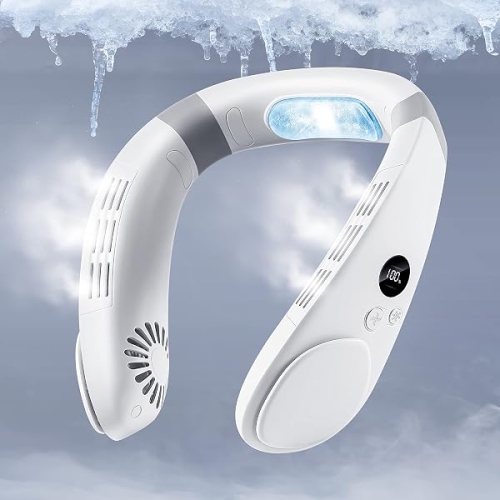
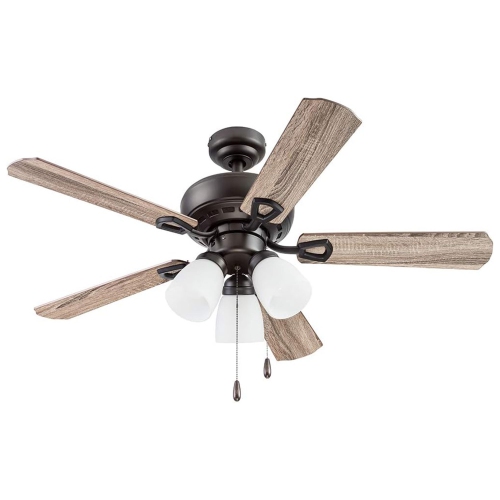
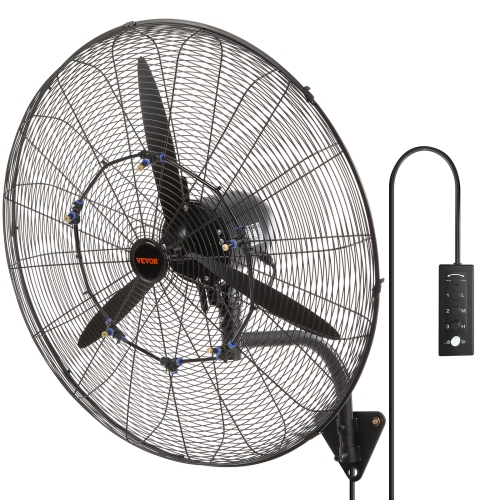
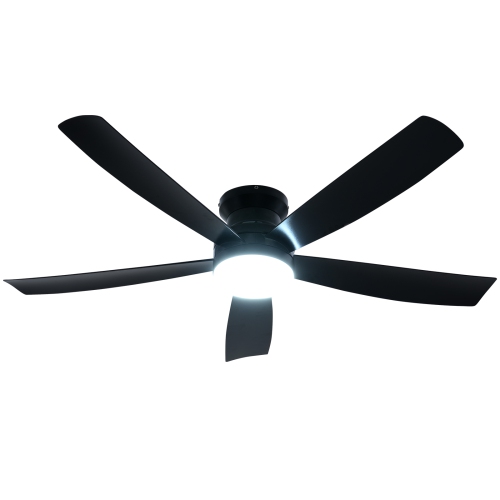
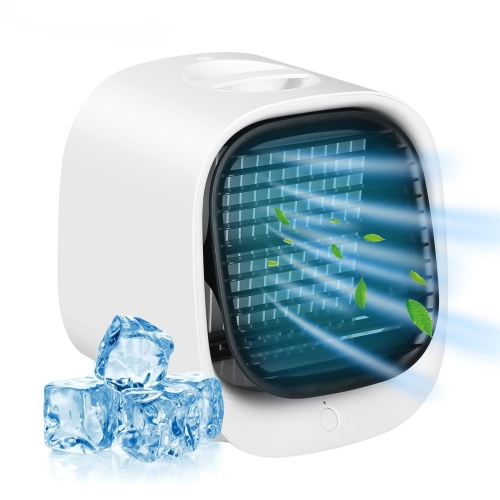
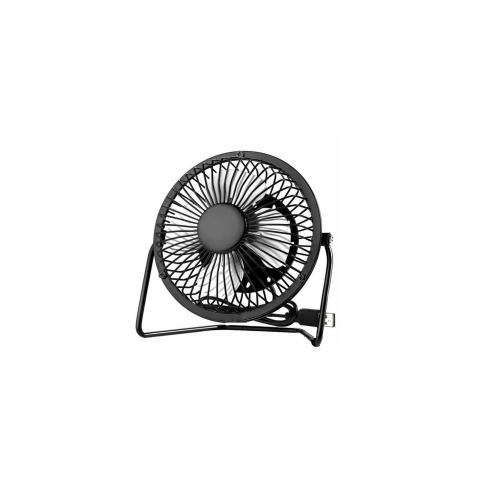
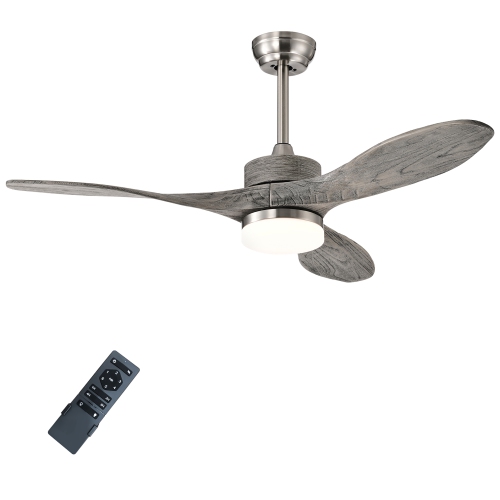
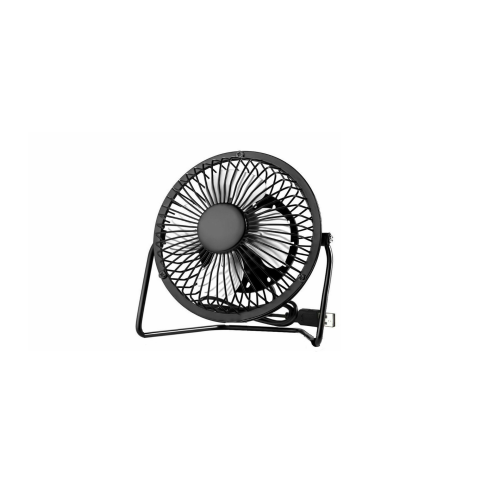
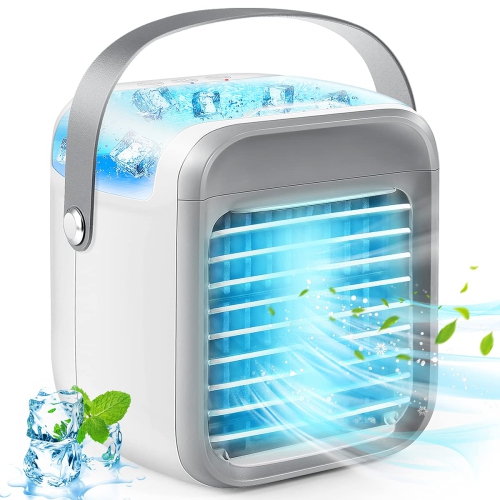
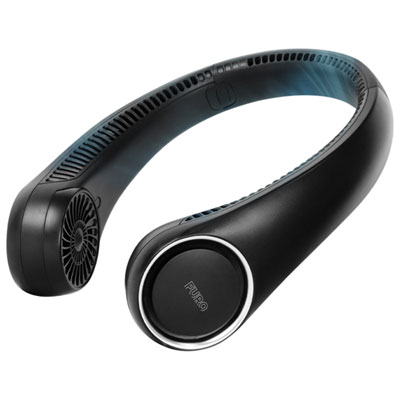
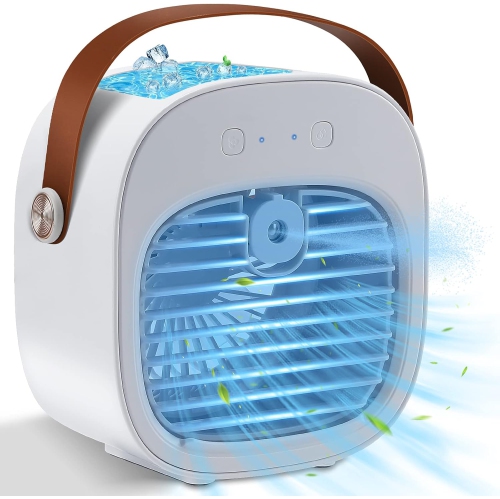
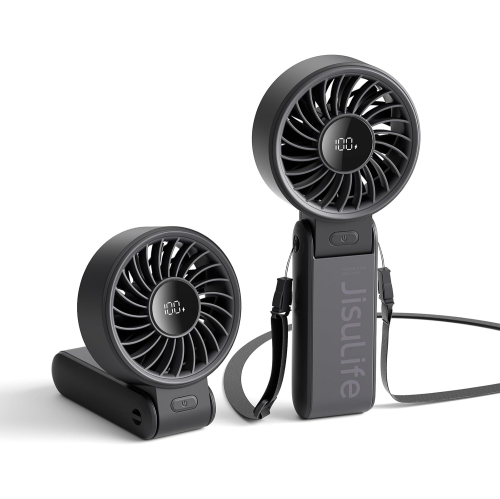
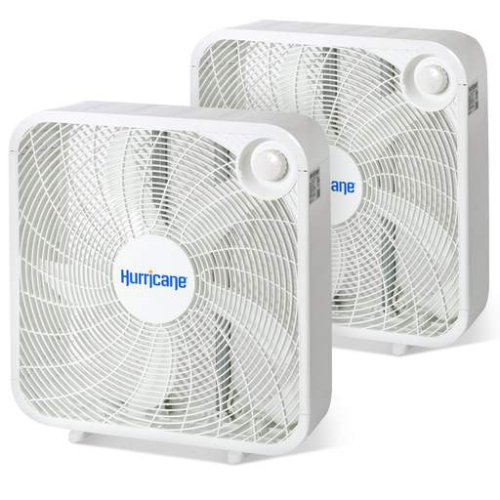
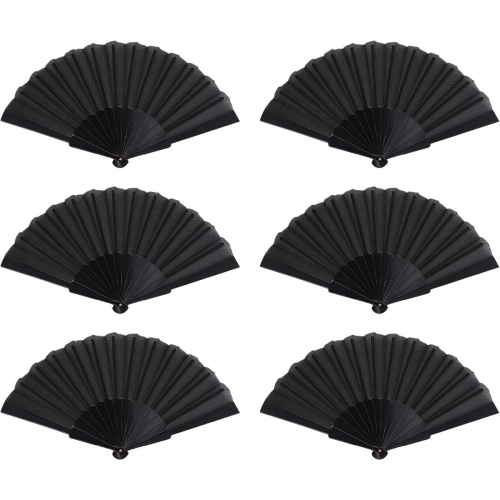
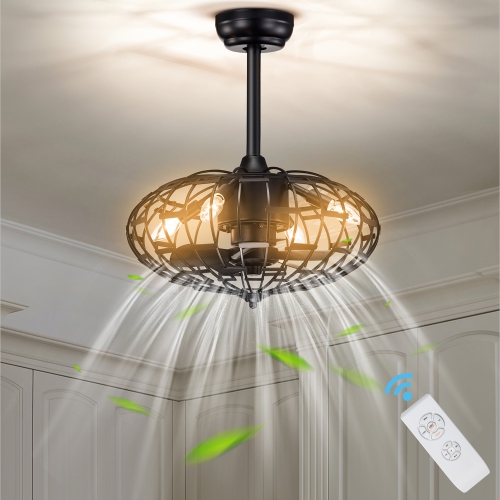
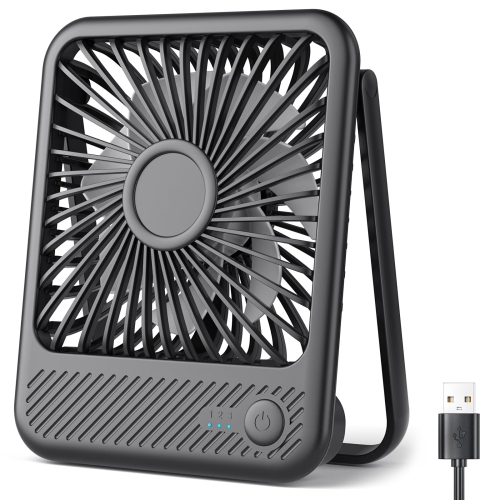
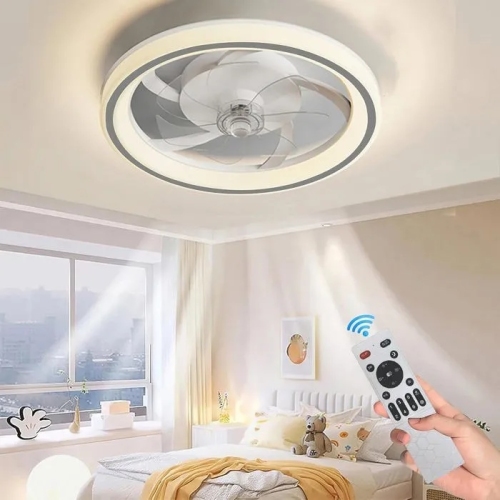
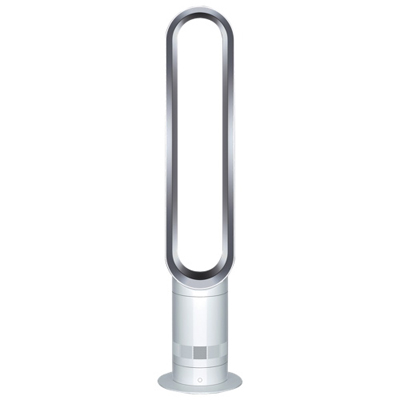
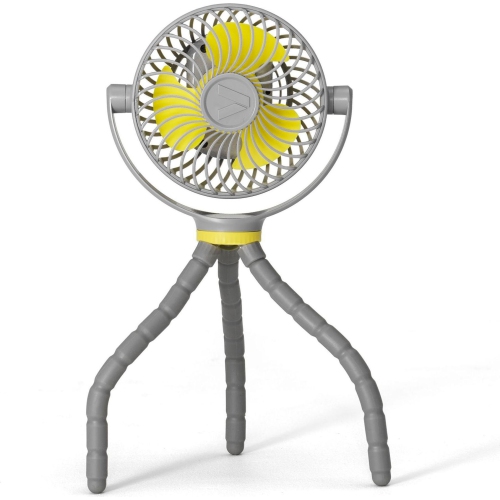
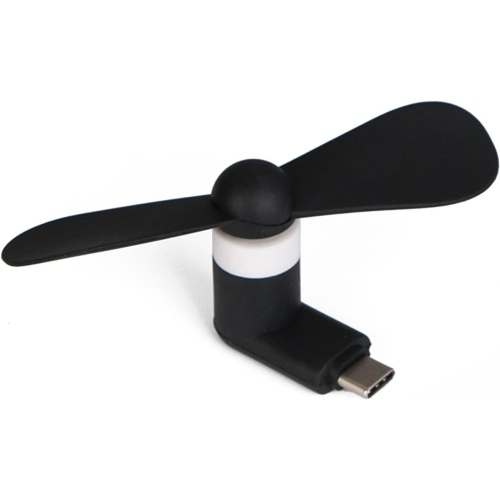
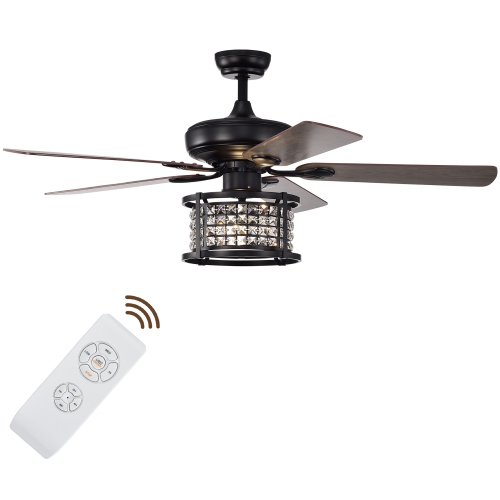
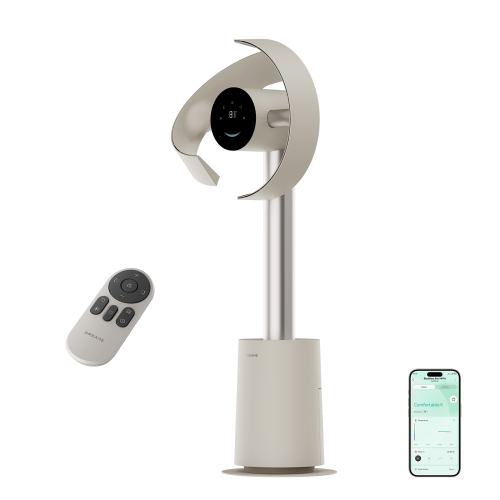
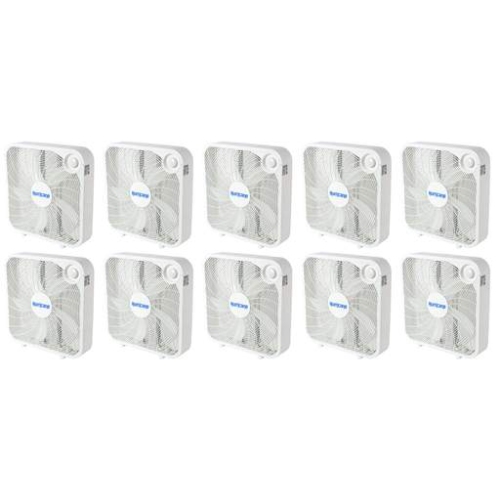
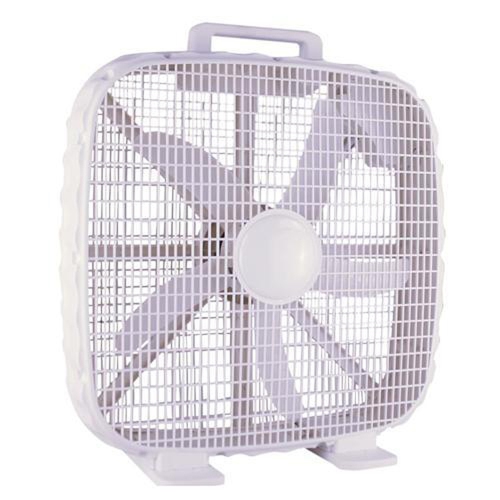
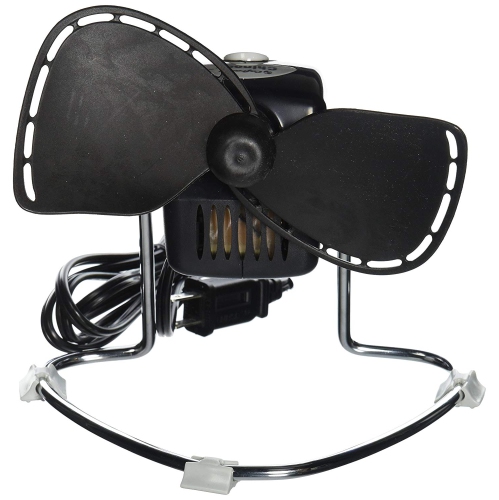
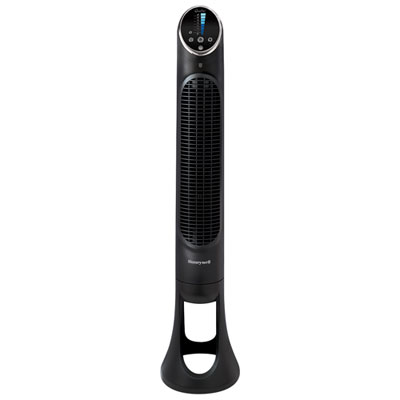
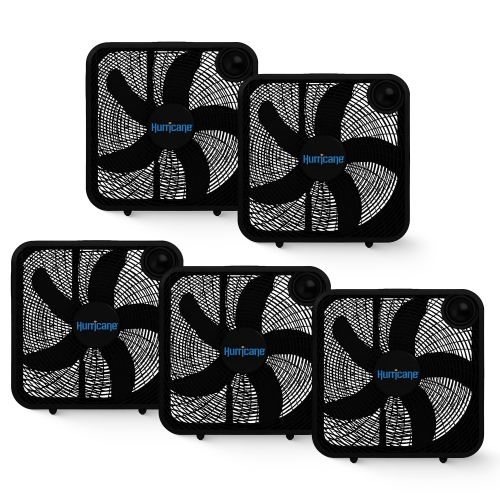
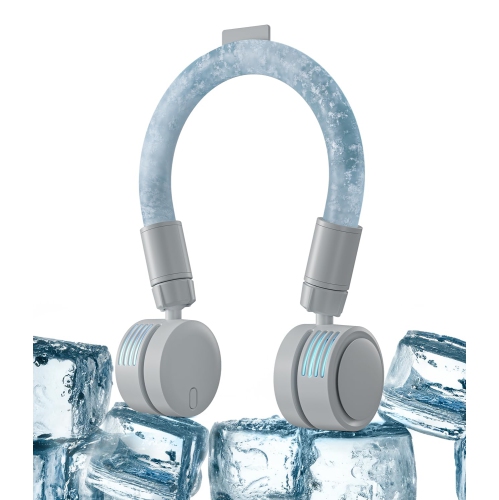
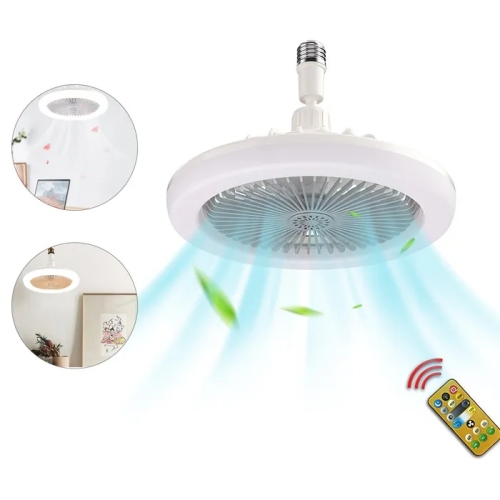
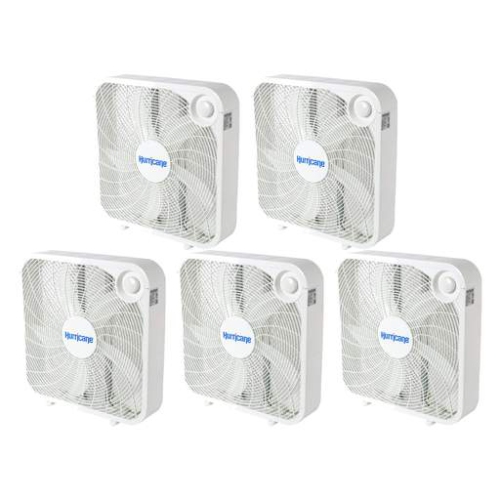
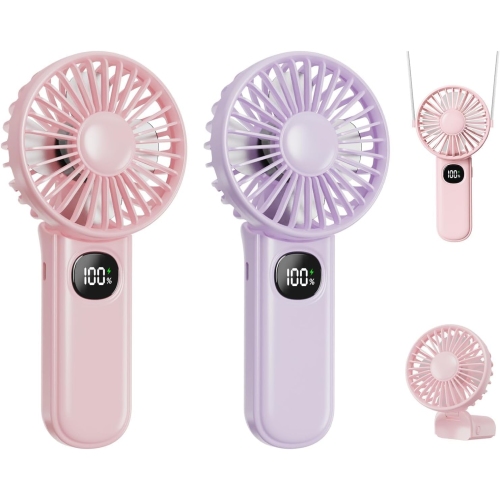
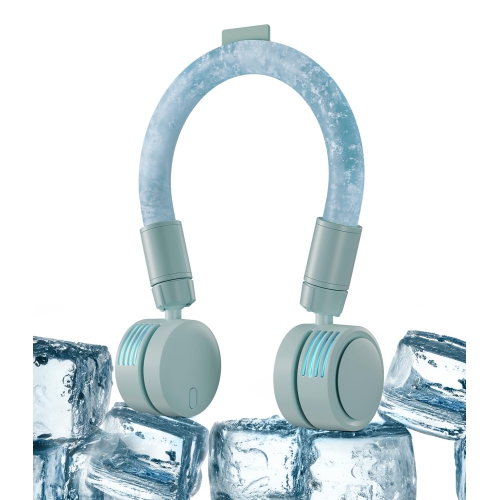
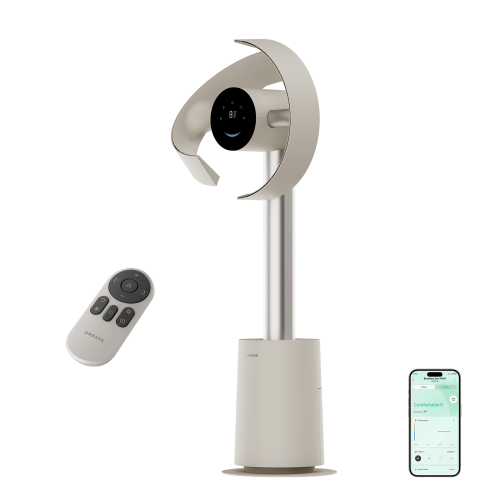
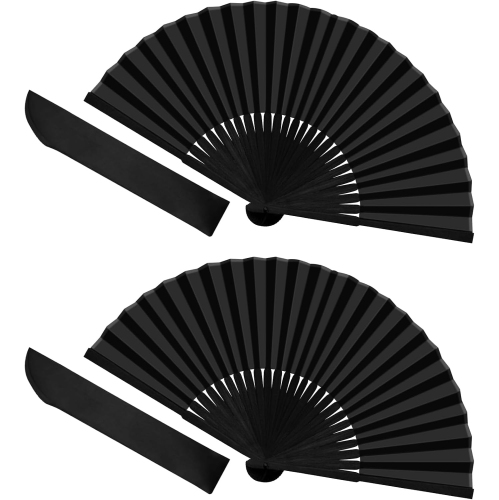
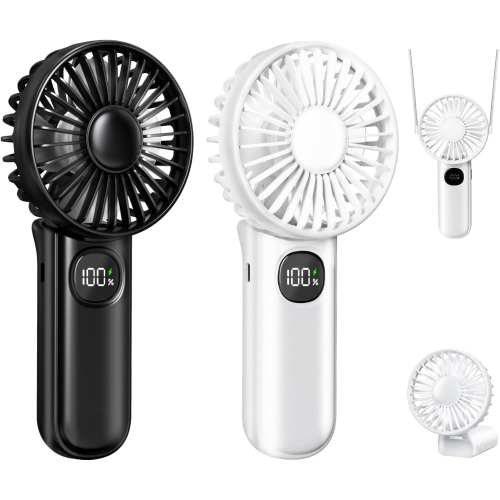
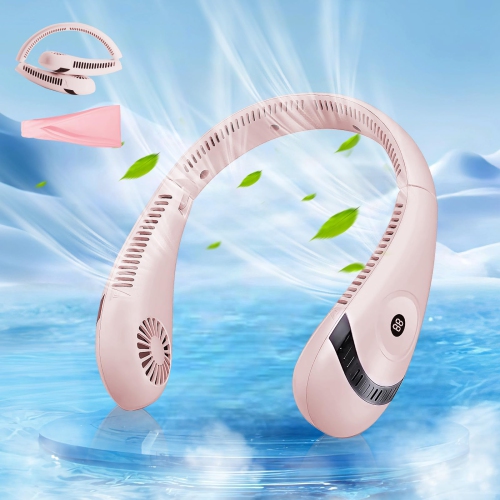
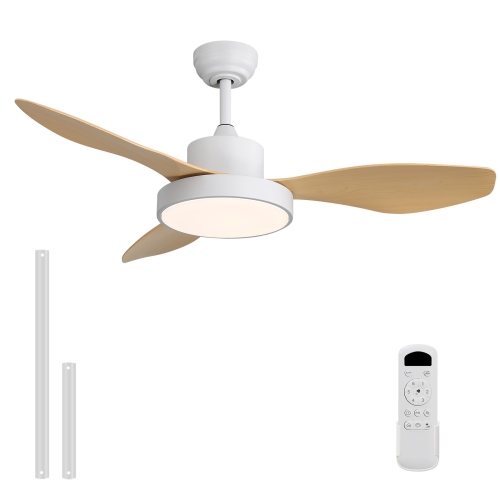
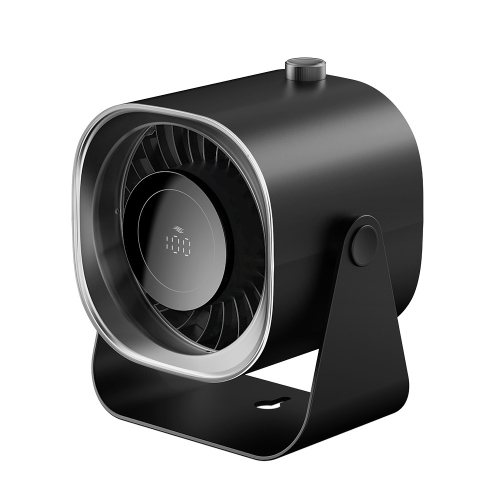
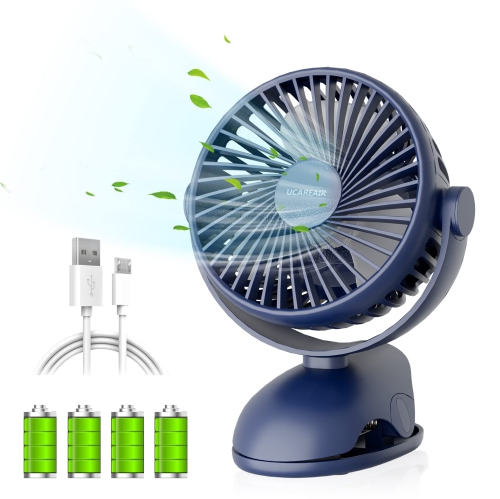
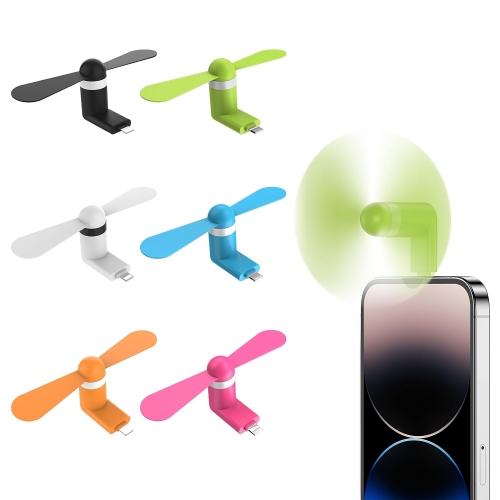
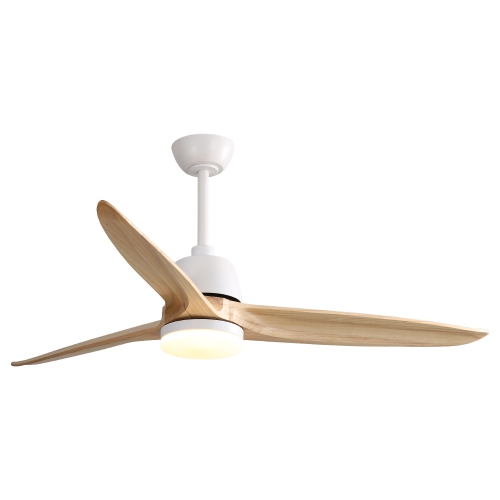
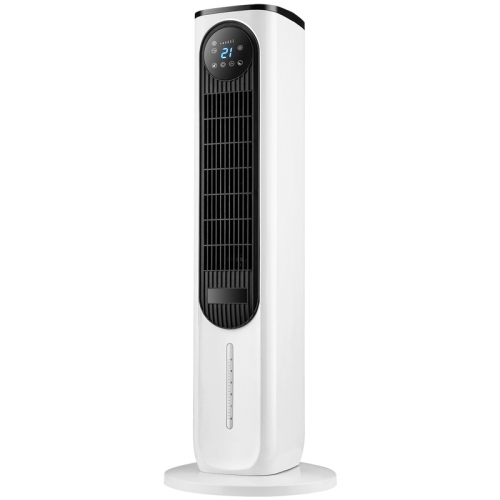
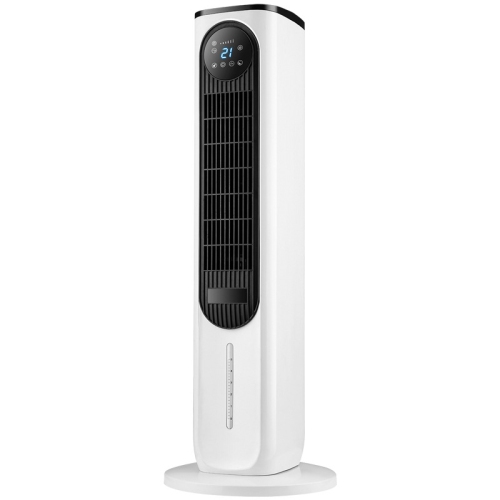
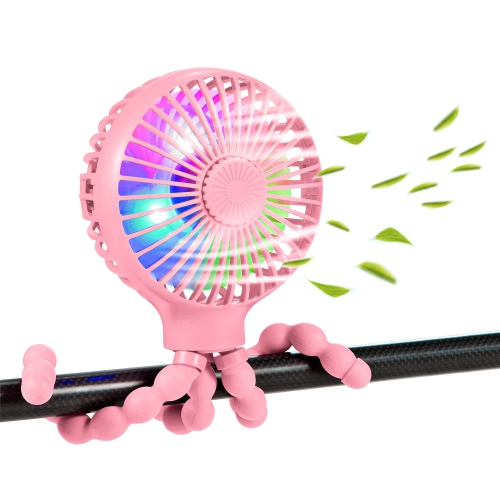
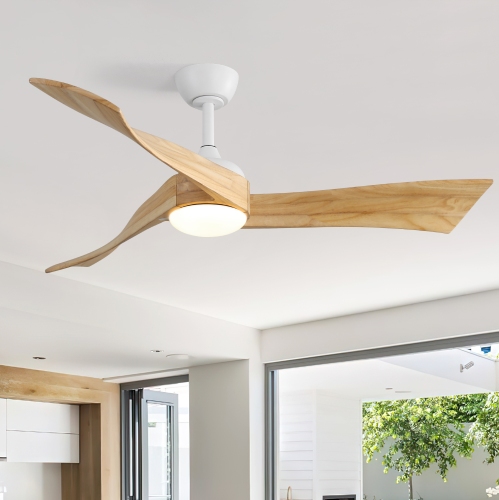
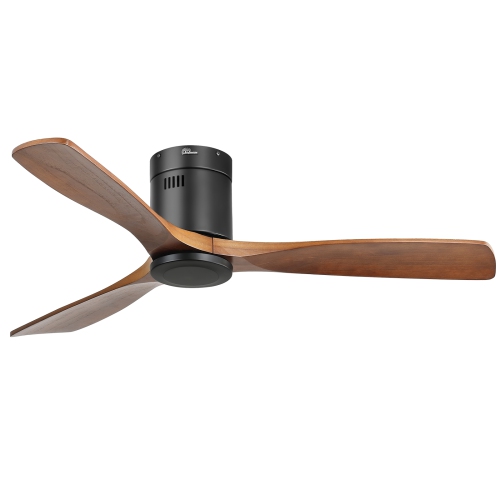
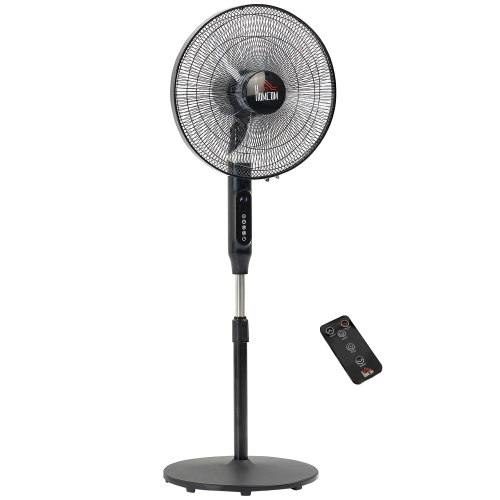
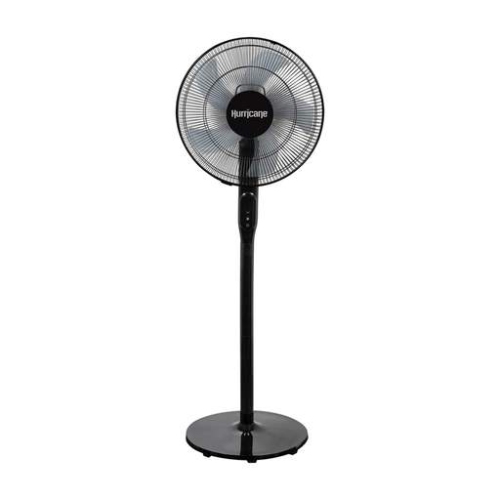
Summer fans move air to create a breeze that can make warm rooms feel more comfortable. Common types include pedestal, tower, desk, floor, window, and portable handheld fans, each suited to a different space or activity. Unlike air conditioners, fans do not actively lower a room’s air temperature; moving air helps the body release heat, including through the evaporation of moisture from the skin. That distinction makes airflow, placement, and personal comfort more useful points of comparison than appearance alone. A pedestal fan raises the airflow above floor level, making it practical beside a sofa or across from a bed, while an adjustable stand helps direct the breeze towards seated or standing occupants. Tower fans have a tall, narrow profile that can fit neatly beside furniture, although their base still needs enough clear floor space for stability. Desk fans concentrate airflow around a smaller area, such as a home office workstation, a craft table, or a bedside surface. Floor fans can provide a stronger, more direct stream of air across an open room, while box fans offer a broad face that suits straightforward air circulation. Window fans are designed for a suitable window opening and can support air exchange when outdoor conditions are favourable, particularly when the air outside is cooler than the air indoors. Portable handheld fans serve a different purpose, providing a personal breeze while travelling, attending outdoor events, or waiting in a shaded spot. Their usefulness depends on comfortable handling, manageable weight, and a power source that suits the outing. Across summer fans and Cool Air Fans, the most practical design is one that directs air where it is needed without crowding the surrounding space. A broad living area, a narrow bedroom, and a small desk each place different demands on the fan’s shape, reach, and adjustment range.
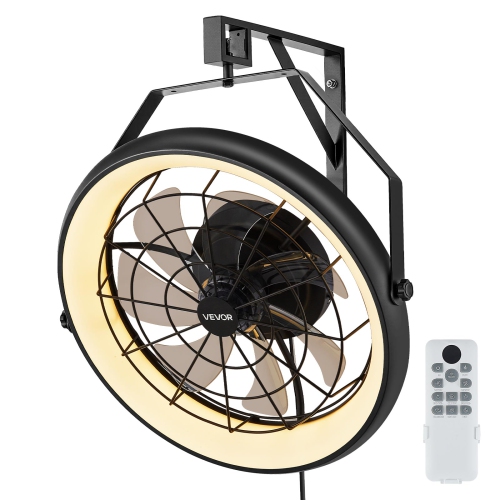
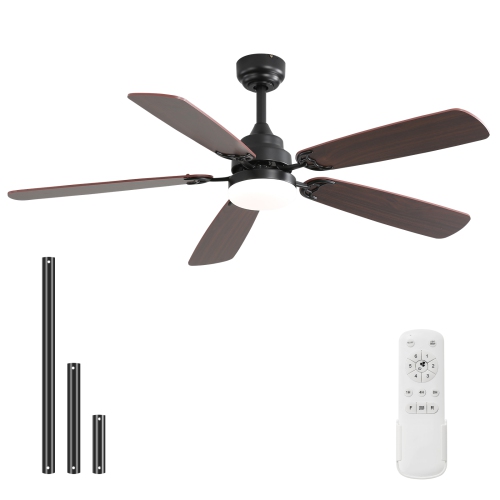
Airflow controls determine how well a summer fan adapts to everyday routines. Multiple speed settings allow anything from a light breeze during reading to more noticeable air movement after household activity. Oscillation sweeps the airflow from side to side, which can help share a breeze between people sitting in different parts of a room. A fixed direction may be preferable at a desk, where steady airflow across one seat matters more than coverage. An adjustable head or tilt mechanism adds flexibility, especially when the fan sits below the level of a chair or mattress. Sound deserves equal attention: the soft rush of air may be welcome as background noise, while motor hum, vibration, or a pronounced change in sound between settings can be distracting during calls or sleep. Published sound measurements are most useful when their testing conditions are comparable, since a reading taken at one speed or distance may not represent another setting. A quiet mode can be helpful, but the airflow it produces still needs to suit the intended use. Timers allow operation for a set period, and a remote control can make adjustments easier from a bed or sofa. Clear buttons, readable displays, and controls positioned within comfortable reach are useful details for anyone who prefers simple operation. For sleeping spaces, display brightness and the ability to dim or switch off indicator lights can matter as much as the number of settings. Cord length also affects placement, particularly when the nearest outlet is behind furniture. Rechargeable portable fans introduce another consideration: running time varies with speed, battery capacity, and any additional functions in use. A compact fan intended for an occasional outing has different requirements from one expected to provide airflow through a long afternoon away from a charging point.
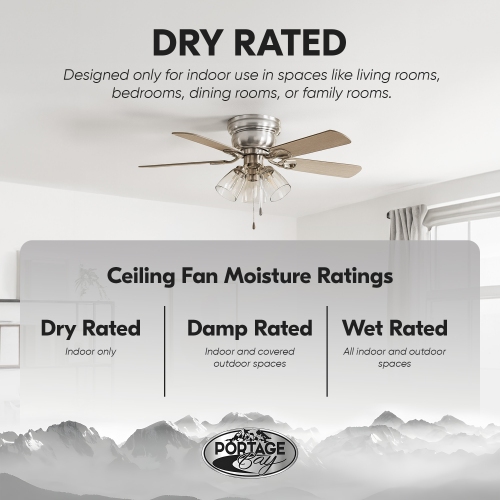
Materials, construction, and care influence how a fan fits into a household over time. Plastic housings are often relatively light and easy to wipe down, while metal frames and grilles can give some designs a more substantial feel. Neither material alone establishes durability; a stable base, secure adjustment points, a well-fitted grille, and a handle that feels firmly attached are equally relevant. A pedestal fan that stays at the chosen height is more convenient than one that gradually slips, and a tower fan should remain steady on the surface where it will be used. Dimensions need to account for the whole fan, including the base, rather than just the narrowest part of its body. Around children and pets, protective grilles do not replace supervision, and cords should stay clear of walkways and curious hands or paws. Designs described as bladeless still have openings and internal moving components, so their care and safety instructions remain important. Dust can collect on grilles, blades, and intake openings, making access for cleaning a useful consideration. Fans should be switched off and unplugged before cleaning, with removable parts handled according to the manufacturer’s directions and moisture kept away from electrical components. A dry, stable location is appropriate for an indoor fan; use on a deck, patio, or other exposed area requires a model specifically rated for those conditions. When a fan is not needed, clean, dry storage helps keep dust from settling into openings and protects the cord from being pinched beneath other belongings. For a student setting up a bedroom, someone furnishing a compact apartment, or a family sharing a busy living room, these everyday details often matter more than an elaborate feature list. A well-matched summer fan leaves room to move, reaches the people using the space, and offers controls that feel straightforward throughout an ordinary day.
Top selling and popular products
-
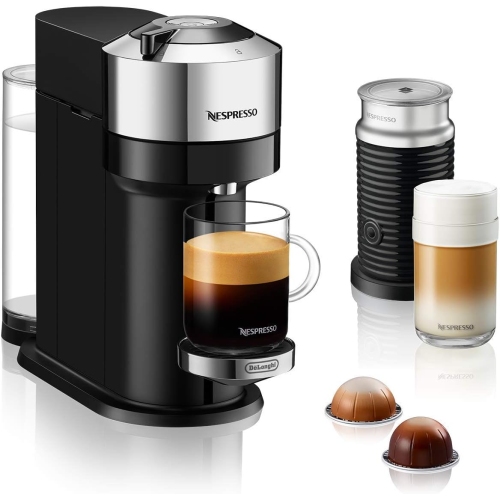 Your price for this item is $139.99
-
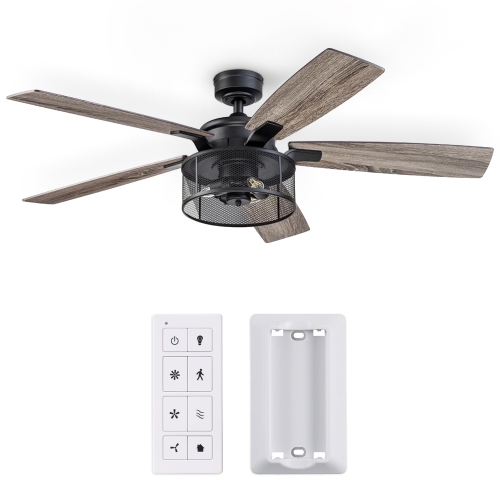 Your price for this item is $317.99
-
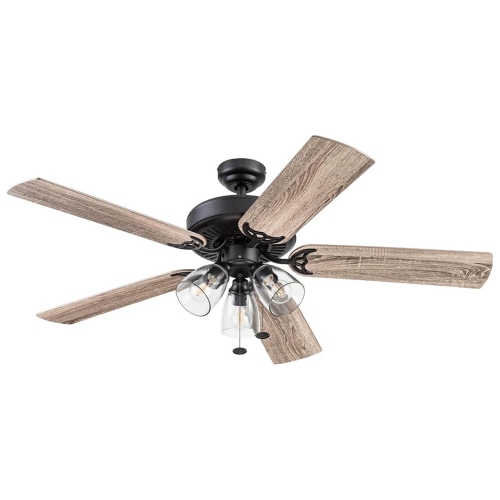 Your price for this item is $299.99
-
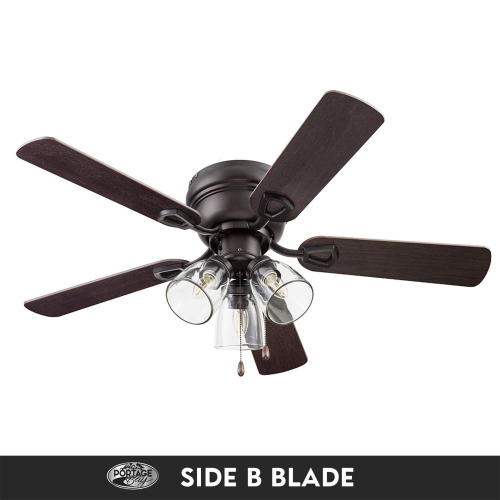 Your price for this item is $208.99
-
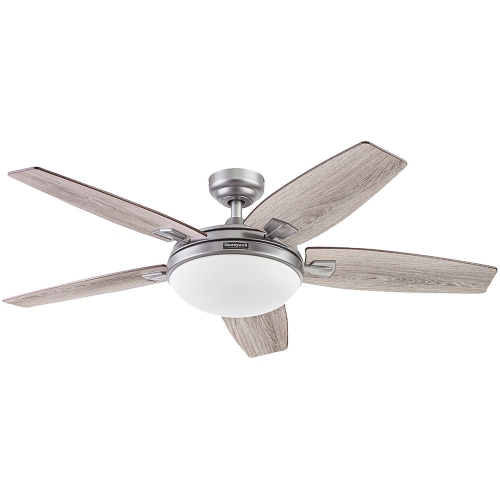 Your price for this item is $362.99
-
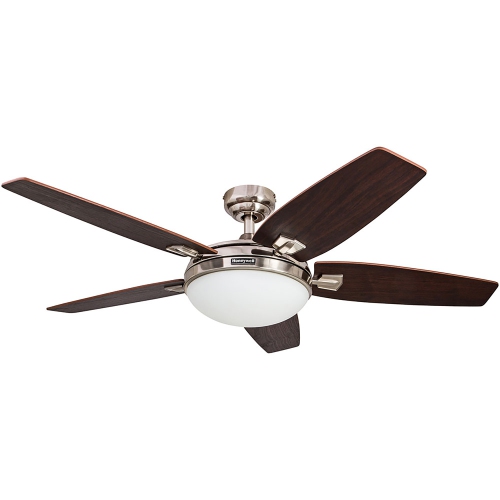 Your price for this item is $338.99
-
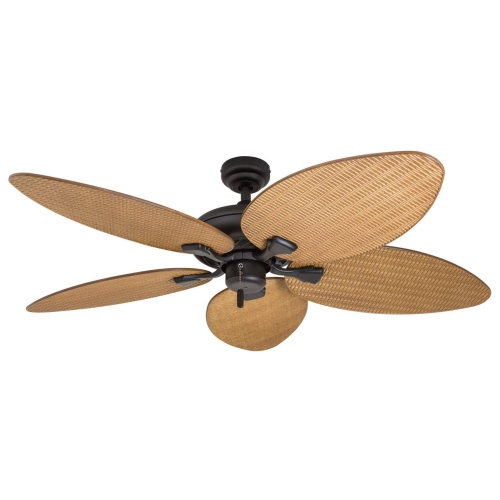 Your price for this item is $404.99
-
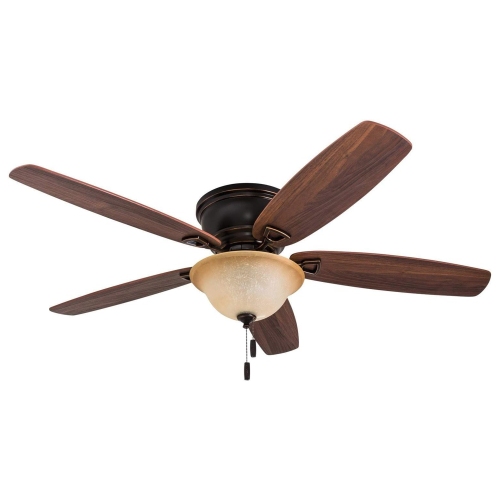 Your price for this item is $321.99
Discover more categories related to Summer Fans
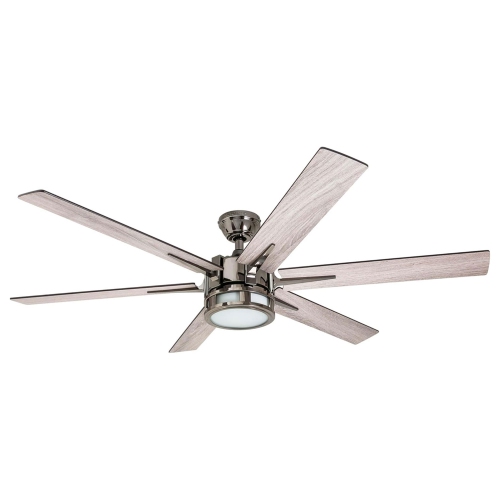
Top Collections:
Best Black Friday Deals This Year, Best Black Friday Deals On Electronics, Kindle Devices, Pokemon Centers, Best Black Friday Deals On Apple Products, Best Cameras for Sports Photography, Dyson Airwrap, Pokémon 30th Celebration Cards, Apple iPhone 17 Pro, Canon G7X Cameras
Some products may be subject to Environmental Handling Fees
(EHF) depending on your province.
Learn more about EHFs.