Tabletop Stoves
Transform your culinary experience with the versatility and convenience of tabletop stoves, perfect for any kitchen or outdoor setting. Whether you're a gourmet chef or an occasional cook, these compact cooking solutions offer flexibility and style, making them an ideal choice for small spaces or on-the-go meal preparations. Explore a range of options that cater to your cooking needs, from quick weekday dinners to elaborate weekend feasts. With sleek designs and innovative functionality, tabletop stoves are a must-have addition for anyone looking to elevate their cooking game without compromising on space or efficiency.
Sort
Flexible cooking space for small kitchens and busy meals
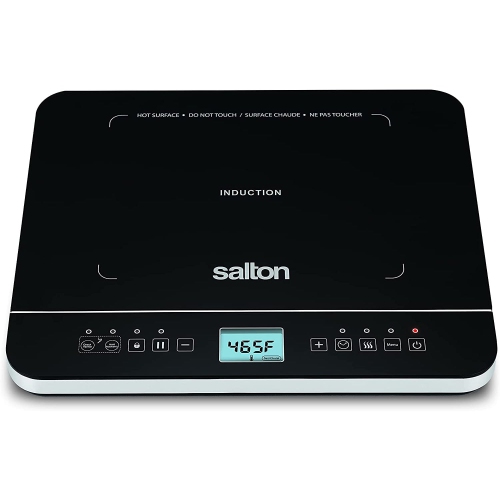
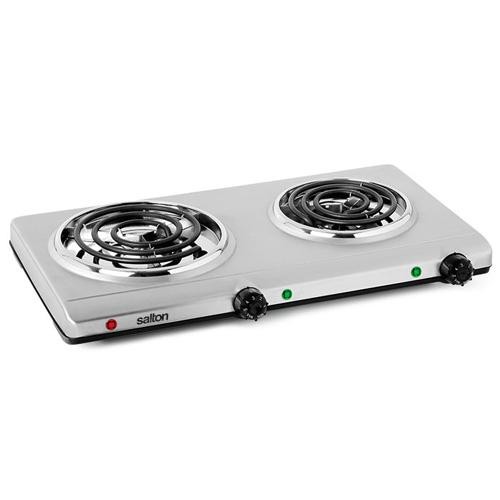
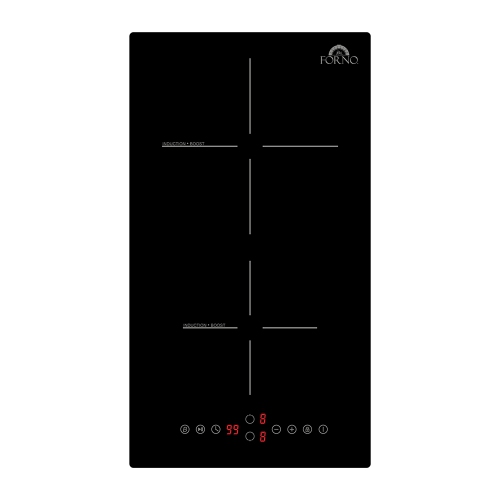
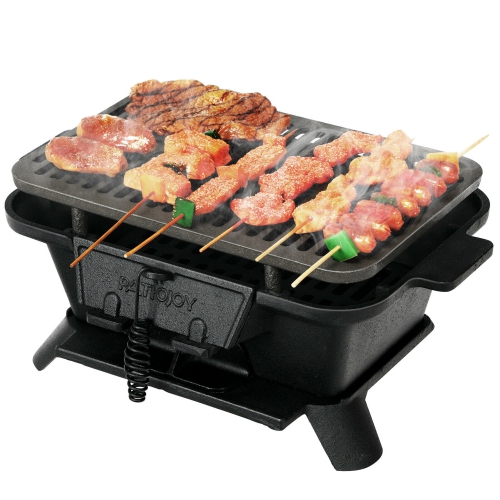
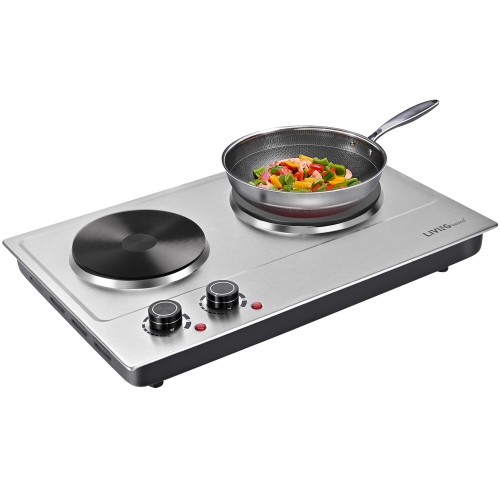
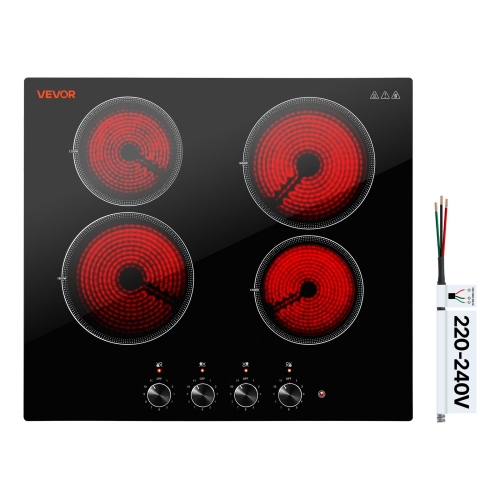
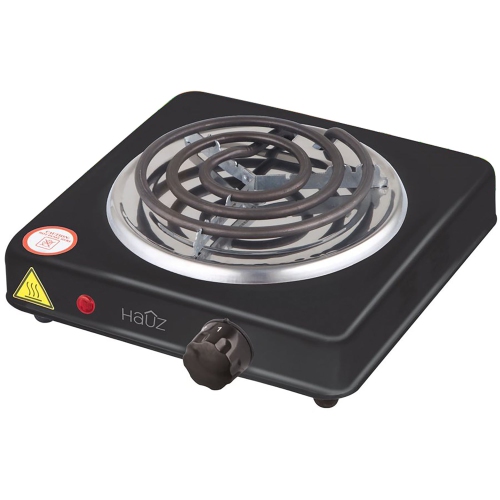
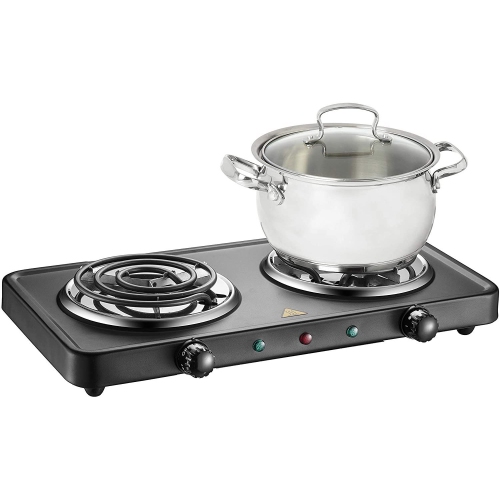
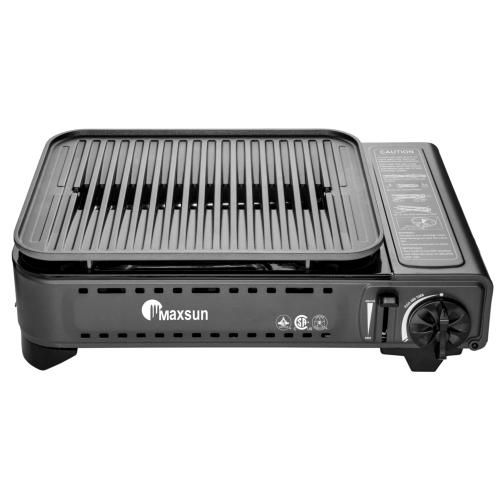
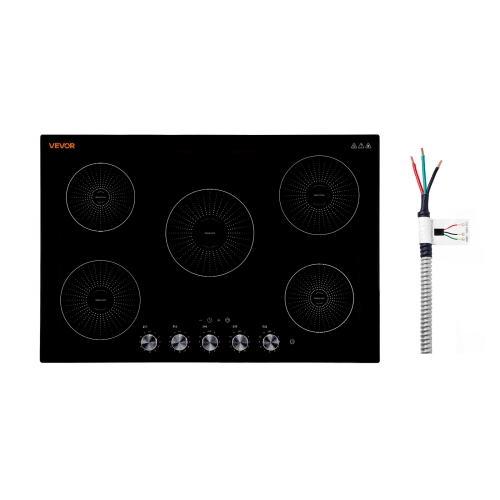
Tabletop stoves provide a practical way to add cooking space without bringing in a full-size range. Compact enough to sit on a sturdy counter, island, cart, or other suitable surface, these appliances can support everyday cooking in a wide range of settings. A single-burner model may be useful in a small apartment, dorm room, office kitchenette, recreational vehicle, cottage, or workshop, while a double-burner design can help prepare two foods at once when the main stove is already busy. They are also handy during kitchen renovations, when hosting a larger gathering, or when preparing dishes that need a separate heat source. During the cooler months, a tabletop stove can make it easier to simmer soup, warm a sauce, boil water for pasta, or keep a side dish moving while the oven and range are occupied. Some people use one as their primary cooking appliance in a compact living space, while others keep one stored away for occasional use. Their relatively small footprint makes them convenient to move between locations, although the unit should always be placed on a stable, heat-resistant surface with sufficient clearance around the sides and above. A tabletop stove may also make a thoughtful housewarming, student, camper, or newly independent cook gift, particularly for someone who is building a kitchen gradually or needs a flexible cooking solution for a small home.
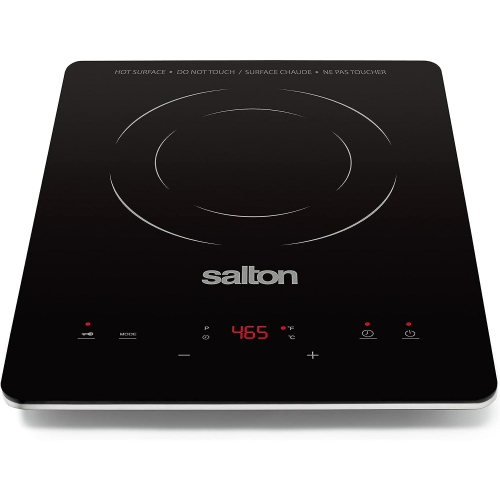
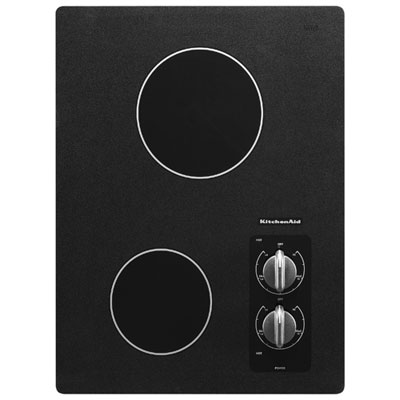
The cooking technology is one of the most important choices to make when comparing tabletop stoves. Solid cast iron hot plates use heated metal discs that work with virtually any flat-bottomed pot or pan, including cookware made from aluminium, glass, ceramic, or stainless steel. They are straightforward to operate and can be a good fit for cooks who value broad cookware compatibility, though the plates can take time to heat and remain hot after the controls are turned down. Electric coil burners use exposed coils to create heat and offer a familiar cooking experience with many types of cookware. They can be suitable for basic tasks such as frying eggs, heating canned soup, boiling water, or preparing a one-pot meal, but the coils may take a little longer to respond when the temperature changes. Induction cooktops use magnetic energy to heat compatible cookware directly, which can deliver quick heating and responsive temperature control while keeping the surrounding cooking surface comparatively cooler. For induction cooking, a pot or pan must have a magnetic base; cast iron and many stainless steel pieces are compatible, while some aluminium, copper, glass, and ceramic cookware may not be. A simple magnet test can help confirm compatibility: if a magnet sticks firmly to the bottom of the cookware, it is generally suitable for induction. The number of burners also affects how a tabletop stove fits into a cooking routine. A single burner is easy to store and move, and it leaves more counter space available, while two burners are better suited to meals that involve a main dish and a side, or a pot and a frying pan at the same time. Consider the controls as well. Dial controls can feel familiar and easy to adjust by touch, while digital controls may offer precise temperature settings, timers, and a smooth surface that is simple to wipe down. Power output, often listed in watts, gives an indication of heating capability; higher-wattage units may bring liquids to a boil more quickly, although actual performance also depends on the cookware, the food quantity, and the electrical circuit being used.
Before choosing a tabletop stove, think through where it will be used, what will be cooked on it, and how often it will be moved. Measure the available counter or tabletop area and leave room for handles, utensils, ventilation, and safe access to the controls. A unit intended for occasional meal preparation may only need one burner and simple manual controls, while frequent cooking may justify two burners, a wider cooking surface, or more precise heat settings. Check the electrical requirements and plug the appliance directly into an appropriate wall outlet whenever possible; avoid overloading a circuit that is also powering other high-wattage appliances. Features such as automatic shutoff, overheat protection, non-slip feet, cool-touch handles, indicator lights, and a built-in timer can add reassurance and make operation easier, especially in a busy kitchen. Some tabletop stoves have smooth surfaces that allow spills to be wiped away once the appliance has cooled, while raised coils and solid hot plates may require more attention around their edges and controls. Always follow the manufacturer’s instructions, keep the cooking area clear, and never leave a hot appliance unattended. Pots should sit securely and remain centred over the heating element, with handles turned away from the edge of the counter. Allow the surface to cool fully before storing the unit, and keep it dry when not in use. For more compact cooking options and related appliances, explore Portable Cook Tops. With the right combination of burner style, cookware compatibility, size, power, and safety features, a tabletop stove can become a dependable extra cooking surface for quick meals, elaborate preparations, shared gatherings, and comfortable cooking through the cooler seasons.
The cooking technology is one of the most important choices to make when comparing tabletop stoves. Solid cast iron hot plates use heated metal discs that work with virtually any flat-bottomed pot or pan, including cookware made from aluminium, glass, ceramic, or stainless steel. They are straightforward to operate and can be a good fit for cooks who value broad cookware compatibility, though the plates can take time to heat and remain hot after the controls are turned down. Electric coil burners use exposed coils to create heat and offer a familiar cooking experience with many types of cookware. They can be suitable for basic tasks such as frying eggs, heating canned soup, boiling water, or preparing a one-pot meal, but the coils may take a little longer to respond when the temperature changes. Induction cooktops use magnetic energy to heat compatible cookware directly, which can deliver quick heating and responsive temperature control while keeping the surrounding cooking surface comparatively cooler. For induction cooking, a pot or pan must have a magnetic base; cast iron and many stainless steel pieces are compatible, while some aluminium, copper, glass, and ceramic cookware may not be. A simple magnet test can help confirm compatibility: if a magnet sticks firmly to the bottom of the cookware, it is generally suitable for induction. The number of burners also affects how a tabletop stove fits into a cooking routine. A single burner is easy to store and move, and it leaves more counter space available, while two burners are better suited to meals that involve a main dish and a side, or a pot and a frying pan at the same time. Consider the controls as well. Dial controls can feel familiar and easy to adjust by touch, while digital controls may offer precise temperature settings, timers, and a smooth surface that is simple to wipe down. Power output, often listed in watts, gives an indication of heating capability; higher-wattage units may bring liquids to a boil more quickly, although actual performance also depends on the cookware, the food quantity, and the electrical circuit being used.
Before choosing a tabletop stove, think through where it will be used, what will be cooked on it, and how often it will be moved. Measure the available counter or tabletop area and leave room for handles, utensils, ventilation, and safe access to the controls. A unit intended for occasional meal preparation may only need one burner and simple manual controls, while frequent cooking may justify two burners, a wider cooking surface, or more precise heat settings. Check the electrical requirements and plug the appliance directly into an appropriate wall outlet whenever possible; avoid overloading a circuit that is also powering other high-wattage appliances. Features such as automatic shutoff, overheat protection, non-slip feet, cool-touch handles, indicator lights, and a built-in timer can add reassurance and make operation easier, especially in a busy kitchen. Some tabletop stoves have smooth surfaces that allow spills to be wiped away once the appliance has cooled, while raised coils and solid hot plates may require more attention around their edges and controls. Always follow the manufacturer’s instructions, keep the cooking area clear, and never leave a hot appliance unattended. Pots should sit securely and remain centred over the heating element, with handles turned away from the edge of the counter. Allow the surface to cool fully before storing the unit, and keep it dry when not in use. For more compact cooking options and related appliances, explore Portable Cook Tops. With the right combination of burner style, cookware compatibility, size, power, and safety features, a tabletop stove can become a dependable extra cooking surface for quick meals, elaborate preparations, shared gatherings, and comfortable cooking through the cooler seasons.
Top selling and popular products
-
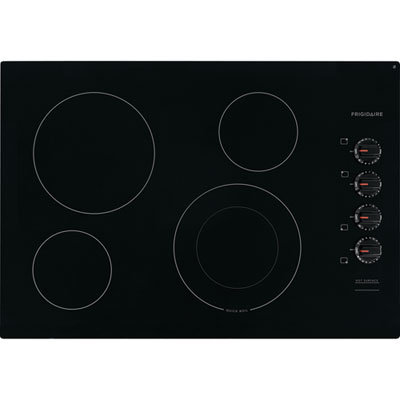 Your price for this item is $699.99
 -
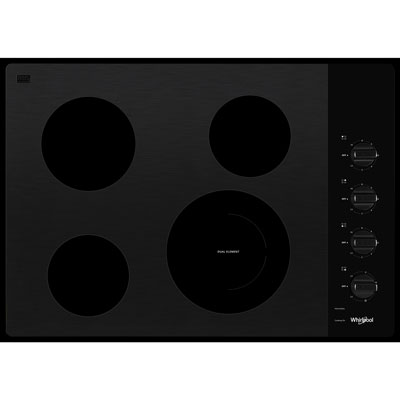 Your price for this item is $949.99
 -
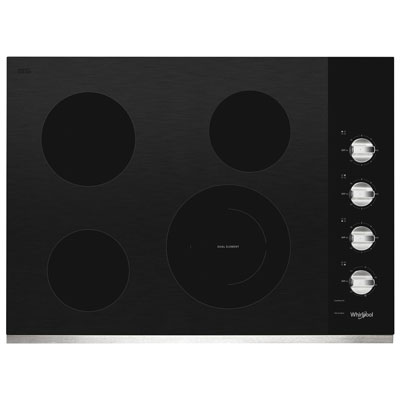 Your price for this item is $949.99
 -
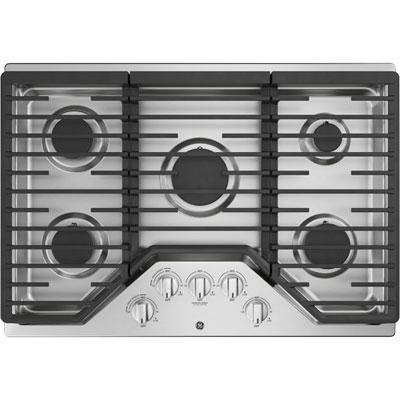 Your price for this item is $1499.99
 -
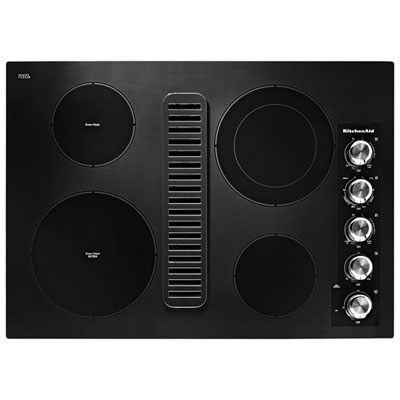 Your price for this item is $2999.99
 -
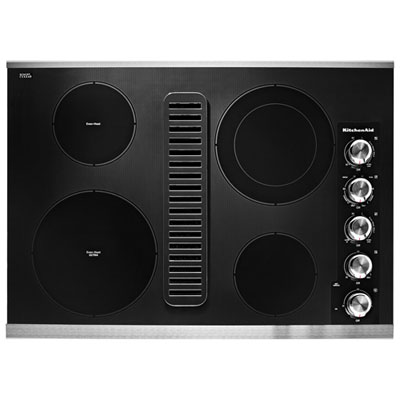 Your price for this item is $3099.99
 -
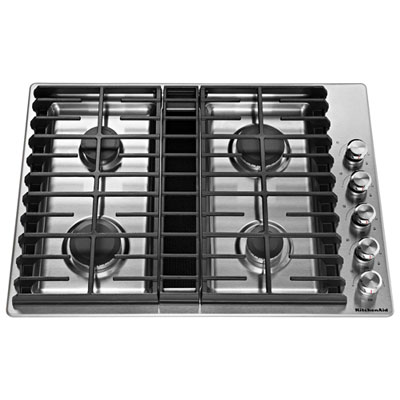 Your price for this item is $3099.99
 -
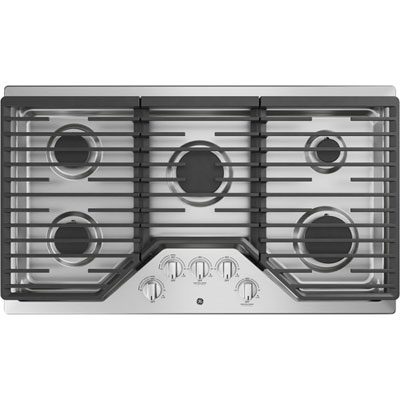 Your price for this item is $1899.99
Discover more categories related to Tabletop Stoves
Top Collections:
Pokemon Centers, Kindle Devices, Best Budget Office Chairs, Apple iPhones 16, Best Laptops for Writers, iPhone 15 Apple, Canon G7X Cameras, Refurbished Apple Laptops, Alarm Clock, Motorola Razr Phones
Some products may be subject to Environmental Handling Fees
(EHF) depending on your province.
Learn more about EHFs.