Therapy Lights
Brighten up your day with therapy lights, a powerful tool designed to bring the benefits of natural sunlight into your home or office. These lights are designed to mimic the natural spectrum of sunlight and can help improve your mood, energy levels, and overall well-being. Here are some great options available.
Sort
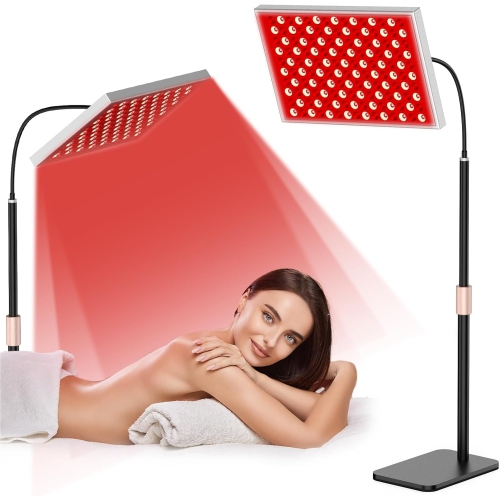
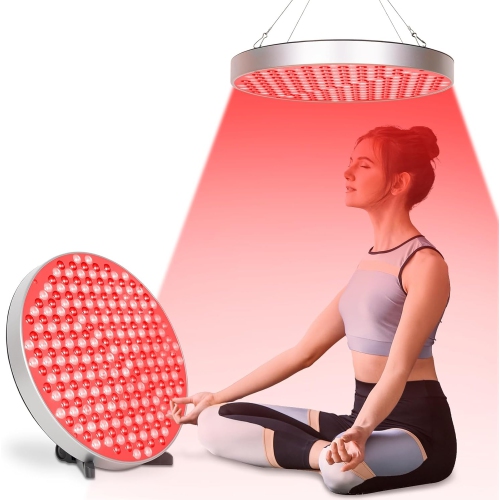
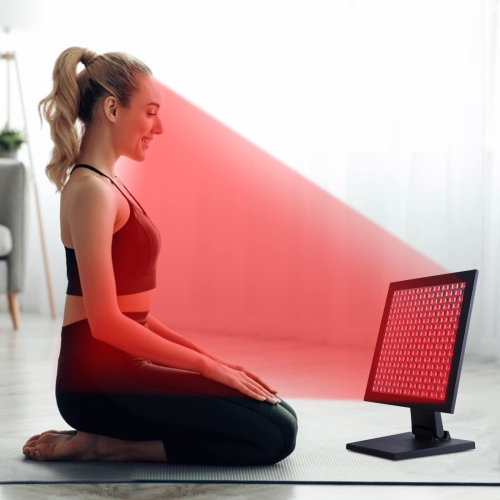
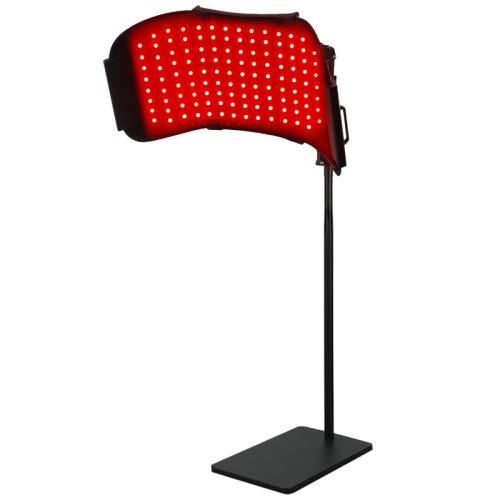
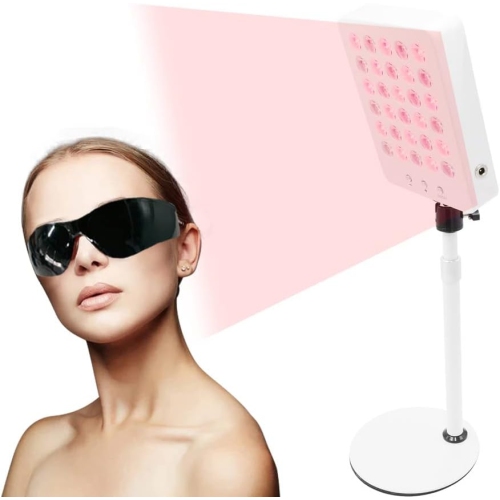
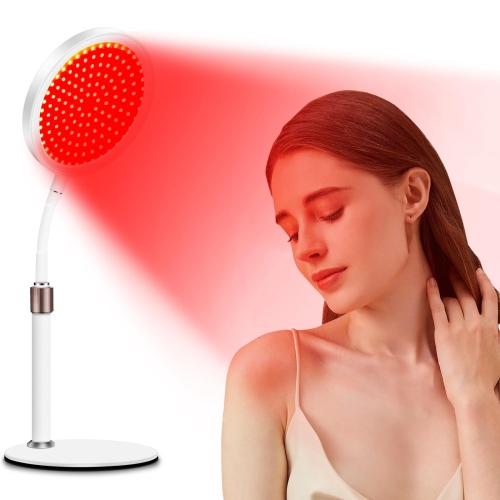
![EZ-X Premium Red Light Therapy Panel - High Performance Red & Infrared Light Therapy - Extra Power 300W - 660nm 850nm - Dual Chips LEDs - Full Body Therapy [with Adjustable Stand] units for about a year and a half and this one checked all the boxes, especially at the sale price Best](https://multimedia.bbycastatic.ca/multimedia/products/500x500/193/19348/19348379.jpeg)

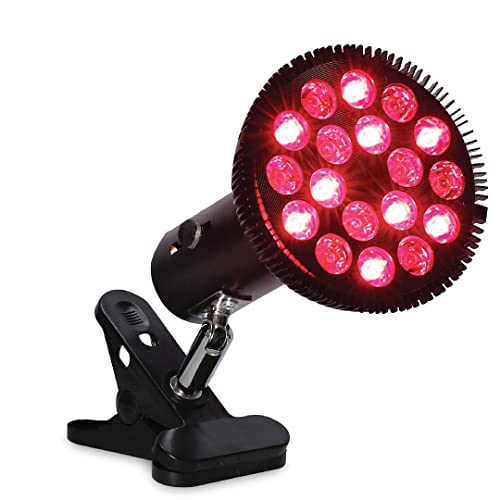
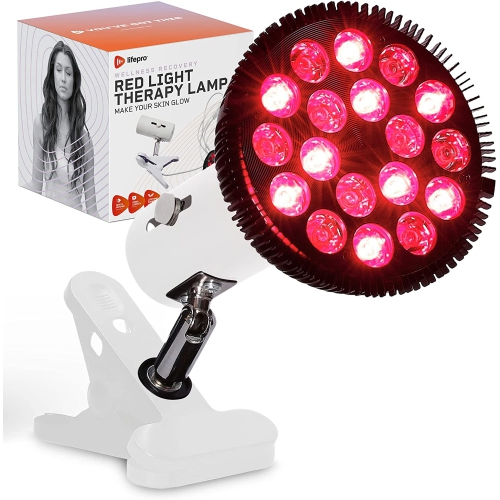
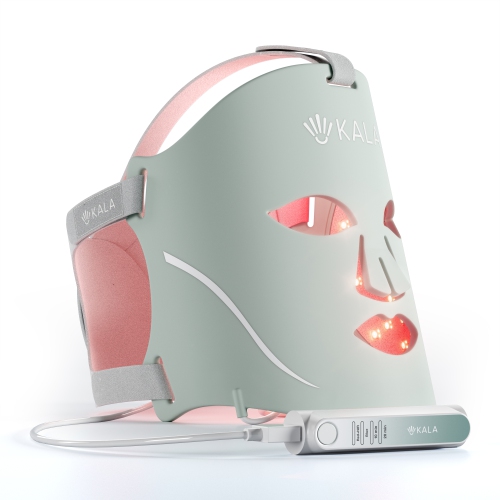
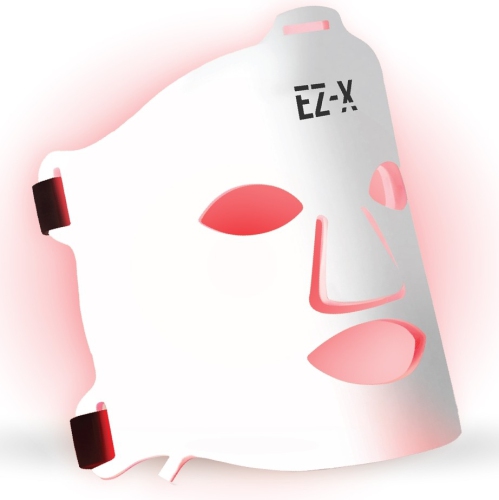

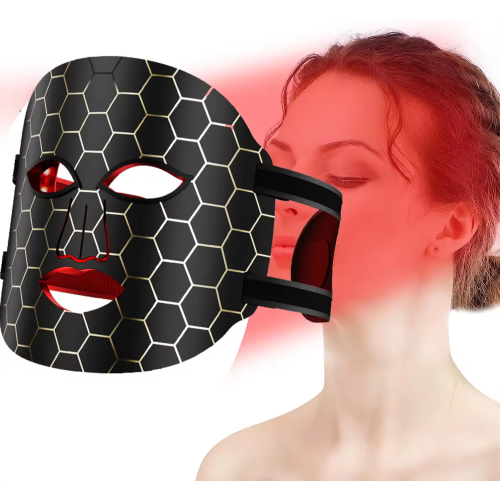
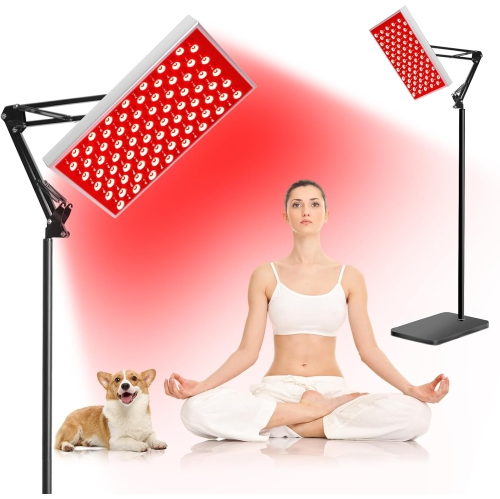
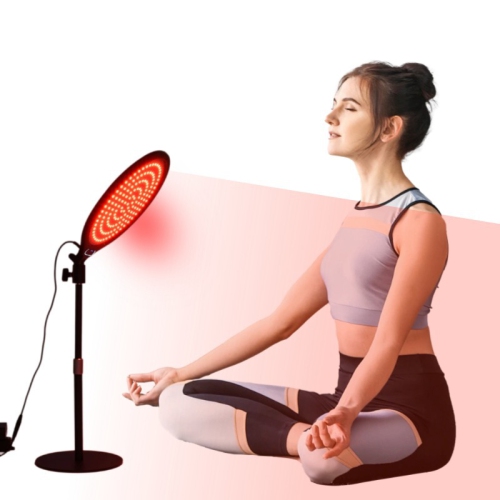
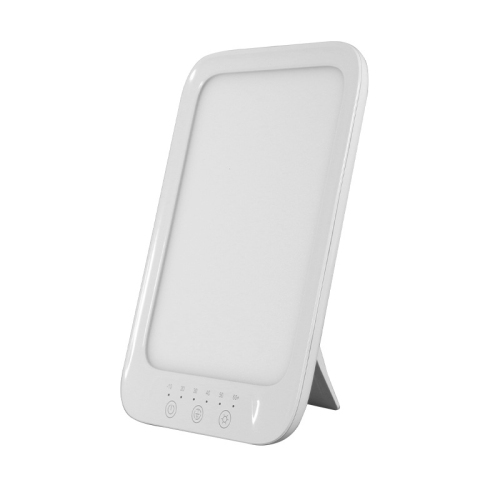

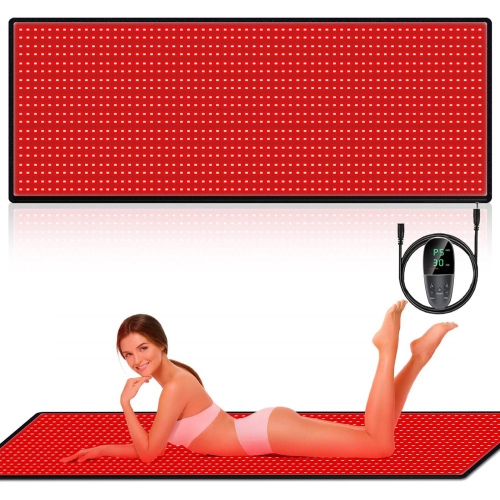
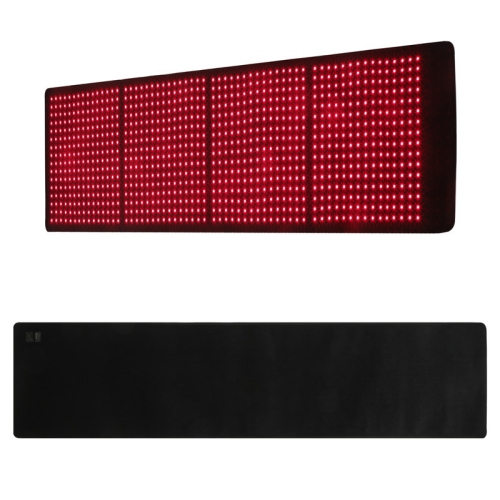
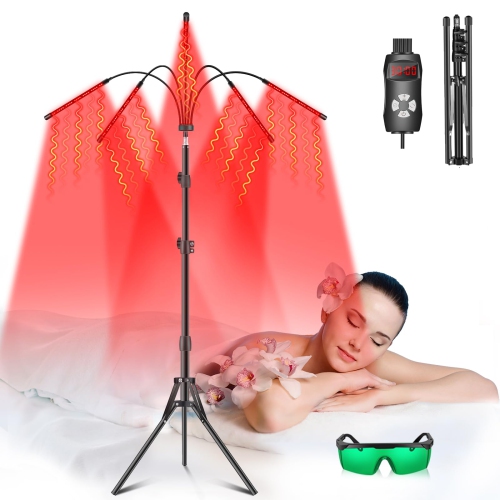
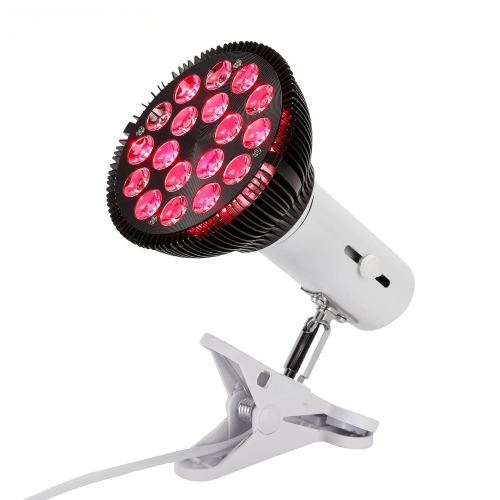
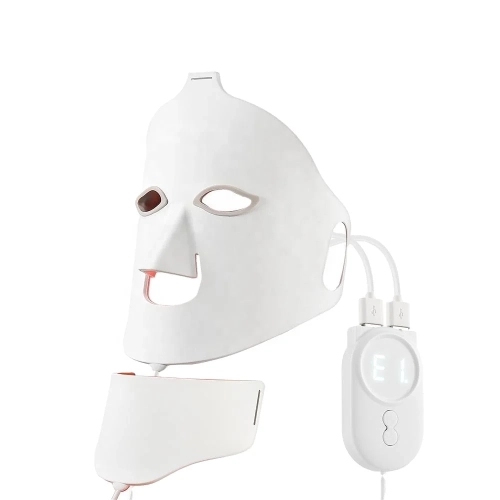
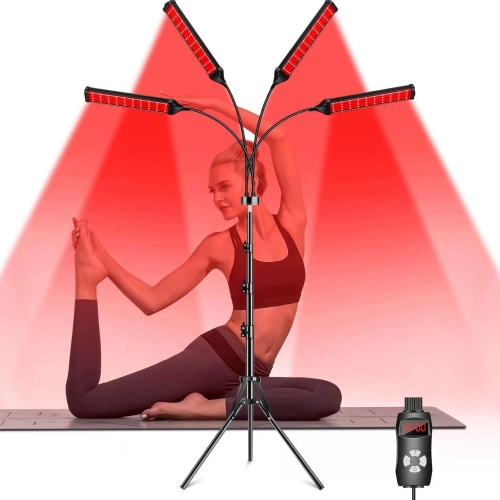

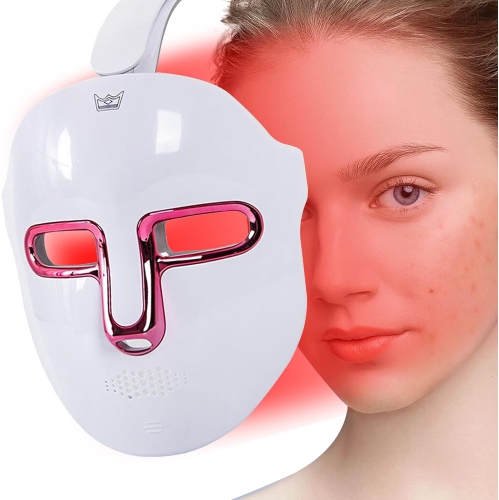
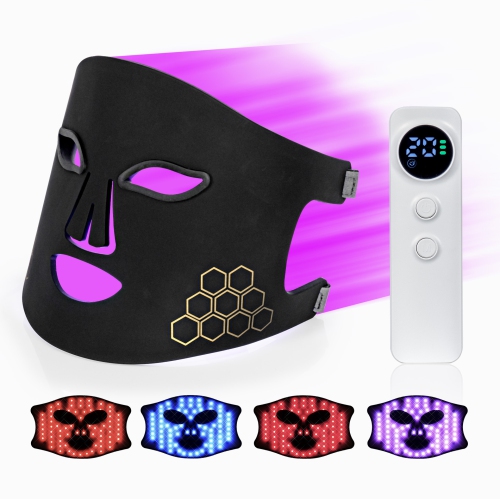
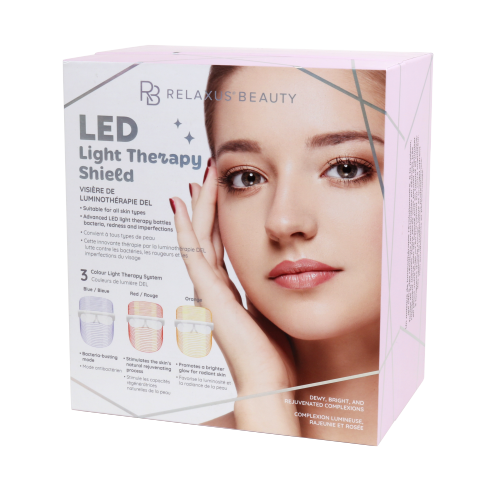
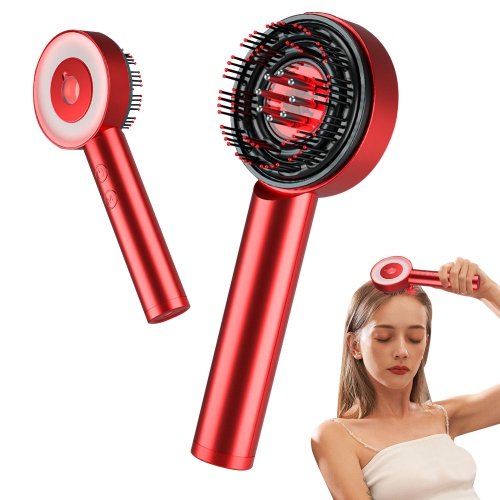
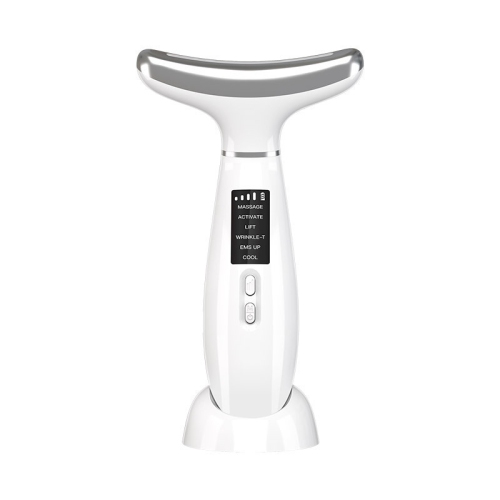

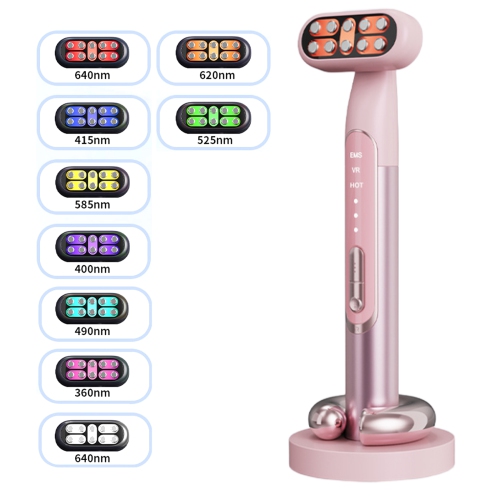
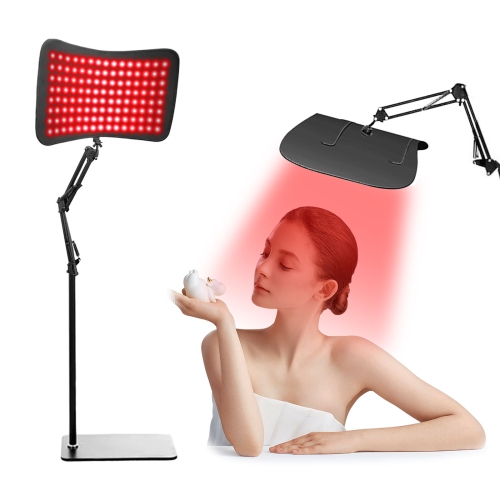
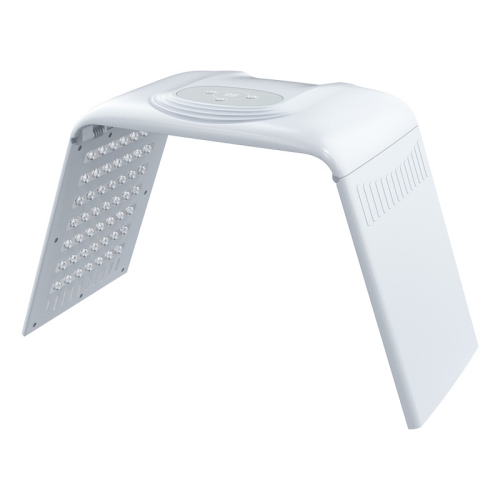
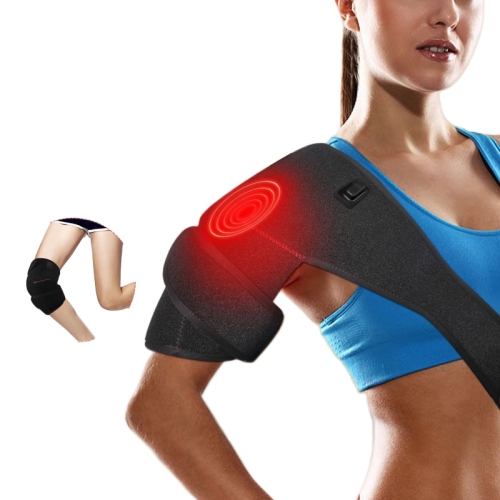



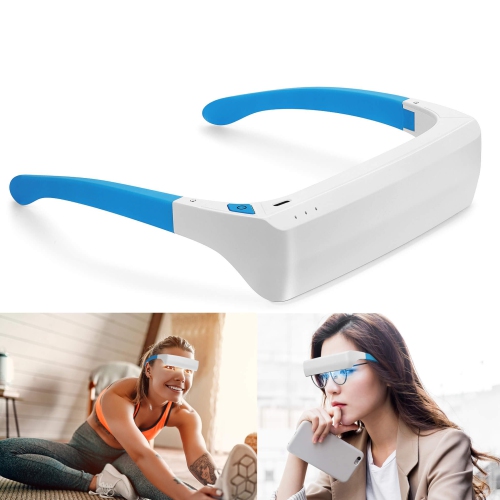
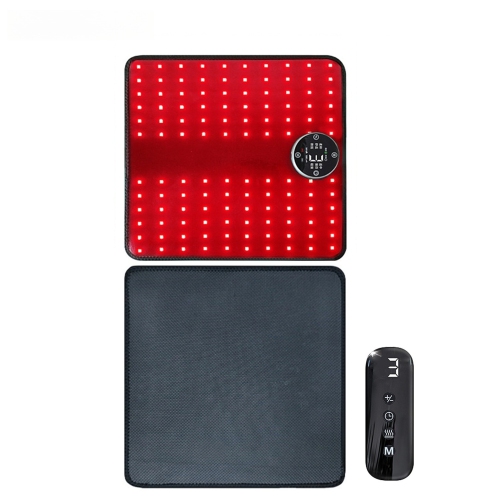
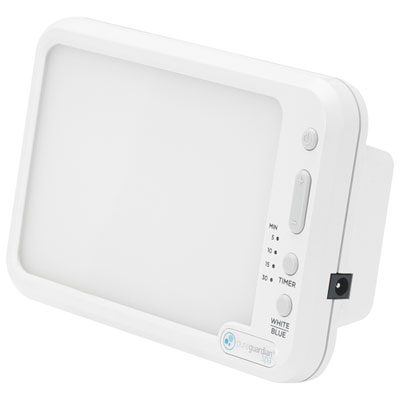
Why brightness and distance matter for light therapy
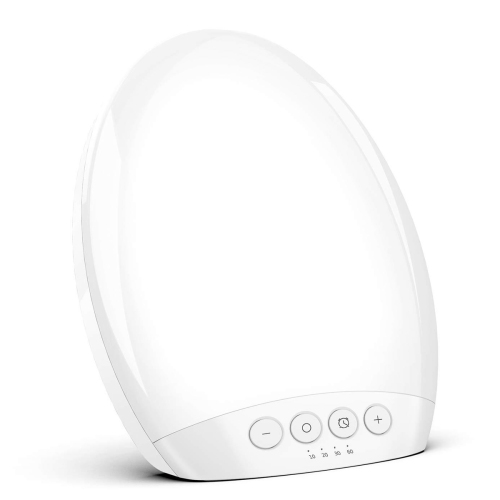
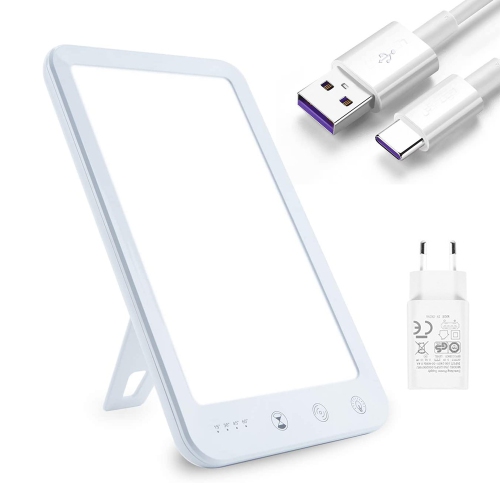
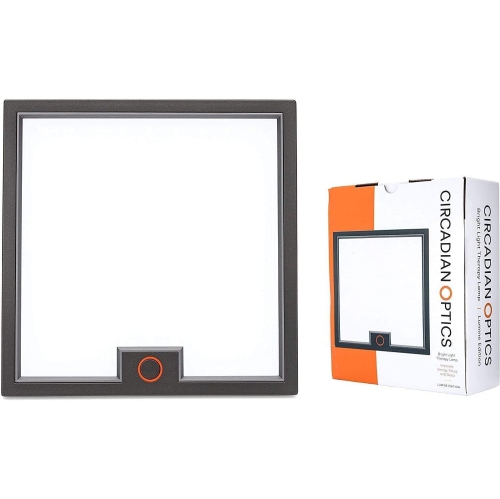
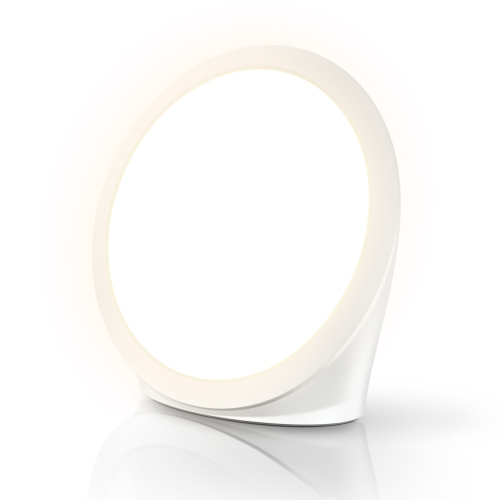
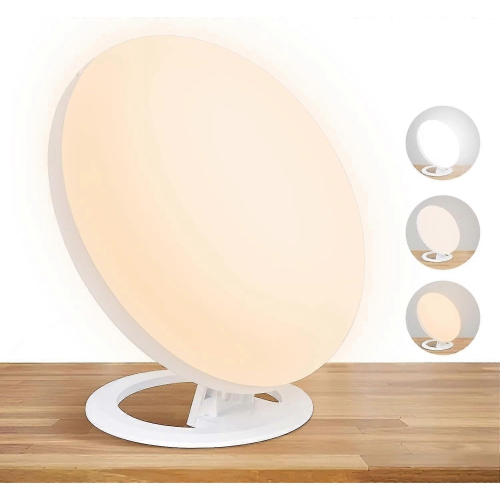
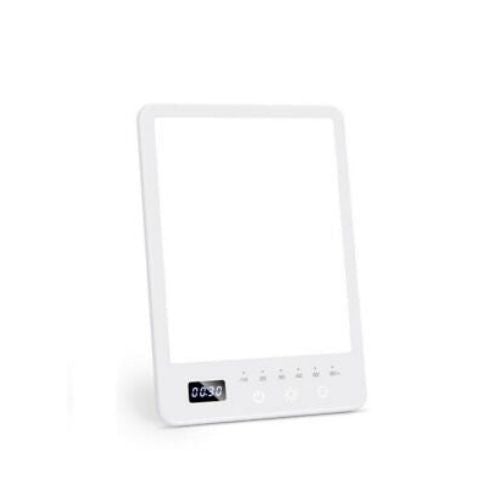
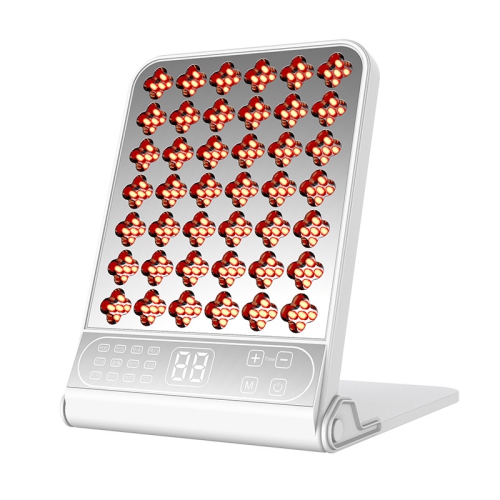
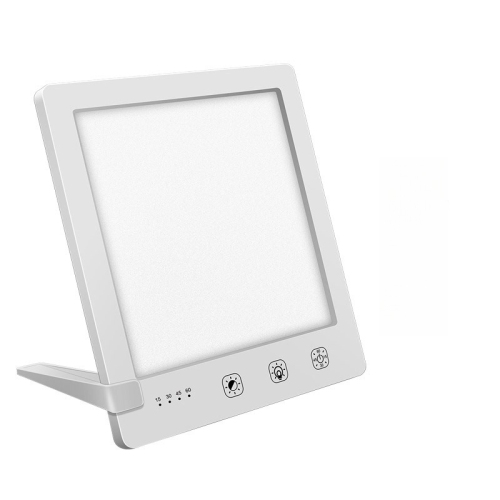
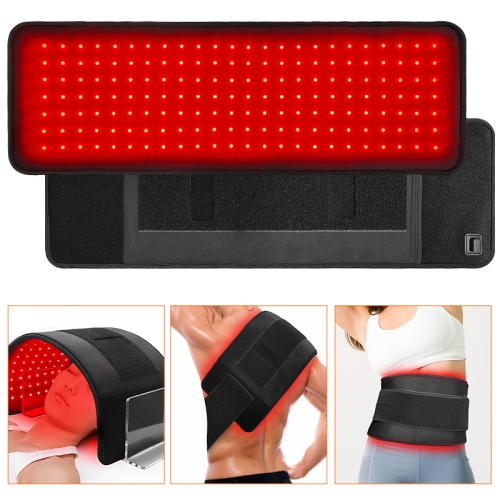
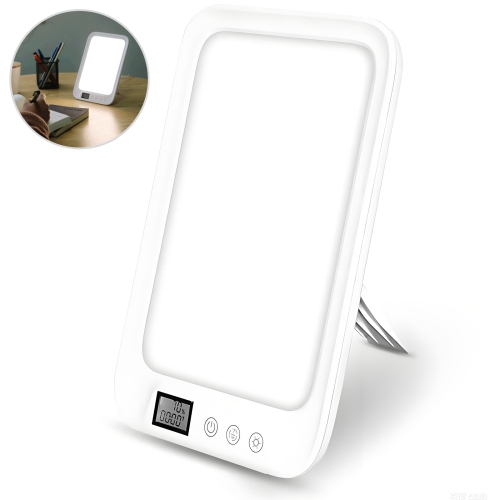
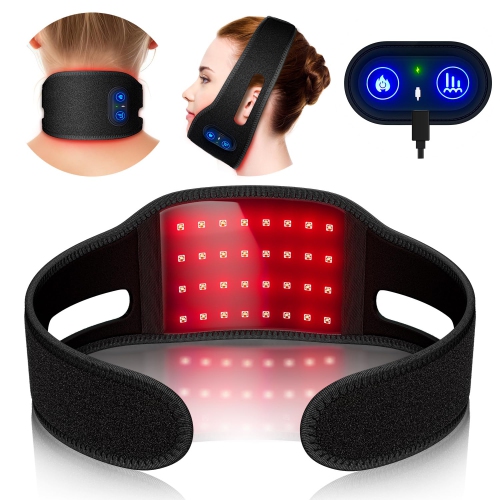
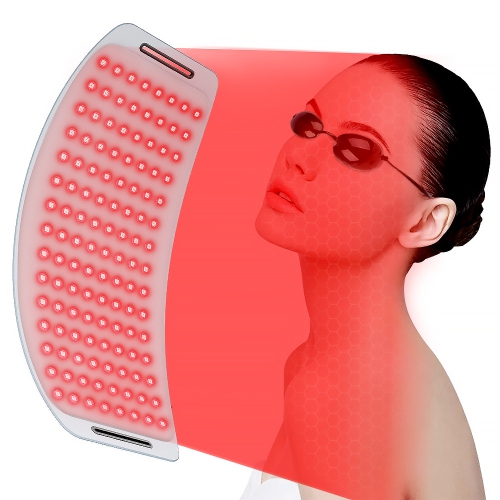
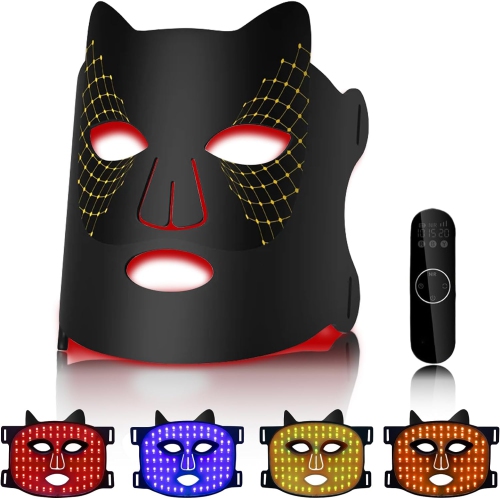
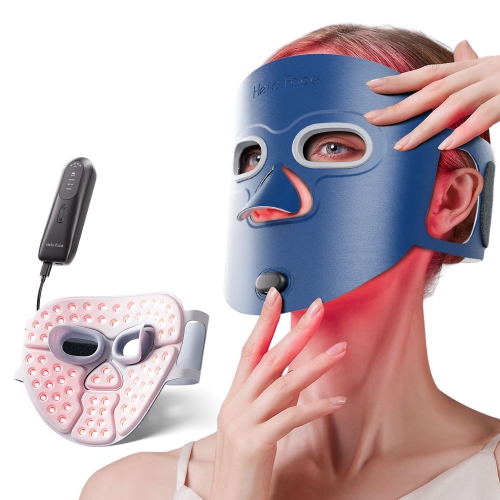
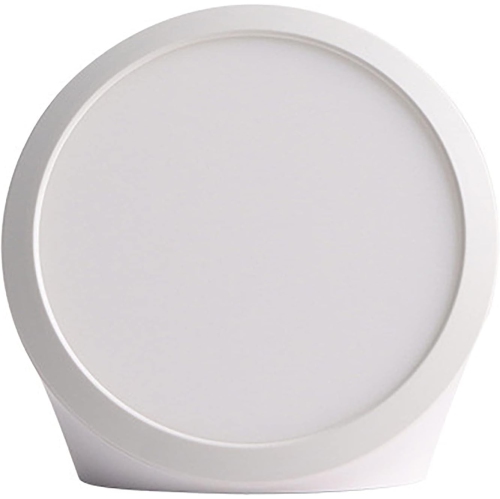
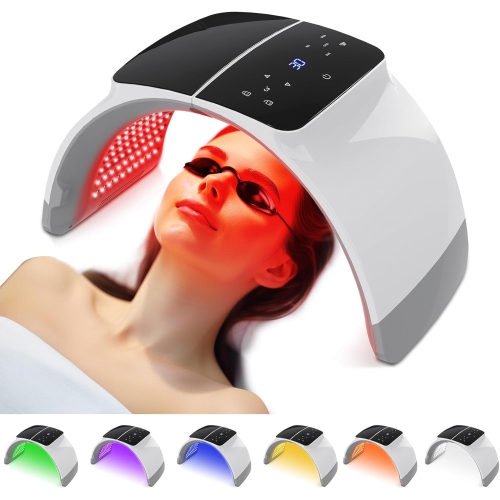
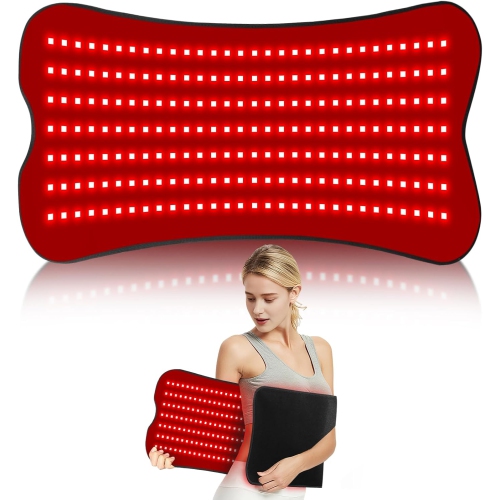
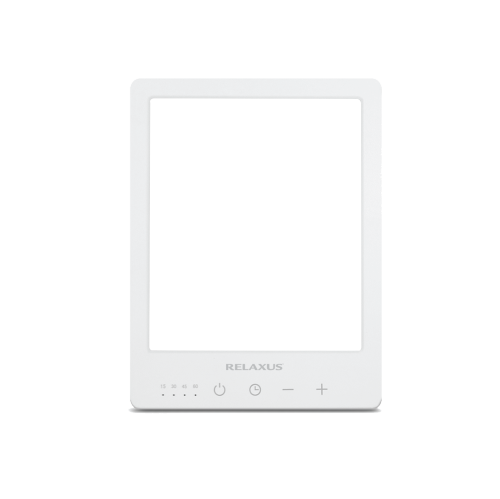
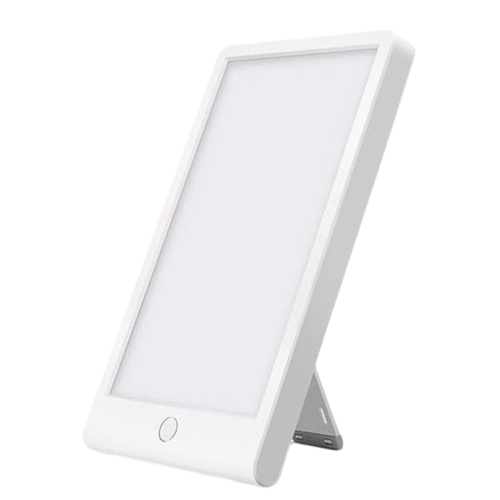
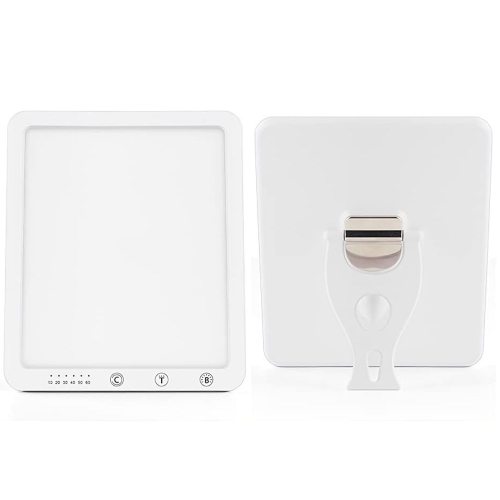
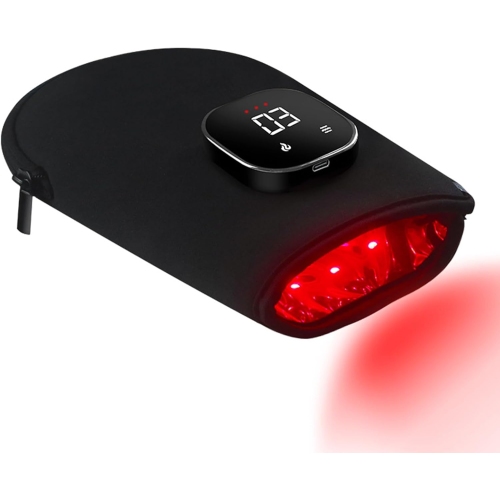
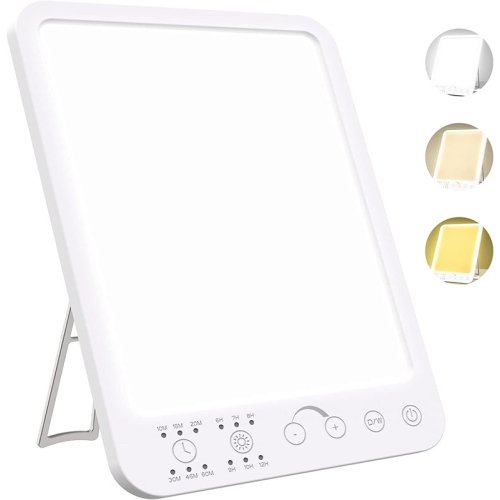
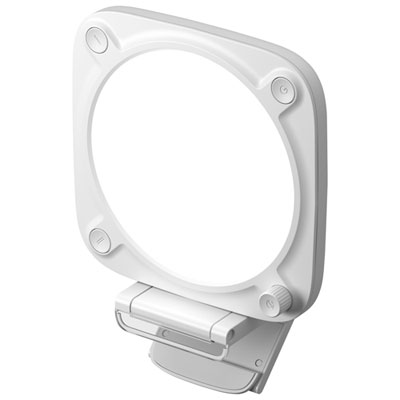
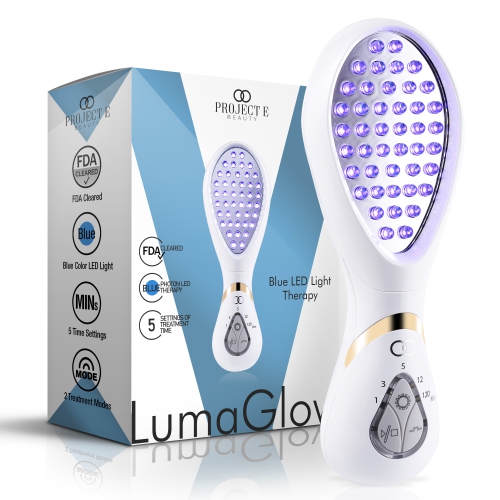
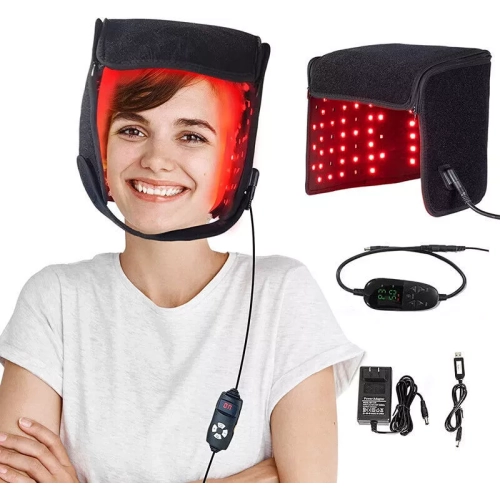
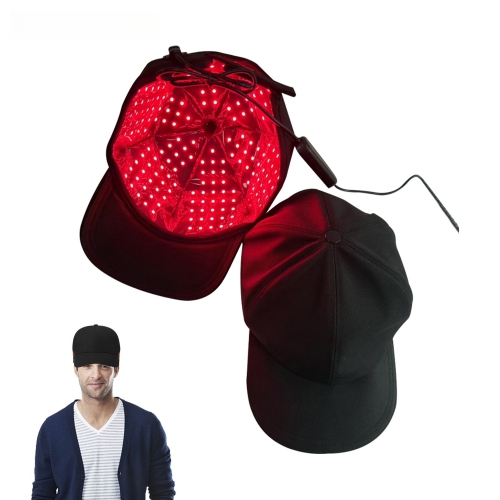
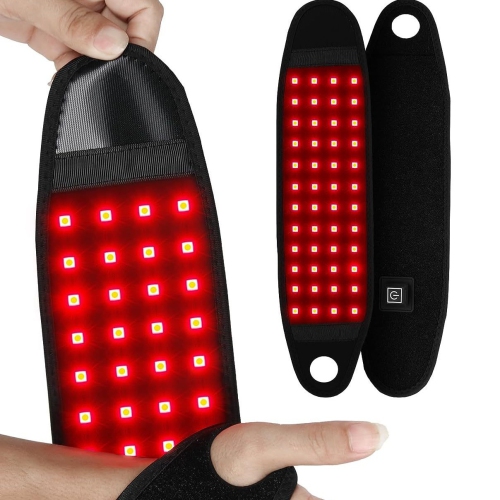
Therapy lights are artificial light sources designed to deliver bright, visible light as part of a regular light therapy routine. Often called light boxes or daylight lamps, they are commonly used to help manage symptoms of seasonal affective disorder, a form of depression associated with seasonal changes, and may support mood and alertness when used appropriately. Unlike an ordinary reading lamp, a light therapy lamp is designed to provide a specified level of illumination at a stated distance from the user. Brightness is measured in lux, which describes how much light reaches a surface rather than how bright the bulb appears. For bright light therapy, 10,000 lux is a common specification, but that number is meaningful only when paired with the manufacturer’s working distance. A compact lamp that delivers 10,000 lux close to its panel may provide considerably less illumination when placed at the back of a desk. The size of the illuminated surface matters, too: a larger panel can make it easier to maintain the intended exposure while sitting comfortably, whereas a smaller design may suit a bedside table or a workspace with limited room. These lamps are distinct from tanning lamps, red light devices, and ultraviolet treatments for skin conditions; the technologies and intended uses are not interchangeable. A light box intended for mood-related bright light therapy should filter out ultraviolet light, since UV exposure is not needed for this purpose. White light is commonly used, and a warm or cool appearance alone does not establish a lamp’s suitability or effectiveness. For someone whose mornings begin with breakfast, reading, or quiet desk work, a therapy light can fit alongside an existing activity rather than requiring a separate space. Its role is to provide controlled light exposure, not to replace professional assessment or other treatment for persistent low mood, fatigue, or sleep difficulties.
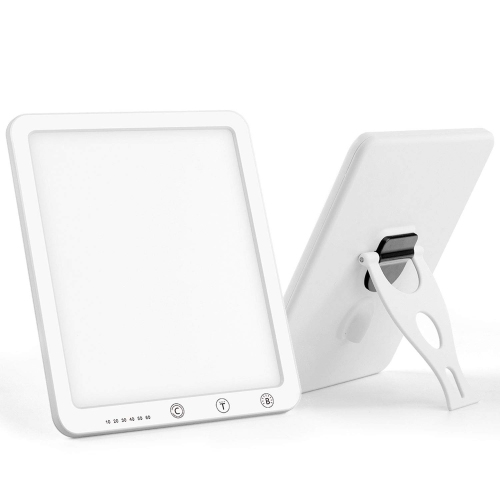
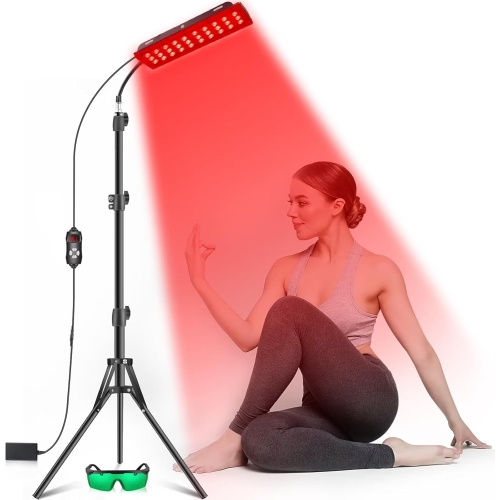
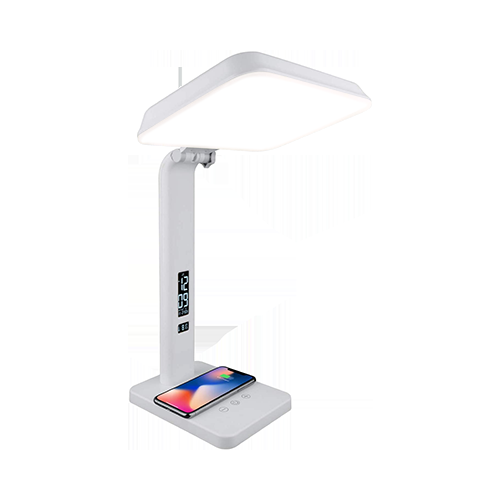
The most useful features are often the ones that make correct positioning straightforward. An adjustable stand, tilting panel, or height-adjustable support can help direct the light towards the eyes without requiring an awkward posture or a direct stare into the source. The eyes generally remain open during a session, but looking straight at the light is unnecessary. Place the lamp according to its instructions, keeping its illuminated surface unobstructed by a monitor, shelf, or stack of books. Some lamps specify a working distance of roughly 16 to 24 inches, while others require a closer position; the correct distance is the one associated with the device’s stated therapeutic output. A large panel beside a breakfast setting may offer more flexibility than a small panel positioned close to a laptop, particularly for someone who moves naturally while reading or eating. Bright light therapy is often scheduled shortly after waking, and sessions with a 10,000-lux light box commonly last around 20 to 30 minutes. These are general reference points rather than instructions for every person or lamp: timing, distance, and duration should follow the manufacturer’s directions and any advice from a healthcare professional. A timer can make session length easier to track, while clearly marked controls reduce the need to interrupt an activity to check a setting. Adjustable brightness may improve comfort, but lowering the output also changes the light exposure, so settings should not be treated as interchangeable. Diffusers that spread light evenly can soften the appearance of individual LEDs, although comfort still depends on placement and personal sensitivity. Related options can be explored through HappyLight Therapy Lamps. Across this category, useful specifications include light output at the intended distance, UV filtration, panel dimensions, adjustment range, and the power source. Clear documentation matters more than broad claims about imitating sunshine, because those details explain how a lamp is meant to be used in a real room.
Materials, construction, and everyday care also affect how well a therapy light fits into a household routine. Housings may use lightweight plastic, metal, or a combination of materials, with a translucent front panel that distributes the light. A firm stand, secure adjustment points, and a stable base help keep the panel in position on a desk or table. For a lamp that will move between rooms, consider its weight, whether the stand folds neatly, and how easily the cord can be routed away from walkways. A slim profile is convenient for storage, but it should still stand securely at the angle required for use. Check whether the lamp needs a wall outlet, uses USB power, or has a rechargeable battery rather than assuming that a portable shape means cordless operation. Long-lasting LEDs can reduce routine bulb changes, although the durability of the complete lamp also depends on its switches, hinges, power connections, and handling. Follow the care instructions for the housing and diffuser; typically, cleaning involves disconnecting the power and using a soft cloth, without allowing moisture into openings or applying abrasive cleaners that could scratch the light-emitting surface. Keeping the panel free of dust helps maintain a clear surface, and storing it where it will not be knocked over protects the stand and connections. Therapy lights may suit adults seeking a structured bright light routine, and they can be a thoughtful gift for someone who has already expressed interest or received clinical advice to use one. They are a personal health-related choice, however, rather than a universal solution for tiredness or low mood. Anyone with an eye condition, bipolar disorder, or a condition or medication that increases light sensitivity should consult a healthcare professional before starting. Headache, eye discomfort, nausea, agitation, or disrupted sleep can occur, and unwanted effects warrant advice about whether to adjust or stop use. A lamp with clear instructions, suitable positioning options, and a comfortable place in a daily routine provides a more practical foundation than brightness alone.
The most useful features are often the ones that make correct positioning straightforward. An adjustable stand, tilting panel, or height-adjustable support can help direct the light towards the eyes without requiring an awkward posture or a direct stare into the source. The eyes generally remain open during a session, but looking straight at the light is unnecessary. Place the lamp according to its instructions, keeping its illuminated surface unobstructed by a monitor, shelf, or stack of books. Some lamps specify a working distance of roughly 16 to 24 inches, while others require a closer position; the correct distance is the one associated with the device’s stated therapeutic output. A large panel beside a breakfast setting may offer more flexibility than a small panel positioned close to a laptop, particularly for someone who moves naturally while reading or eating. Bright light therapy is often scheduled shortly after waking, and sessions with a 10,000-lux light box commonly last around 20 to 30 minutes. These are general reference points rather than instructions for every person or lamp: timing, distance, and duration should follow the manufacturer’s directions and any advice from a healthcare professional. A timer can make session length easier to track, while clearly marked controls reduce the need to interrupt an activity to check a setting. Adjustable brightness may improve comfort, but lowering the output also changes the light exposure, so settings should not be treated as interchangeable. Diffusers that spread light evenly can soften the appearance of individual LEDs, although comfort still depends on placement and personal sensitivity. Related options can be explored through HappyLight Therapy Lamps. Across this category, useful specifications include light output at the intended distance, UV filtration, panel dimensions, adjustment range, and the power source. Clear documentation matters more than broad claims about imitating sunshine, because those details explain how a lamp is meant to be used in a real room.
Materials, construction, and everyday care also affect how well a therapy light fits into a household routine. Housings may use lightweight plastic, metal, or a combination of materials, with a translucent front panel that distributes the light. A firm stand, secure adjustment points, and a stable base help keep the panel in position on a desk or table. For a lamp that will move between rooms, consider its weight, whether the stand folds neatly, and how easily the cord can be routed away from walkways. A slim profile is convenient for storage, but it should still stand securely at the angle required for use. Check whether the lamp needs a wall outlet, uses USB power, or has a rechargeable battery rather than assuming that a portable shape means cordless operation. Long-lasting LEDs can reduce routine bulb changes, although the durability of the complete lamp also depends on its switches, hinges, power connections, and handling. Follow the care instructions for the housing and diffuser; typically, cleaning involves disconnecting the power and using a soft cloth, without allowing moisture into openings or applying abrasive cleaners that could scratch the light-emitting surface. Keeping the panel free of dust helps maintain a clear surface, and storing it where it will not be knocked over protects the stand and connections. Therapy lights may suit adults seeking a structured bright light routine, and they can be a thoughtful gift for someone who has already expressed interest or received clinical advice to use one. They are a personal health-related choice, however, rather than a universal solution for tiredness or low mood. Anyone with an eye condition, bipolar disorder, or a condition or medication that increases light sensitivity should consult a healthcare professional before starting. Headache, eye discomfort, nausea, agitation, or disrupted sleep can occur, and unwanted effects warrant advice about whether to adjust or stop use. A lamp with clear instructions, suitable positioning options, and a comfortable place in a daily routine provides a more practical foundation than brightness alone.
Top selling and popular products
-
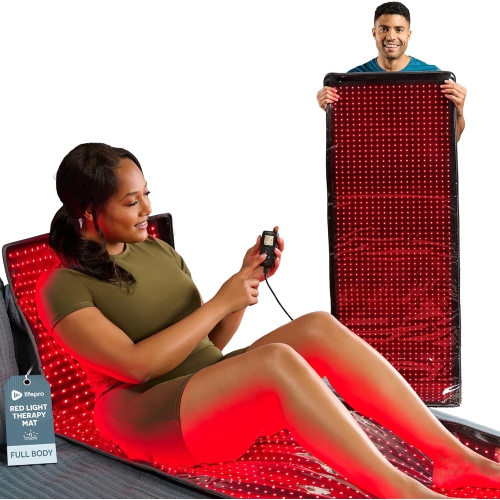 Your price for this item is $749.99
 -
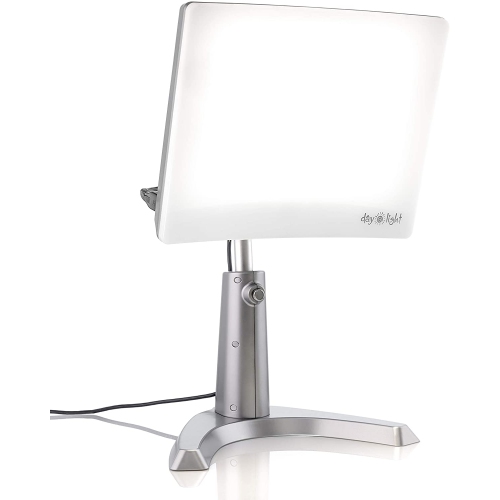 Your price for this item is $194.99
 -
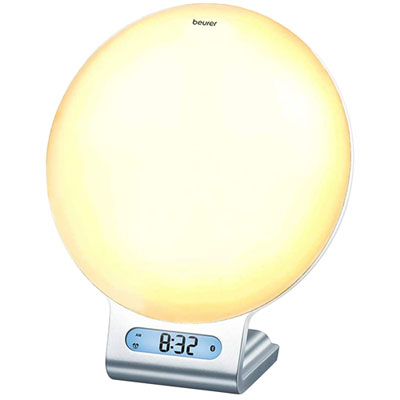 Your price for this item is $179.99
 -
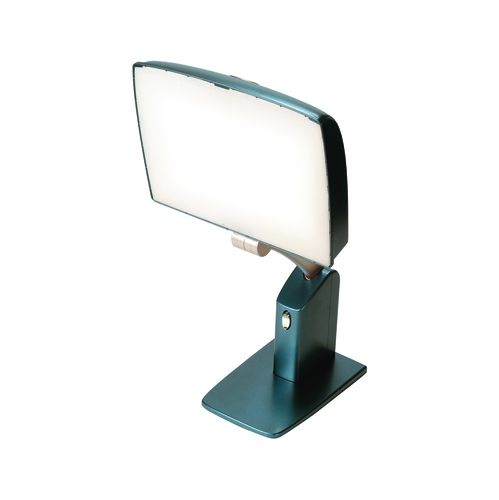 Your price for this item is $399.99
 -
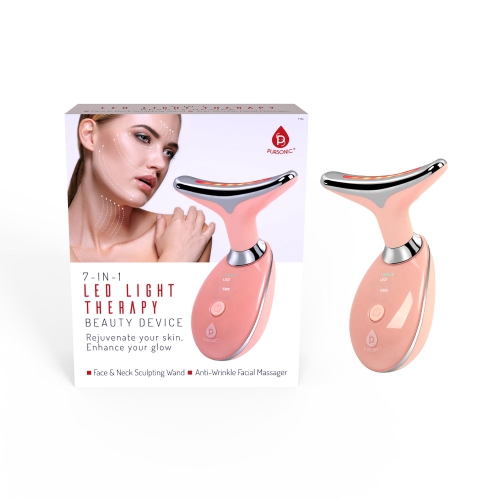 Your price for this item is $54.99
 -
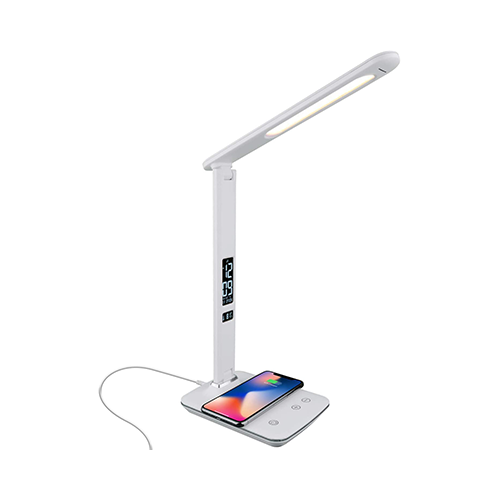 Your price for this item is $72.99
 -
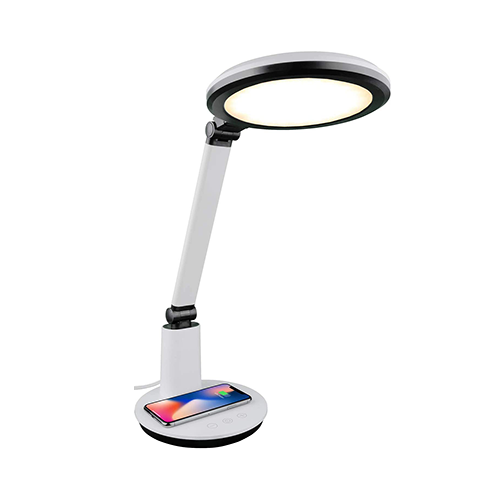 Your price for this item is $109.99
 -
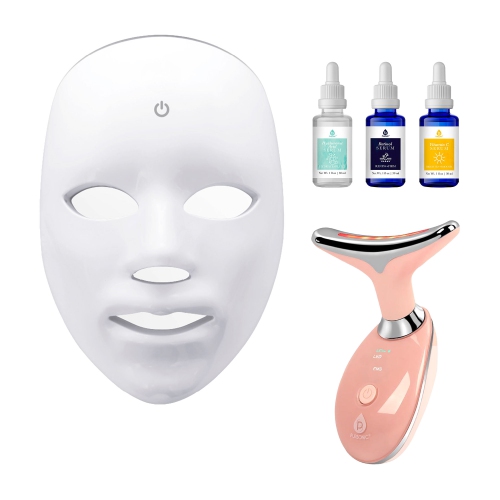 Your price for this item is $149.99
Discover more categories related to Therapy Lights
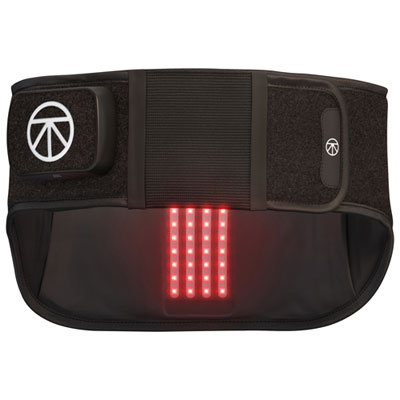
Top Collections:
Pokemon Centers, Kindle Devices, Best Budget Office Chairs, Apple iPhones 16, Canon G7X Cameras, iPhone 15 Apple, Alarm Clock, Refurbished Apple Laptops, Flip Phones, Best Laptops for Writers
Some products may be subject to Environmental Handling Fees
(EHF) depending on your province.
Learn more about EHFs.