Therapy Device
Looking for an effective way to unwind and destress at home? Our therapy device collection has just what you need. Whether you're seeking relief from muscle tension, chronic pain, or simply looking to relax after a long day, these innovative devices are designed to provide soothing therapy right in the comfort of your own space. With a wide range of options available, you'll find the perfect therapy device to suit your needs and help you achieve ultimate relaxation. Say goodbye to stress and hello to blissful rejuvenation with our therapy device collection.
Sort
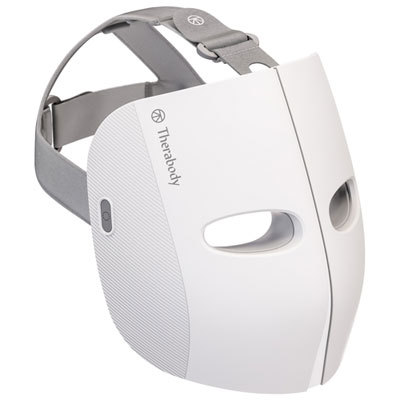
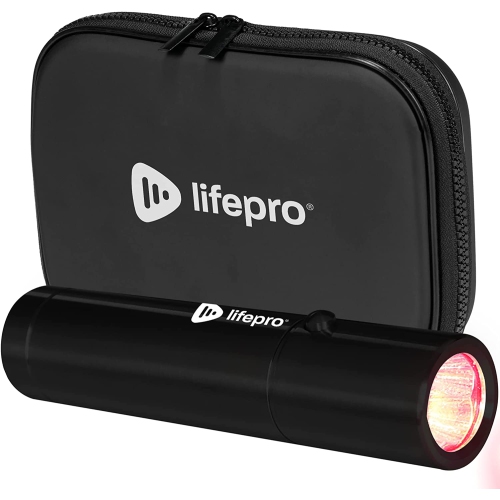
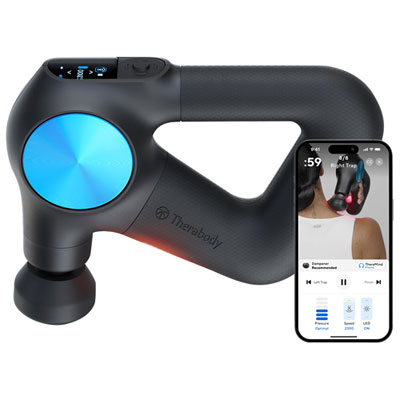
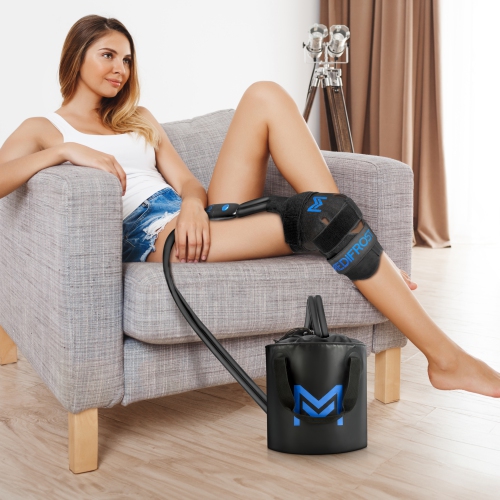
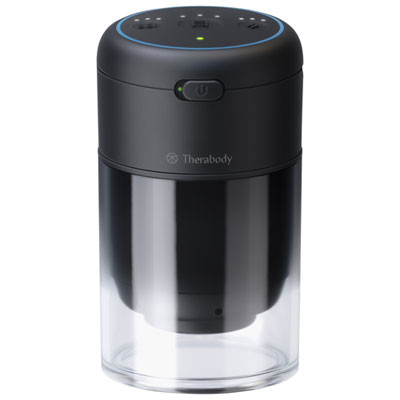

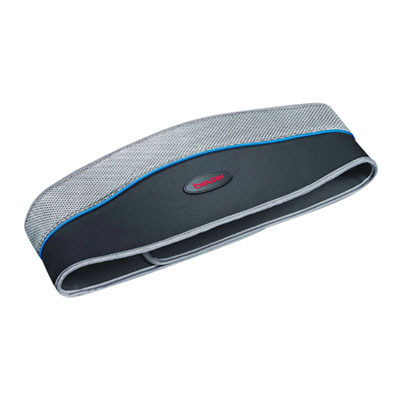
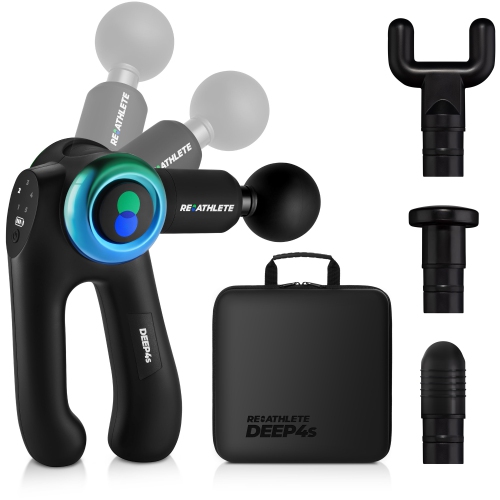
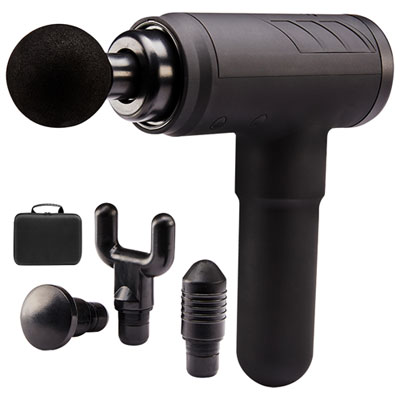
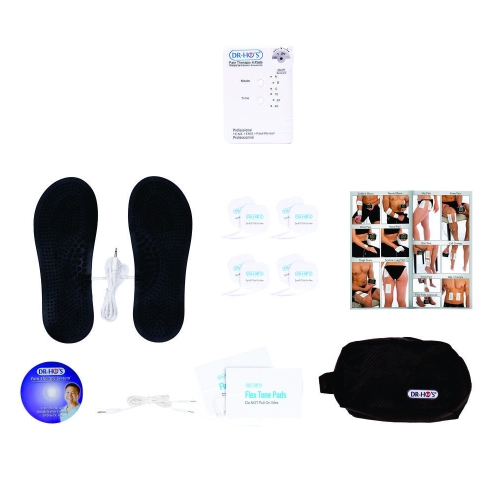
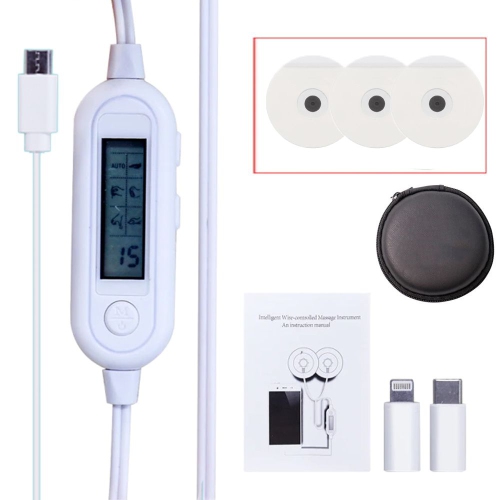
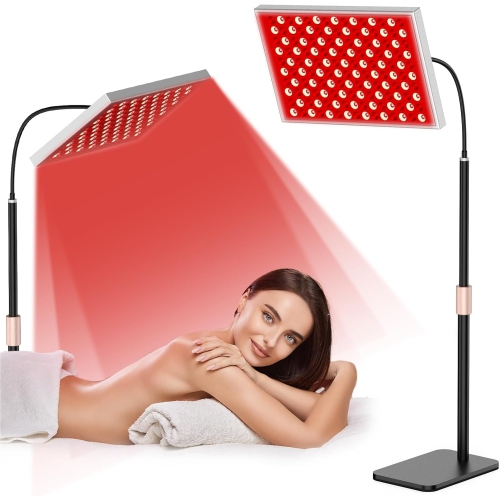
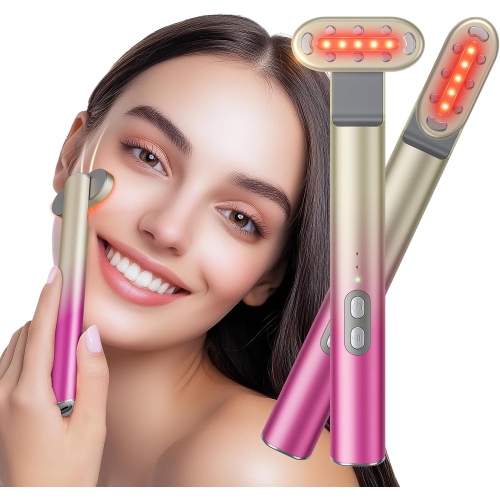
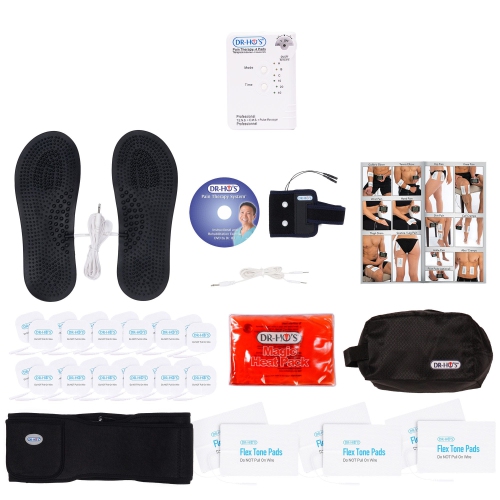
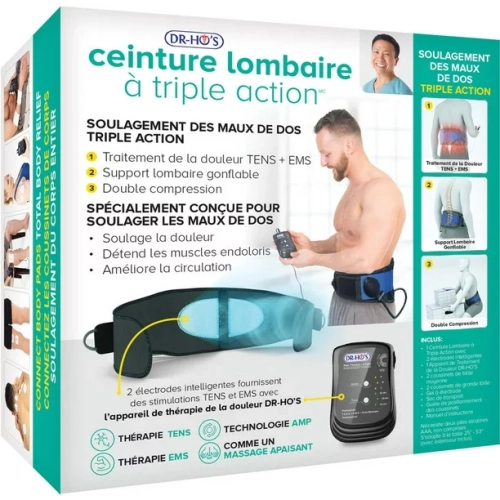
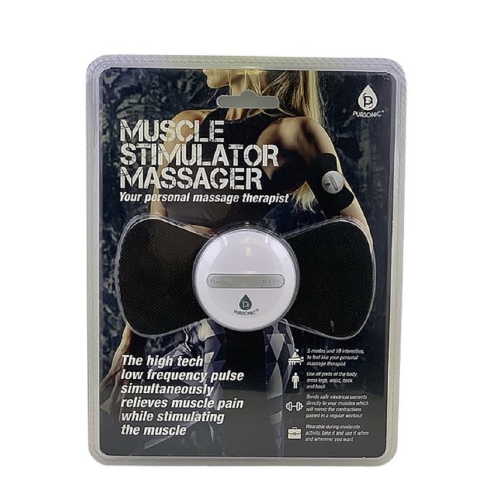
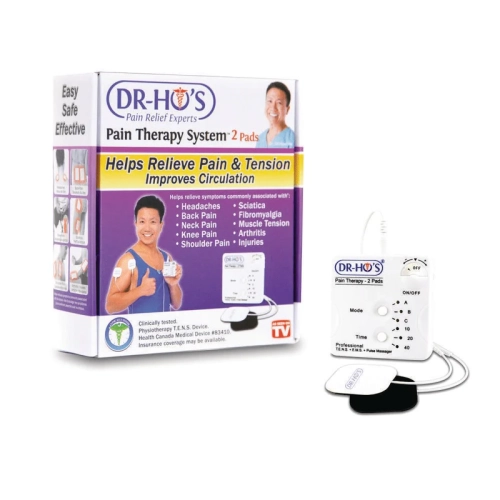
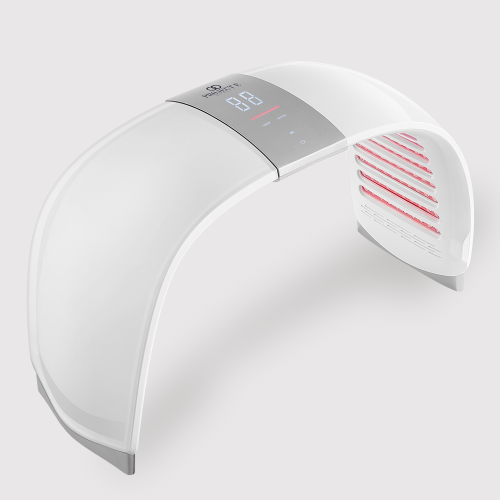
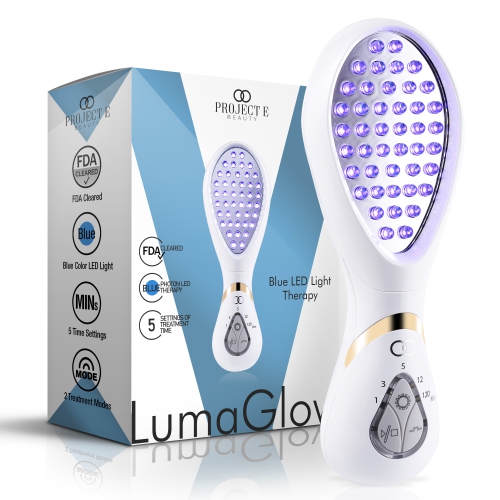
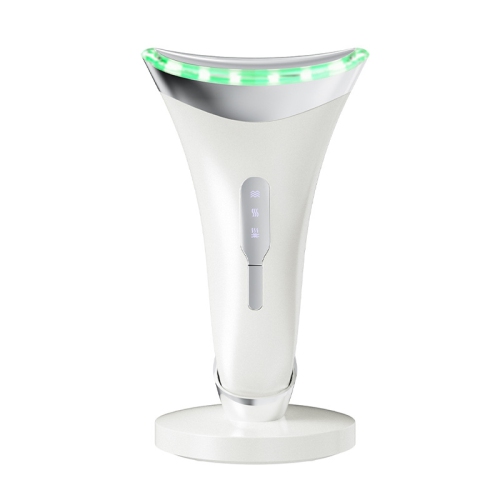
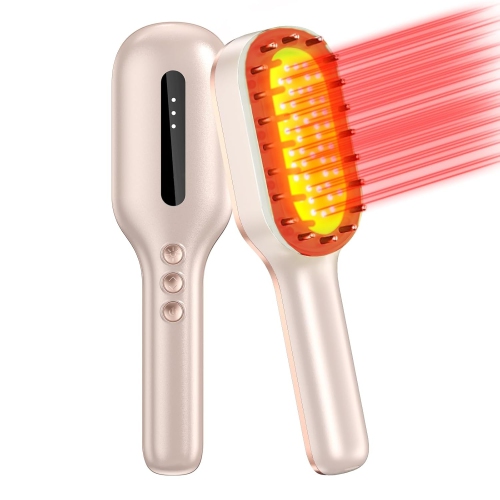
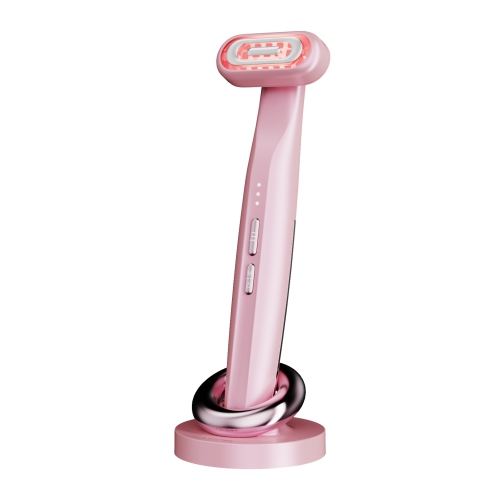
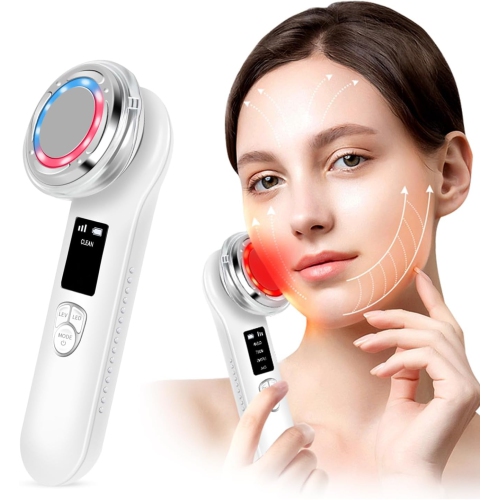
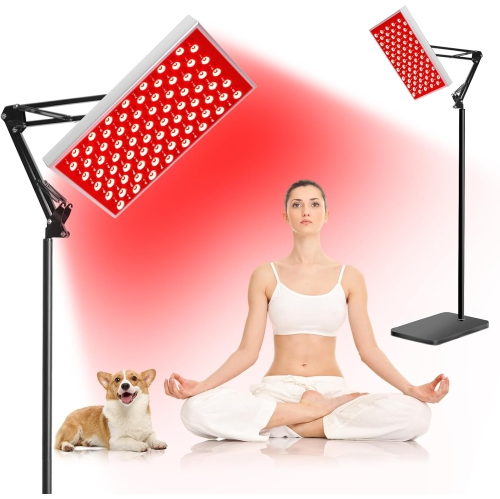
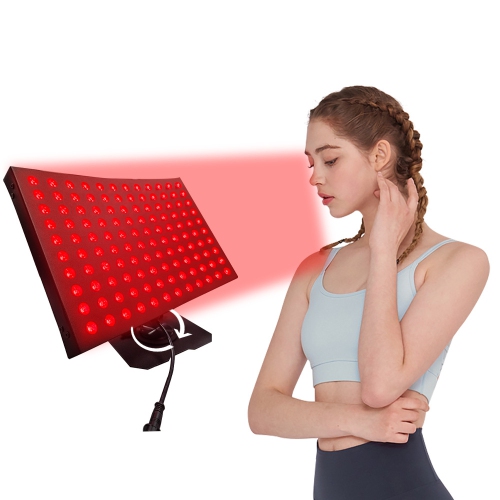
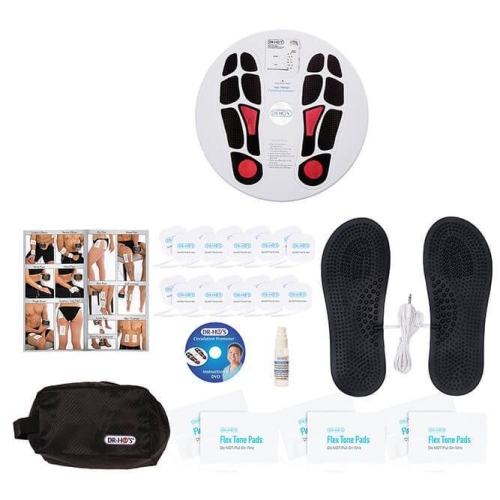
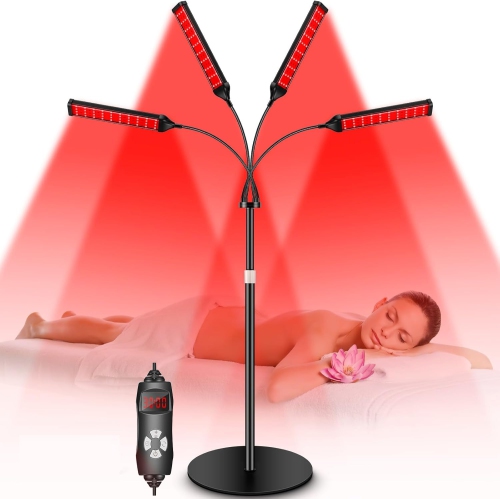

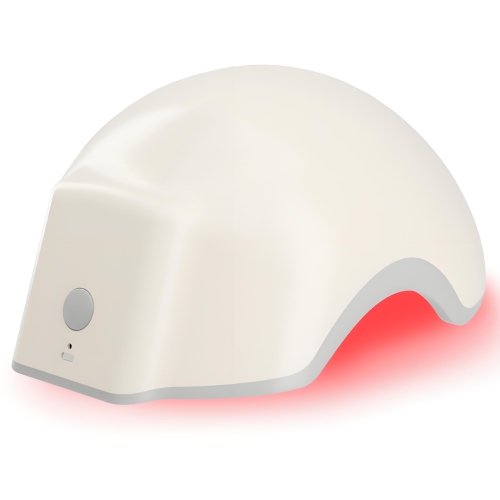
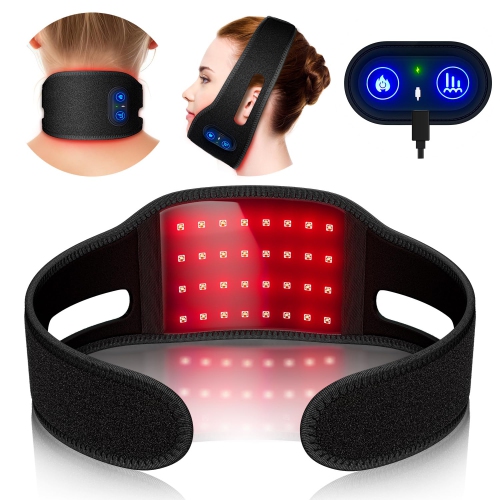

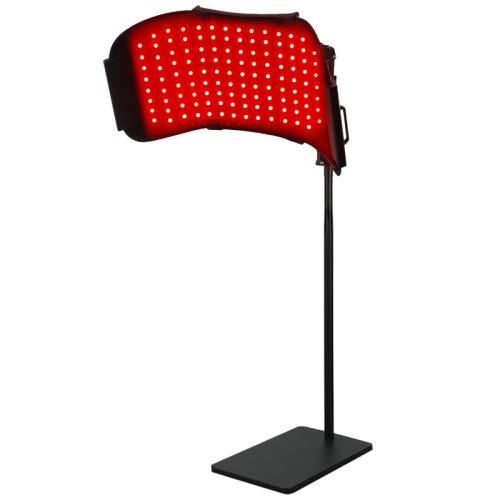
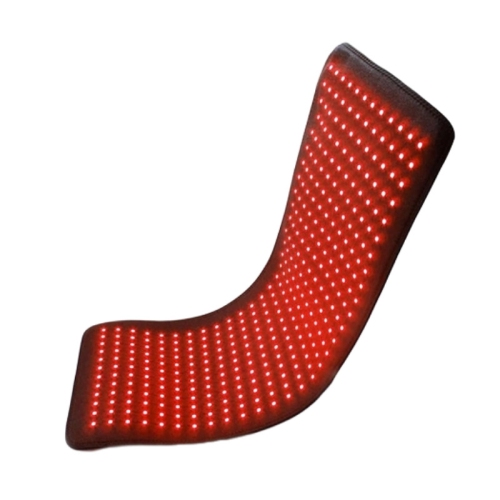
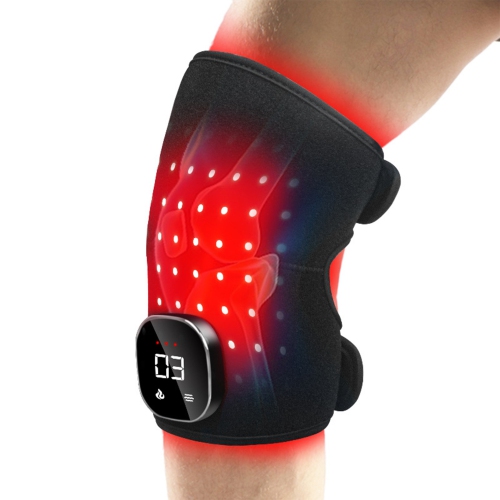
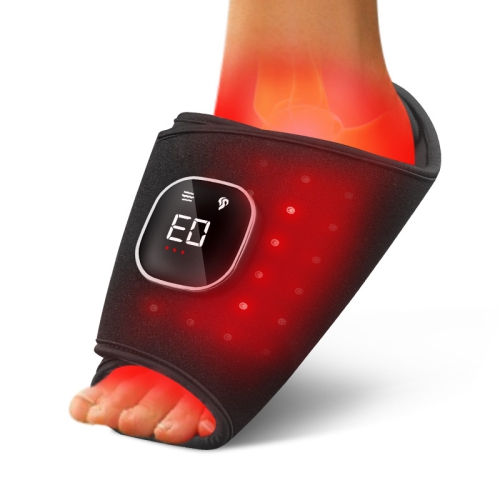
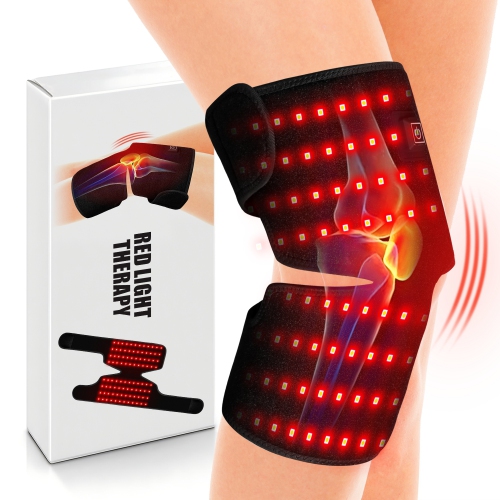
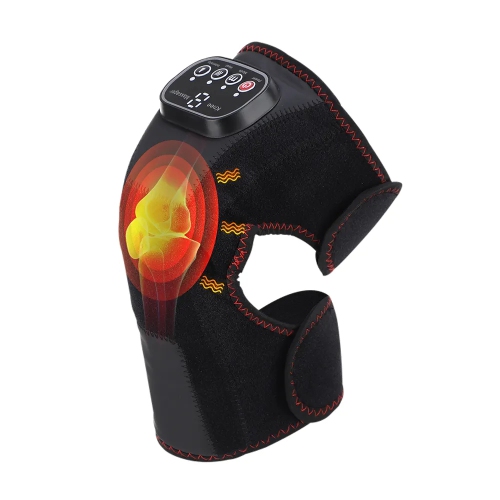
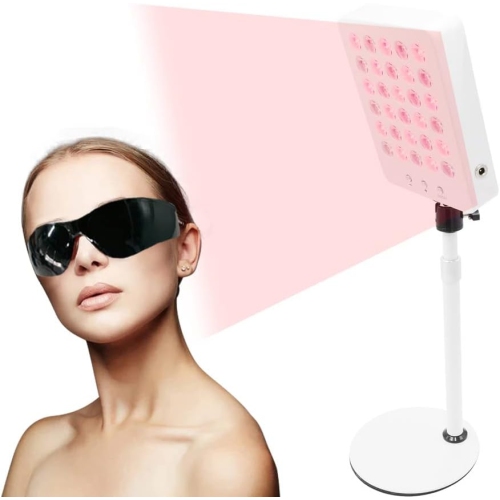
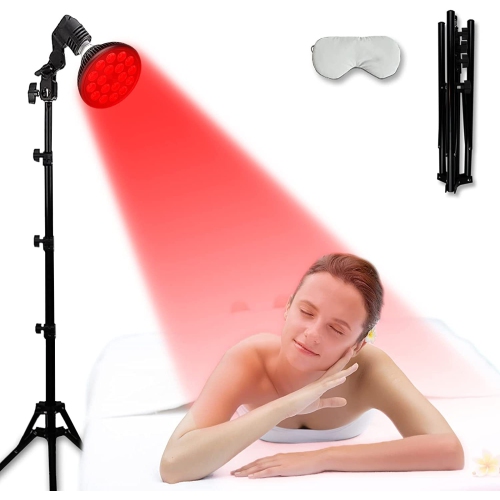




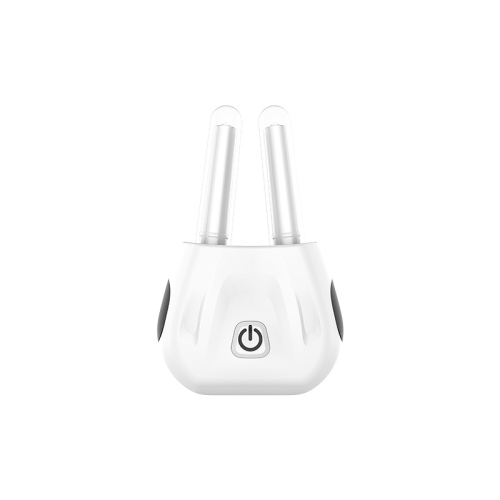
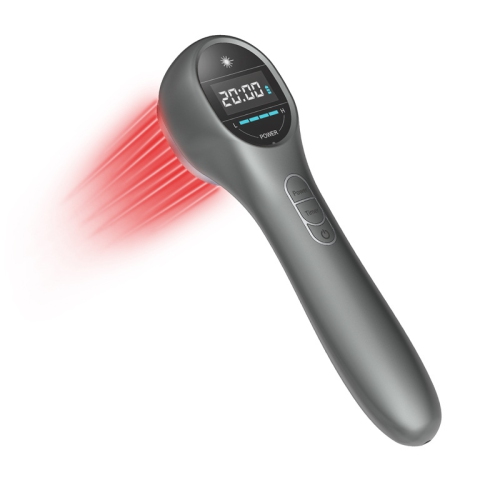
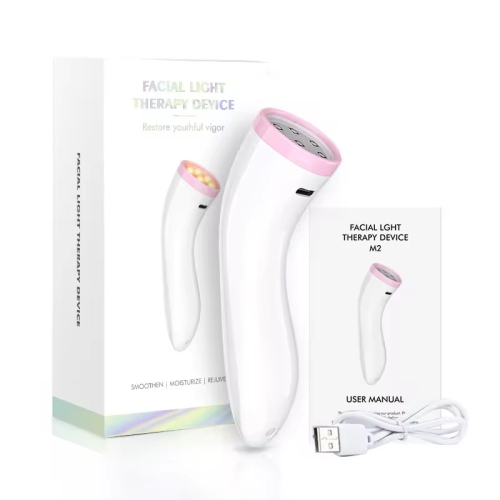
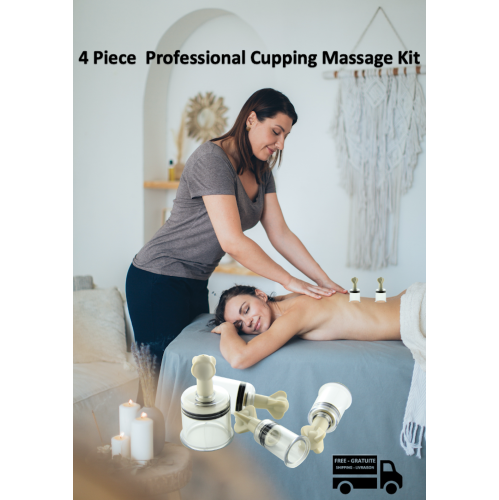
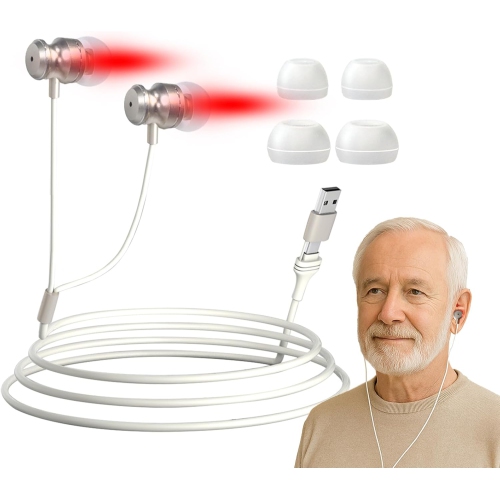
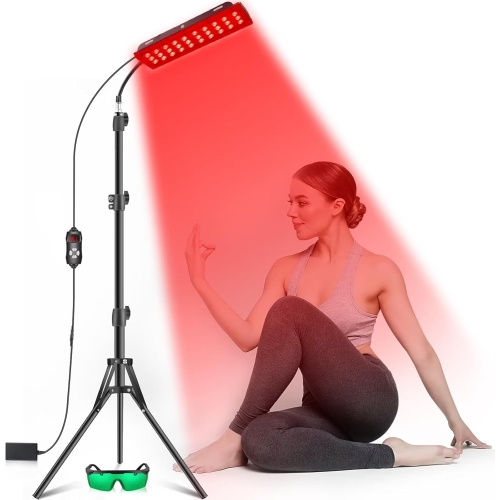
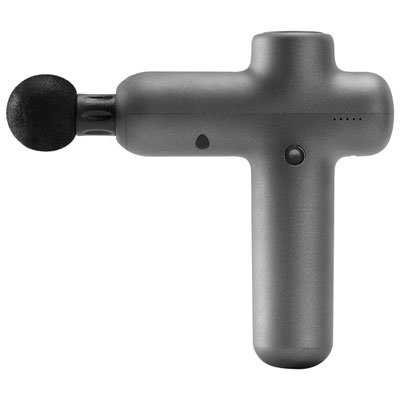
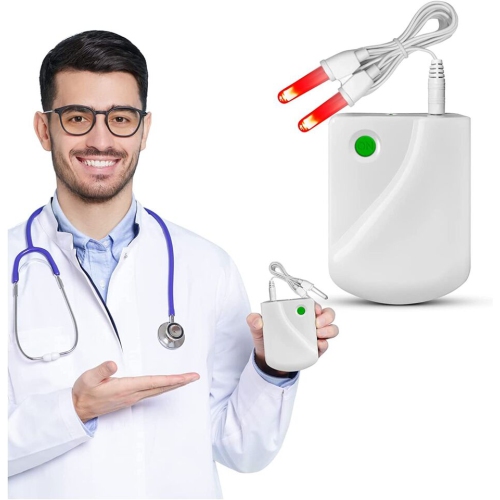
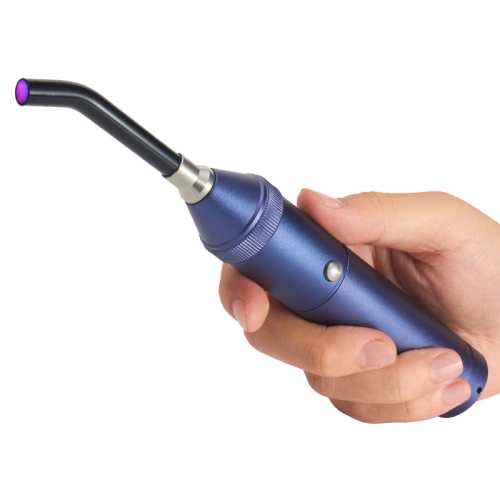
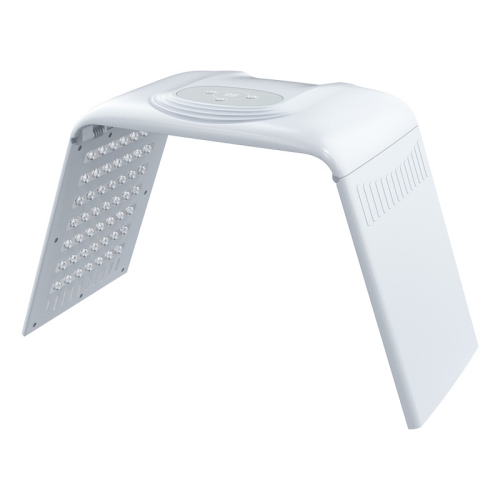
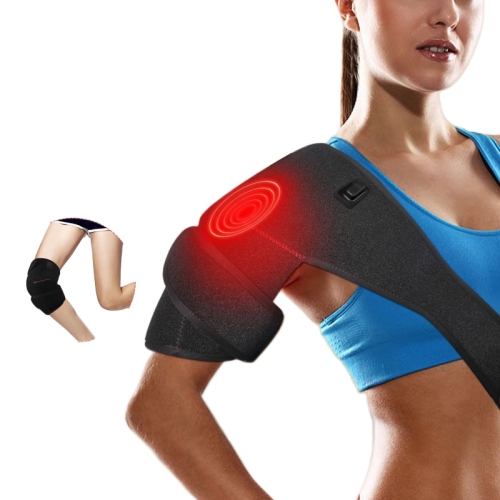
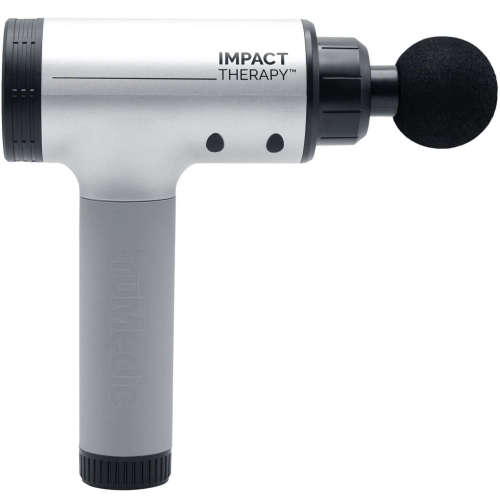

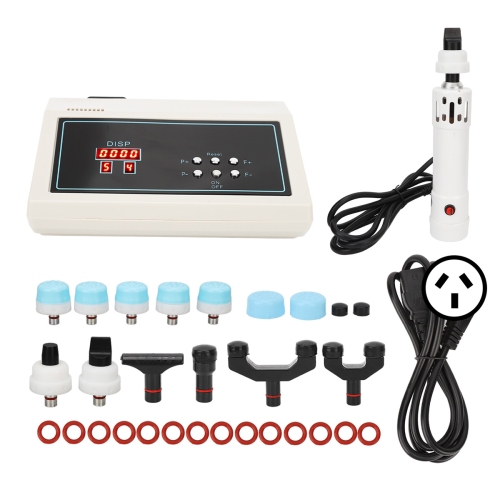
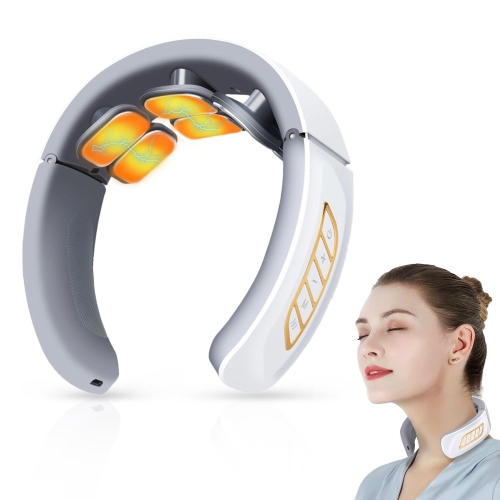
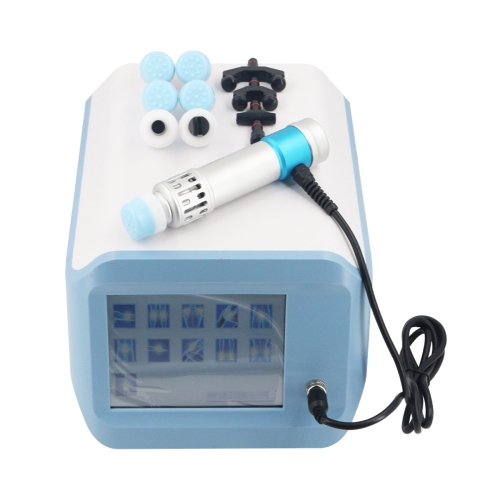
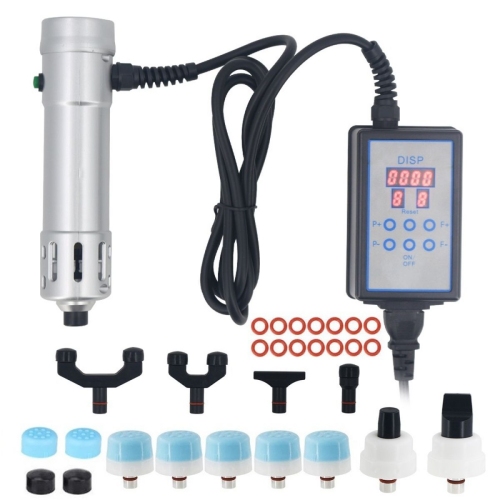
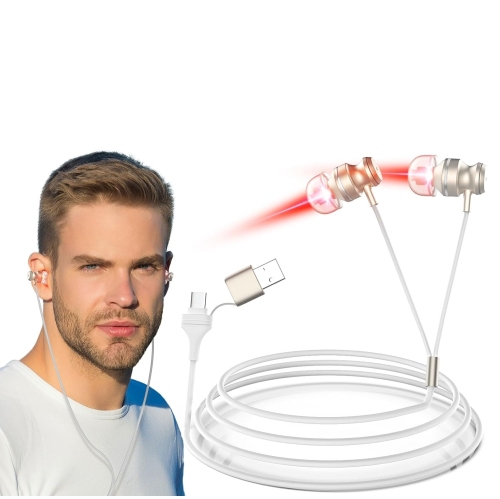
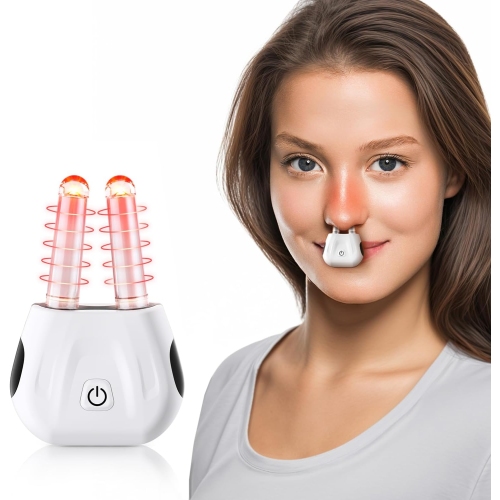
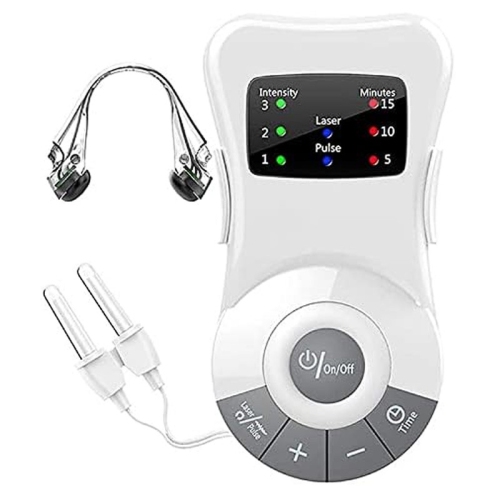
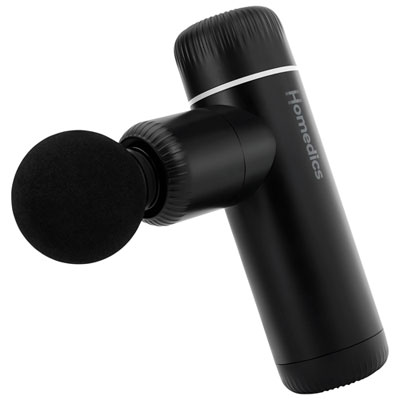
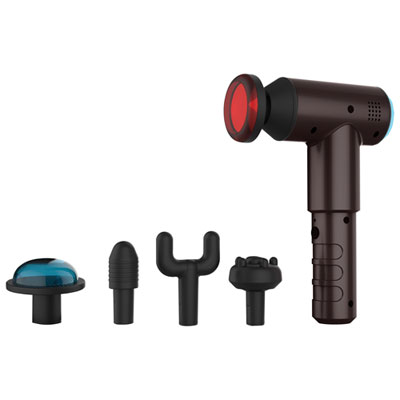
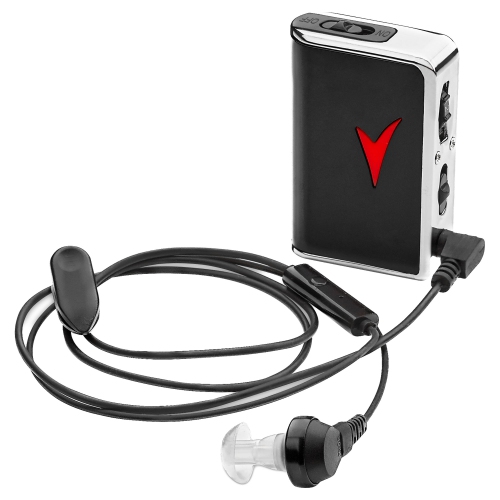
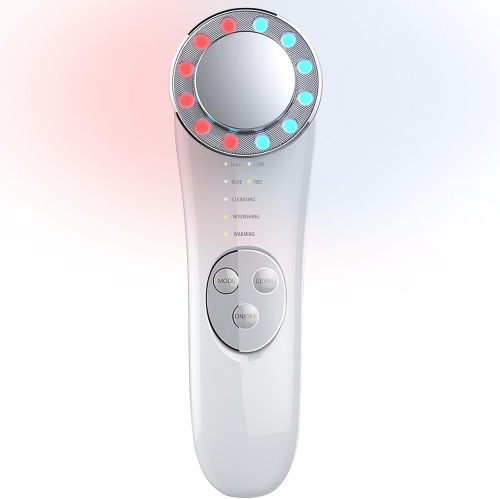
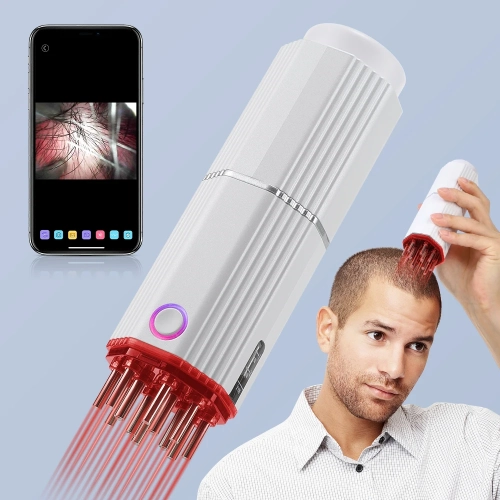
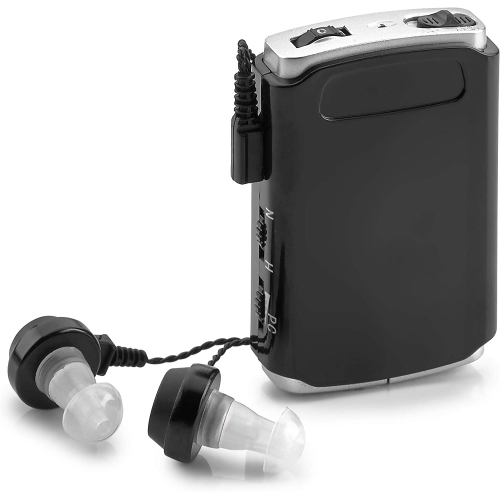
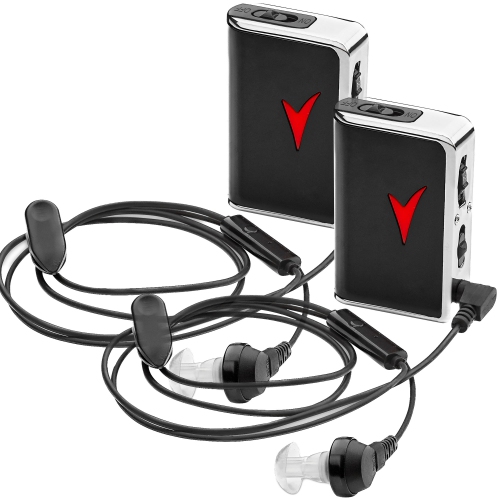
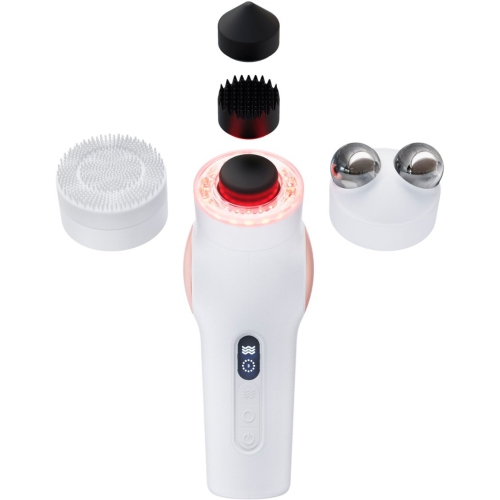
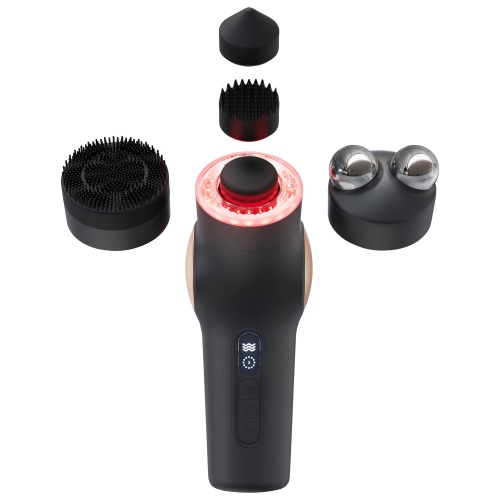
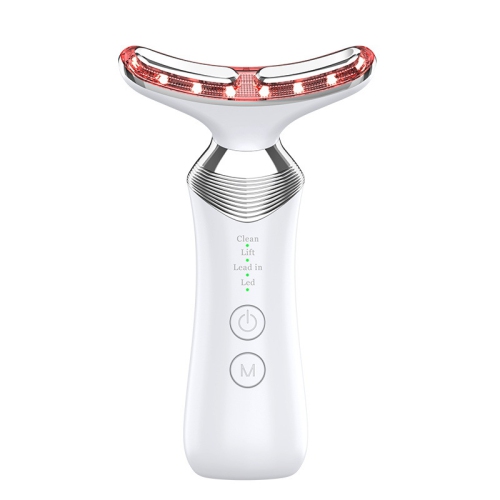
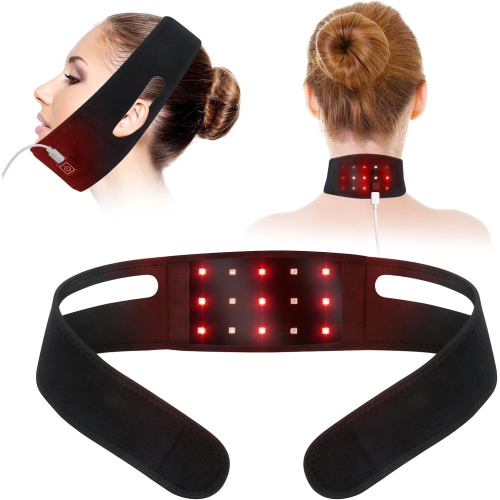
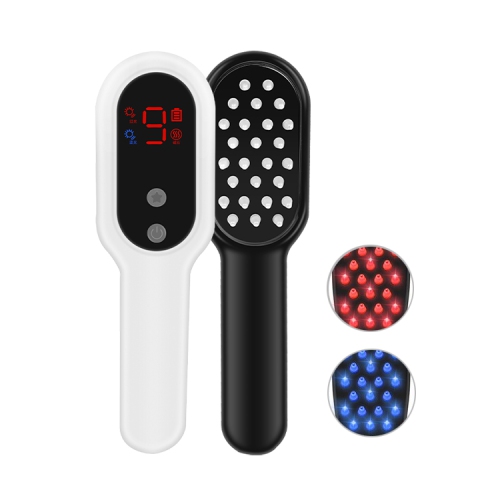
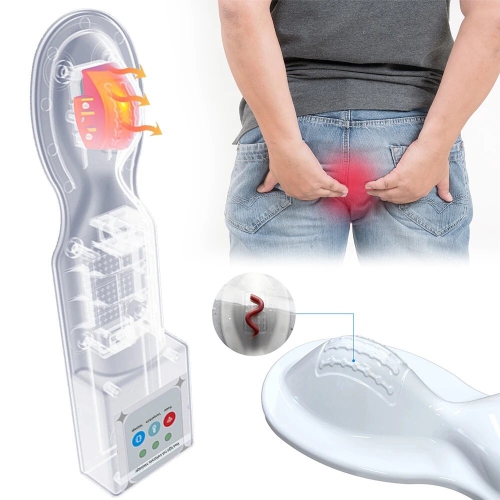
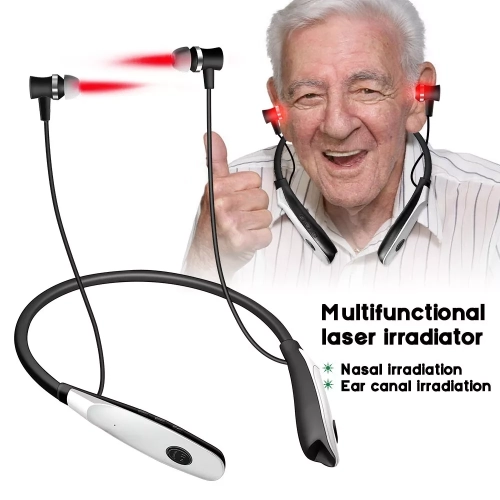
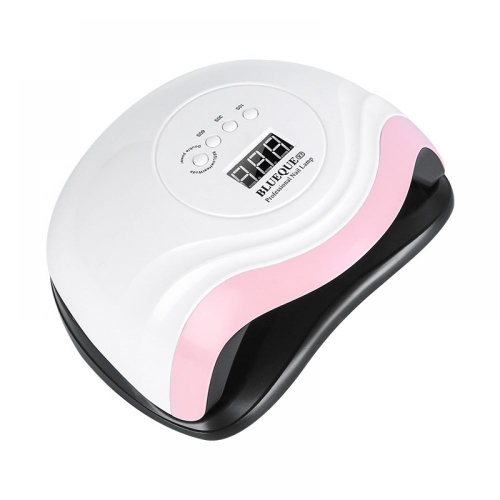
Support for recovery, relaxation, and everyday comfort at home
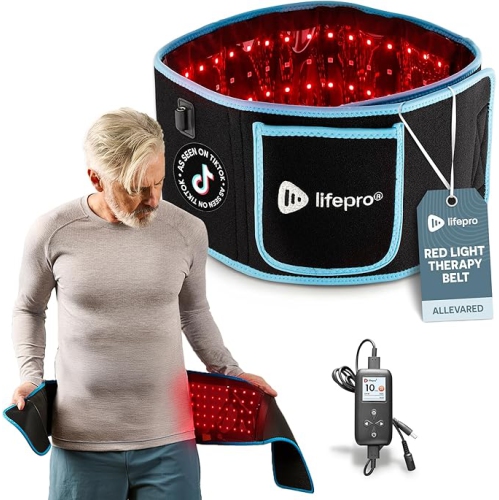
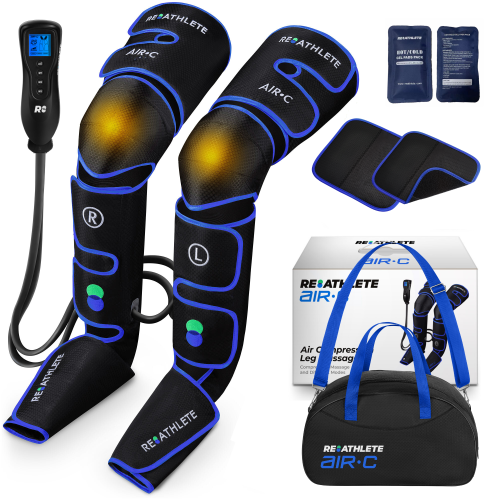
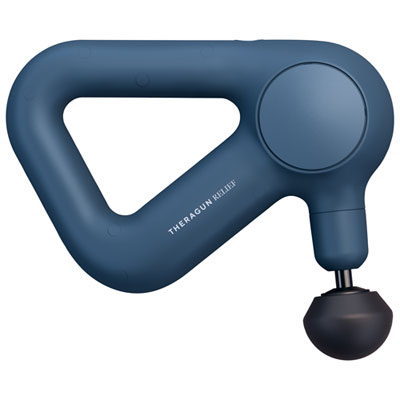
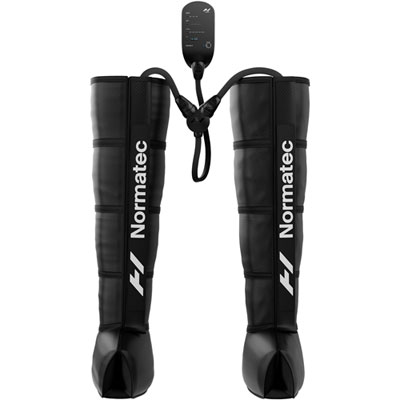
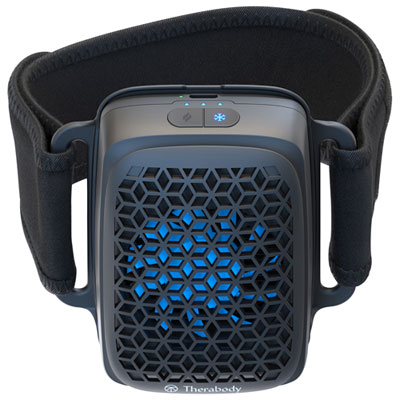
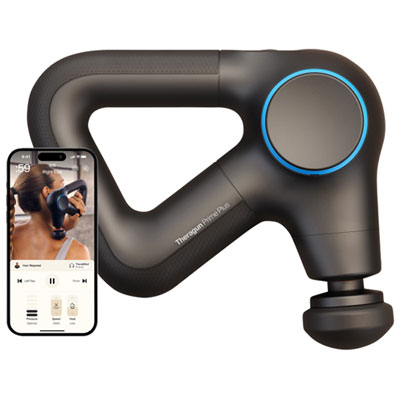
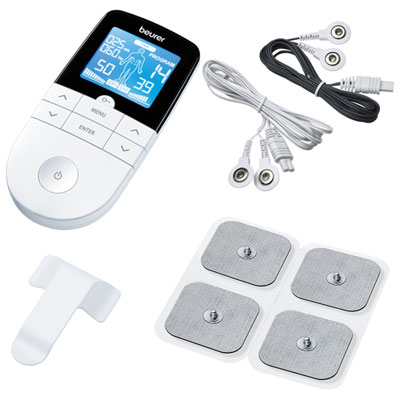
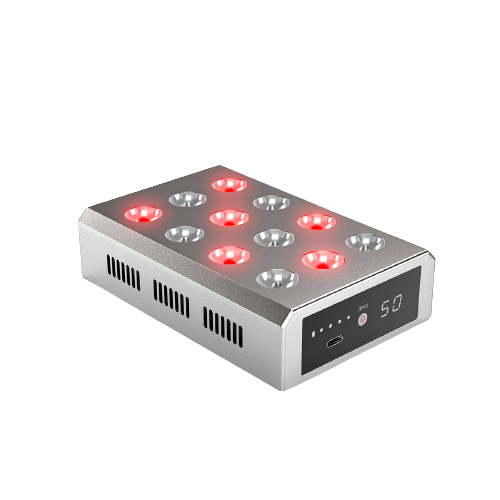
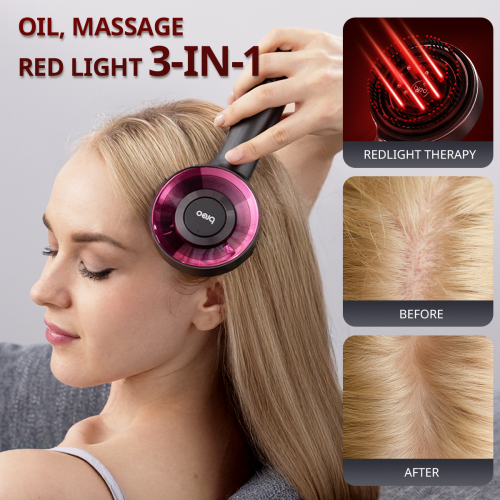
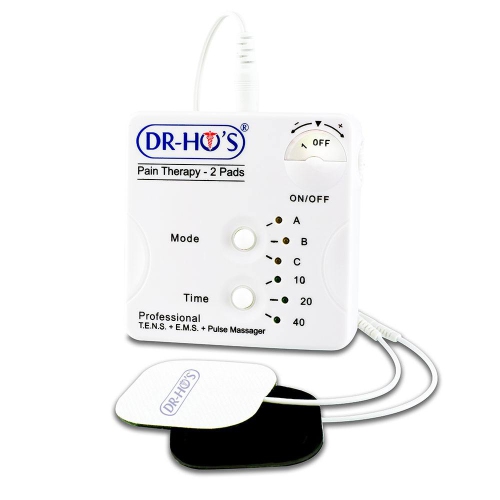
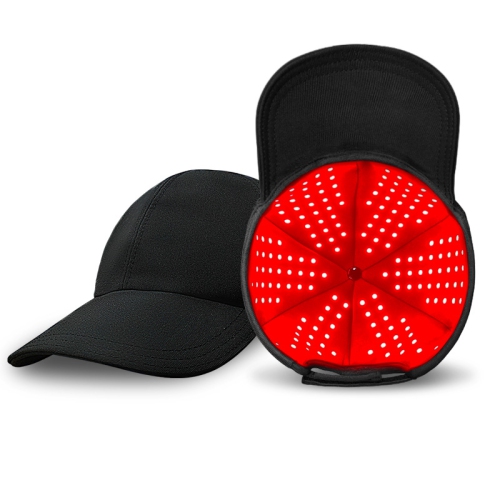
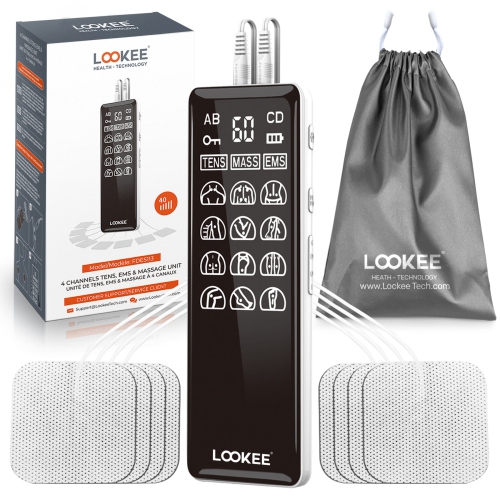
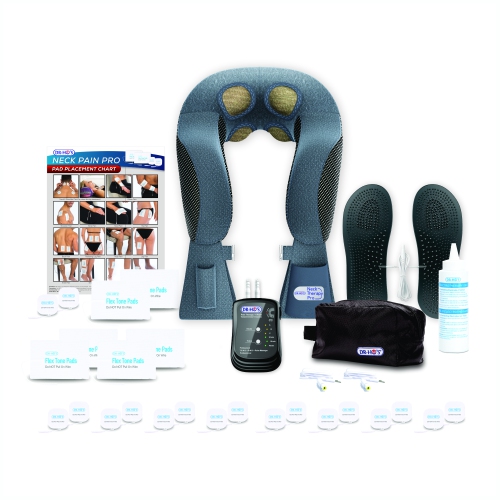
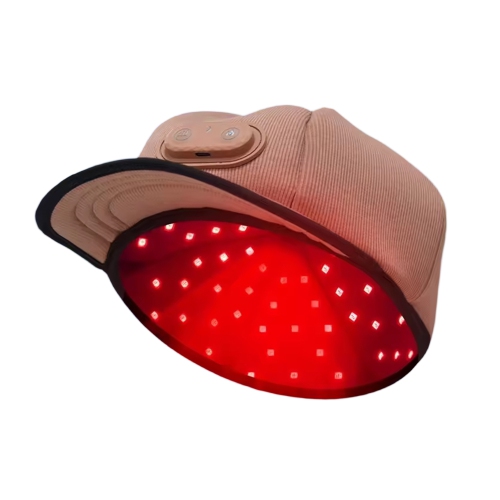
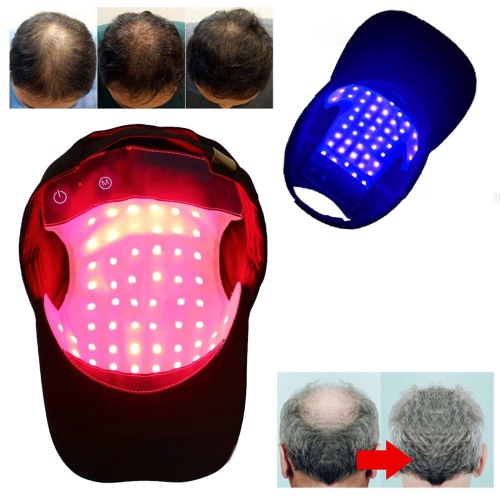
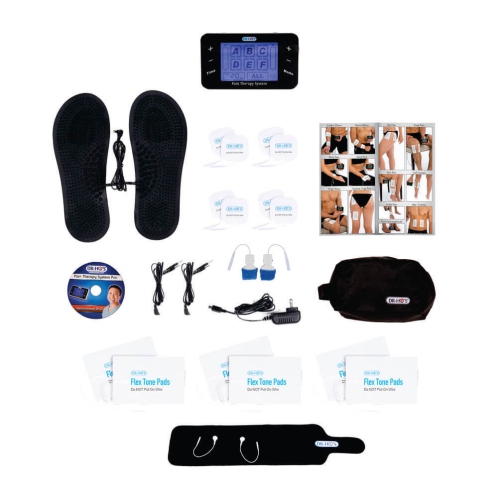
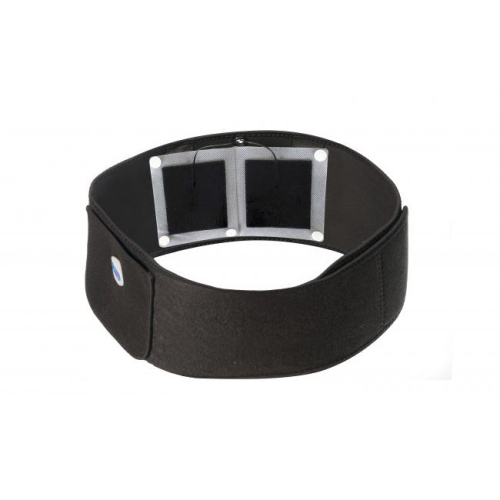
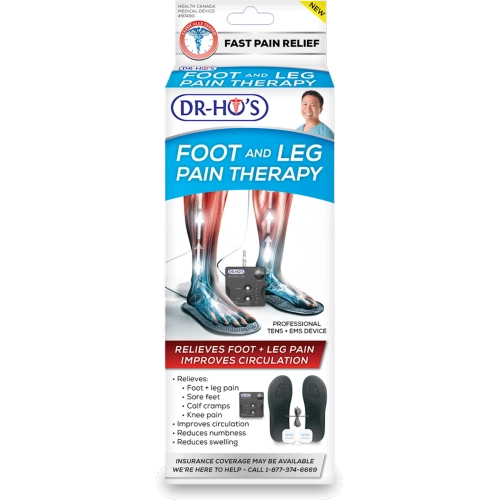
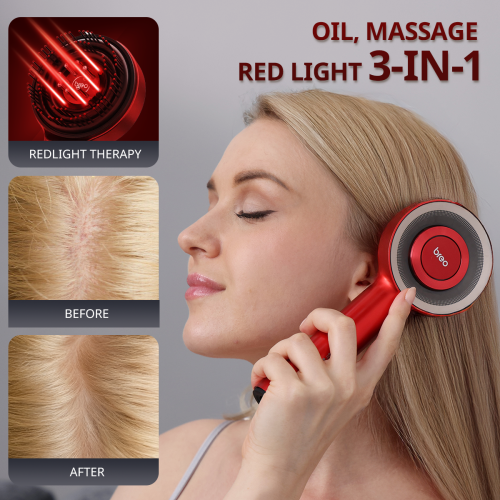
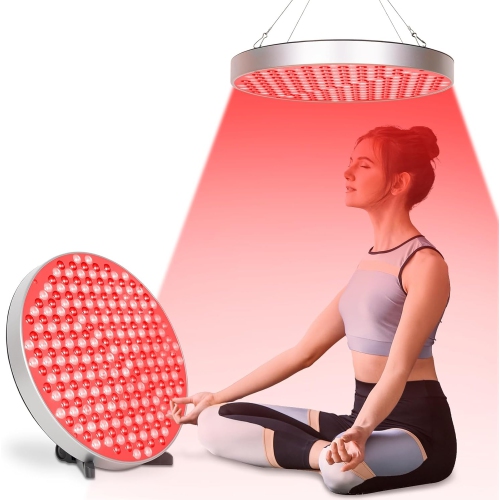
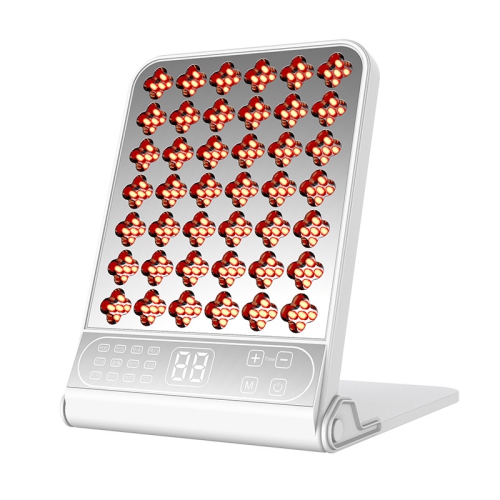
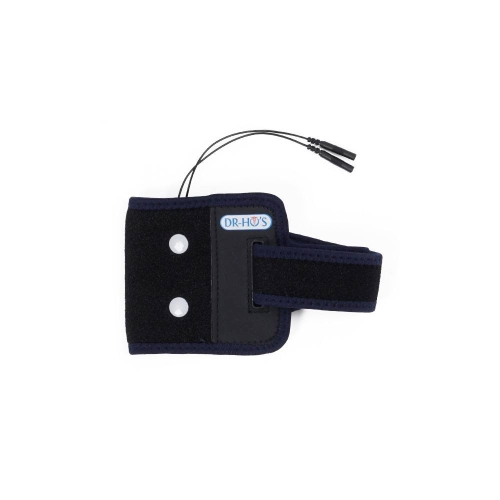
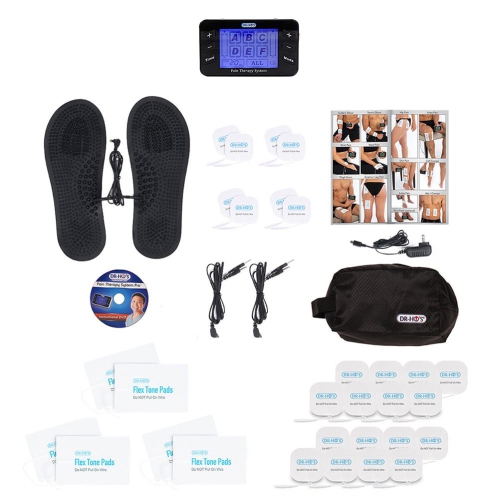
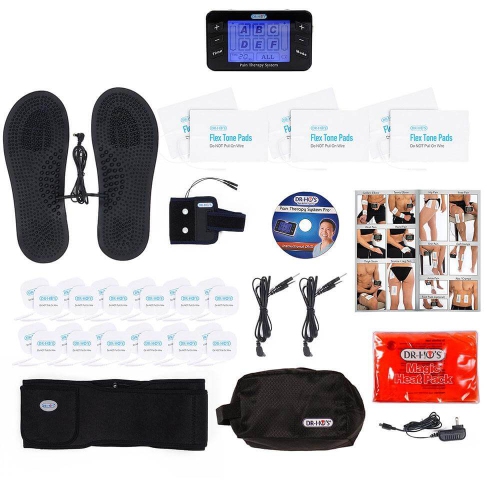
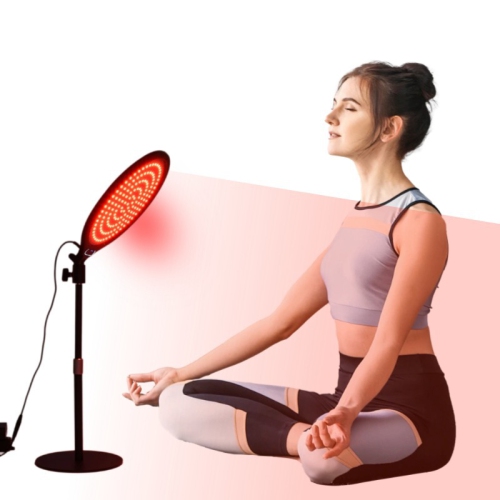
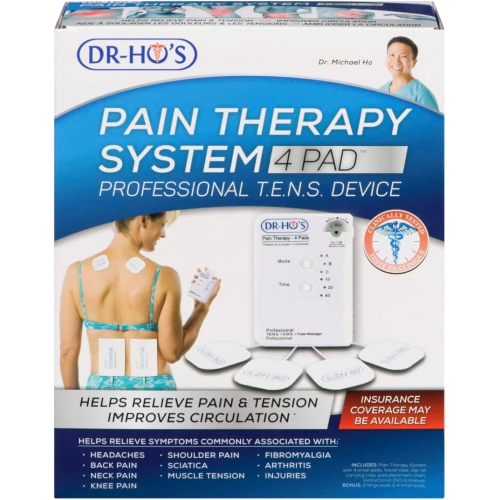
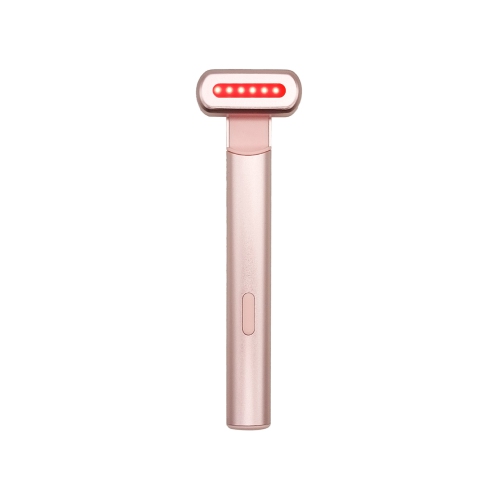
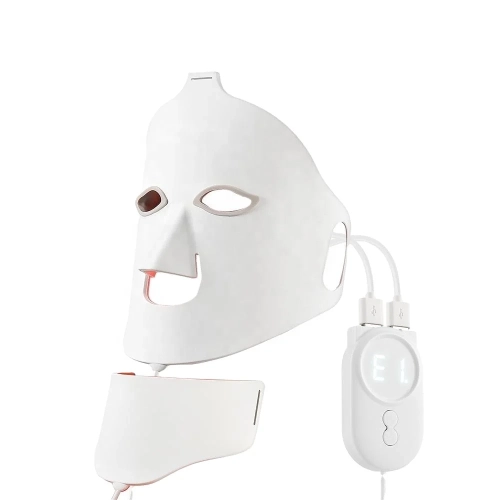
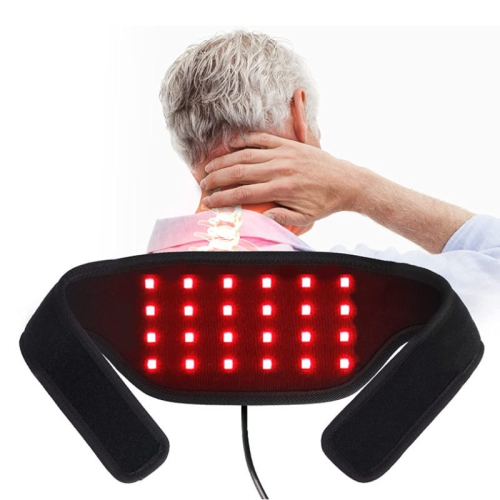
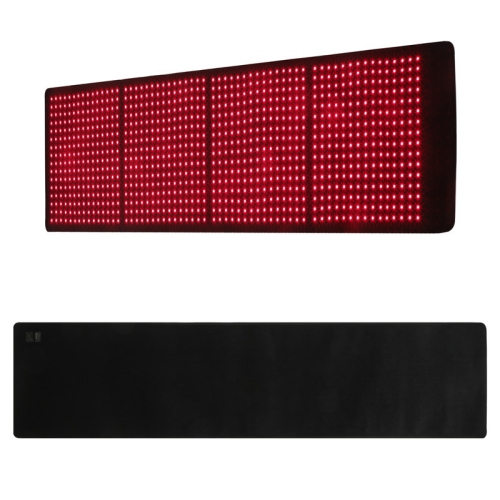
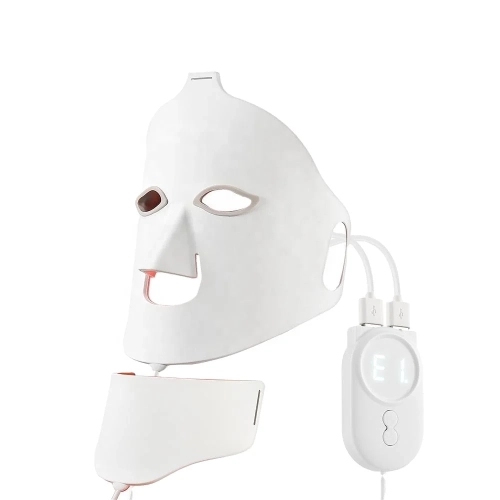
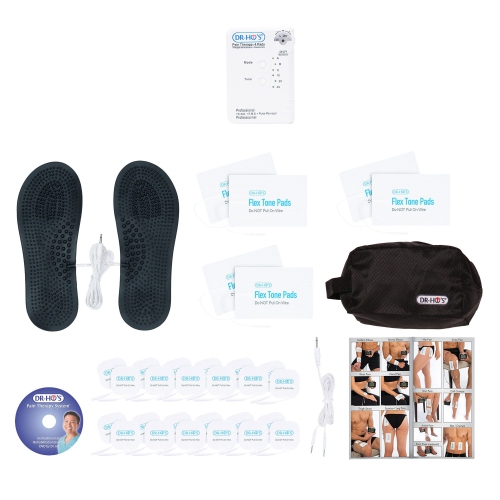
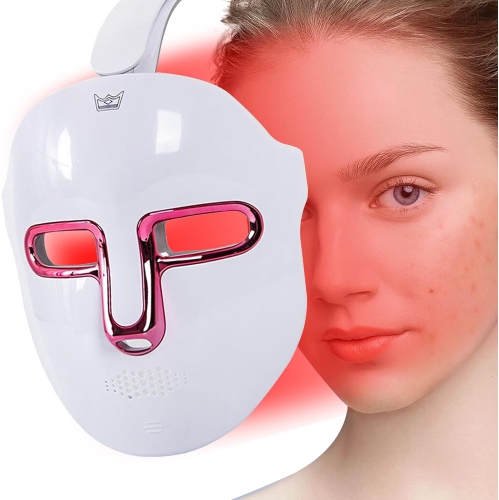
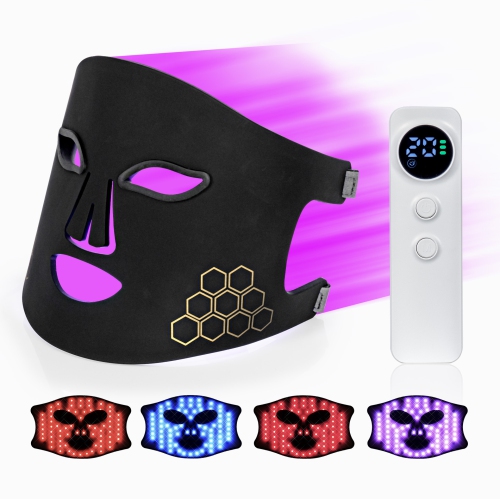
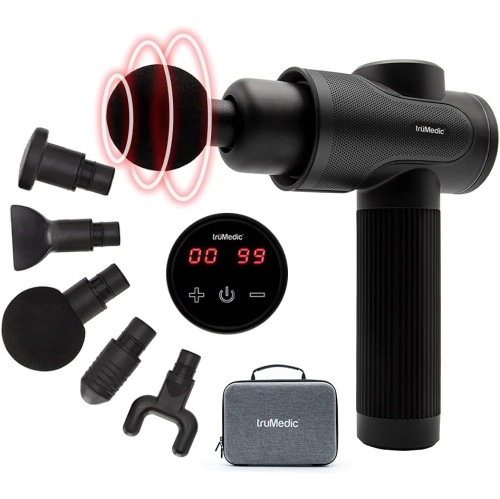
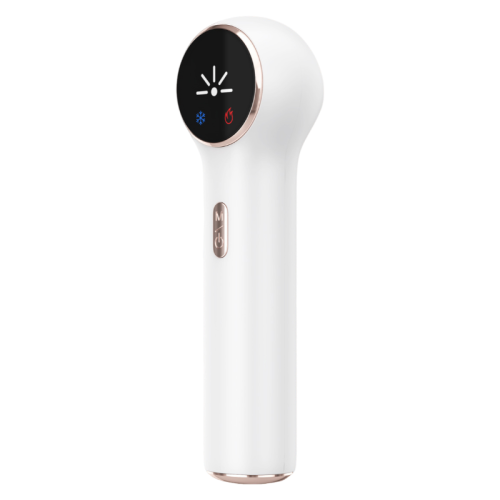
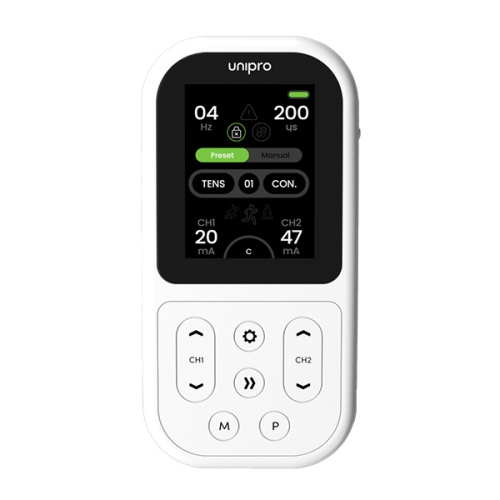
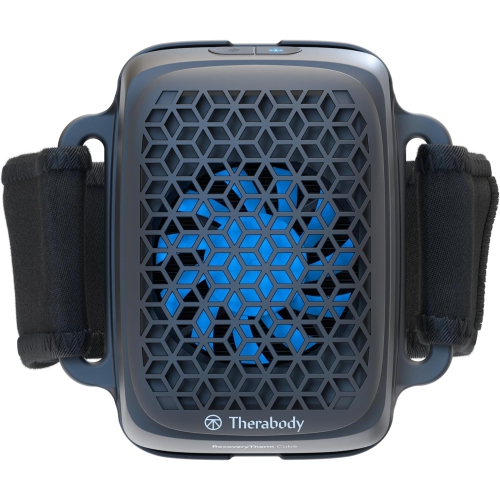
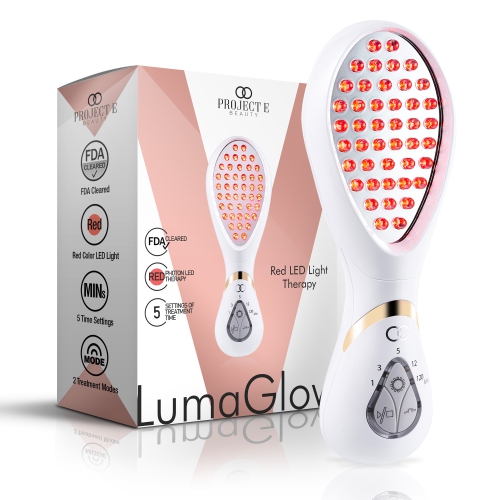
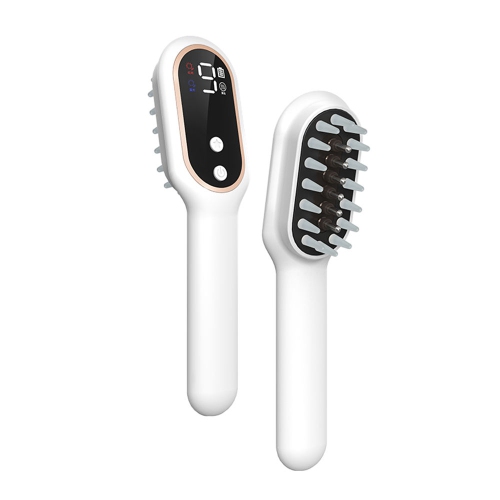
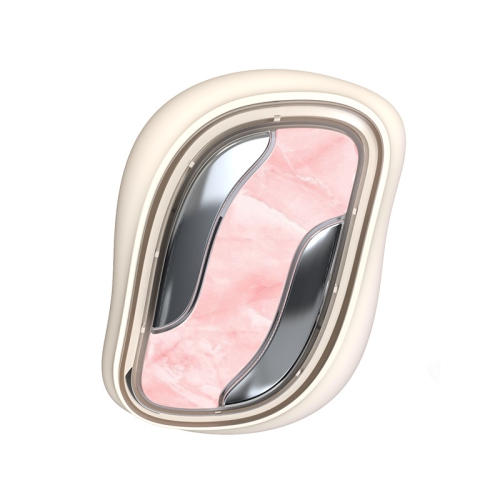
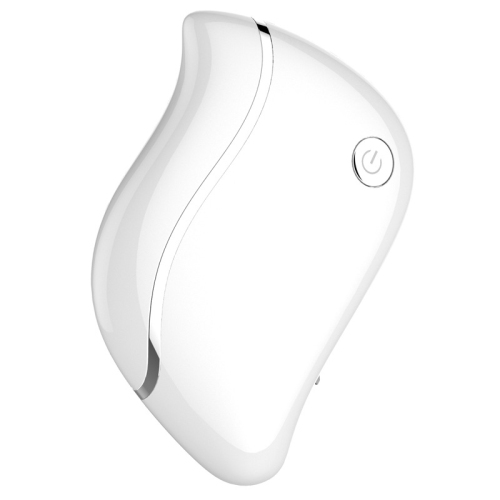
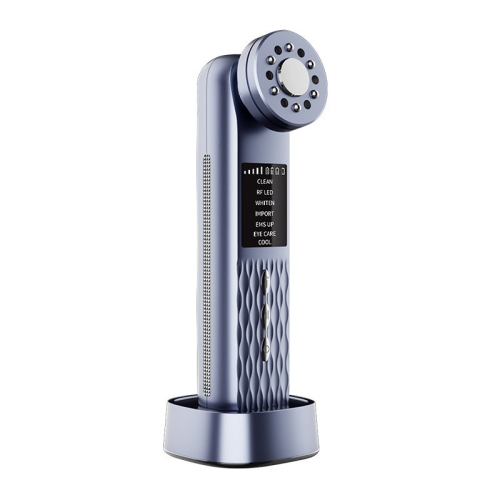
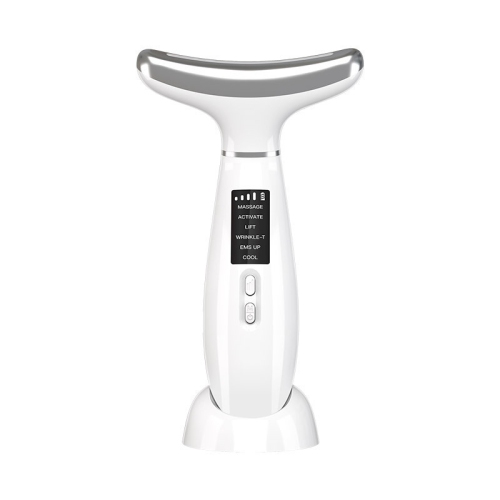
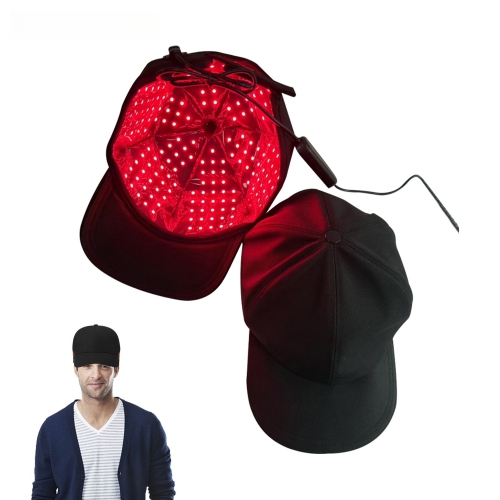
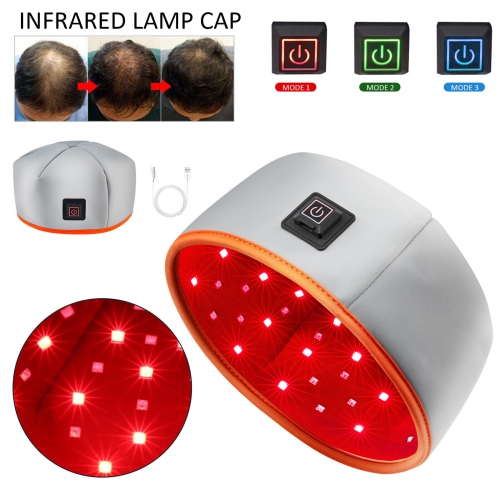
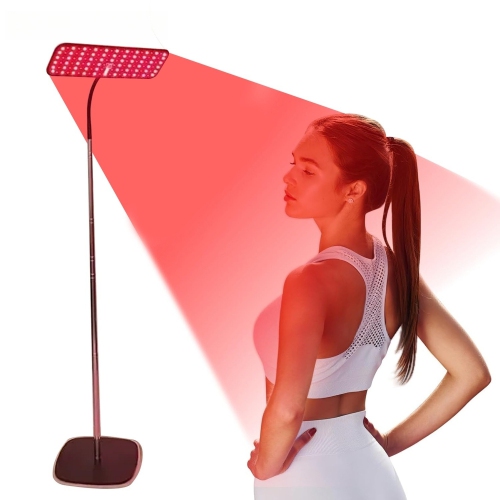
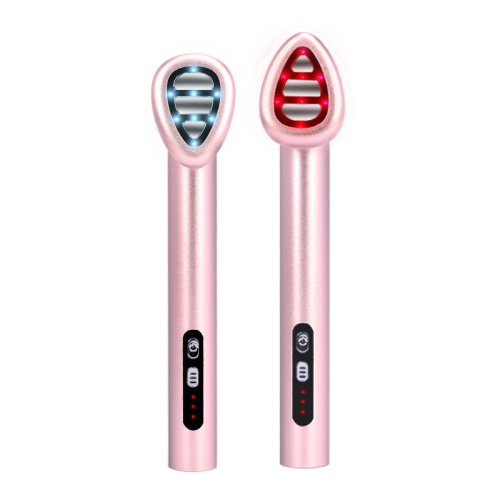
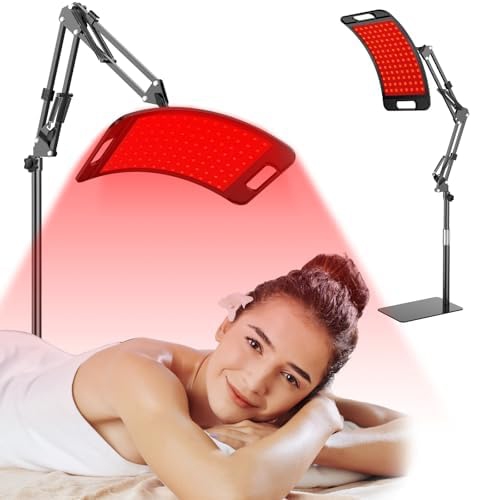
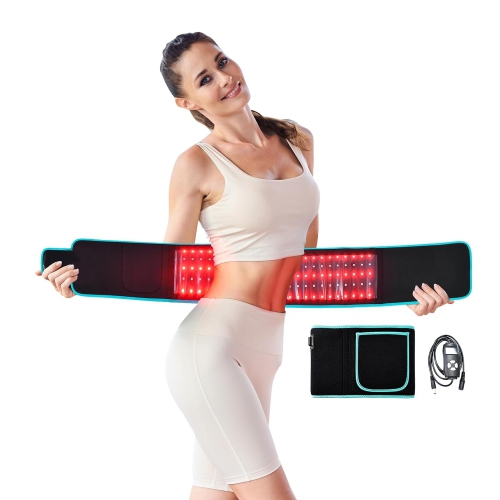
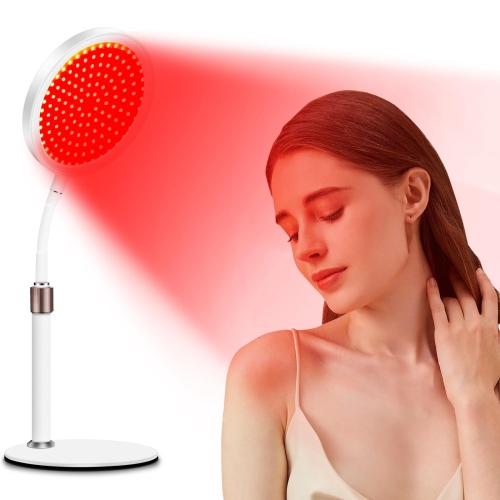
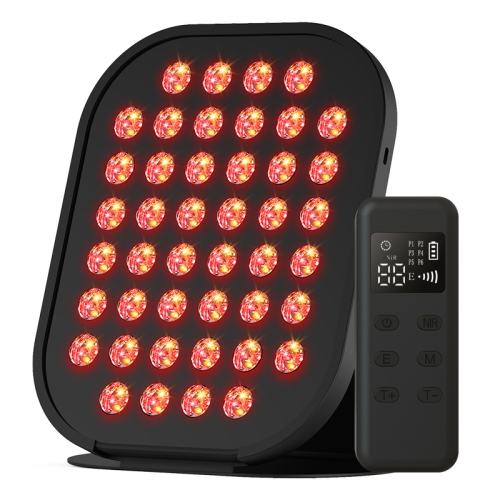
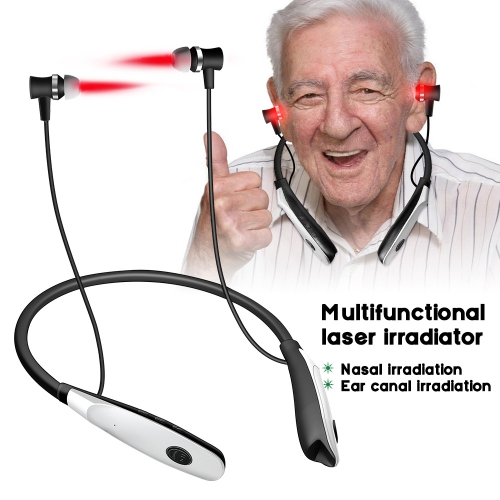
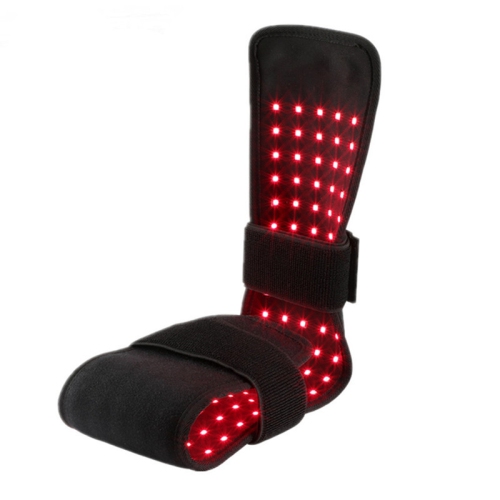
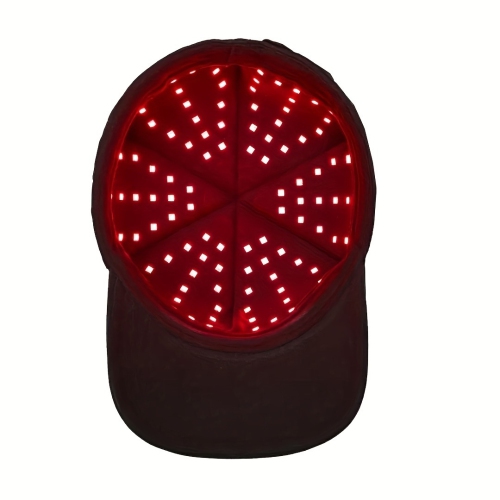
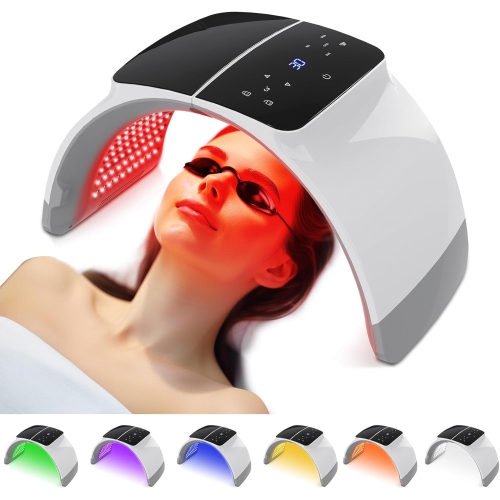
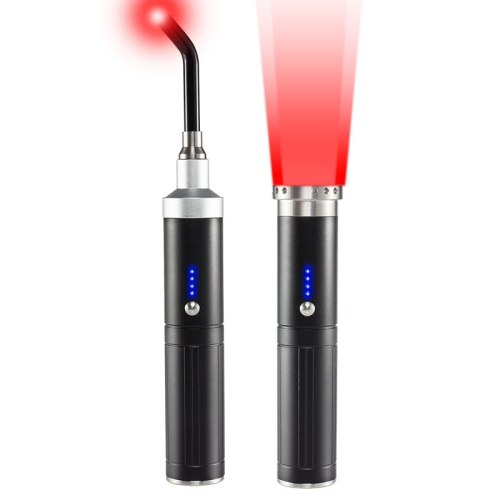
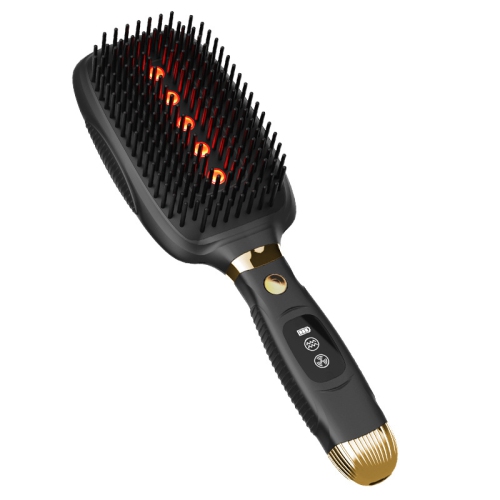
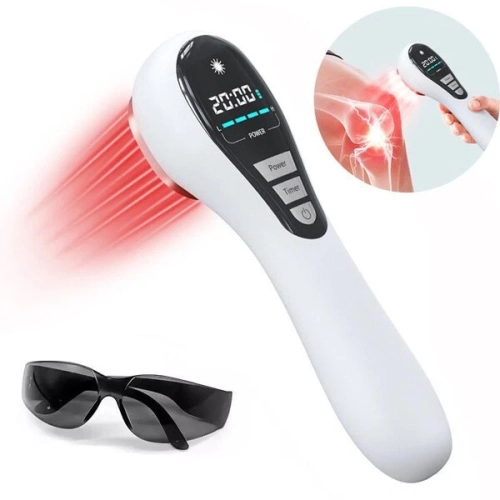
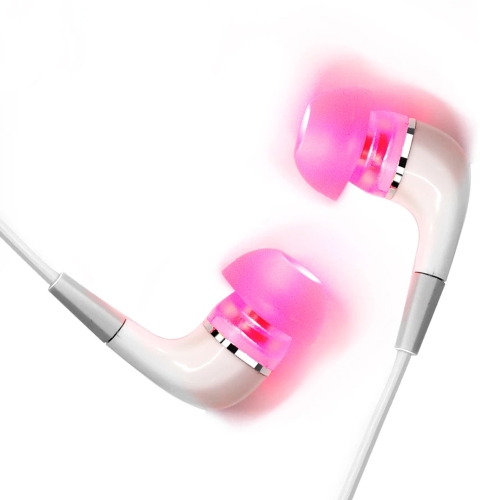
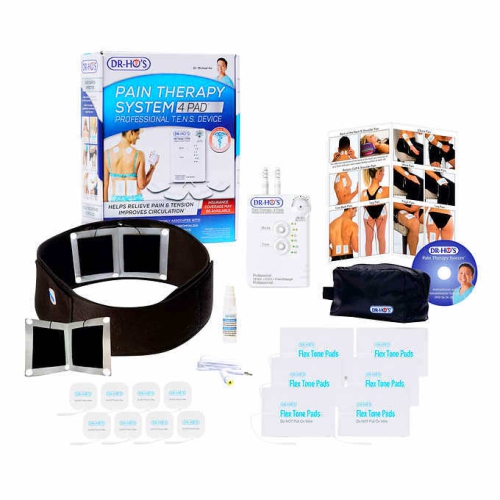
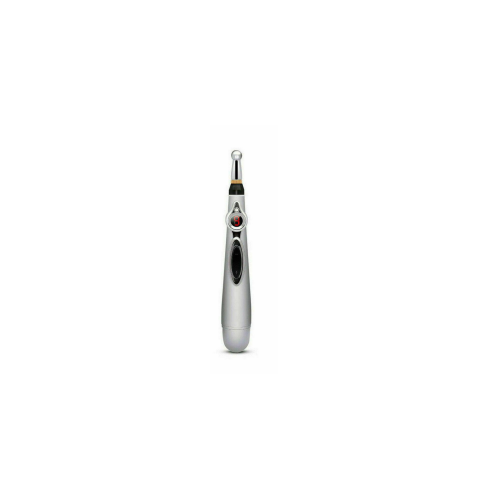
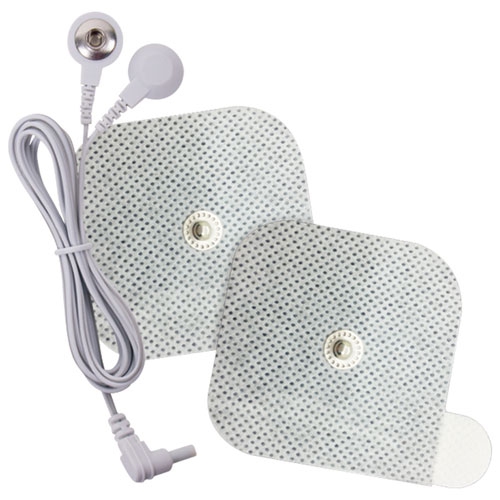
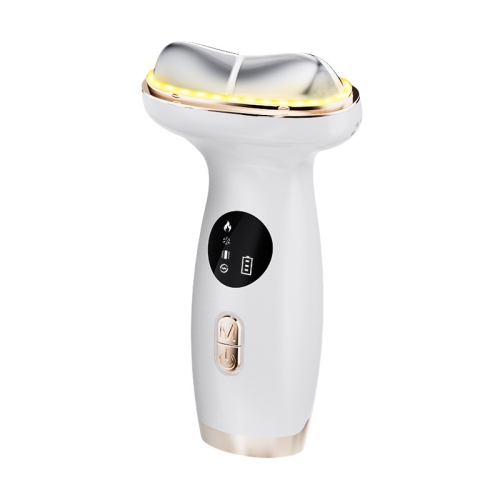
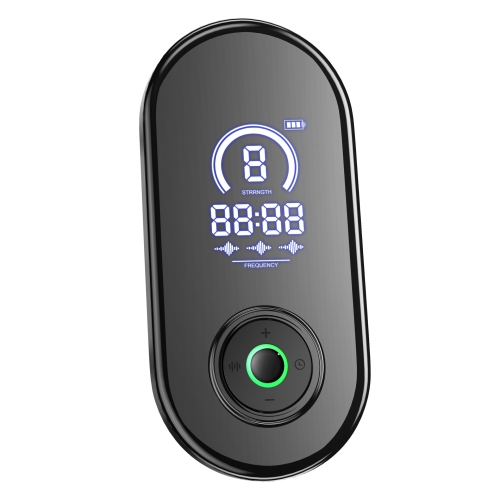
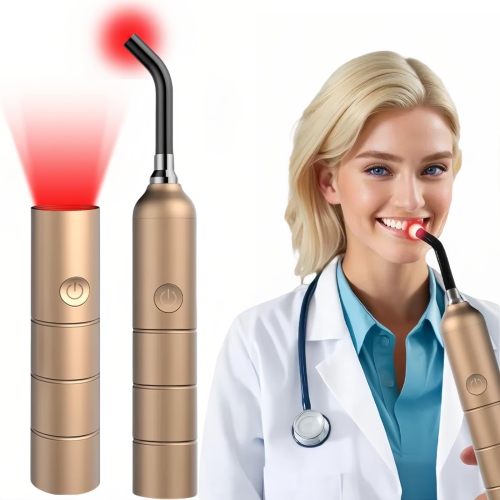
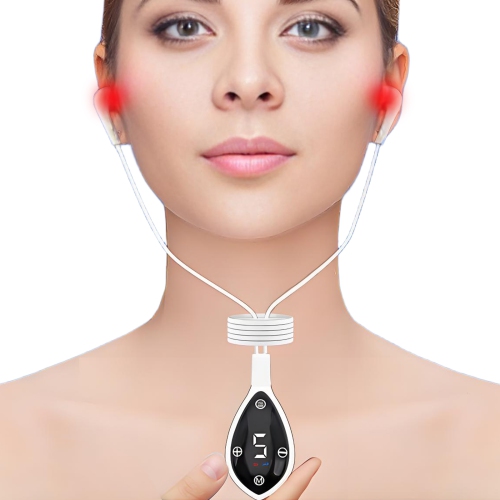
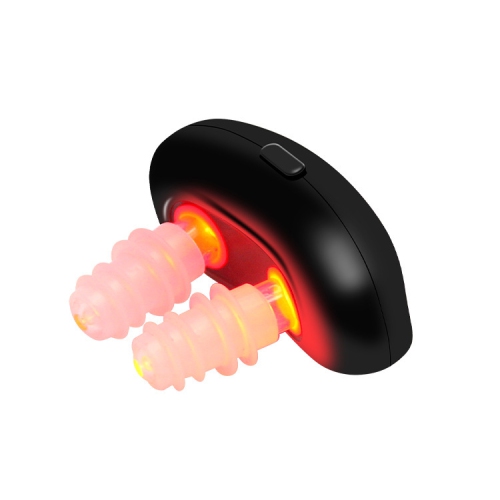
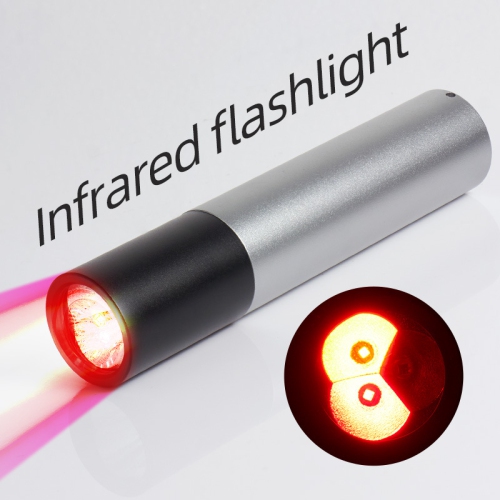
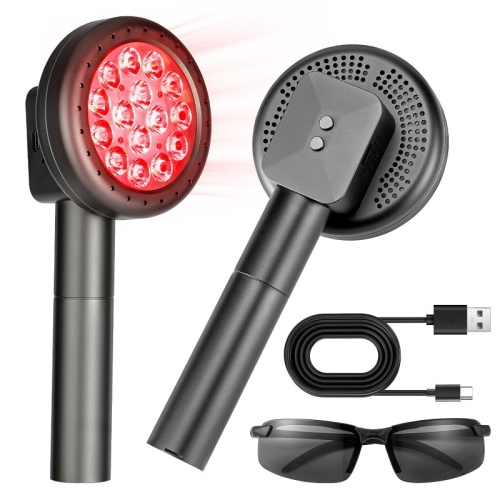
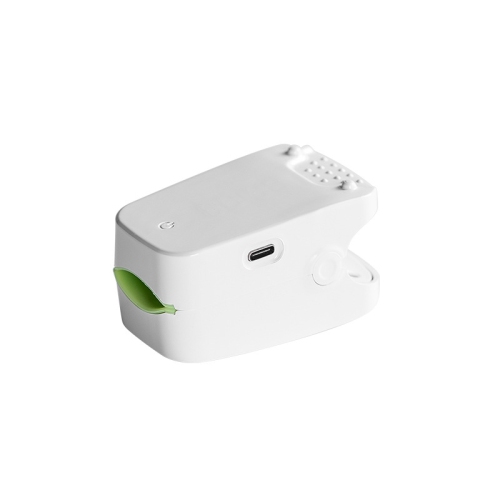
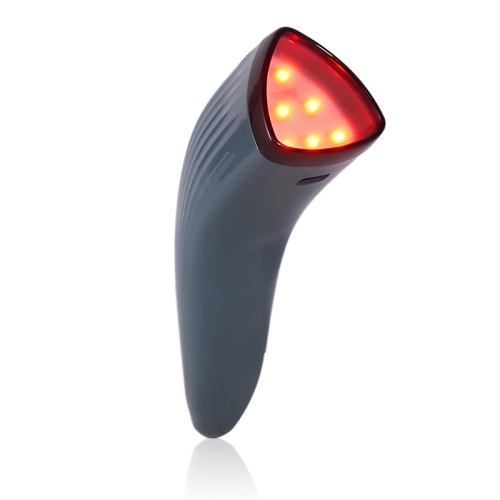
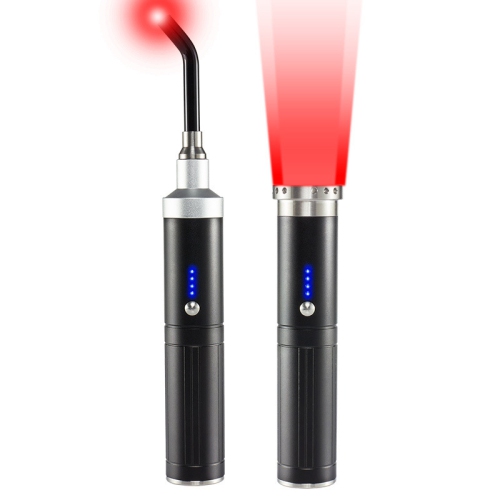
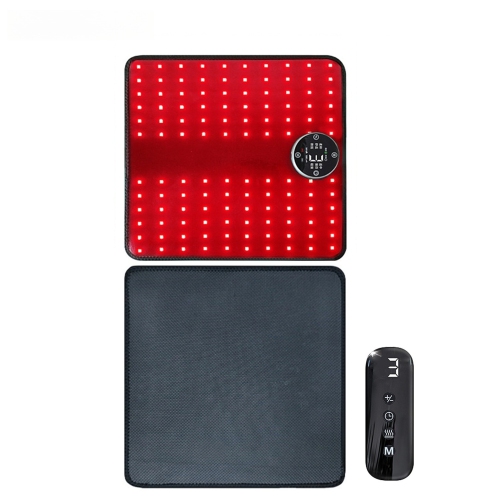
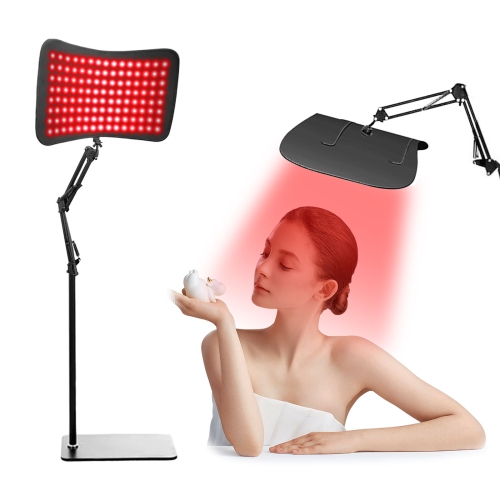
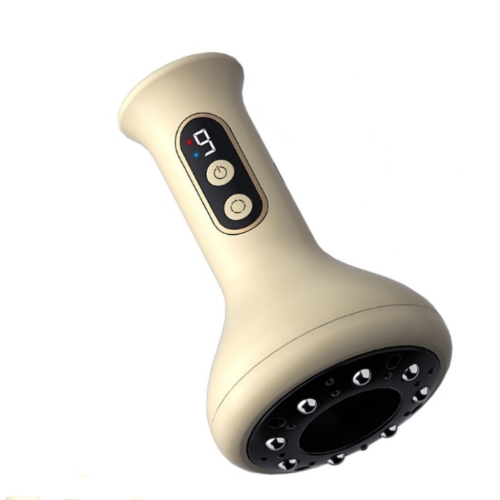
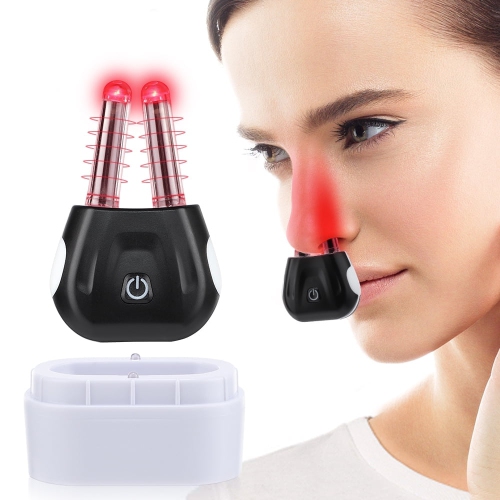
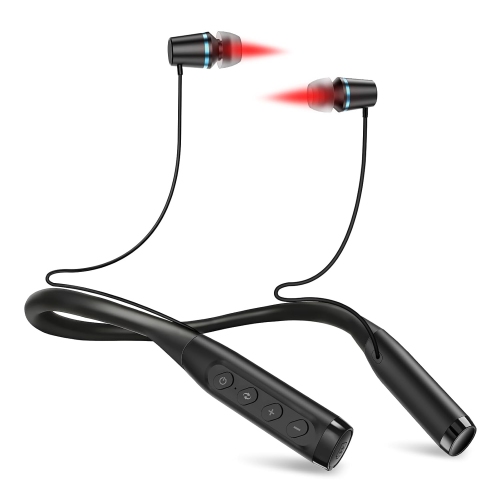
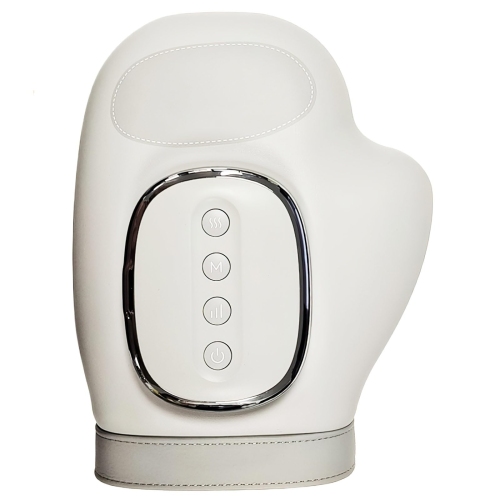
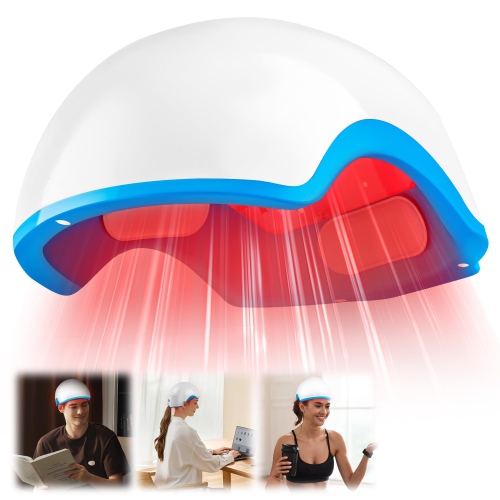
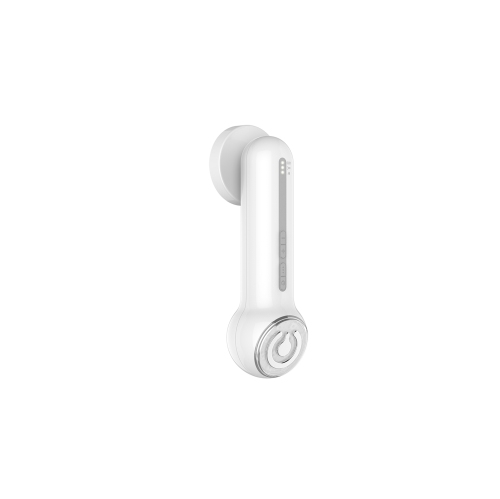
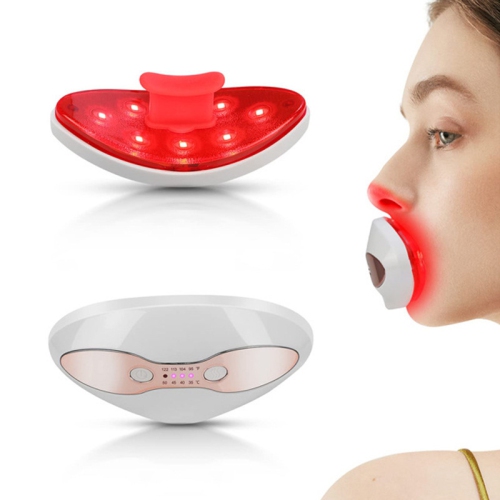
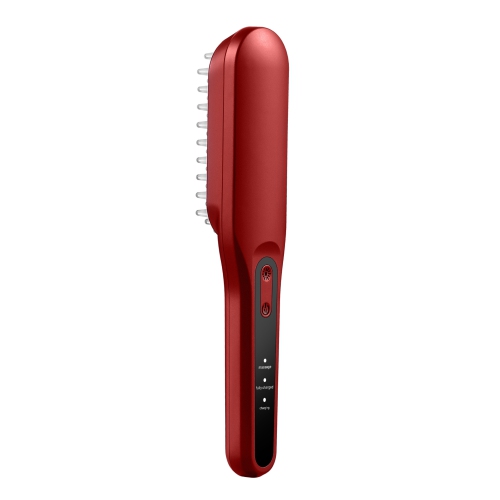
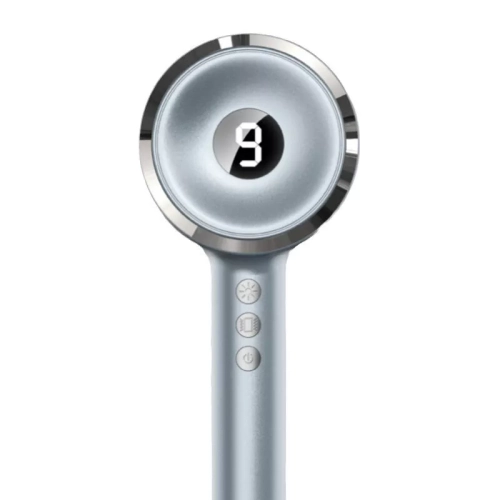
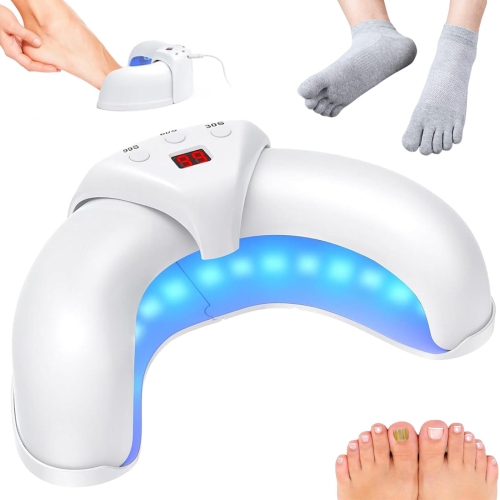
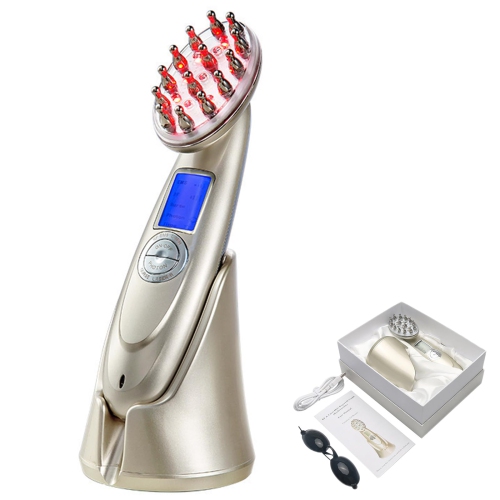
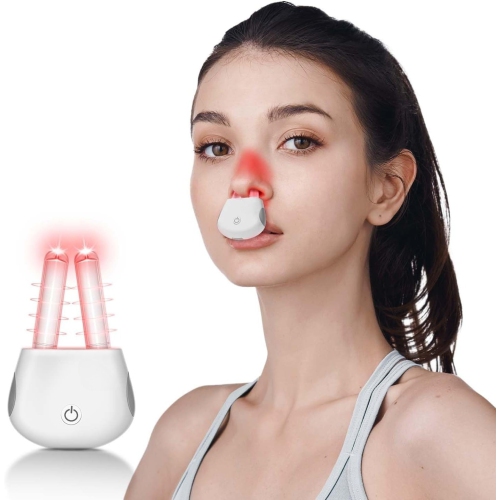
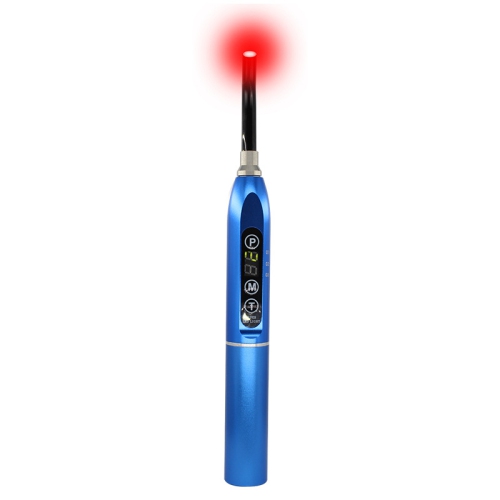
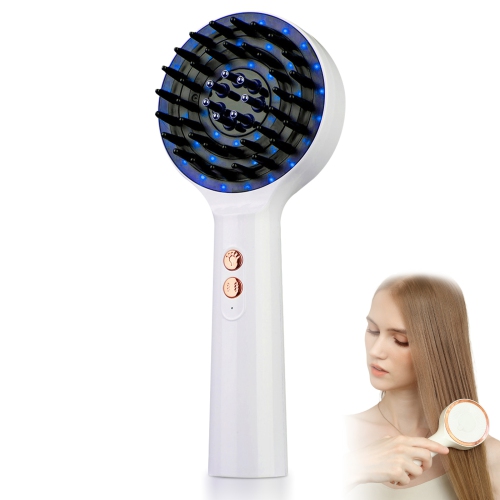
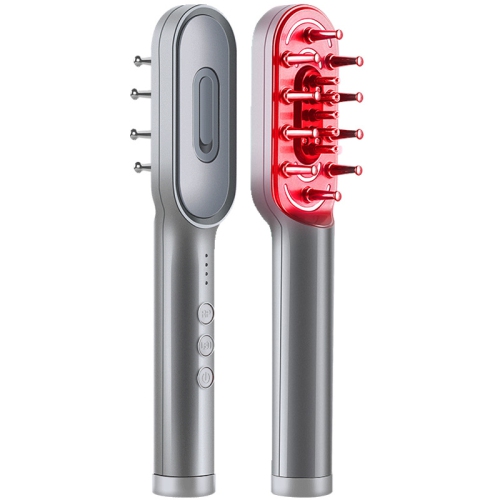
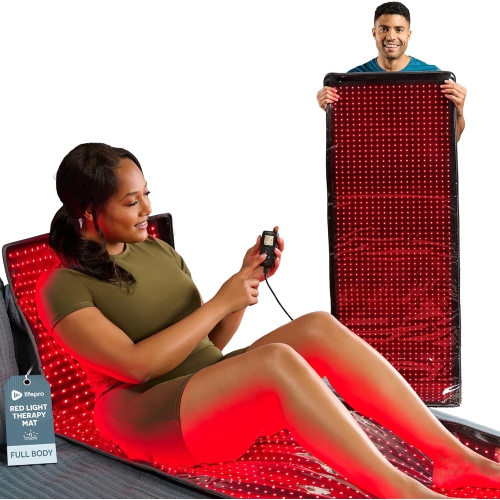
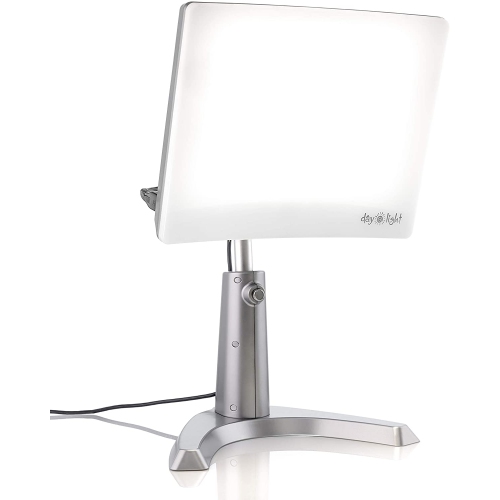
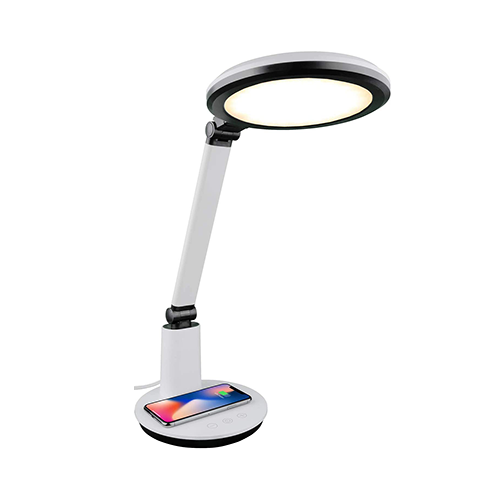
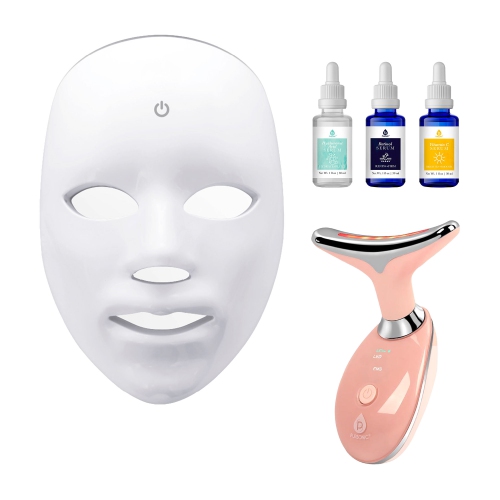
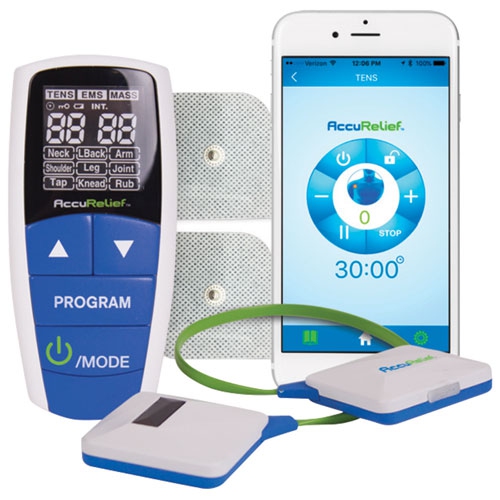
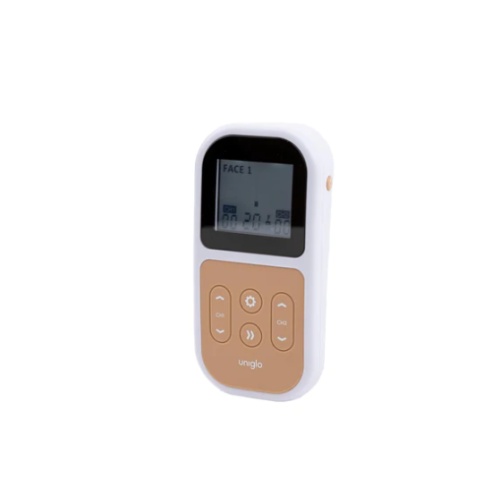
Therapy devices are designed to support comfort, mobility, muscle recovery, and everyday wellness at home or in a professional setting. Depending on the technology, they may use massage, percussion, electrical stimulation, light, heat, compression, or sound waves to address different needs. Massage and percussion devices apply targeted pressure or rapid pulses to areas that feel tight after exercise, long periods at a desk, household tasks, or physically demanding work. They can be useful for warming up soft tissue before activity or relaxing muscles afterwards, with adjustable speed and intensity helping users find a comfortable setting. Red light therapy devices use selected red and near-infrared wavelengths and are commonly chosen as part of a personal skincare or recovery routine, while TENS and EMS devices deliver gentle electrical impulses through adhesive pads. TENS, or transcutaneous electrical nerve stimulation, is generally used to help manage the sensation of pain, whereas EMS, or electrical muscle stimulation, is intended to stimulate localized muscle contractions. Portable ultrasound, low-level laser, and shockwave equipment are more specialized options often associated with rehabilitation clinics, physiotherapy practices, or other professional environments. Because therapy devices vary considerably in purpose and strength, the most suitable choice depends on the area being treated, the type of support desired, the frequency of use, and whether the device is intended for personal or supervised care.
When comparing therapy devices, begin by identifying the routine they need to fit into. A compact handheld unit may suit someone who wants to focus on calves, shoulders, forearms, or the lower back after a walk or workout, while a larger panel or mat may be better for users who prefer a hands-free session at home. Consider controls that are easy to see and operate, including preset programmes, adjustable intensity, timers, screen visibility, and clearly marked settings. Corded devices can offer consistent power for longer sessions, while rechargeable models are convenient for moving between rooms or taking along when travelling. For massage and percussion tools, check the available attachments, amplitude, speed range, grip design, noise level, and the size of the treatment area. For TENS or EMS equipment, look at electrode placement, pad availability, waveform or programme options, intensity controls, and whether replacement accessories are easy to find. Light-based devices should be assessed for treatment coverage, eye-protection requirements, session duration, and the manufacturer’s instructions for distance and frequency. Cleaning and storage also matter: smooth surfaces, removable pads, protective cases, and straightforward charging can make a device more practical over the long term. Anyone considering an electrical, light, ultrasound, laser, or shockwave device should read the instructions carefully and follow the recommended use. People who are pregnant, have implanted electronic devices, reduced sensation, circulation concerns, a diagnosed medical condition, or an injury that has not been assessed should seek advice from a physician or qualified healthcare professional before use. These products are not a substitute for diagnosis, treatment, or rehabilitation prescribed by a healthcare provider, and pain that is severe, persistent, sudden, or associated with swelling, numbness, weakness, or an acute injury deserves professional attention.
Therapy devices can be useful for a wide range of adults, including recreational athletes, active older adults, people who spend much of the day sitting, and anyone building a gentle self-care routine during the cooler months. A runner may use a massage device for post-training muscle tension, a gardener may appreciate targeted comfort after a day of bending and lifting, and someone working from home may find a compact device convenient after hours at a keyboard. They can also be thoughtful gifts for a family member who enjoys walking, a friend returning to regular exercise, or a partner who likes creating a relaxing evening routine, provided the device matches the recipient’s needs and any health considerations. It is helpful to choose based on the intended area and purpose rather than selecting the most powerful option available. Simple controls and moderate settings are often more approachable for a first-time user, while people familiar with recovery equipment may value multiple modes and more precise adjustments. Those who want to explore muscle stimulation can compare therapy options with an EMS Device category, keeping in mind that electrical stimulation should be used only as directed. Whether used after a brisk outdoor walk, before settling into a quiet evening, or as part of an established physiotherapy plan, a therapy device works best when it is easy to use consistently and suited to the person using it. Give the recipient enough time to read the manual, start at a gentle setting, and learn how the device feels before increasing intensity or extending a session.
When comparing therapy devices, begin by identifying the routine they need to fit into. A compact handheld unit may suit someone who wants to focus on calves, shoulders, forearms, or the lower back after a walk or workout, while a larger panel or mat may be better for users who prefer a hands-free session at home. Consider controls that are easy to see and operate, including preset programmes, adjustable intensity, timers, screen visibility, and clearly marked settings. Corded devices can offer consistent power for longer sessions, while rechargeable models are convenient for moving between rooms or taking along when travelling. For massage and percussion tools, check the available attachments, amplitude, speed range, grip design, noise level, and the size of the treatment area. For TENS or EMS equipment, look at electrode placement, pad availability, waveform or programme options, intensity controls, and whether replacement accessories are easy to find. Light-based devices should be assessed for treatment coverage, eye-protection requirements, session duration, and the manufacturer’s instructions for distance and frequency. Cleaning and storage also matter: smooth surfaces, removable pads, protective cases, and straightforward charging can make a device more practical over the long term. Anyone considering an electrical, light, ultrasound, laser, or shockwave device should read the instructions carefully and follow the recommended use. People who are pregnant, have implanted electronic devices, reduced sensation, circulation concerns, a diagnosed medical condition, or an injury that has not been assessed should seek advice from a physician or qualified healthcare professional before use. These products are not a substitute for diagnosis, treatment, or rehabilitation prescribed by a healthcare provider, and pain that is severe, persistent, sudden, or associated with swelling, numbness, weakness, or an acute injury deserves professional attention.
Therapy devices can be useful for a wide range of adults, including recreational athletes, active older adults, people who spend much of the day sitting, and anyone building a gentle self-care routine during the cooler months. A runner may use a massage device for post-training muscle tension, a gardener may appreciate targeted comfort after a day of bending and lifting, and someone working from home may find a compact device convenient after hours at a keyboard. They can also be thoughtful gifts for a family member who enjoys walking, a friend returning to regular exercise, or a partner who likes creating a relaxing evening routine, provided the device matches the recipient’s needs and any health considerations. It is helpful to choose based on the intended area and purpose rather than selecting the most powerful option available. Simple controls and moderate settings are often more approachable for a first-time user, while people familiar with recovery equipment may value multiple modes and more precise adjustments. Those who want to explore muscle stimulation can compare therapy options with an EMS Device category, keeping in mind that electrical stimulation should be used only as directed. Whether used after a brisk outdoor walk, before settling into a quiet evening, or as part of an established physiotherapy plan, a therapy device works best when it is easy to use consistently and suited to the person using it. Give the recipient enough time to read the manual, start at a gentle setting, and learn how the device feels before increasing intensity or extending a session.
Top selling and popular products
-
 Your price for this item is $749.99
 -
 Your price for this item is $194.99
 -
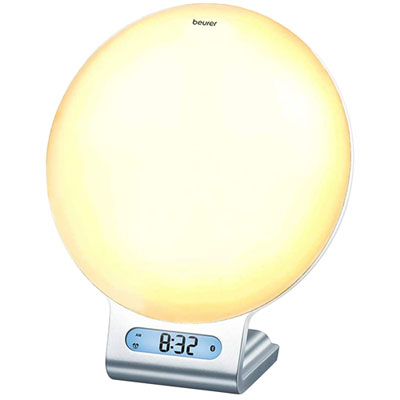 Your price for this item is $179.99
 -
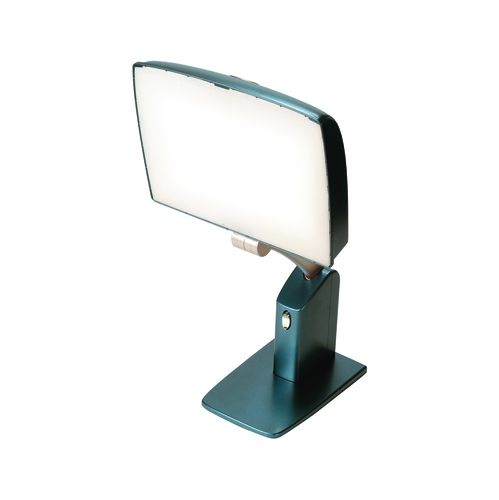 Your price for this item is $399.99
 -
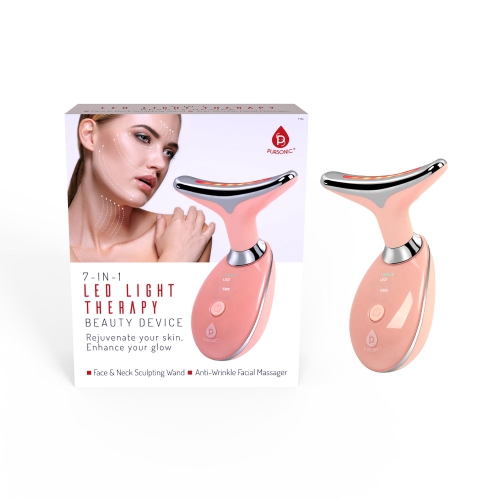 Your price for this item is $54.99
 -
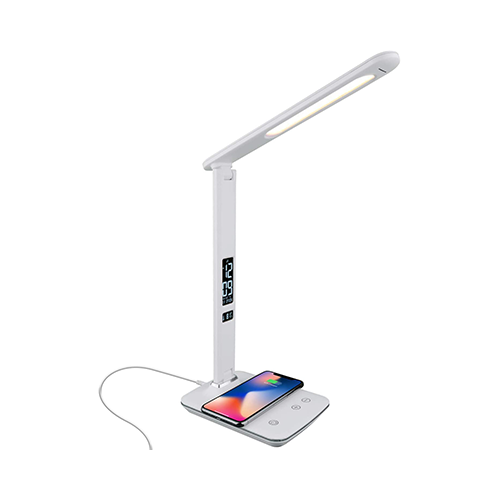 Your price for this item is $72.99
 -
 Your price for this item is $109.99
 -
 Your price for this item is $149.99
Discover more categories related to Therapy Device
Top Collections:
Pokemon Centers, Kindle Devices, Best Budget Office Chairs, Apple iPhones 16, Canon G7X Cameras, iPhone 15 Apple, Alarm Clock, Refurbished Apple Laptops, Flip Phones, Best Laptops for Writers
Some products may be subject to Environmental Handling Fees
(EHF) depending on your province.
Learn more about EHFs.