Ultra Robot Vacuum and Mops
Ultra Robot Vacuum and Mop devices offer a convenient way to maintain clean floors with minimal effort. Designed to handle everyday messes, these innovative machines take care of dust, dirt, and spills so you can enjoy a tidier home. Whether you have carpets, hardwood, or tile, Ultra Robot Vacuum and Mop solutions adapt to various surfaces and home layouts. Explore a range of options to find the perfect fit for your cleaning needs and experience a new level of home care efficiency.
Sort
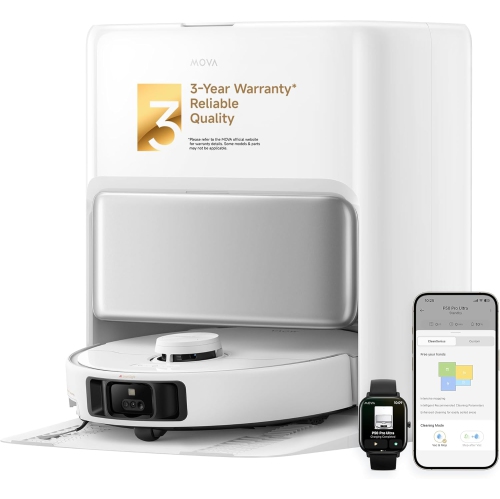
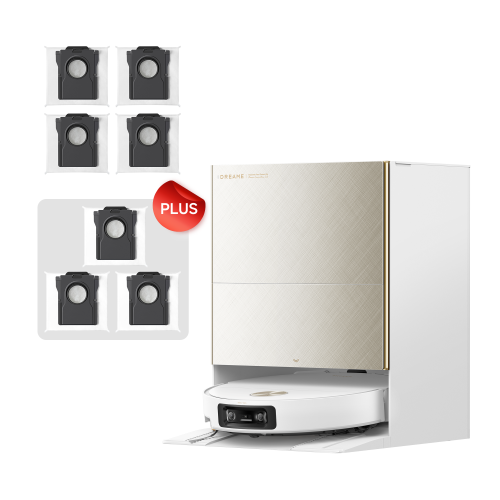
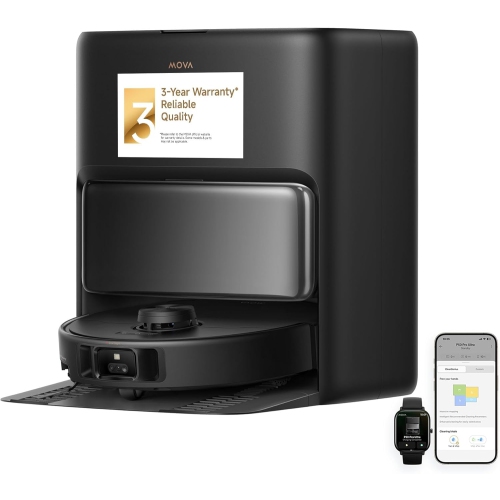
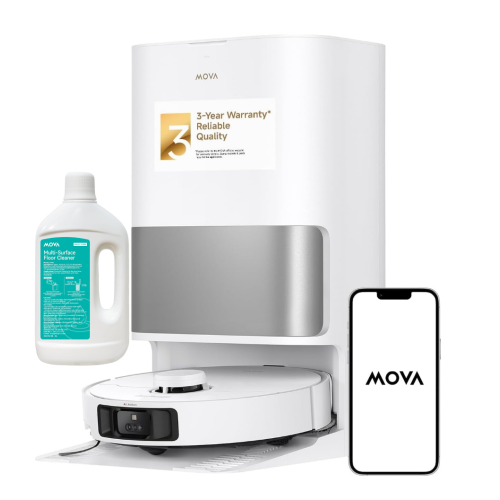
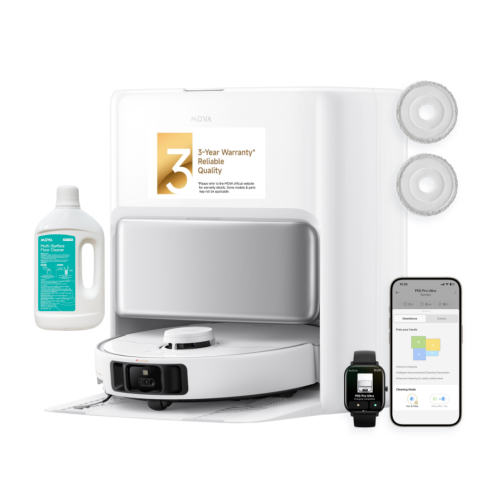
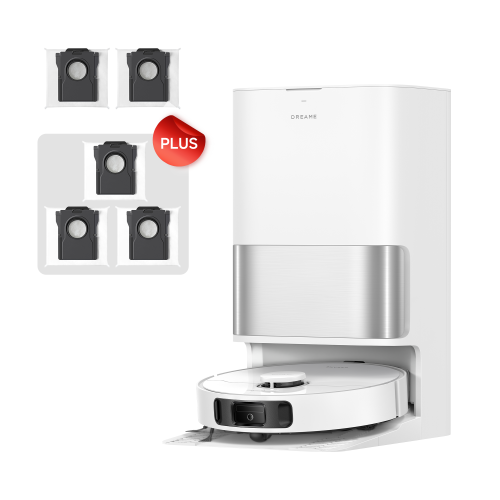
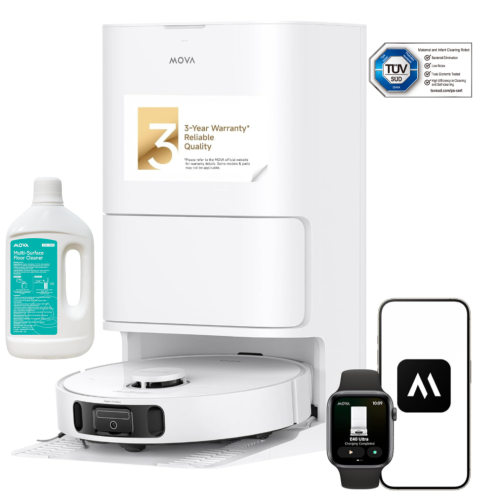
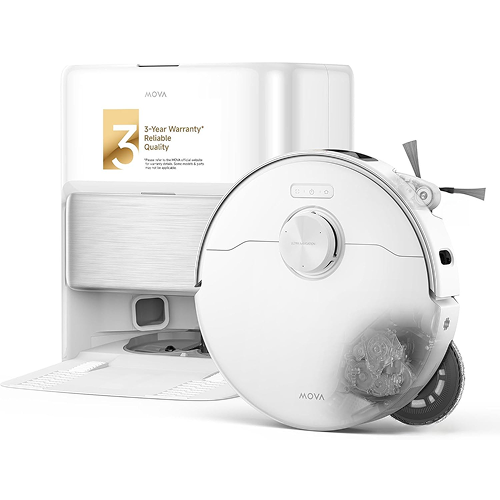
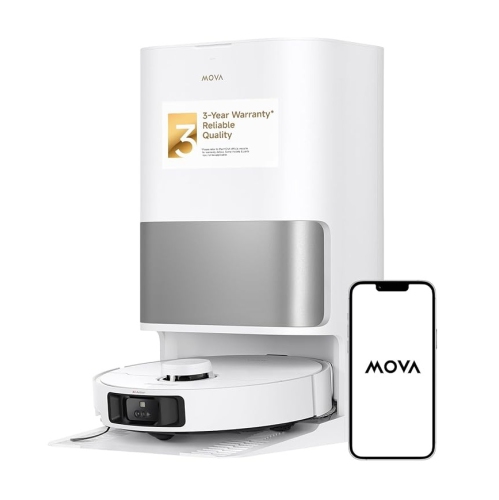
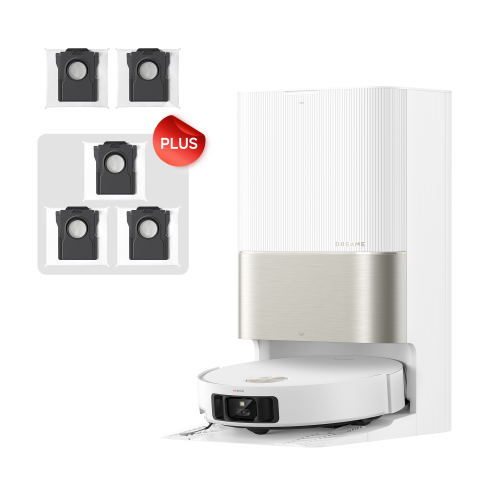
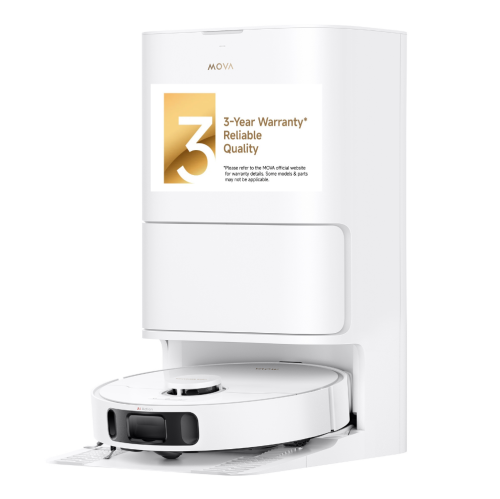
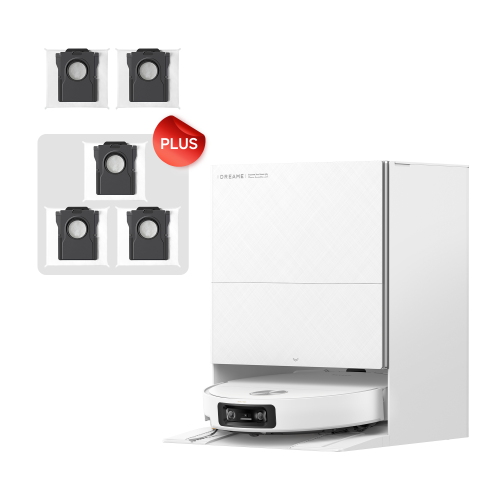
Everyday floor cleaning goes beyond suction power
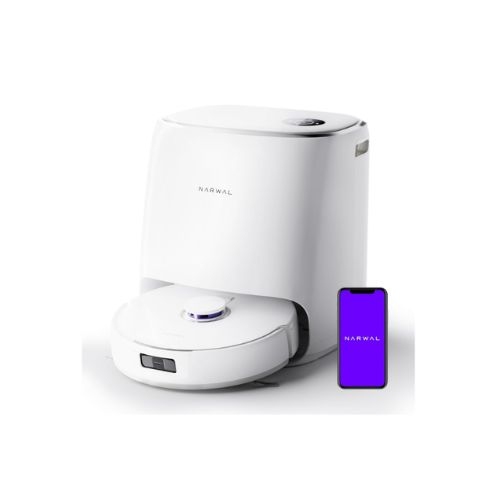
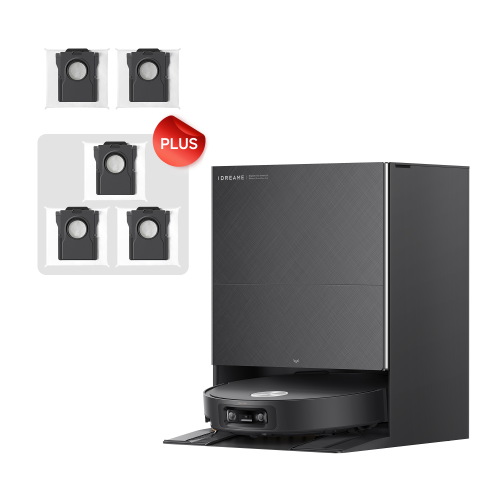
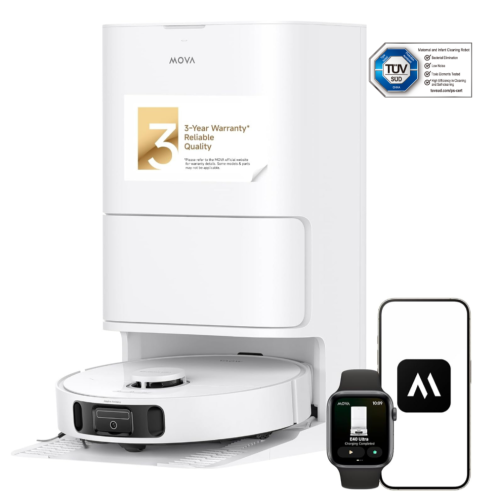
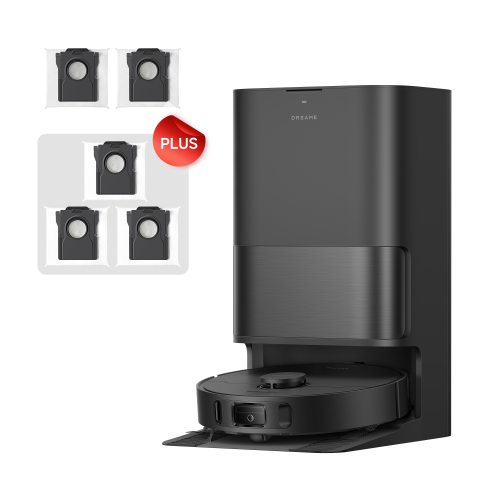
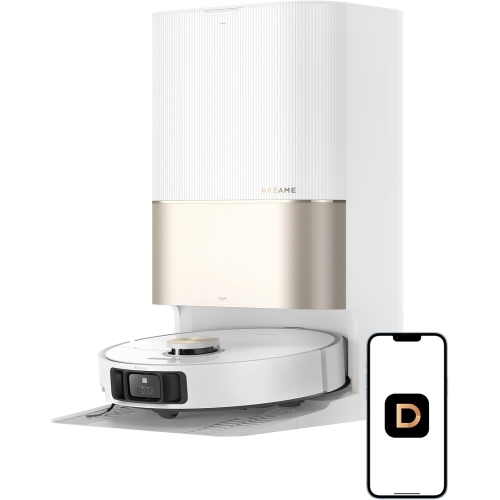
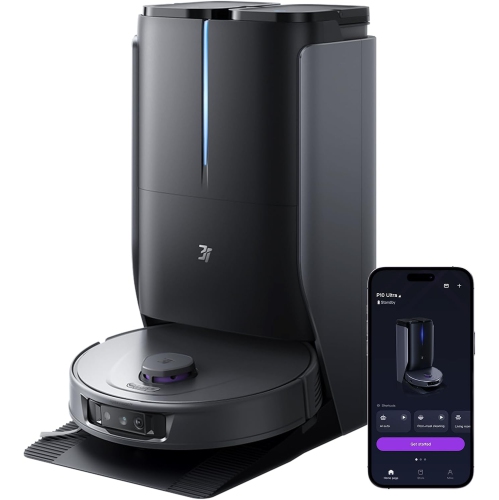
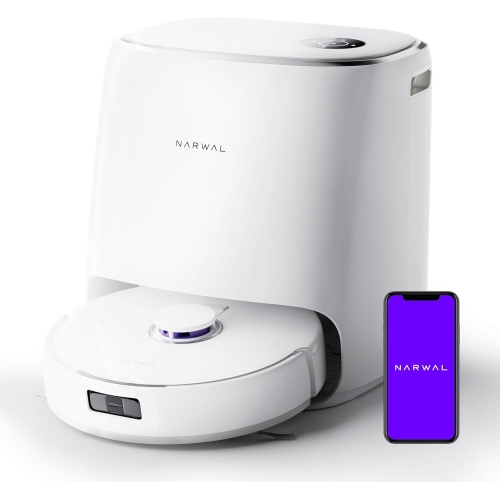
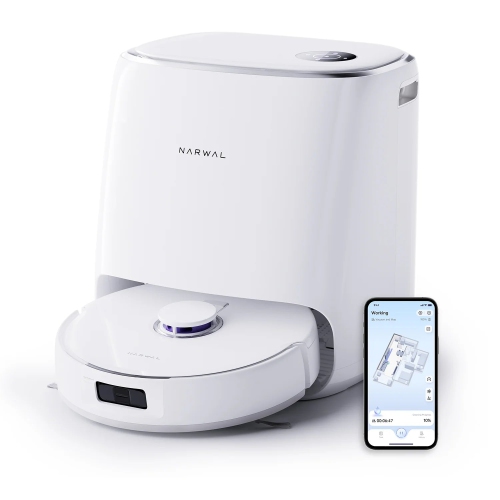
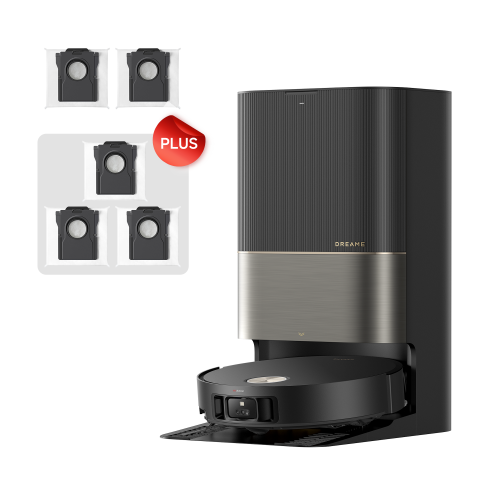
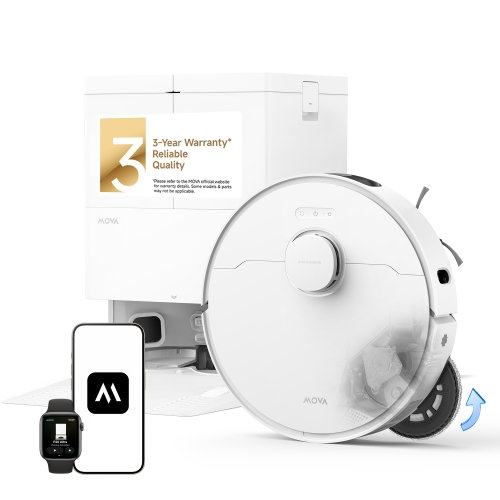
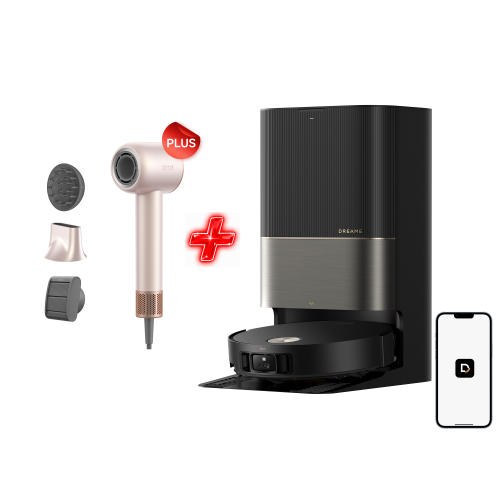
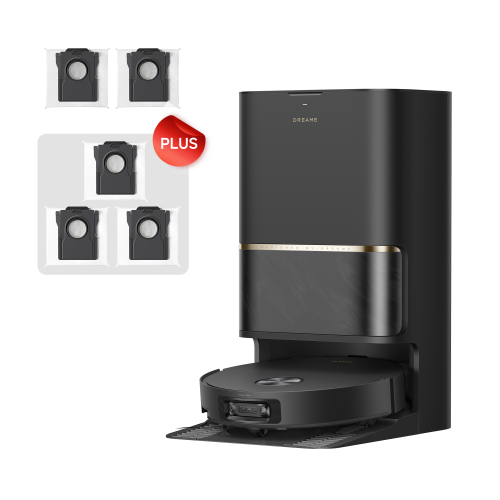
Ultra robot vacuums and mops combine automated dry pickup with damp floor cleaning, helping keep everyday crumbs, dust and tracked-in grit from building up between deeper cleans. The term ultra generally signals an emphasis on advanced cleaning features and dock automation, rather than a universal performance standard. Depending on the design, these machines may pair strong suction with rotating mop pads, a vibrating cleaning plate or a roller that wipes hard flooring as the robot moves. A kitchen with crumbs beneath the table, a hallway dotted with paw prints and a living room with both rugs and exposed flooring all present different cleaning demands. Brush design, airflow, navigation and mop contact matter alongside the advertised suction figure; a higher suction rating alone does not establish how well a robot will collect debris from every surface. Vacuum-and-mop combinations are particularly useful in homes with a substantial amount of sealed hard flooring, where regular light cleaning can make a noticeable difference underfoot. Tile, sealed hardwood and certain vinyl or laminate floors may be suitable, but compatibility depends on the flooring manufacturer’s care requirements and the amount of moisture applied. Adjustable water delivery can help accommodate different surfaces, although it does not make every floor suitable for wet cleaning. Carpeted areas call for a different approach: some robots lift their mop pads, leave detachable pads at the dock or avoid mapped carpet zones altogether. Thick rugs and taller carpet piles can still require separate settings or restricted areas to prevent damp contact. In households with pets, brush rollers designed to limit hair wrapping and accessible debris channels can reduce interruptions, though long hair may still need to be removed by hand. These combinations suit people who want more consistent routine cleaning without moving a full-size vacuum and mop through every room each day, while leaving occasional intensive cleaning to other tools.
Navigation and physical fit shape the experience just as much as cleaning power. A robot needs enough clearance beneath sofas, beds and cabinets, and its height may include a raised navigation sensor rather than just the main body. Its width also affects whether it can pass between dining-chair legs or reach a narrow gap beside a cabinet. Mapping systems can support room-by-room schedules, restricted zones and separate cleaning routines for different floor types, depending on the features provided. For example, a kitchen can receive a vacuum-and-mop pass after meal preparation while a carpeted bedroom receives vacuuming only. Object detection may help a robot steer around shoes, toys and charging cables, but performance varies with the object’s size, shape and position. Loose cords, sock piles and pet accidents still need attention before a cleaning run. Stair detection does not replace physical barriers where a fall could cause damage, and raised thresholds may prevent access to an otherwise connected room. Edge-cleaning brushes or extending mop components can improve reach along baseboards and around furniture, although tight corners and heavily soiled edges may still need a manual pass. The dock deserves equal consideration when assessing fit. Stations with dust collection, water tanks and mop-washing equipment occupy more space than a simple charging base and need clearance for the robot to approach reliably. Access above or beside the station also matters when lifting tanks, replacing a dust bag or wiping the wash tray. A location near a suitable outlet, with a level floor and room to manoeuvre, makes routine use easier. App-based controls may require compatible Wi-Fi, and features such as saved maps, remote commands or camera-assisted viewing can involve different privacy settings. Cleaning noise and the brief, louder sound of dock emptying are also relevant in apartments, shared homes and rooms used for calls.
Automated maintenance can reduce hands-on work, but it does not remove it. Depending on the system, a dock may empty the robot’s dustbin, refill its onboard water supply, wash mop pads and use moving or heated air to help dry them. Each function addresses a different task: dust collection reduces frequent bin emptying, pad washing removes accumulated dirt, and drying helps limit the time fabric stays damp. None makes a machine maintenance-free or guarantees sanitization. Dirty-water tanks still need emptying and rinsing, clean-water tanks need refilling, and wash trays can collect grit, hair and residue. The broader category of Self Cleaning Vacuum And Mops shares this focus on reducing routine upkeep, though the cleaning and maintenance functions differ between designs. Care requirements also depend on materials. Reusable fabric pads need cleaning and eventual replacement, rubber or bristled rollers need inspection for wear, and filters must be maintained according to their instructions; not every filter is washable. Cleaning solution should be used only when permitted by the machine’s manufacturer, since unsuitable detergents can create excess foam, leave residue or damage components. Accessible rollers, removable trays and clearly separated clean- and dirty-water tanks can make regular care less awkward. Replacement pads, filters, brushes and dust bags are part of long-term ownership, while battery condition and charging contacts can affect reliable operation over time. Everyday results also depend on the mess itself. Fresh footprints or light food splashes are different from hardened sauce, sticky spills or dried stains that need direct scrubbing. Large debris and substantial liquid spills may require separate cleanup rather than a robot pass. For busy households, people who find repeated floor cleaning physically tiring, or someone receiving a practical housewarming gift, the appeal lies in reducing repetitive work. A suitable setup matches the home’s floors, furniture clearances and cleaning habits, delivering regular maintenance without expecting a robot to replace every other cleaning task.
Top selling and popular products
-
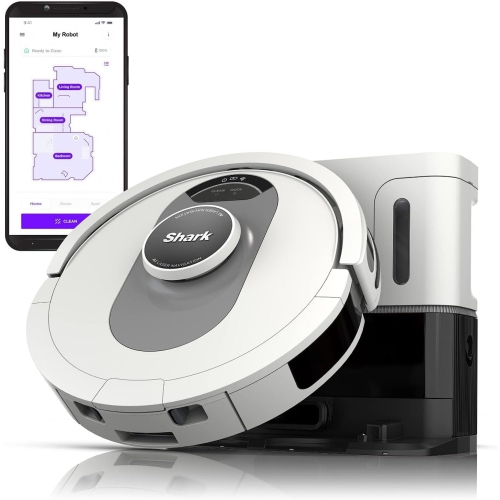 Your price for this item is $699.99
-
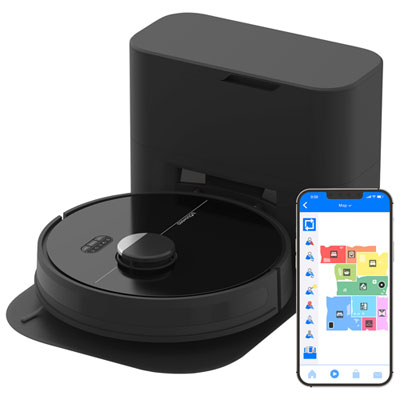 Your price for this item is $199.99
-
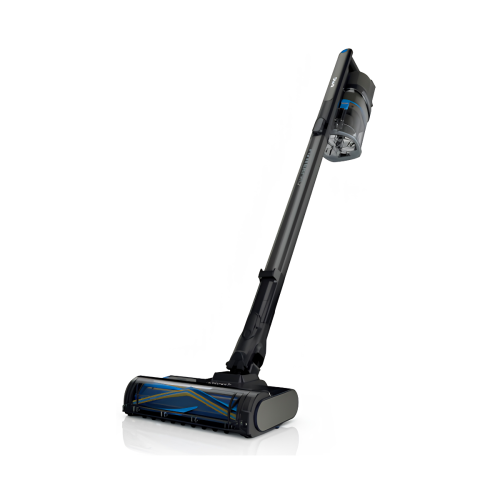 Your price for this item is $399.99
-
 Your price for this item is $999
-
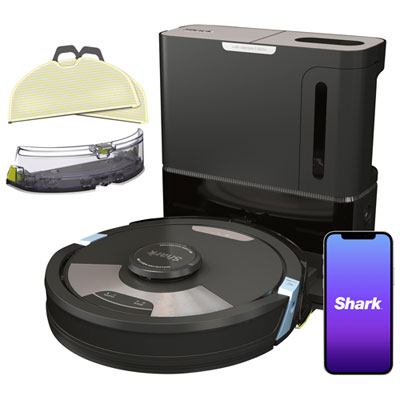 Your price for this item is $399.99
-
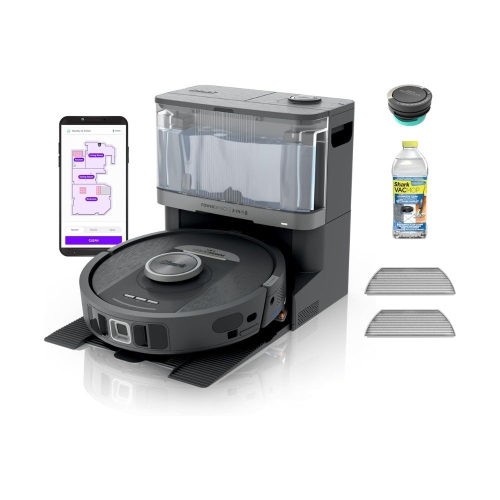 Your price for this item is $1149.99
-
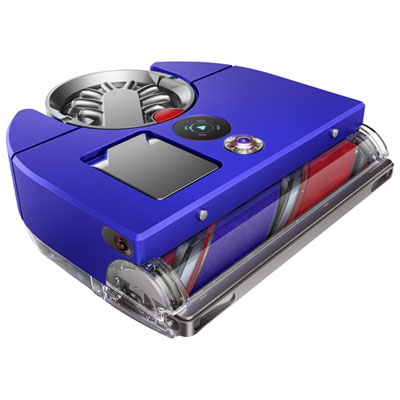 Your price for this item is $1052.95
-
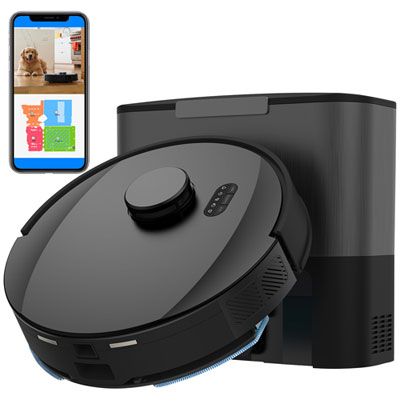 Your price for this item is $1249.99
Discover more categories related to Ultra Robot Vacuum and Mops
Top Collections:
Best Black Friday Deals This Year, Best Black Friday Deals On Electronics, Kindle Devices, Pokemon Centers, Best Black Friday Deals On Apple Products, Best Cameras for Sports Photography, Dyson Airwrap, Pokémon 30th Celebration Cards, Apple iPhone 17 Pro, Canon G7X Cameras
Some products may be subject to Environmental Handling Fees
(EHF) depending on your province.
Learn more about EHFs.