Robot Vacuums With Mop
Looking to keep your floors spotless without lifting a finger? Look no further than our selection of robot vacuums with mop capabilities. These innovative cleaning devices combine the convenience of automated vacuuming with the added bonus of mopping, giving you a truly hands-free cleaning experience. With advanced sensors and intelligent mapping technology, these robot vacuums efficiently navigate your home, reaching every nook and cranny for a thorough clean. Whether you have hardwood floors, carpets, or a combination of both, our range of robot vacuums with mop will leave your floors looking pristine and polished. Say goodbye to tedious cleaning tasks and hello to effortless cleanliness with these cutting-edge cleaning companions.
Sort
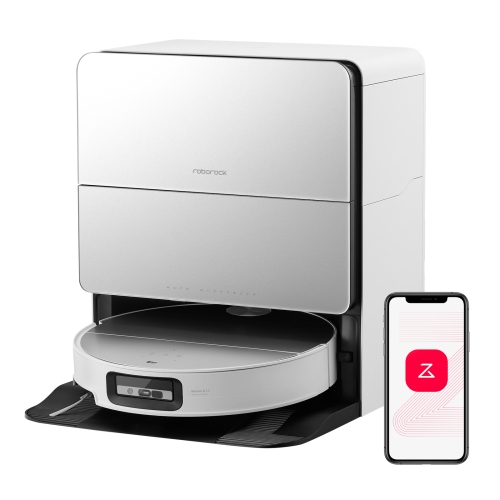
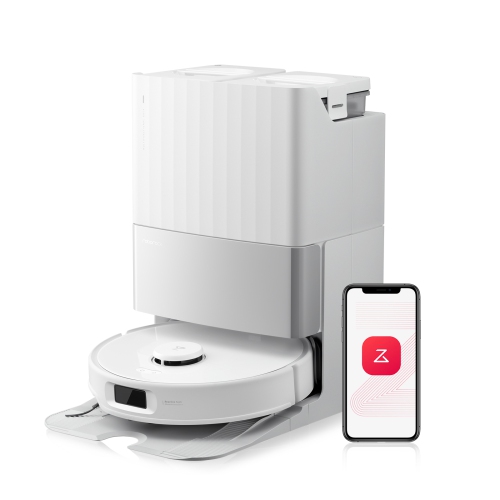
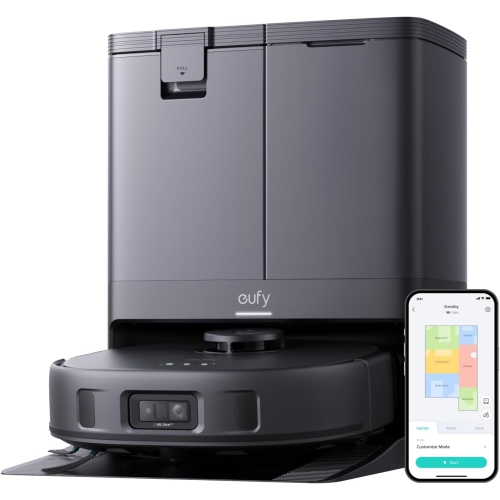


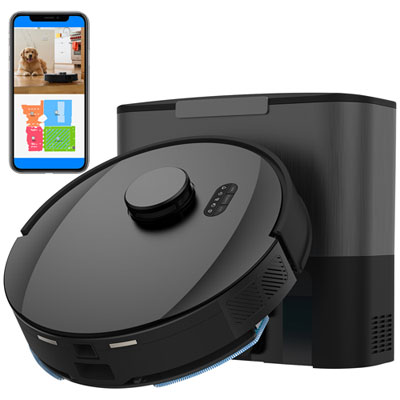
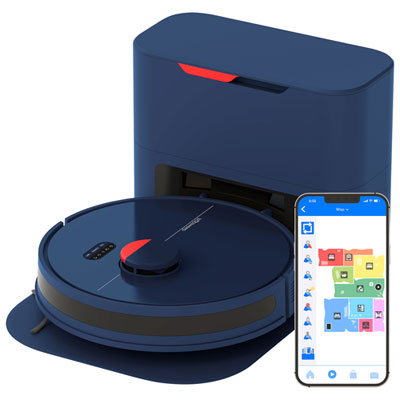
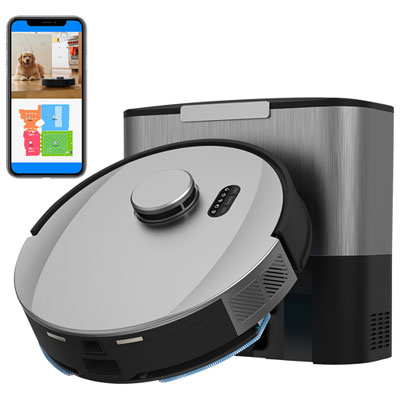
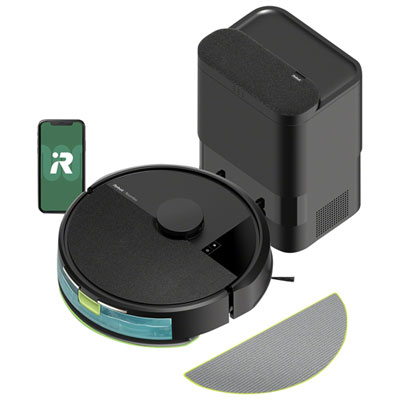
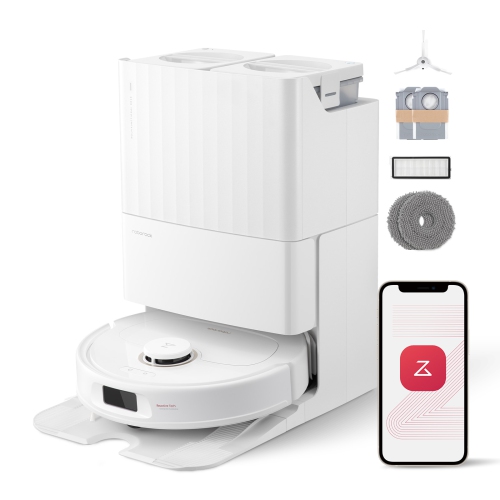
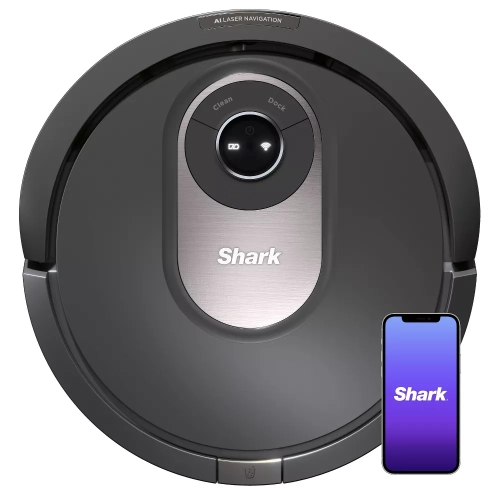
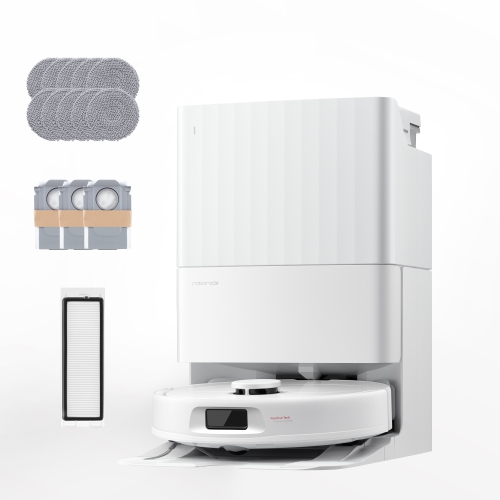
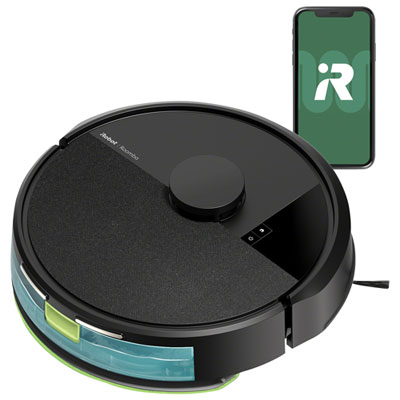
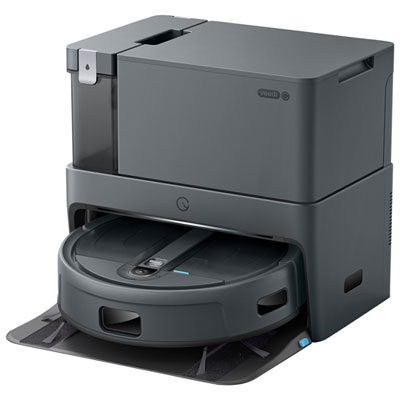
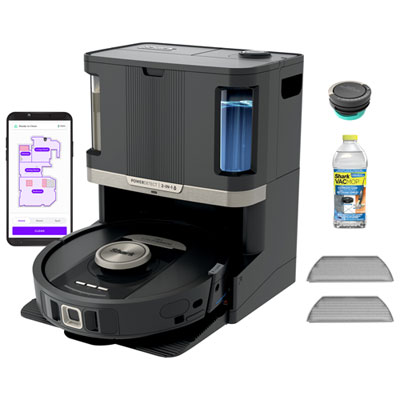
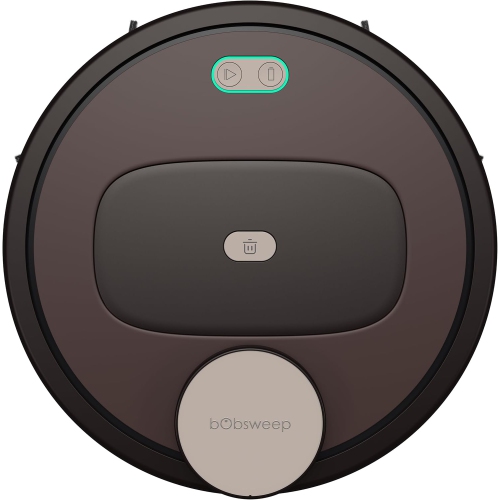
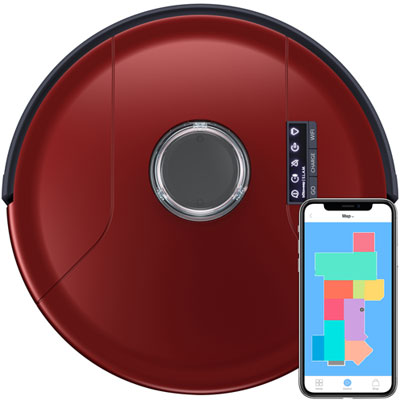
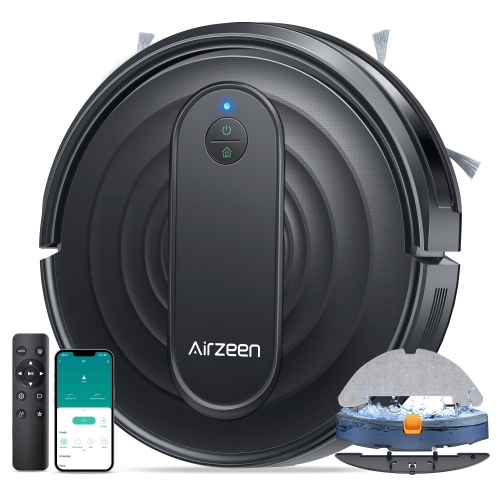
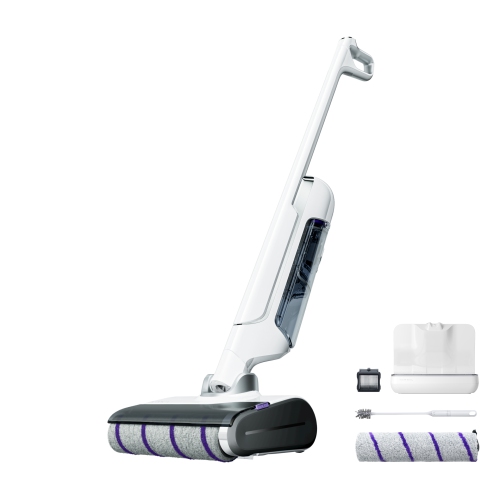
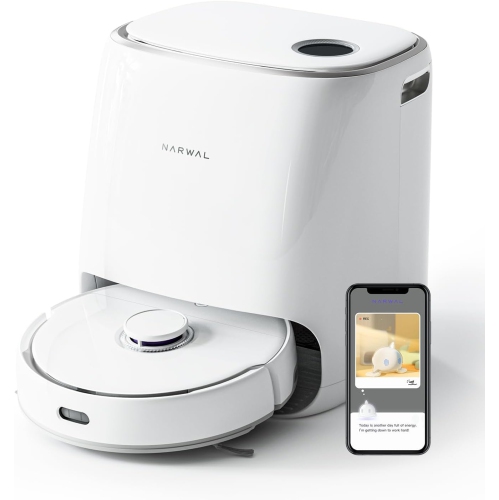
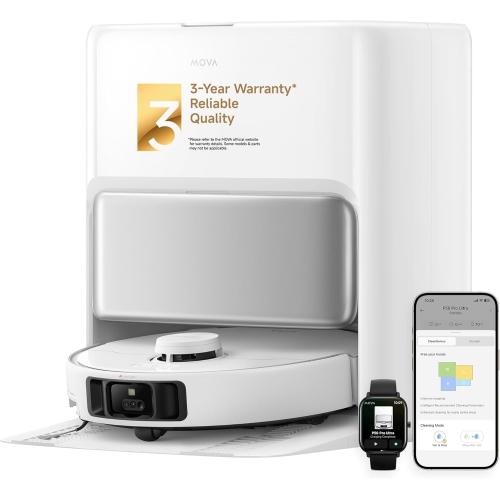
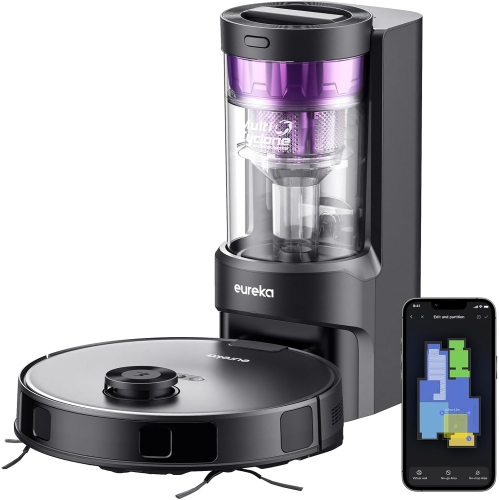
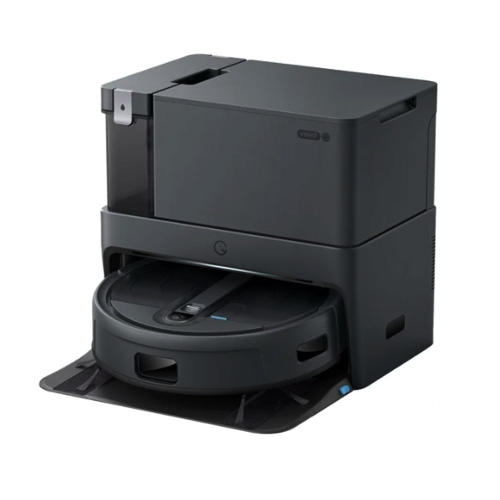
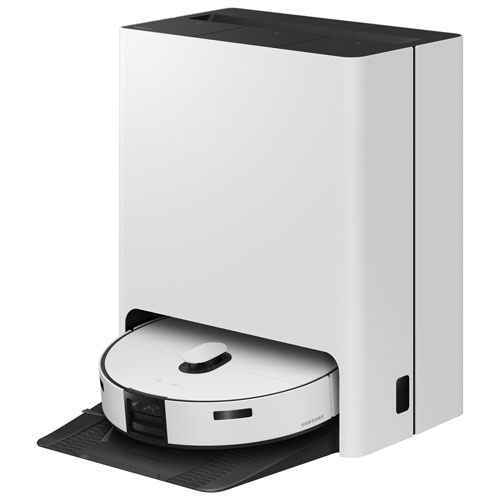
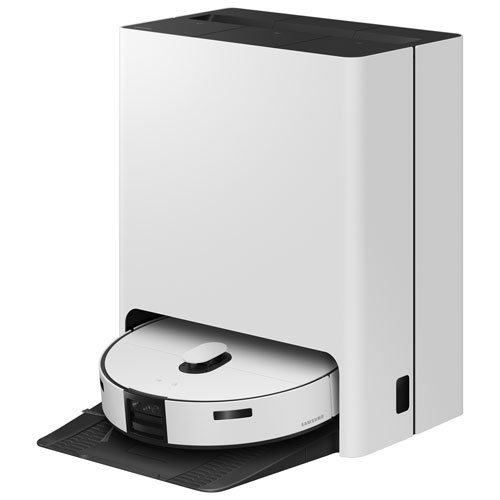
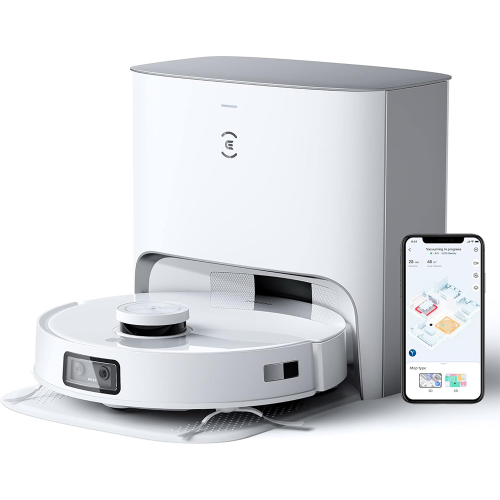
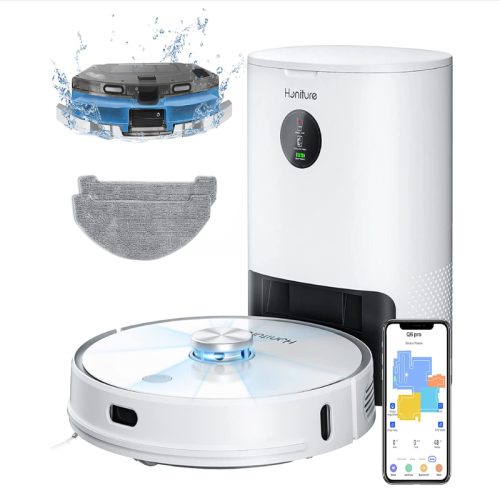
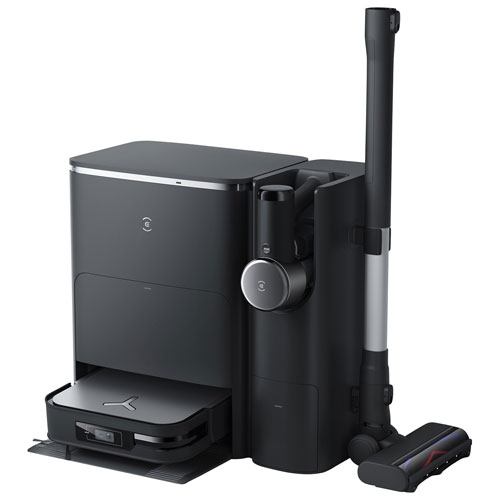
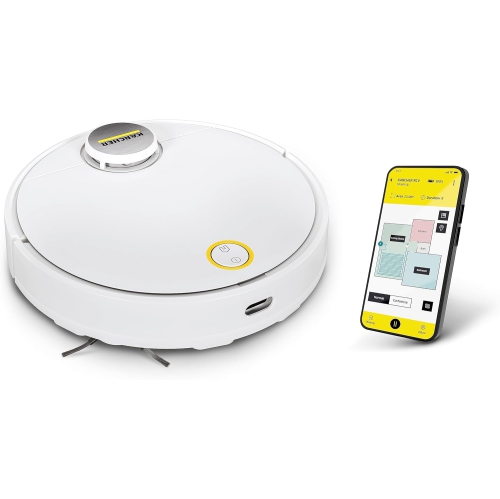
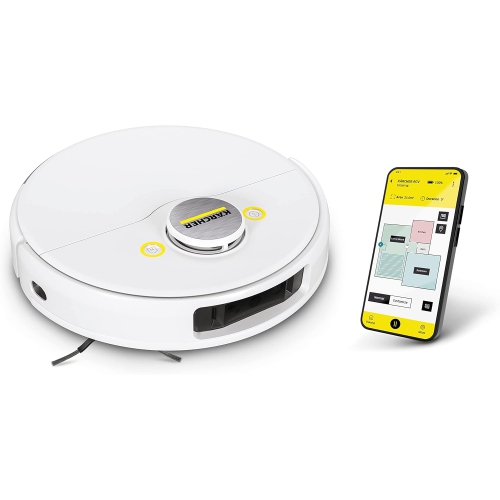
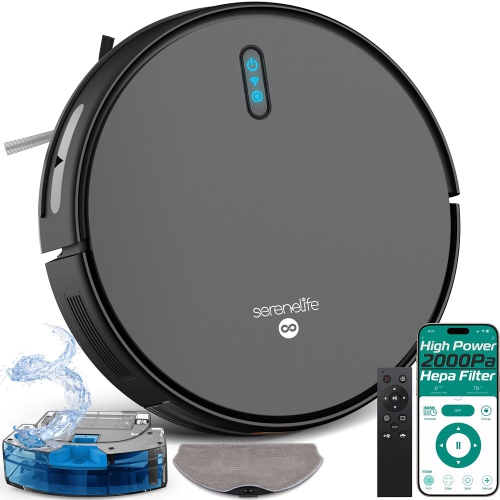
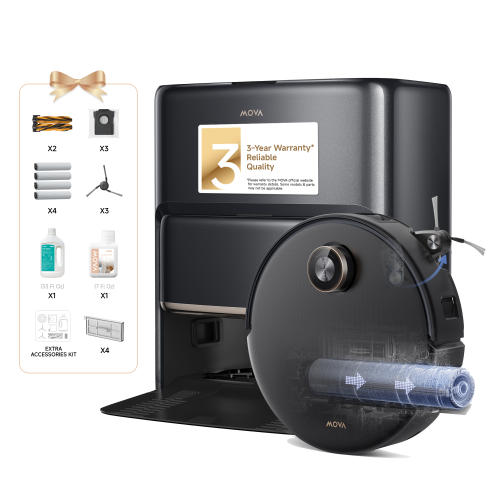
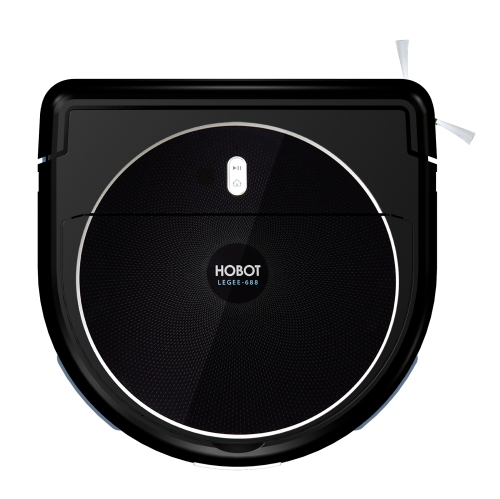
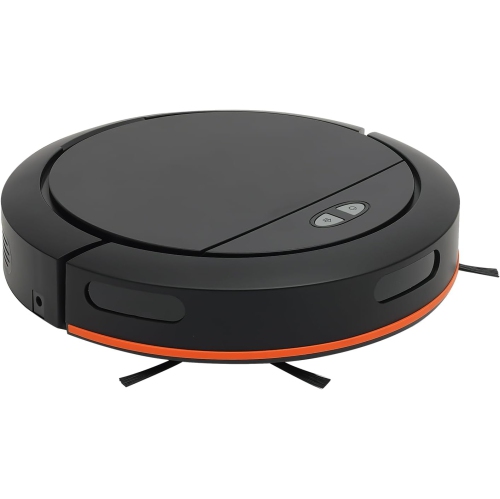
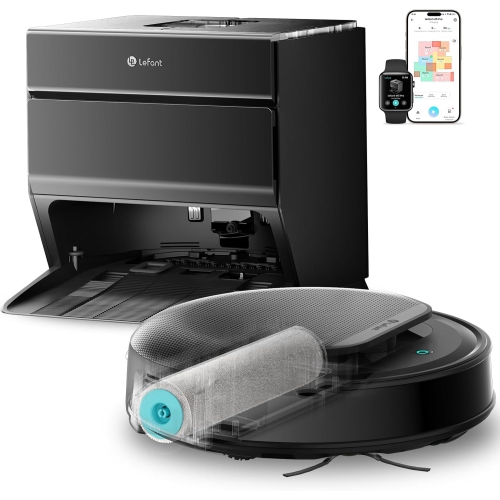
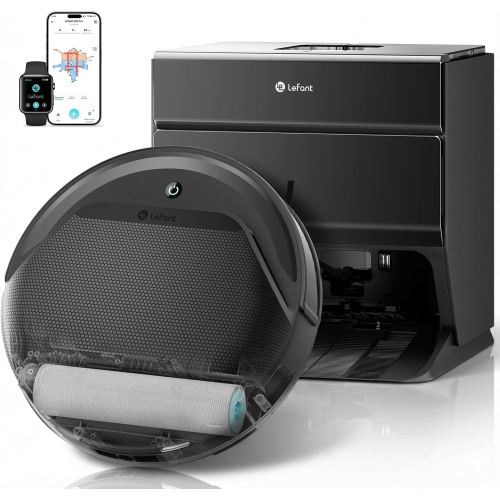
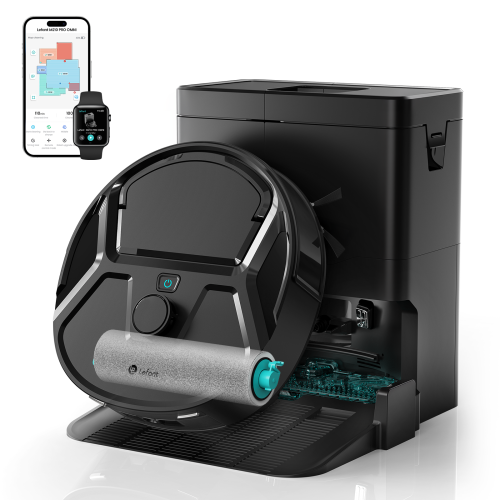
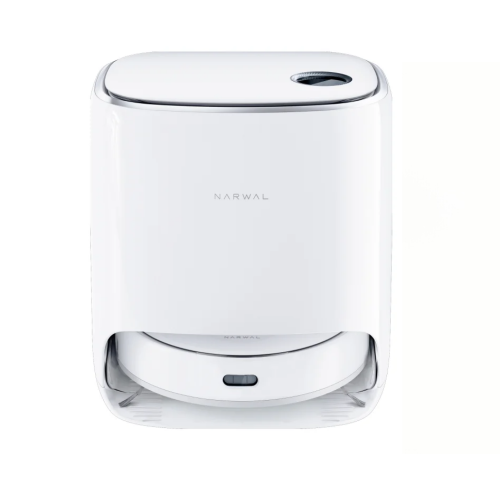
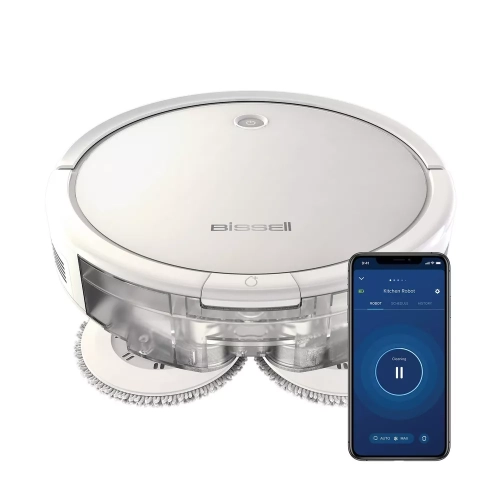
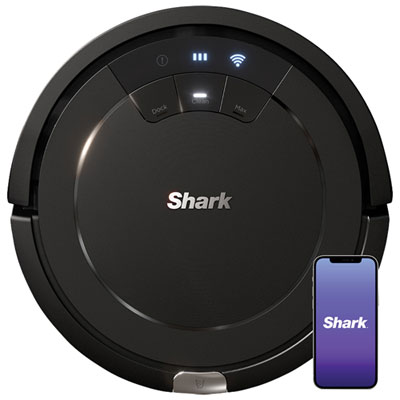
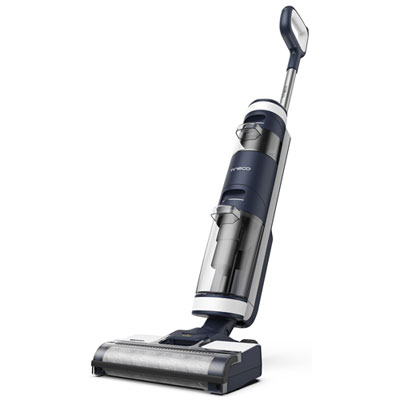
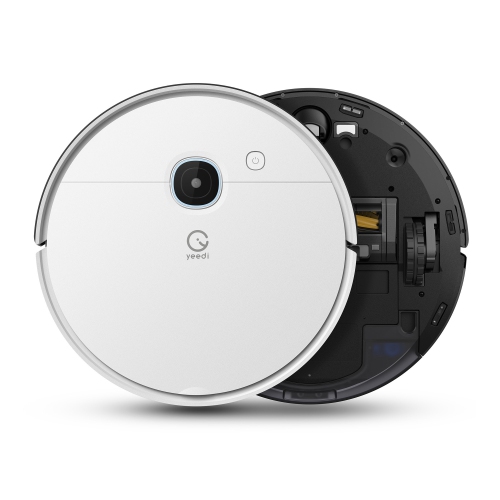
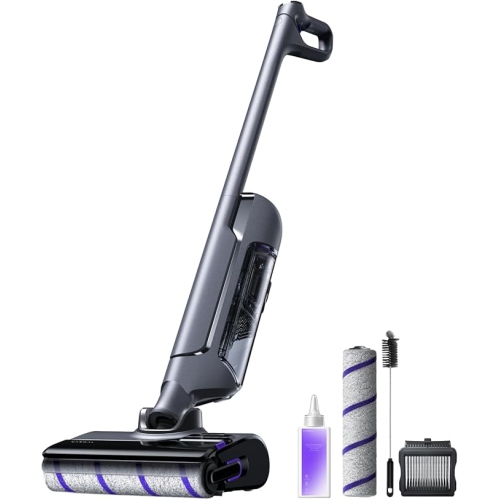
Key features for easier cleaning across mixed floors
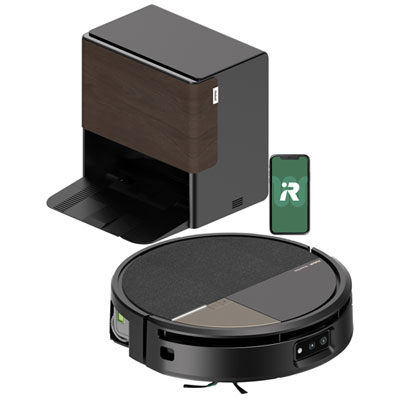
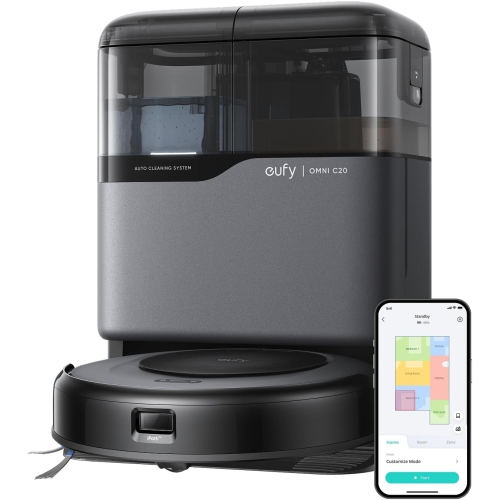
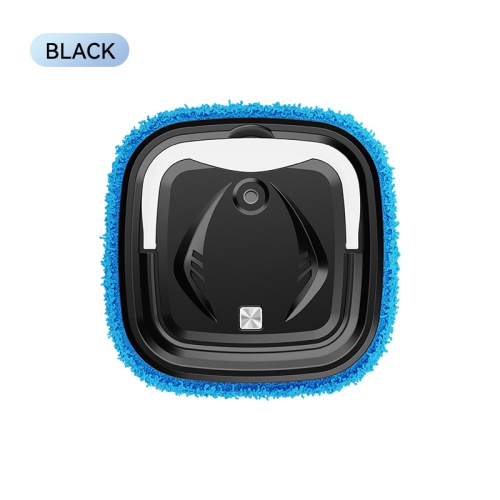
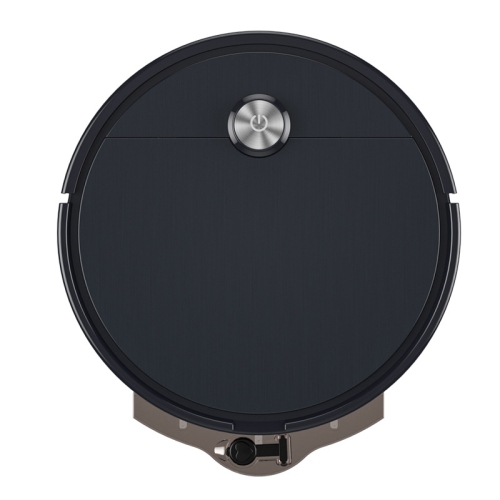
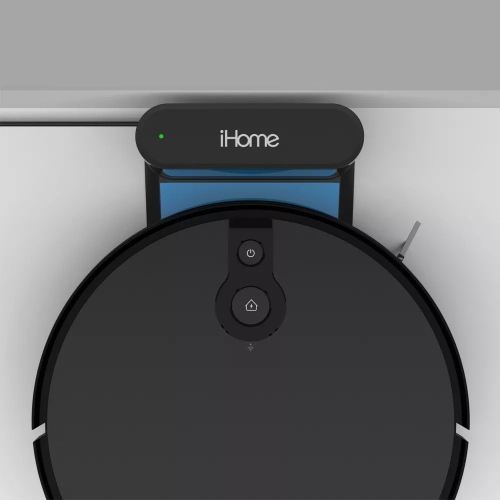
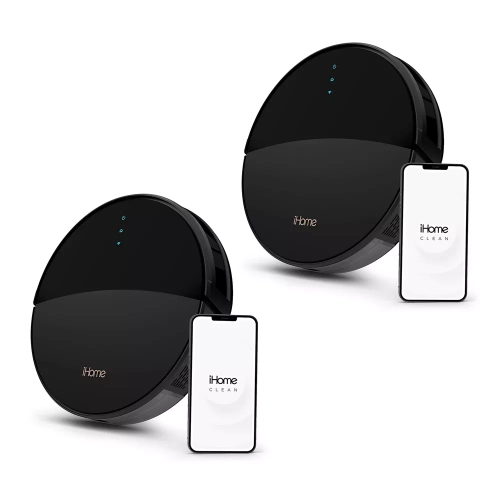
Robot vacuums with mop functions combine two everyday floor-care jobs in one automated appliance. They can collect dust, crumbs, pet hair, and tracked-in grit while also wiping hard floors with a damp pad or roller. This makes them useful in homes with kitchens, entryways, open-concept living areas, and other spaces where small spills and footprints appear throughout the day. A robot vacuum and mop can be especially helpful for busy households, pet owners, families with children, and anyone who prefers to keep floors looking refreshed between deeper cleaning sessions. During the warmer months, they can help manage pollen, soil, and debris brought in from outside; as the weather cools, they can be handy for dealing with wet entryways, salt residue, and extra indoor traffic. They can also make a thoughtful gift for someone moving into a new home, preparing a nursery, welcoming a pet, or looking for a more convenient way to maintain hard floors. When comparing models, start with the surfaces in the home. Some are designed mainly for sealed hard flooring, while others vacuum carpets and rugs as well. If the home has a mix of flooring, look for features such as carpet detection and mop lifting, which can raise the wet pad before the robot travels over a rug. This helps keep carpets dry while allowing one machine to clean different areas during the same run. It is also worth checking the robot’s clearance and wheel design if the home has raised thresholds between rooms, thick mats, or uneven transitions.
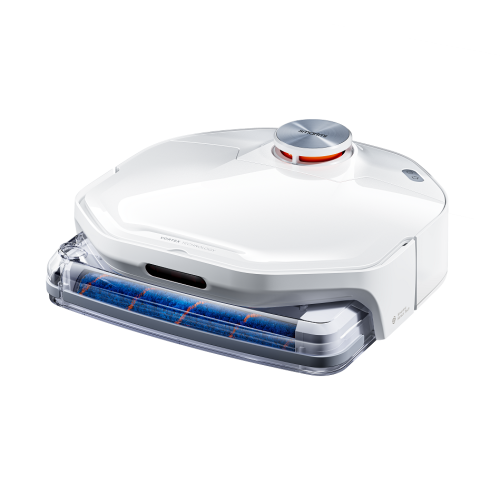
Navigation has a major effect on how efficiently a robot vacuum with mop moves through a home. Models with LiDAR or vSLAM mapping can scan rooms, create a floor plan, and follow more systematic routes instead of moving randomly from wall to wall. Mapping features may allow you to name rooms, set cleaning schedules, create no-go zones, or choose a specific area for a quick pass after cooking or outdoor activities. Obstacle detection is another practical consideration, particularly in homes where charging cables, toys, pet bowls, or furniture are often left on the floor. Some systems use cameras, sensors, or artificial intelligence-assisted object recognition to identify and avoid common obstacles, although every robot benefits from a reasonably clear path. Suction power is commonly listed in Pascals (Pa), with many current models ranging from about 8,000 Pa to more than 10,000 Pa. Higher suction can help lift embedded dirt from carpets and collect heavier debris, but the overall cleaning result also depends on brush design, airflow, navigation, and how well the robot handles edges and corners. Look for a main brush that suits the household’s needs, including anti-tangle features for long hair and pet fur, along with side brushes that can sweep debris away from baseboards. Mop systems vary as well. A basic damp pad can be suitable for regular light cleaning, while vibrating pads, rotating pads, or mop rollers may provide more active contact with hard floors. Homes with frequent spills may benefit from adjustable water flow and room-by-room cleaning settings, while delicate flooring may require a gentler moisture level.
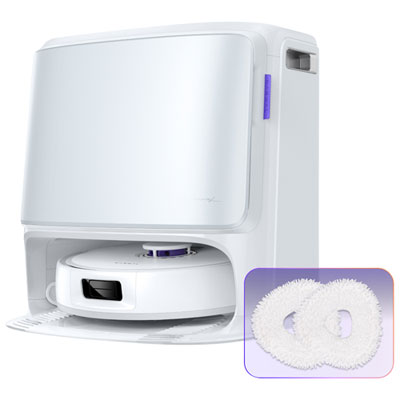
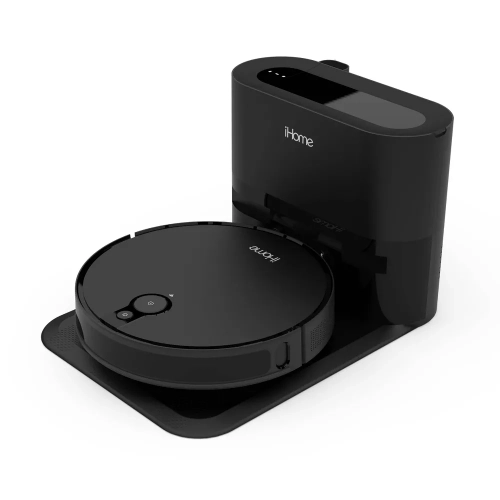
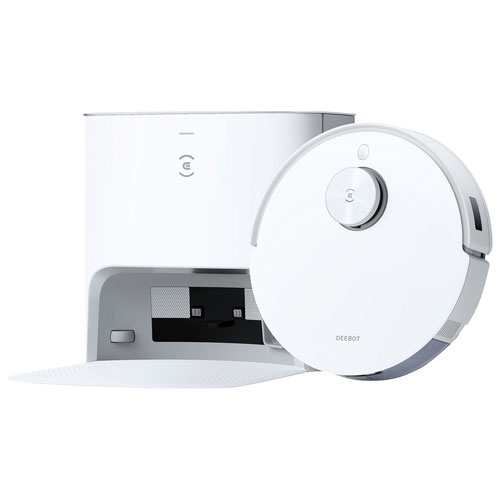
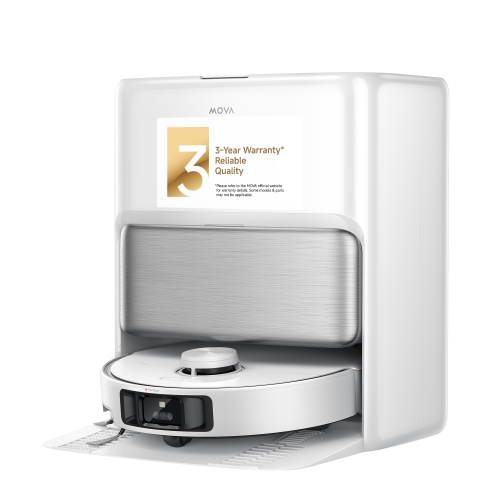
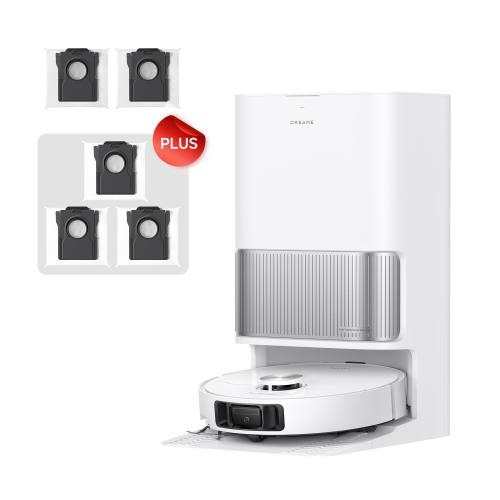
The charging dock can influence how much hands-on care a robot vacuum with mop requires. Depending on the design, a dock may empty the dustbin, refill the water tank, wash the mop pads or roller, and dry them with warm or hot air. These features can reduce the number of times you need to handle dust and dirty water, although the dock still needs occasional attention. Check the capacity of the clean- and dirty-water tanks, the size of the dust bag, and the availability and cost of replacement pads, filters, brushes, and bags before choosing a model. Automatic pad washing can be particularly useful in homes with pets or frequent kitchen traffic, while heated drying helps the pads stay ready for the next cleaning cycle. For a closer look at units with automated maintenance features, browse Self Cleaning Vacuum And Mops. Battery capacity is another important detail for larger homes; a suitable robot should be able to clean the intended area, return to its dock when needed, and resume the task after recharging. App controls and smart-home compatibility can add convenience by allowing you to schedule cleaning, adjust suction or water flow, select rooms, and receive maintenance alerts. Even with advanced automation, occasional care remains important: remove hair from the brush, wipe sensors, empty tanks when recommended, and keep the dock’s washing area clean. Choosing a robot vacuum with mop based on floor type, room layout, pet or family routines, navigation, mop design, and dock features can make everyday floor care feel more manageable during the busy seasons ahead.
Navigation has a major effect on how efficiently a robot vacuum with mop moves through a home. Models with LiDAR or vSLAM mapping can scan rooms, create a floor plan, and follow more systematic routes instead of moving randomly from wall to wall. Mapping features may allow you to name rooms, set cleaning schedules, create no-go zones, or choose a specific area for a quick pass after cooking or outdoor activities. Obstacle detection is another practical consideration, particularly in homes where charging cables, toys, pet bowls, or furniture are often left on the floor. Some systems use cameras, sensors, or artificial intelligence-assisted object recognition to identify and avoid common obstacles, although every robot benefits from a reasonably clear path. Suction power is commonly listed in Pascals (Pa), with many current models ranging from about 8,000 Pa to more than 10,000 Pa. Higher suction can help lift embedded dirt from carpets and collect heavier debris, but the overall cleaning result also depends on brush design, airflow, navigation, and how well the robot handles edges and corners. Look for a main brush that suits the household’s needs, including anti-tangle features for long hair and pet fur, along with side brushes that can sweep debris away from baseboards. Mop systems vary as well. A basic damp pad can be suitable for regular light cleaning, while vibrating pads, rotating pads, or mop rollers may provide more active contact with hard floors. Homes with frequent spills may benefit from adjustable water flow and room-by-room cleaning settings, while delicate flooring may require a gentler moisture level.
The charging dock can influence how much hands-on care a robot vacuum with mop requires. Depending on the design, a dock may empty the dustbin, refill the water tank, wash the mop pads or roller, and dry them with warm or hot air. These features can reduce the number of times you need to handle dust and dirty water, although the dock still needs occasional attention. Check the capacity of the clean- and dirty-water tanks, the size of the dust bag, and the availability and cost of replacement pads, filters, brushes, and bags before choosing a model. Automatic pad washing can be particularly useful in homes with pets or frequent kitchen traffic, while heated drying helps the pads stay ready for the next cleaning cycle. For a closer look at units with automated maintenance features, browse Self Cleaning Vacuum And Mops. Battery capacity is another important detail for larger homes; a suitable robot should be able to clean the intended area, return to its dock when needed, and resume the task after recharging. App controls and smart-home compatibility can add convenience by allowing you to schedule cleaning, adjust suction or water flow, select rooms, and receive maintenance alerts. Even with advanced automation, occasional care remains important: remove hair from the brush, wipe sensors, empty tanks when recommended, and keep the dock’s washing area clean. Choosing a robot vacuum with mop based on floor type, room layout, pet or family routines, navigation, mop design, and dock features can make everyday floor care feel more manageable during the busy seasons ahead.
Top selling and popular products
-
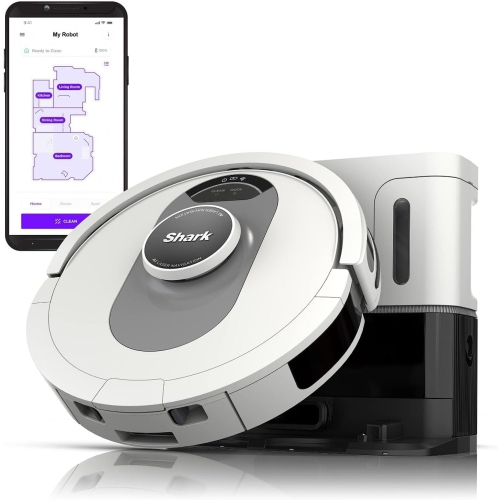 Your price for this item is $699.99
 -
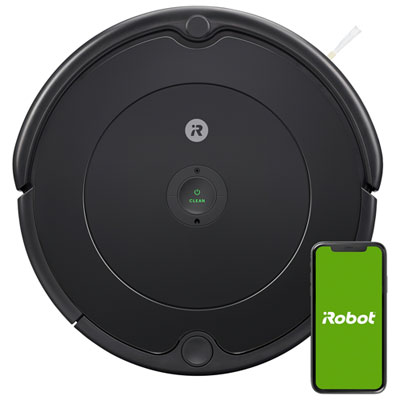 Your price for this item is $289.97
 -
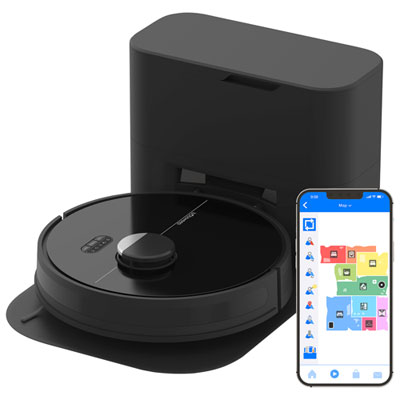 Your price for this item is $219.99
 -
 Your price for this item is $999
 -
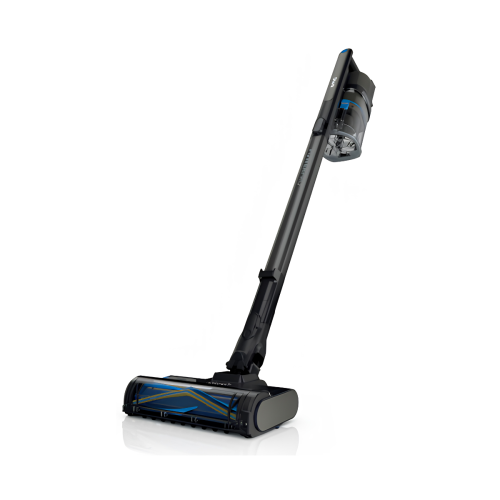 Your price for this item is $399.99
 -
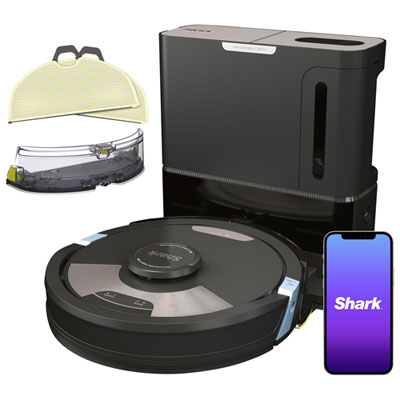 Your price for this item is $899.99
 -
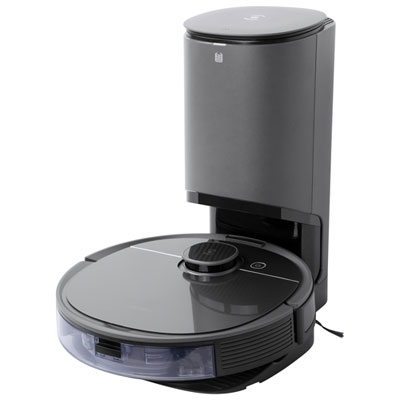 Your price for this item is $799.95
 -
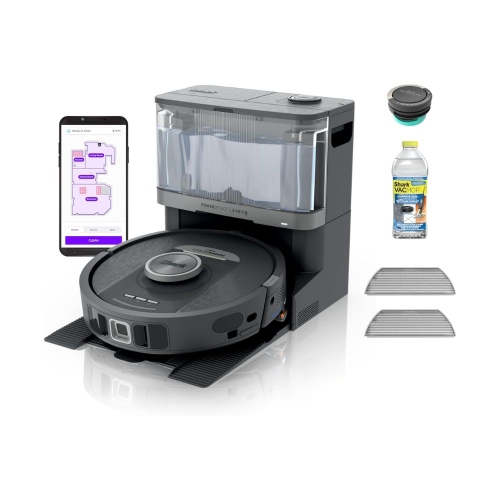 Your price for this item is $1149.99
Discover more categories related to Robot Vacuums With Mop
Top Collections:
Pokemon Centers, Kindle Devices, Best Budget Office Chairs, Apple iPhones 16, Best Laptops for Writers, iPhone 15 Apple, Canon G7X Cameras, Refurbished Apple Laptops, Alarm Clock, Motorola Razr Phones
Some products may be subject to Environmental Handling Fees
(EHF) depending on your province.
Learn more about EHFs.