Ultraviolet Air Purifiers
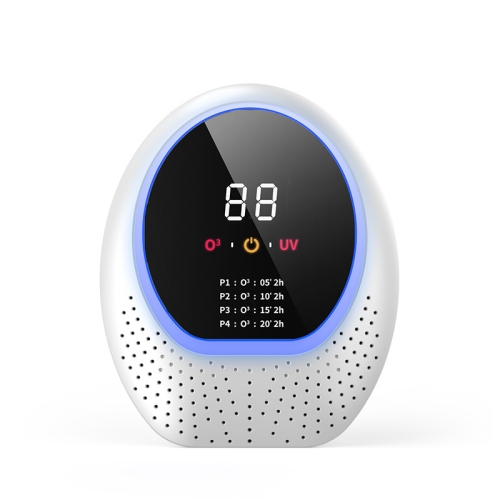
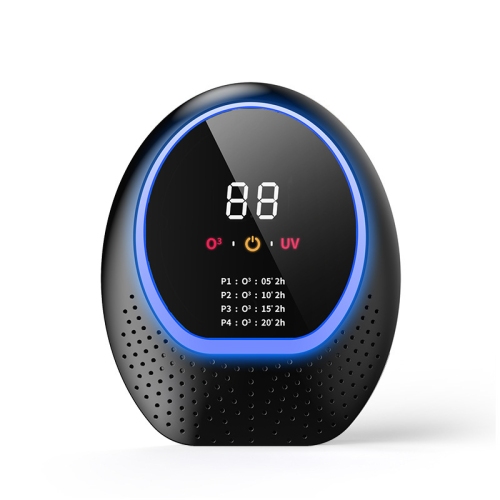
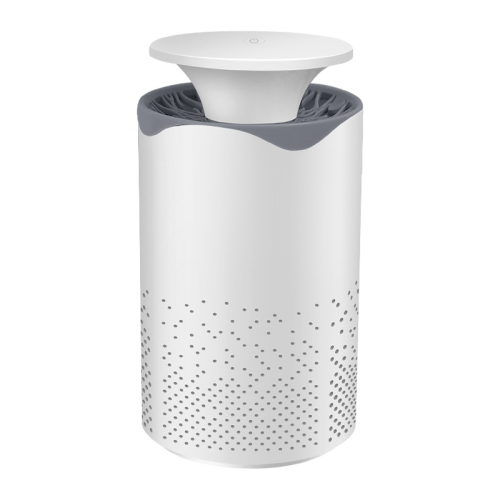
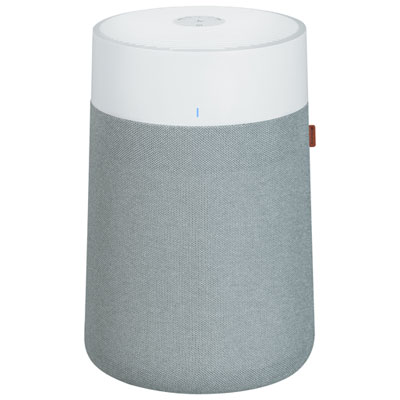
Breathe in cleaner, fresher air with the power of ultraviolet technology. Our ultraviolet air purifiers are designed to remove impurities and allergens from your indoor environment, creating a healthier space for you and your loved ones. By harnessing the natural disinfecting properties of UV light, these air purifiers effectively eliminate harmful bacteria, viruses, and mold spores, providing you with peace of mind and improved air quality.
Sort

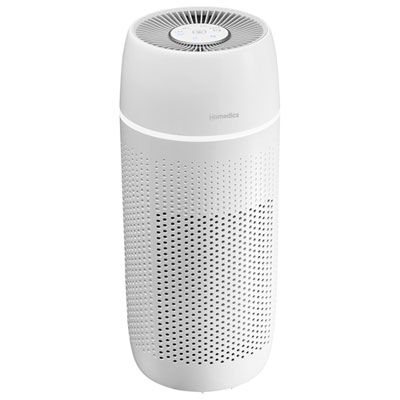
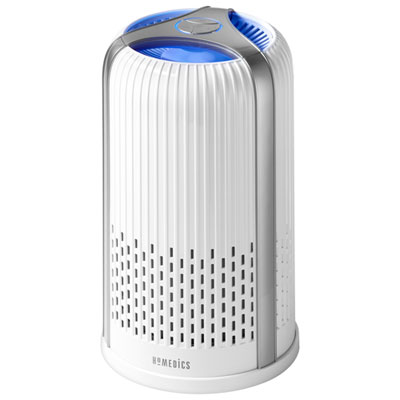
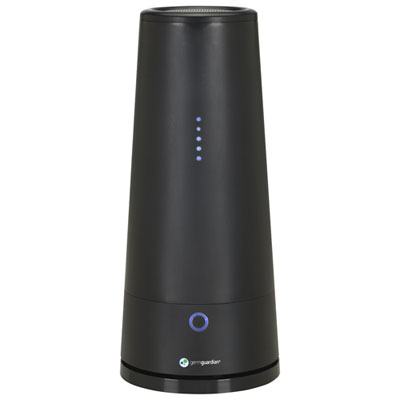
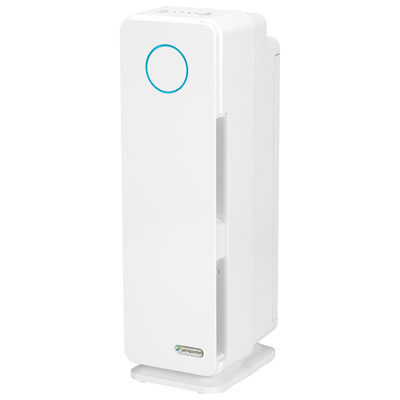
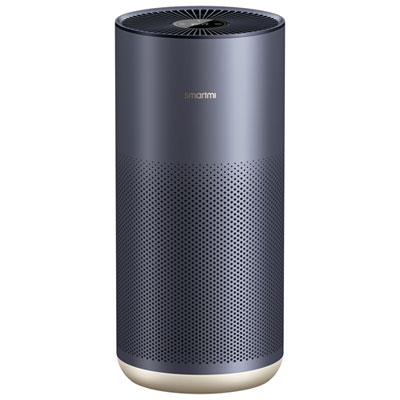
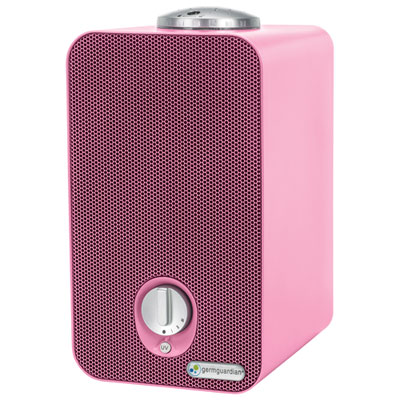
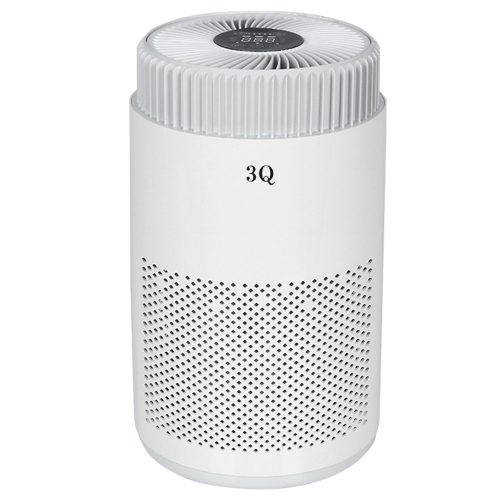
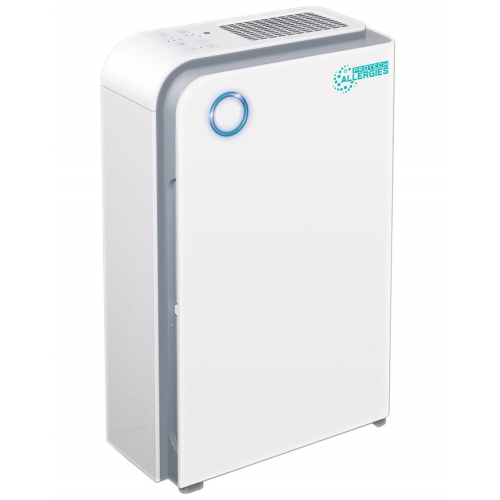
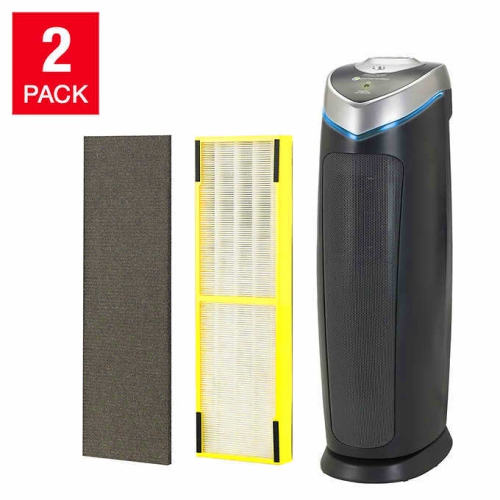
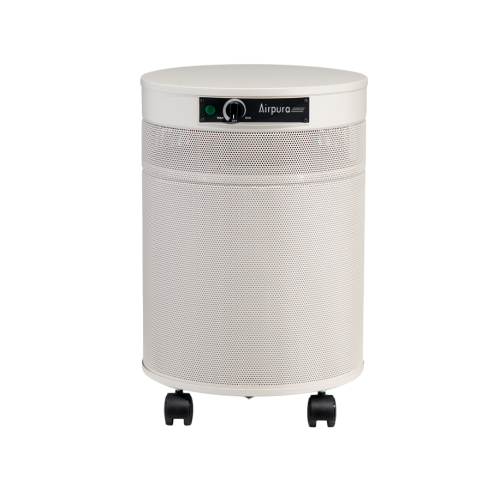
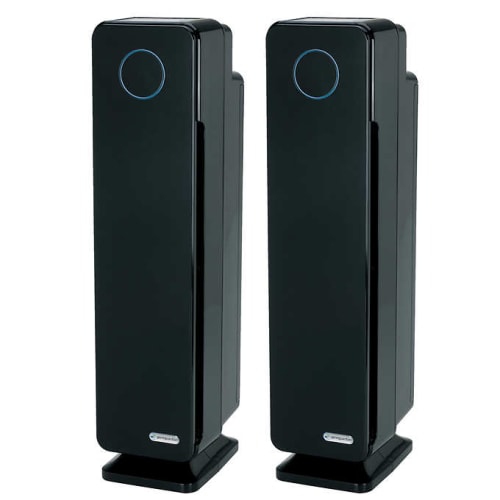
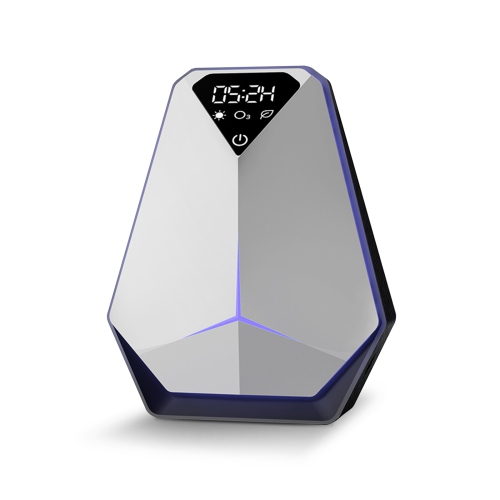
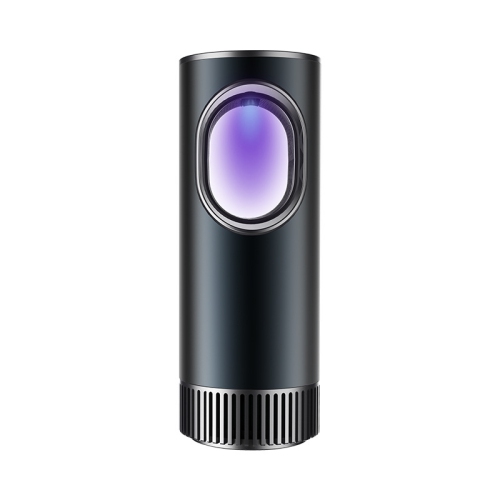
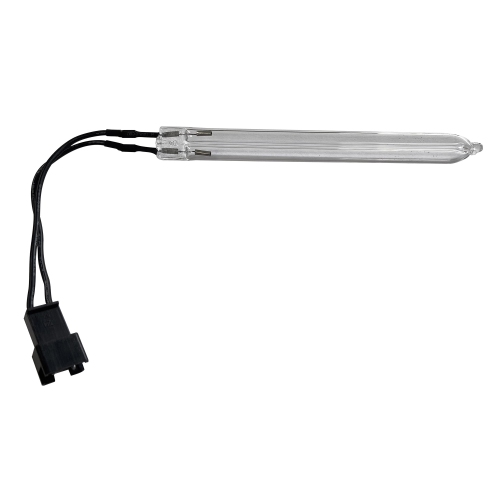
How UV-C treatment works with filters and airflow
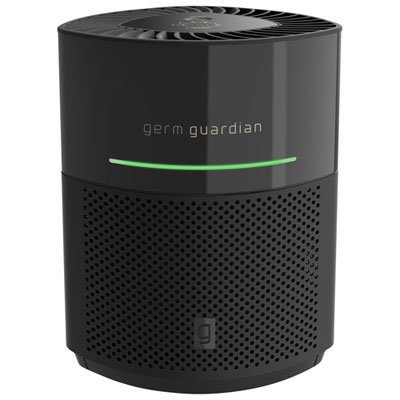
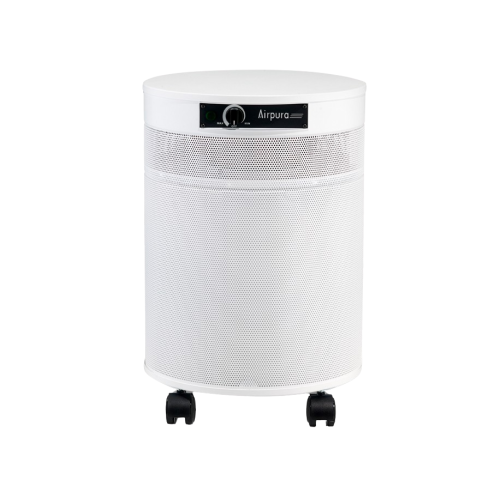
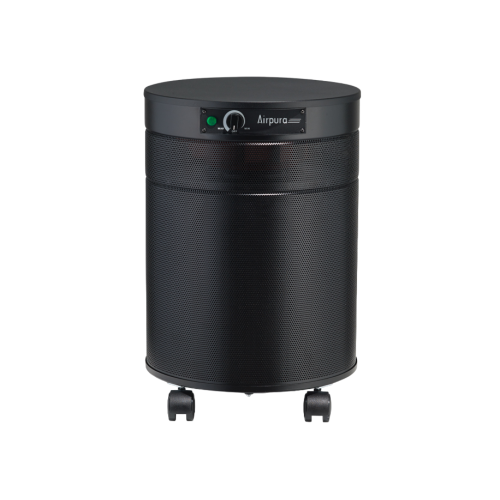
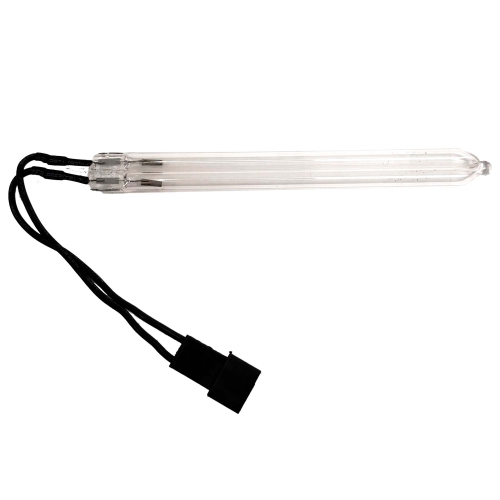
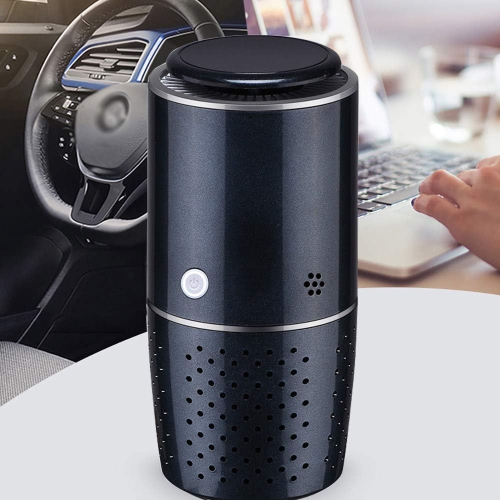
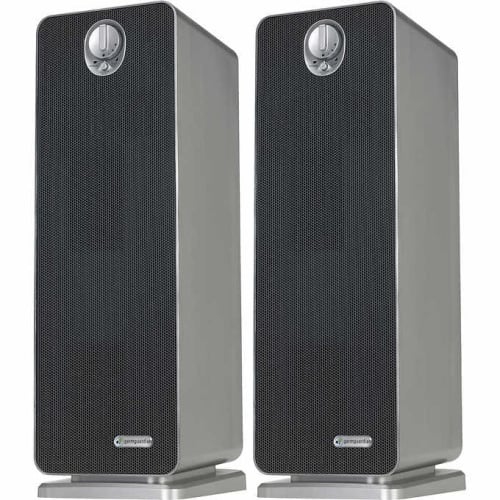
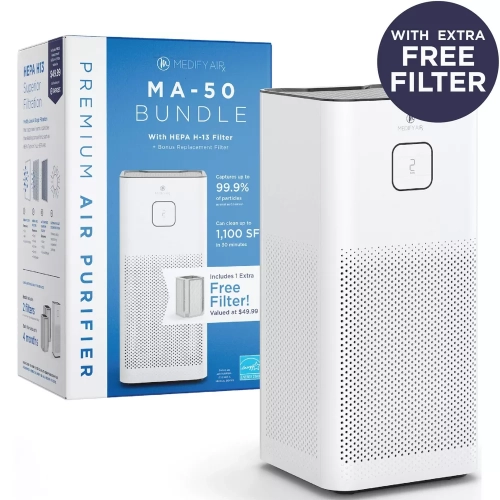
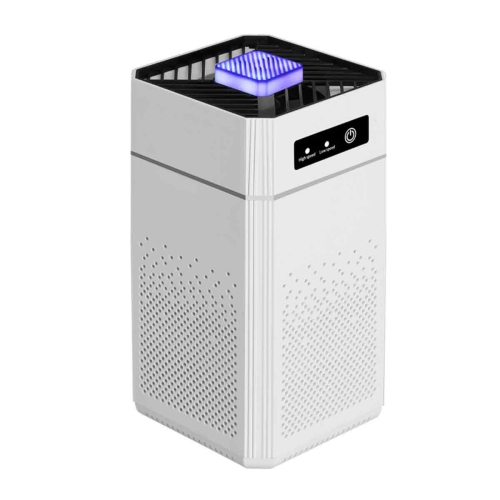
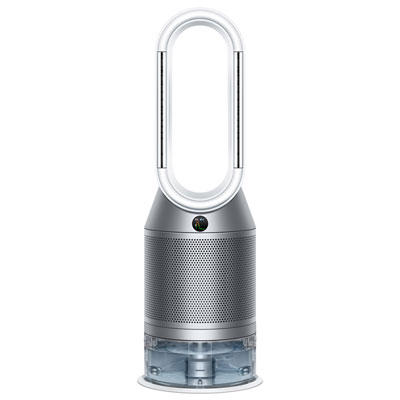
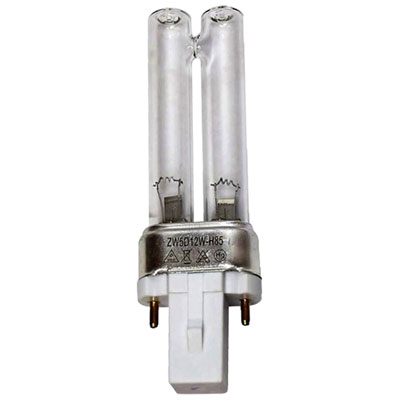
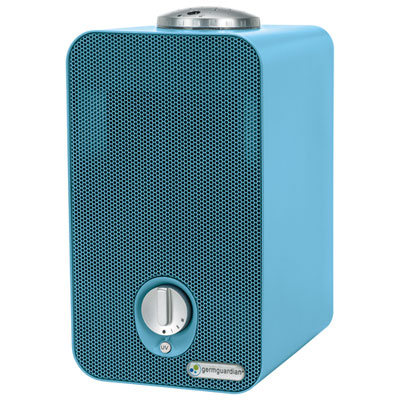
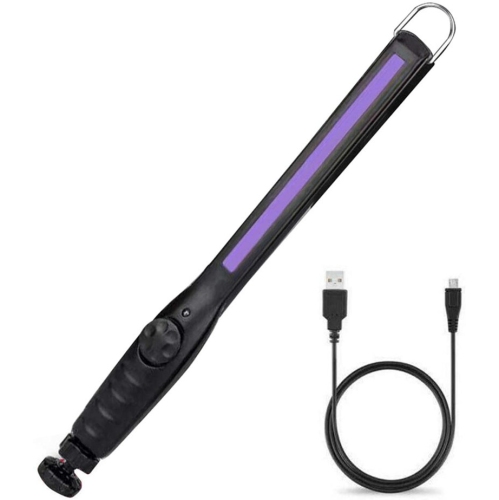
Ultraviolet air purifiers are designed to add UV-C light treatment to an indoor air-cleaning system. UV-C, also called ultraviolet germicidal irradiation, uses short-wave ultraviolet light to damage the DNA or RNA of certain airborne microorganisms, including some bacteria, viruses, and mold spores, so they cannot continue to multiply. In a portable unit, air is drawn through an enclosed chamber where it passes near the UV-C bulb before returning to the room. Many models combine this technology with other stages of filtration, since UV light and filters address different types of indoor air contaminants. A True HEPA filter captures small airborne particles such as dust, pollen, pet dander, and some smoke particles, while an activated carbon filter can help reduce certain household odours and gases. UV-C light itself does not capture dust and does not reliably remove volatile organic compounds, so a multistage design may be a more suitable choice for homes where several air-quality concerns overlap. Browse the selection of UV Air Purifiers to compare portable options intended for bedrooms, living rooms, home offices, nurseries, and other frequently used spaces. These appliances can be useful for people who want an additional layer of air treatment during the cooler months, when windows may remain closed for longer periods, or as the weather warms, when pollen and other seasonal particles can enter through doors, windows, and ventilation systems. They may also suit households with pets, shared living spaces, or rooms that benefit from regular air circulation. An air purifier is not a replacement for cleaning, proper ventilation, moisture control, or advice from a qualified health professional, but it can complement those everyday measures.
The most important purchase consideration is the type of space the purifier is intended to serve. Portable models are generally placed in one room and should be matched to the room area listed by the manufacturer. A compact unit may be convenient for a bedroom, nursery, or desk area, while a higher-capacity model may be better suited to an open living area or shared family room. Check the clean air delivery rate, recommended room size, fan-speed settings, and noise ratings rather than choosing based on UV-C functionality alone. Air must remain near the UV-C lamp for a sufficient dwell time for the light treatment to work as intended; if air moves through the chamber too quickly, exposure may be limited. A sealed chamber, thoughtful airflow design, and multiple fan settings can help a unit provide consistent operation without creating an intrusive sound level. Whole-house UV systems are different from portable room purifiers. They are installed within HVAC ductwork, where the lamp treats air moving through the system and can shine on interior components such as evaporator coils. Because a lamp positioned near a damp coil has a stationary surface to treat, this type of installation can help discourage microbial growth on that surface. Whole-home systems require appropriate sizing, electrical connections, and installation, so they are best assessed with an HVAC professional. They are not interchangeable with a portable purifier, and a duct-mounted lamp may not provide the same room-by-room particle filtration as a unit equipped with a HEPA filter. When comparing products, look for clear information about UV-C wavelength, whether the light chamber is enclosed, the filter stages included, replacement-filter availability, and the recommended maintenance schedule. Avoid assuming that a UV label means every airborne germ, odour, or particle will be removed. Performance depends on airflow, exposure time, room conditions, filter condition, and the specific design of the purifier.
Day-to-day use is usually straightforward, but regular maintenance helps an ultraviolet air purifier perform as designed. Place a portable unit where air can move freely around its intake and outlet, keeping it away from curtains, furniture, walls, and areas where the vents could become blocked. Run it at an appropriate setting for the room, using a quieter speed while sleeping if the model provides that option. Inspect and replace filters according to the manufacturer’s instructions, since a loaded filter can restrict airflow and reduce the effectiveness of the entire system. A UV-C bulb may also have a recommended service life, even when it still appears to be illuminated, and some models use indicator lights or timers to signal when replacement is due. Never look directly at an exposed UV-C lamp or operate a device with a damaged enclosure; household UV-C air purifiers should be designed so the light remains contained during normal use. Families may appreciate a portable purifier as a practical housewarming gift, a useful addition to a home office, or an extra comfort for someone preparing a nursery or refreshing a frequently used bedroom. It can also be a thoughtful choice for a pet-owning household when the recipient understands that UV-C does not replace grooming, litter-box care, surface cleaning, or an activated carbon filter for odour control. Before choosing, consider the recipient’s room size, available floor or tabletop space, tolerance for fan noise, filter costs, and access to replacement parts. Look for simple controls, air-quality indicators, programmable timers, and child-lock features when those functions suit the household. With the right combination of UV-C treatment, particle filtration, airflow, and routine care, these appliances can provide a convenient way to support cleaner-feeling indoor air across changing seasons.
The most important purchase consideration is the type of space the purifier is intended to serve. Portable models are generally placed in one room and should be matched to the room area listed by the manufacturer. A compact unit may be convenient for a bedroom, nursery, or desk area, while a higher-capacity model may be better suited to an open living area or shared family room. Check the clean air delivery rate, recommended room size, fan-speed settings, and noise ratings rather than choosing based on UV-C functionality alone. Air must remain near the UV-C lamp for a sufficient dwell time for the light treatment to work as intended; if air moves through the chamber too quickly, exposure may be limited. A sealed chamber, thoughtful airflow design, and multiple fan settings can help a unit provide consistent operation without creating an intrusive sound level. Whole-house UV systems are different from portable room purifiers. They are installed within HVAC ductwork, where the lamp treats air moving through the system and can shine on interior components such as evaporator coils. Because a lamp positioned near a damp coil has a stationary surface to treat, this type of installation can help discourage microbial growth on that surface. Whole-home systems require appropriate sizing, electrical connections, and installation, so they are best assessed with an HVAC professional. They are not interchangeable with a portable purifier, and a duct-mounted lamp may not provide the same room-by-room particle filtration as a unit equipped with a HEPA filter. When comparing products, look for clear information about UV-C wavelength, whether the light chamber is enclosed, the filter stages included, replacement-filter availability, and the recommended maintenance schedule. Avoid assuming that a UV label means every airborne germ, odour, or particle will be removed. Performance depends on airflow, exposure time, room conditions, filter condition, and the specific design of the purifier.
Day-to-day use is usually straightforward, but regular maintenance helps an ultraviolet air purifier perform as designed. Place a portable unit where air can move freely around its intake and outlet, keeping it away from curtains, furniture, walls, and areas where the vents could become blocked. Run it at an appropriate setting for the room, using a quieter speed while sleeping if the model provides that option. Inspect and replace filters according to the manufacturer’s instructions, since a loaded filter can restrict airflow and reduce the effectiveness of the entire system. A UV-C bulb may also have a recommended service life, even when it still appears to be illuminated, and some models use indicator lights or timers to signal when replacement is due. Never look directly at an exposed UV-C lamp or operate a device with a damaged enclosure; household UV-C air purifiers should be designed so the light remains contained during normal use. Families may appreciate a portable purifier as a practical housewarming gift, a useful addition to a home office, or an extra comfort for someone preparing a nursery or refreshing a frequently used bedroom. It can also be a thoughtful choice for a pet-owning household when the recipient understands that UV-C does not replace grooming, litter-box care, surface cleaning, or an activated carbon filter for odour control. Before choosing, consider the recipient’s room size, available floor or tabletop space, tolerance for fan noise, filter costs, and access to replacement parts. Look for simple controls, air-quality indicators, programmable timers, and child-lock features when those functions suit the household. With the right combination of UV-C treatment, particle filtration, airflow, and routine care, these appliances can provide a convenient way to support cleaner-feeling indoor air across changing seasons.
Top selling and popular products
-
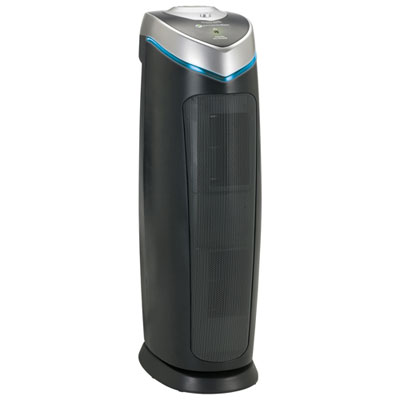 Your price for this item is $139.99
 -
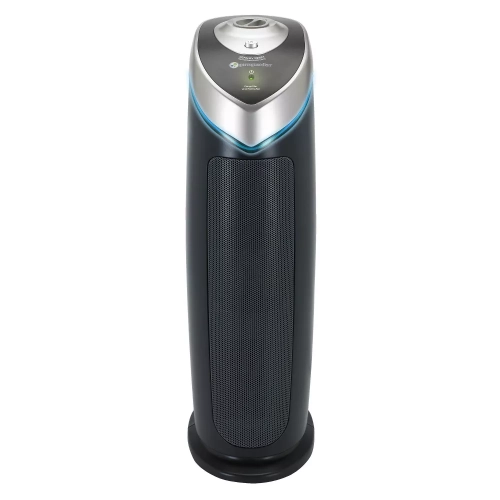 Your price for this item is $296.99
 -
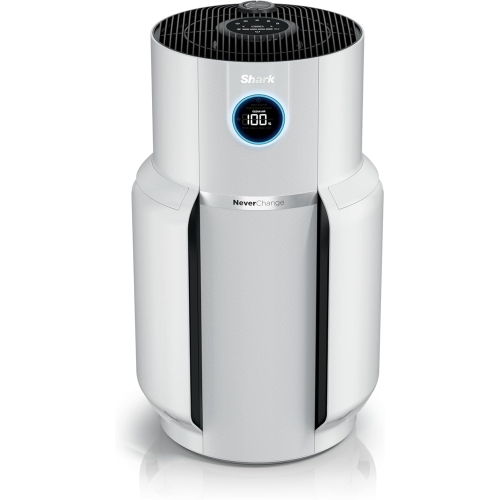 Your price for this item is $359.99
 -
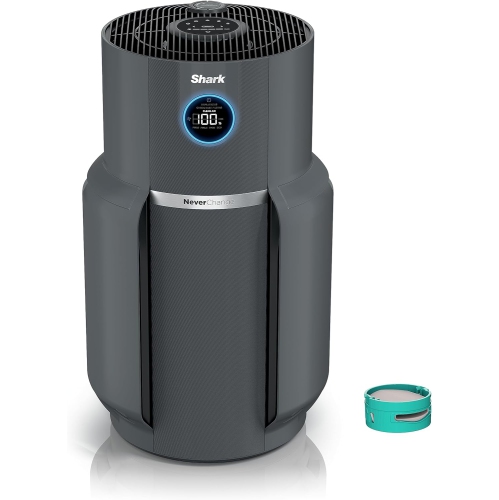 Your price for this item is $999.99
 -
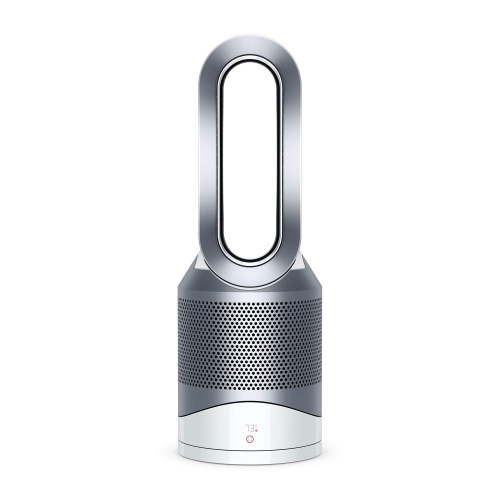 Your price for this item is $729.99
 -
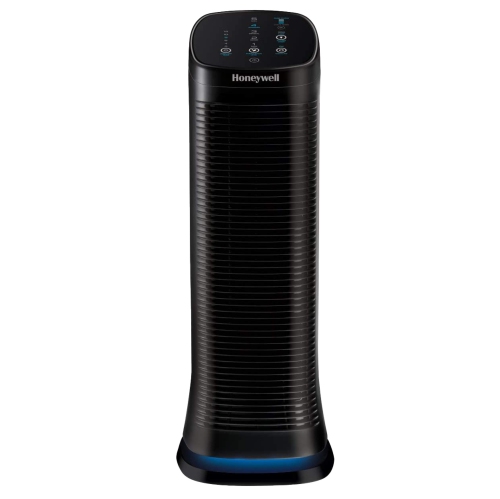 Your price for this item is $534.99
 -
 Your price for this item is $659.99
 -
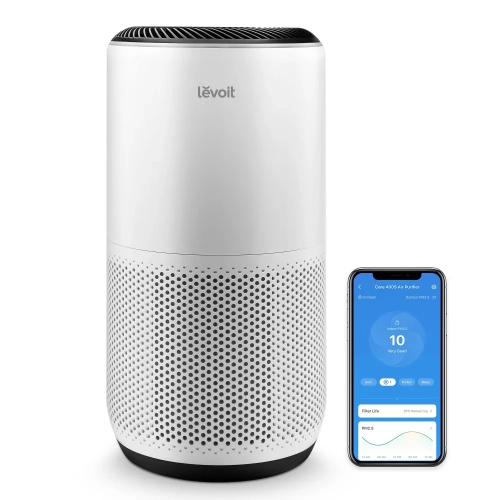 Your price for this item is $699.99
Discover more categories related to Ultraviolet Air Purifiers
Top Collections:
Pokemon Centers, Budget 4K TVs, Best Budget Office Chairs, Kindle Devices, Canon G7X Cameras, Apple iPhones 16, iPhone 15 Apple, Laptops for Business Work, Xiaomi Phones, Flip Phones
Some products may be subject to Environmental Handling Fees
(EHF) depending on your province.
Learn more about EHFs.