UVC Air Purifiers
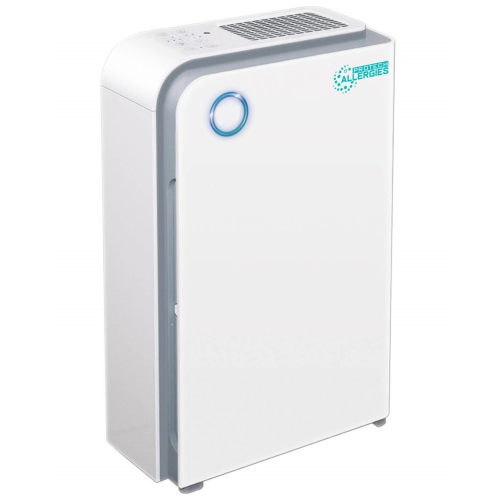
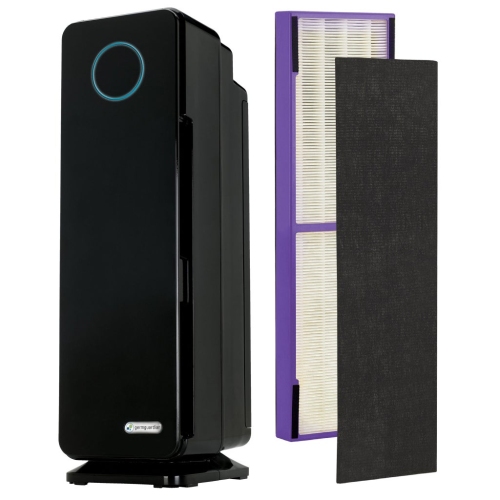
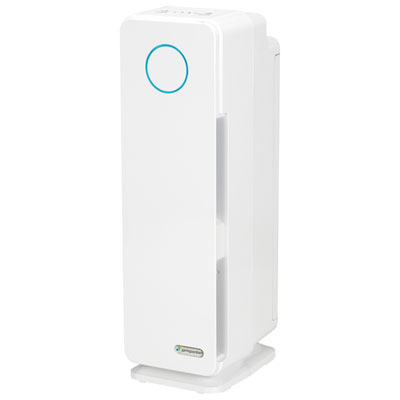
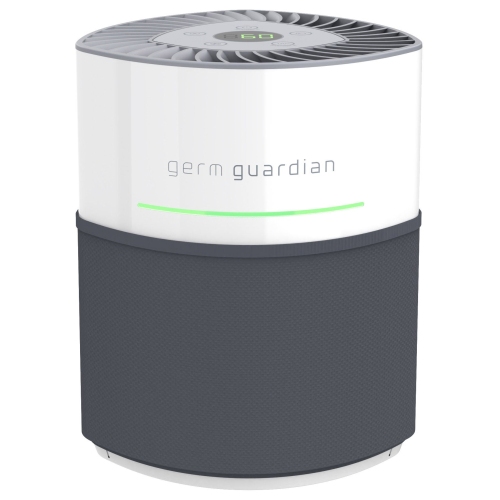
Breathe in cleaner, fresher air with the power of UVC technology. Our UVC air purifiers are designed to effectively eliminate airborne contaminants, providing you and your loved ones with a healthier living environment. Whether you're concerned about allergens, bacteria, or viruses, our UVC air purifiers utilize advanced filtration systems to capture and neutralize these unwanted particles. With their sleek and compact designs, these purifiers fit seamlessly into any space, ensuring that every breath you take is filled with pure, revitalizing air. Discover the benefits of UVC air purifiers today and experience the difference in your home or office.
Sort
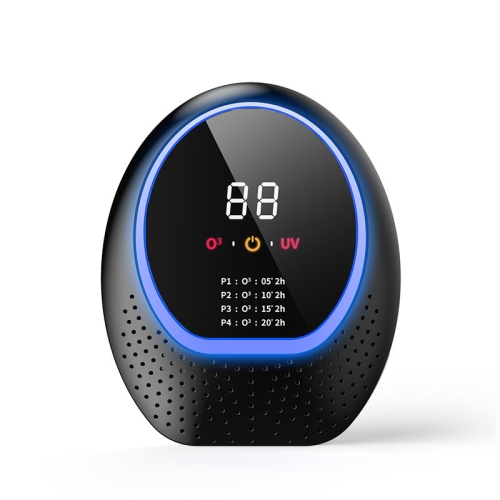
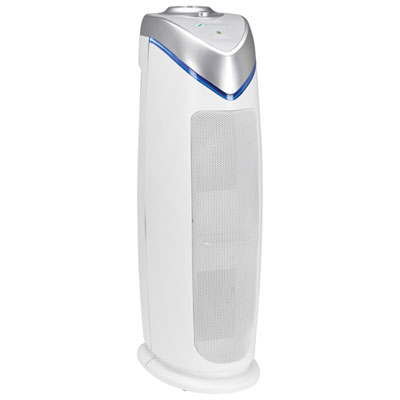
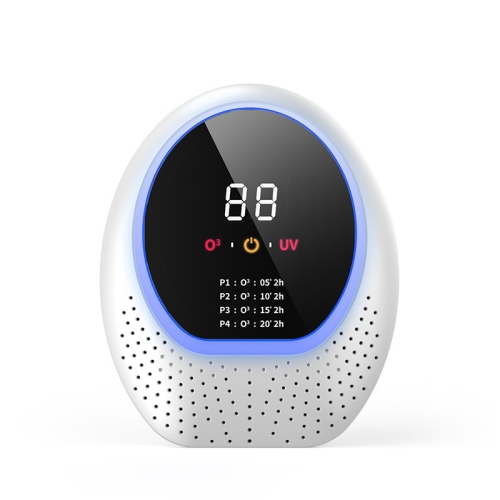
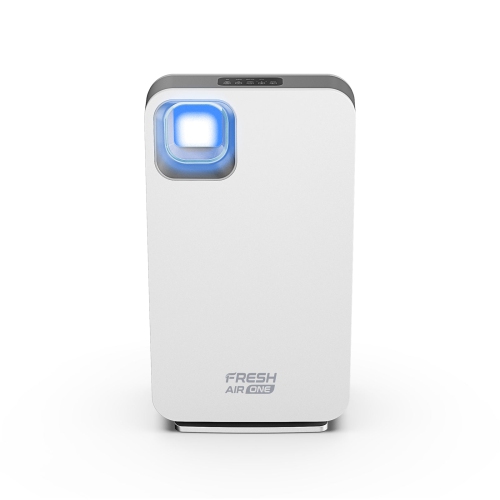

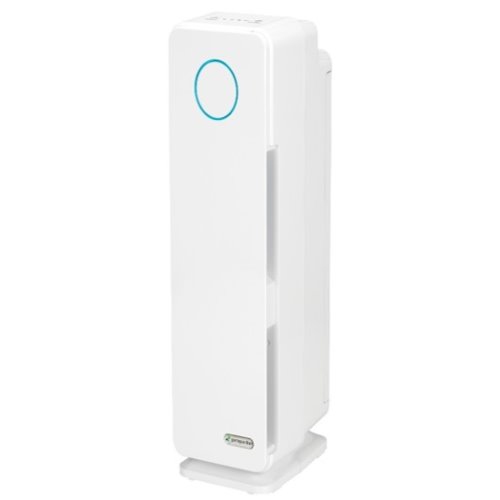
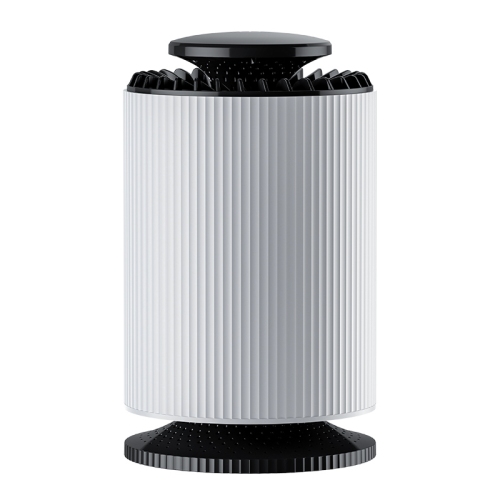
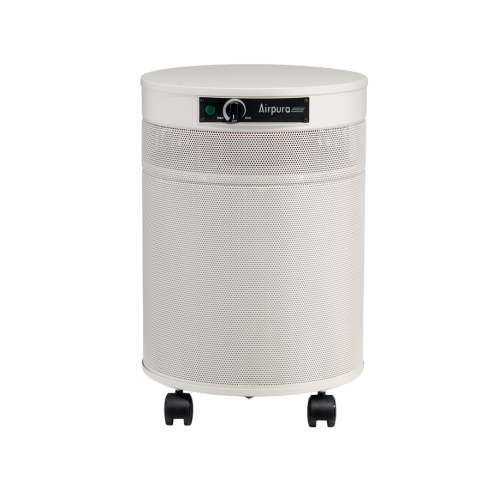
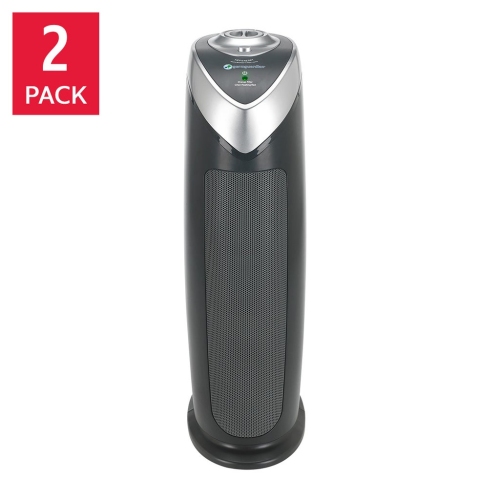
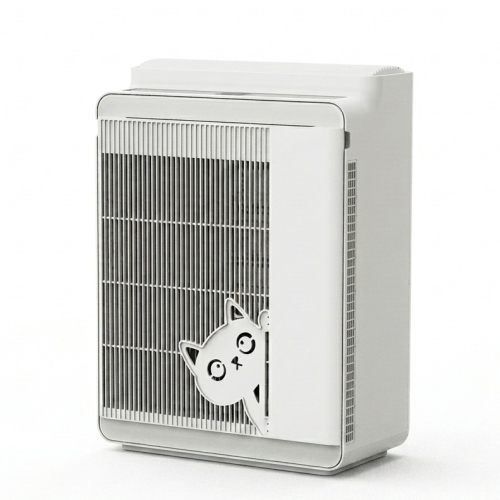
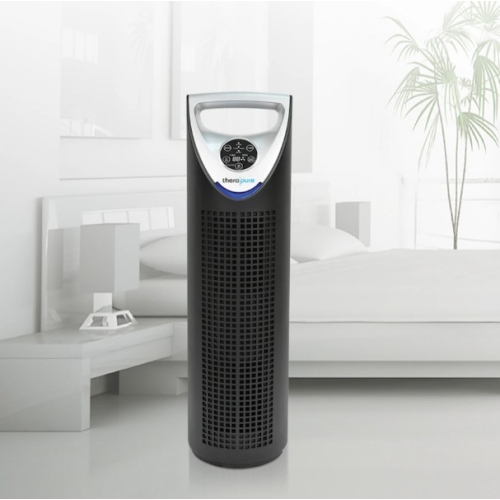

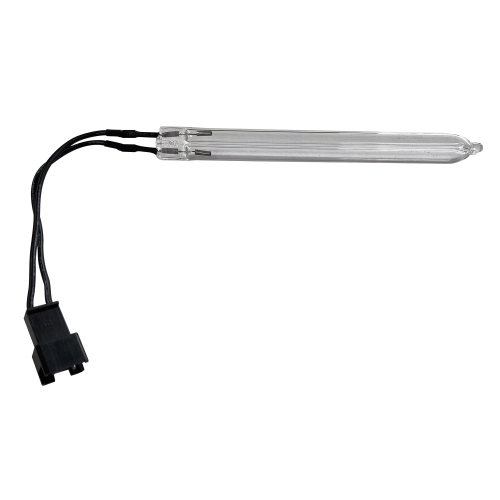
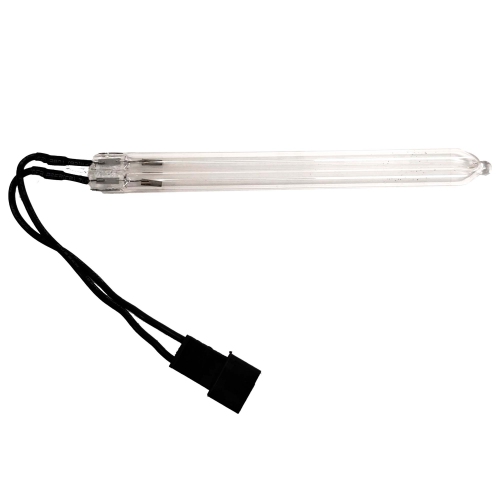
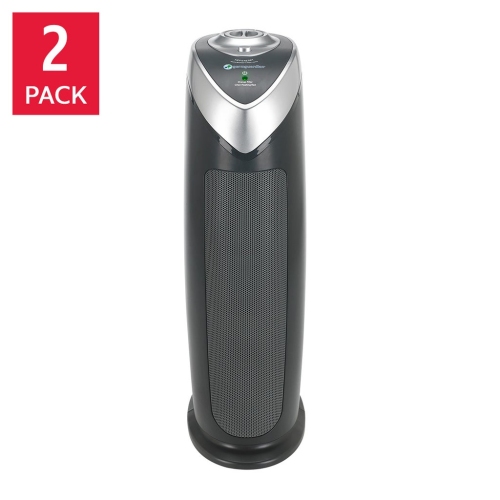
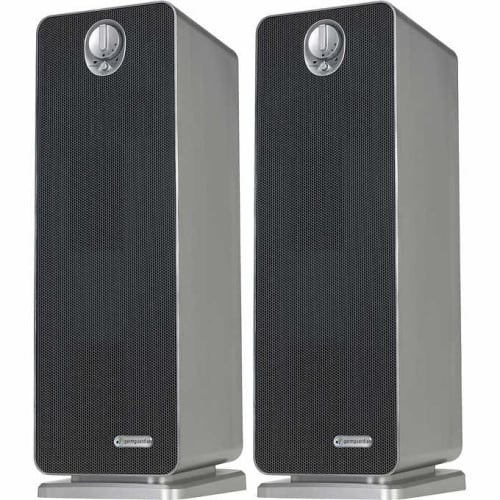
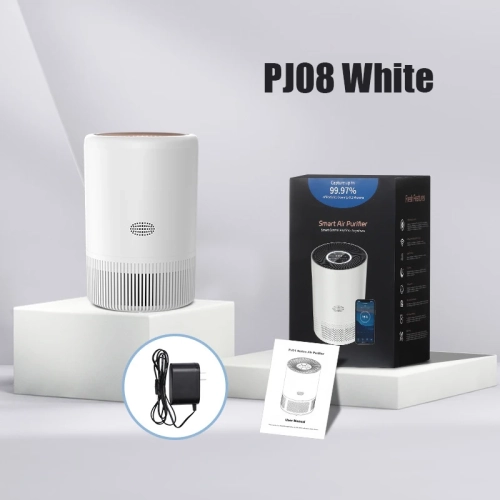
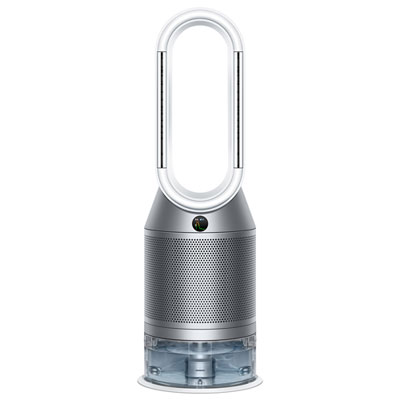



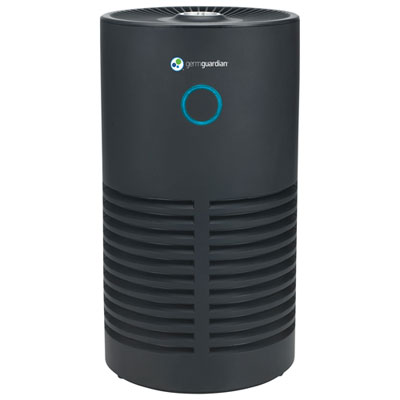
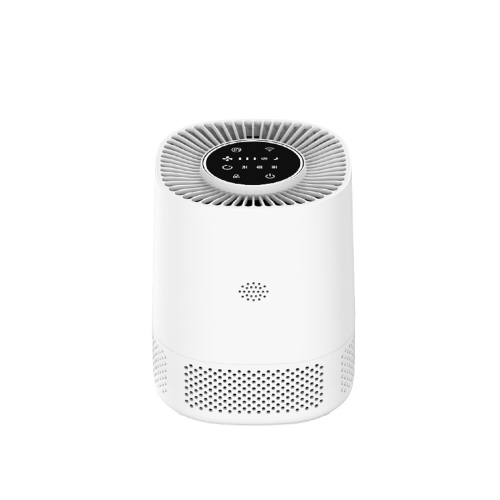
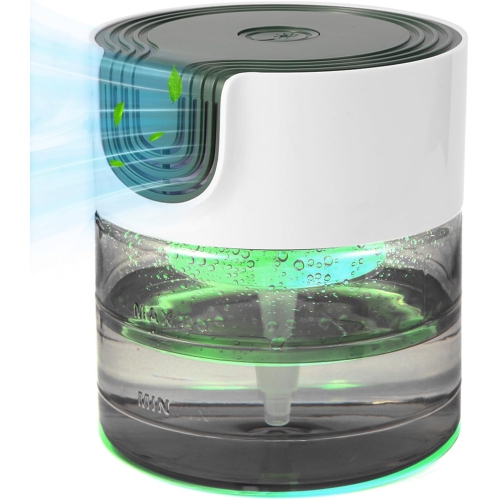
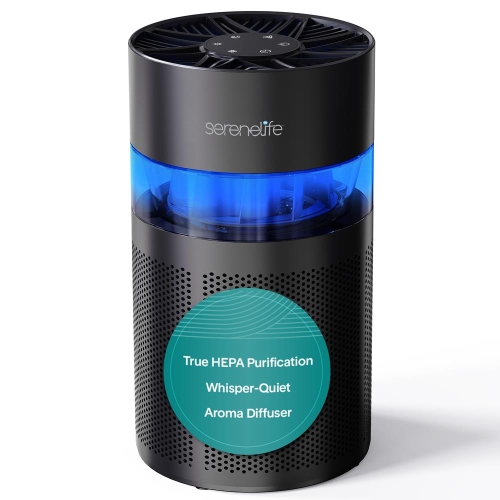
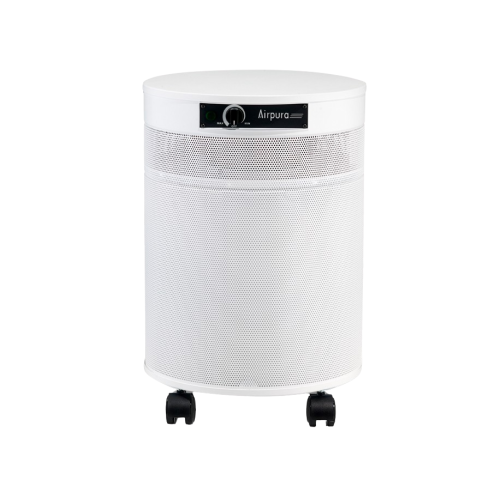
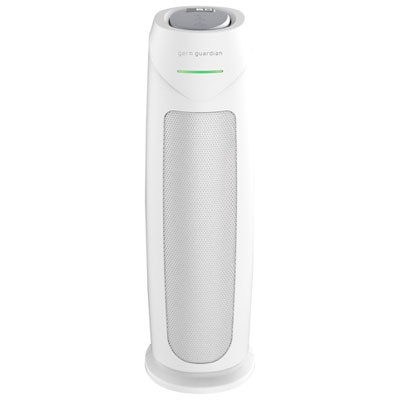
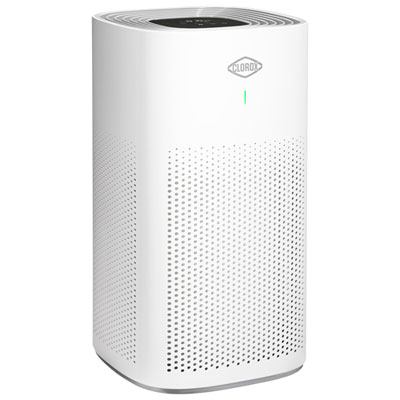

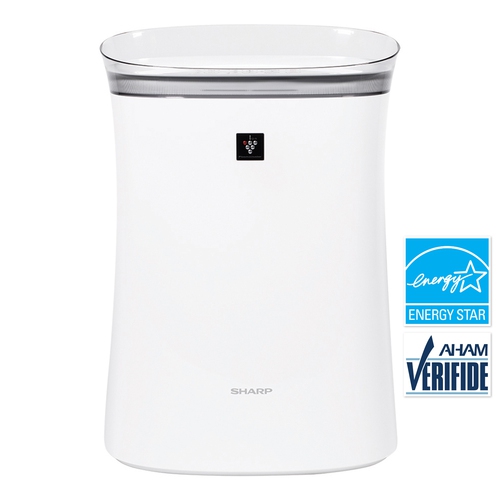

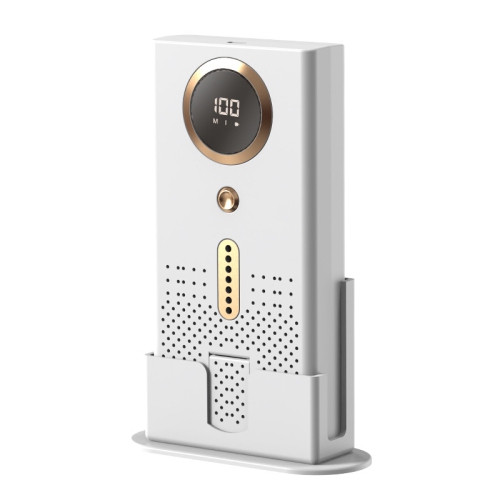
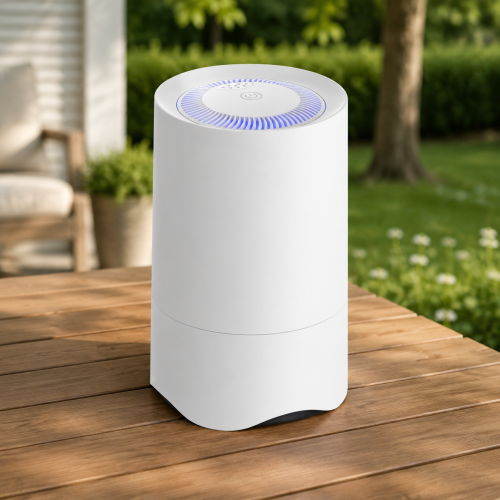
Why UVC light is only part of air cleaning
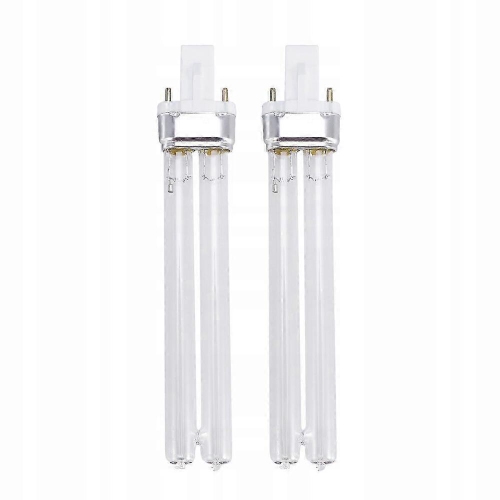
UVC air purifiers combine air circulation with ultraviolet-C light to treat air as it passes through an enclosed unit. UVC light can damage the DNA or RNA of microorganisms, reducing their ability to reproduce or cause infection when they receive a sufficient dose. Many lamp-based systems use light near a wavelength of 254 nanometres, while UVC LEDs may operate at other wavelengths within the UVC range. The effect depends on the light’s intensity, exposure time, chamber design, and the type of microorganism being treated. That means the presence of a UVC lamp alone does not establish how effectively a purifier treats the air in a room. Performance claims are most useful when supported by testing that identifies the organisms tested, operating conditions, and results. A result measured inside a treatment chamber is not necessarily the same as a reduction measured throughout an occupied room. UVC treatment also serves a different purpose from filtration: light does not physically remove dust, pollen, pet dander, or smoke particles. In a combined system, a particle filter captures airborne material, while the enclosed UVC stage provides an additional treatment process. HEPA filtration can capture fine particles, and activated carbon can help reduce certain odours and gases, depending on the amount and type of carbon used. These functions are complementary rather than interchangeable. For a household with a shedding dog, for example, the filter remains important for collecting airborne dander; the UVC feature does not replace that task or remove fur from a sofa. Likewise, a purifier cannot correct a damp wall or eliminate mould growing on a surface. Understanding these distinctions makes it easier to compare UVC air purifiers for bedrooms, living areas, home offices, and other indoor spaces without confusing particle removal with microbial inactivation. The most informative specifications describe both the purifier’s air-cleaning performance and the tested capabilities of its ultraviolet treatment stage.
Room size and airflow are central to how well an air purifier fits its intended space. A compact bedroom with a closed door presents a different task from an open-plan living area connected to a hallway and kitchen. Compare the stated coverage area with the conditions behind that figure, including ceiling height and the number of air changes per hour. A coverage claim based on fewer air changes can describe a larger space without delivering the same frequency of treatment. Where a clean air delivery rate, or CADR, is provided, it helps indicate how quickly filtered air is supplied for particular airborne particles; it does not, by itself, measure UVC effectiveness. Fan speed matters too, since the quietest setting usually moves less air than the highest setting. For a bedroom, look at noise information for the speed likely to be used overnight rather than relying only on the lowest advertised sound level. In a home office, a steady fan sound may be less distracting than a unit that frequently changes speed beside a desk. Placement should leave the intake and outlet clear, with the manufacturer’s recommended clearance from walls, curtains, and furniture. Tucking a purifier behind an armchair may make it less visible but restrict the airflow it needs. Consider the unit’s footprint, height, weight, and carrying handles if it will move between rooms, along with a stable base and a cord position that avoids walkways. Timers, dimmable displays, child locks, and separate controls for the fan and UVC function can make everyday operation more convenient. Wi-Fi connectivity may allow remote scheduling or status checks, but the available functions vary. Automatic modes often respond to particle sensors, which should not be assumed to detect viruses, bacteria, or the effectiveness of the UVC lamp. For shared spaces, straightforward controls and clear indicator lights can be more useful than a long list of features, especially when several people will operate the purifier.
Long-term suitability also depends on construction, maintenance, and the way the UVC source is contained. A well-designed purifier keeps ultraviolet light enclosed during operation, since direct UVC exposure can injure eyes and skin. Protective housings, secure access panels, and safety interlocks are important details to check in the manufacturer’s documentation. A metal or durable plastic exterior should be stable and easy to wipe clean, while accessible filter compartments can make routine upkeep less awkward. Internal components need to be suitable for their intended exposure to UVC, and clear maintenance instructions help protect both performance and safe operation. Pre-filters may need regular vacuuming or washing if expressly permitted, while most disposable HEPA and carbon filters should be replaced rather than washed. UVC lamps also have specified service lives, and a lamp that still appears to light up may no longer deliver its intended output. Follow the stated replacement schedule, disconnect power before permitted maintenance, and never bypass a safety switch or operate the light outside its housing. Where a lamp contains mercury, follow local disposal requirements. Ozone emissions deserve separate attention: ozone can irritate the lungs, so look for independently verified emissions information and avoid treating intentional ozone generation as a desirable air-cleaning feature. Homes are not the only setting where these considerations matter. Reception areas, meeting rooms, and other shared workplaces may require equipment selected for longer operating hours, larger spaces, and documented maintenance procedures. For those applications, Commercial UV Air Purifiers provide a relevant category to explore alongside the requirements of the space. Whether the intended setting is a small study or a shared office, air purification works best as one part of indoor air management, alongside appropriate ventilation, regular cleaning, and control of pollutant sources. Matching filtration, tested UVC performance, usable airflow, and manageable upkeep creates a more practical fit than choosing by a single feature.
Top selling and popular products
-
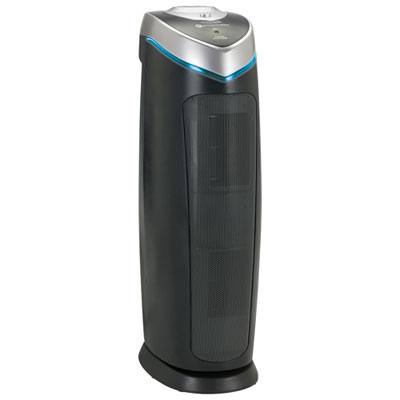 Your price for this item is $139.99
-
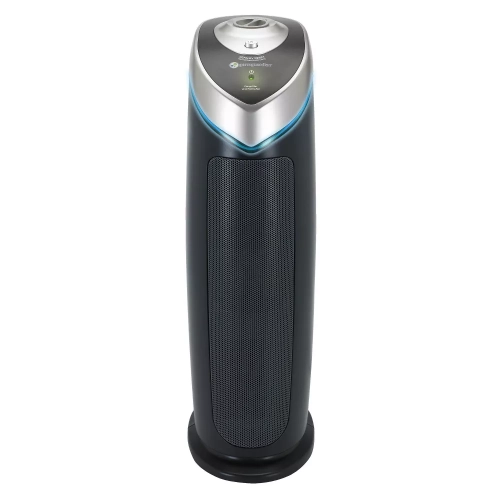 Your price for this item is $296.99
-
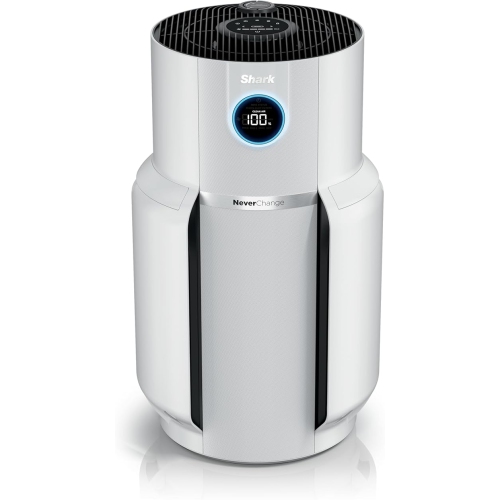 Your price for this item is $359.99
-
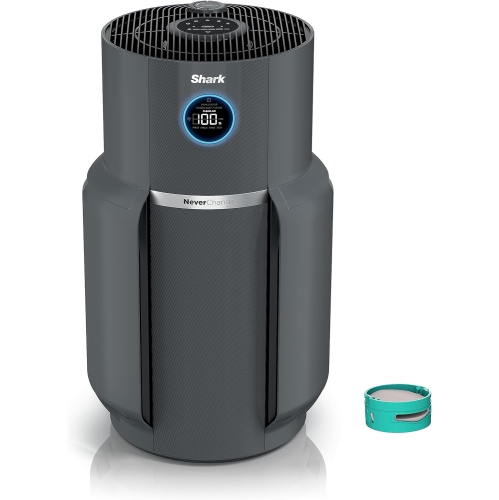 Your price for this item is $999.99
-
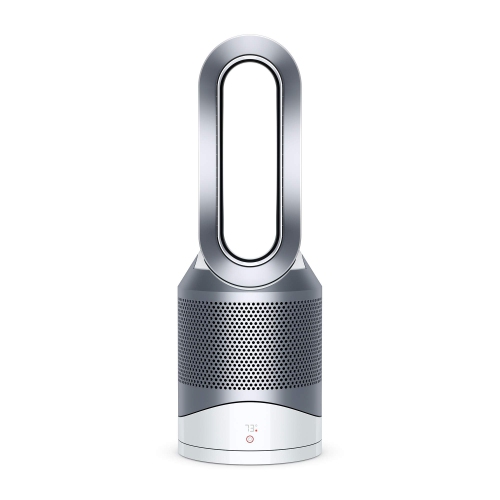 Your price for this item is $729.99
-
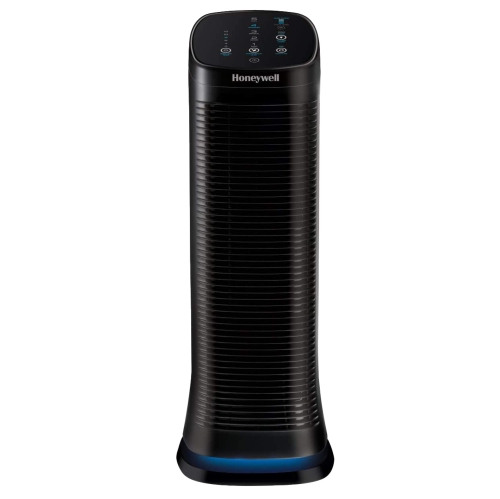 Your price for this item is $534.99
-
 Your price for this item is $659.99
-
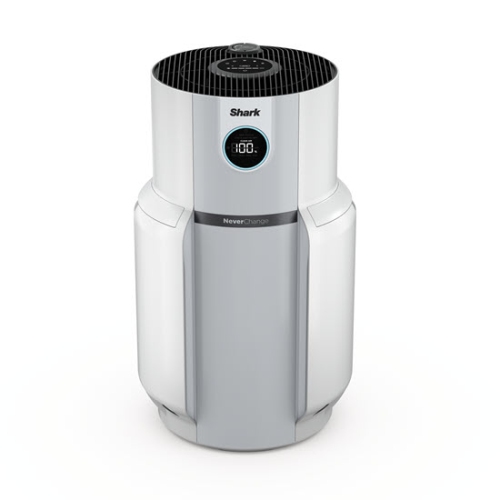 Your price for this item is $224.99
Discover more categories related to UVC Air Purifiers
Top Collections:
Best Black Friday Deals This Year, Best Black Friday Deals On Electronics, Kindle Devices, Pokemon Centers, Best Black Friday Deals On Apple Products, Best Cameras for Sports Photography, Dyson Airwrap, Pokémon 30th Celebration Cards, Apple iPhone 17 Pro, Canon G7X Cameras
Some products may be subject to Environmental Handling Fees
(EHF) depending on your province.
Learn more about EHFs.