Under Counter Beverage Coolers
Under Counter Beverage Coolers offer a sleek and convenient solution for keeping your favorite drinks perfectly chilled and easily accessible. Ideal for kitchens, home bars, offices, or entertainment spaces, these coolers fit seamlessly beneath countertops to maximize space while adding a modern touch to any room. Explore a wide selection of Under Counter Beverage Coolers designed to help you organize and store beverages with style and efficiency. Whether you're hosting gatherings or simply want quick access to cold refreshments, you'll find the perfect cooler to suit your needs.
Sort
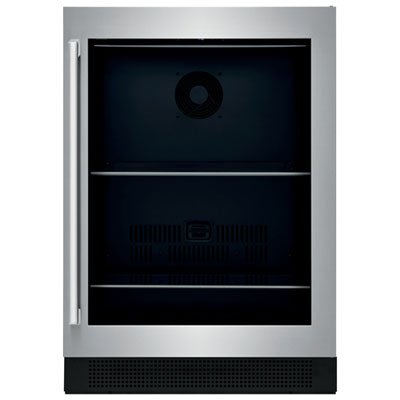
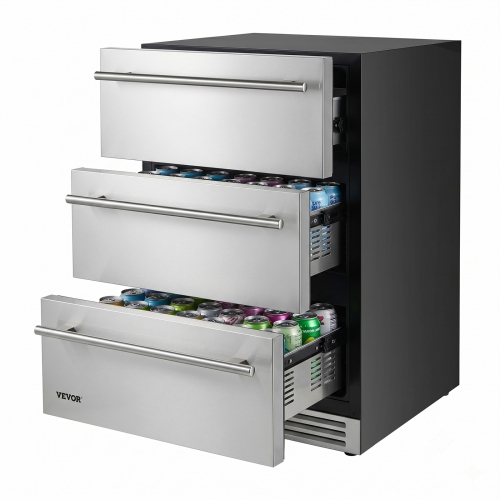
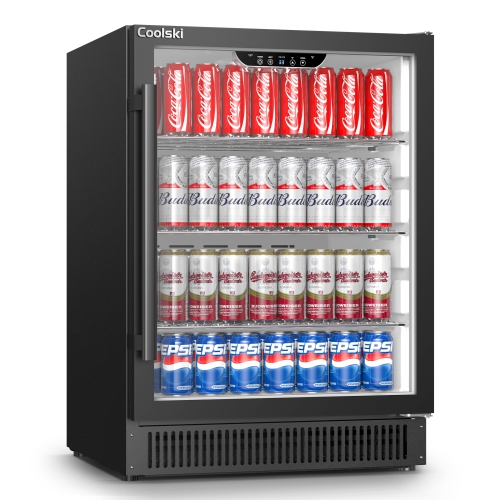
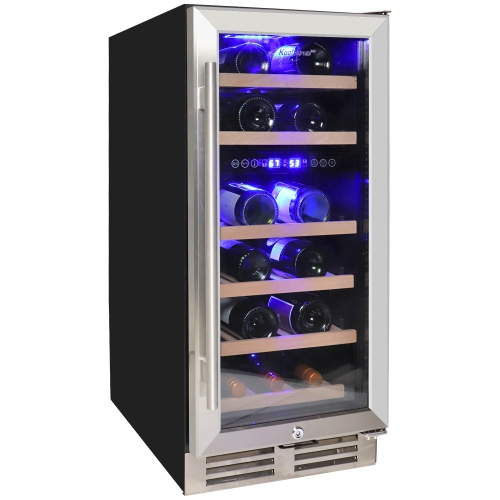
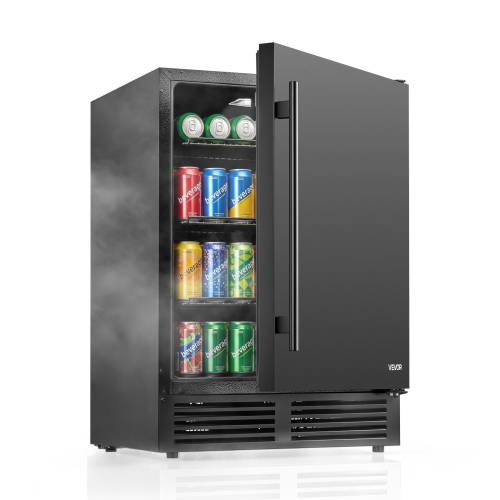

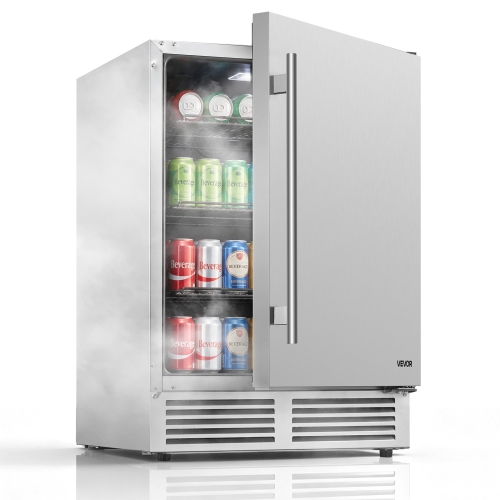


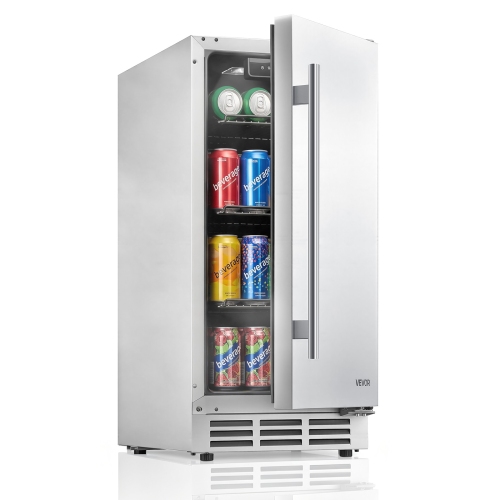
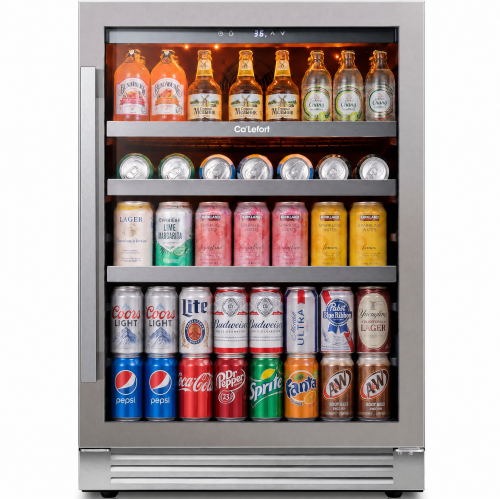
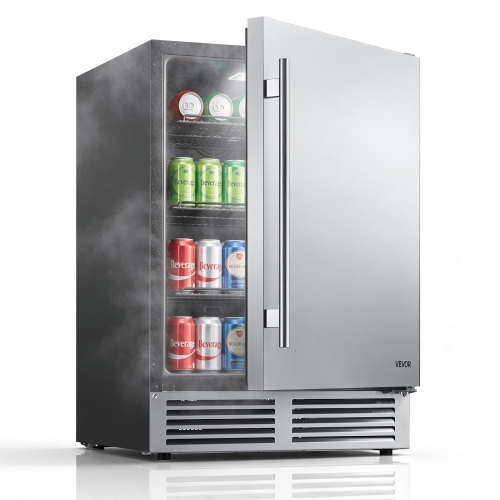

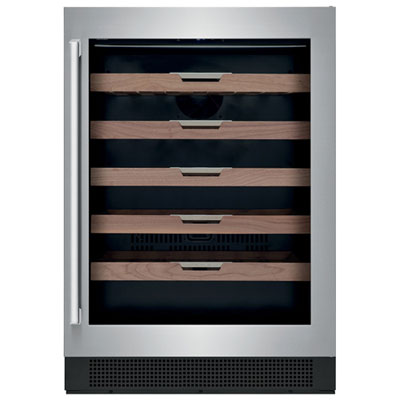

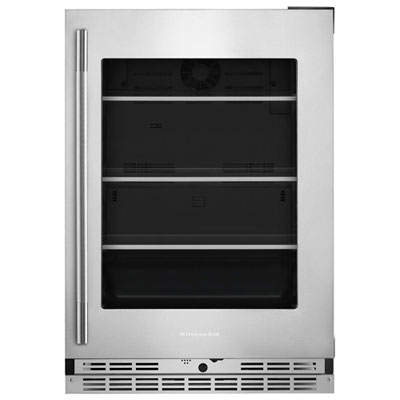
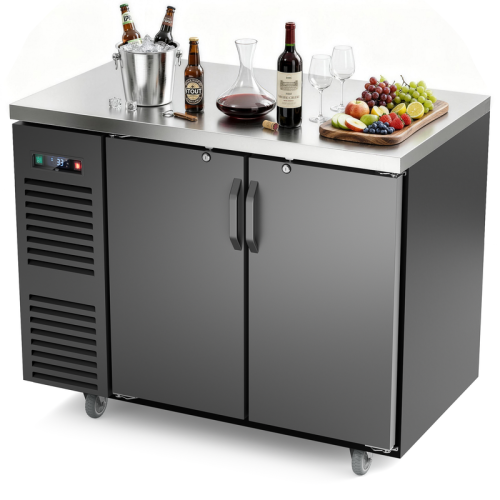

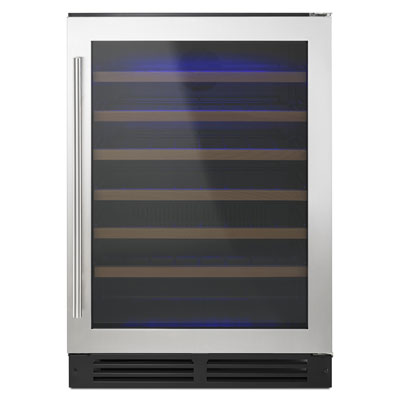
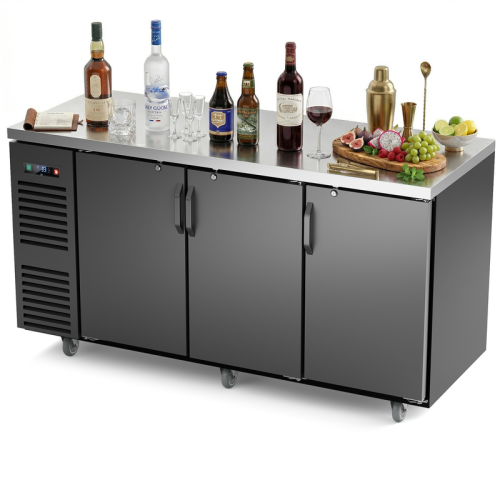
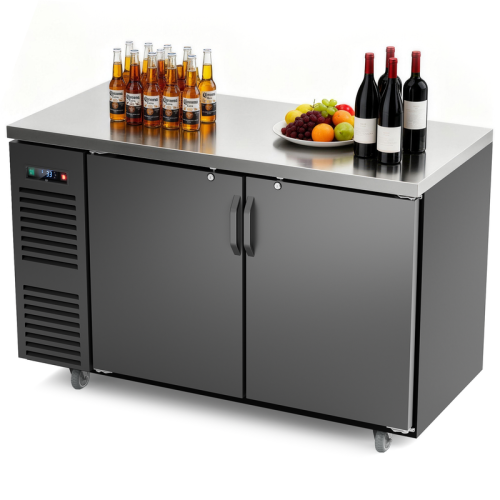
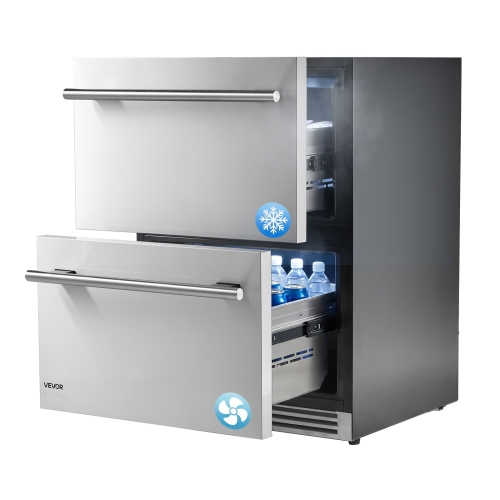

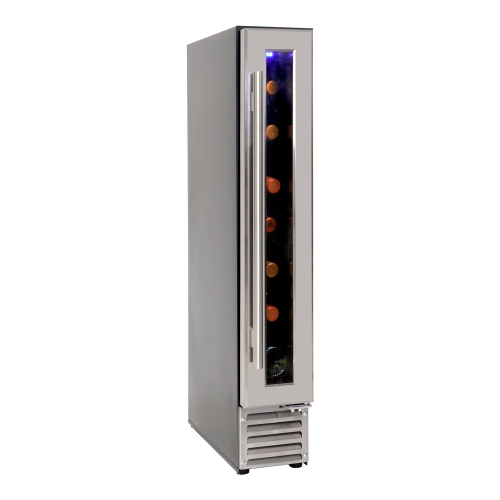
Chilled drinks within reach without crowding your kitchen
Under-counter beverage coolers are compact refrigerators designed to keep drinks chilled beneath a countertop, making them a practical addition to a kitchen island, wet bar, dining area, or entertainment room. They provide dedicated storage for beverages without taking up the space of a full-size refrigerator, and they can help separate everyday drink storage from groceries and meal preparation. In a busy kitchen, that might mean children can reach juice or sparkling water without opening the main fridge while someone is cooking. Beside a home bar, it means cans, bottles, and mixers can stay close to glassware and serving space. For installation within cabinetry, the important distinction is whether a cooler is designed for built-in use. Built-in models typically release heat through a front-facing ventilation grille, while freestanding designs often need open space around their sides and back. A freestanding cooler should not be enclosed beneath a countertop unless its installation instructions expressly allow it. Fit also involves more than the width of the cabinet opening. Height, depth, levelling adjustments, ventilation clearances, and the position of the electrical outlet all affect how the appliance sits. Measurements should account for handles, hinges, and any space needed behind the cabinet, rather than relying only on the stated body dimensions. The door must open far enough for shelves to slide out or be removed, especially when the cooler sits beside a wall, cabinet pull, or projecting countertop edge. A reversible door can offer flexibility, although this feature varies by design and may require changing the hinge position before installation. In an island or narrow passage, the open door should leave enough room for people to move comfortably. A level installation helps the door close properly and supports a consistent seal, while an accessible outlet makes it easier to disconnect the appliance for care. Most indoor beverage coolers are intended for sheltered household spaces; use in a garage, on a patio, or in another location with wider operating conditions requires a model specifically rated for that setting.
Storage capacity is most useful when it reflects the drinks a household actually keeps on hand. Advertised can counts generally depend on a particular container size and shelf arrangement, so tall cans, glass bottles, and larger drink containers can change the usable capacity considerably. A family that keeps several sizes of sparkling water may benefit more from adjustable shelving than from the largest stated can count. Someone setting up a games room might prefer rows of cans that are easy to see and reach, while a home bar may need upright space for mixers alongside shorter containers. Removable shelves allow different arrangements, but their load limits and required supports still matter. Containers should sit securely without pressing against the door or blocking the interior airflow described in the appliance instructions. Shelf materials influence both appearance and everyday handling: wire shelves offer open spacing, while solid shelves provide a more continuous surface for smaller containers. The temperature controls deserve similar attention. Beverage coolers have different operating ranges, and not every design is intended to chill drinks to the same level. A clear digital display can make adjustments easier, although the displayed setting does not necessarily represent the temperature of every drink inside. Loading many room-temperature beverages at once, opening the door repeatedly, or packing shelves tightly can affect cooling performance. Leaving the recommended space around containers helps air circulate, and allowing newly loaded drinks time to chill gives more predictable results before guests arrive. Dual-zone designs can provide separate settings for different beverage preferences, but their usefulness depends on the available range in each compartment. A beverage cooler is not automatically a substitute for a food refrigerator or a dedicated wine storage appliance. Dairy drinks, fresh juices, and other perishable contents need storage conditions that meet their labels and food safety requirements. For wine, the suitability of the temperature range, shelf shape, bottle support, and longer-term storage conditions should be assessed rather than assumed from the appliance’s appearance.
Materials and finishing details help an under-counter beverage cooler feel at home in its surroundings while standing up to regular use. Stainless steel trim can coordinate with kitchen appliances, while darker finishes may blend into cabinetry or a media room. Resistance to fingerprints and scratches varies by finish, and even a durable surface benefits from cleaning methods suited to its coating. A glass door makes it easier to see drink choices before opening the cooler; a solid door keeps the contents out of view. Interior lighting can improve visibility in a home bar, particularly when shelves are full, and adjustable brightness or an on-and-off control can be useful near a television or dining table. For layouts centred on serving and entertaining, Home Bar Beverage Coolers offer another way to consider dedicated drink storage alongside the wider bar setup. Placement affects comfort as well as appearance. Compressor operation, fans, and occasional clicks are normal possibilities, so sound levels deserve attention when the cooler will sit near a reading chair, desk, or television. Nearby appliances, direct sunlight, and obstructed vents can also affect operation. Routine care is usually straightforward: spills should be wiped up promptly, shelves cleaned according to their material, and door seals kept free of sticky residue that could prevent a snug closure. Mild cleaning solutions and soft cloths are generally preferable to abrasive pads, with the manufacturer’s care directions taking priority. Accessible ventilation grilles should be kept clear of dust, and the appliance should be disconnected before maintenance when instructed. Condensation or persistent moisture warrants checking the door seal, levelling, ventilation, and installation conditions rather than simply wiping the same area repeatedly. With suitable dimensions, practical shelf spacing, accessible controls, and room for proper ventilation, an under-counter beverage cooler can become a well-used part of daily life, whether it holds drinks for family meals, refreshments beside a work area, or a varied selection for a relaxed evening with friends.
Top selling and popular products
-
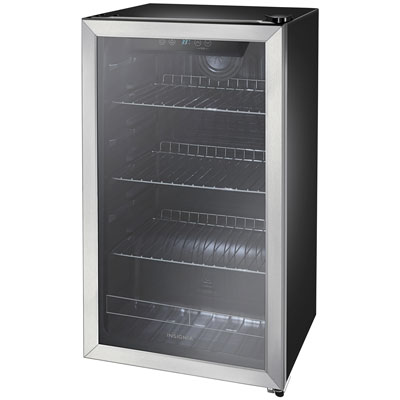 Your price for this item is $249.99
-
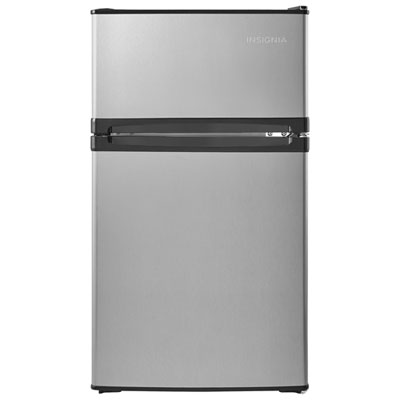 Your price for this item is $179.99
-
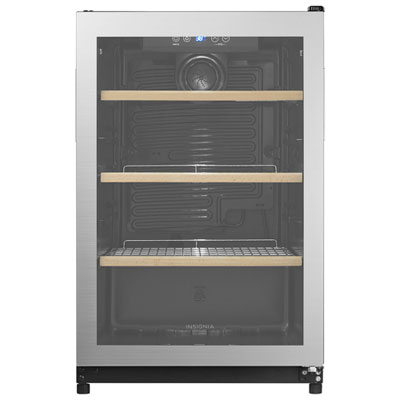 Your price for this item is $349.99
-
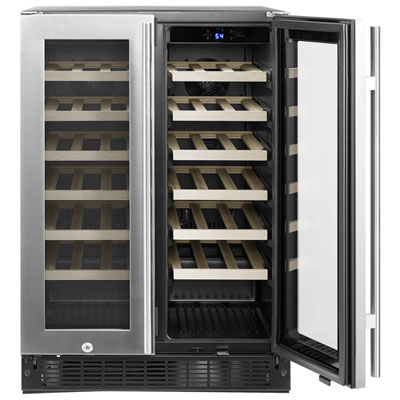 Your price for this item is $649.99
-
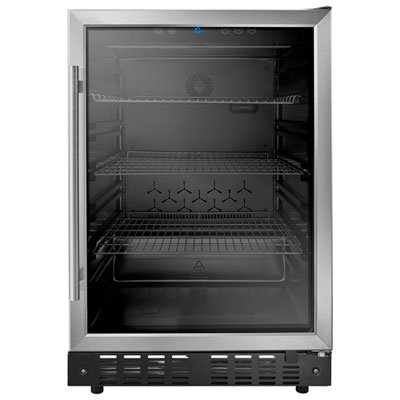 Your price for this item is $399.99
-
 Your price for this item is $699.99
-
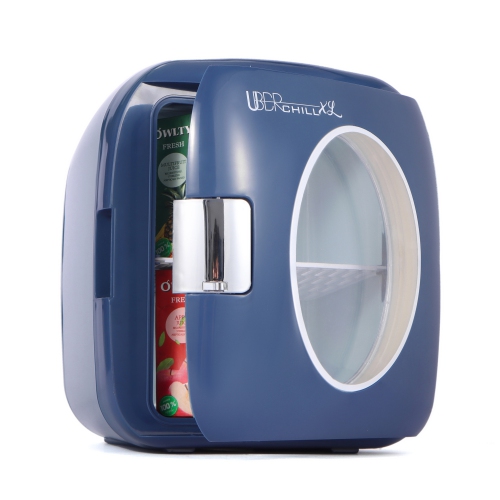 Your price for this item is $169.99
-
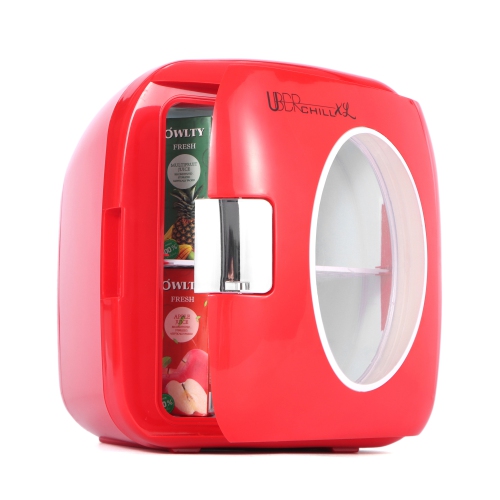 Your price for this item is $169.99
Discover more categories related to Under Counter Beverage Coolers


Top Collections:
Best Black Friday Deals This Year, Best Black Friday Deals On Electronics, Kindle Devices, Pokemon Centers, Best Black Friday Deals On Apple Products, Best Cameras for Sports Photography, Dyson Airwrap, Pokémon 30th Celebration Cards, Apple iPhone 17 Pro, Canon G7X Cameras
Some products may be subject to Environmental Handling Fees
(EHF) depending on your province.
Learn more about EHFs.