Vacuum Sealer Bags for Vegetables
Vacuum Sealer Bags for Vegetables are essential for anyone looking to keep produce fresh and organized. Designed to work with a variety of vacuum sealing systems, these bags help maintain the quality of your vegetables whether you’re storing them in the refrigerator, freezer, or pantry. Perfect for meal prepping, bulk shopping, and reducing food waste, Vacuum Sealer Bags for Vegetables make it easy to enjoy crisp, flavorful veggies any time. Explore options that suit your kitchen needs and simplify your food storage routine.
Sort

Why vegetable portions need room for a proper seal
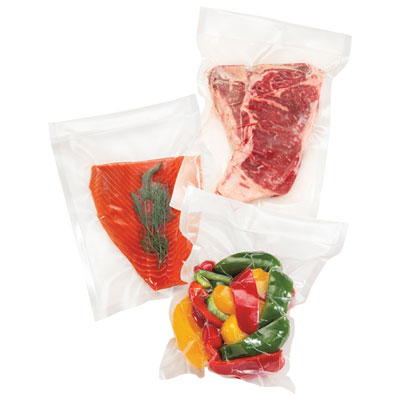
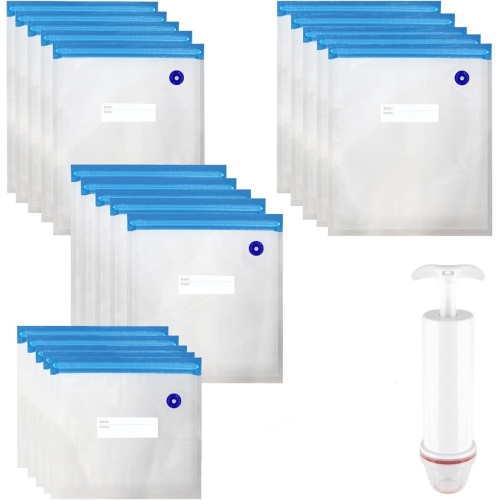
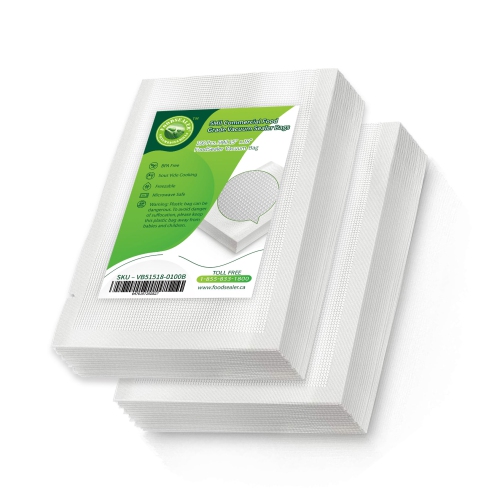
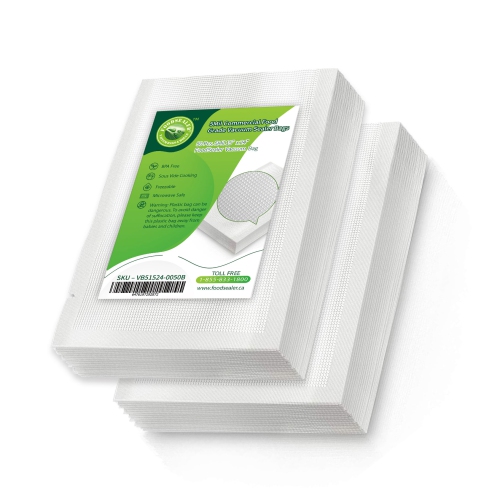
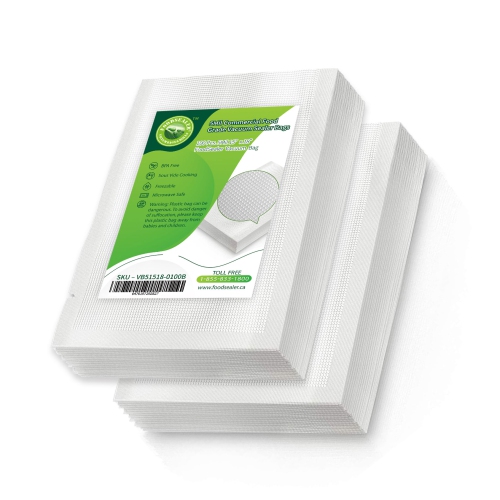
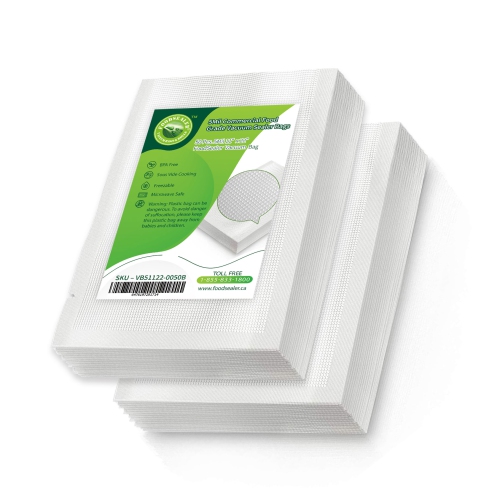
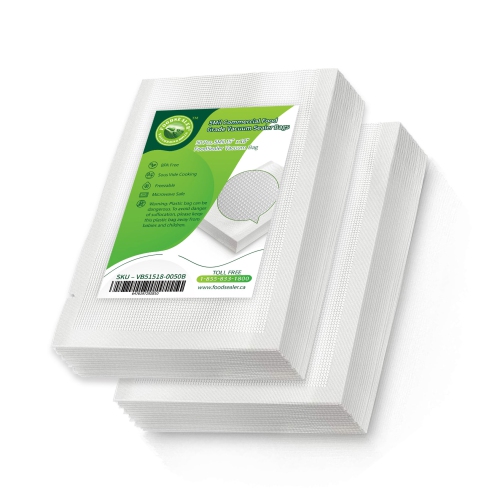
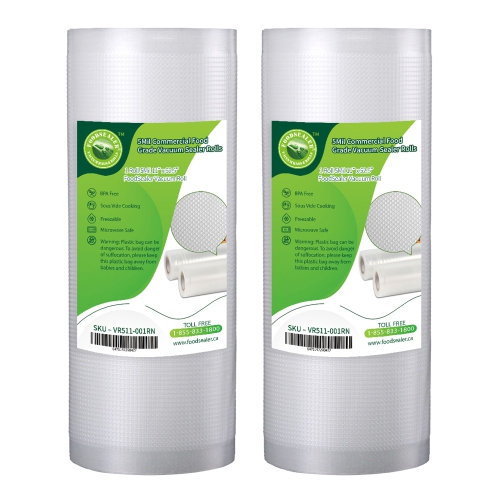
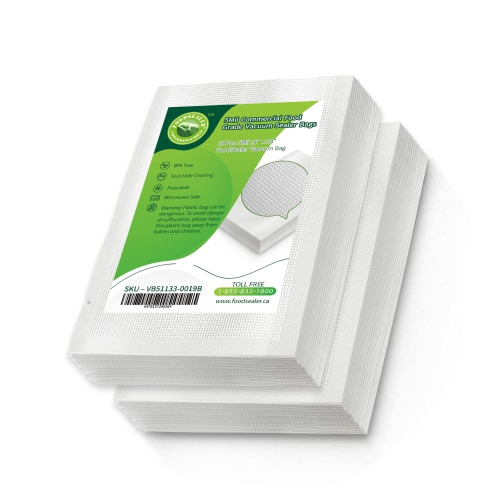
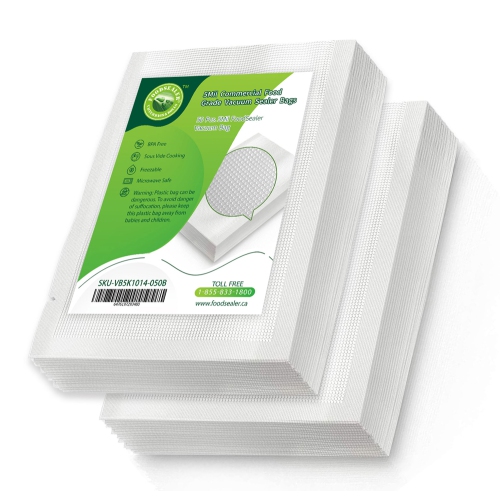
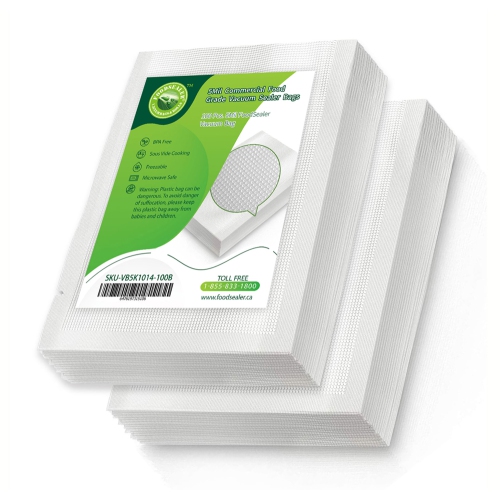
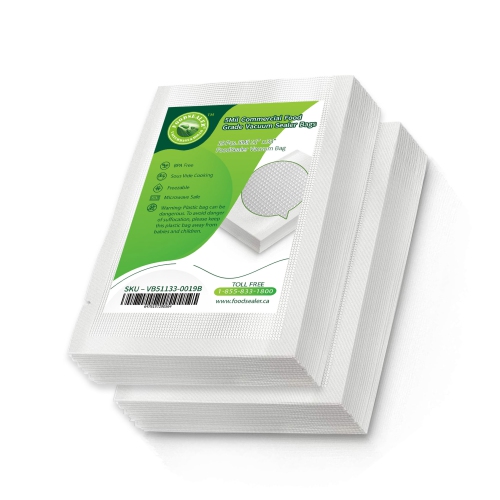
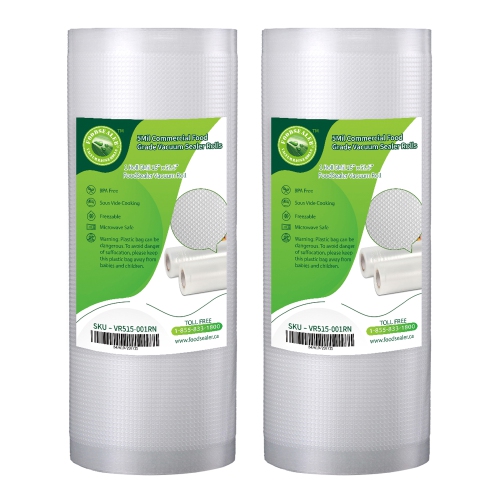
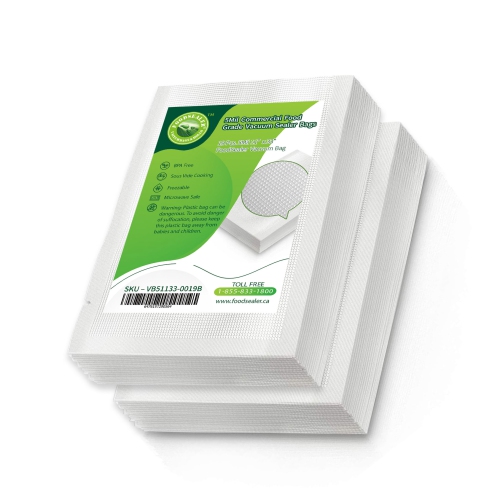
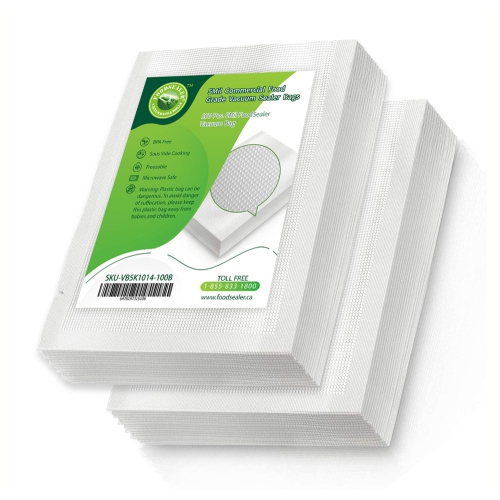
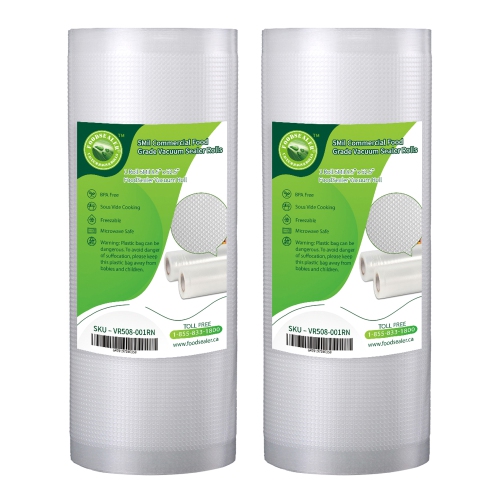
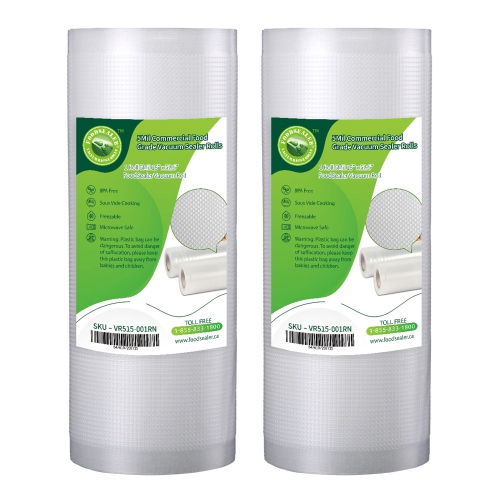
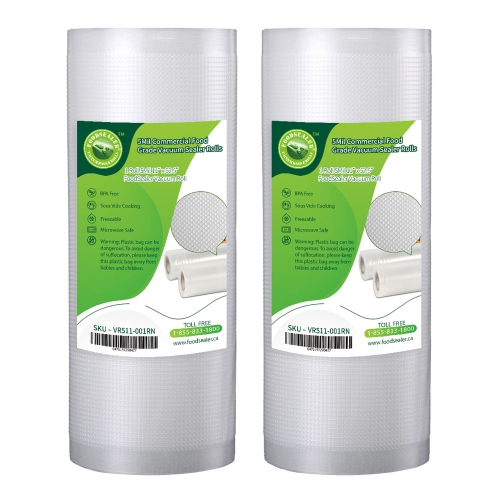
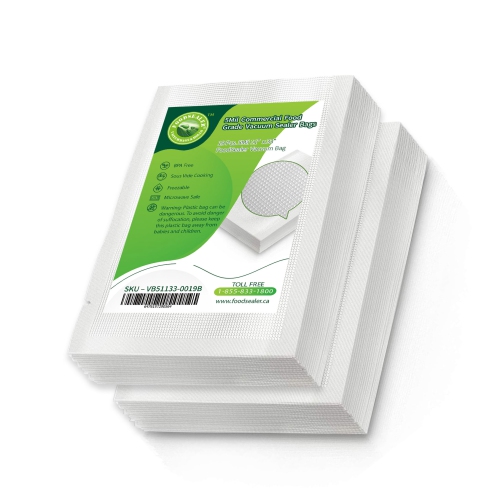
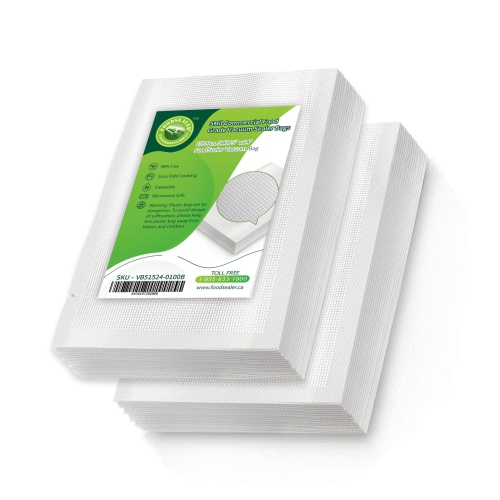
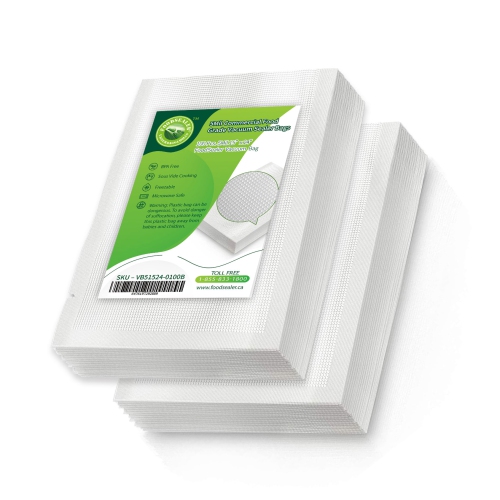
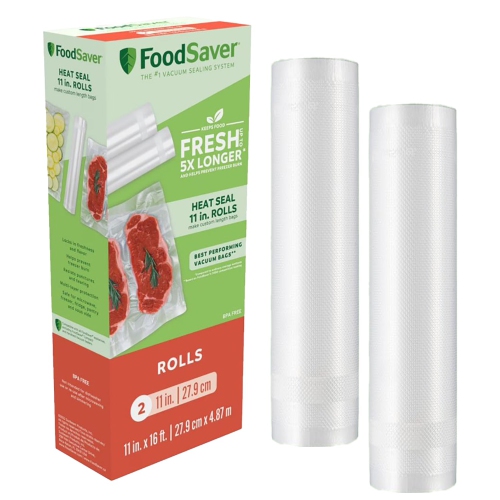
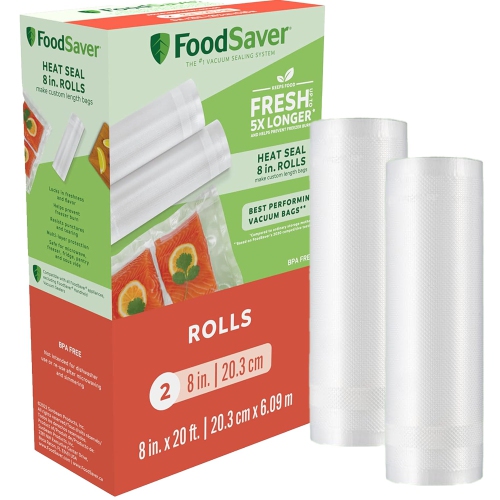
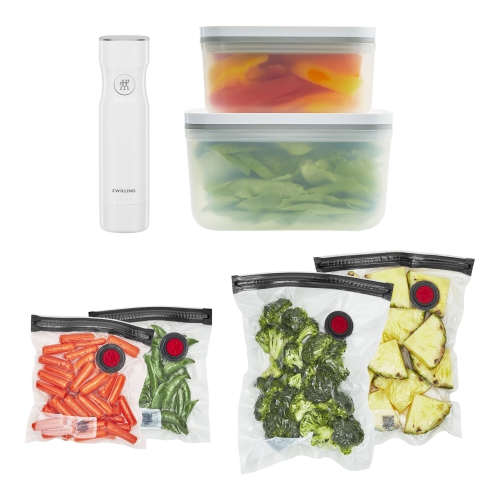
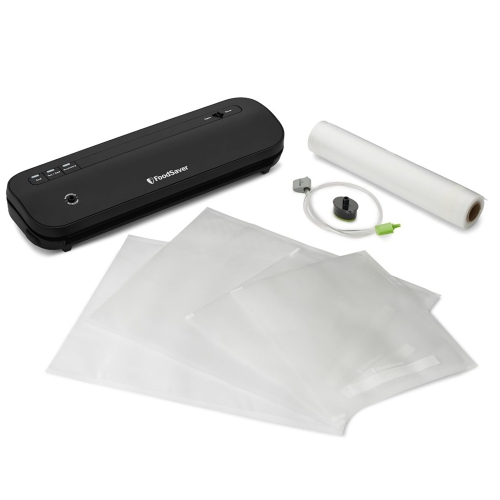
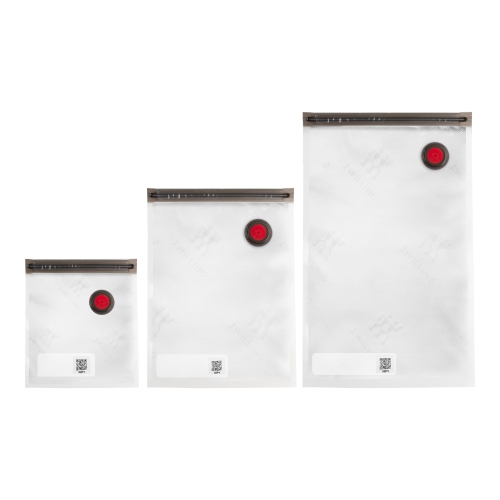
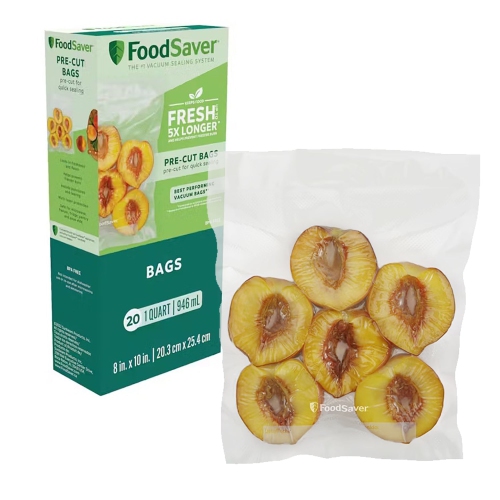
Vacuum sealer bags for vegetables help keep prepared produce neatly portioned while limiting contact with air during storage. A flat pack of blanched green beans, a small portion of diced carrots, or a bag of peppers measured for a favourite recipe can be easier to organize than several partly filled containers. By reducing air around food, a properly sealed bag can help protect frozen vegetables against dehydration and freezer burn, although results depend on the vegetables, their preparation, the seal quality, and storage conditions. The most useful bag format depends on both the produce and the appliance being used. Pre-cut bags offer consistent portions and fewer seams to make, making them practical for repeated tasks such as packing similar amounts of vegetables for family meals. Rolls allow custom lengths, which can suit anything from a handful of chopped celery to longer asparagus spears. Enough empty space above the food is still needed for the sealer to grip the bag and form a clean seal; a bag filled to the edge is difficult to close reliably. Reusable zipper bags with vacuum valves offer a different approach, usually working with a compatible handheld pump or an appliance attachment rather than a heat-sealing strip. Their closures can be convenient for suitable foods accessed more frequently, provided the bag is designed for that use and cleaned as directed. Shoppers comparing these formats can explore Vacuum Seal Bags with the sealing method, portion size, and intended storage location in mind. For households that prepare several meals at once, a mix of sizes may be more practical than one oversized format. Smaller bags keep recipe portions separate, while wider bags give bulky florets room without forcing them into a tight mound. The right fit leaves space for sealing without surrounding a modest portion with unnecessary lengths of empty film.
Material construction matters because vegetables can be surprisingly demanding on a storage bag. Firm stalks, cut ends, and hard frozen pieces can press against the film, especially when bags are stacked or moved around a crowded freezer drawer. Many heat-seal bags use multilayer plastic, often combining polyethylene for the sealing surface with nylon for strength and resistance to oxygen transfer. Construction varies, so the package specifications are more useful than appearance alone. Greater thickness may improve puncture resistance, but it does not guarantee that every sharp stem or frozen edge will be harmless. Bag thickness also needs to fall within the sealing appliance’s supported range. External suction sealers generally require embossed or textured bags that create channels for air removal; smooth chamber-style pouches are not automatically compatible with them. Valve bags likewise need a pump connection that matches their design, even when the bags look similar. Width is another important detail: a 12-inch-wide roll will not fit an appliance with a narrower sealing area simply because the material can be cut to length. For delicate produce, bag choice works alongside the sealer’s controls. Strong suction can flatten tender leaves or compress soft, cooked vegetables, while a pulse setting or controlled vacuum function, where available, may offer better control. Moisture also affects performance. Water near the opening can interfere with a heat seal, and excess liquid may be drawn towards the appliance. A clean, dry sealing area and enough headroom make a meaningful difference. Bags intended for freezer storage are not necessarily suitable for cooking, either. Sous-vide use, microwave reheating, and contact with boiling water each require explicit manufacturer approval for that method and its temperature limits. A BPA-free claim does not establish heat suitability on its own. Where microwave use is permitted, the manufacturer’s instructions determine whether the bag must be opened or vented. Food-contact suitability, appliance compatibility, and the intended use should all be confirmed together rather than inferred from a single claim.
Vegetable preparation and bag care have as much influence on storage results as the vacuum itself. Many vegetables benefit from blanching before freezing because it slows enzyme activity that can affect colour, flavour, and texture. Green beans, broccoli, and carrots have different preparation requirements, so a single blanching time is not appropriate for every vegetable or cut size. Tested, vegetable-specific directions are a better basis for preparation than a general time printed in a storage tip. Properly cooled and well-drained vegetables are easier to package without excess moisture collecting at the seal. For suitable vegetables, freezing pieces separately before packing can also help preserve their shape and make portions easier to handle. Vacuum sealing does not sterilize food, make every raw vegetable suitable for reduced-oxygen storage, or turn perishable produce into a cupboard-stable food. Refrigeration or freezing remains essential as appropriate, and a tight-looking bag is not proof that its contents are safe. Freshness claims should therefore be considered alongside established food-storage guidance rather than treated as a guaranteed number of extra days. Clear bags make contents easier to recognize, while a writable area provides room for the vegetable name, preparation details, and packing date. Flat portions can stack neatly, but leaving enough space for freezer air circulation and avoiding pressure from sharp neighbouring packages helps protect them. For reusable bags, care instructions should specify suitable washing methods, drying requirements, and any restrictions on reuse. A zipper track or vacuum valve needs particular attention because trapped food can interfere with closure and make cleaning difficult. Bags with cracks, punctures, worn closures, or seals that no longer hold should be replaced. Disposable heat-seal bags should not be assumed washable or suitable for another use. For meal-prep households, smaller kitchens, and anyone dividing vegetables into recipe-ready portions, dependable bags offer practical organization when their materials, dimensions, and care requirements match the way the food will actually be stored and used.
Top selling and popular products
-
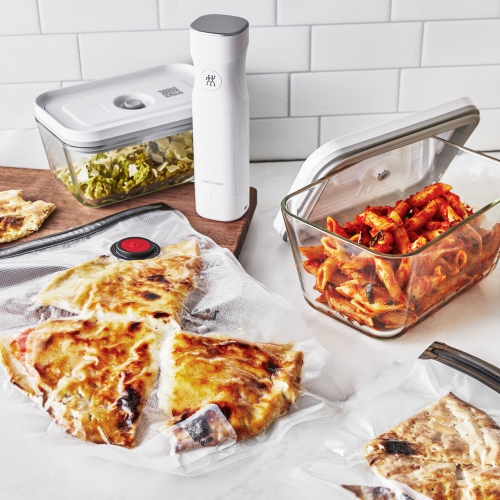 Your price for this item is $159.99
-
 Your price for this item is $36.97
-
 Your price for this item is $179.18
-
 Your price for this item is $99.99
-
 Your price for this item is $36.97
-
 Your price for this item is $159.99
-
 Your price for this item is $49.42
-
 Your price for this item is $148.97
Discover more categories related to Vacuum Sealer Bags for Vegetables
Top Collections:
Pokemon Centers, Kindle Devices, Best Cameras for Sports Photography, Pokémon 30th Celebration Cards, Canon G7X Cameras, Samsung Galaxy Phones, iPhone 15 Apple, Best Black Friday Deals On Electronics, Jackery Power Stations, Solar Generators for Home
Some products may be subject to Environmental Handling Fees
(EHF) depending on your province.
Learn more about EHFs.