Jackery Power Stations
Harness the power of portable energy with versatile power stations, perfect for keeping your devices charged and ready wherever you go. Whether you're embarking on a camping adventure, preparing for an unexpected power outage, or simply seeking a reliable backup energy source, these power stations offer convenience and peace of mind. With their compact design and robust capabilities, they are ideal companions for outdoor enthusiasts and busy households alike. Explore the possibilities of staying connected and powered up with ease, ensuring that your electronic essentials are always within reach.
Sort
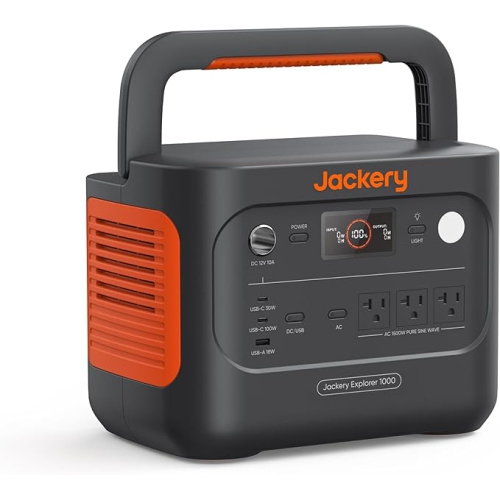
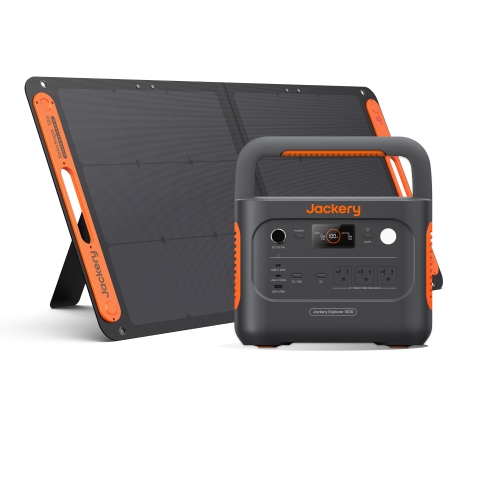
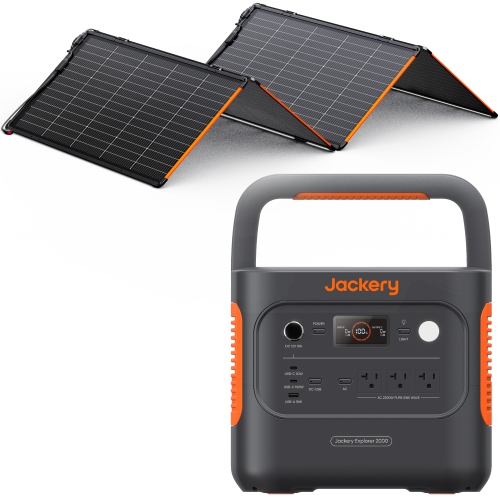
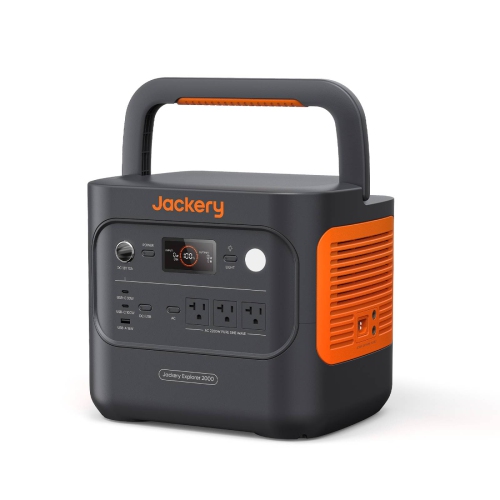
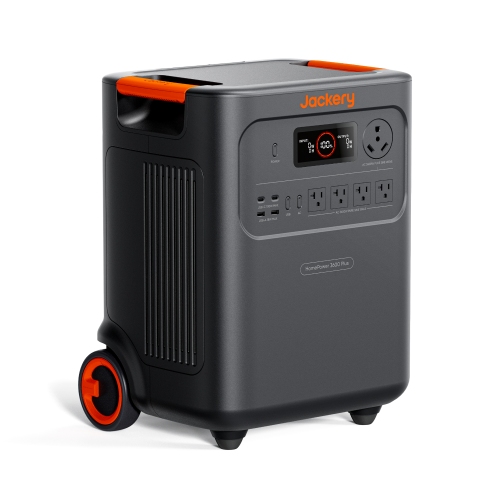
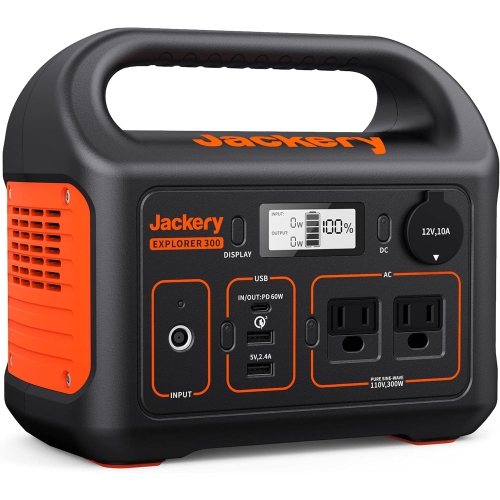
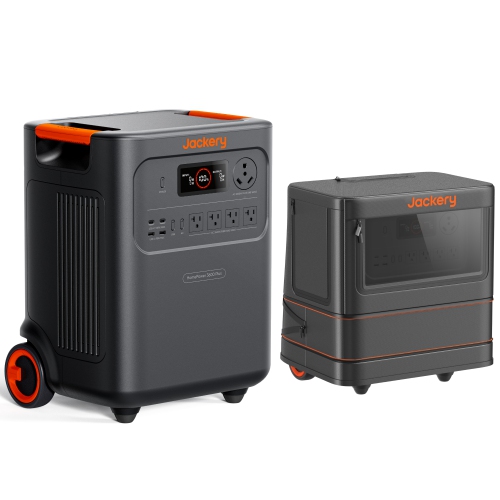
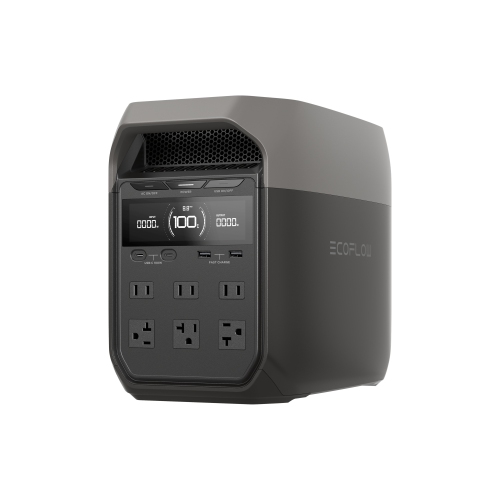
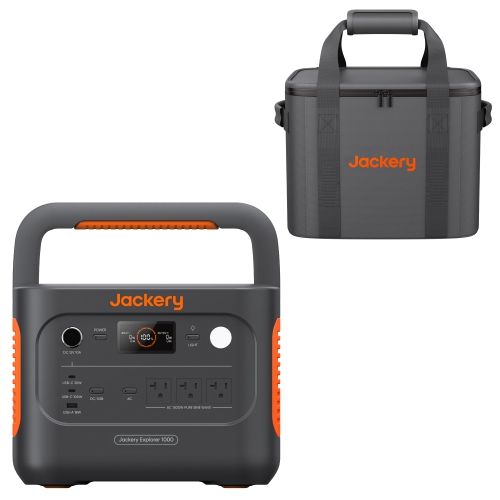
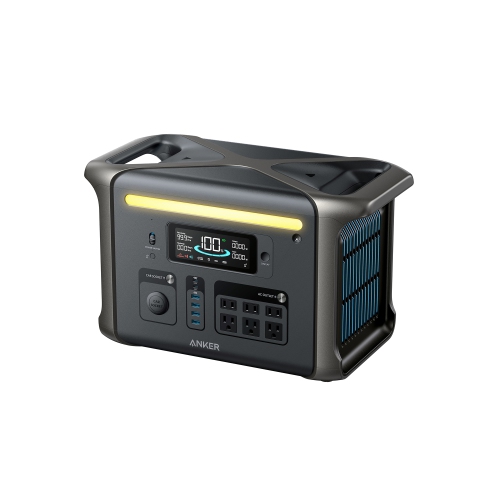
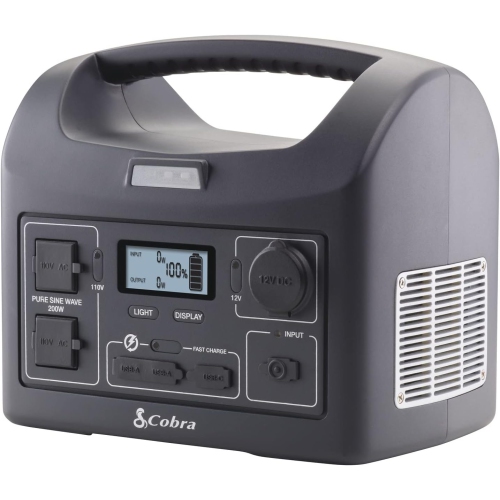
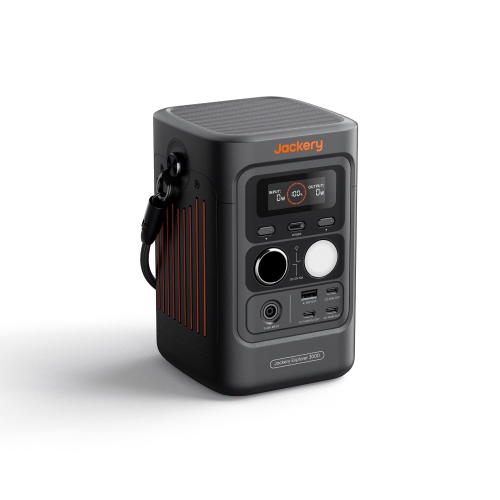
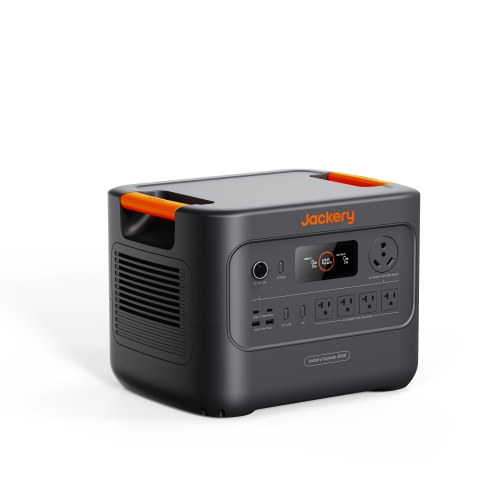
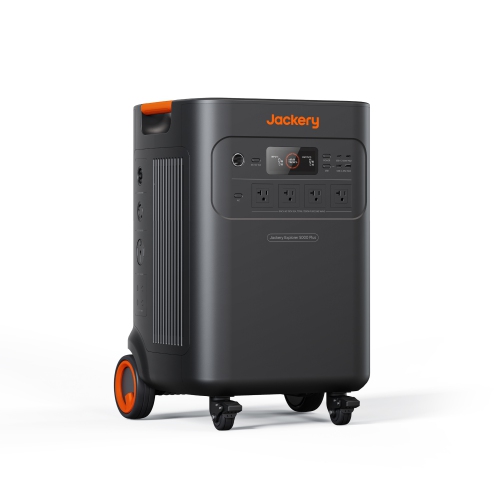
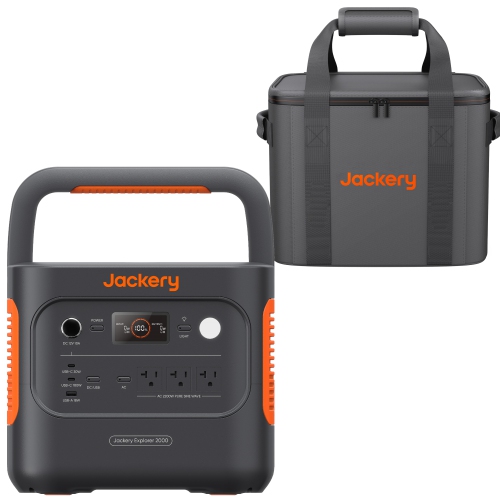
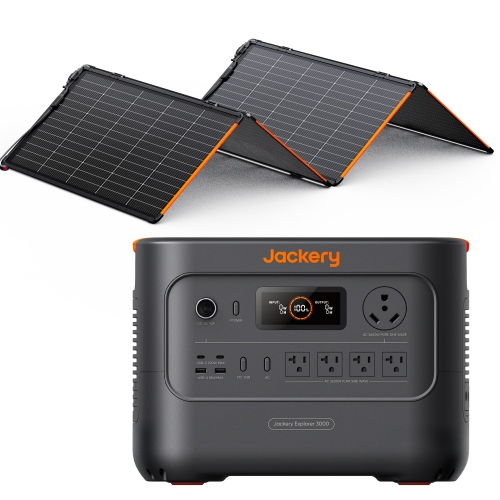
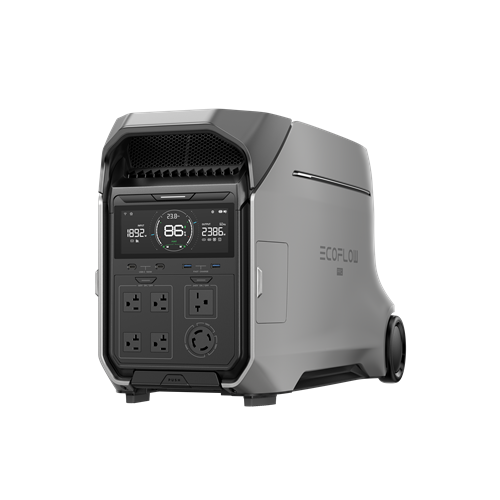
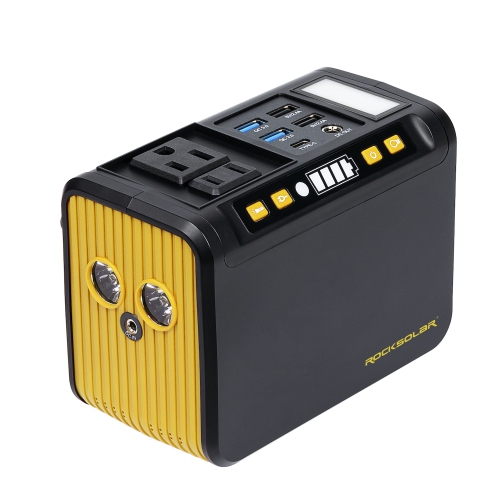
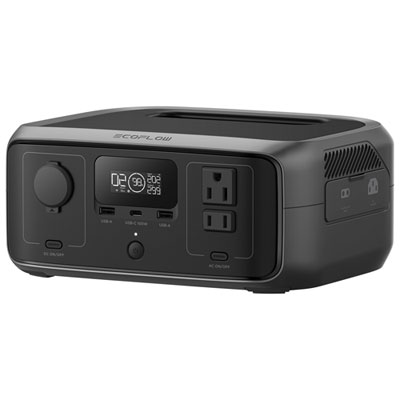
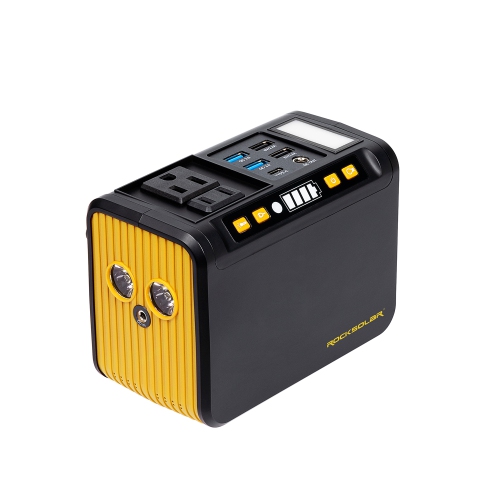
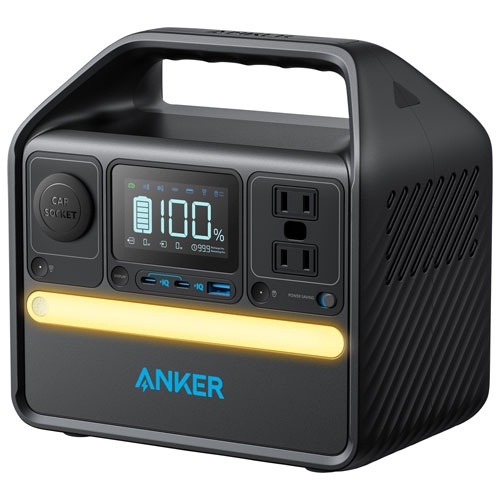
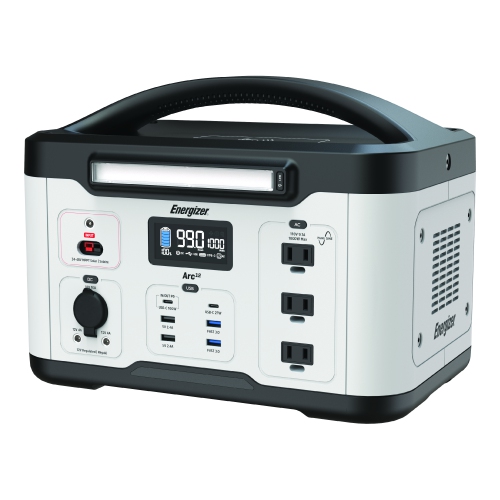
Reliable power for camping, travel and unexpected outages
Portable power stations provide a practical way to keep essential electronics running when you are away from a wall outlet or dealing with an unexpected interruption at home. Unlike traditional fuel-powered generators, these battery-powered units operate quietly and do not produce exhaust, making them useful for patios, campsites, workshops, vehicles and other spaces where noise and fumes are unwelcome. They can typically be recharged from a household outlet, a vehicle adapter or compatible solar panels, giving you several ways to restore their stored power depending on where you are and what is available. The right model depends on the devices you plan to connect, how long you need them to run and how easily you want to transport the unit. Compact power stations are well suited to charging phones, tablets, cameras, lights and small personal electronics, while higher-capacity options can support several devices at once and provide more power for equipment such as a portable refrigerator, CPAP machine, television, fan or small appliance. Check both the battery capacity, measured in watt-hours, and the output rating, measured in watts. Watt-hours provide an estimate of how much energy the battery stores, while the watt rating indicates the amount of power the station can deliver at one time. Devices with motors or compressors may also need extra starting power, so a suitable peak or surge rating is important when connecting items such as a cooler, refrigerator or power tool. A useful rule is to add the running wattage of everything you may use together, then leave some extra capacity rather than operating at the limit.
Portable power stations are popular with campers, road-trippers, cottage owners, photographers, tradespeople and anyone who spends time in places without dependable access to electricity. At a campsite, one can keep lanterns, phones, GPS units and camera batteries ready without the sound of a gas engine disturbing the quiet around the tent. In a vehicle, it can provide a convenient charging hub for a laptop, tablet, heated blanket or small cooler during a long drive, while a built-in display can help track remaining battery capacity, input and output levels. For outdoor work, the AC outlets, USB ports and DC connections may support lights, chargers and select tools near a shed, garden or construction area. During cooler months, a charged unit can also be kept ready for short power interruptions, helping maintain communication devices, internet equipment, medical electronics or other essentials until service returns. Some models include an uninterruptible power supply function that switches quickly to battery power when the electrical supply drops, which can help keep a router, desktop computer or other sensitive equipment connected. Always confirm the required connection type, operating wattage and manufacturer instructions before using a power station with medical equipment or high-draw appliances. Battery chemistry is another consideration. Lithium iron phosphate batteries, often called LiFePO4, are valued for their stable performance and long cycle life, while other lithium battery types may offer a lighter design or different balance of capacity, weight and charging speed. Look for features that suit your routine, such as a clear screen, app controls, built-in lighting, multiple USB ports, pass-through charging and protective systems for overcharging, overheating, short circuits and excessive discharge.
Capacity and portability often involve a trade-off, so picture where the power station will actually be used before choosing one. A smaller unit may be easy to carry from a vehicle to a picnic table with one hand, whereas a larger-capacity model may have wheels or handles because it is intended to stay near a trailer, cabin or home utility area. Consider storage space, charging time and how often you expect to move it. Fast recharging can be helpful when the unit needs to be ready between outings, while solar charging can add flexibility during extended off-grid stays when compatible panels are available. Solar charging times vary with panel wattage, sunlight, temperature, orientation and the station’s input limits, so it is best viewed as one part of a charging plan rather than the only option. Families may appreciate a power station as a practical gift for camping trips, cottage weekends or emergency preparedness, and it can be especially useful for someone who enjoys photography, fishing, tailgating or van travel. Before placing an order, make a short list of the devices you want to run, their wattage and the number of hours you expect to use them. Remember that actual runtime is affected by conversion losses, temperature, battery age and the number of connected devices. Keeping the station charged, storing it in a dry location within the recommended temperature range and checking it periodically will help ensure it is ready when needed. For outdoor planning, browse Portable Power Stations for Camping to compare options suited to charging personal electronics, lighting a campsite and supporting everyday comforts away from home.
Portable power stations are popular with campers, road-trippers, cottage owners, photographers, tradespeople and anyone who spends time in places without dependable access to electricity. At a campsite, one can keep lanterns, phones, GPS units and camera batteries ready without the sound of a gas engine disturbing the quiet around the tent. In a vehicle, it can provide a convenient charging hub for a laptop, tablet, heated blanket or small cooler during a long drive, while a built-in display can help track remaining battery capacity, input and output levels. For outdoor work, the AC outlets, USB ports and DC connections may support lights, chargers and select tools near a shed, garden or construction area. During cooler months, a charged unit can also be kept ready for short power interruptions, helping maintain communication devices, internet equipment, medical electronics or other essentials until service returns. Some models include an uninterruptible power supply function that switches quickly to battery power when the electrical supply drops, which can help keep a router, desktop computer or other sensitive equipment connected. Always confirm the required connection type, operating wattage and manufacturer instructions before using a power station with medical equipment or high-draw appliances. Battery chemistry is another consideration. Lithium iron phosphate batteries, often called LiFePO4, are valued for their stable performance and long cycle life, while other lithium battery types may offer a lighter design or different balance of capacity, weight and charging speed. Look for features that suit your routine, such as a clear screen, app controls, built-in lighting, multiple USB ports, pass-through charging and protective systems for overcharging, overheating, short circuits and excessive discharge.
Capacity and portability often involve a trade-off, so picture where the power station will actually be used before choosing one. A smaller unit may be easy to carry from a vehicle to a picnic table with one hand, whereas a larger-capacity model may have wheels or handles because it is intended to stay near a trailer, cabin or home utility area. Consider storage space, charging time and how often you expect to move it. Fast recharging can be helpful when the unit needs to be ready between outings, while solar charging can add flexibility during extended off-grid stays when compatible panels are available. Solar charging times vary with panel wattage, sunlight, temperature, orientation and the station’s input limits, so it is best viewed as one part of a charging plan rather than the only option. Families may appreciate a power station as a practical gift for camping trips, cottage weekends or emergency preparedness, and it can be especially useful for someone who enjoys photography, fishing, tailgating or van travel. Before placing an order, make a short list of the devices you want to run, their wattage and the number of hours you expect to use them. Remember that actual runtime is affected by conversion losses, temperature, battery age and the number of connected devices. Keeping the station charged, storing it in a dry location within the recommended temperature range and checking it periodically will help ensure it is ready when needed. For outdoor planning, browse Portable Power Stations for Camping to compare options suited to charging personal electronics, lighting a campsite and supporting everyday comforts away from home.
Top selling and popular products
-
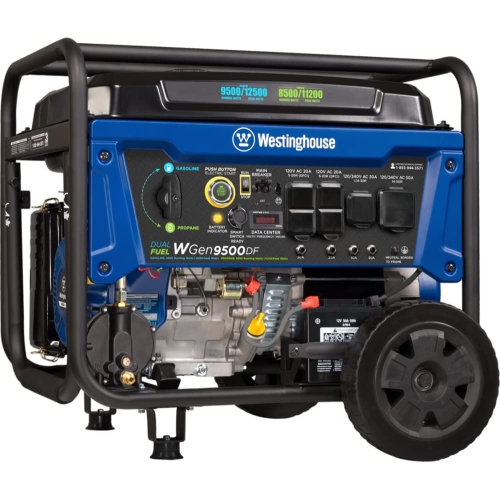 Your price for this item is $2799
 -
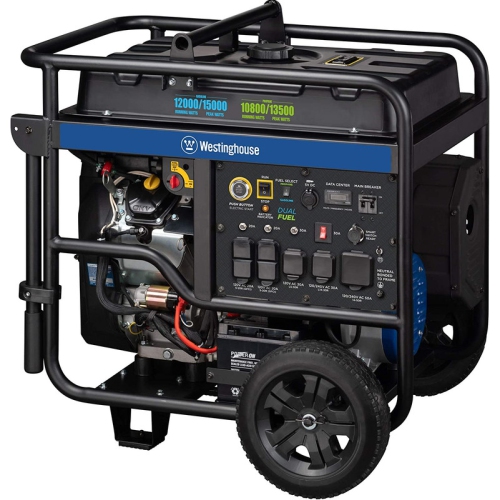 Your price for this item is $6199
 -
 Your price for this item is $3499
 -
 Your price for this item is $5499
 -
 Your price for this item is $2899
 -
 Your price for this item is $299.99
 -
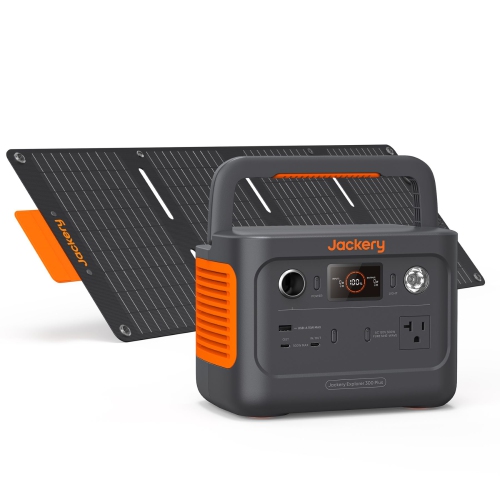 Your price for this item is $399
 -
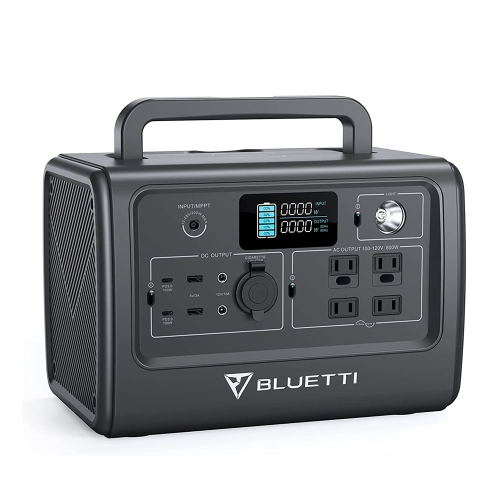 Your price for this item is $549
Discover more categories related to Jackery Power Stations
Top Collections:
Pokemon Centers, Kindle Devices, Best Budget Office Chairs, Apple iPhones 16, Best Laptops for Writers, iPhone 15 Apple, Canon G7X Cameras, Refurbished Apple Laptops, Alarm Clock, Motorola Razr Phones
Some products may be subject to Environmental Handling Fees
(EHF) depending on your province.
Learn more about EHFs.