Water Bottle Pump
Water bottle pumps make it easy to dispense water quickly and efficiently, whether at home, in the office, or on the go. With a water bottle pump, you can enjoy convenient access to fresh water without the hassle of lifting heavy bottles or dealing with spills. Explore a variety of options designed to fit different bottle sizes and suit your lifestyle. Find the right water bottle pump to help keep hydration simple and accessible wherever you need it.
Sort
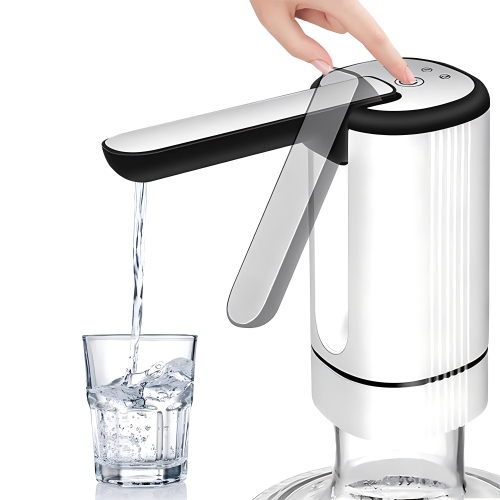
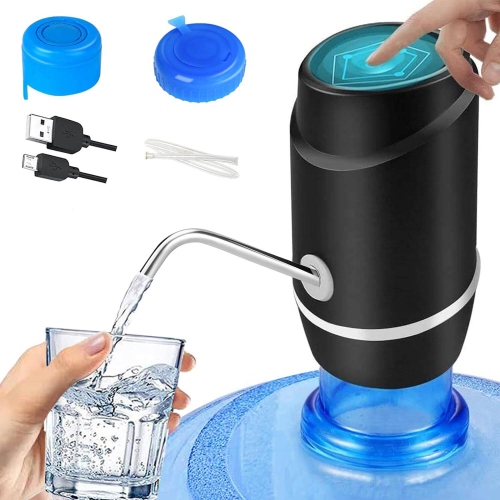
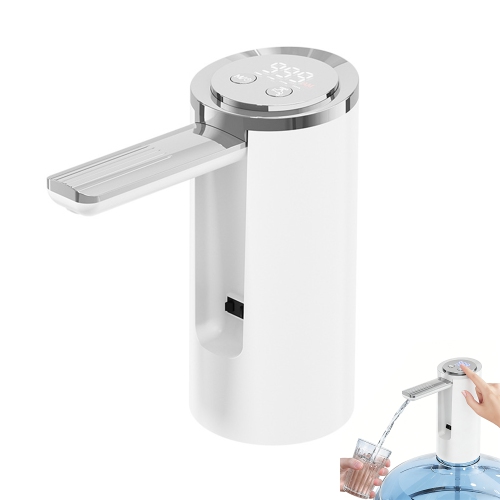
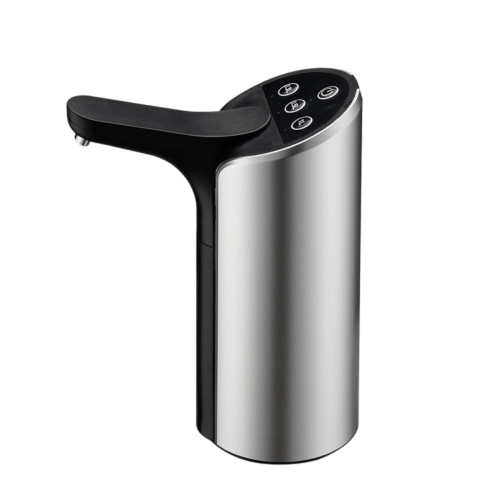
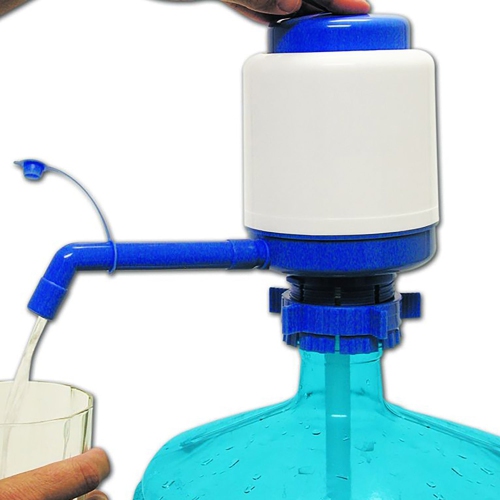
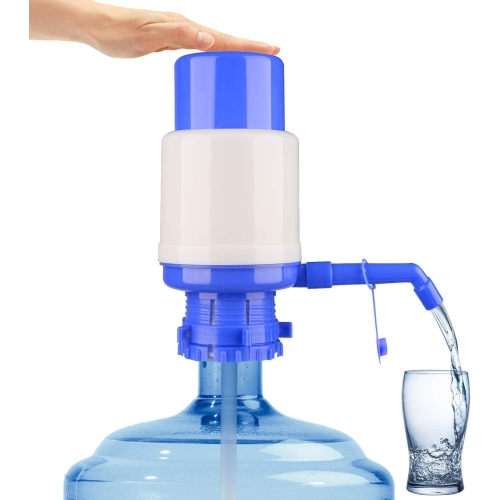
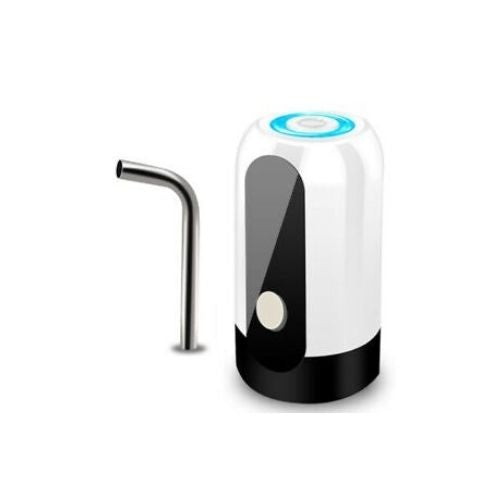
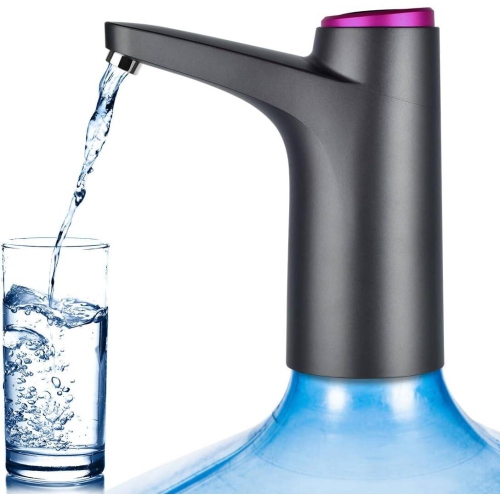
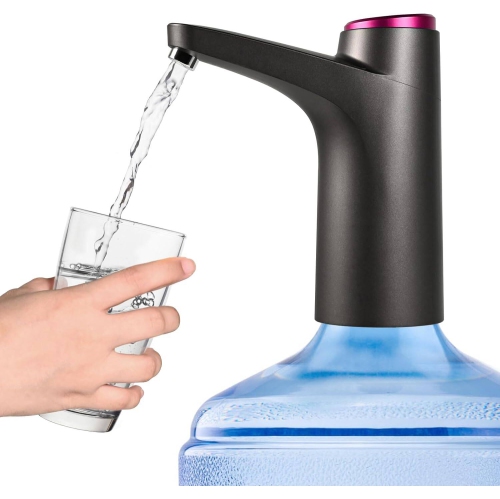
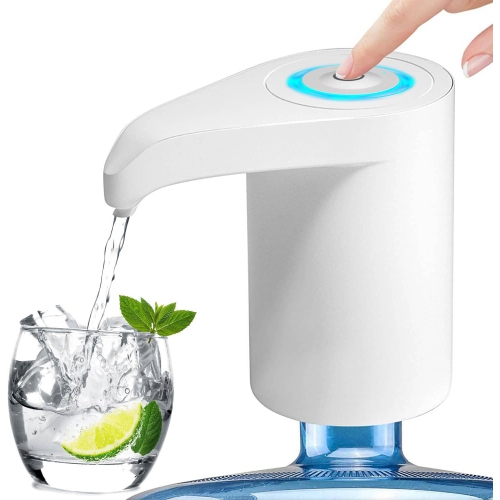
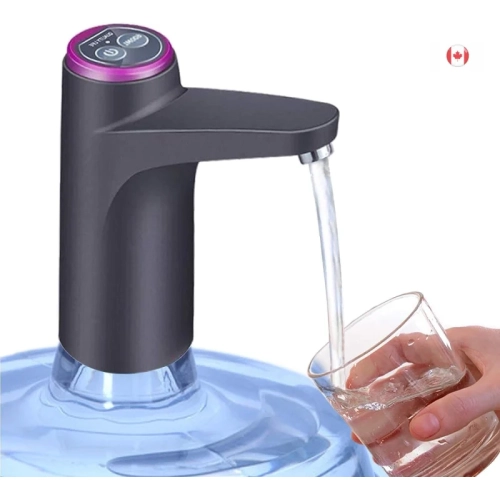
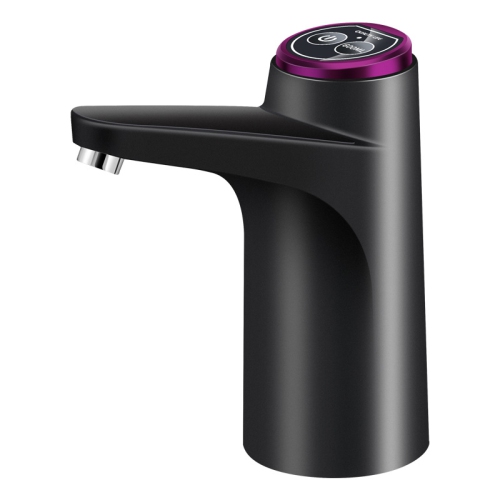
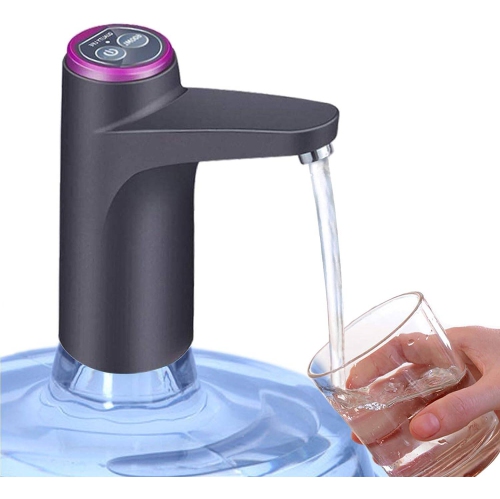
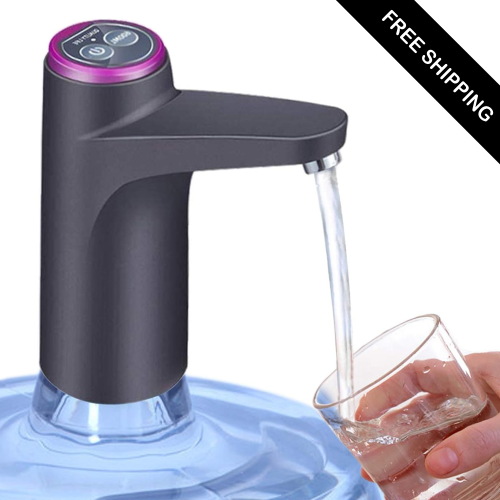
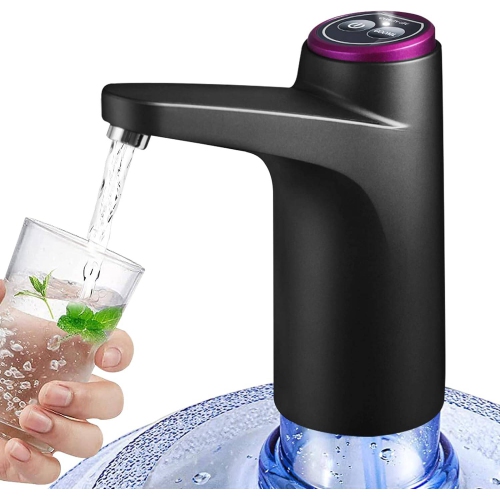
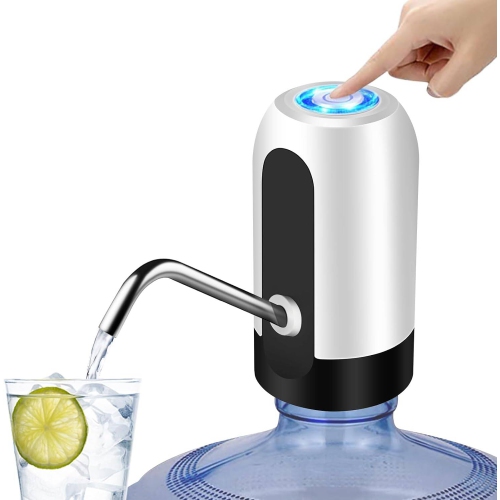
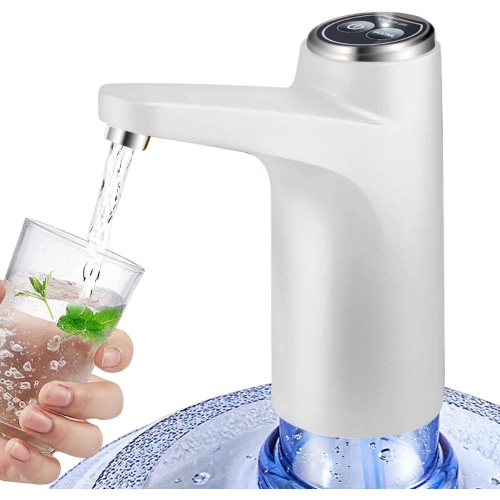

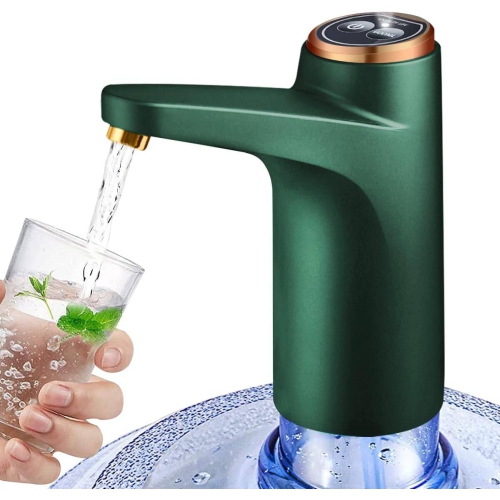
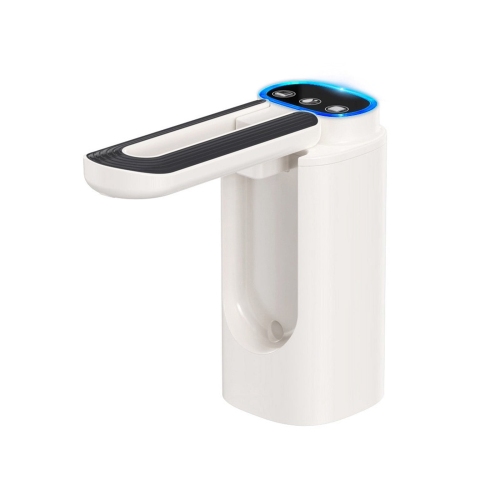
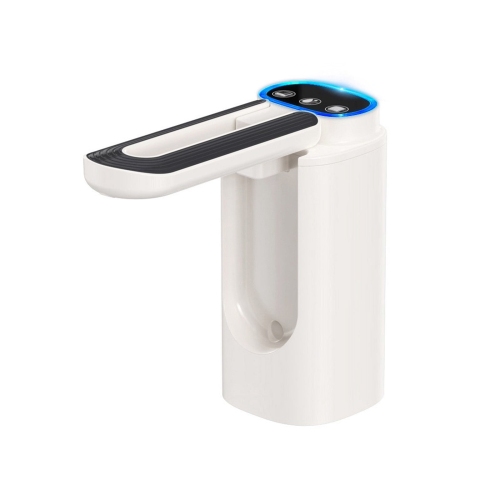
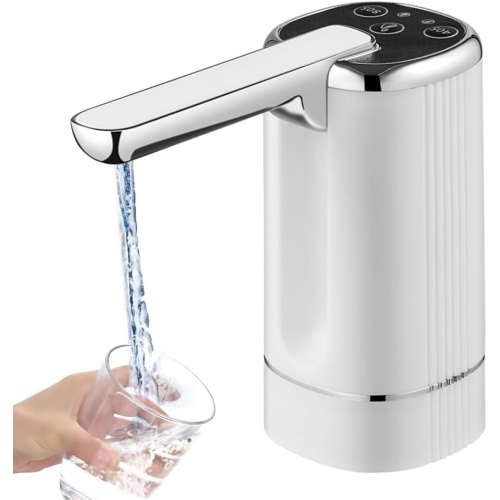
Easier dispensing without lifting and tipping a heavy jug
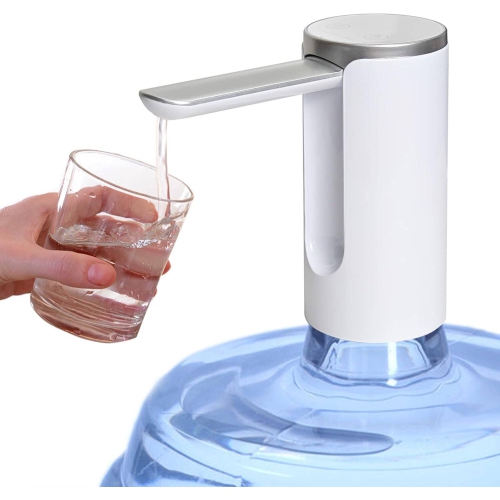
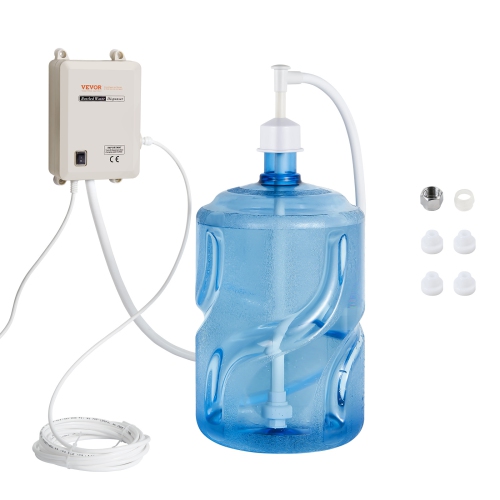
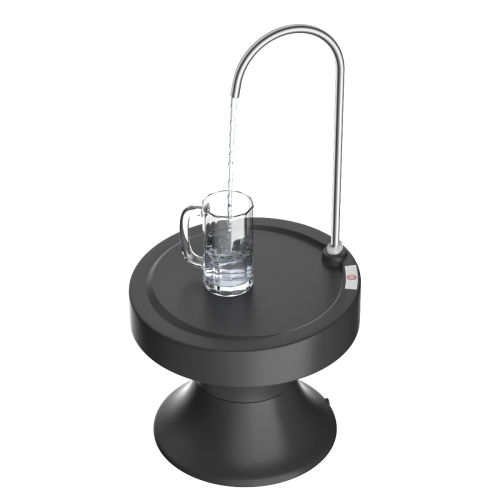
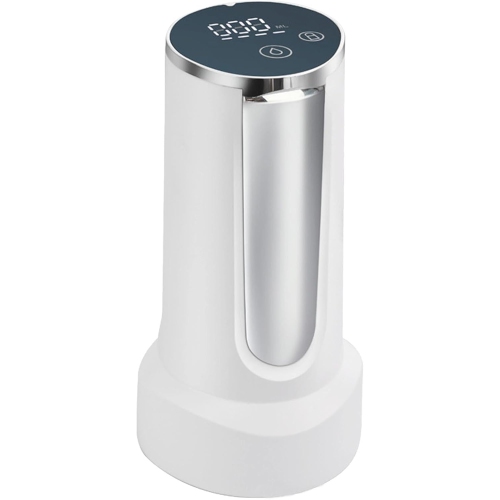
A water bottle pump is a dispensing device that attaches to a drinking-water jug and draws water through a tube into a glass, mug, or other container. It makes a large bottle easier to use without lifting and tipping it each time someone needs a drink. Most designs fall into two groups: manual water bottle pumps, operated with a hand press or lever, and electric water bottle pumps, which use a small motor powered by batteries or a rechargeable battery. Manual designs need no electrical connection, making them practical for occasional use, camping, or an emergency drinking-water supply. Rechargeable designs offer push-button dispensing and may include automatic shut-off or preset portions, depending on their controls. USB charging is common, but charging connections, running time, and the amount of water dispensed between charges vary. A stated battery capacity does not translate into the same number of jugs for every pump, since motor design, dispensing frequency, and the distance water travels all affect performance. Bottle fit is just as important as the power source. Large drinking-water jugs often hold approximately 11 to 19 litres, but a pump that fits one jug will not necessarily fit another with the same capacity. Some pumps are designed around crown-top bottle necks measuring approximately 55 mm, while others require a particular cap, collar, or adapter. Threaded necks, narrow openings, and different bottle shoulders can affect how securely the pump sits. The intake tube also needs to suit the bottle’s depth without bunching at the bottom or stopping too far above the remaining water. For everyday use, the most useful combination is a secure attachment, straightforward controls, and a spout positioned to leave enough room for the containers being filled. A short drinking glass and a tall refillable bottle need different amounts of clearance, especially when the jug sits beneath shelving or beside other kitchen essentials. Pump dimensions and the complete jug-and-pump height help establish whether the arrangement will fit comfortably in the intended space.
The materials that touch the water deserve particular attention because the tube, internal passages, and spout form the drinking-water pathway. Food-contact silicone tubing, suitable plastics, and stainless steel spouts are common, although the exact materials and their care requirements differ between designs. A BPA-free description identifies one material characteristic; it does not replace confirmation that the water-contact components are intended for drinking water. Smooth surfaces, accessible openings, and removable parts can make routine cleaning less awkward. A detachable tube is easier to inspect than a permanently enclosed pathway, while a removable spout may provide better access to areas where moisture remains after use. Washing and sanitizing requirements should follow the manufacturer’s directions, including whether any components are dishwasher-safe. The powered head of an electric dispenser generally needs different treatment from its removable tube and should not be immersed unless expressly designed for it. Keeping the charging port dry and allowing cleaned removable components to dry thoroughly before storage helps protect both the electronics and the water pathway. Pumps used infrequently also benefit from attention before being returned to service, rather than being left with water sitting inside the tubing for long periods. Durability depends on more than the outside shell: the fit of the mounting collar, the condition of seals, the flexibility of the tube, and the strength of the dispensing controls all matter over repeated use. Replacement tubing or other serviceable parts can be useful where the design allows them, but replacement components still need to match the pump and be suitable for drinking water. A bottle pump dispenses the water already in its container; it does not automatically filter, disinfect, heat, or chill that water. Those functions require separate equipment or an explicitly stated built-in feature. Starting with potable water and keeping the bottle opening protected remain important whether the pump is used every day or only occasionally.
Water bottle pumps suit spaces where a full-sized water dispenser would be cumbersome, including a compact kitchen, shared office, workshop break area, or temporary refreshment table. A jug on a stable stand can keep a frequently used drinking-water supply close at hand without taking up an entire section of countertop. Placement affects convenience as much as the dispensing mechanism: there should be room to hold a cup beneath the outlet, reach the controls comfortably, and wipe up a stray splash without moving nearby electronics or paperwork. Motor sound may also matter in a quiet office or beside a study area. For someone who finds a full jug difficult to lift, dispensing directly from an upright bottle can reduce the need to pour, although replacing or moving the heavy jug still requires suitable help. Large, clearly marked controls and a predictable stopping action can be useful for households with different grip strengths or levels of dexterity. Manual pumps offer independence from charging, but they still require repeated hand pressure; electric controls may be easier for some people to operate. Children may need supervision, particularly where a button continues dispensing until pressed again. For camping or a cabin without a plumbed drinking-water tap, a compatible pump can turn a potable-water container into a convenient filling station, provided the pump is suitable for the intended conditions. Water bottle dispensers differ from equipment in the broader Portable Water Pump category: a device intended to transfer utility water is not necessarily appropriate for drinking water. Flow rate matters, too, with a controlled stream better suited to filling a narrow bottle than a forceful outlet designed for moving larger volumes. As a practical gift for someone setting up a first apartment, home office, or cabin kitchen, a water bottle pump is most useful when its bottle connection, operating method, and cleaning needs match the recipient’s routine. Those details make the difference between a convenient everyday dispenser and an accessory that does not quite fit the space or the jug.
Top selling and popular products
-
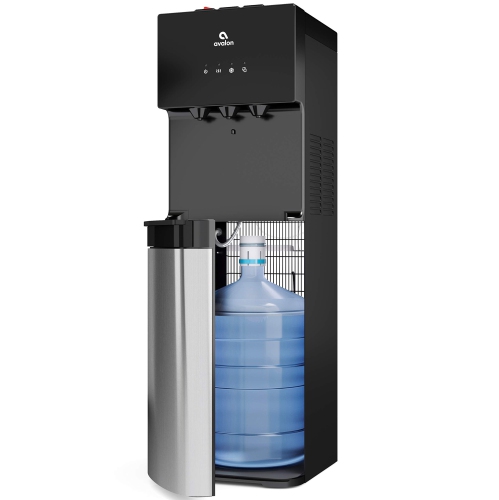 Your price for this item is $404.5
-
 Your price for this item is $561.17
-
 Your price for this item is $47.99
-
 Your price for this item is $32.99
-
 Your price for this item is $561.17
-
 Your price for this item is $129.99
-
 Your price for this item is $74.99
-
 Your price for this item is $561.17
Discover more categories related to Water Bottle Pump
Top Collections:
Best Black Friday Deals This Year, Best Black Friday Deals On Electronics, Kindle Devices, Dyson Airwrap, Best Cameras for Sports Photography, Best Budget Office Chairs, Canon G7X Cameras, PS5 Pro Consoles, Best Black Friday Deals On Apple Products, XBOX One S Consoles
Some products may be subject to Environmental Handling Fees
(EHF) depending on your province.
Learn more about EHFs.