Portable Water Pump Dispensers
Portable Water Pump Dispenser options make it easy to enjoy convenient access to fresh water wherever you need it. Perfect for home, office, outdoor activities, or travel, these handy devices help you fill bottles and cups quickly without the hassle of lifting heavy containers. Explore a variety of Portable Water Pump Dispenser solutions designed to fit different needs and preferences, making hydration simple and efficient in any setting.
Sort
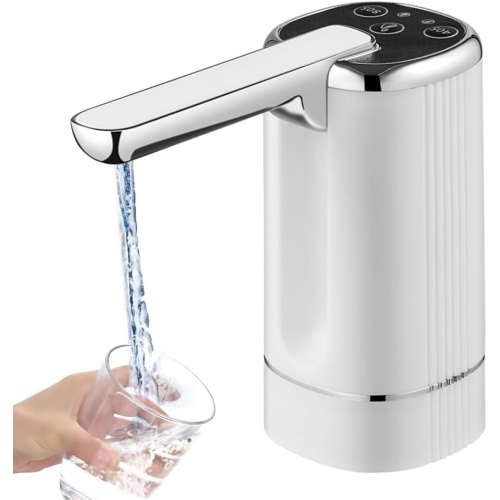
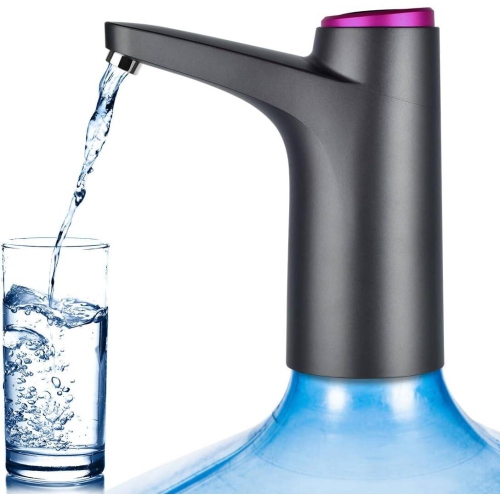
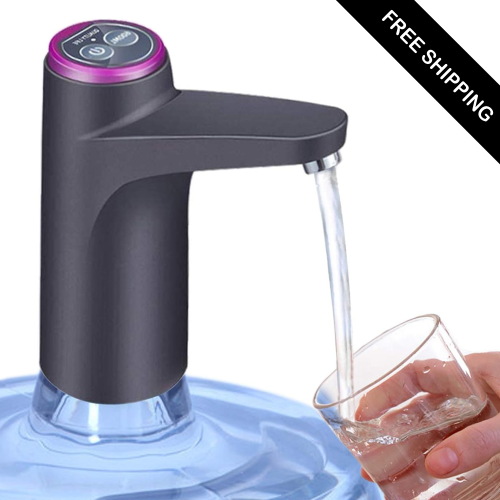
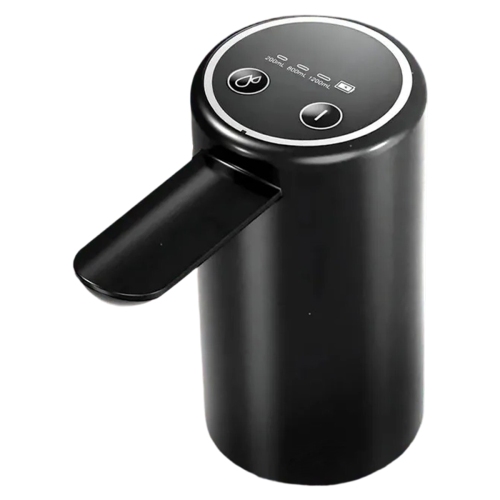
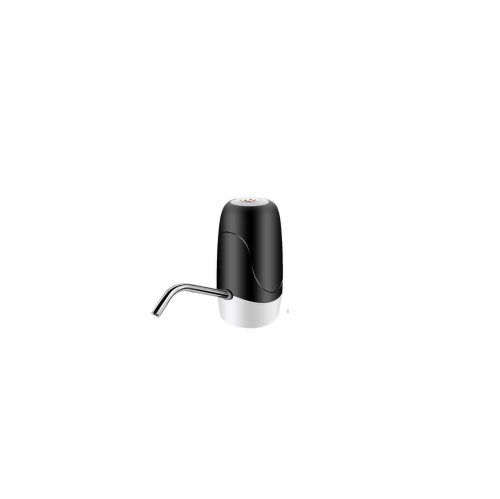
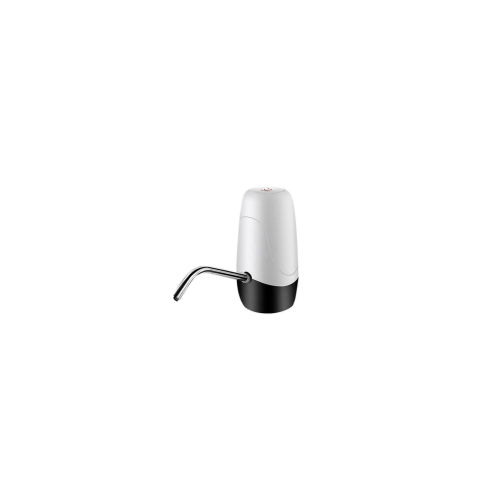

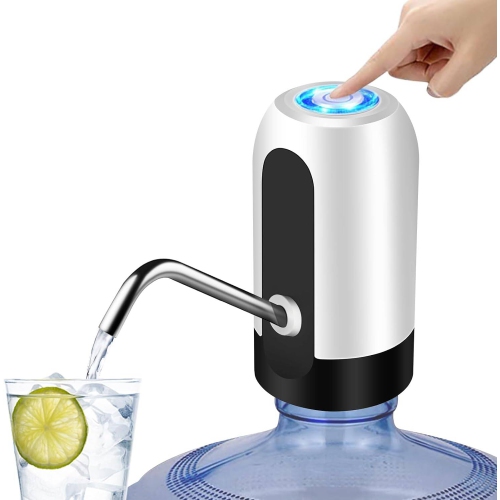
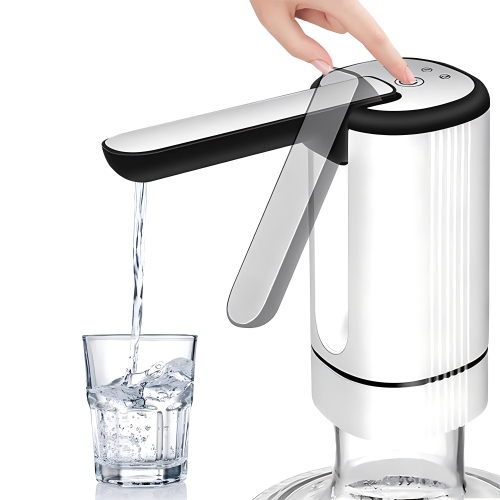
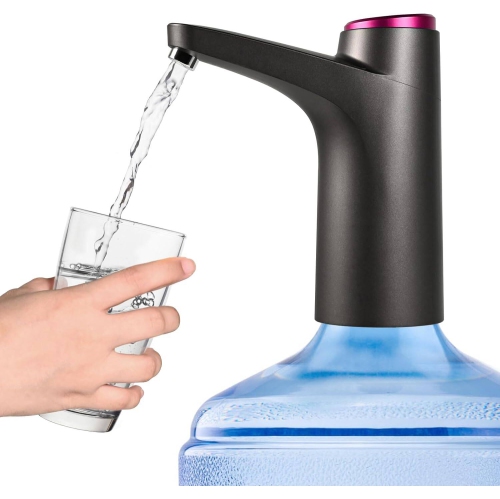
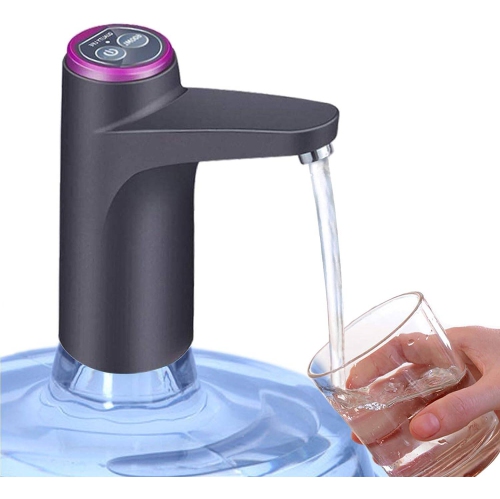
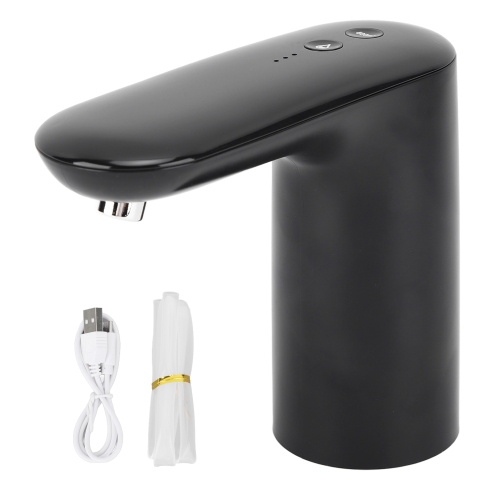
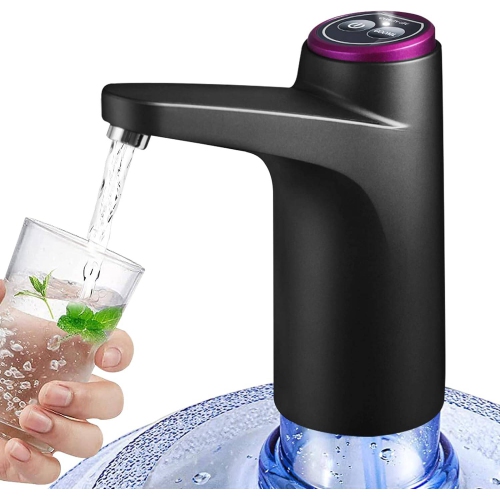
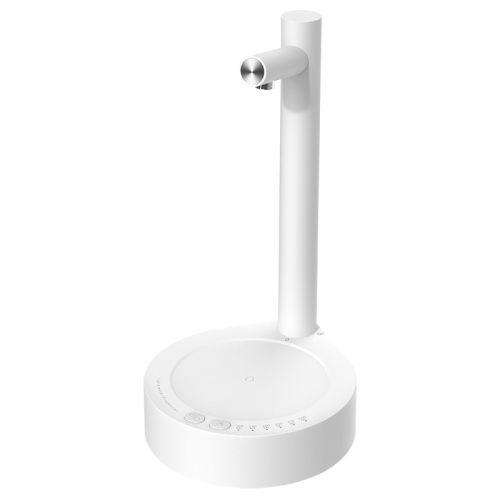

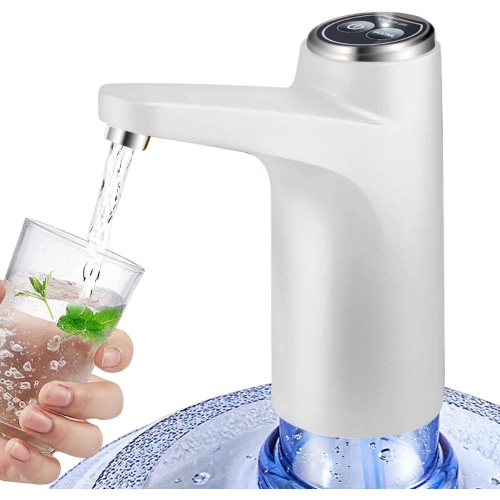
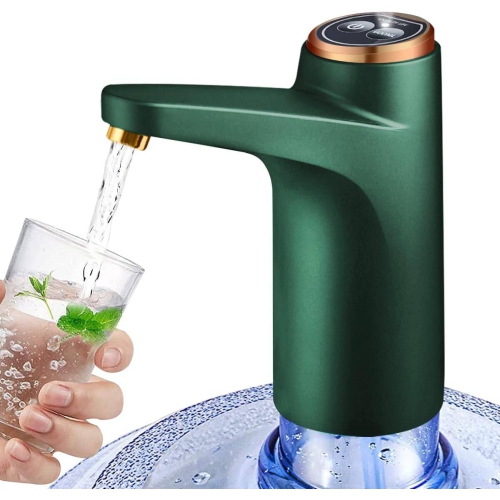
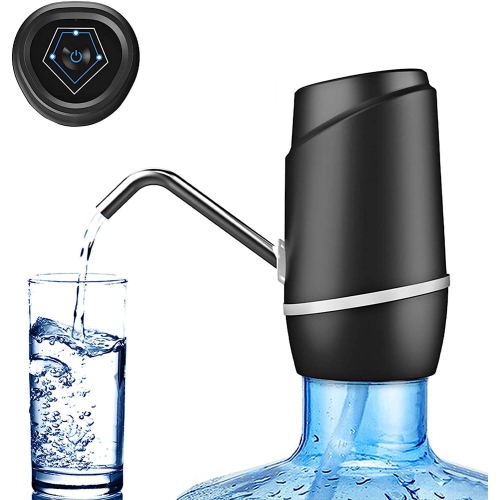
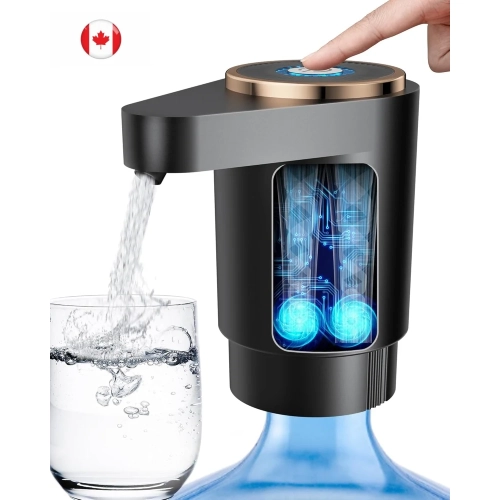
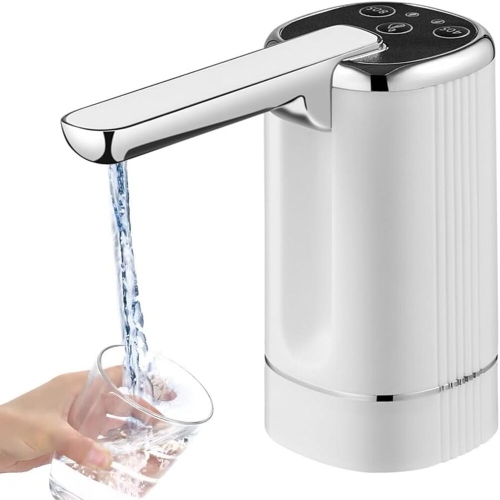
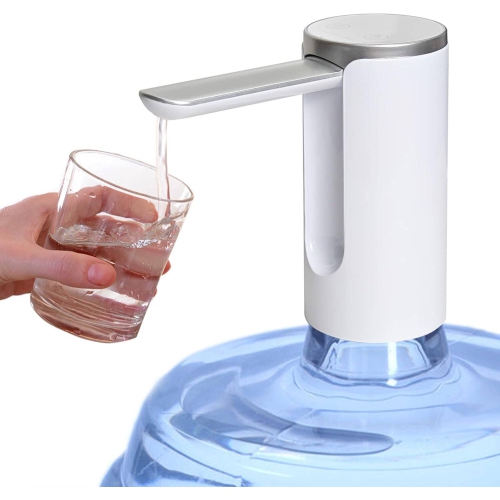
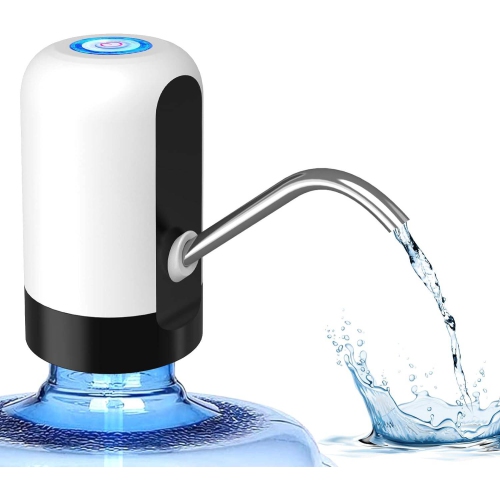
A full glass without tipping a heavy jug
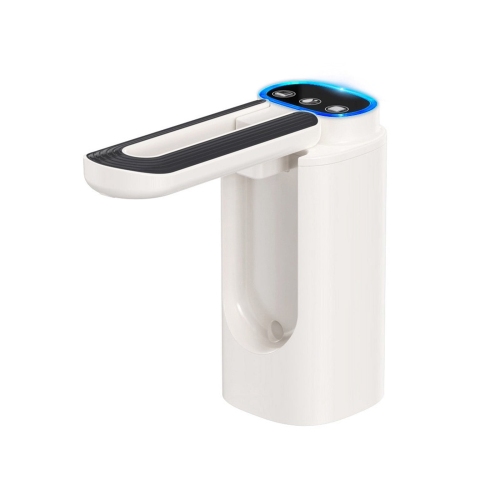
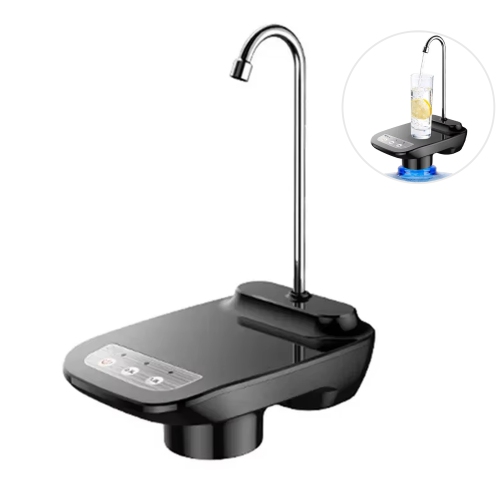
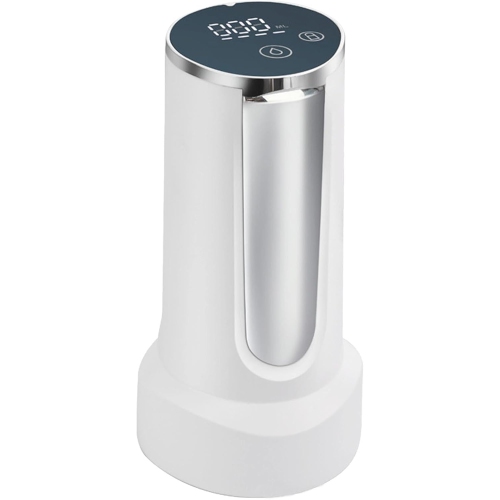
Portable water pump dispensers draw drinking water from a bottle or compatible container and deliver it through a spout, allowing a glass, mug, or reusable bottle to be filled without tipping a heavy jug. Many mount directly on the neck of a large water bottle, while other designs place the dispensing head on a counter and use a hose to reach the container below. Their small footprint makes them useful in kitchens, shared offices, dorm rooms, workshops, and other spaces where a full-size water cooler would take up too much room. A pump can also make sense for a cabin or campsite with a suitable supply of drinking water, provided the unit is used within the conditions specified by its manufacturer. A basic bottle pump is primarily a dispensing device; it should not be assumed to filter, disinfect, heat, or chill the water. The water supply must already be safe to drink, and the container should be intended for drinking-water storage. Manual pumps use repeated hand pressure, while electric versions move water with a small motor, often operated by a button. Some controls require a second press to stop the flow, and others may offer a measured serving or an automatic shut-off. Those differences become noticeable when switching between a narrow-necked travel bottle and a broad kettle opening. In a shared work area, straightforward controls help different people operate the dispenser with less guesswork; at home, a reachable spout can simplify filling a kettle before preparing tea. The bottle needs a firm, level surface, with enough room to position a cup beneath the outlet without tilting it awkwardly. A compact Water Bottle Pump can suit a simple bottle-top setup, while a separate dispensing stand may be more practical when the water container needs to stay below counter height.
Bottle compatibility is one of the most important differences between portable dispensers. Large refill bottles vary in neck diameter, cap style, and opening shape, so litre capacity alone does not establish a secure fit. A push-on fitting, threaded collar, or supplied adapter must match the container as described by the manufacturer. The suction tube also needs enough length to reach the water without becoming sharply bent or bunching at the bottom. A loose connection can allow movement during use, while an incorrectly positioned hose may interrupt the flow before the bottle is empty. For countertop dispensers, the distance between the bottle and dispensing head matters as much as the height of the spout. A tall travel mug needs more clearance than a small drinking glass, and a container tucked beneath a desk needs a hose route that will not be pinched by a drawer or chair. Materials deserve similar attention: plastic housings keep many pumps lightweight, while some designs include stainless steel outlets and flexible silicone tubing. Any component that touches the water should be intended for food contact, with cleaning instructions appropriate to that material. Features such as a folding spout, removable outlet, or detachable drip tray can make a dispenser easier to store or keep tidy, but they serve different purposes. A folding spout reduces its projection when packed away; a drip tray catches small drops after a cup is removed. For powered pumps, portability depends partly on the power arrangement. Rechargeable designs need access to a compatible charging source, while replaceable-battery versions require the specified battery type. A USB connection does not by itself establish charger compatibility or guarantee operation while charging. Battery endurance varies with dispensing volume, motor use, and the condition of the battery. For a shared kitchenette, the sound of the motor and how quickly the stream stops can be as noticeable in daily use as the overall size of the unit.
Regular care helps keep a portable water dispenser pleasant to use and supports the condition of its water-contact parts. The spout, suction tube, connectors, and any drip tray need cleaning at the intervals and by the methods specified for the dispenser, particularly when changing bottles or returning the pump to use after storage. A removable tube can make cleaning more manageable, but not every part is suitable for a dishwasher, boiling water, or the same cleaning solution. Motor housings and charging ports generally need to stay dry, with exterior surfaces wiped rather than submerged unless the manufacturer expressly permits otherwise. Clean hands are important when fitting the tube into a fresh bottle, and the outlet should stay clear of cup rims, fingers, and other surfaces that could transfer residue. Water collecting in a drip tray should be emptied rather than left beneath the spout. For transport, draining the tubing and allowing washable parts to dry before packing helps prevent trapped moisture and spills inside a bag. Unless expressly designed for lifting, the pump should never be treated as a carrying handle for the bottle. A secure cap or appropriate cover belongs on the container when it is moved. Durability depends on more than the outer casing: a stable attachment, sound hose connections, an intact charging port, and a spout that does not wobble all contribute to dependable daily handling. Accessible replacement tubing or other manufacturer-approved service parts can also matter when a dispenser is used frequently. For someone setting up a first apartment, furnishing a small office, or spending time at a cabin, this type of dispenser can be a practical gift when bottle fit and power access are already known. People who find lifting and pouring from large containers uncomfortable may also appreciate a reachable dispensing point, although button force, manual pumping effort, and bottle replacement still deserve consideration. The most useful setup is one that suits the container already in use, leaves comfortable space for everyday drinkware, and can be cleaned without making routine refills unnecessarily complicated.
Top selling and popular products
-
 Your price for this item is $404.5
-
 Your price for this item is $561.17
-
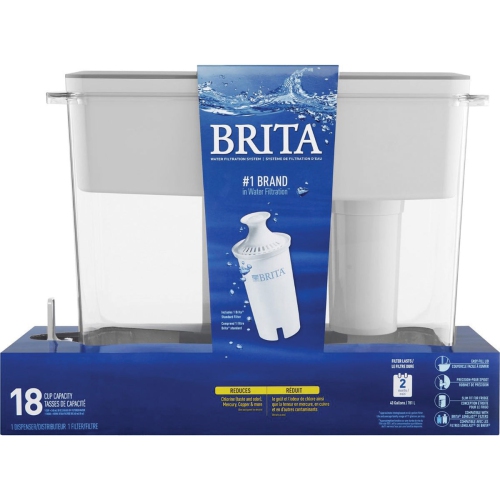 Your price for this item is $47.99
-
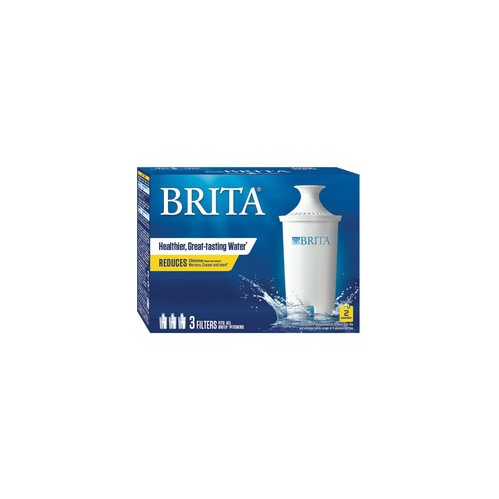 Your price for this item is $32.99
-
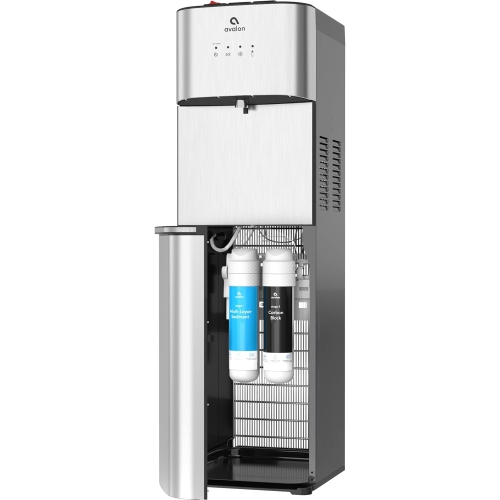 Your price for this item is $561.17
-
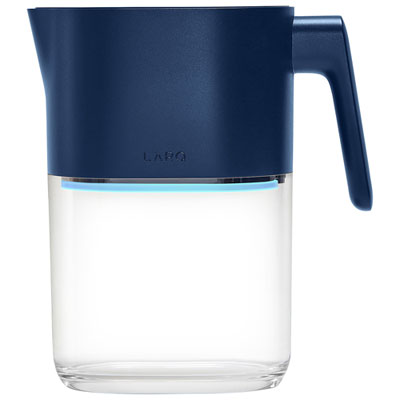 Your price for this item is $129.99
-
 Your price for this item is $74.99
-
 Your price for this item is $561.17
Discover more categories related to Portable Water Pump Dispensers

Top Collections:
Best Black Friday Deals This Year, Best Black Friday Deals On Electronics, Kindle Devices, Dyson Airwrap, Best Cameras for Sports Photography, Best Budget Office Chairs, Canon G7X Cameras, PS5 Pro Consoles, Best Black Friday Deals On Apple Products, XBOX One S Consoles
Some products may be subject to Environmental Handling Fees
(EHF) depending on your province.
Learn more about EHFs.