Wet Dry Vac
Wet/dry vacuums are a must-have for any home. They are versatile machines that can be used to clean both floors and carpets, and they can also be used to suck up water from hard surfaces such as tile and stone. The best part about these vacuums is that they're easy to use and maintain. Here are some of the great options for you
Sort
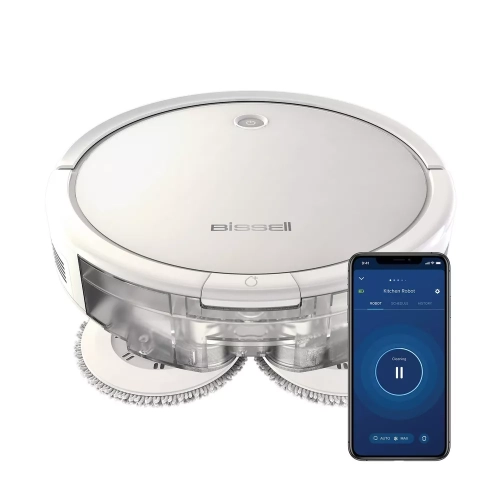
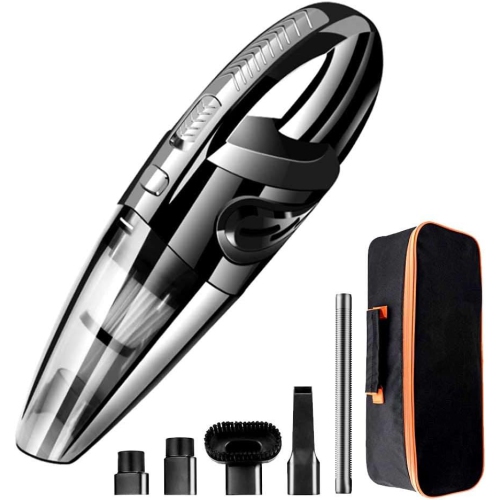
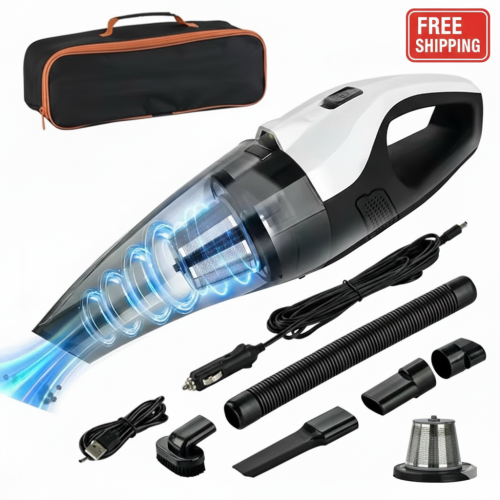
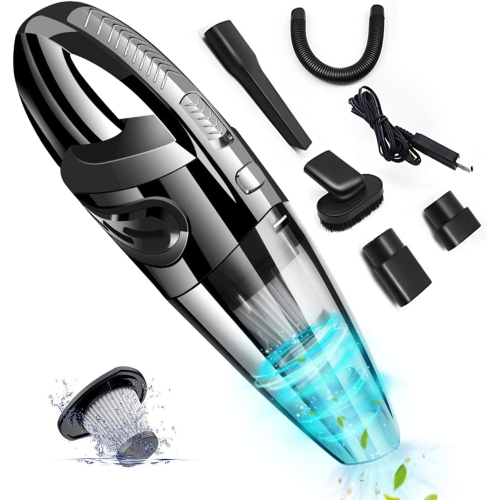
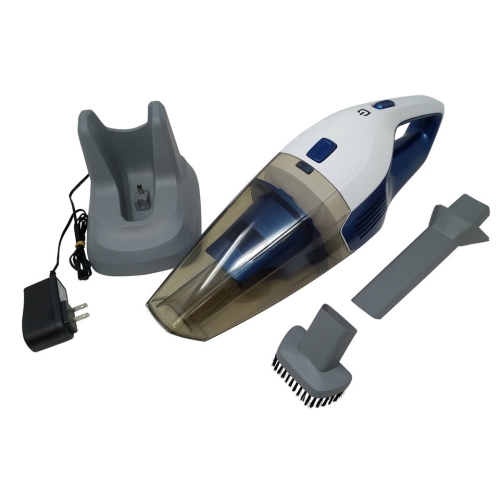
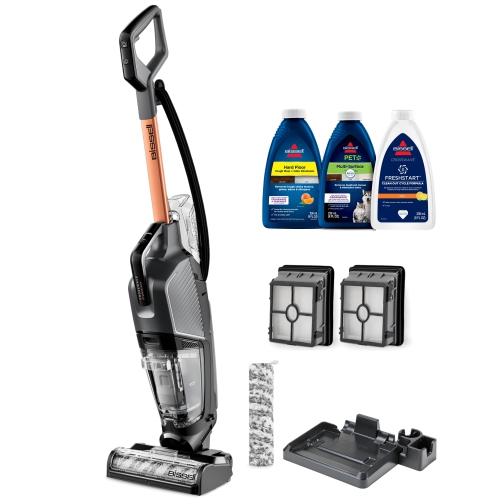
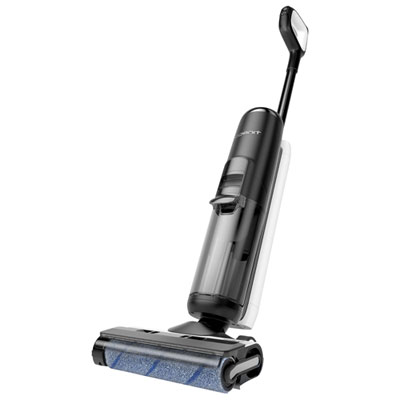

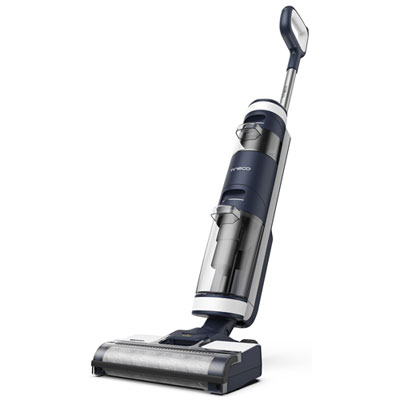
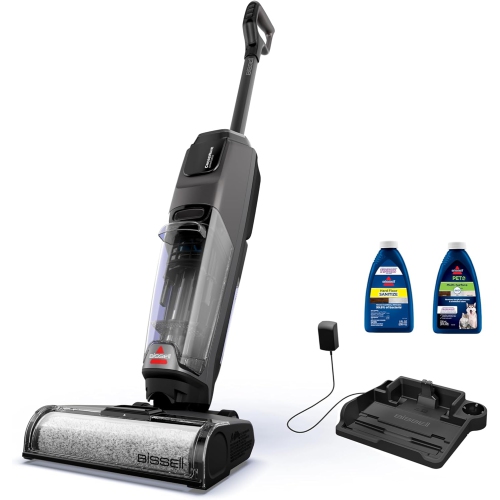
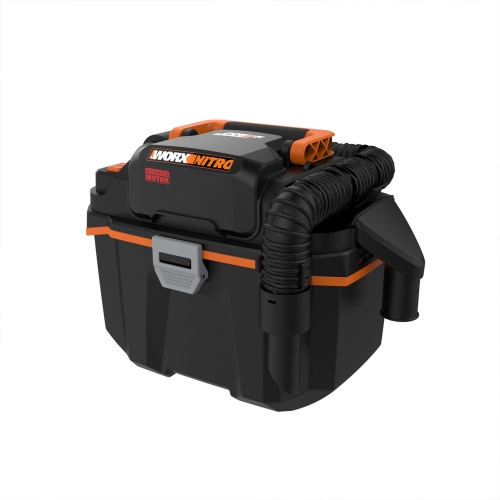
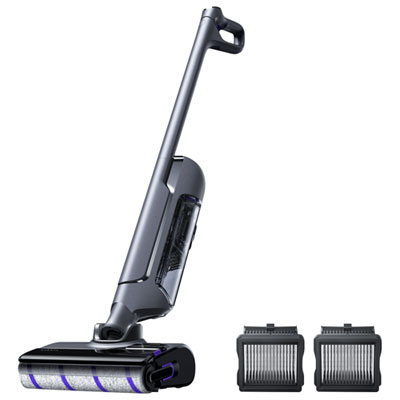
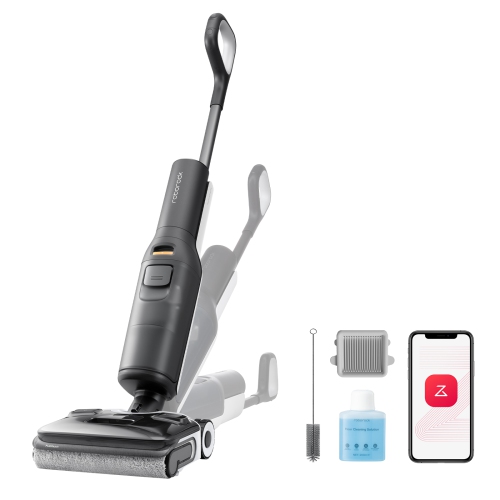
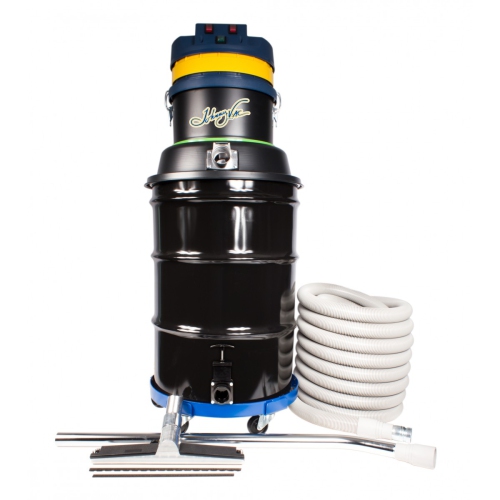
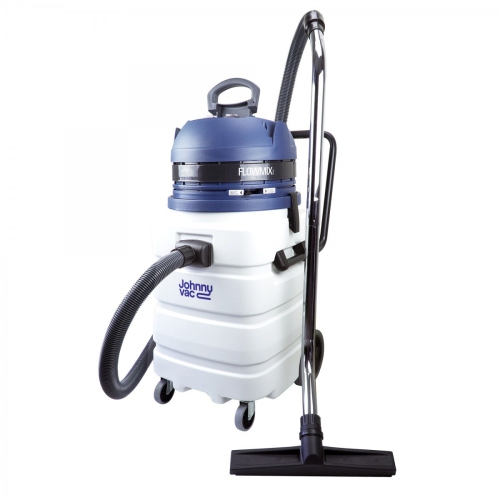
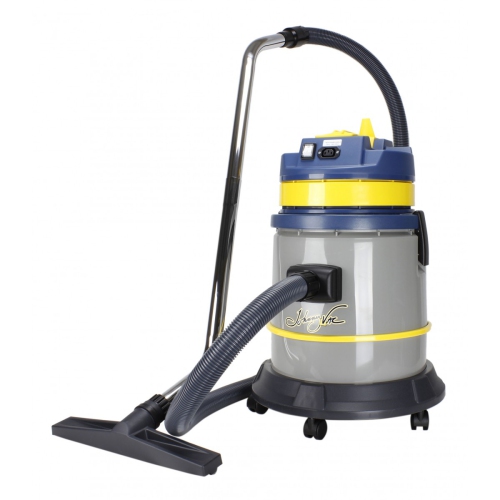
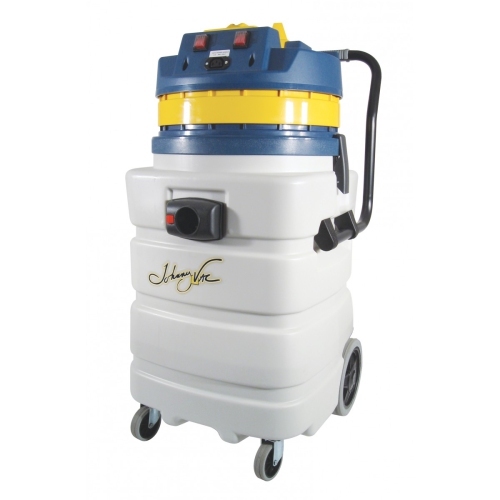
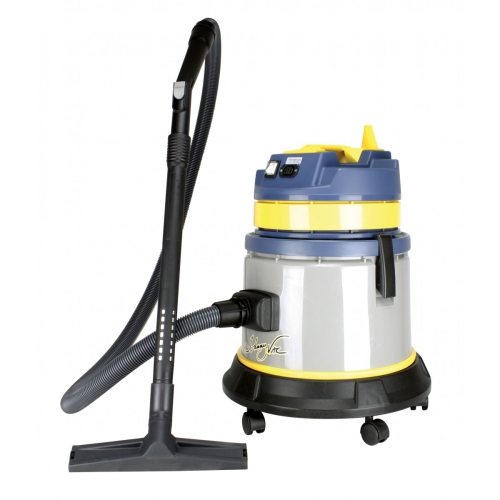
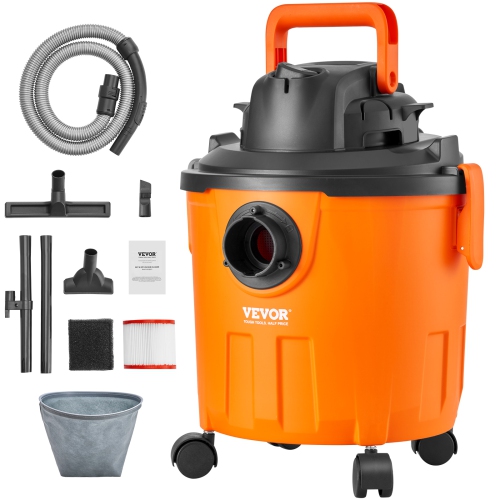
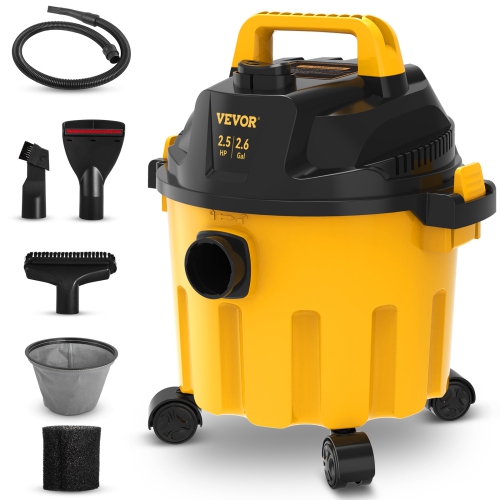
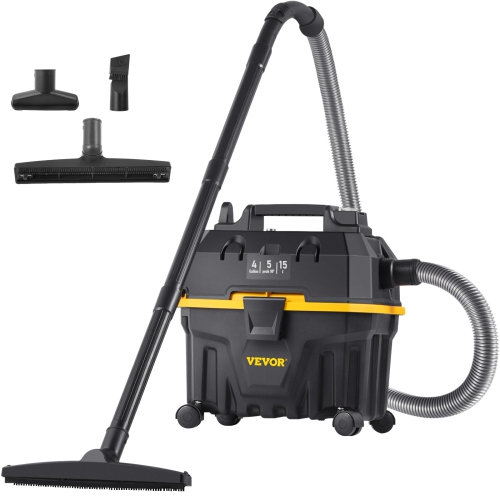
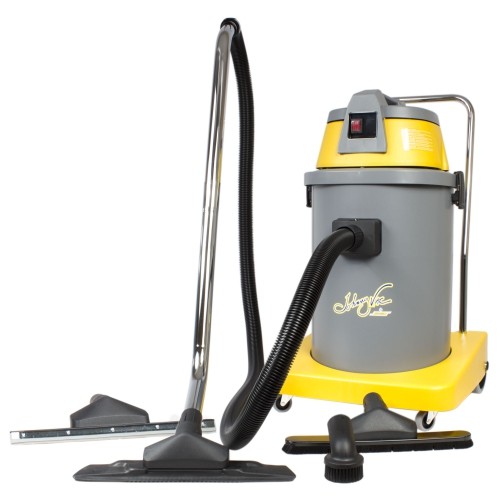
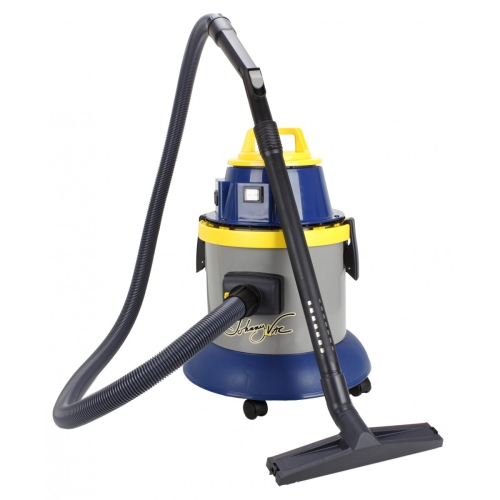
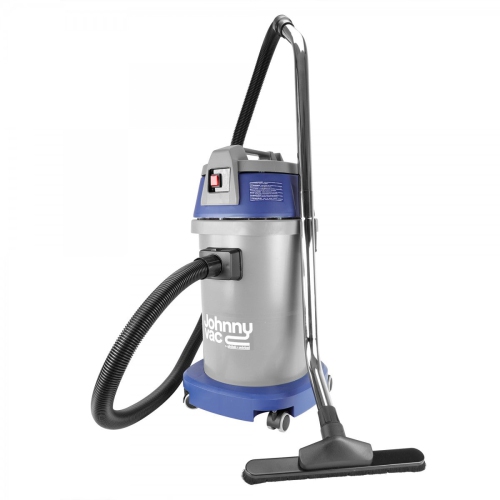
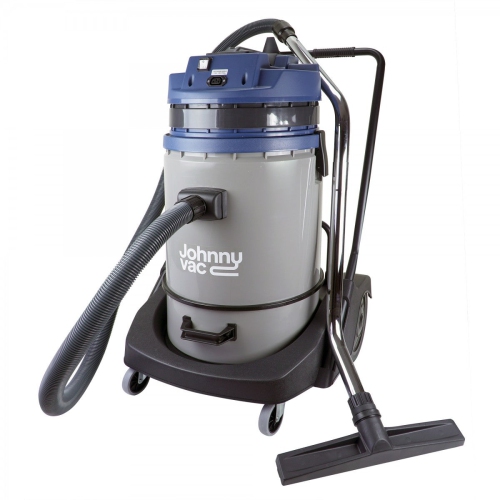
Why shop vacuums and floor washers handle different messes
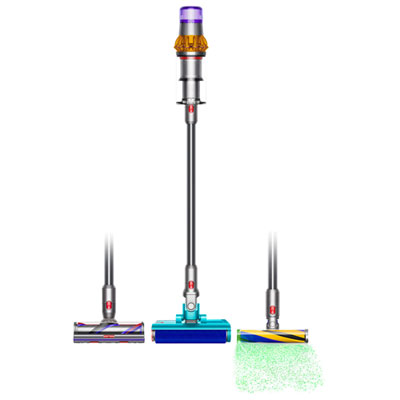
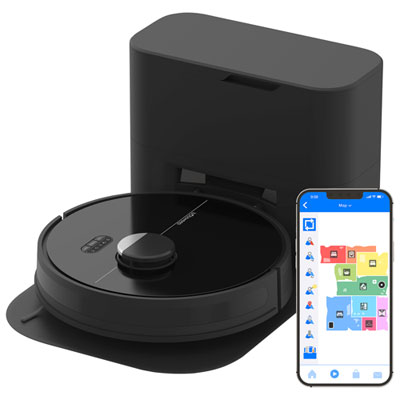
A wet dry vac is a vacuum designed to collect both dry debris and liquid spills, with capabilities that vary by design. The term commonly covers two distinct types: canister-style shop vacuums for utility cleaning and upright wet and dry floor cleaners that vacuum and wash compatible hard floors. A shop vacuum draws material through a hose into a collection tank, making it useful for tasks such as clearing wood shavings from a workbench, lifting grit from a vehicle’s footwells, or picking up a spilled bucket of water on a garage floor. A floor-washing vacuum uses a cleaning roller and a liquid delivery system to loosen everyday dirt, then collects dirty water in a separate tank. That design suits kitchen splashes, tracked-in dirt, and routine cleaning on sealed surfaces approved by the appliance and flooring manufacturers. These categories overlap in their ability to handle moisture, but they are not interchangeable: a shop vacuum does not necessarily wash floors, and a floor washer is not intended to swallow screws, sharp fragments, or bulky workshop debris. For homeowners, renters, vehicle owners, and people who maintain a workspace, the most useful distinction is the kind of mess and surface involved. A flexible hose and crevice tool can reach beside car seats or along a utility-room wall, while an upright floor head covers open kitchen and dining areas with fewer passes than a narrow hose attachment. Households with pets may value a floor cleaner that handles loose hair and muddy paw marks, provided its roller and suction path are designed for that debris. Those whose main need is liquid pickup can also explore Wet Vacuum Cleaners, paying attention to whether each design collects spills, washes floors, or performs both functions. The right fit depends less on the broad category name than on the surfaces, debris, and cleaning tasks described in the appliance specifications.
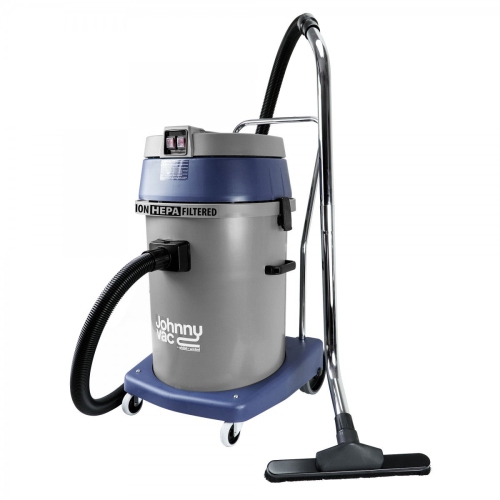
For canister-style wet dry vacuums, tank size, hose dimensions, filtration, and mobility all affect day-to-day usefulness. A compact tank is easier to carry up steps or tuck beneath a storage shelf, while a larger tank can accommodate more debris before emptying. Liquid adds substantial weight, so a large capacity is most practical when the vacuum can roll close to the cleanup area and has an accessible drain. The tank’s stated capacity may also differ from its usable liquid capacity because the internal shut-off mechanism needs room to operate. Plastic tanks resist dents and are often relatively light; stainless steel tanks offer a rigid collection vessel, although overall durability also depends on the base, latches, hose connections, and caster mounts. A wide, flexible hose can admit larger debris and help reduce clogs, while a narrower attachment offers access to tight spaces. Hose length adds reach, but a long hose can be awkward to store and may affect suction performance. Airflow and sealed suction describe different aspects of pickup, so an advertised motor rating alone does not establish how well a vacuum will perform with a particular attachment. For dry cleaning, the filter and collection bag must suit the material being collected; fine dust can pass through unsuitable filtration or quickly restrict airflow. Ordinary wet dry vacuums should not be assumed suitable for hazardous dust, including asbestos, lead, or respirable silica. Those materials require purpose-rated equipment and appropriate handling procedures. Switching to liquids may involve removing a dust bag and changing or removing a filter, depending on the design, so the operating instructions matter. Useful practical details include secure accessory storage, a stable stance when the hose is pulled, a carry handle that feels balanced, and controls that are easy to reach. Corded designs support longer cleaning sessions near an outlet, while cordless models trade unrestricted reach for battery runtime and charging needs. Neither should be used to collect flammable liquids, hot ashes, or substances outside its stated capabilities.
Upright wet and dry floor cleaners place more emphasis on manoeuvrability, water management, and roller care than on bulk collection. Separate clean-water and dirty-water tanks keep collected liquid apart from the water being applied to the floor, although both tanks need regular attention. A larger clean-water tank can reduce interruptions across a broad living area, but it also adds weight when full; a smaller machine may be easier to steer around chair legs and store in a condo. Check the cleaner’s weight in use, the shape of its handle, and how closely the head reaches along baseboards. A low-profile head can help under furniture, but not every appliance is designed to tilt flat without affecting its water system. Flooring compatibility is especially important: sealed tile, vinyl, laminate, and hardwood each have different care requirements, and a floor washer should be used only where both manufacturers permit it. Unsealed wood, damaged seams, and moisture-sensitive surfaces may not tolerate wet cleaning. Carpet use requires an explicitly supported function or attachment rather than an assumption that every wet dry vacuum can clean rugs. For cordless floor washers, runtime varies with the cleaning mode and workload, while charging time and dock dimensions affect where the machine fits between uses. Self-cleaning cycles can rinse the roller and internal pathways, but they do not remove the need to empty dirty water, clear trapped hair, and wash removable parts as directed. Leaving dirty liquid in a closed tank can cause odours, and storing a damp roller without adequate drying can make the next cleanup less pleasant. Use only the cleaning solution specified for the machine; unsuitable detergents can create excess foam or damage components. Across both shop vacuums and floor washers, accessible filters, replaceable wear parts, sturdy seals, and straightforward tank removal support dependable long-term use. A machine that is simple to empty and clean is better suited to frequent small jobs, whether that means crumbs and a drink spill beneath a dining table or grit and water on a utility floor.
For canister-style wet dry vacuums, tank size, hose dimensions, filtration, and mobility all affect day-to-day usefulness. A compact tank is easier to carry up steps or tuck beneath a storage shelf, while a larger tank can accommodate more debris before emptying. Liquid adds substantial weight, so a large capacity is most practical when the vacuum can roll close to the cleanup area and has an accessible drain. The tank’s stated capacity may also differ from its usable liquid capacity because the internal shut-off mechanism needs room to operate. Plastic tanks resist dents and are often relatively light; stainless steel tanks offer a rigid collection vessel, although overall durability also depends on the base, latches, hose connections, and caster mounts. A wide, flexible hose can admit larger debris and help reduce clogs, while a narrower attachment offers access to tight spaces. Hose length adds reach, but a long hose can be awkward to store and may affect suction performance. Airflow and sealed suction describe different aspects of pickup, so an advertised motor rating alone does not establish how well a vacuum will perform with a particular attachment. For dry cleaning, the filter and collection bag must suit the material being collected; fine dust can pass through unsuitable filtration or quickly restrict airflow. Ordinary wet dry vacuums should not be assumed suitable for hazardous dust, including asbestos, lead, or respirable silica. Those materials require purpose-rated equipment and appropriate handling procedures. Switching to liquids may involve removing a dust bag and changing or removing a filter, depending on the design, so the operating instructions matter. Useful practical details include secure accessory storage, a stable stance when the hose is pulled, a carry handle that feels balanced, and controls that are easy to reach. Corded designs support longer cleaning sessions near an outlet, while cordless models trade unrestricted reach for battery runtime and charging needs. Neither should be used to collect flammable liquids, hot ashes, or substances outside its stated capabilities.
Upright wet and dry floor cleaners place more emphasis on manoeuvrability, water management, and roller care than on bulk collection. Separate clean-water and dirty-water tanks keep collected liquid apart from the water being applied to the floor, although both tanks need regular attention. A larger clean-water tank can reduce interruptions across a broad living area, but it also adds weight when full; a smaller machine may be easier to steer around chair legs and store in a condo. Check the cleaner’s weight in use, the shape of its handle, and how closely the head reaches along baseboards. A low-profile head can help under furniture, but not every appliance is designed to tilt flat without affecting its water system. Flooring compatibility is especially important: sealed tile, vinyl, laminate, and hardwood each have different care requirements, and a floor washer should be used only where both manufacturers permit it. Unsealed wood, damaged seams, and moisture-sensitive surfaces may not tolerate wet cleaning. Carpet use requires an explicitly supported function or attachment rather than an assumption that every wet dry vacuum can clean rugs. For cordless floor washers, runtime varies with the cleaning mode and workload, while charging time and dock dimensions affect where the machine fits between uses. Self-cleaning cycles can rinse the roller and internal pathways, but they do not remove the need to empty dirty water, clear trapped hair, and wash removable parts as directed. Leaving dirty liquid in a closed tank can cause odours, and storing a damp roller without adequate drying can make the next cleanup less pleasant. Use only the cleaning solution specified for the machine; unsuitable detergents can create excess foam or damage components. Across both shop vacuums and floor washers, accessible filters, replaceable wear parts, sturdy seals, and straightforward tank removal support dependable long-term use. A machine that is simple to empty and clean is better suited to frequent small jobs, whether that means crumbs and a drink spill beneath a dining table or grit and water on a utility floor.
Top selling and popular products
-
 Your price for this item is $204.72
 -
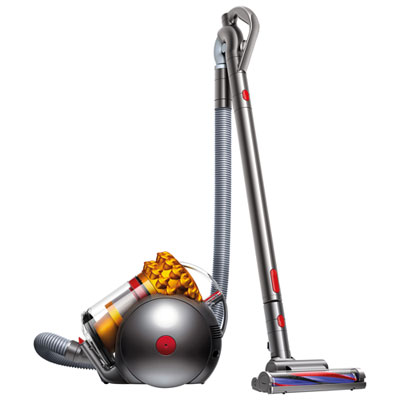 Your price for this item is $499.99
 -
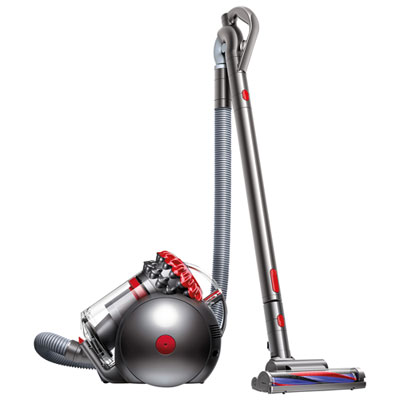 Your price for this item is $699.99
 -
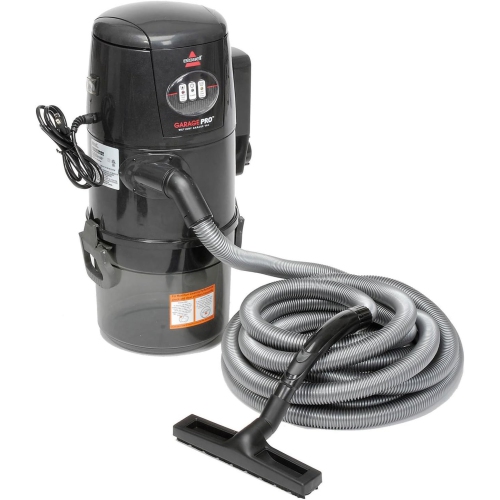 Your price for this item is $312
 -
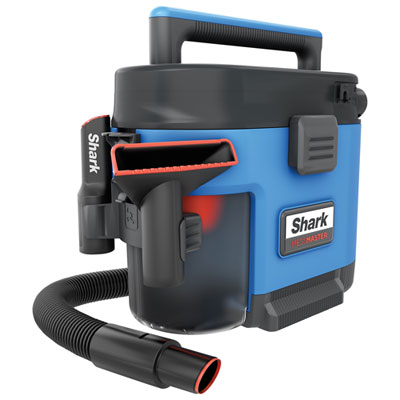 Your price for this item is $159.99
 -
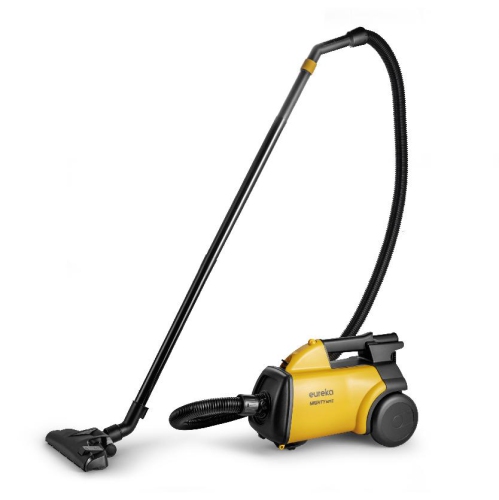 Your price for this item is $90
 -
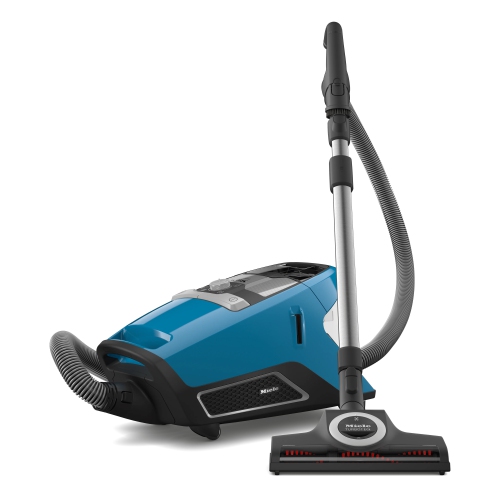 Your price for this item is $799.99
 -
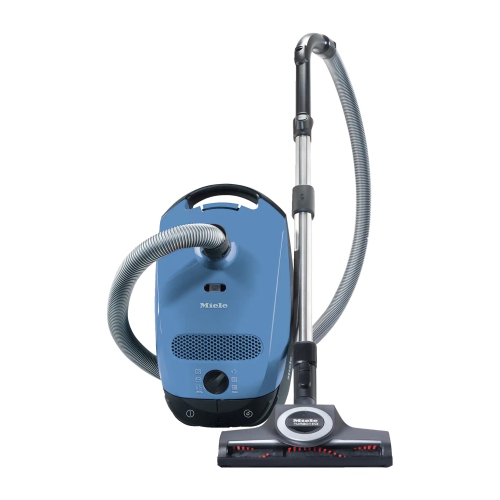 Your price for this item is $599.99
Discover more categories related to Wet Dry Vac
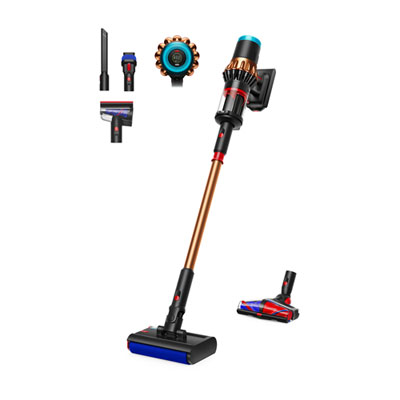
Top Collections:
Pokemon Centers, Kindle Devices, Best Budget Office Chairs, Apple iPhones 16, Best Laptops for Writers, iPhone 15 Apple, Canon G7X Cameras, Refurbished Apple Laptops, Alarm Clock, Motorola Razr Phones
Some products may be subject to Environmental Handling Fees
(EHF) depending on your province.
Learn more about EHFs.