Whirlpool Gold Series Stoves
Upgrade your kitchen experience with the Whirlpool Gold Series Stove, designed to bring both style and performance to your home. Whether you’re preparing everyday meals or hosting special gatherings, this stove offers the versatility and reliability you need for any cooking task. Explore a range of options to find the perfect fit for your space and culinary needs, and enjoy an enhanced cooking environment with the Whirlpool Gold Series Stove as the centerpiece of your kitchen.
Sort
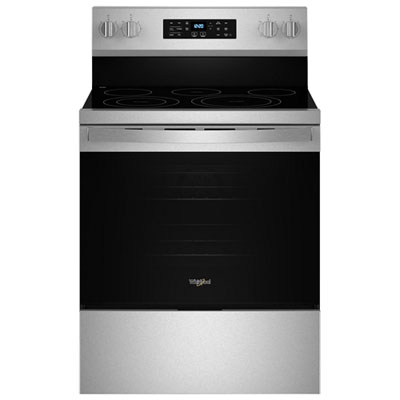

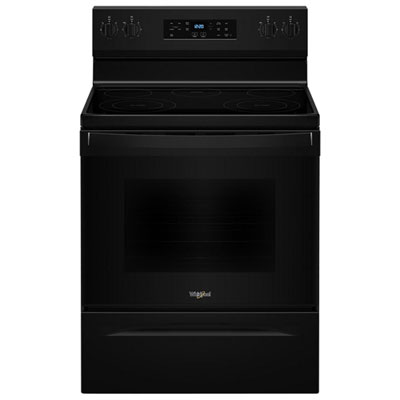
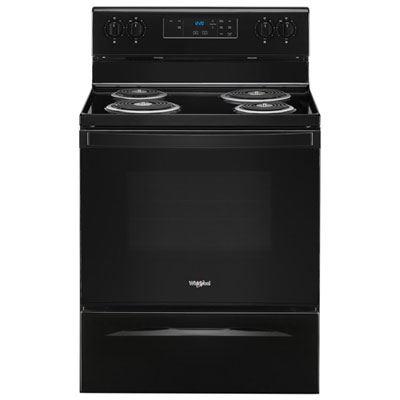
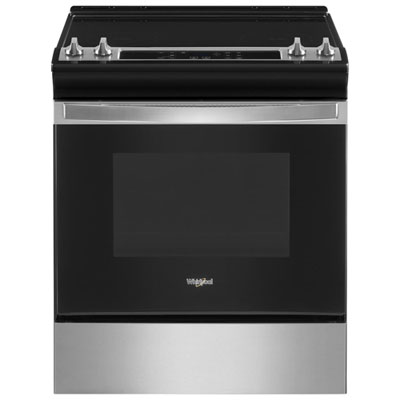
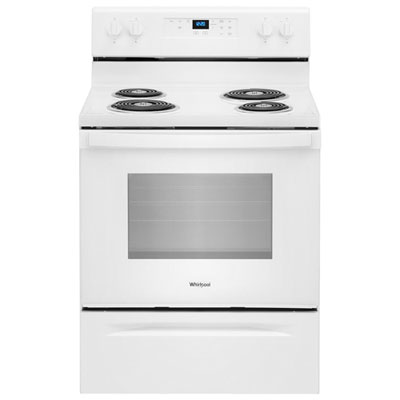

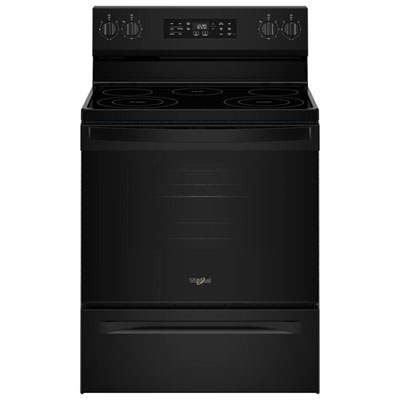
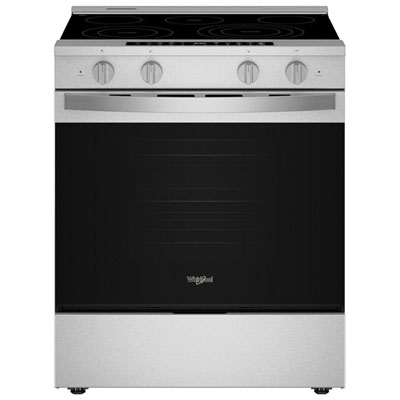
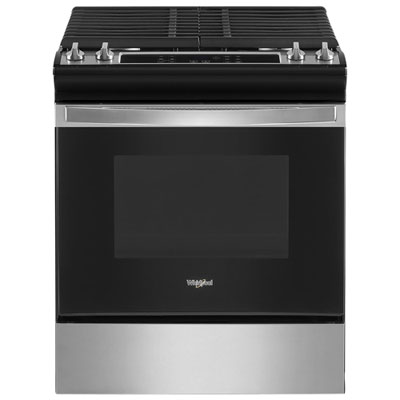
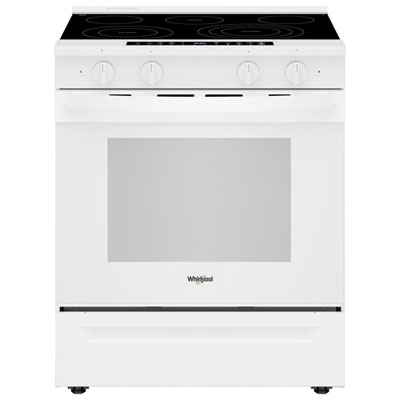
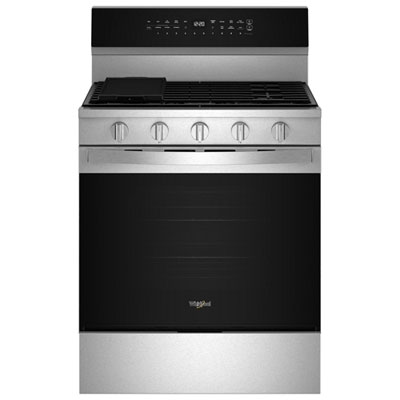
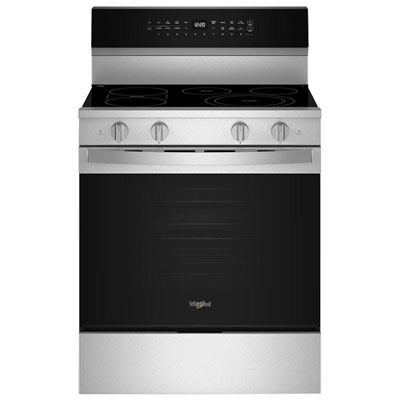
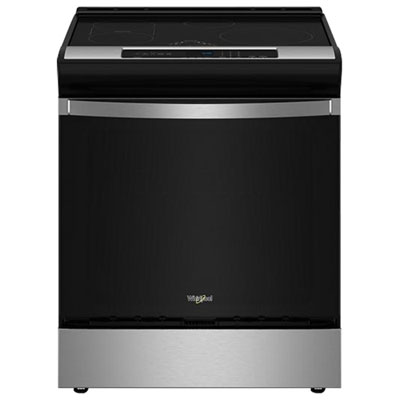
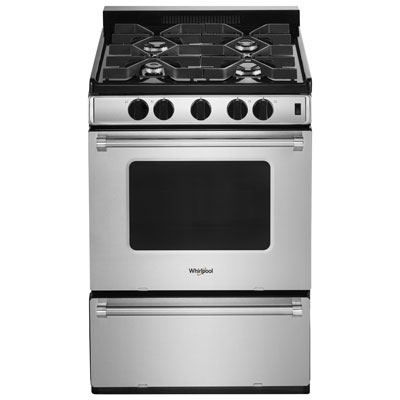
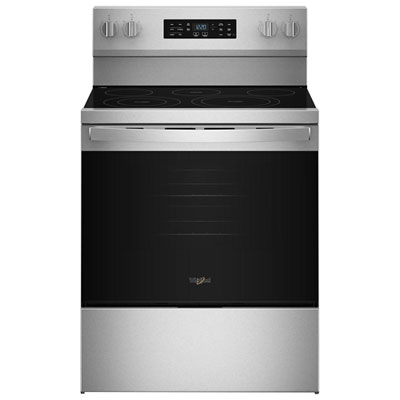
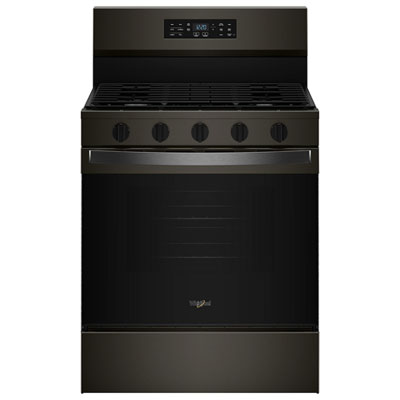
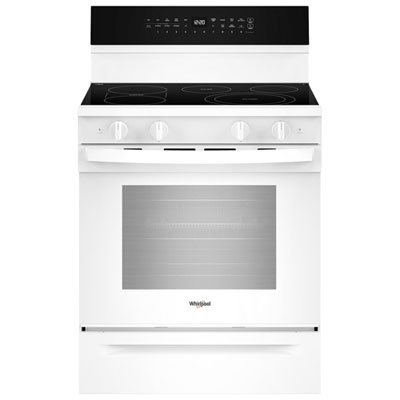
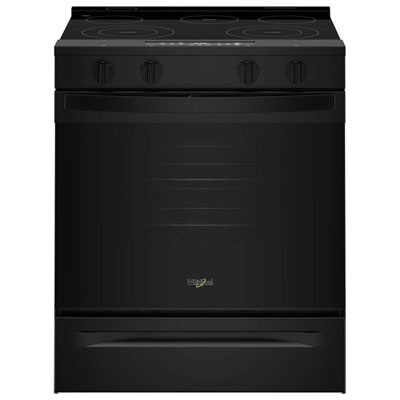
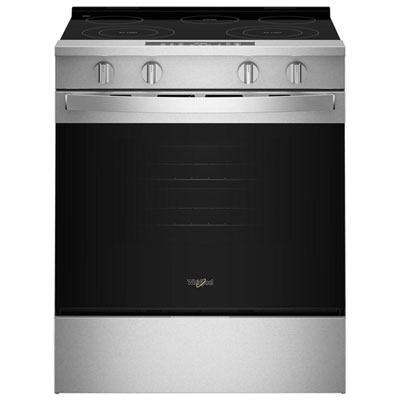
Why burner layout and oven space matter
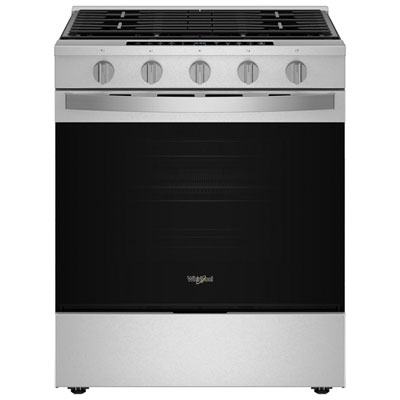
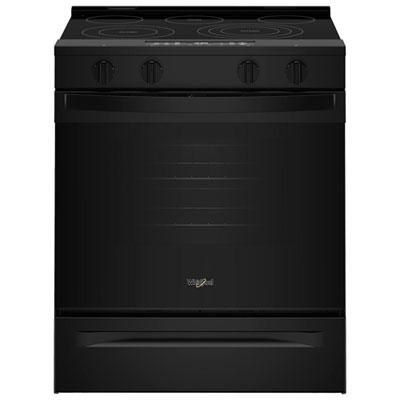
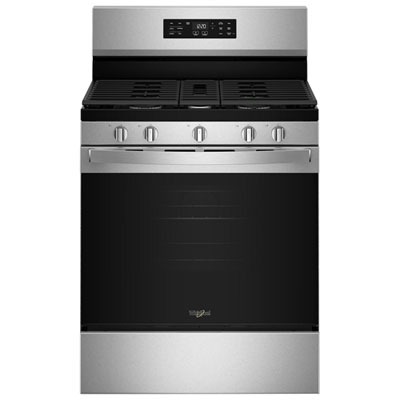
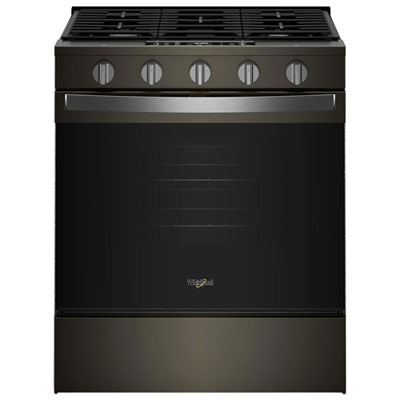
Kitchen stoves bring stovetop cooking and oven baking into one appliance, making them a practical centrepiece for everything from a quick breakfast to a full family dinner. Often called ranges, these appliances combine burners or electric elements with an enclosed oven, keeping several cooking tasks within the same footprint. The most useful configuration depends on how meals come together in the kitchen: a wide cooking surface gives a stockpot and frying pan room to sit side by side, while a spacious oven can accommodate a roasting pan without crowding the surrounding racks. Gas burners offer a visible flame and responsive heat adjustment, which can be useful when moving from a rolling boil to a gentle simmer. Electric smoothtop surfaces provide a continuous cooking area with clearly marked elements, and some configurations include expandable elements to suit different pan diameters. Neither fuel type determines every aspect of cooking performance; burner output, element layout, cookware, and controls all play a part. Oven features deserve equal attention. Where included, convection uses a fan to circulate heated air through the oven cavity, helping distribute heat more evenly around food. Certain recipes may need time or temperature adjustments, so the appliance instructions remain important when switching from conventional baking. A double-oven configuration provides separate cavities that can cook at different settings, allowing a casserole to bake while another dish cooks at a higher temperature. A single large cavity may be more useful for oversized roasting pans or tall covered cookware. Total capacity alone does not tell the whole story: usable rack space, rack positions, and the shape of the cavity affect what fits comfortably. For households that bake bread, prepare several dishes together, or regularly host guests, these everyday details can matter more than a long list of cooking modes. Straightforward controls and a clearly visible oven window also help keep meal preparation manageable, especially when several pots need attention at once.
A stove needs to fit both the kitchen opening and the way people move through the room. Width is only the starting point; cabinet depth, counter height, door clearance, and the location of electrical or gas connections all affect installation. Many household ranges are designed around a nominal 30-inch width, but the precise dimensions and required clearances must come from the individual appliance specifications. Measuring the existing opening, the delivery route, and the space in front of the oven helps prevent an otherwise suitable range from becoming an awkward fit. An open oven door should leave enough room to stand safely and lift out a heavy dish, particularly in a kitchen with an island opposite the cooking area. Freestanding designs often have finished sides and a raised rear control panel, while slide-in designs generally create a closer visual connection with surrounding cabinetry and commonly place controls at the front. These layouts are not automatically interchangeable, and front controls may need additional consideration in homes with young children. An anti-tip bracket installed according to the manufacturer’s directions is an essential safety detail. Fuel connections also need to match the appliance: an electric range typically requires a dedicated range circuit, while a gas range needs an appropriate gas supply and usually an electrical connection for ignition and controls. Qualified installation is especially important when altering either connection. Suitable kitchen ventilation helps remove cooking odours, moisture, and airborne grease, whether the cooking surface uses gas or electricity. Beyond installation, small ergonomic details influence daily use. Knobs should be easy to grasp, displays readable from a comfortable standing position, and racks stable when supporting a filled roasting pan. A storage drawer can keep baking sheets nearby, but a lower drawer should not be assumed to provide warming or cooking functions unless those functions are specified. Households replacing an older stove may find that preserving a familiar layout is just as valuable as adding new features.
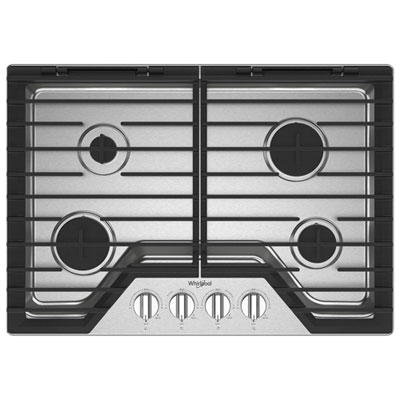
Materials and care routines shape how a range looks and works over years of regular cooking. Stainless steel finishes coordinate easily with many kitchen appliances, though fingerprints and water marks can be more noticeable on some surfaces than others. A soft cloth and a cleaner suitable for the finish help maintain its appearance without introducing scratches. Ceramic-glass cooking surfaces offer a smooth profile and make routine wiping straightforward, but they still require careful handling. Heavy cookware should be lifted rather than dragged, and pan bases should be clean, flat, and appropriate for the cooking surface. Spills need attention according to the manufacturer’s directions, particularly sugary spills that can damage some glass surfaces if left untreated. On gas cooking surfaces, removable grates and burner caps give access to the areas where splashes collect. Heavy-duty grates can provide steady support for substantial cookware, while continuous grate layouts, where fitted, make it easier to reposition pots across the surface. Correctly seating burner caps after cleaning helps maintain proper operation. Inside the oven, easy-to-remove racks and accessible corners simplify routine care. Self-cleaning and steam-cleaning functions differ in how they work and what preparation they require; neither should be treated as a substitute for following the appliance’s cleaning instructions. Keeping door seals clean and avoiding foil liners unless expressly permitted also helps protect normal oven operation. For daily use, the best balance of features is often the one that supports familiar meals without adding unnecessary complexity: dependable low heat for oatmeal, enough room for a broad sauté pan, and flexible rack positions for a tray of muffins or a covered casserole. In kitchens designed around a separate wall oven, Whirlpool Gas Cooktops provide a related cooking-surface option rather than an all-in-one stove. That distinction matters when planning cabinetry, since a cooktop alone does not provide an oven. Whether furnishing a first home, updating a busy family kitchen, or replacing a well-used appliance, a range is a substantial household choice. Matching its layout, care requirements, and cooking functions to everyday habits helps make it a comfortable part of the kitchen rather than simply a visual upgrade.
A stove needs to fit both the kitchen opening and the way people move through the room. Width is only the starting point; cabinet depth, counter height, door clearance, and the location of electrical or gas connections all affect installation. Many household ranges are designed around a nominal 30-inch width, but the precise dimensions and required clearances must come from the individual appliance specifications. Measuring the existing opening, the delivery route, and the space in front of the oven helps prevent an otherwise suitable range from becoming an awkward fit. An open oven door should leave enough room to stand safely and lift out a heavy dish, particularly in a kitchen with an island opposite the cooking area. Freestanding designs often have finished sides and a raised rear control panel, while slide-in designs generally create a closer visual connection with surrounding cabinetry and commonly place controls at the front. These layouts are not automatically interchangeable, and front controls may need additional consideration in homes with young children. An anti-tip bracket installed according to the manufacturer’s directions is an essential safety detail. Fuel connections also need to match the appliance: an electric range typically requires a dedicated range circuit, while a gas range needs an appropriate gas supply and usually an electrical connection for ignition and controls. Qualified installation is especially important when altering either connection. Suitable kitchen ventilation helps remove cooking odours, moisture, and airborne grease, whether the cooking surface uses gas or electricity. Beyond installation, small ergonomic details influence daily use. Knobs should be easy to grasp, displays readable from a comfortable standing position, and racks stable when supporting a filled roasting pan. A storage drawer can keep baking sheets nearby, but a lower drawer should not be assumed to provide warming or cooking functions unless those functions are specified. Households replacing an older stove may find that preserving a familiar layout is just as valuable as adding new features.
Materials and care routines shape how a range looks and works over years of regular cooking. Stainless steel finishes coordinate easily with many kitchen appliances, though fingerprints and water marks can be more noticeable on some surfaces than others. A soft cloth and a cleaner suitable for the finish help maintain its appearance without introducing scratches. Ceramic-glass cooking surfaces offer a smooth profile and make routine wiping straightforward, but they still require careful handling. Heavy cookware should be lifted rather than dragged, and pan bases should be clean, flat, and appropriate for the cooking surface. Spills need attention according to the manufacturer’s directions, particularly sugary spills that can damage some glass surfaces if left untreated. On gas cooking surfaces, removable grates and burner caps give access to the areas where splashes collect. Heavy-duty grates can provide steady support for substantial cookware, while continuous grate layouts, where fitted, make it easier to reposition pots across the surface. Correctly seating burner caps after cleaning helps maintain proper operation. Inside the oven, easy-to-remove racks and accessible corners simplify routine care. Self-cleaning and steam-cleaning functions differ in how they work and what preparation they require; neither should be treated as a substitute for following the appliance’s cleaning instructions. Keeping door seals clean and avoiding foil liners unless expressly permitted also helps protect normal oven operation. For daily use, the best balance of features is often the one that supports familiar meals without adding unnecessary complexity: dependable low heat for oatmeal, enough room for a broad sauté pan, and flexible rack positions for a tray of muffins or a covered casserole. In kitchens designed around a separate wall oven, Whirlpool Gas Cooktops provide a related cooking-surface option rather than an all-in-one stove. That distinction matters when planning cabinetry, since a cooktop alone does not provide an oven. Whether furnishing a first home, updating a busy family kitchen, or replacing a well-used appliance, a range is a substantial household choice. Matching its layout, care requirements, and cooking functions to everyday habits helps make it a comfortable part of the kitchen rather than simply a visual upgrade.
Top selling and popular products
-
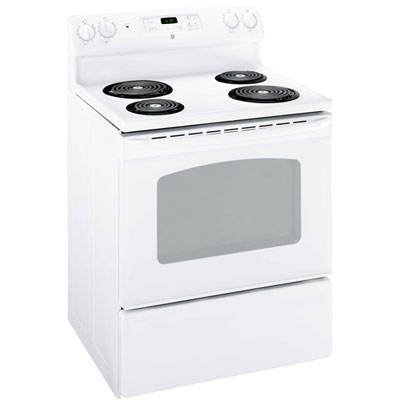 Your price for this item is $849.99
 -
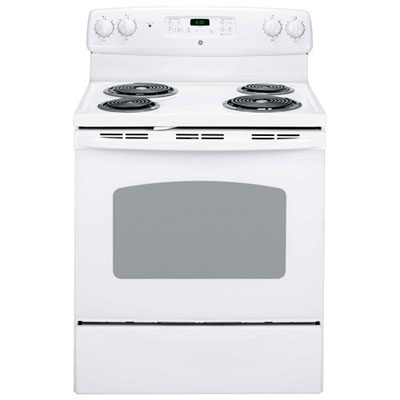 Your price for this item is $899.99
 -
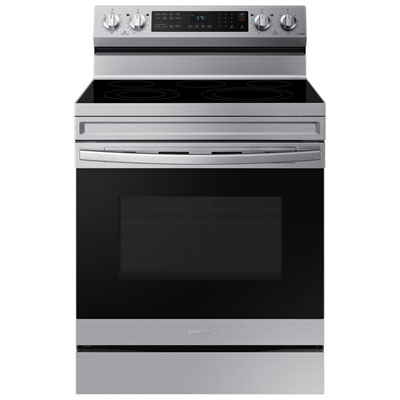 Your price for this item is $1195.99
 -
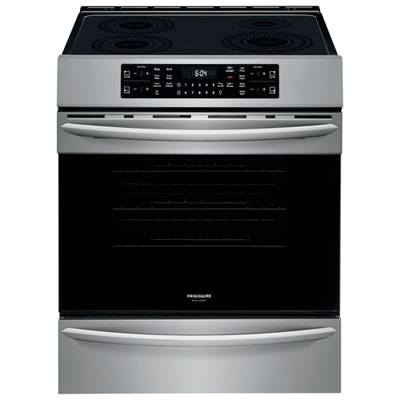 Your price for this item is $1649.97
 -
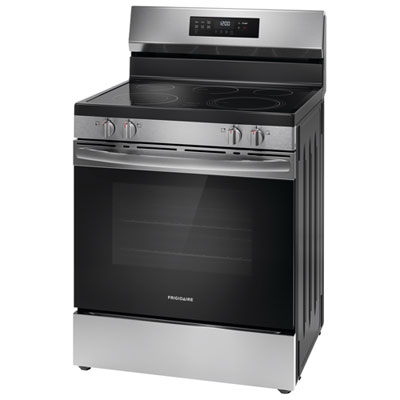 Your price for this item is $999.99
 -
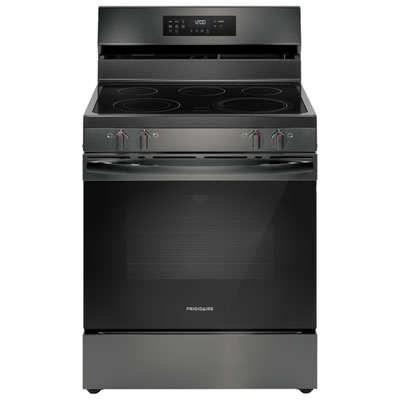 Your price for this item is $1449.99
 -
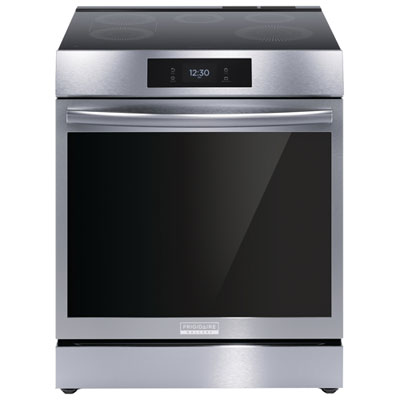 Your price for this item is $1999.99
 -
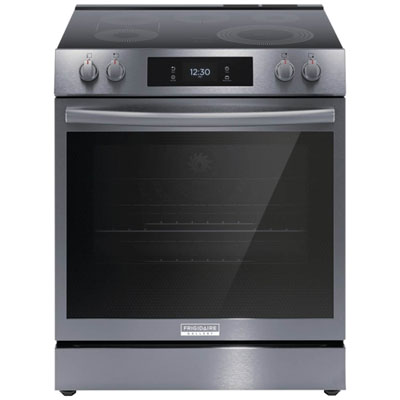 Your price for this item is $2049.99
Discover more categories related to Whirlpool Gold Series Stoves
Top Collections:
Pokemon Centers, Kindle Devices, Best Budget Office Chairs, Apple iPhones 16, Best Laptops for Writers, iPhone 15 Apple, Canon G7X Cameras, Refurbished Apple Laptops, Alarm Clock, Motorola Razr Phones
Some products may be subject to Environmental Handling Fees
(EHF) depending on your province.
Learn more about EHFs.