Whirlpool Gas Cooktops
Upgrade your kitchen with a Whirlpool Gas Cooktop, designed to bring efficiency and style to your cooking space. Whether you're preparing everyday meals or entertaining guests, these cooktops offer reliable performance for all your culinary needs. Explore a range of Whirlpool Gas Cooktop models to find the perfect fit for your home, and enjoy the convenience and control that gas cooking provides. Discover options that complement your kitchen décor while delivering the versatility you need for every recipe.
Sort
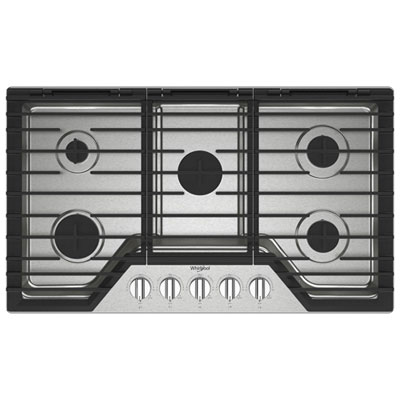
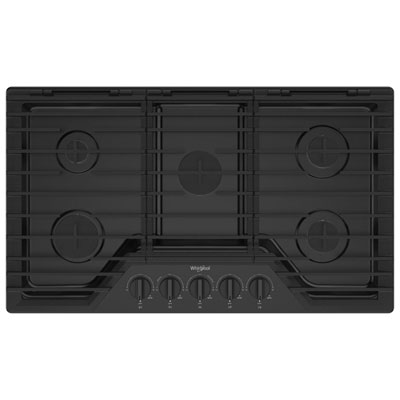
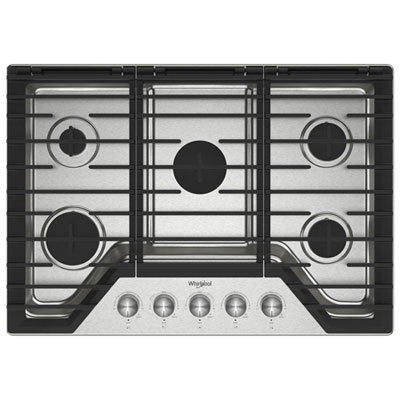
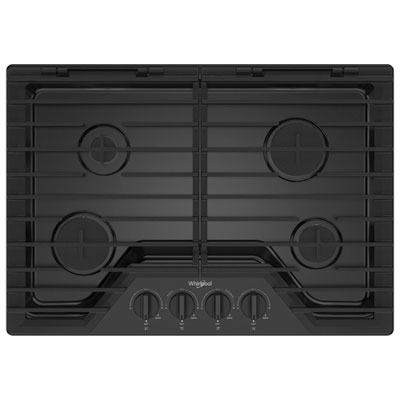
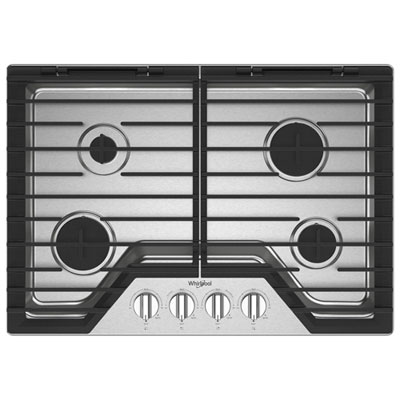
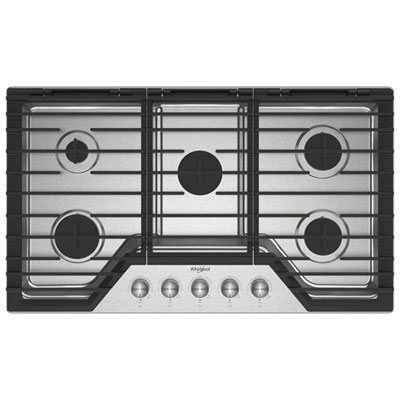
Why burner layout matters as much as heat
Gas cooktops give the cooking surface its own place in the kitchen, separate from the oven and positioned around the way meals come together. That separation can suit a kitchen with a wall oven, a compact cooking area where every section of countertop matters, or a larger workspace designed for more than one person preparing food. A visible flame makes changes in burner output easy to see, whether the task is bringing a pot of pasta water to a boil, sautéing onions, or keeping a sauce at a gentle simmer. The most useful burner arrangement depends as much on the cookware as it does on the number of people at the table. A household that regularly uses a wide frying pan alongside a stockpot will have different needs from someone who usually cooks with a small saucepan and a skillet. Burner spacing, grate design, and the position of the controls all affect how comfortably those pieces fit together. A higher-output burner can be useful for larger pots and tasks that call for stronger heat, while a burner designed for lower output can make delicate cooking more manageable. Heat ratings are worth considering alongside the actual layout: several burners are only helpful when the pots and pans needed for a meal can sit securely without crowding one another. Where continuous grates are part of the design, they can make it easier to reposition heavy cookware across the surface, although pans should still be moved carefully to protect both the grates and their finish. Everyday routines offer a practical way to picture the difference. Preparing breakfast might mean a frying pan on one side and a small pot on the other, while making a family dinner could involve several vessels with handles extending in different directions. A well-suited layout leaves comfortable access to the controls and enough working room around the cooking area for utensils, ingredients, and a heat-safe place to set down a lid.
Fit involves more than choosing a cooktop with the right overall width. The countertop cutout, the depth of the appliance below the surface, and the required clearances around it all need to match the installation requirements. When replacing an existing unit, the opening should be measured rather than assumed to suit another cooktop of a similar nominal size. The usable cabinet space underneath also matters, particularly where drawers, shelves, or a wall oven occupy the same area. An installation above an oven should only be considered when the appliance documentation permits that combination. Countertop materials can introduce their own requirements, so the installation plan should account for the support and clearances specified for the cooking surface. Gas supply is another essential part of the fit. Natural gas and propane are not interchangeable without the appropriate appliance configuration; any conversion must be permitted by the manufacturer and completed with the specified parts by a qualified professional. Installation also needs to account for the required electrical connection, an accessible gas shutoff, and applicable local requirements. Ventilation deserves equal attention, since a suitable range hood or other approved ventilation arrangement helps manage cooking odours, grease, moisture, and combustion by-products. The ventilation equipment and its placement should suit the cooktop and the kitchen rather than simply match the width of the cabinetry. Within that practical framework, appearance helps the appliance feel at home in the room. Stainless steel brings a familiar look that can sit comfortably beside many other kitchen finishes, while darker surfaces can create a more defined contrast against a light countertop. Control placement changes the visual balance, too: front-mounted controls may be easier for some people to reach, while side-mounted controls create a different working layout. Clear markings, a comfortable grip, and enough space to turn each knob without reaching awkwardly around cookware can matter more in daily use than a finish alone. For households where people share cooking duties, these details help make the space feel intuitive without requiring everyone to work in exactly the same way.
Materials and care influence how a gas cooktop looks and functions after the first few meals. Grates need to provide stable support for the cookware used most often, and heavier grate sections should be manageable to lift when the surface underneath needs cleaning. Cast iron is commonly used for its sturdy feel, but its protective finish still benefits from careful handling rather than dropping pans or dragging rough cookware across it. Stainless steel surfaces can show fingerprints, water marks, and fine scratches, so a soft cloth and a cleaner suitable for the finish are usually a better starting point than an abrasive pad. Enamelled surfaces also need gentle treatment, especially around edges where impacts can damage the coating. Cleaning instructions vary by component, and removable parts should only go in the dishwasher when the manufacturer expressly allows it. Once the cooktop has cooled, wiping up splashes before they harden can make routine care less demanding. Burner caps and other removable burner parts should be cleaned, dried, and returned to their correct positions according to the appliance instructions; properly seated components are important for normal ignition and flame performance. Keeping control areas free of grease and avoiding excess liquid around ignition components can also help preserve straightforward everyday operation. Browsing Maytag Gas Cooktops offers another point of comparison for burner arrangements, surface finishes, and cleaning features. Across gas cooktops, lasting satisfaction usually comes from the relationship between these details rather than from any single specification. Someone who cooks elaborate meals may value room for several large pans, while a smaller household may place more importance on an easy-to-clean surface and a useful low-heat burner. For a shared kitchen, readable controls and a layout that accommodates different cooking habits can be especially helpful. The strongest match brings together secure cookware support, an appropriate installation fit, manageable upkeep, and enough flexibility for the meals that are made most often.
Top selling and popular products
-
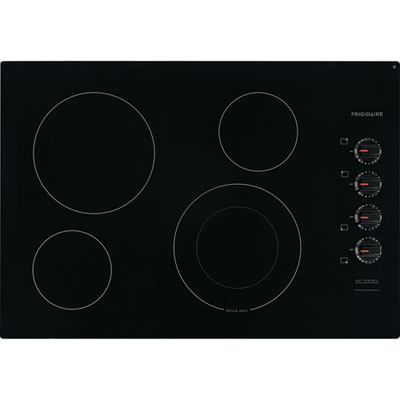 Your price for this item is $699.99
-
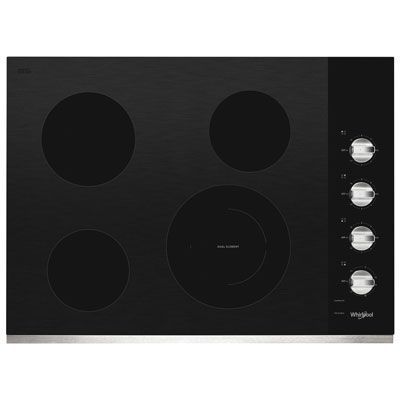 Your price for this item is $949.99
-
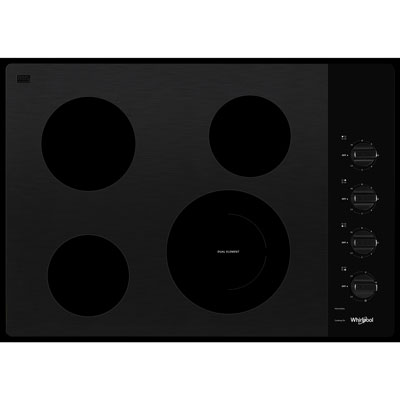 Your price for this item is $899.99
-
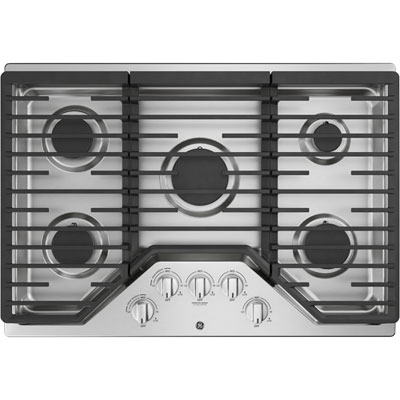 Your price for this item is $1499.99
-
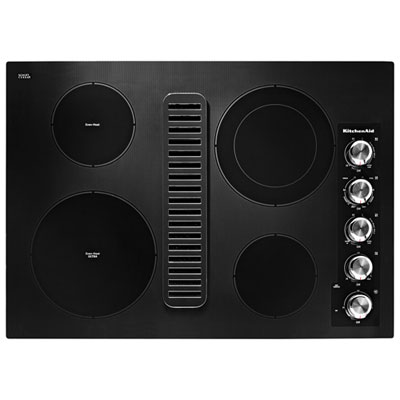 Your price for this item is $3199.99
-
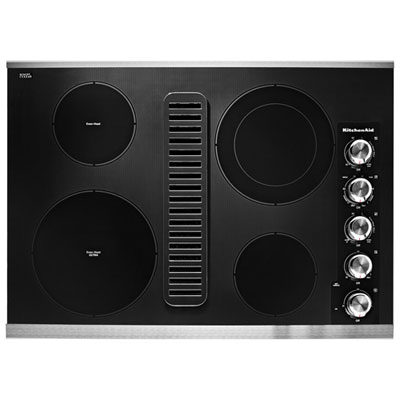 Your price for this item is $3299.99
-
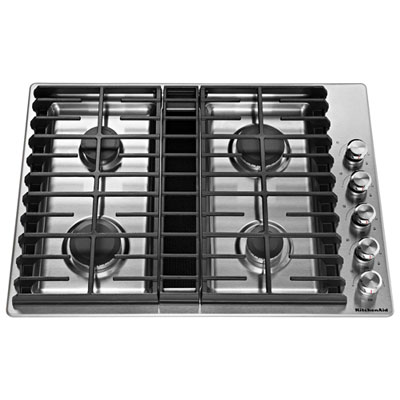 Your price for this item is $3799.99
-
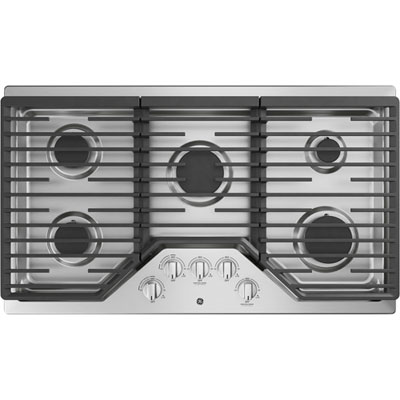 Your price for this item is $1659.99
Discover more categories related to Whirlpool Gas Cooktops

Top Collections:
Best Black Friday Deals This Year, Best Black Friday Deals On Electronics, Kindle Devices, Pokemon Centers, Best Black Friday Deals On Apple Products, Best Cameras for Sports Photography, Dyson Airwrap, Pokémon 30th Celebration Cards, Apple iPhone 17 Pro, Canon G7X Cameras
Some products may be subject to Environmental Handling Fees
(EHF) depending on your province.
Learn more about EHFs.