White Small Room Portable Air Conditioners
White Small Room Portable Air Conditioners offer a convenient solution for keeping compact spaces cool and comfortable. With their sleek white finish, these portable units blend seamlessly into any room décor while providing effective temperature control. Perfect for bedrooms, home offices, or studio apartments, White Small Room Portable Air Conditioners are designed to be easy to move and set up wherever you need them most. Explore a variety of options to find the ideal fit for your cooling needs and enjoy a refreshing indoor environment all season long.
Sort
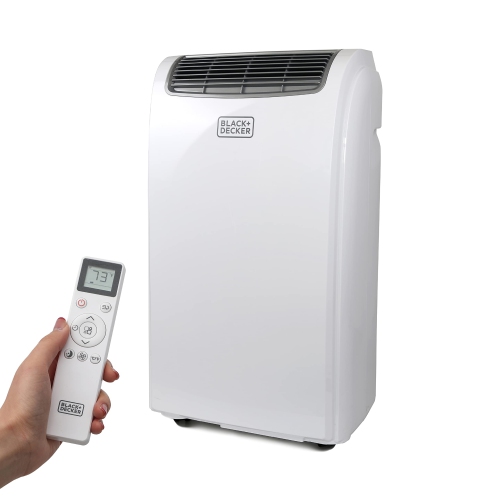
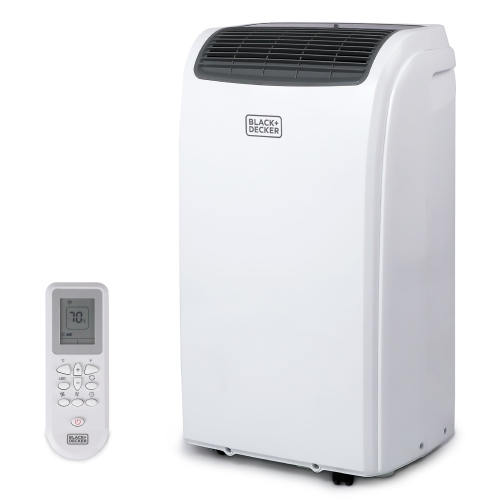
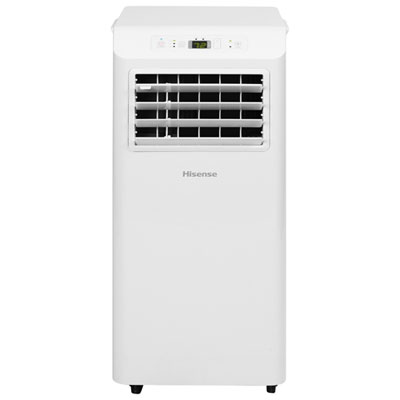
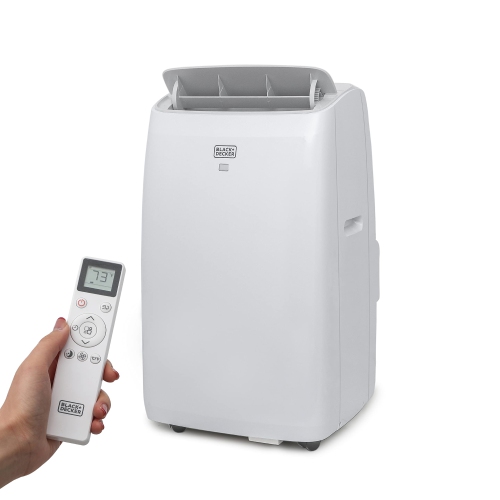


Effective cooling takes more than a compact design
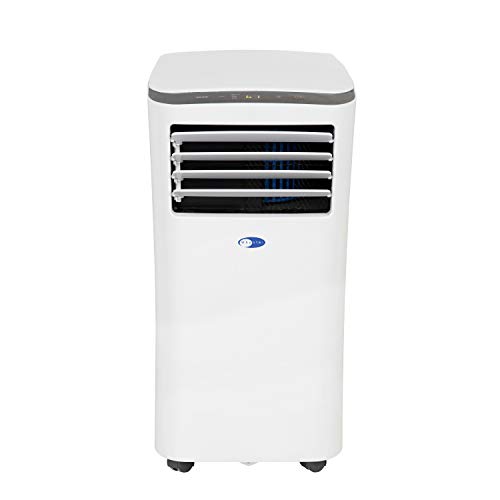
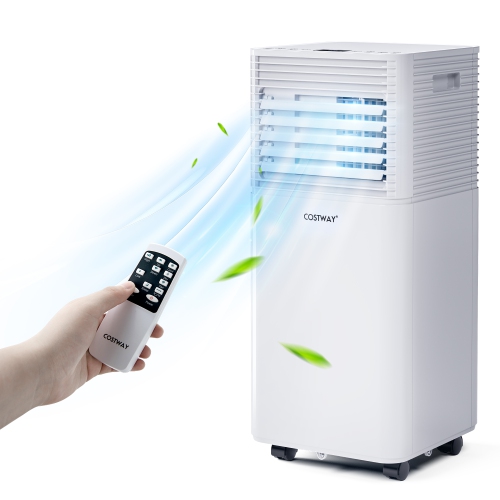
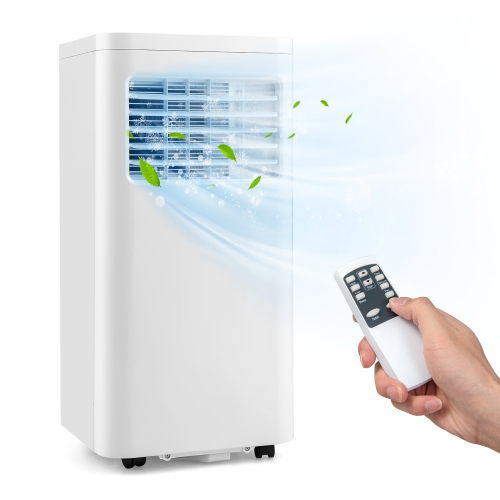
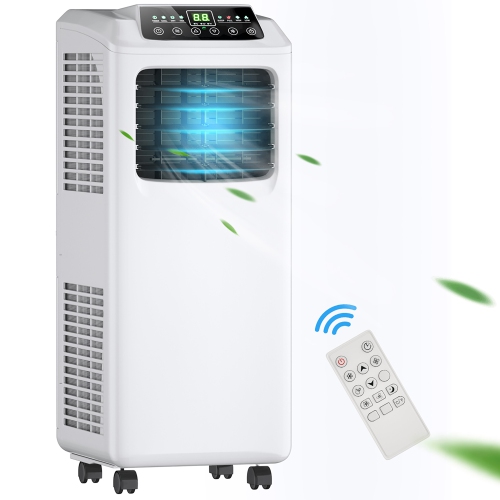
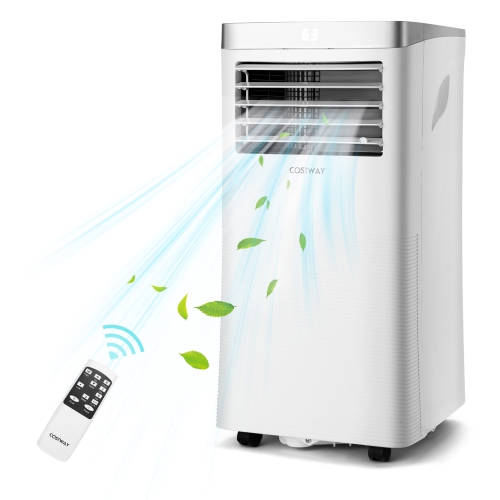
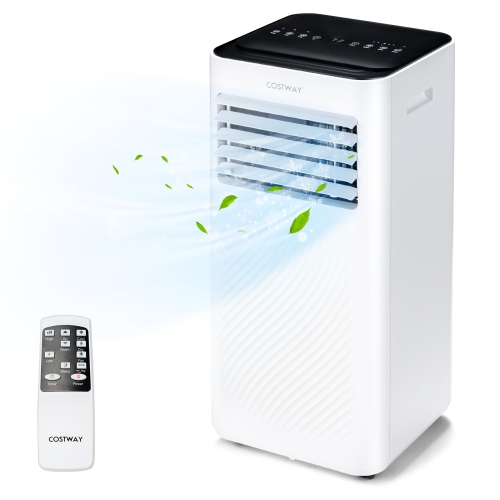
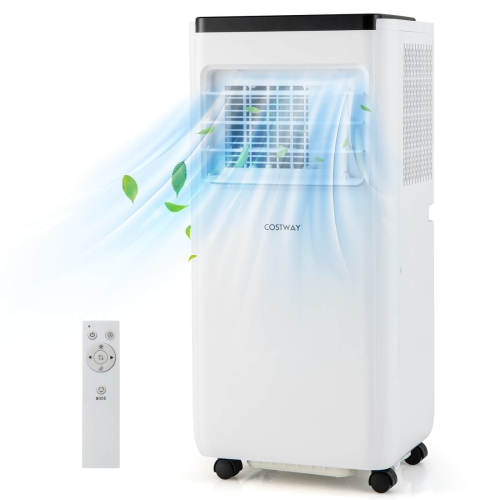
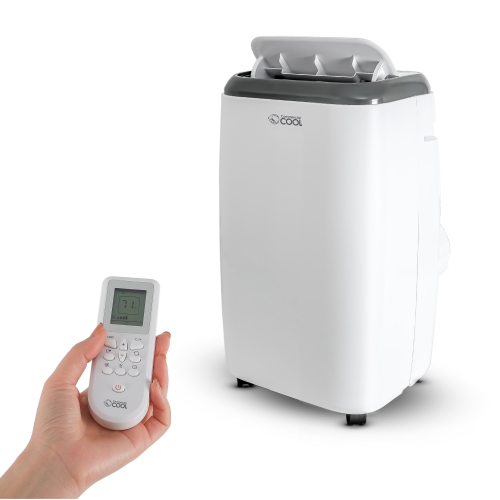
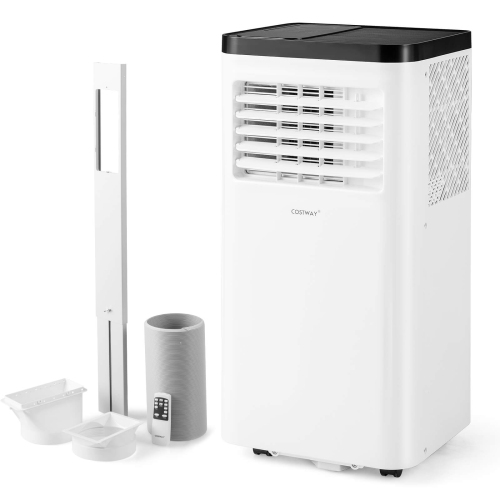
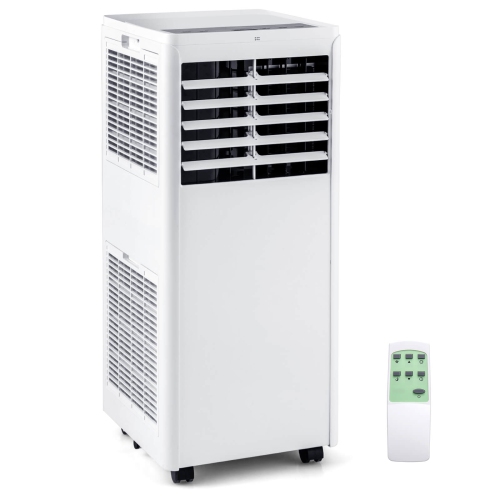
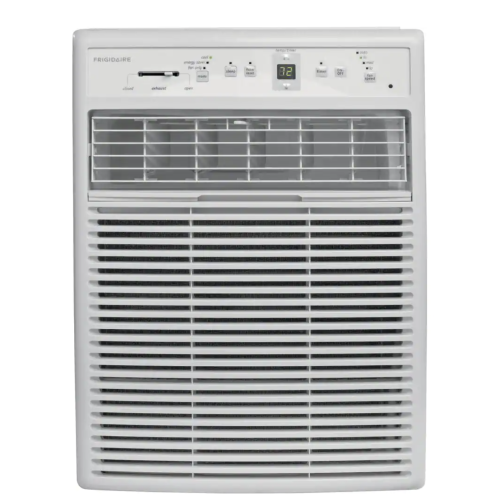
White small room portable air conditioners bring focused cooling to bedrooms, home offices, dorm rooms, and compact living areas without the permanent installation of a built-in system. Their freestanding design suits spaces where comfort needs to be concentrated in one room rather than spread across an entire home. A bedroom that holds heat after sunset, an office with a computer running throughout the day, or a small apartment living area with strong afternoon sun can each have different cooling demands. Portable air conditioners remove heat from indoor air and exhaust it outdoors through a hose, while many also offer fan and dehumidifying modes for additional flexibility. Unlike a simple fan, they can lower room temperature; unlike an evaporative cooler, they do not rely on adding moisture to the air. A white finish pairs easily with light-coloured walls, pale wood furniture, and simple bedroom furnishings, helping a practical appliance feel less visually prominent. Housings commonly combine moulded plastic exterior panels with internal metal components, while the shape, handle placement, and caster design influence how comfortably a unit fits into everyday life. Compact does not necessarily mean lightweight, and a narrow footprint still needs enough surrounding space for airflow and hose routing. Within the broader range of Portable Air Conditioners for Small Rooms, white finishes offer a straightforward way to coordinate cooling equipment with an existing room. Physical size and cooling capacity are separate considerations: a unit needs to suit both the floor space it occupies and the room it is expected to cool. Published room-size recommendations provide a starting point, but ceiling height, direct sunlight, insulation, and heat from electronics can affect performance. Keeping the cooled space reasonably enclosed also matters. A portable air conditioner serving a small bedroom will generally have a more manageable task with the door closed than with an open doorway leading into a hallway and several adjoining rooms. The most suitable fit balances these practical details with the amount of unobstructed floor space beside a usable window.
Installation details make a noticeable difference to how a portable air conditioner works in a small room. Most residential designs need a compatible window opening and an exhaust kit that directs hot air outside. The hose is part of the cooling setup, not an optional accessory, so a placement that looks tidy beside a bookcase may not be workable if the window is too far away. A short, direct hose route within the manufacturer’s stated limits helps avoid unnecessary restrictions, and a properly fitted window panel reduces gaps where outdoor air can enter. Sliding and vertically opening windows may work with adjustable kits, while casement windows can require a different arrangement. Window dimensions, insect screens, security needs, and building rules can all affect suitability, particularly in rental apartments and student residences. Single-hose designs exhaust indoor air, which can draw replacement air into the room through nearby gaps; dual-hose designs use a separate intake path for the condenser side, reducing that effect. Neither layout removes the need for correct installation. Cooling ratings also deserve context because the same appliance may display different BTU figures under different test methods. Where both are provided, the seasonally adjusted cooling capacity, often labelled SACC or DOE, offers a more realistic basis for comparing portable units than comparing unlike rating systems. In a small room, more capacity is not automatically better: an oversized unit can cycle frequently and may not manage humidity as evenly as a well-matched one. Electrical requirements are equally important. Portable air conditioners should use the grounded outlet and circuit arrangement specified by the manufacturer, without an extension cord or power bar. Drainage varies by design and operating mode; some units evaporate much of the collected moisture during cooling, but humid conditions or dehumidifying operation may still require draining or a continuous drain connection. Access to the plug, controls, filter, and drainage point helps keep everyday operation manageable without repeatedly moving furniture or stretching cables across a walkway. Casters are useful for repositioning on a level floor, although thresholds, thick rugs, and stairs can make moving a unit more difficult.
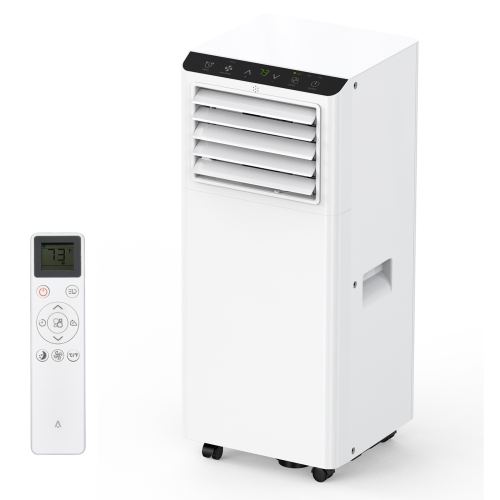
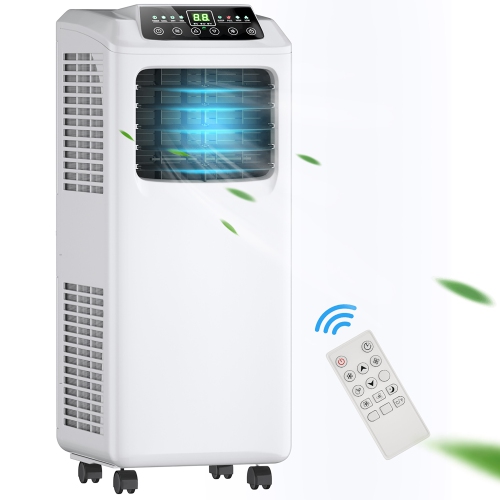
Everyday comfort depends on more than how quickly the room feels cooler. Because the compressor and fan remain indoors, portable air conditioners produce operating sound that is especially noticeable beside a bed or during a quiet video call. Published sound ratings, available fan speeds, and the way a sleep mode operates are useful distinctions for bedrooms and shared spaces; sleep mode may adjust temperature or fan behaviour rather than eliminate compressor noise. Adjustable louvers help direct airflow away from a pillow, paperwork, or a frequently used chair, while a thermostat and timer can support a more consistent routine. A remote control is convenient when the unit sits across the room, and Wi-Fi controls, where included, can make adjustments easier without approaching the appliance. Clear controls and an easy-to-read display also matter when several people use the same space. Care is generally centred on maintaining airflow and keeping moisture under control. Removable filters collect dust and need cleaning at the intervals described in the manual, with washable parts dried fully before being reinstalled. Exterior panels usually need only a soft cloth and suitable mild cleaning products; abrasive pads and harsh cleaners can mark the white finish or damage the surface. Dust around intake grilles, a kinked hose, or blocked clearance can interfere with normal operation even when the appliance itself is otherwise well maintained. Durable everyday use also means treating handles, casters, window fittings, and hose connections as working components rather than lifting or pulling points beyond their intended purpose. Before longer storage, draining and drying the unit as directed helps prevent lingering moisture and odours. Keeping the window kit, fittings, and remote together makes later setup simpler. For a compact room, these details support the appeal of a white portable air conditioner: targeted cooling, a finish that fits easily into the space, and features suited to the way the room is actually used.
Top selling and popular products
-
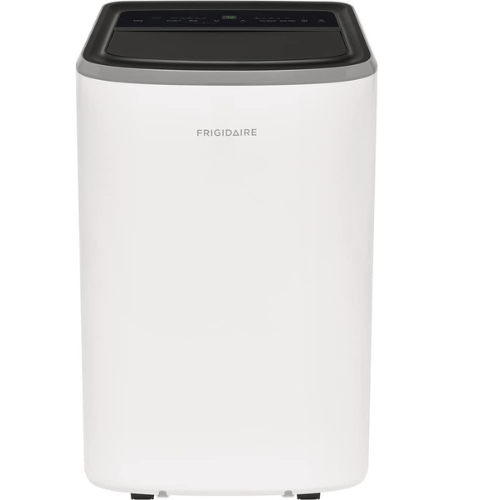 Your price for this item is $860
-
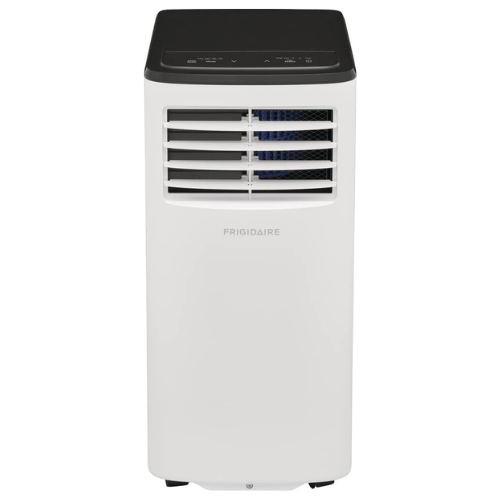 Your price for this item is $599
-
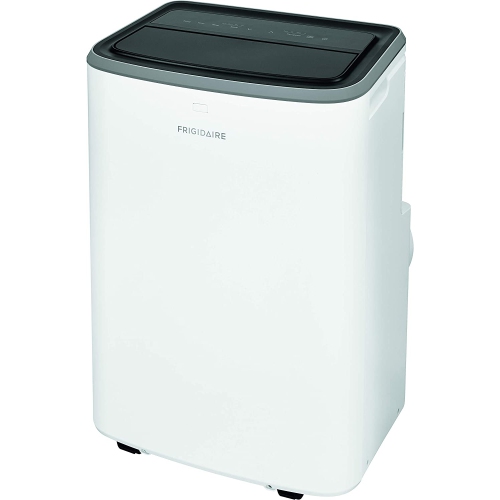 Your price for this item is $1000
-
 Your price for this item is $999
-
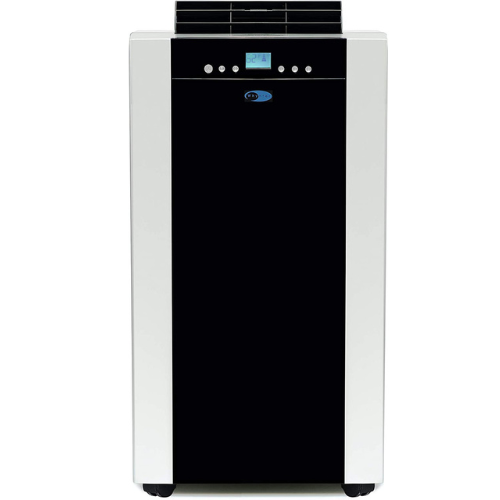 Your price for this item is $1089
-
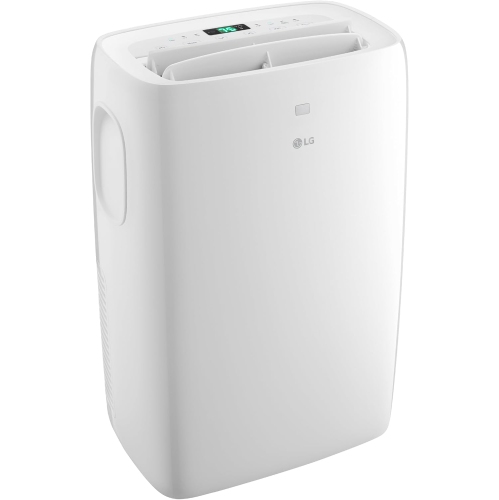 Your price for this item is $839.68
-
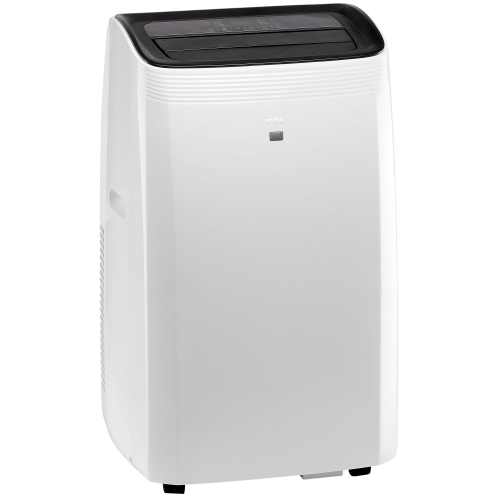 Your price for this item is $549.99
-
 Your price for this item is $519.99
Discover more categories related to White Small Room Portable Air Conditioners
Top Collections:
Best Black Friday Deals This Year, Best Black Friday Deals On Electronics, Kindle Devices, Pokemon Centers, Best Black Friday Deals On Apple Products, Best Cameras for Sports Photography, Dyson Airwrap, Pokémon 30th Celebration Cards, Apple iPhone 17 Pro, Canon G7X Cameras
Some products may be subject to Environmental Handling Fees
(EHF) depending on your province.
Learn more about EHFs.