Wind Tower Fans
Wind Tower Fans offer a sleek and efficient way to keep your space feeling comfortable throughout the year. Perfect for bedrooms, living rooms, offices, and more, these fans are designed to blend seamlessly with modern décor while providing reliable airflow. Explore a wide selection of Wind Tower Fans to find the ideal option that fits your cooling needs and complements your home or workspace. Discover models with various sizes and features to help create a refreshing environment in any room.
Sort
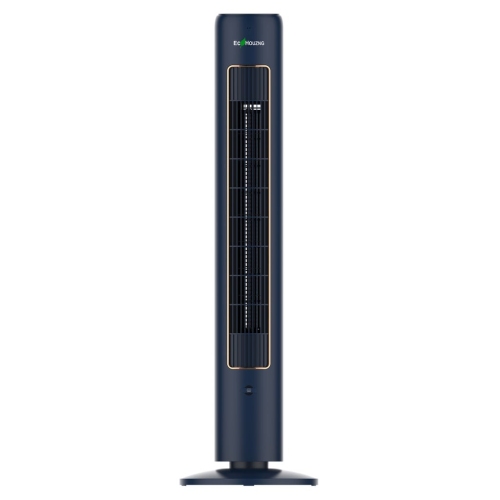
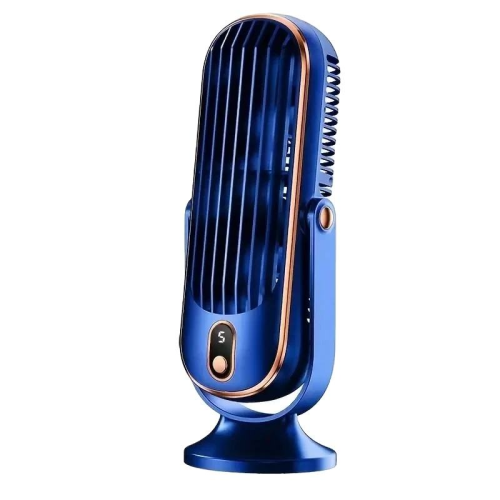
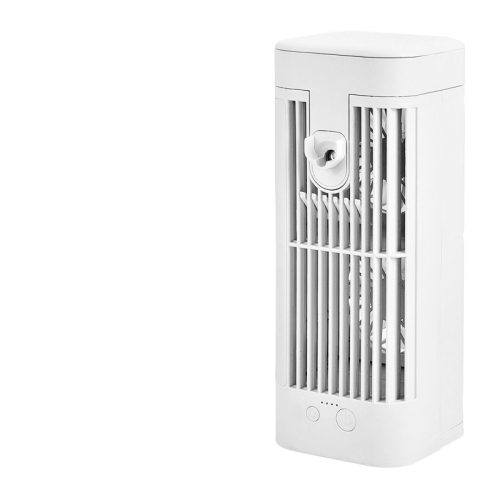
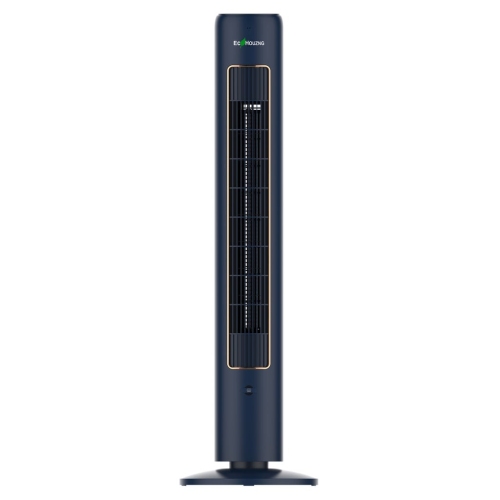
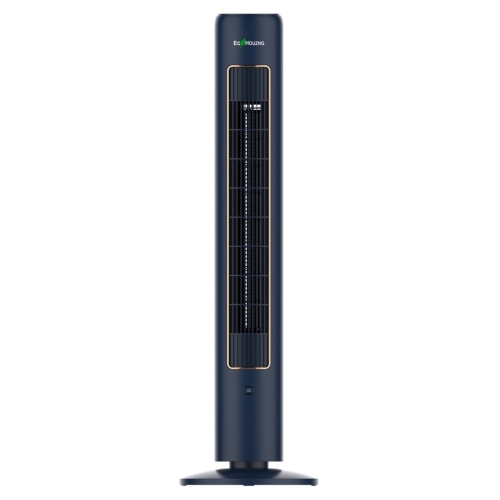
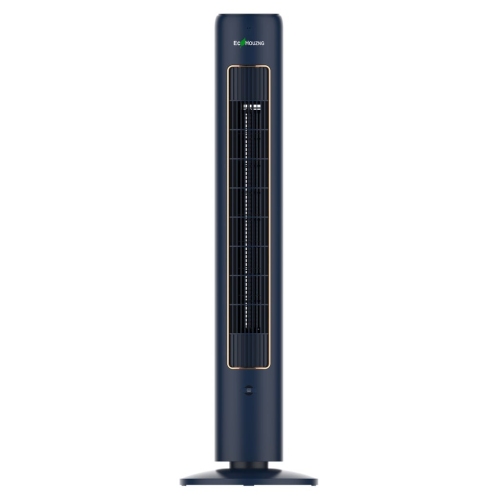
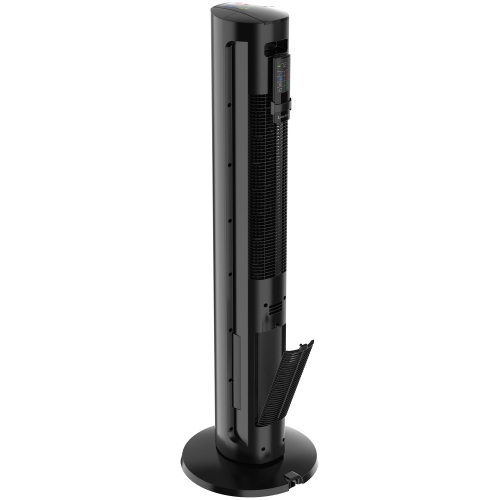
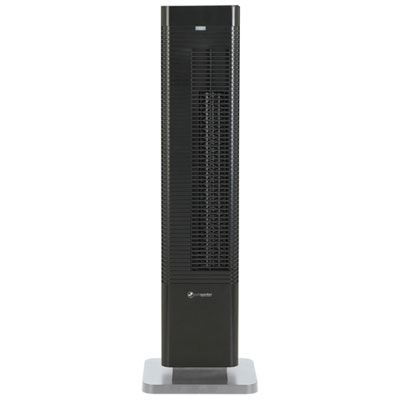
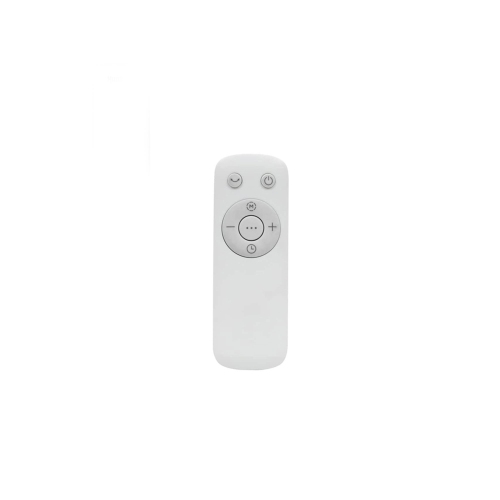
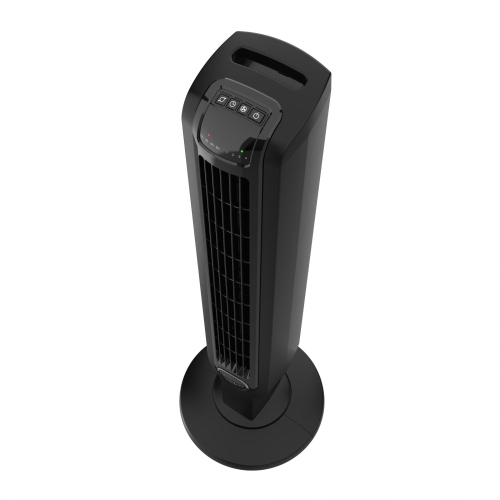
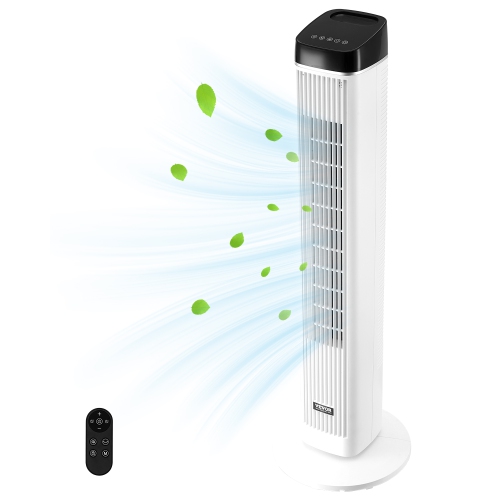
How fan placement shapes the breeze you feel
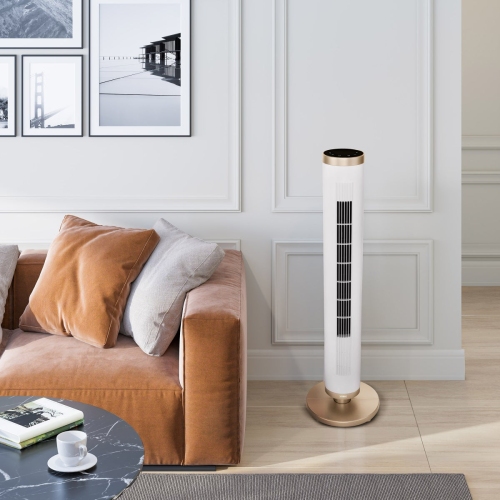
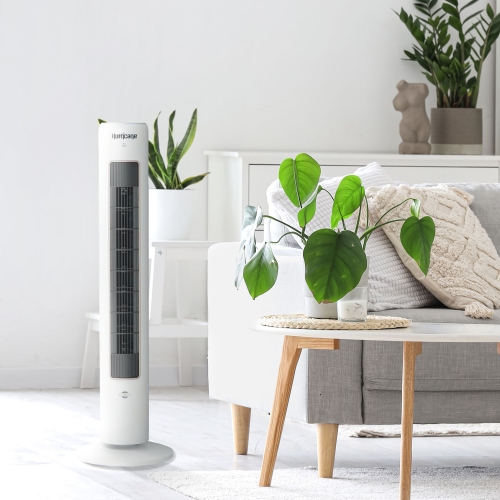
Wind tower fans, often called tower fans, circulate indoor air from a tall, narrow housing. Their slim shape suits bedrooms, home offices and living rooms where floor space is limited, and many run quietly at lower speeds. A tower fan stands on the floor, leaving the desktop or bedside table clear, and its long front grille typically delivers air over a taller area than a compact desktop fan. That shape can be handy beside a reading chair, near the end of a sofa or at the open side of a desk. The width of the housing only tells part of the story, though. The base may be wider than the tower itself, and its full depth matters in a narrow gap between furniture and a wall. There should also be enough room for air to reach the intake and leave the front grille without being blocked. A fan tucked behind an armchair might fit neatly but send most of its airflow into the upholstery. Moving it just past the arm of the chair gives the air a clearer path to the person sitting there. Height matters in much the same way: a taller outlet may clear the edge of a high bed, while a more compact tower may line up well with a low sofa. The useful measurement is the height of the air outlet, not necessarily the height of the whole unit. Placement also affects how much a fan needs to do. At the side of a desk, a gentle breeze can be enough without rustling papers or blowing directly at someone’s face. Across a wider room, the same setting may barely reach the seating area. A tower fan moves the air already in the room rather than chilling it, so its main benefit is how the breeze feels where people sit, work or sleep.
A fixed airflow direction works well when one spot needs a steady breeze, while oscillation sweeps the air from side to side to reach a wider area. The Oscillating Tower Fans collection includes designs with that side-to-side movement, which can be useful when two people share a work surface or when seating spans a sofa and an armchair. A wider sweep covers more of the room, but it also means the breeze passes over each seat rather than staying on it. Where a fan is pointed matters as much as how far it turns, especially if part of the sweep lands on a wall or sends air into an empty hallway. For a bedroom or a quiet office, low-speed sound is often more noticeable day to day than how forcefully the fan blows at its highest setting. The sound may include both the rush of air through the grille and a low motor hum, and oscillation can add a slight mechanical sound. A fan that blends into the background during a busy afternoon may be easier to hear beside a bed or during a call. A firm, level floor helps keep the base steady and can reduce vibration. Controls make a difference in those rooms, too. A remote is convenient when the fan sits across the room, while buttons that are easy to identify by touch are handy when the lights are off. A timer can stop the airflow after someone has fallen asleep or finished working, and a dimmable display keeps the controls from becoming a bright point in a dark room. These features are not universal, and mode names do not always mean the same thing. A mode that varies the speed can feel more like an intermittent breeze, but someone who prefers a consistent sound may be more comfortable with a fixed low setting.
Most tower fans have a moulded plastic housing, and some incorporate metal in the grille or base. A lighter housing makes a fan easier to carry from a bedroom to a shared living area, while a broad, well-balanced base is useful in a room with regular foot traffic. For a fan that will move often, an integrated handle provides a more secure grip than lifting it by the grille, and a cord that reaches the outlet without crossing a walkway gives it more practical places to stand. The overall fit of the housing and base matters for regular use: panels that sit snugly and a base that rests flat are less likely to rattle during operation. Dust tends to collect along the narrow grille slots and at the intake, especially when a fan sits close to the floor in a home with pets. Unplugging the fan before wiping the housing and using a soft brush or vacuum attachment on the exposed vents, if the care instructions permit it, can help keep those openings clear. Cleaning access varies, so a grille that looks straightforward from the outside may not be designed for removal. A dry cloth is usually enough for the exterior, and water should be kept away from the vents and controls. In a multipurpose room, a compact fan may be easy to park out of the way between uses, provided there is a safe place for the cord and the unit can stand upright. A tower fan can also make a practical housewarming gift for someone setting up a first apartment, furnishing a home office or sharing a small living space. A simple model with clear controls may be more useful for someone who wants to set the speed and leave it alone, while a remote or timer may matter more to someone placing the fan across a bedroom. The most useful fit comes down to where the fan will stand, where the breeze needs to reach and how the room is used from day to day.
Top selling and popular products
-
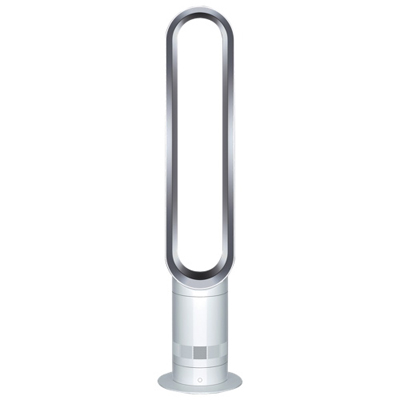 Your price for this item is $499.99
-
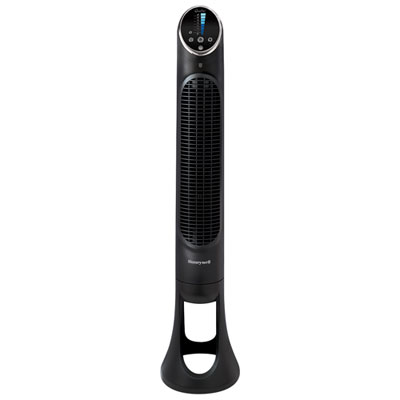 Your price for this item is $109.98
-
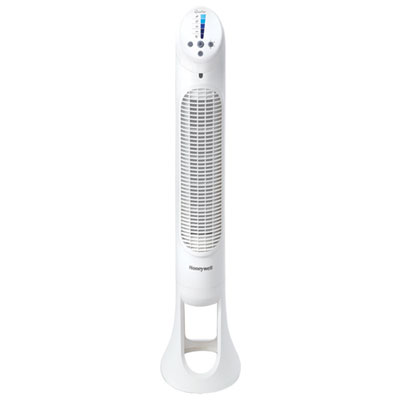 Your price for this item is $99.99
-
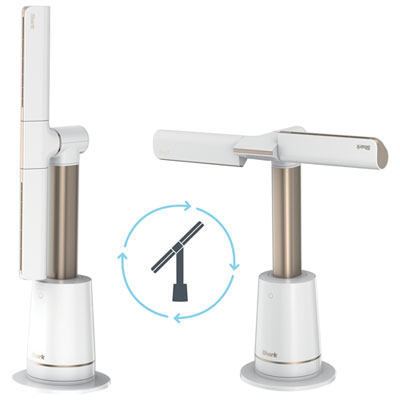 Your price for this item is $349.99
-
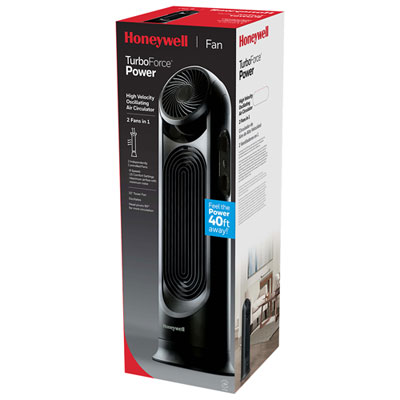 Your price for this item is $149.99
-
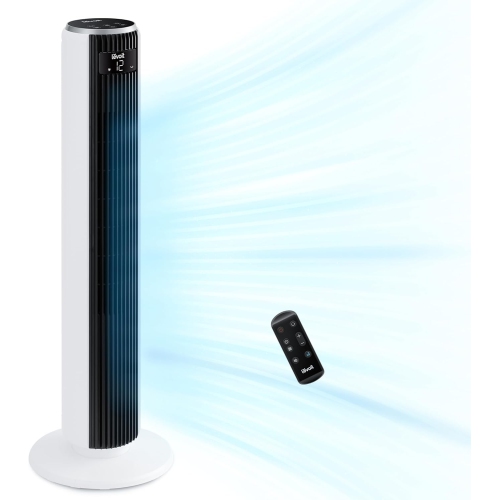 Your price for this item is $179
-
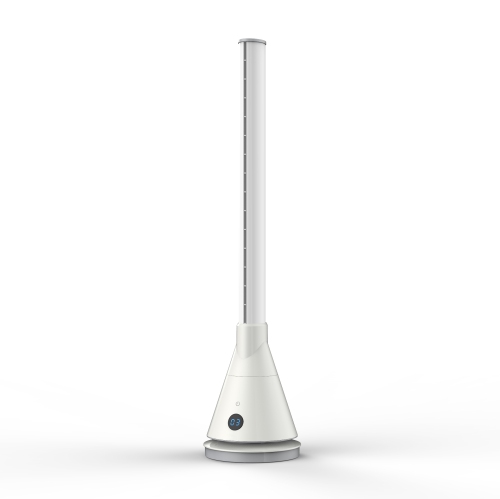 Your price for this item is $289.99
-
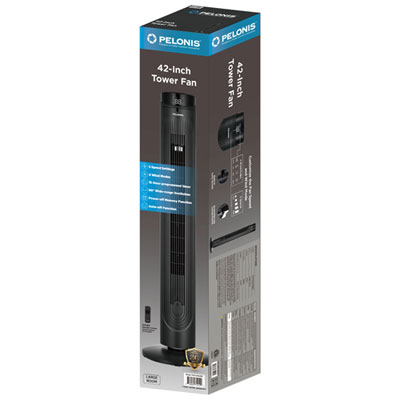 Your price for this item is $119.99
Discover more categories related to Wind Tower Fans
Top Collections:
Best Black Friday Deals This Year, Best Black Friday Deals On Electronics, Kindle Devices, Pokemon Centers, Best Black Friday Deals On Apple Products, Best Cameras for Sports Photography, Dyson Airwrap, Pokémon 30th Celebration Cards, Apple iPhone 17 Pro, Canon G7X Cameras
Some products may be subject to Environmental Handling Fees
(EHF) depending on your province.
Learn more about EHFs.