Yogurt Makers
Transform your kitchen into a hub of healthy delight with a yogurt maker, the perfect addition for those who love crafting their own creamy, delicious yogurt at home. Embrace the joy of creating personalized flavors and textures while knowing exactly what goes into your favorite snack. Whether you're a seasoned chef or a culinary beginner, these intuitive appliances make it easy to whip up batches of fresh yogurt tailored to your taste. Explore our selection of yogurt makers and discover how simple it is to enjoy this nutritious treat anytime you desire.
Sort


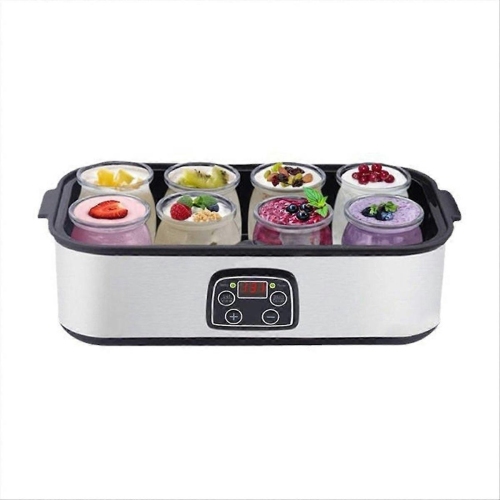
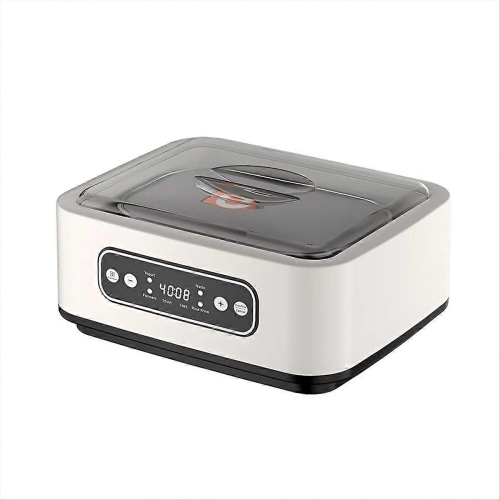


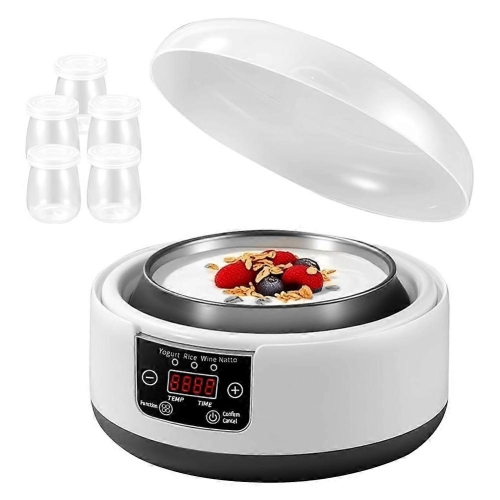

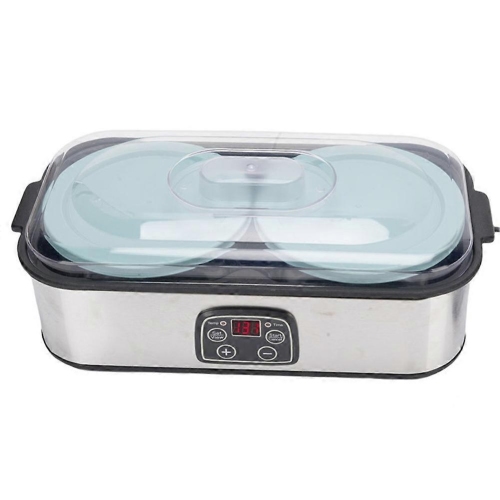








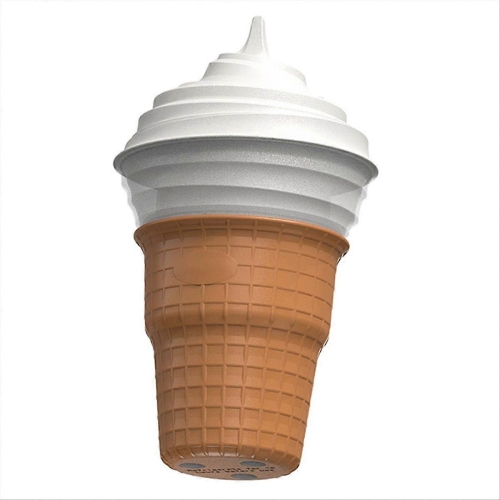
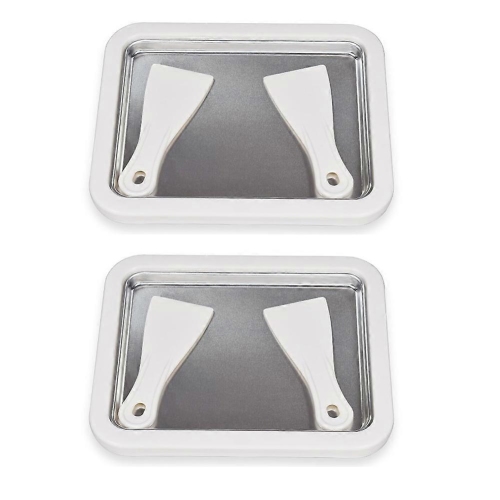
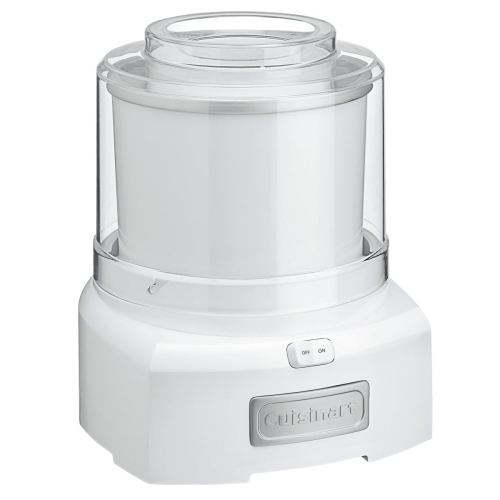



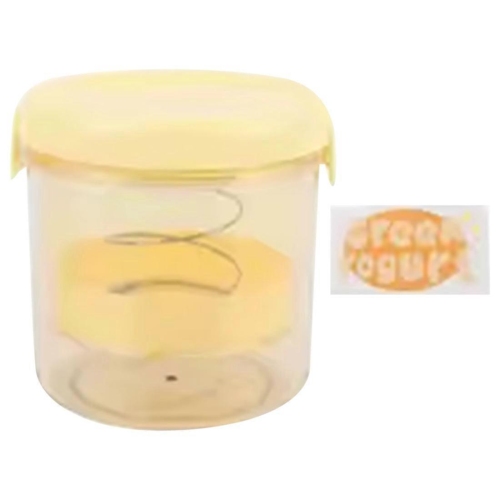
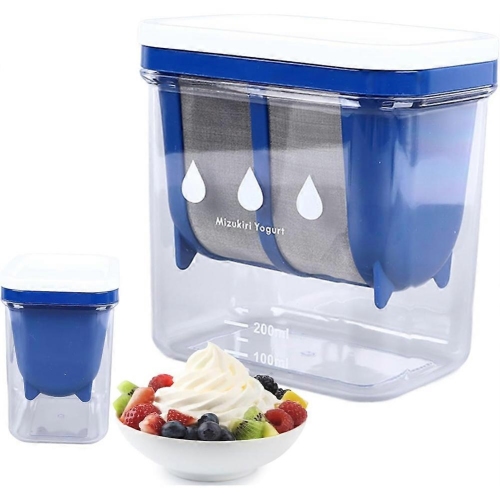


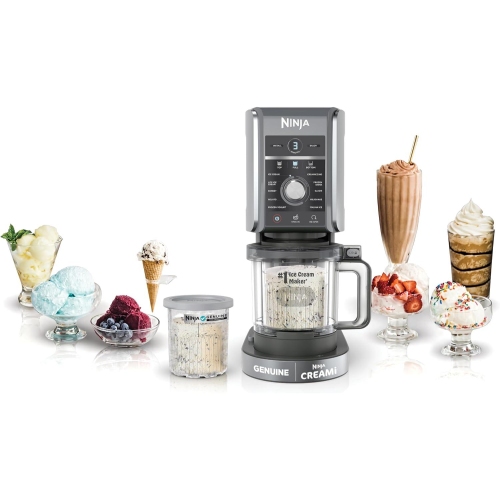
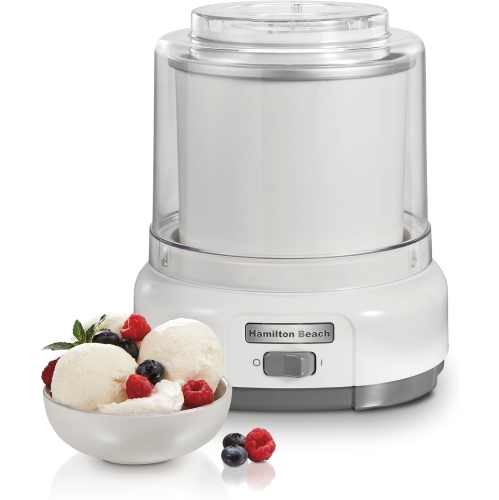
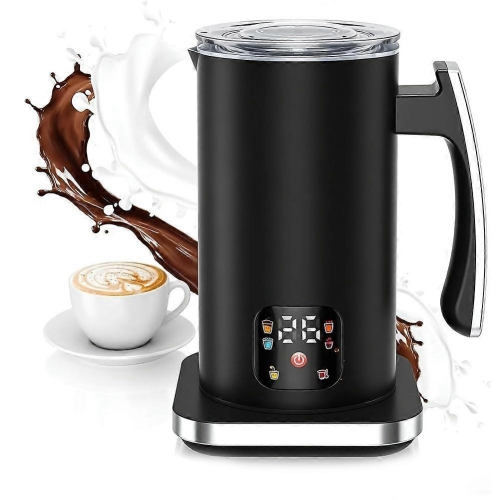

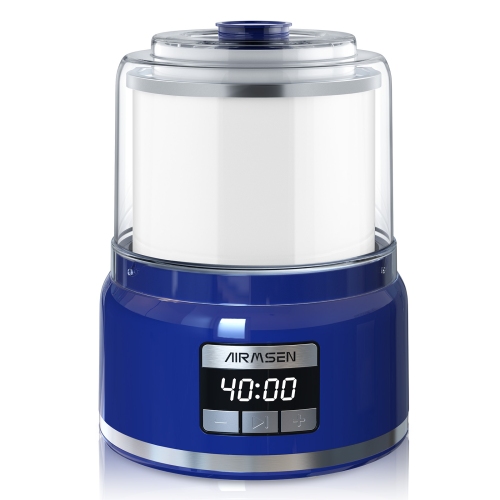
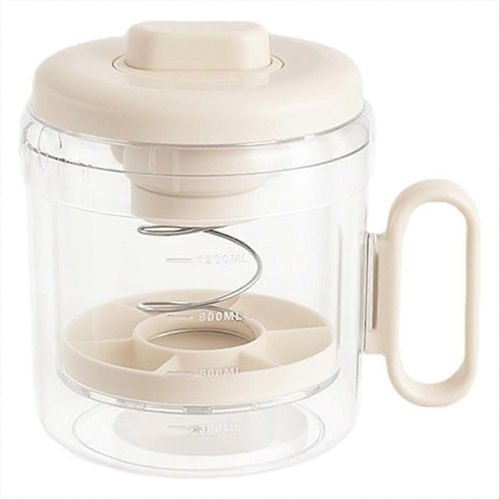
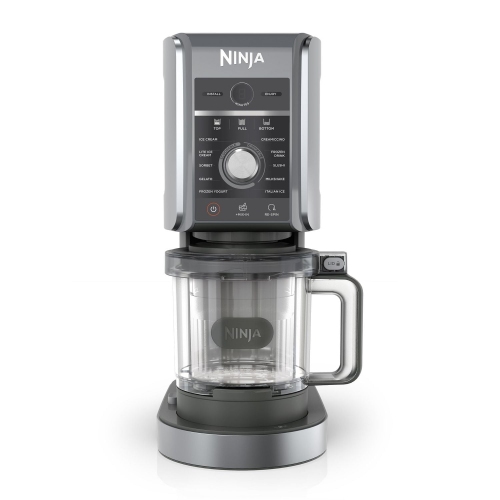

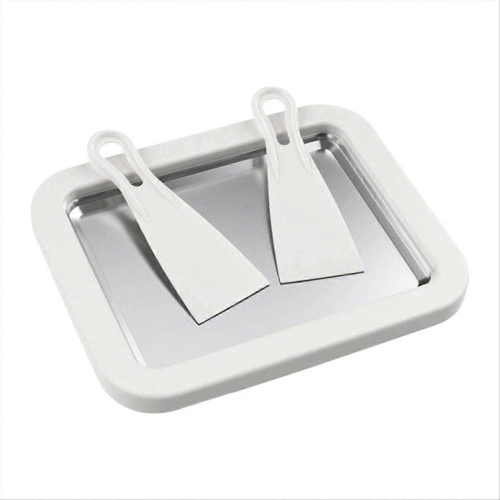

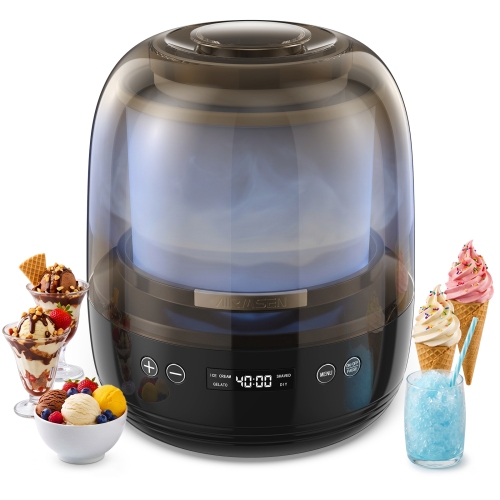
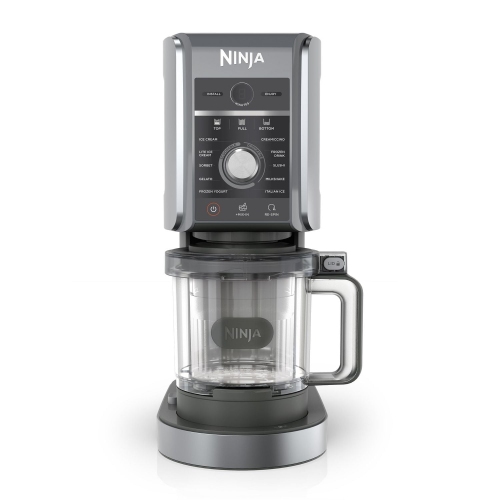


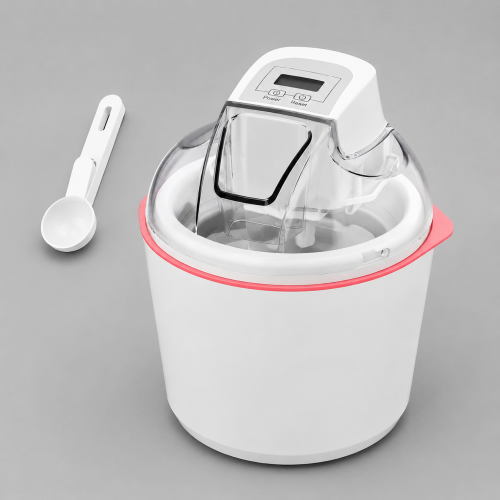
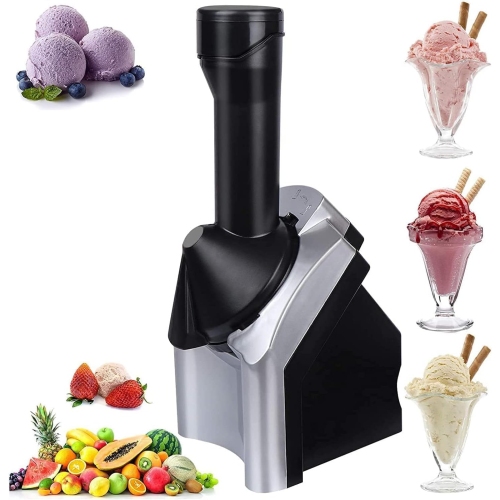
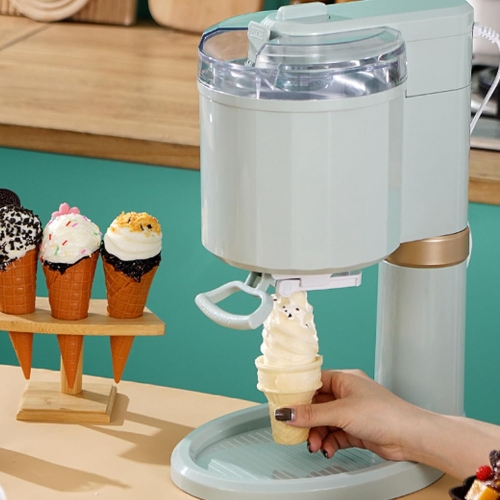
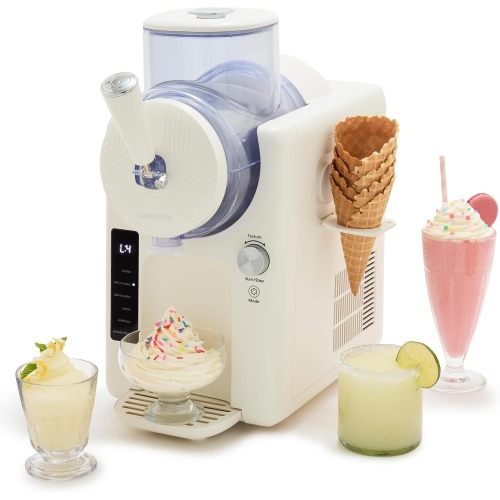


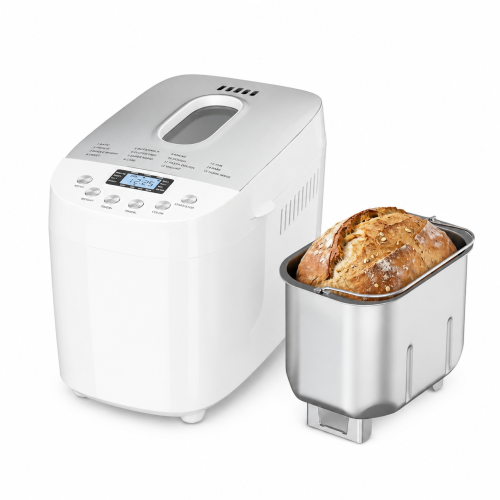








How steady warmth turns milk into homemade yogurt
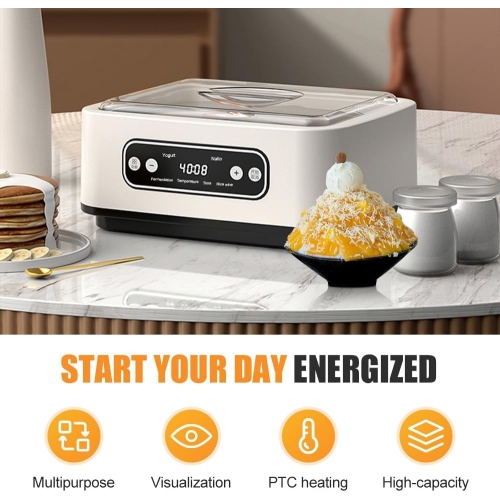
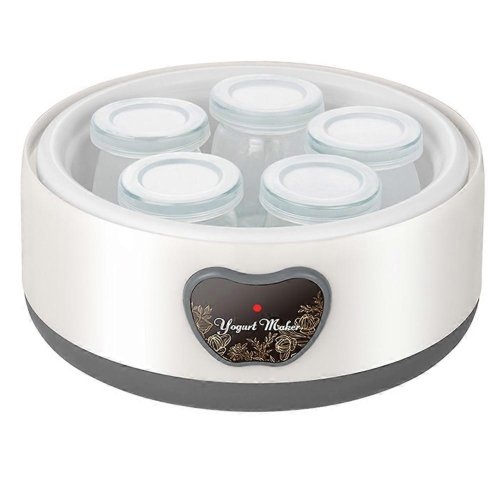
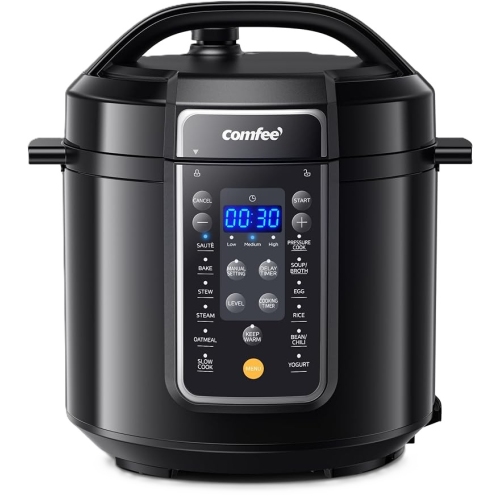
Yogurt makers are kitchen appliances or insulated containers designed to hold milk and starter cultures at a steady, warm temperature while they ferment into yogurt. An electric yogurt maker supplies controlled heat, while a non-electric version relies on insulation and carefully prepared ingredients to retain warmth. Both approaches create a dedicated space for fermentation, but their preparation steps and level of temperature control differ. For many traditional yogurt cultures, incubation takes place at approximately 41°C to 46°C over several hours; the correct temperature and timing depend on the starter, recipe, and appliance instructions. Consistent warmth helps cultures turn milk sugars into lactic acid, giving yogurt its familiar tang and helping it set. The finished batch then needs refrigeration to cool and firm up before serving. For households that regularly spoon yogurt over granola, blend it into smoothies, or serve it alongside savoury dishes, a dedicated maker can make batch preparation part of a familiar kitchen routine. Making yogurt at home also gives the cook control over the milk, starter, sweeteners, and flavourings used, whether the goal is a simple plain yogurt or individual portions finished with fruit. Results vary with the ingredients: whole milk generally produces a richer texture, while lower-fat milk can yield a lighter consistency. Plant-based yogurt requires a suitable starter and a recipe developed for the chosen base, and may need a thickener to achieve a spoonable result. Not every machine or dairy recipe is suitable for that purpose. A yogurt maker primarily manages incubation rather than every stage of preparation. Depending on the method, milk may need to be heated separately and cooled before the starter is added. Understanding that distinction helps match the appliance to the way someone actually cooks, from a patient weekend batch-maker to a household fitting food preparation around packed lunches and busy mornings. It also sets realistic expectations: yogurt making involves a short period of hands-on preparation followed by a longer, mostly undisturbed wait.
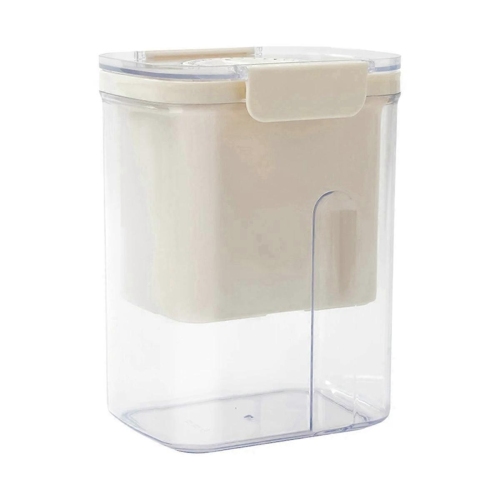
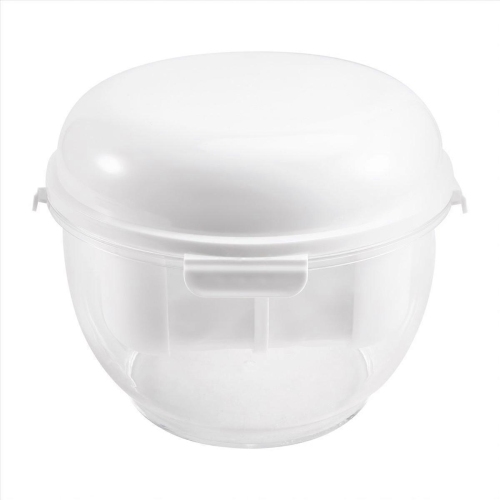
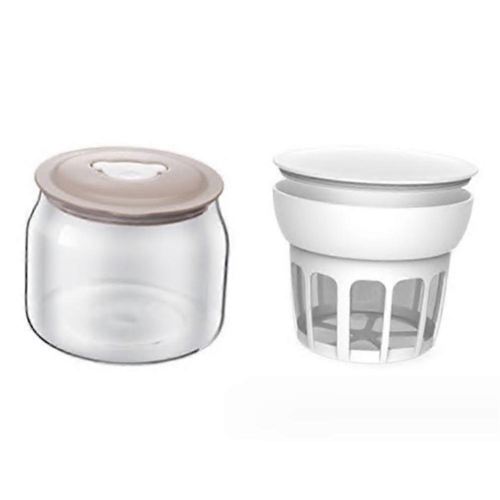
Capacity and container design make a noticeable difference to everyday use. Yogurt makers with individual jars suit households that prefer ready-portioned breakfasts or snacks, especially when different people like different toppings. Small containers can move from the maker to the fridge after incubation, leaving portions ready for a spoonful of berry compote or a scattering of toasted oats at serving time. A single large container is useful for anyone who prefers to scoop out servings as needed, strain yogurt for a thicker texture, or use it in marinades, dips, and baking. Total batch capacity matters, but so does the size of each jar and how comfortably the containers fit on refrigerator shelves. Counter space deserves the same attention: the base needs a stable surface, room for safe operation as specified by the manufacturer, and enough clearance to remove the lid without bumping an overhead cabinet. Glass jars offer a smooth surface that is easy to inspect for residue and generally resists lingering food odours, although they need careful handling to avoid chips and cracks. Plastic containers are lighter, but their suitability for heat and dishwashers should be checked in the care instructions. Stainless steel containers offer another durable option, with cleaning requirements that depend on their construction and finish. Secure lids are useful for refrigerated storage, though a storage lid should not be assumed to be leakproof for travel. Among electric machines, adjustable temperature settings can accommodate different compatible cultures, while a timer or clear display makes it easier to track a batch. A fixed-temperature design may be enough for someone who plans to repeat one familiar recipe. Automatic shut-off can end heating, but it does not necessarily chill the yogurt; unless the appliance expressly includes cooling, the batch still needs to be refrigerated promptly after incubation. Straightforward controls, accessible container openings, and manageable parts often matter more in daily use than a long list of settings, particularly when the maker will be used several times a week.
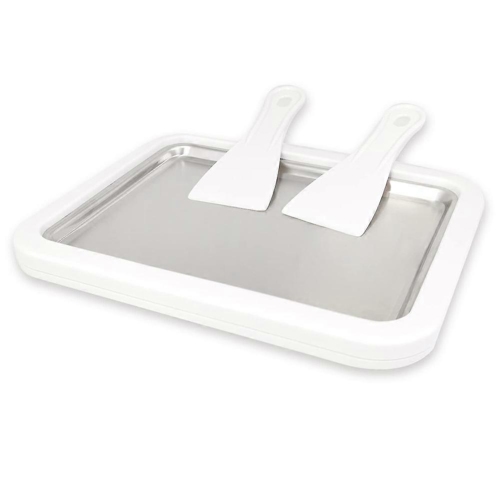
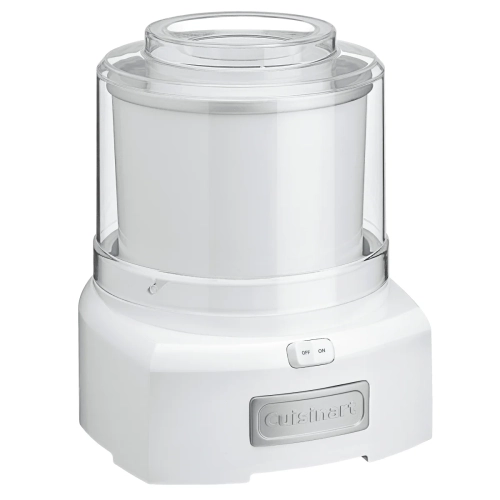
Texture, care, and intended use are worth considering together because a dependable yogurt-making routine extends beyond the appliance itself. A maker does not automatically produce Greek-style yogurt simply by running longer; that thick, concentrated texture is commonly achieved by straining finished yogurt to remove some of the whey. Straining also reduces the final volume, so a household that wants several generous servings may need more batch capacity than expected. Longer fermentation can increase tartness, but it is not a universal solution for thin yogurt, and timing should stay within the chosen recipe and starter instructions. Milk composition, starter condition, preparation temperature, and chilling all affect the result. A little separated whey is normal and can often be stirred back in for a looser consistency. For a thicker breakfast bowl, chilled yogurt can be paired with sliced pears and cinnamon; a plain batch can also become the base for a cucumber dip or a creamy dressing. Those possibilities make yogurt makers a thoughtful gift for keen home cooks, regular meal preppers, or someone who enjoys learning a repeatable kitchen process. The best fit is a recipient who has room for the appliance and enjoys the preparation as much as the finished food. For someone whose interests also include frozen desserts, ice cream makers serve a different purpose, chilling a prepared mixture rather than keeping cultures warm. Whichever yogurt-making format suits the kitchen, thorough cleaning is essential. Wash containers, lids, and utensils as directed, remove milk residue from rims and corners, and let parts dry fully before storing them. Dishwasher-safe claims may apply only to certain removable components, not the powered base, which should be cleaned according to its instructions and never immersed unless expressly permitted. Inspect reusable jars and lids for damage, and consider how easily their shapes allow cleaning with an ordinary dish brush. Following reliable preparation, refrigeration, and storage guidance helps keep each batch suitable for serving, while a practical container layout and simple maintenance make the appliance easier to enjoy over time.
Top selling and popular products
-
 Your price for this item is $275
-
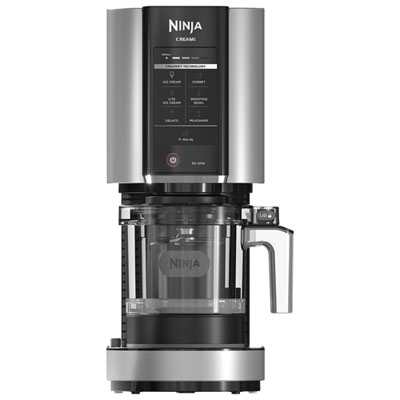 Your price for this item is $299.99
-
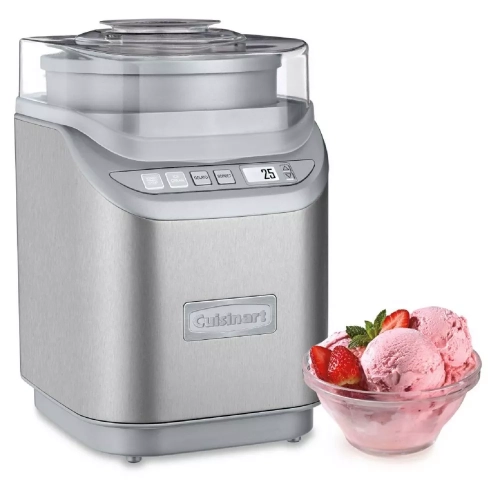 Your price for this item is $503.57
-
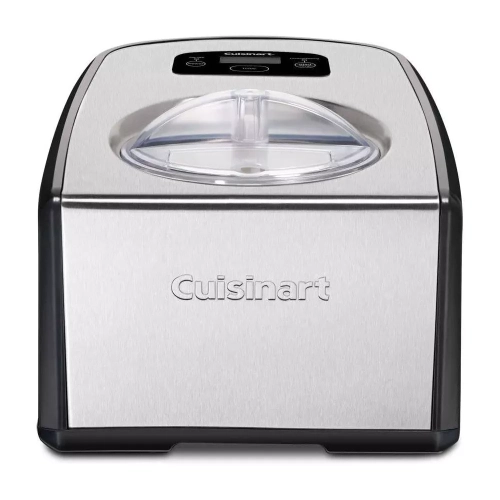 Your price for this item is $959.19
-
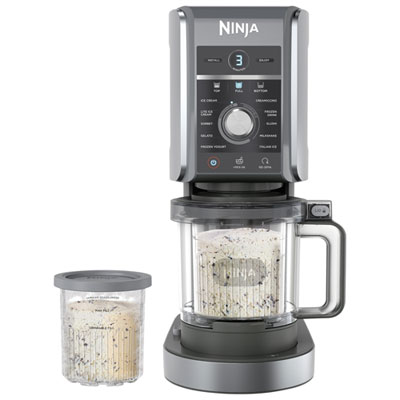 Your price for this item is $349.99
-
 Your price for this item is $299.99
-
 Your price for this item is $385.99
-
 Your price for this item is $261.88
Discover more categories related to Yogurt Makers
Top Collections:
Pokemon Centers, Best Cameras for Sports Photography, Kindle Devices, Samsung Galaxy Phones, Canon G7X Cameras, Pokémon 30th Celebration Cards, Refurbished Apple Laptops, iPhone 15 Apple, Laptops for Students, Budget Smartphones
Some products may be subject to Environmental Handling Fees
(EHF) depending on your province.
Learn more about EHFs.