Breadmakers
Breadmaker machines bring the aroma and taste of fresh bread right into your kitchen, making it easy to enjoy homemade loaves any day of the week. Whether you are a baking enthusiast or just looking for a convenient way to prepare delicious bread at home, a breadmaker offers a hassle-free solution. Explore a wide selection of breadmaker options designed to fit different preferences and baking needs, so you can create everything from classic white loaves to specialty recipes with ease. Find the perfect breadmaker to elevate your baking experience and enjoy fresh bread whenever you crave it.
Sort
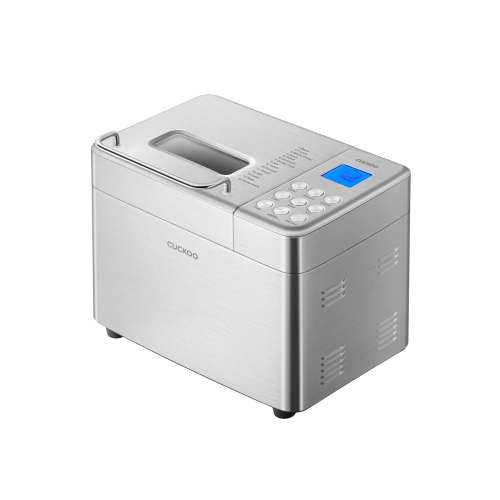
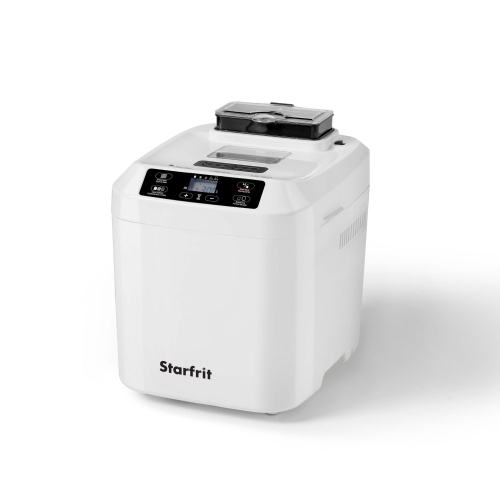
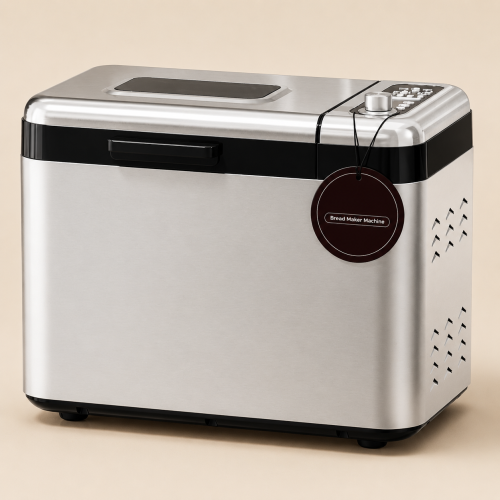
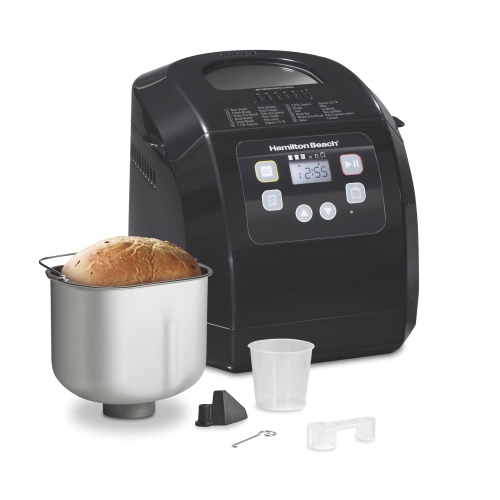
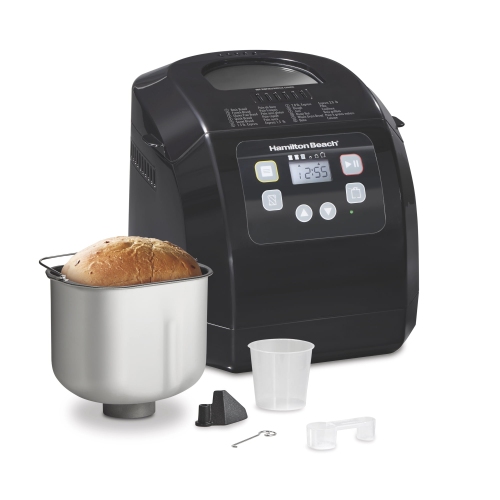
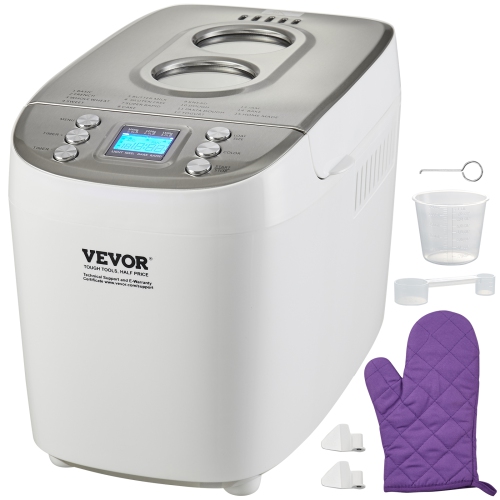
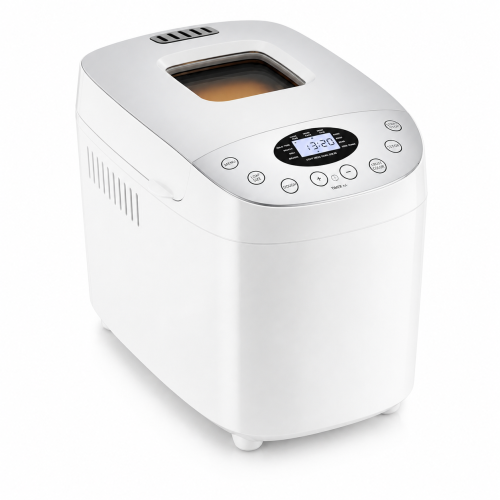
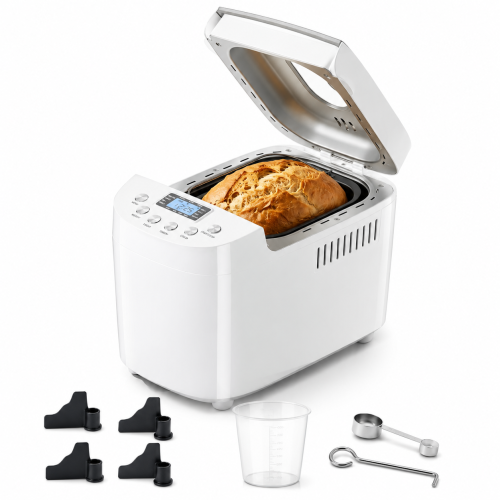
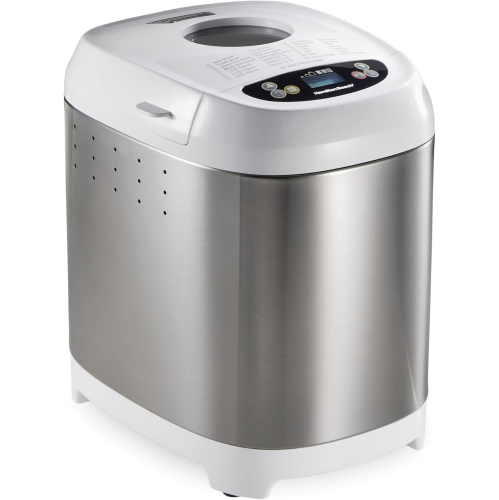

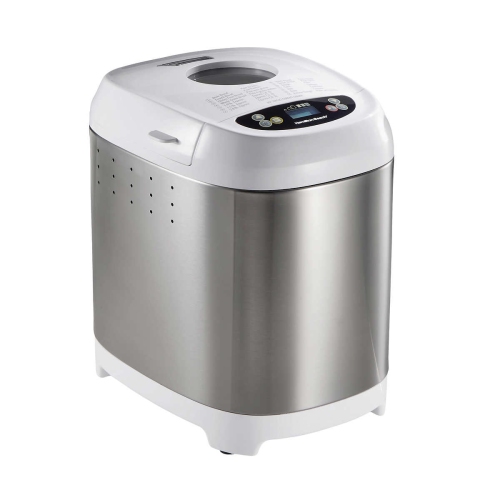
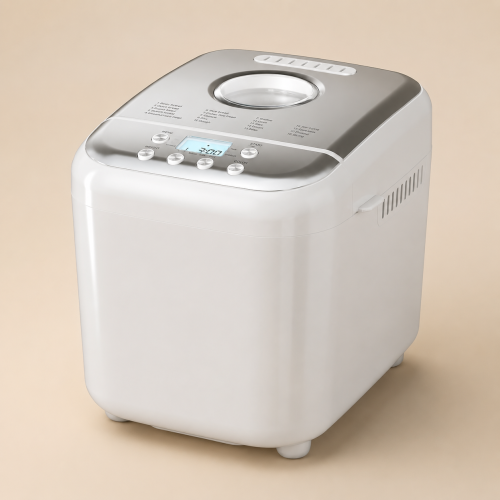
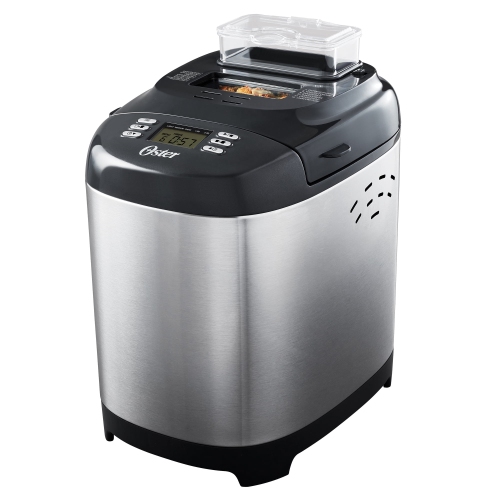
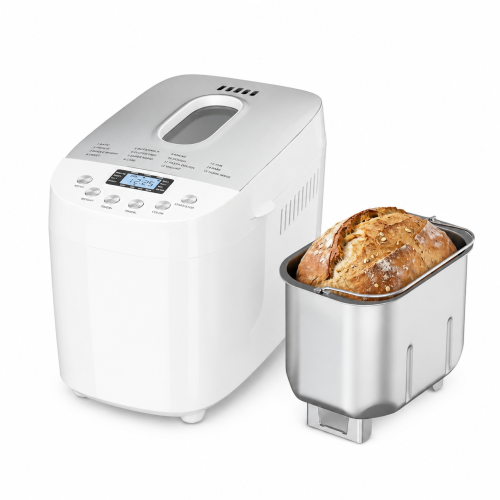
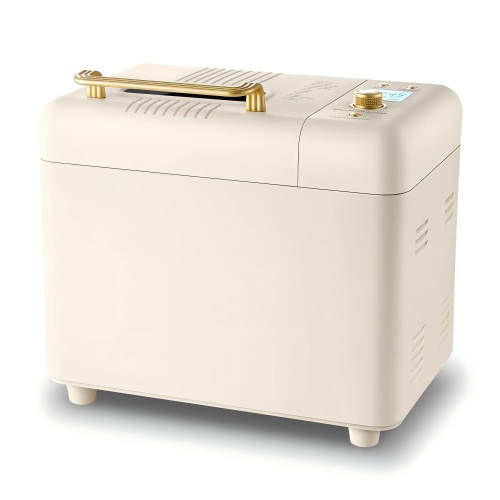
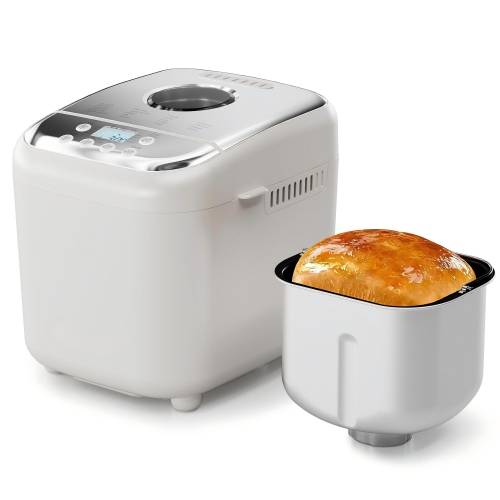
Homemade loaves with less hands-on work
Breadmakers are automatic kitchen appliances that mix, knead, let dough rise, and bake bread in a removable pan, bringing the main stages of breadmaking into one countertop machine. Ingredients go into the pan in the order specified by the manufacturer, and a selected program controls the mixing, resting, and baking stages. That hands-off process suits anyone who enjoys homemade bread but would rather not knead dough by hand or monitor several separate stages. A loaf can become the basis for weekday sandwiches, thick slices of toast, or bread served alongside soup, with the ingredients adjusted to suit a preferred recipe. Common loaf capacities range from about 1 to 2 pounds, although sizes vary by machine. Smaller loaves can suit one or two people, while larger capacities may be more practical for a household that goes through several slices at breakfast and lunch. Machines with multiple loaf-size settings offer flexibility, but each recipe still needs to match the selected capacity; an oversized batch can rise beyond the pan. Loaf shape matters, too. A tall, narrow pan produces a different slice from a longer, horizontal pan, which may feel more familiar for sandwiches. Single-paddle designs are common, while some machines use two paddles to work dough across a wider pan. The paddle usually leaves a small opening in the base of the finished loaf, so breadmaker loaves will not look exactly like loaves baked in a separate tin. Bread texture also depends on the flour, hydration, yeast, and chosen cycle, not simply the appliance’s power rating. For someone who prefers a soft sandwich loaf, an evenly shaped slice and adjustable crust setting may matter most. For a baker who enjoys trying different doughs, flexible programs and clear controls may have greater everyday value.
Breadmaker settings determine how easily a machine fits different recipes and eating habits. Basic white bread, whole wheat, sweet bread, dough-only, and rapid-bake programs are common options, though the selection differs between machines. Whole wheat programs may allow longer resting or rising stages for denser flour mixtures, while sweet bread programs are designed around doughs containing ingredients such as sugar, milk, or eggs. A dedicated gluten-free setting can be useful because gluten-free mixtures behave differently from wheat dough and may need a distinct mixing and baking sequence. The setting alone does not make a recipe gluten-free: ingredients and any surfaces that contact the dough also matter. Where medically necessary dietary restrictions are involved, a dedicated machine and utensils can help reduce cross-contact, alongside appropriate ingredient checks. Light, medium, and dark crust settings offer another way to personalize a loaf, although the finished colour will also depend on the recipe. Rapid programs shorten the overall process but may produce a different texture from a longer cycle. Dough-only programs extend the appliance’s role beyond finished loaves, preparing dough that can be shaped into dinner rolls, pizza bases, or cinnamon buns before baking separately. Some machines also have programs for jam or cake-style mixtures; these uses should follow the manufacturer’s recipes and operating limits. For fruit bread or a loaf dotted with nuts, an audible add-in signal or automatic dispenser can introduce ingredients at the appropriate stage rather than at the beginning of mixing. Delay-start timers are useful for scheduling a suitable recipe to finish closer to a meal, but recipes with perishable ingredients should not sit unrefrigerated for an extended period. A keep-warm function can provide a short buffer after baking, although leaving bread enclosed too long may affect the crust. These features are most useful when they support the bread someone actually enjoys making, rather than simply adding more menu choices.
Everyday practicality is just as important when comparing bread makers for homemade bread. Check the appliance’s width and depth against the intended countertop space, along with the clearance needed to open the lid and lift out the pan. A compact footprint does not always mean a lightweight machine, so carrying weight and comfortable handholds matter if it will be moved between a cupboard and a work area. Breadmakers need a stable, level surface and the ventilation clearance specified by the manufacturer. Kneading creates some sound and movement, making placement worth considering in an open-plan kitchen or near a quiet workspace. A readable display, clearly labelled buttons, and an easy-to-grip pan handle can make routine use more comfortable. A viewing window offers a look at the loaf without opening the lid, while removable components make cleanup more manageable. Exterior housings may use plastic, stainless steel, or a combination of materials; the finish affects appearance and cleaning, but does not by itself establish baking performance or durability. Inside, a non-stick pan and paddle help release the bread, provided their coating is treated carefully. Metal utensils and abrasive cleaning tools can damage coated surfaces, and dishwasher suitability varies, so the care instructions should determine how each part is washed. Let components cool before cleaning, remove dough caught around the paddle, and keep the appliance body out of water. Access to replacement pans and paddles can be worth considering for an appliance intended for frequent use. Once baking is complete, turning the loaf out and cooling it on a rack helps moisture escape before slicing; cutting too soon can compress the soft interior. A serrated bread knife and suitable storage container are useful companions, particularly when a loaf will be sliced for several meals. As a gift, a breadmaker suits someone who enjoys baking, wants more control over ingredients, or appreciates a practical kitchen routine. Matching the machine’s capacity, physical size, and controls to that person’s habits is more meaningful than choosing by the number of programs alone.
Top selling and popular products
-
 Your price for this item is $199.97
-
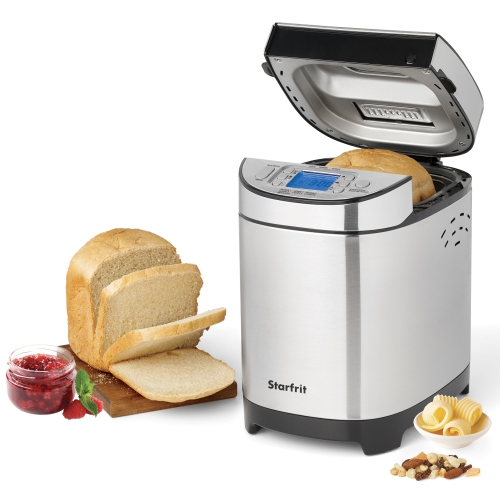 Your price for this item is $119.99
-
 Your price for this item is $399.99
-
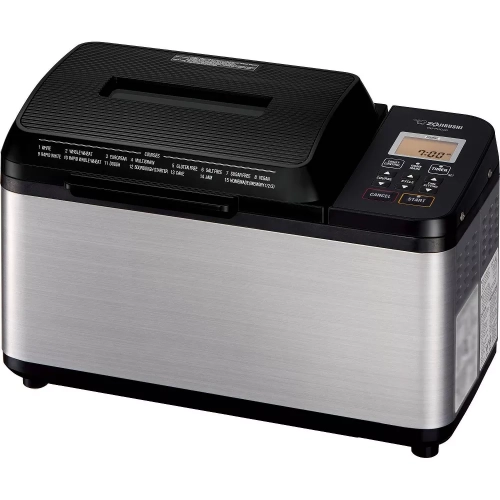 Your price for this item is $900
-
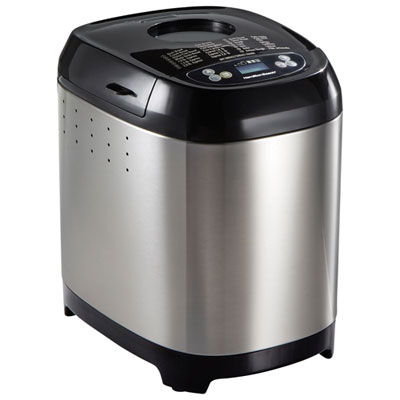 Your price for this item is $163.99
-
 Your price for this item is $143.31
-
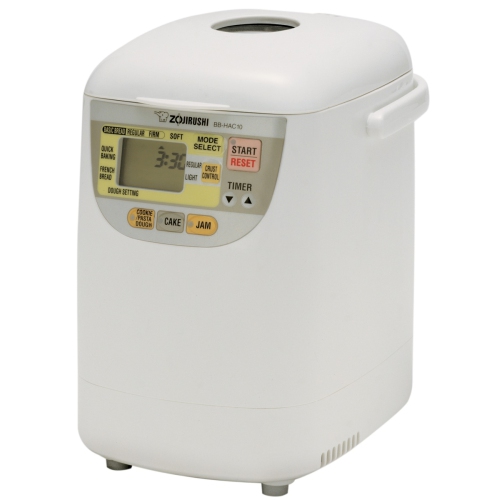 Your price for this item is $747.99
-
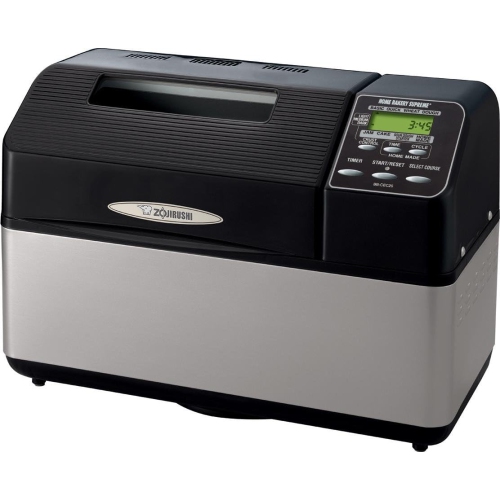 Your price for this item is $994.99
Discover more categories related to Breadmakers
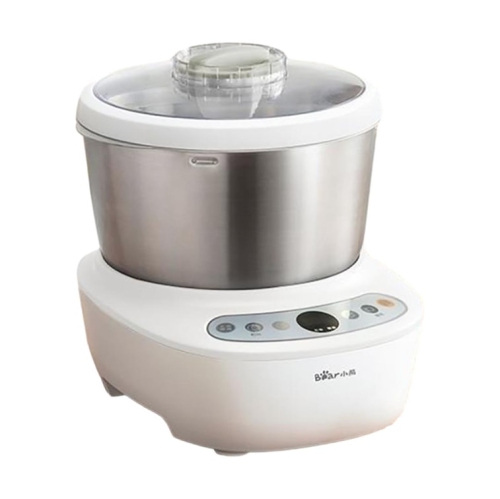
Top Collections:
Best Black Friday Deals This Year, Best Black Friday Deals On Electronics, Kindle Devices, Pokemon Centers, Best Black Friday Deals On Apple Products, Best Cameras for Sports Photography, Dyson Airwrap, Pokémon 30th Celebration Cards, Apple iPhone 17 Pro, Canon G7X Cameras
Some products may be subject to Environmental Handling Fees
(EHF) depending on your province.
Learn more about EHFs.