Art Puzzles for Adults

Explore art puzzles for adults to find a jigsaw that pairs an appealing image with a satisfying challenge. Compare artwork, piece counts, and finished dimensions to choose a puzzle that suits your interests, preferred difficulty, and available table space.
Sort

Brushstrokes and colour take shape piece by piece

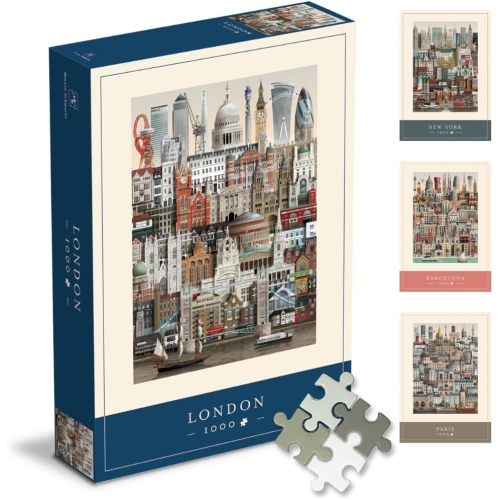
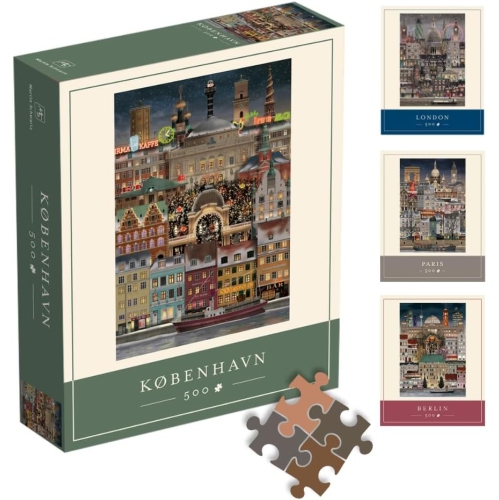
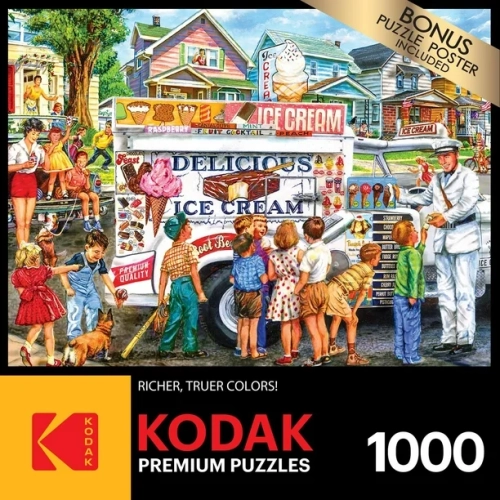
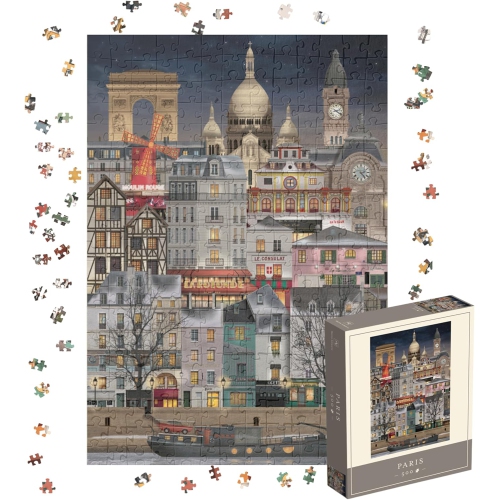
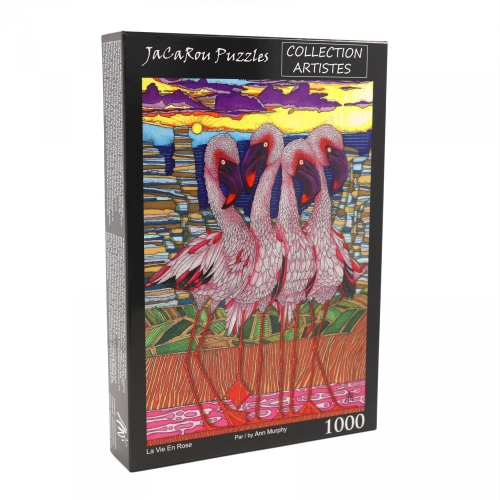
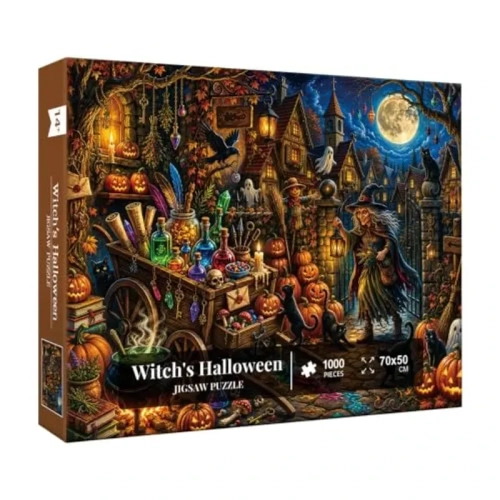
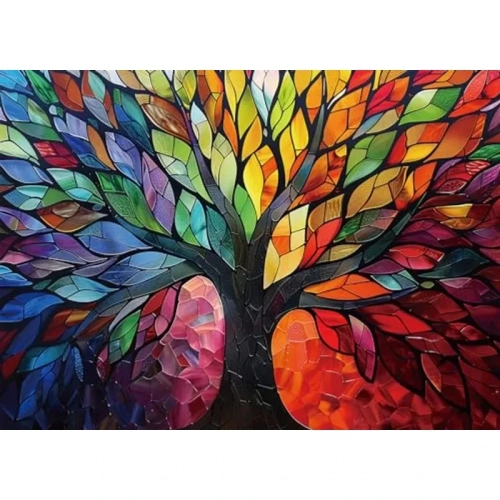
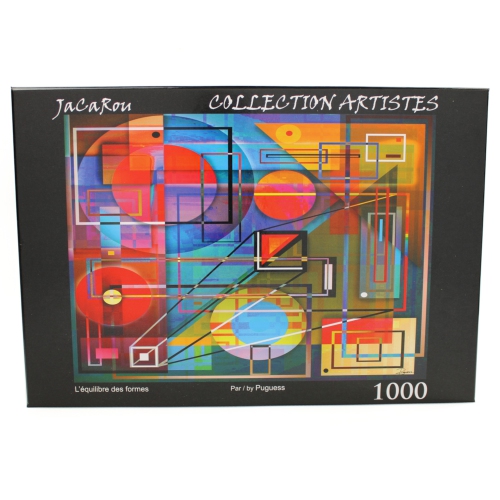
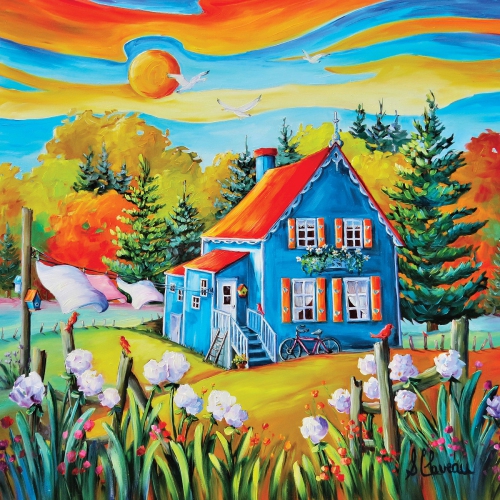
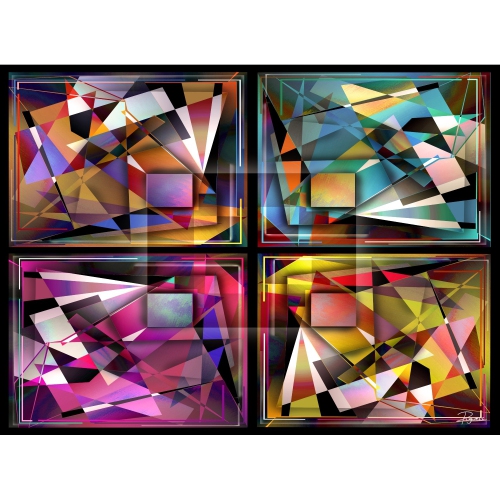
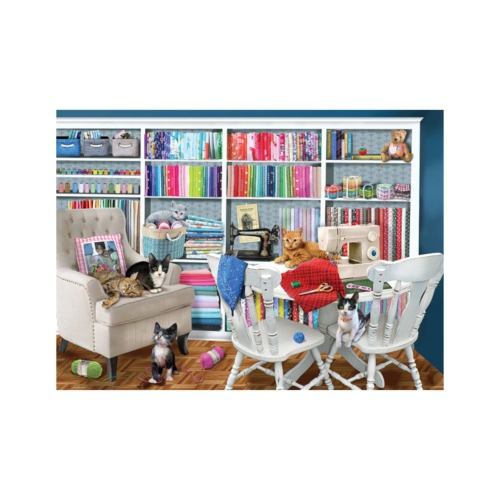
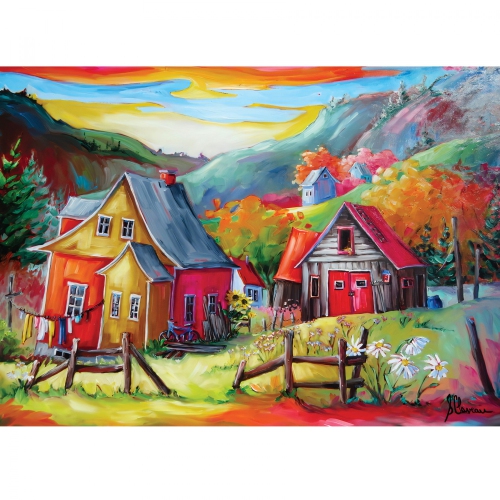
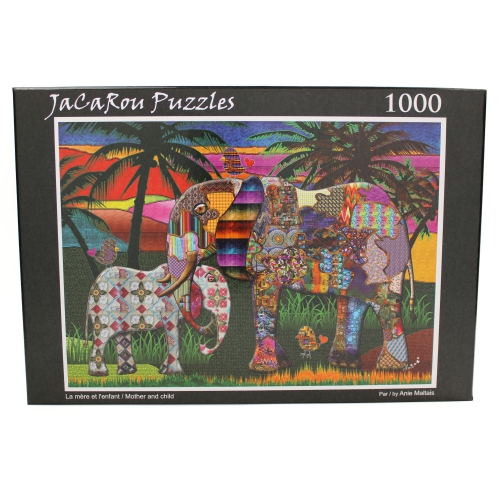
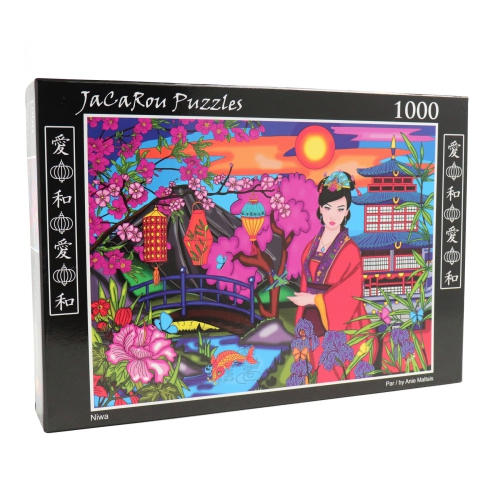
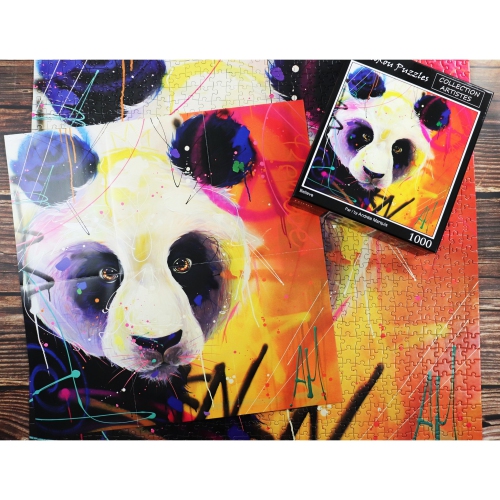
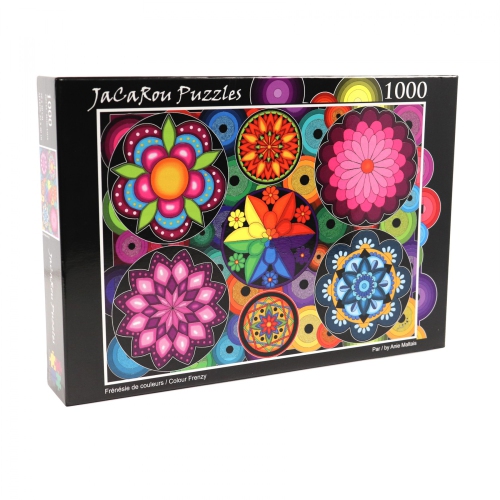
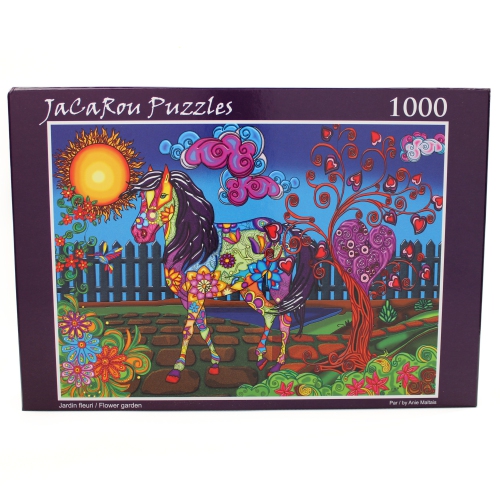
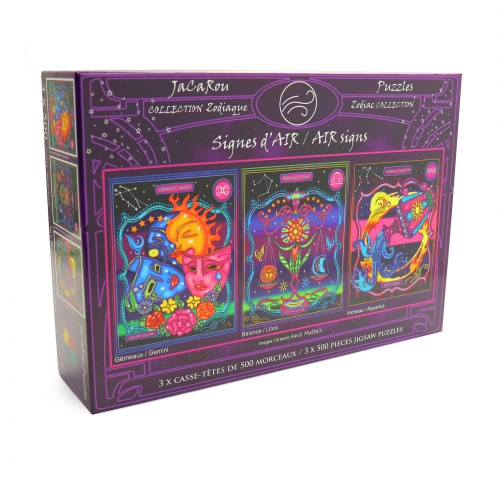
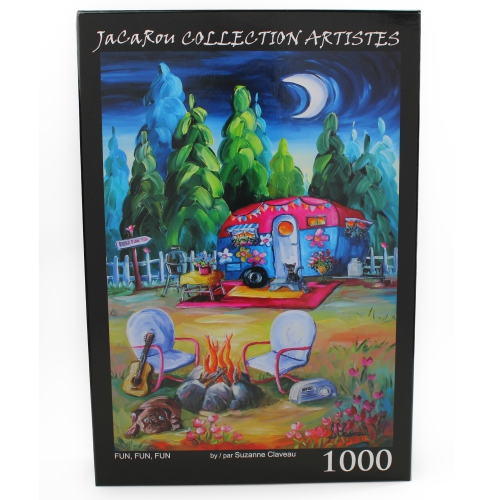
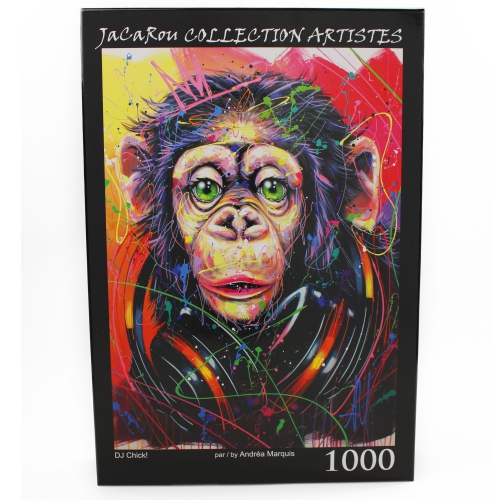
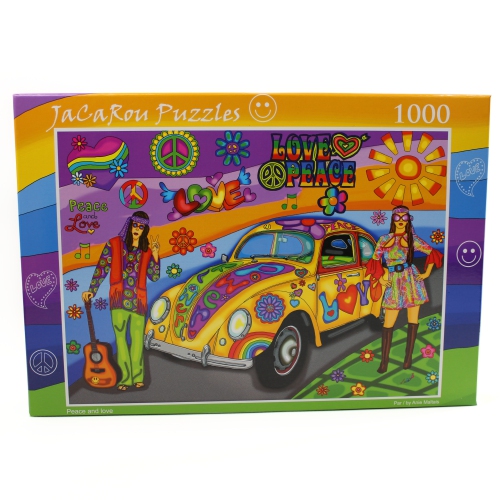
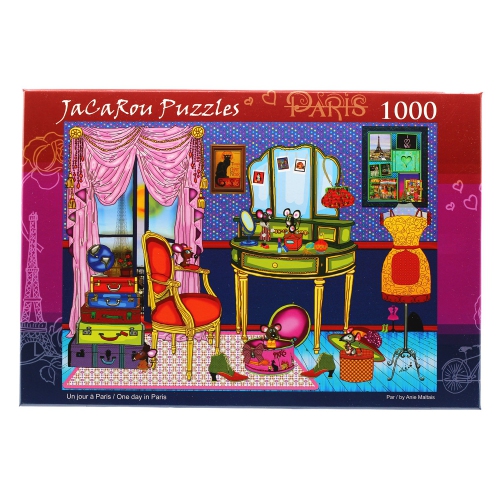
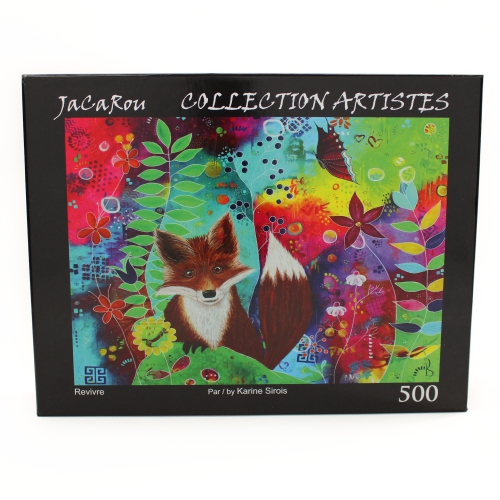
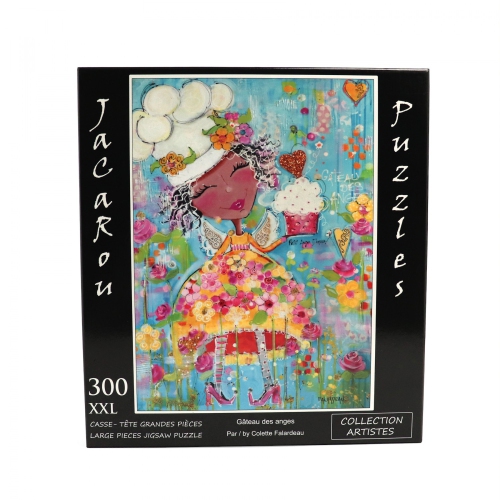
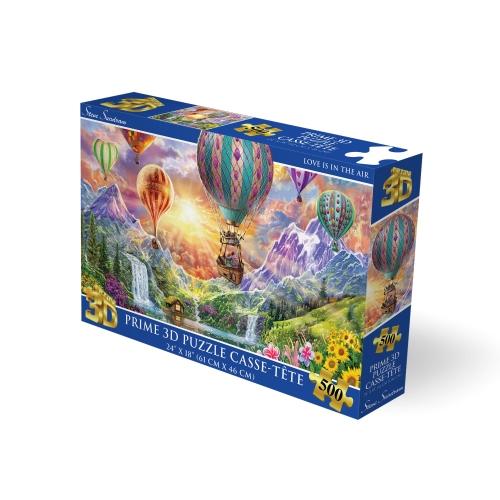
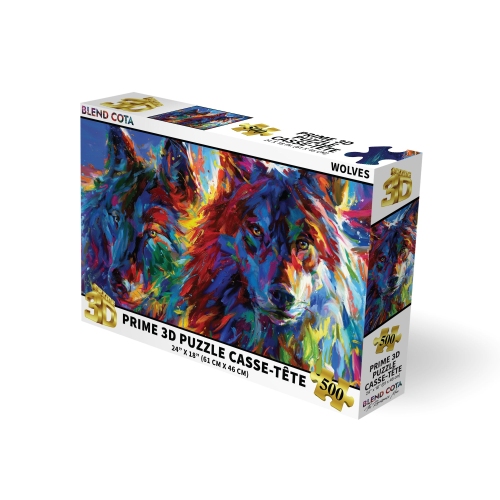
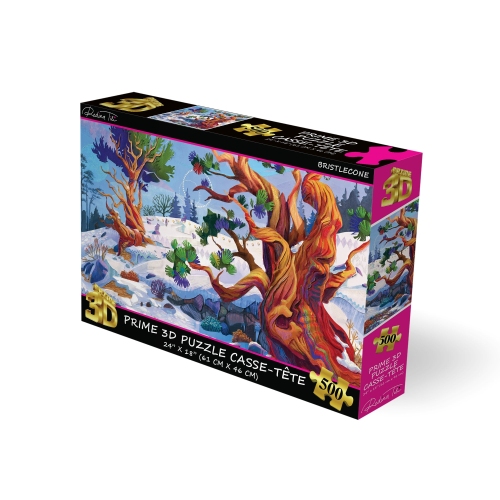
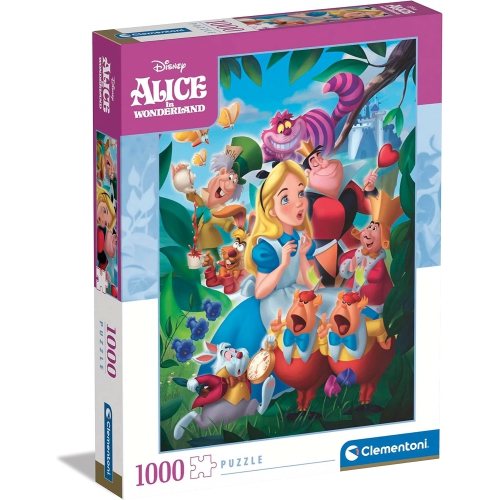
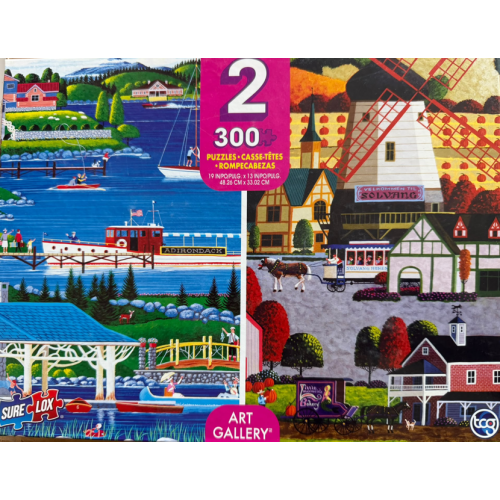
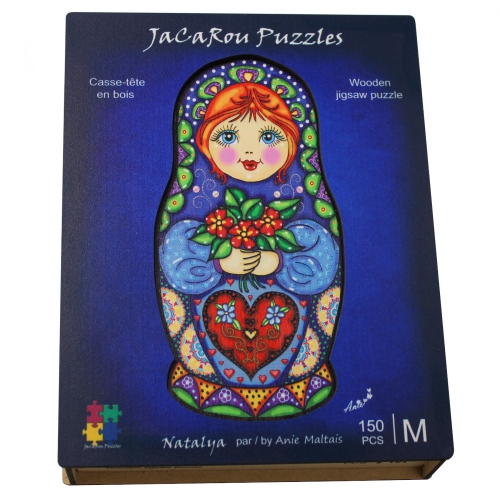
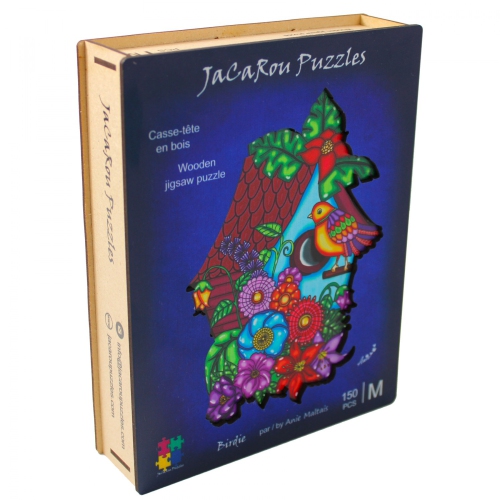
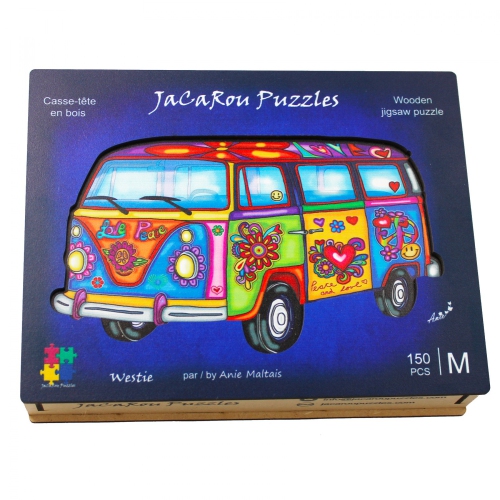
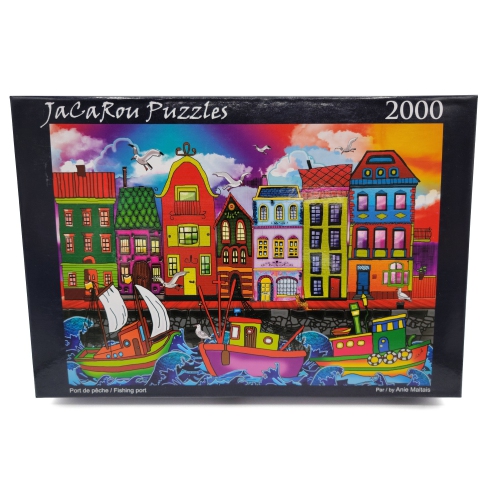
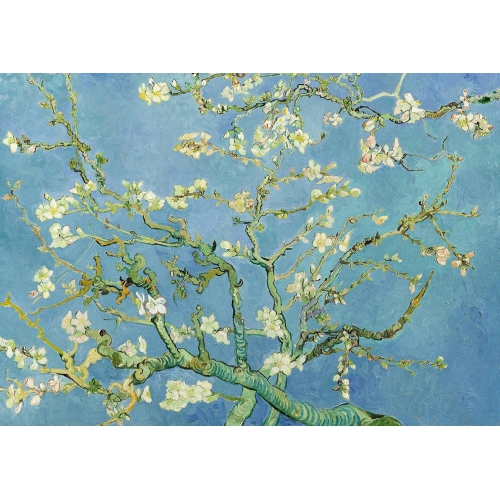
Art puzzles for adults bring the pleasure of looking closely at a painting, illustration, or graphic composition into a hands-on activity. Rather than revealing their details at a glance, these images unfold piece by piece: a curved line becomes the rim of a vase, a patch of blue resolves into reflected water, and a few scattered marks form the folds of a figure’s clothing. The artwork gives the puzzle its character, whether the appeal lies in expressive brushstrokes, precise architectural drawing, decorative patterns, or an abstract arrangement of shapes. A richly detailed scene can offer many recognizable starting points, while a restrained composition may ask for more attention to subtle shifts in shade and texture. Neither approach is inherently more satisfying; the right match depends on whether the puzzler enjoys following distinct objects or working patiently through areas that look similar. Artistic style also changes the experience of assembly. Still-life imagery often creates small, clearly defined sections, while broad skies, softly blended backgrounds, and repeated motifs can make a modest piece count surprisingly demanding. Strong outlines and varied colours can provide helpful landmarks without taking away the satisfaction of finding a difficult connection. For a related emphasis on vivid palettes and lively contrasts, Colorful Puzzles for Adults offers another way to explore visually engaging designs. Reproduction quality matters when artwork is translated into puzzle form: crisp detail helps distinguish neighbouring areas, and balanced colour gives delicate shading room to show. The image’s crop is worth considering, too, particularly when the appeal is a complete composition rather than a close-up detail. Some art feels most engaging from across the table, where the overall arrangement takes shape; other images reward leaning in to notice tiny flowers, patterned fabric, or marks that resemble individual strokes of paint. That combination of close observation and a gradually emerging picture makes art puzzles appealing to people who enjoy both visual creativity and a clear, tangible goal.

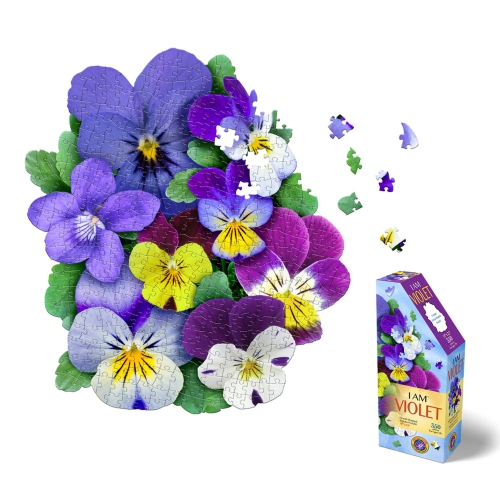
The physical construction of an art puzzle shapes how comfortable and satisfying it is to handle over several sessions. Cardboard pieces can differ in thickness, surface finish, and backing, while wooden pieces offer a different weight and feel and may include unusually shaped cuts. A well-defined cut and a secure connection help distinguish a genuine match from two pieces that merely seem compatible, especially in a large area of nearly identical colour. Pieces should fit without force; pressing a doubtful connection can damage an edge and make the surrounding section harder to complete. A matte surface may be easier to view under a bright task lamp, whereas a glossier finish can reflect light at certain angles. Piece count is only one measure of difficulty. A 500-piece puzzle with large stretches of closely matched tones may take more concentration than a 1,000-piece design filled with distinct objects and colour changes. Finished dimensions, individual piece size, and the complexity of the cut all deserve attention alongside the number on the box. Larger pieces may suit someone who prefers easier handling or clearer visual details, without requiring a less sophisticated art style. The finished measurements also determine whether the puzzle fits a dining table, dedicated board, or compact work surface. Extra space around those measurements allows room for sorting trays and loose pieces rather than leaving everything crowded against the border. For a table that needs to return to everyday use, a movable board or suitable storage system can keep an unfinished composition together between sessions. Durability depends partly on handling and care: clean, dry hands help protect printed surfaces, and keeping drinks away from the working area reduces the risk of swelling or staining. Loose pieces are best returned to a secure container, with the reference image kept nearby. Storage away from dampness, prolonged direct sunlight, and heavy pressure helps preserve both the picture and the shape of the pieces for future assemblies, whether the puzzle is completed once or revisited regularly.

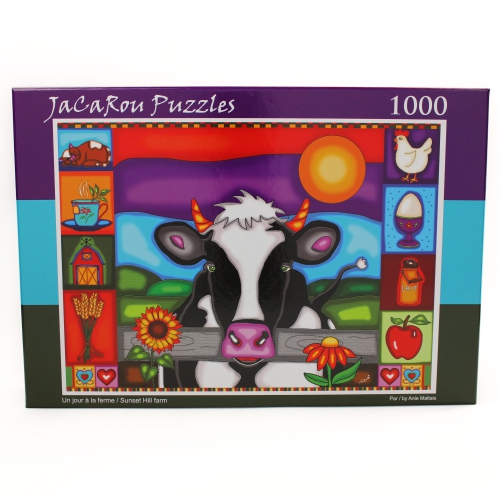
Art puzzles suit a range of routines, from a quiet solo project to a shared activity spread across several evenings. Someone drawn to painting may enjoy tracing the composition through small fragments, while a design enthusiast might be more interested in geometric balance, typography, or decorative detail. No drawing or painting experience is needed to appreciate how an image comes together. For two people working side by side, a composition with several distinct sections can make it easy to divide attention naturally: one person follows a patterned border while the other builds a group of objects near the centre. A more uniform image can encourage a slower, collaborative approach, with both puzzlers comparing subtle colour changes and testing the direction of fine lines. Art puzzles can also make thoughtful gifts for adults whose tastes are easier to recognize in an image than in a particular hobby. A favourite subject, a preferred colour palette, or an interest in a certain artistic style can provide a meaningful connection, while a manageable size helps the gift fit the recipient’s space and experience. An intricate puzzle may suit someone who enjoys returning to a long project; a smaller format may be more welcoming for an occasional puzzler with limited table space. The finished artwork can be taken apart and enjoyed again, passed along with all pieces securely contained, or considered for display. Framing requires attention to the actual assembled dimensions and thickness rather than piece count alone. Adhesives and mounting methods should be compatible with the puzzle material, and permanent treatments are best reserved for a picture intended to stay assembled. A reversible display method may be preferable when completing the puzzle again is part of its appeal. Whether the final image ends up on a wall or back in its box, much of the enjoyment lies in the details noticed along the way: a hidden outline, an unexpected colour pairing, or the moment a handful of separate fragments finally becomes a recognizable part of the artwork.
FAQ

Some products may be subject to Environmental Handling Fees (EHF) depending on your province. Learn more about EHFs.